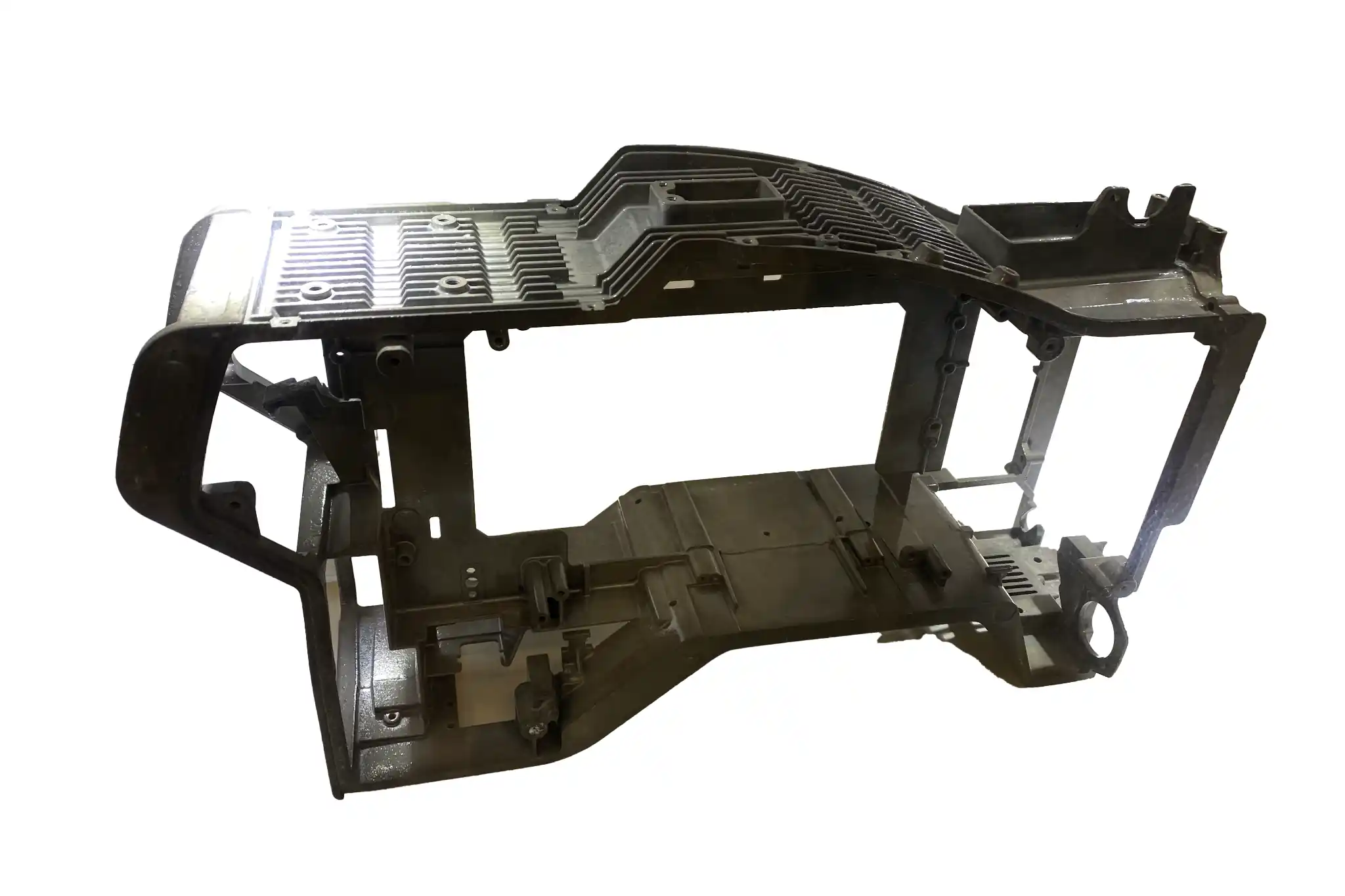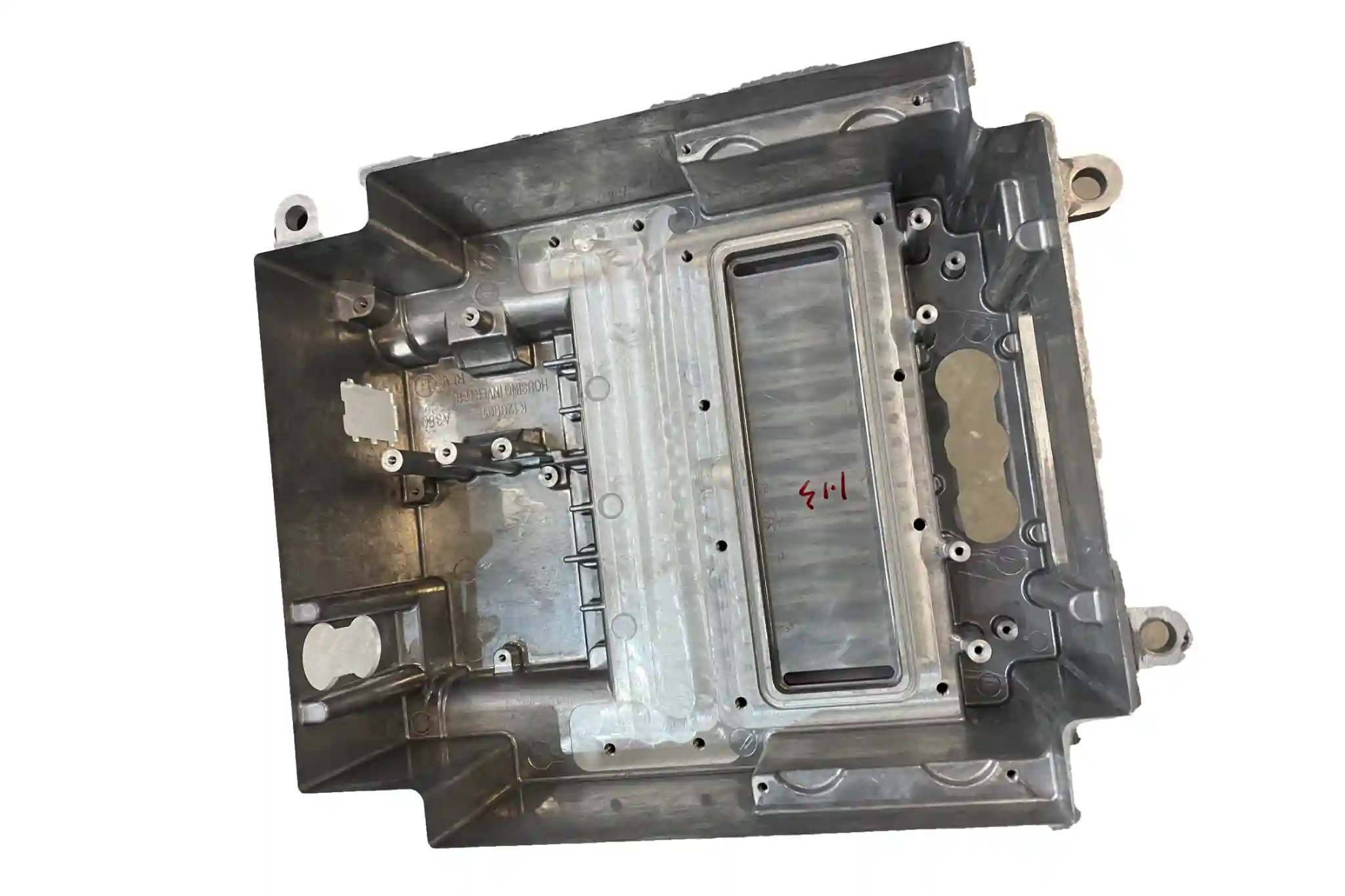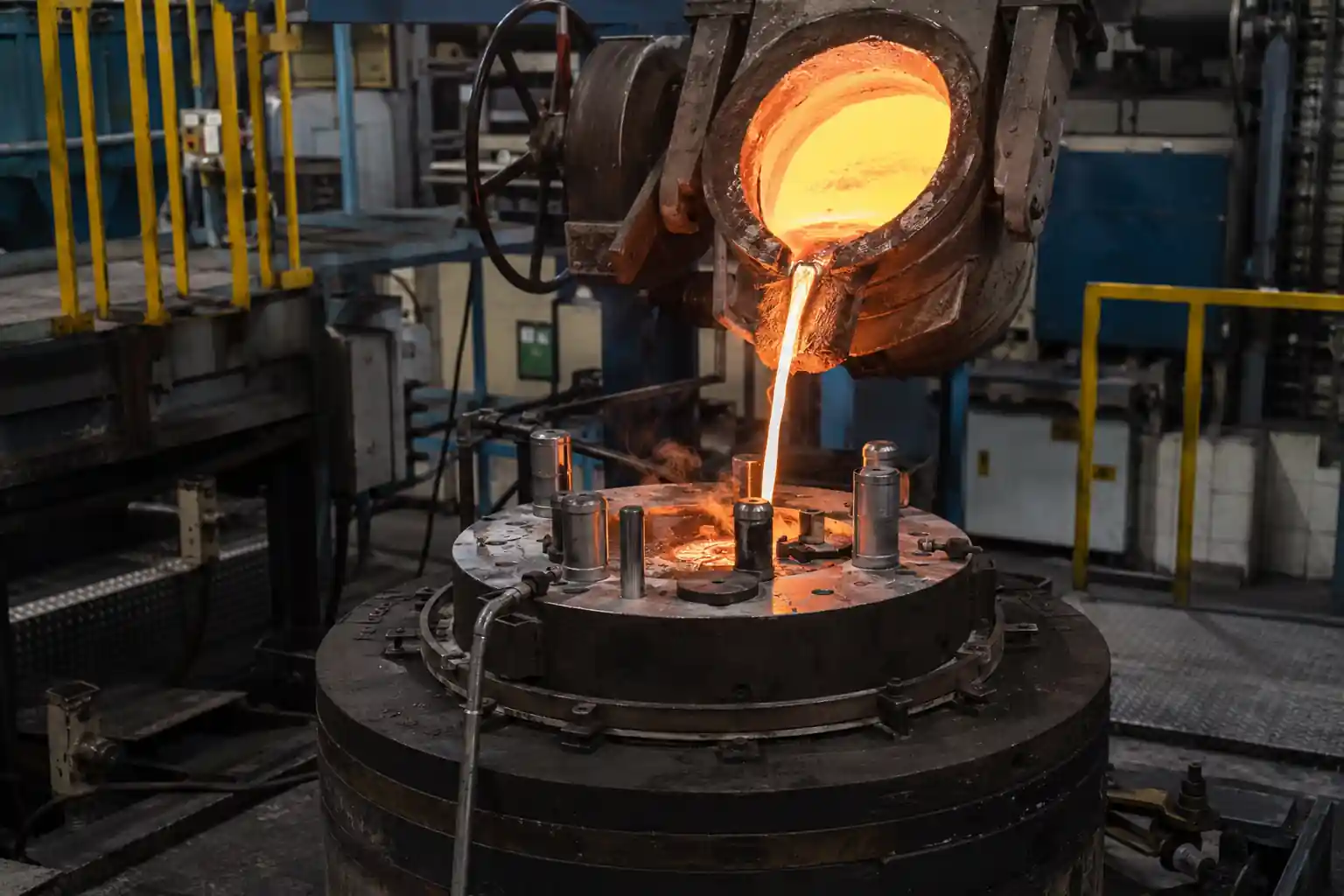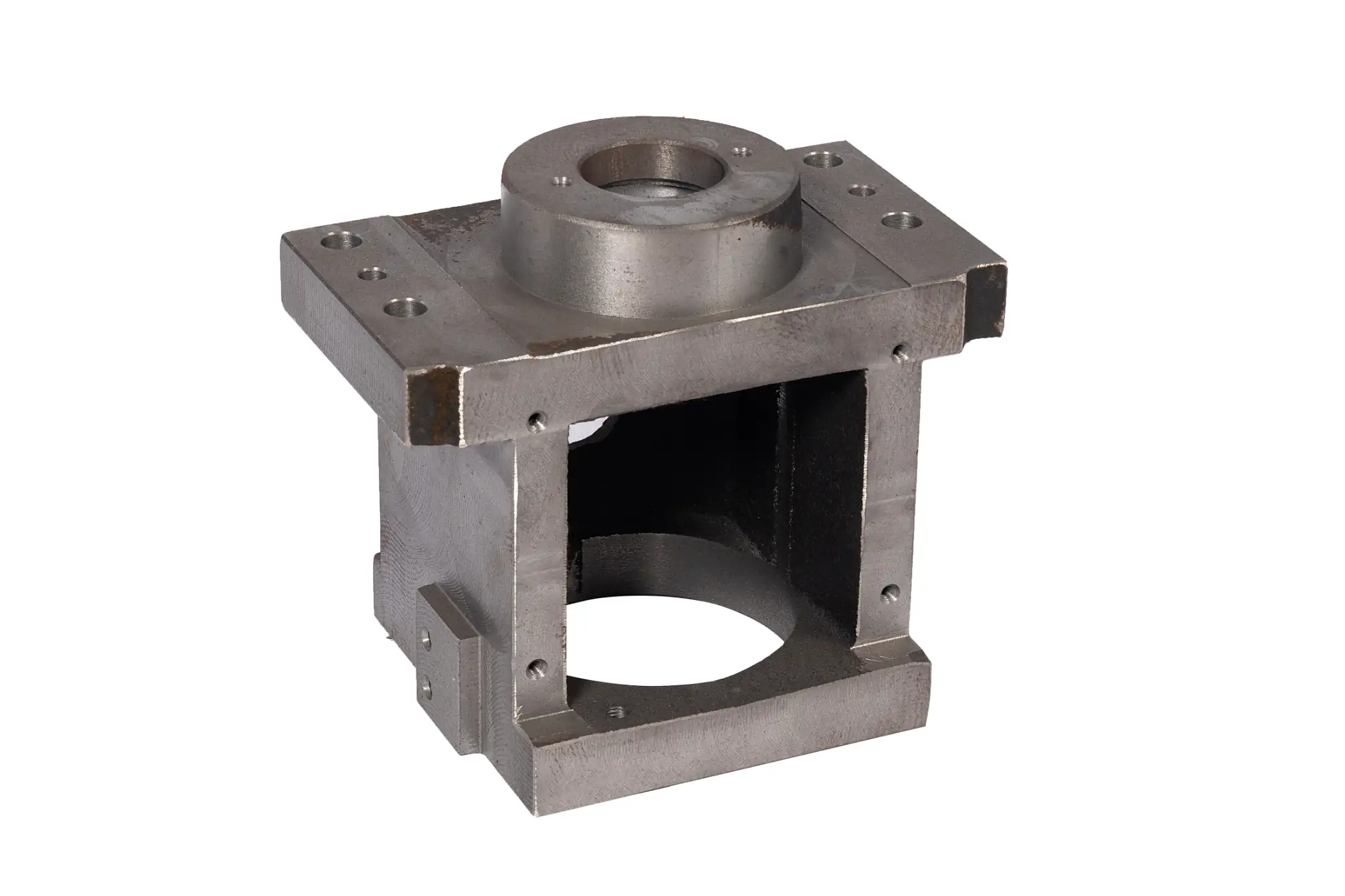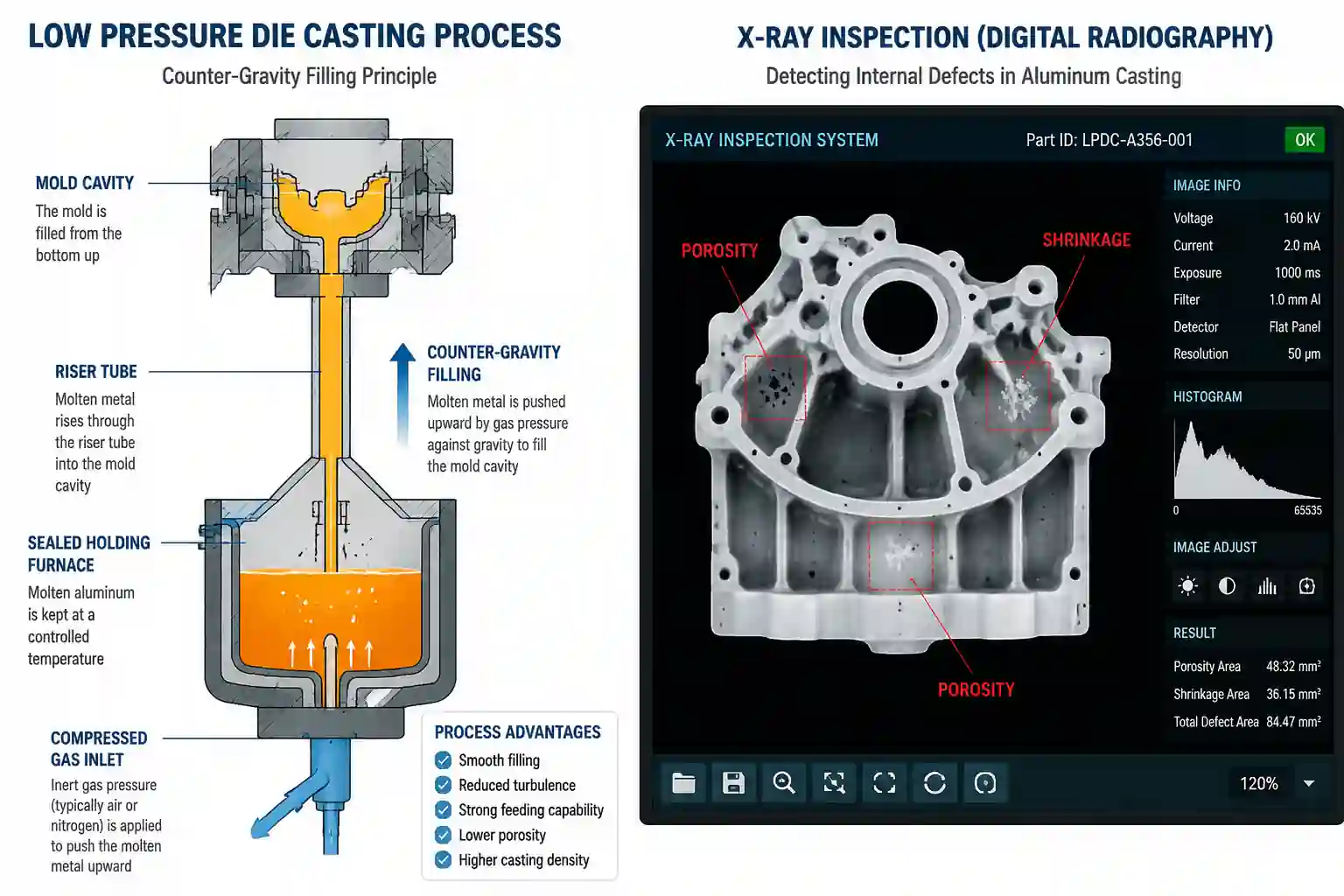



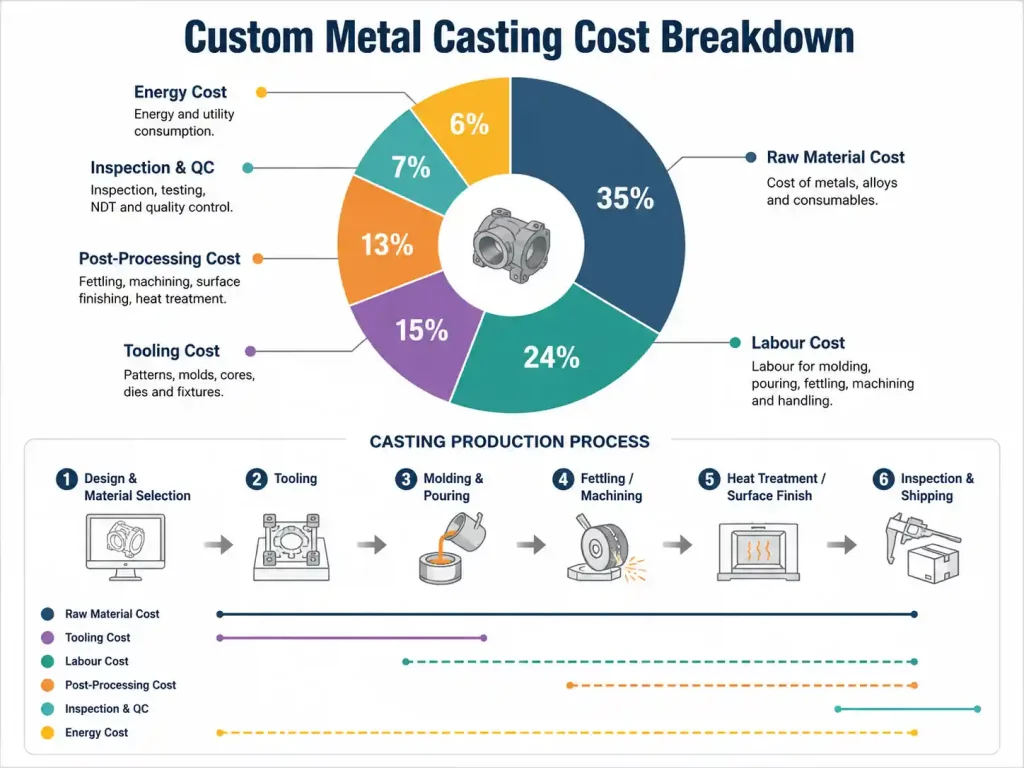
Custom casting cost is not a single number on a quote. It is the sum of material, tooling, labor, post-processing, and inspection, spread across the quantity you buy. A low piece price can be the expensive option when machining, finishing, testing, or scrap risk is left out, so the comparison that matters is delivered cost per accepted part, not the headline unit price.
Most of that total is fixed by decisions you make before production starts. Material grade, geometry, tooling approach, volume, and inspection level all move the price, and each one can still be adjusted when you request a quote. This guide explains what drives casting cost and where the savings actually come from for your project.
Key Factors That Affect Casting Cost
A casting quotation is built from five cost groups, and most of them are set by casting design considerations that are cheap to change on paper and expensive to change in production.
- Material. Alloy grade and part weight set the base. Ductile iron costs more than gray iron, premium grades multiply the bill, and market-driven alloy surcharges can shift your quotes between quarters.
- Tooling. Patterns, core boxes, and dies are a one-time investment that is amortized across the order quantity.
- Part complexity. Thin walls, undercuts, tight tolerances, and internal cores add tooling cost, molding time, and scrap risk to the part.
- Production volume. Fixed costs such as tooling and setup are spread over more pieces, so unit price falls as quantity rises.
- Post-processing and inspection. Machining, heat treatment, coatings, and quality testing add direct cost but protect the part from failing in service.
Tooling and Material Costs
Tooling and material behave differently as volume changes, which is why they are evaluated together. Tooling is fixed and amortized; material is recurring and scales with every piece.
Tooling Cost
Tooling covers patterns, core boxes, and dies, and the price depends on complexity and durability. A sand casting pattern may cost a few hundred to a few thousand dollars, while wax injection dies for investment casting run from thousands to tens of thousands. The per-piece effect is what matters: a $2,000 pattern spread over 100 pieces adds $20 per piece, but over 2,000 pieces it adds only $1. Ordering production tooling before the design is stable is the classic risk, because a revision after the die is cut costs more than the original tool.
Material Cost
Material is usually the largest recurring line item, at roughly 50 to 70 percent of total cost for custom castings. Alloy selection, part weight, and yield drive the number; yield is the share of poured metal that becomes good parts, while gating, runners, and risers are poured but not shipped. A higher-strength grade buys performance but raises cost, so the material should be matched to the service requirement instead of the most conservative option available.
How Part Design and Volume Affect Unit Cost
Design and volume interact rather than acting independently. Complexity raises tooling, molding labor, and rejection risk; volume spreads those fixed costs across more parts and justifies better tooling. The same part can therefore be economical at 5,000 pieces and uneconomical at 500. Release size matters too: if you ship the same annual volume in small lots, setup and inspection costs repeat. When volume is low or uncertain, simpler geometry, expendable molds, or prototype tooling avoids committing capital before the design is validated.
Choosing the Right Casting Process to Control Cost
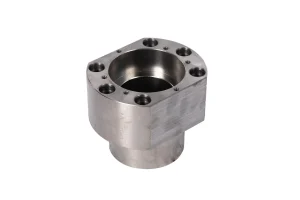
Process choice should follow the delivered cost, not the piece price alone. Sand casting has the lowest tooling entry and handles large or low-volume parts, but its rougher as-cast surfaces create machining stock and finishing hours. Investment casting carries higher tooling and consumable costs yet produces near-net geometry that removes machining and assembly operations. Die casting has the highest tooling investment and the lowest unit cost at high volume, with fast cycles for aluminum and zinc parts. Each route also changes the inspection burden, so the metal casting inspection methods appropriate to the process should be priced into the quote.
How to Reduce Casting Cost
Most cost reduction happens before the first pour. The five levers below return the largest savings when applied at the quoting stage.
- Run a DFM review on your design before tooling. Adjust fillets, draft, and wall thickness so features cast to shape instead of being machined. Correct shrinkage allowance prevents porosity and rework.
- Consolidate parts. One casting can replace welded or bolted assemblies, removing purchased parts, fixtures, and assembly labor while reducing leak paths.
- Match the process to the volume. Sand casting suits low volume and large parts; investment casting pays off when machining is the real cost; die casting wins only at sustained high volume.
- Right-size your specifications. Specify the tolerance, finish, and grade the part actually needs. Every unnecessary requirement adds machining, inspection, or rejection risk.
- Involve the foundry early in your quoting process. A supplier that reviews the drawing before quoting catches cost drivers that an RFQ process will not, so choose the casting supplier for engineering input, not just price.
FAQ
Why do casting quotes vary so much between foundries?
Because scope varies. One quote may stop at the raw casting, while another includes machining, heat treatment, inspection, and logistics. Compare quotes for the same finished condition and acceptance plan.
Why is tooling so expensive?
Tooling is an engineered product: design, machining, and material go into every pattern or die, and complexity, cavity count, and durability drive the price. High tooling cost can still be economical when volume spreads it thin.
How does quantity affect the unit price?
Fixed costs such as tooling, setup, and first-article inspection are divided by the quantity, so larger runs lower the cost per part. Small batches pay a larger share of those fixed costs.
What is the fastest way to reduce casting cost?
Involve the foundry in a design-for-manufacturability review before tooling is ordered. Late changes multiply cost, while early geometry, material, and process decisions capture most of the savings.
Nodular Cast Iron – Cast Iron Casting Manufacturer
The cheapest quote is only real if it covers the part you actually need to ship. Send your drawing, service conditions, target volume, and acceptance requirements to our engineers before the tooling decision, and we can return a costed manufacturing plan with the design details settled at the quoting stage. That early review is where most casting budgets are won or lost.