Draft Angles and Parting Lines in Sand Casting
Draft angles and parting lines are important considerations in sand casting design. This article explains…


High pressure die casting services for custom metal parts, with machining and surface finishing support to meet your drawing specifications and production requirements.
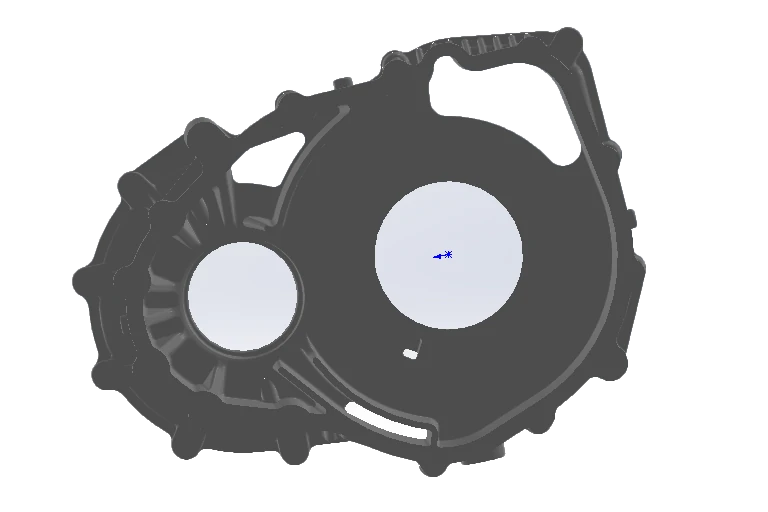
MinHe supports high pressure die casting projects from drawing review and tooling development to casting production, CNC machining, surface finishing, and final delivery. We review part geometry, alloy selection, and production volumes to identify manufacturing requirements before tooling begins. During production, we focus on dimensional consistency, surface quality, and the inspection requirements specified in your drawings.
| Material | Typical Characteristics | Common Applications |
|---|---|---|
| A380 Aluminum Alloy | A widely used high pressure die casting alloy offering a balance of castability, mechanical strength, and machinability for general-purpose industrial components. | Automotive housings, equipment covers, mounting brackets, and industrial enclosures. |
| ADC12 Aluminum Alloy | Good fluidity and mold-filling characteristics make ADC12 suitable for complex shapes and thin-wall components in repeat production. | Gearbox housings, motor covers, electronic enclosures, and automotive components. |
| A360 Aluminum Alloy | Offers good corrosion resistance and pressure-tightness characteristics. Final casting performance depends on part geometry, tooling design, and process control. | Pump housings, fluid-handling components, equipment housings, and industrial parts requiring corrosion resistance. |
High pressure die casting produces complex metal parts with thin walls, detailed features, and consistent dimensions. Fast production cycles and reusable steel dies make it well suited to repeat orders and higher production volumes. Features such as ribs, bosses, and mounting points can be incorporated into the casting, reducing the need for additional machining and assembly.
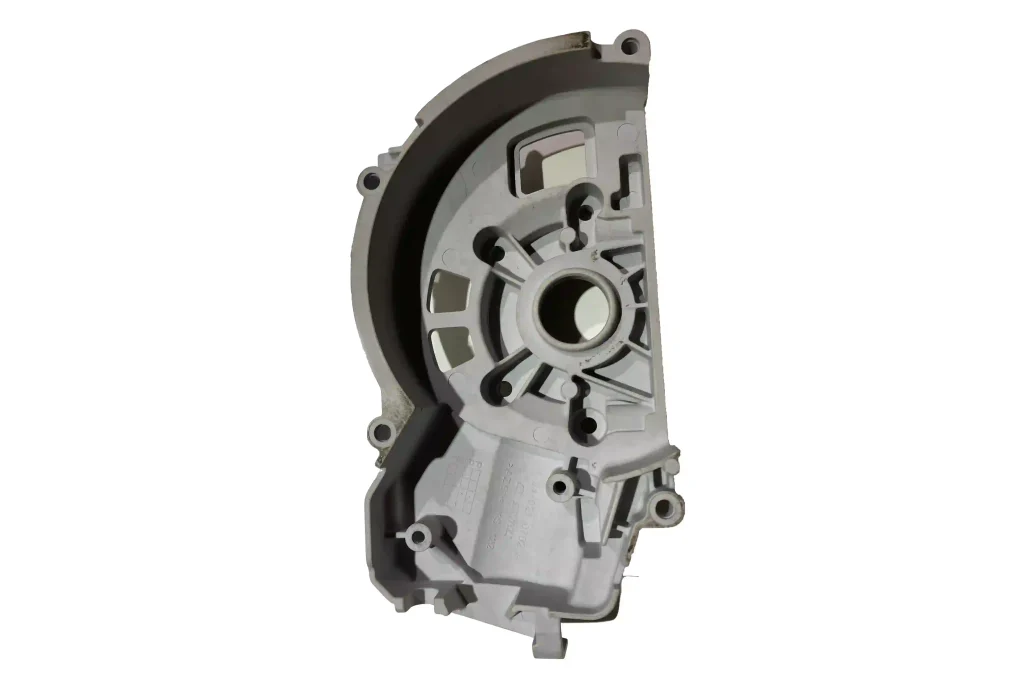
We support custom high pressure die casting projects from drawing review and tooling development to casting, trimming, CNC machining, and surface finishing. Part feasibility, tolerances, production capacity, and delivery schedules are confirmed during project evaluation.
| Specification | Details |
|---|---|
| Casting Weight Range | Confirmed after reviewing part dimensions, geometry, and machine requirements |
| Typical Alloys | A380, ADC12, A360, subject to project requirements and availability |
| Production Volume | Evaluated according to part complexity, tooling configuration, and order quantity |
| Dimensional Tolerance | Reviewed against drawing requirements; critical features may require CNC machining |
| Tooling Lead Time | Quoted after tooling review, including die manufacture and sampling |
| Process Type | High Pressure Die Casting (HPDC) |
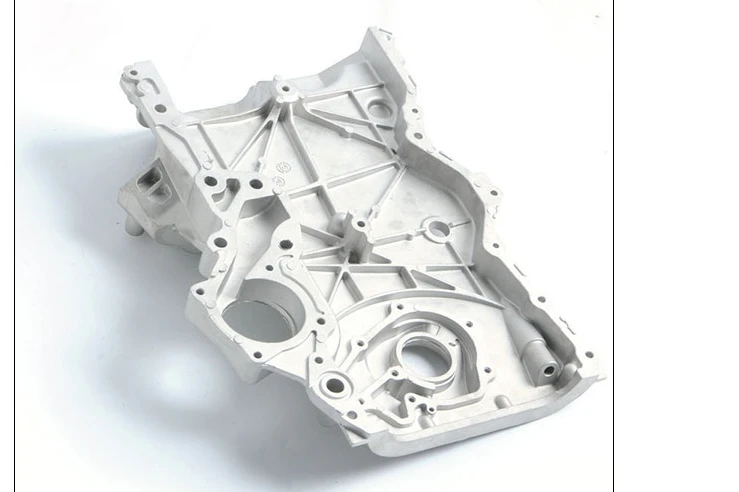
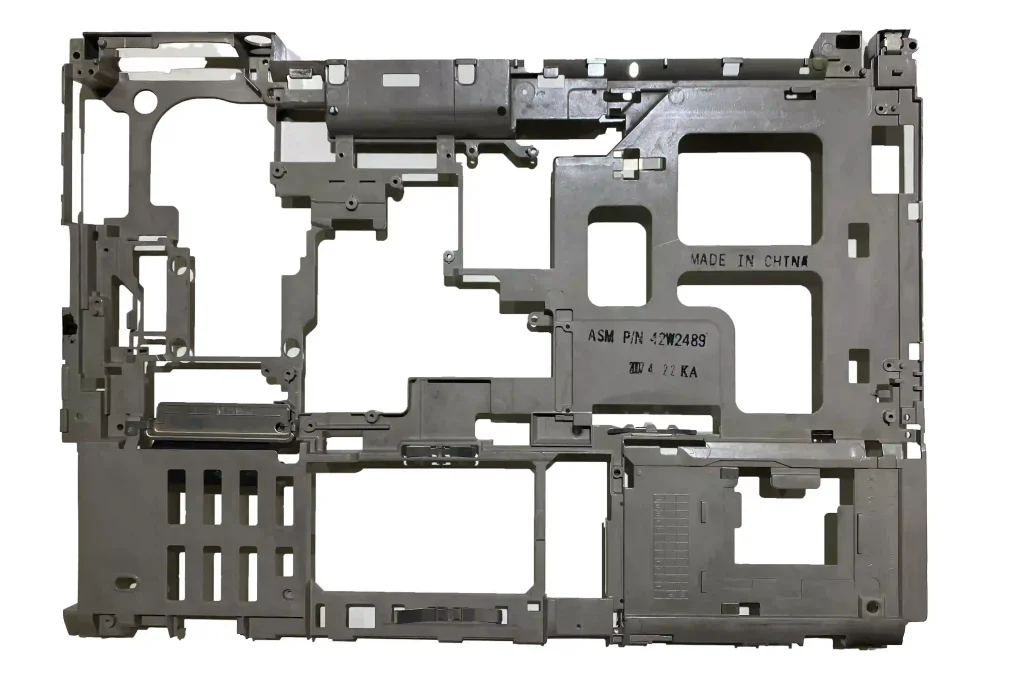
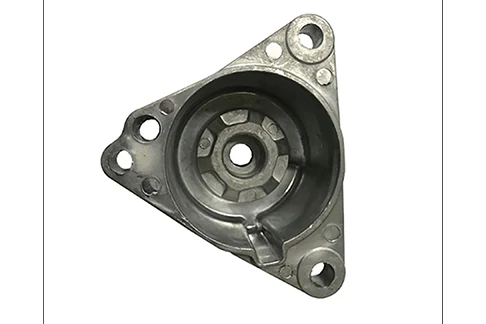
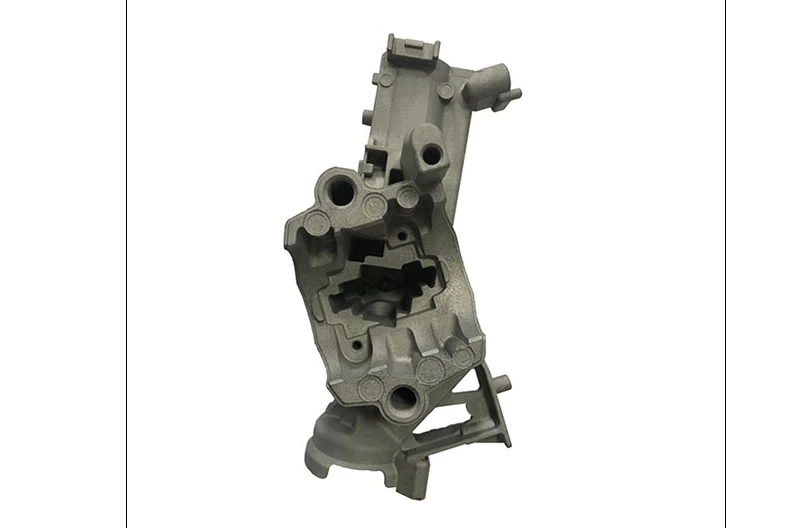
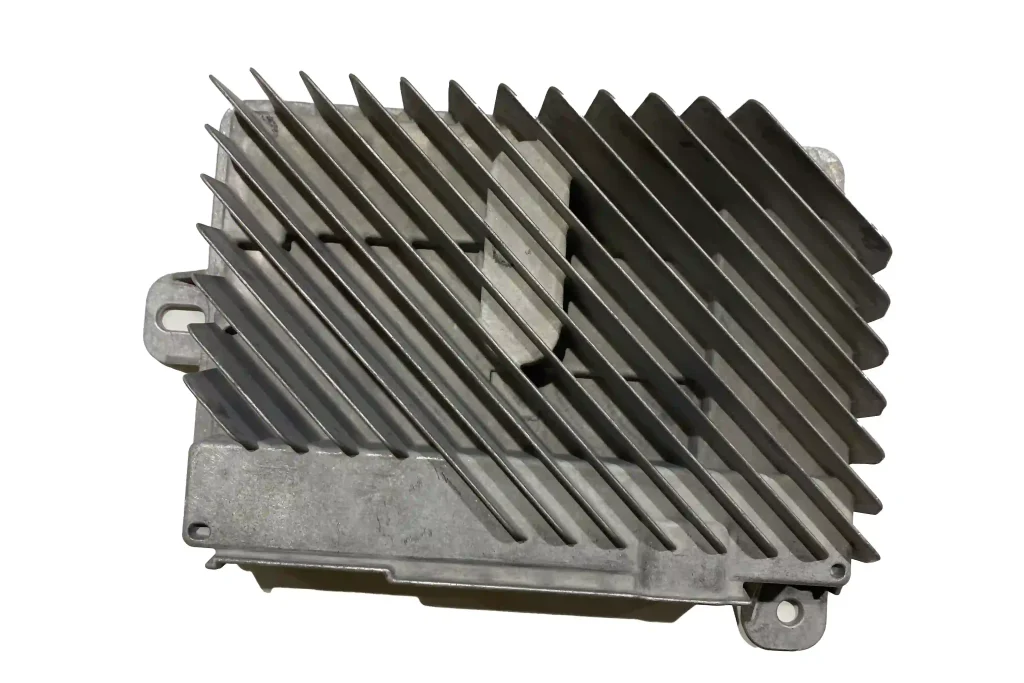
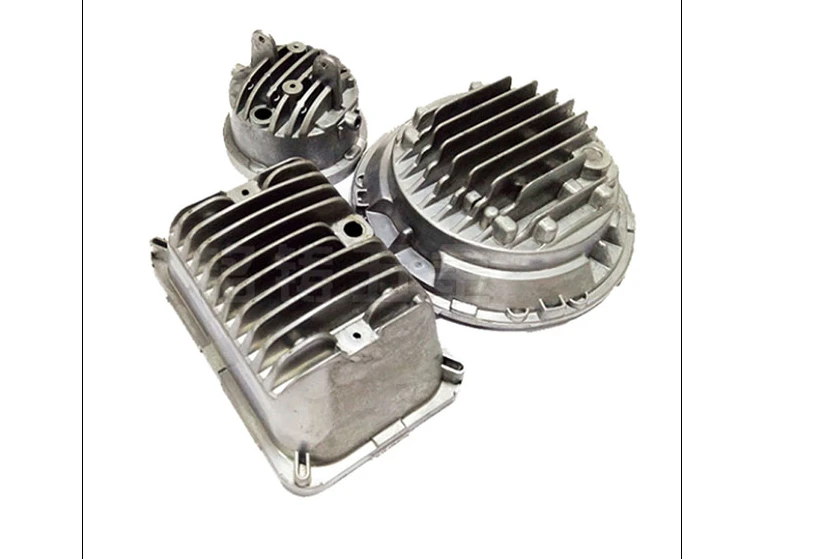
High pressure die casting is widely used for aluminum components in automotive, electronics, industrial machinery, and power tools. Typical parts include motor housings, gearbox covers, electronic enclosures, and mounting brackets. The process suits repeat production of components that require complex shapes, thin walls, and consistent dimensions.
High pressure die casting (HPDC) is a manufacturing process in which molten metal is injected into a reusable steel die at high speed and pressure. Once the metal solidifies, the die opens and the casting is ejected for trimming and any required machining or finishing. The process is widely used for aluminum parts with complex shapes, thin walls, and integrated features. Fast production cycles and consistent dimensions make it suitable for medium- to high-volume production of housings, covers, brackets, and enclosures.
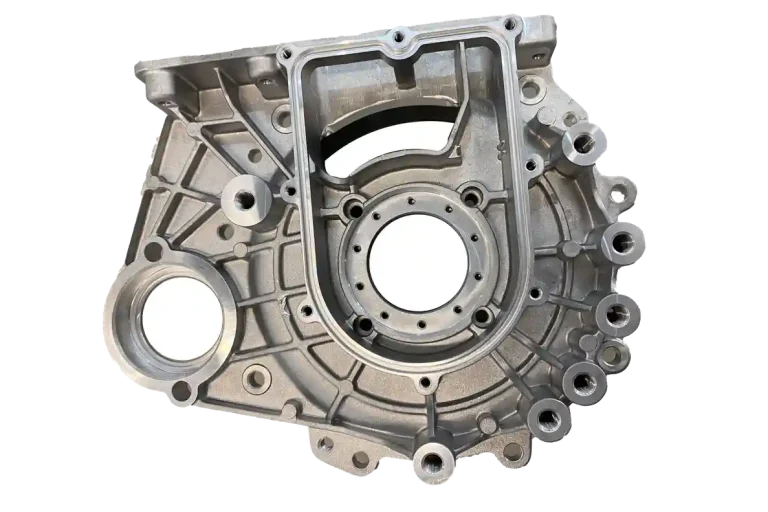
We support custom aluminum die casting projects through drawing review, alloy selection, production planning, machining, and inspection, with requirements agreed before manufacturing begins.
We review wall thickness, draft angles, ribs, and machining allowances before tooling development. This helps identify potential filling, ejection, and assembly issues while changes are easier to make. .
We help evaluate A380, ADC12, and A360 against your part geometry, mechanical requirements, operating environment, and finishing needs. Material specifications are confirmed during project review. .
We coordinate casting, trimming, CNC machining, and surface finishing around your order requirements. Critical interfaces, threaded holes, and sealing surfaces receive the secondary processing specified in your drawings. .
Inspection requirements are established during drawing review, including material verification, dimensional checks, and visual inspection. Additional testing and documentation are agreed according to the component’s application and acceptance criteria. .
Our workflow covers die preparation, high-pressure injection, trimming, and final inspection. Machining and surface finishing are completed according to your drawings and delivery requirements.
Critical features are CNC machined where required. Finished parts are checked against agreed dimensional, visual, and testing requirements before packing and shipment. .
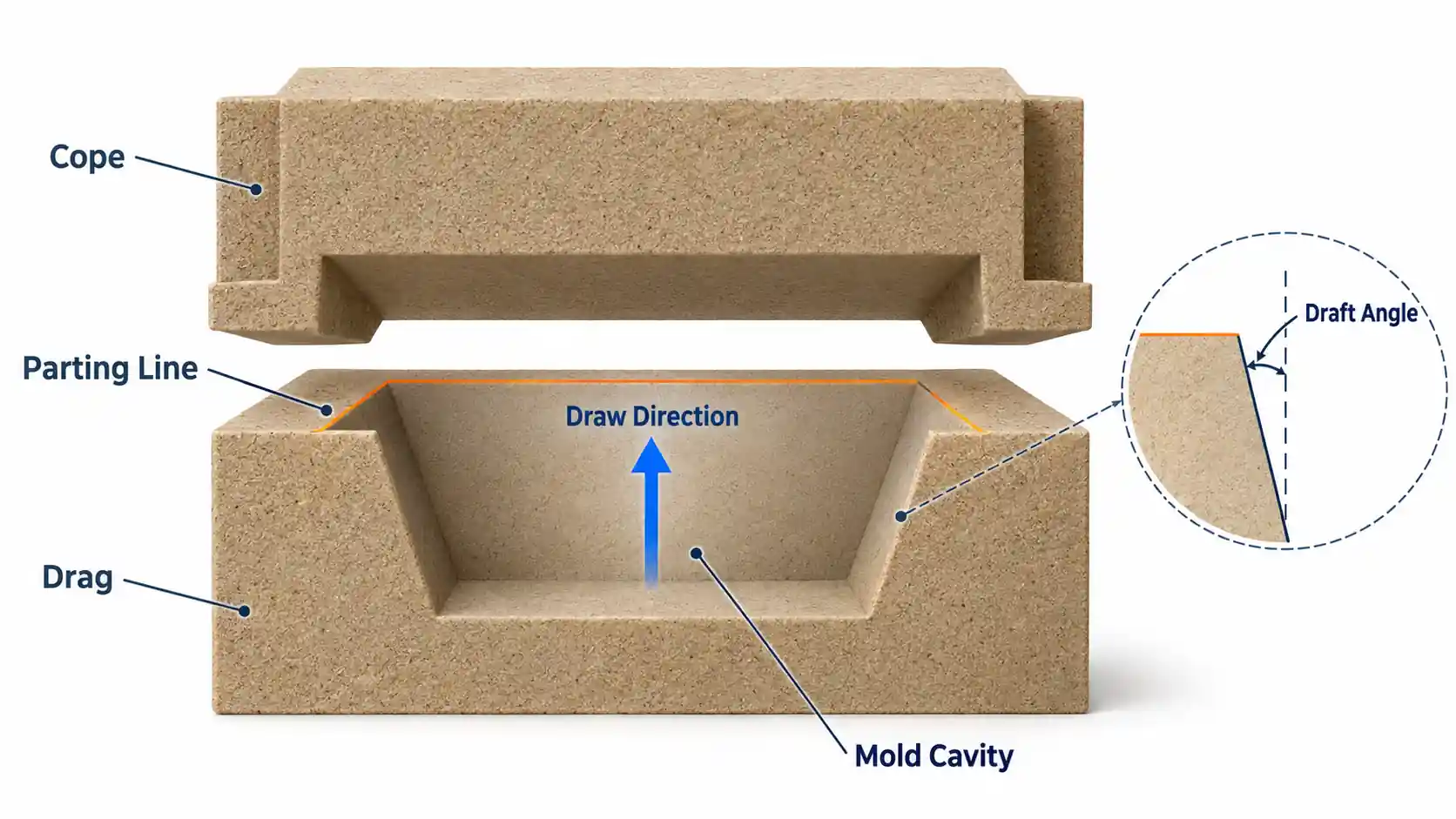
Draft angles and parting lines are important considerations in sand casting design. This article explains…
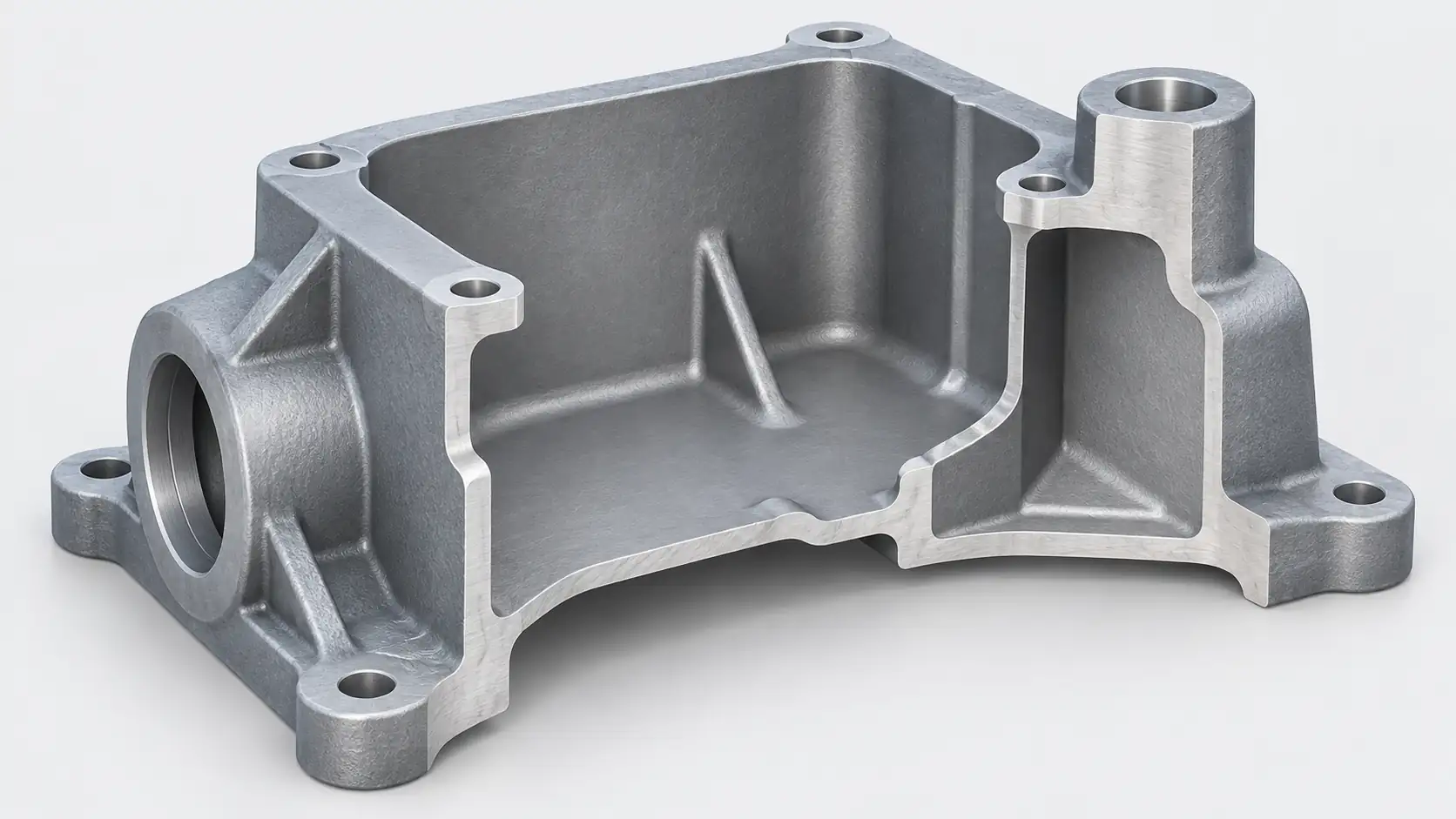
The minimum wall thickness for aluminum sand casting depends on section length, alloy fluidity, and…
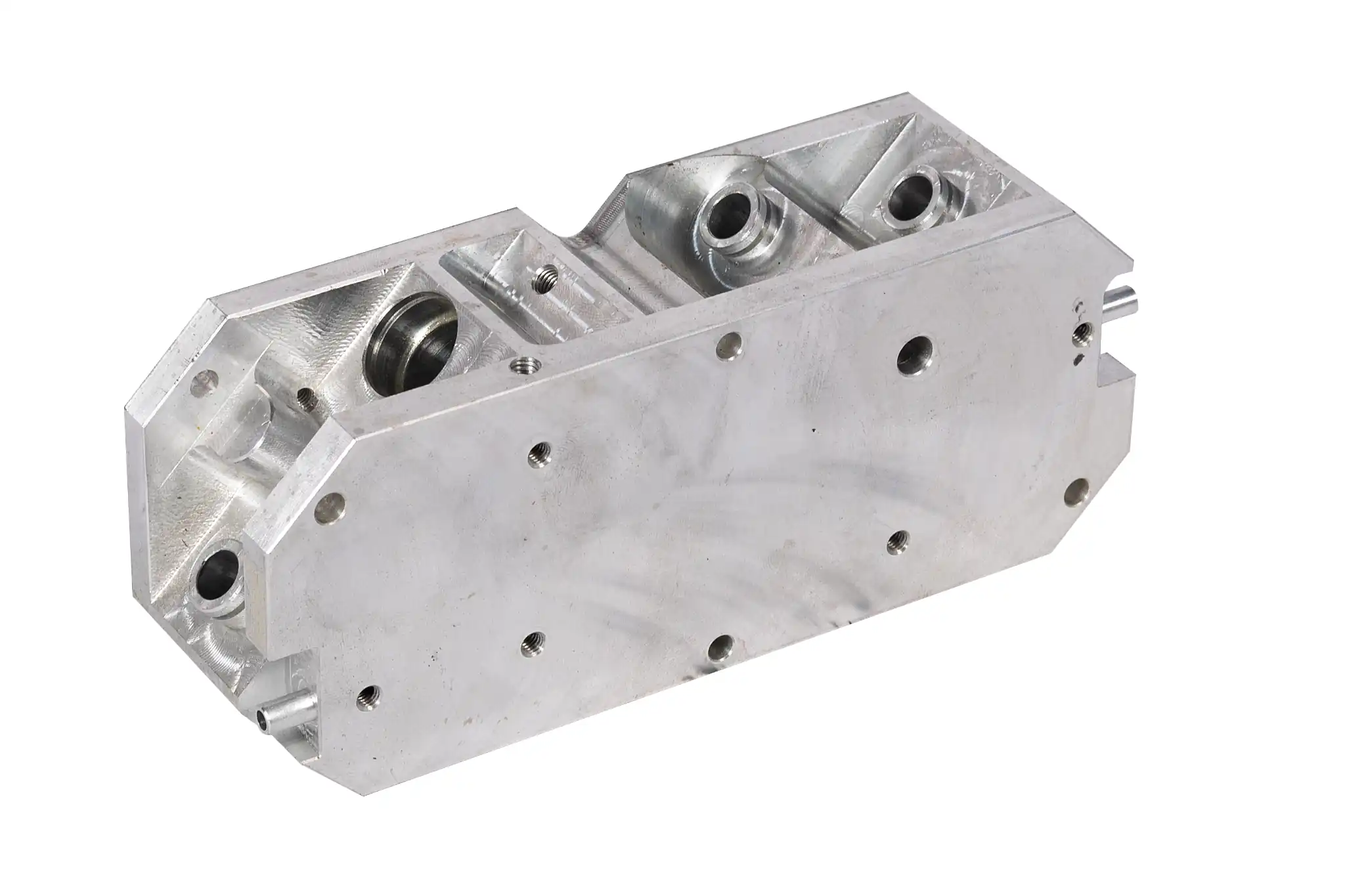
Cracks in aluminum castings may be found after solidification, demolding, machining, or heat treatment. This…