Draft Angles and Parting Lines in Sand Casting
Draft angles and parting lines are important considerations in sand casting design. This article explains…


Sand casting services for custom metal parts, with support for machining, finishing, and production from prototypes to repeat orders.
Minhe supports sand casting projects from early drawing review and process evaluation to casting production, subsequent machining, and final delivery. Backed by an ISO 9001 quality management system, we focus on stable execution across key production stages and practical support for custom metal parts with different structures, sizes, and application requirements.
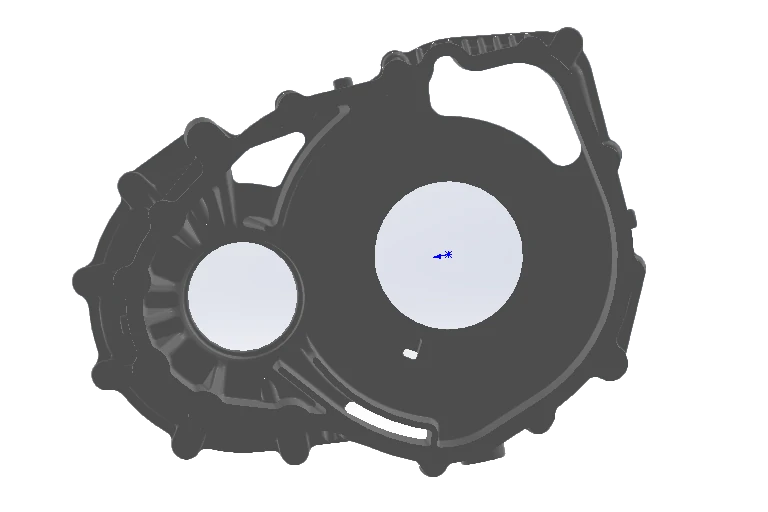
| Material | Typical Characteristics | Common Applications |
|---|---|---|
| Gray Cast Iron | Good castability, vibration damping, and cost efficiency. Suitable for parts that require stable casting performance and good machinability for general industrial use. | Machine bases, housings, covers, brackets, and general equipment parts. |
| Ductile Iron | Higher strength and better toughness than gray iron, with good casting performance for structural parts requiring improved load capacity and impact resistance. | Pipe fittings, support parts, valve bodies, brackets, and structural castings. |
| Cast Steel | Good mechanical strength and impact resistance. Suitable for heavy-duty cast parts that require higher strength and reliable service performance in demanding industrial conditions. | Heavy-duty housings, support blocks, machinery components, and structural parts. |
| Stainless Steel | Better corrosion resistance than standard ferrous materials. Suitable for cast parts used in wet, chemical, or demanding service environments where durability and corrosion performance matter. | Valve bodies, pump components, fittings, and corrosion-resistant industrial parts. |
| Aluminum Alloys | Lower weight and good machinability, suitable for cast parts where lighter structure, dimensional flexibility, and secondary machining are important. | Lightweight housings, covers, equipment parts, and general industrial components. |
| Brass / Bronze | Good corrosion resistance, machinability, and dimensional stability. Suitable for cast parts used in fluid-handling systems and industrial applications requiring reliable finishing performance. | Valve parts, pump housings, fittings, bushings, and industrial cast components. |
Sand casting is widely used for custom industrial parts because it supports flexible geometry, broad material options, and practical production costs. It is a suitable process for components that require larger sizes, more complex structures, and secondary machining or finishing after casting.
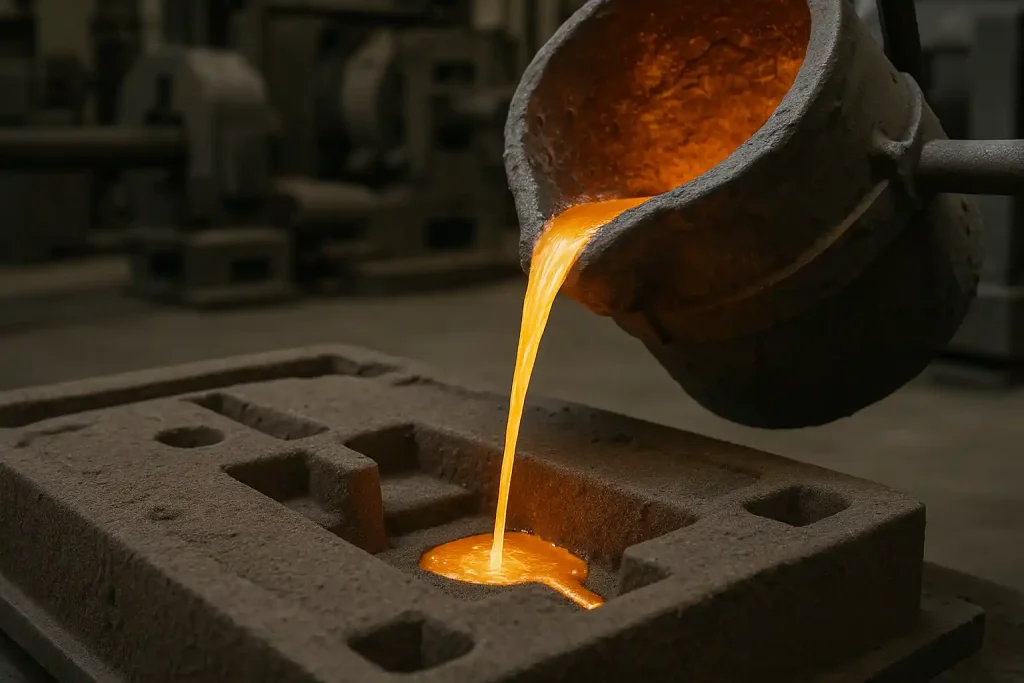
We provide flexible sand casting services to meet your specifications — ideal for both low-volume prototypes and medium- to large-sized industrial components.
| Specification | Typical Capability |
|---|---|
| Casting Weight Range | 0.5–50 kg; larger castings subject to drawing review |
| Typical Materials | Aluminum alloys, gray iron, ductile iron, carbon steel, stainless steel, brass, and bronze |
| Production Volume | Prototypes, low-volume batches, and repeat production, subject to part size and molding requirements |
| As-Cast Tolerance | Specified according to ISO 8062-3 and confirmed during drawing review |
| Machined Tolerance | Down to ±0.02 mm on selected critical features, subject to geometry and datum requirements |
| Tooling Lead Time | Typically 15–25 days for pattern and core box production |
| Molding Processes | Green sand molding and resin sand molding |
| Secondary Operations | CNC machining, heat treatment, shot blasting, coating, and dimensional inspection |
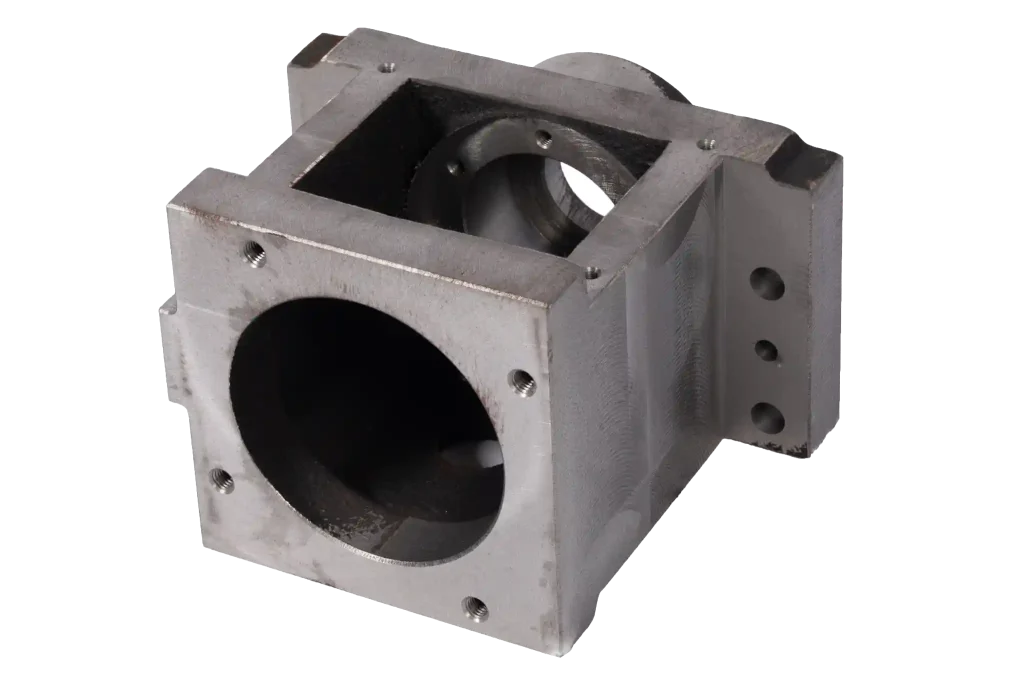
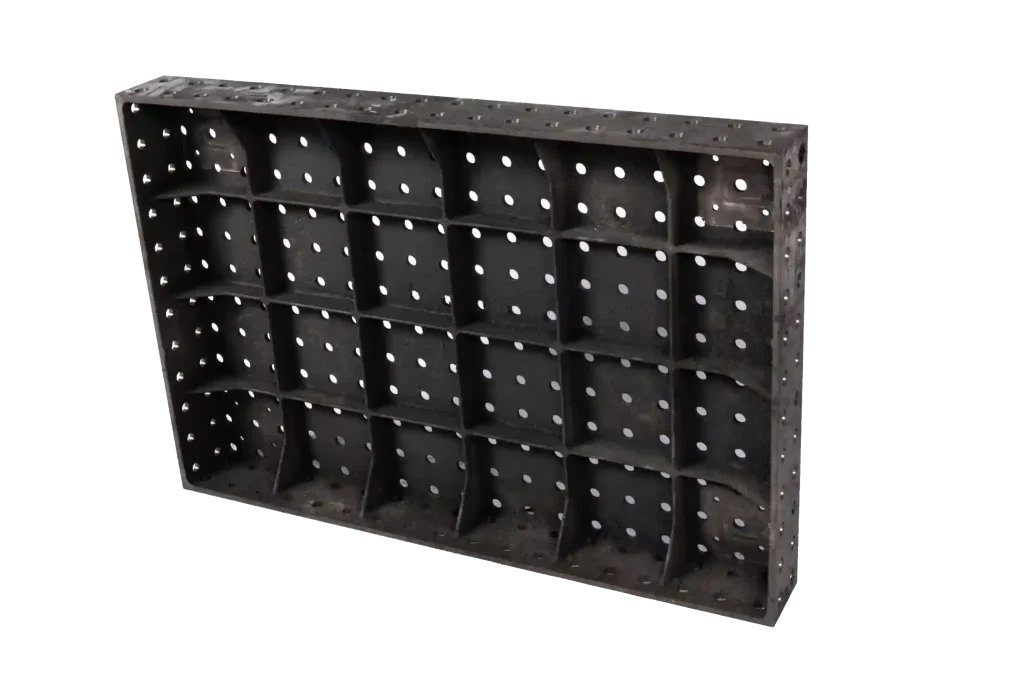
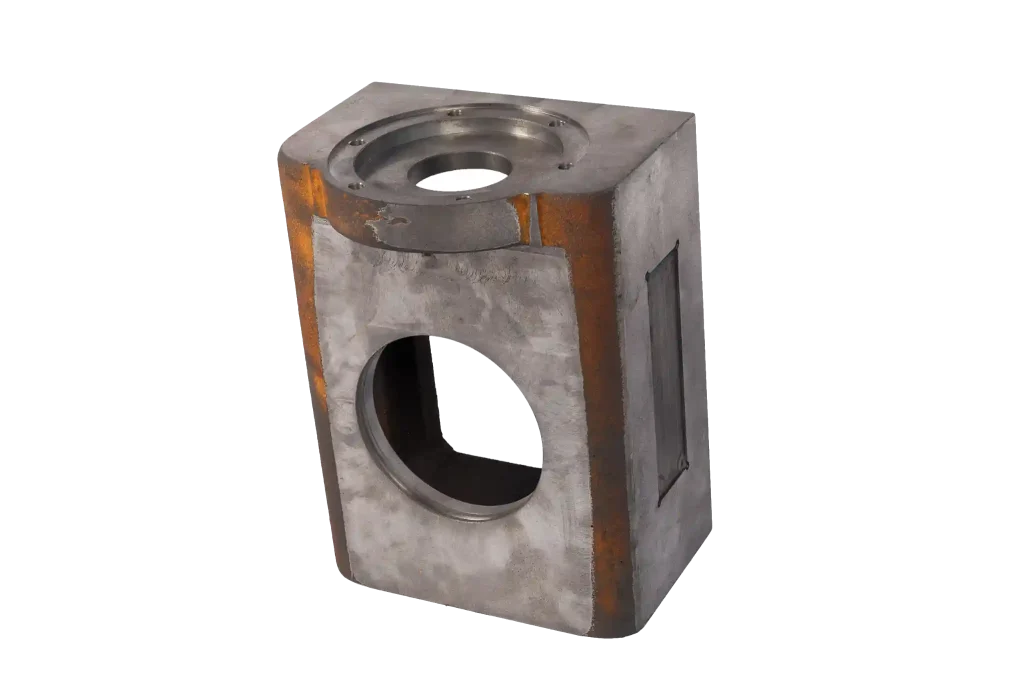
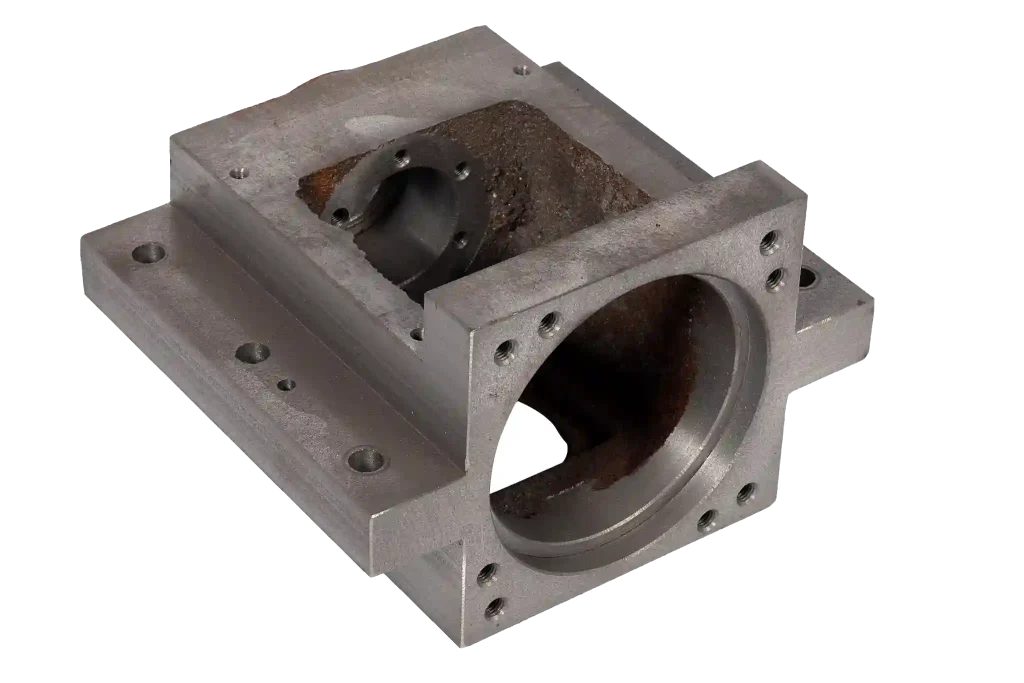
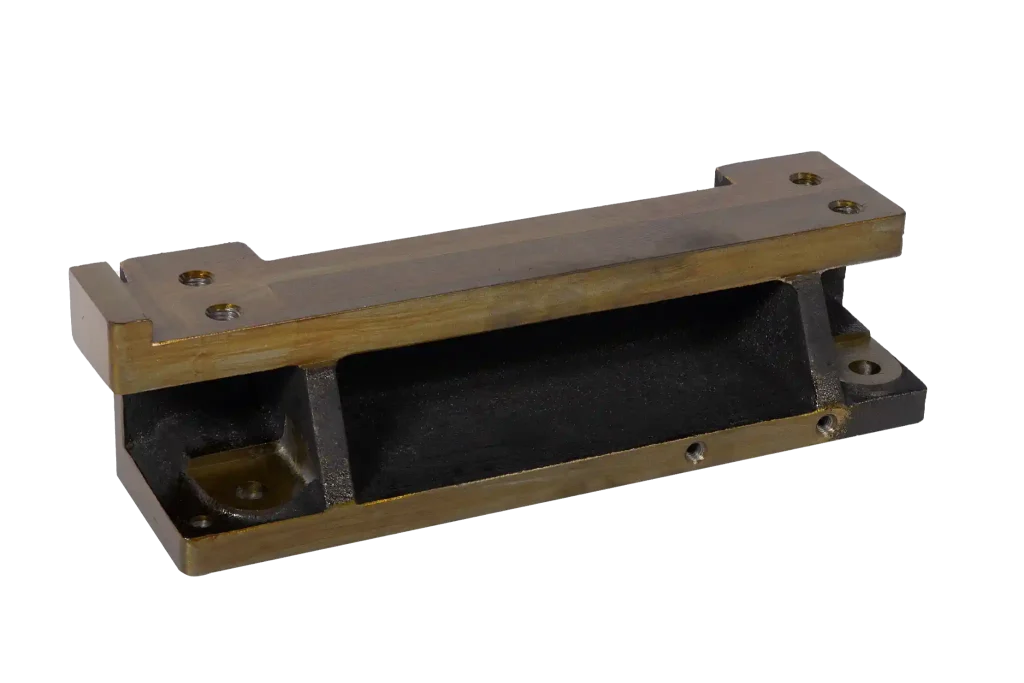
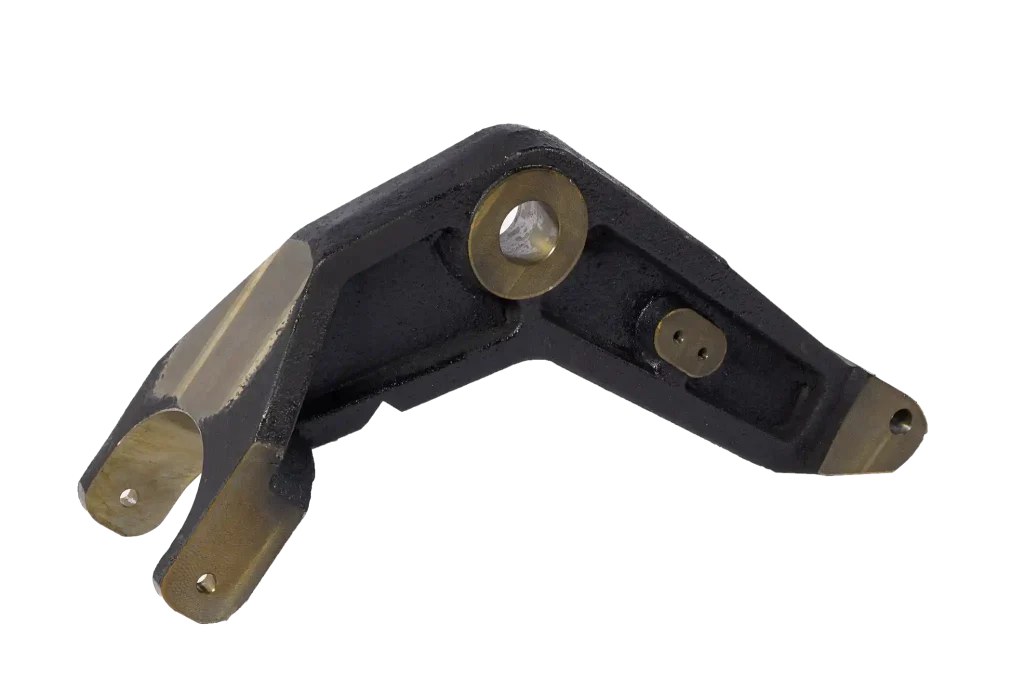
Sand casting is widely used for custom metal parts across a range of industrial sectors. It is especially suitable for medium- to large-sized components with complex geometry, practical machining allowances, and flexible material requirements.
Sand casting is a metal casting process in which molten metal is poured into a sand mold to form the required part shape. It is widely used for producing custom components with complex geometry, larger sizes, and flexible material options, and is commonly applied to housings, valve bodies, bases, and other industrial metal parts.
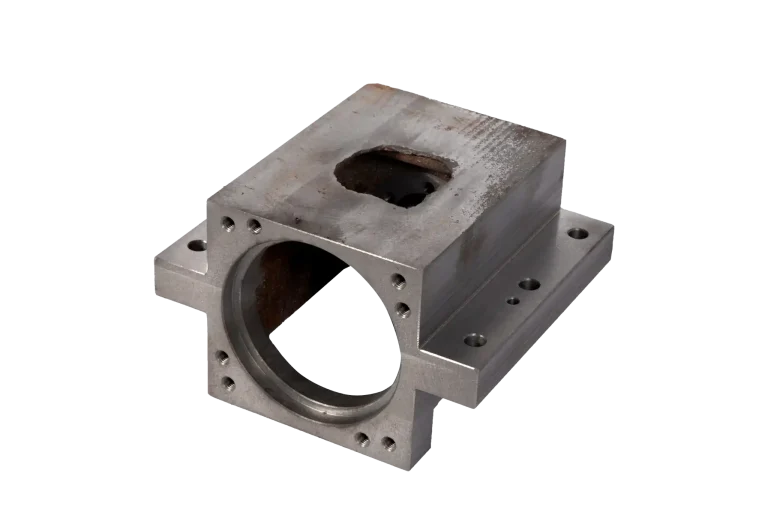
We support complex sand-cast parts from prototype development through repeat production, with machining and inspection available when required.We support complex cast geometries and provide CNC machining for selected critical features. Tolerances down to ±0.02 mm are subject to part geometry, datum requirements, and drawing review.— ideal for critical industrial parts. .
Choose from a broad range of ferrous and non-ferrous alloys, customized for strength, durability, and thermal performance in automotive, energy, and machinery. .
With rapid tooling or an existing pattern, functional prototypes can be delivered in as little as 7 days. Small-batch production typically takes 15 to 30 days after tooling approval, depending on the material, part geometry, and order quantity. .
From pattern design to final inspection, every step is monitored for consistency. NDT, pressure testing, and dimensional checks ensure reliability. .
From pattern preparation to pouring, cleaning, and final inspection, our sand casting workflow supports reliable production for custom metal parts with different sizes and structural requirements.
Molten metal is poured into the prepared sand mold and allowed to solidify into the required part shape. .
After solidification, the casting is removed from the mold and cleaned to remove sand residue, gates, and excess material. .
When required, the casting goes through secondary machining and final inspection to support dimensional accuracy and delivery consistency. .
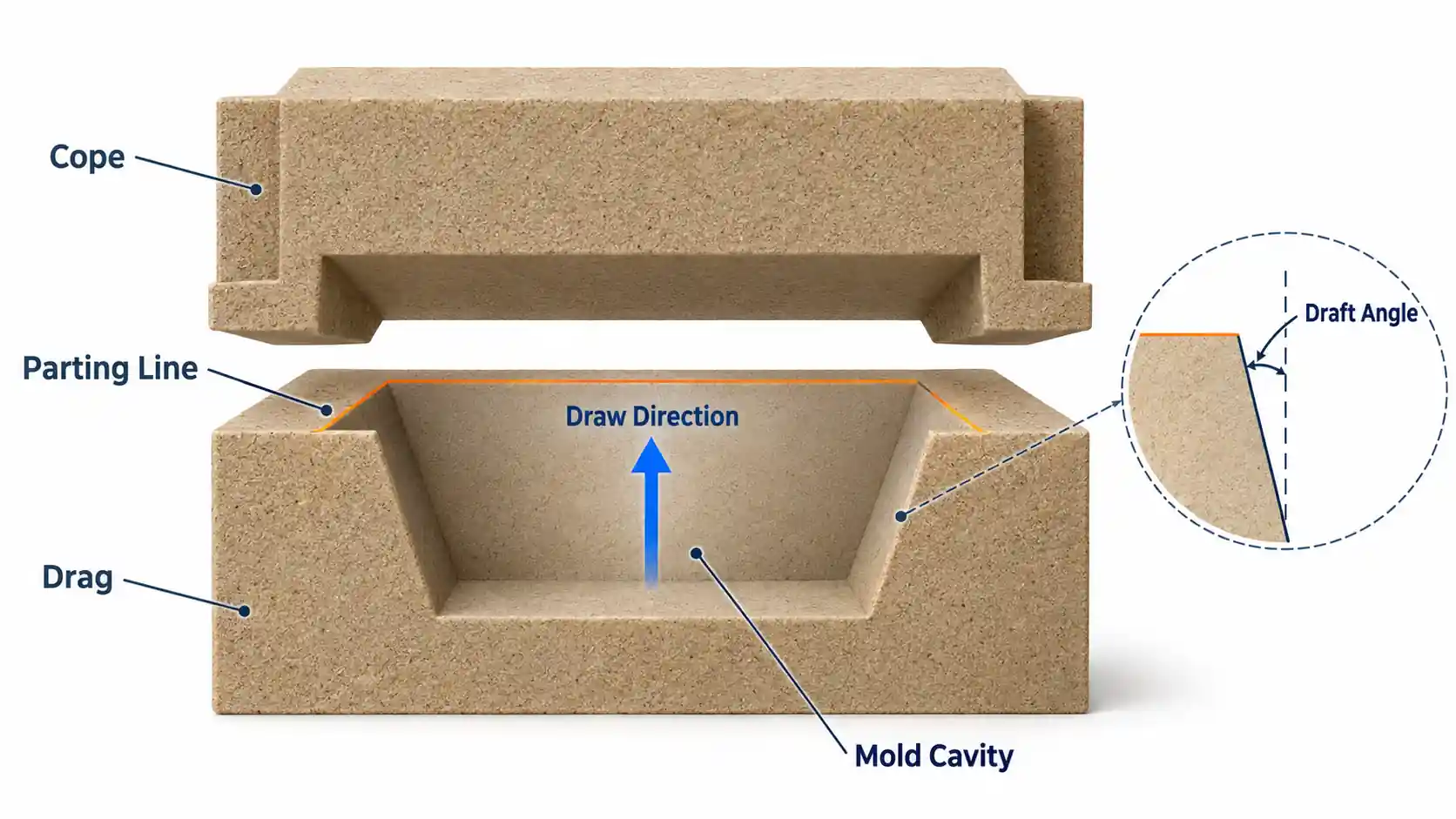
Draft angles and parting lines are important considerations in sand casting design. This article explains…
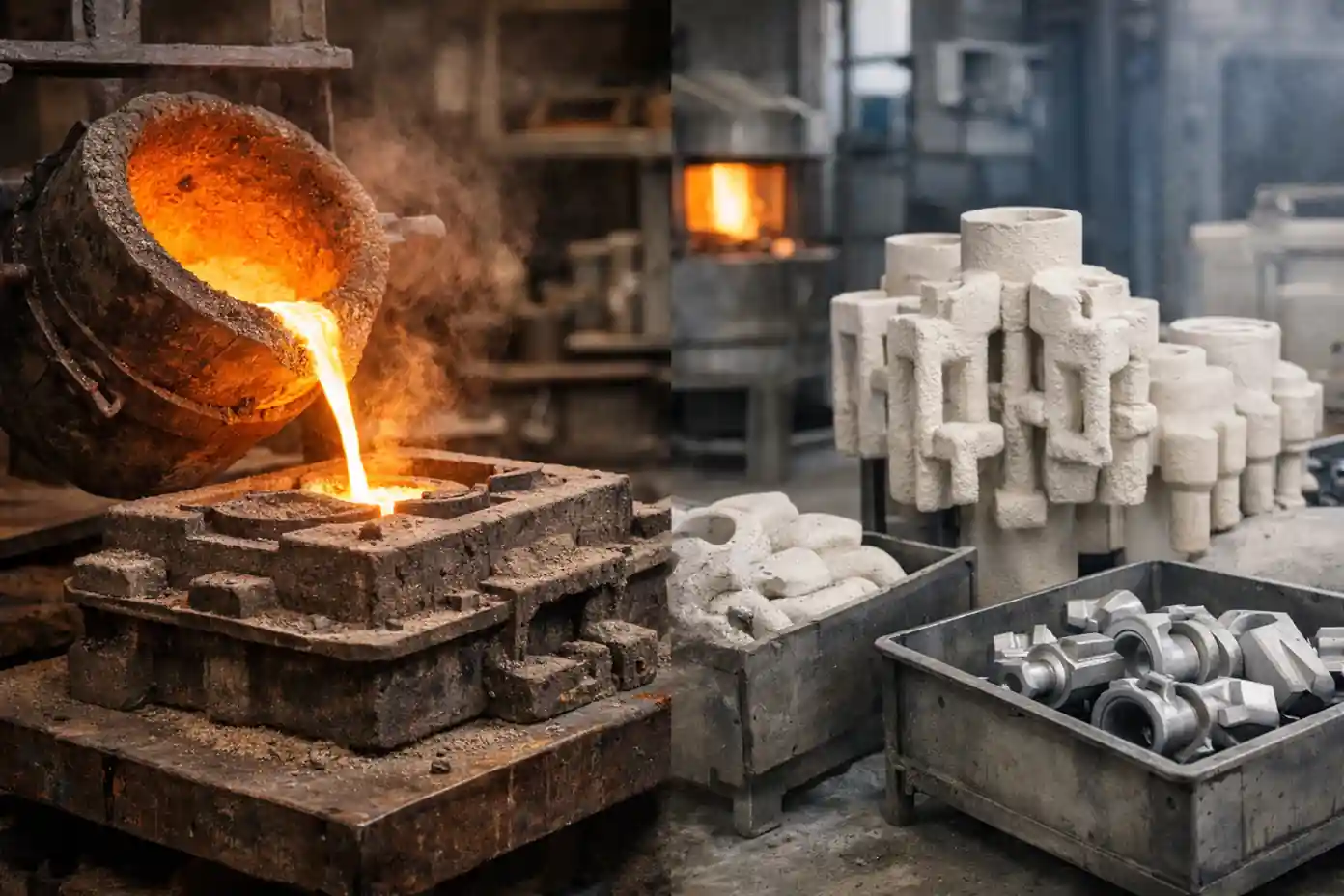
What is the difference between sand casting and investment casting? Which process is more cost-effective,…
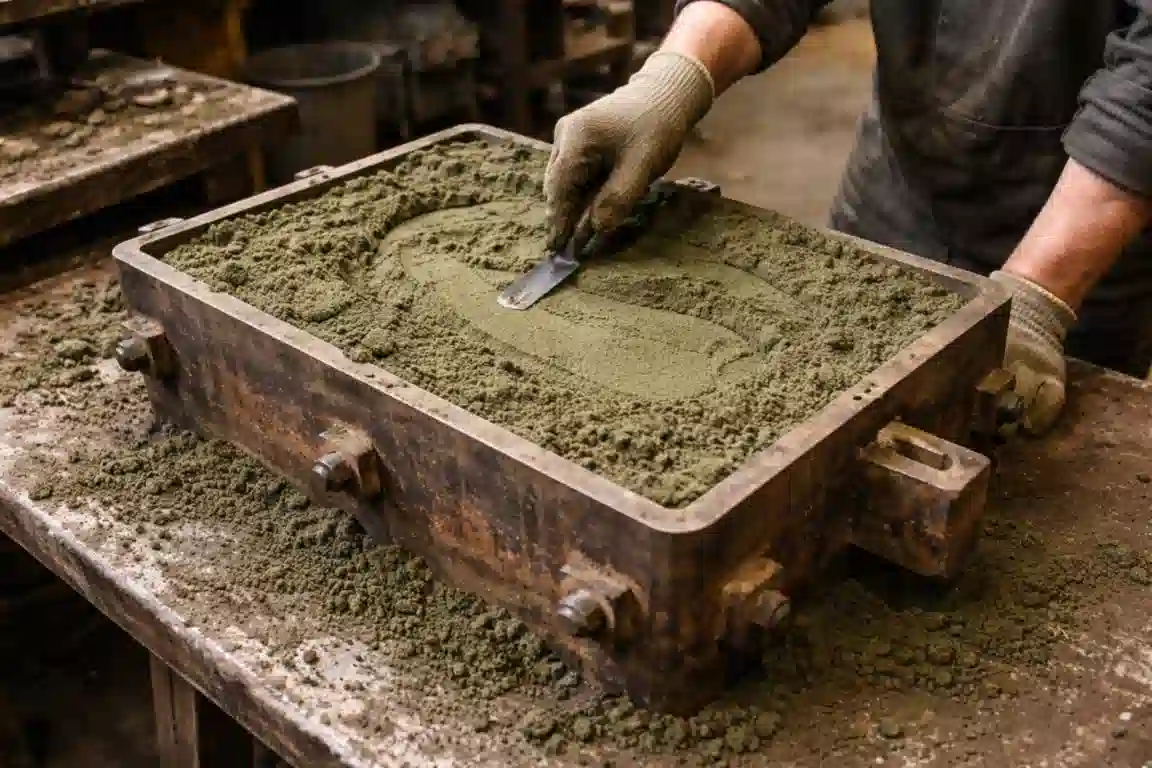
Green sand casting is one of the most widely used sand casting methods in industrial…