



Magnesium Casting Services
We provide custom magnesium alloy casting services for industrial applications, supporting high-pressure die casting, CNC machining, and surface finishing requirements.
Casting process: High-pressure die casting for magnesium alloy components
Materials: Magnesium alloys selected according to part requirements
Part size and weight: According to drawing and manufacturing requirements
Secondary machining: CNC machining for holes, threads, mating surfaces, and critical features
Surface finishing: Protective coatings and other treatments based on application requirements
Tolerance: According to drawing, part geometry, and casting process requirements
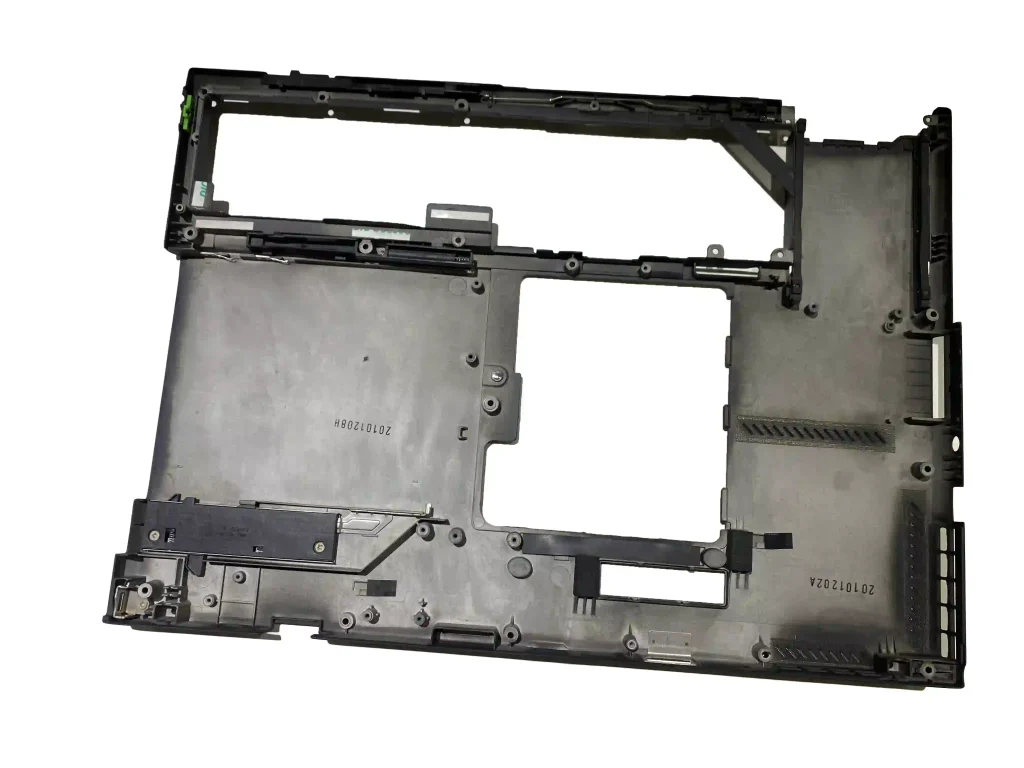
Minhe Magnesium Casting Solutions
Minhe provides manufacturing support for magnesium alloy casting projects from early design evaluation to final production delivery. Backed by an ISO 9001 quality management system, we coordinate die casting, CNC machining, surface finishing, and quality inspection throughout production. For magnesium alloy components such as lightweight housings, equipment enclosures, brackets, and structural frames, we focus on wall thickness control, dimensional consistency, surface protection, and stable batch production to meet different industrial application requirements.
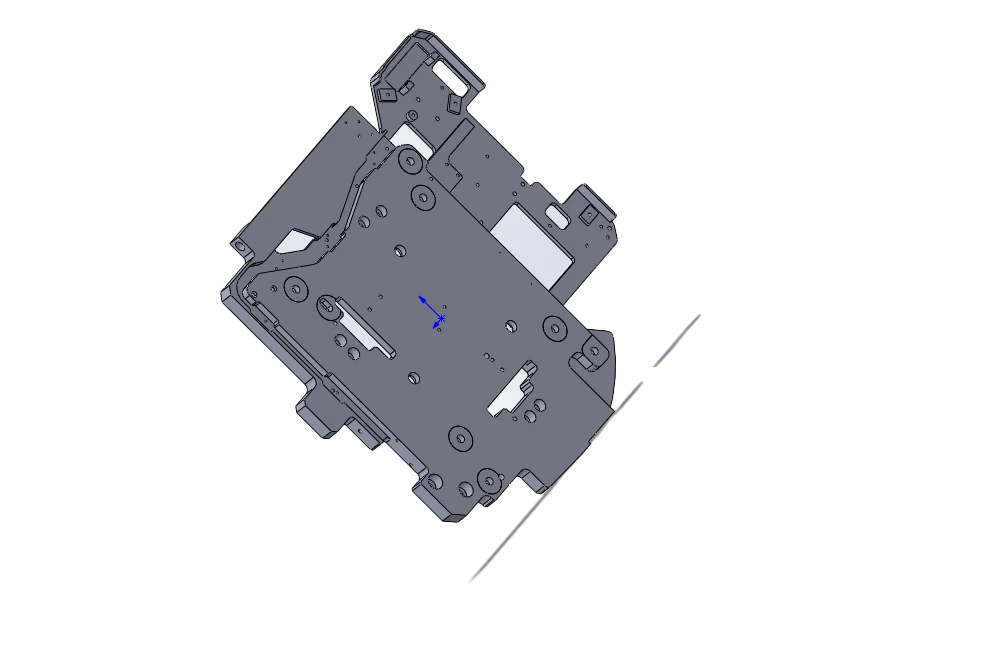
Common Magnesium Casting Alloys
We offer magnesium alloy casting solutions for lightweight industrial components, including automotive parts, electronic housings, and structural applications. Common magnesium alloys are selected based on strength, castability, dimensional requirements, and corrosion resistance.
The following magnesium alloy grades are commonly used in die casting, offering different combinations of mechanical properties, fluidity, and thermal performance to meet specific manufacturing and application requirements.
| Magnesium Alloy | Key Properties | Typical Applications | Example Parts |
|---|---|---|---|
| AZ91D | General-purpose magnesium die casting alloy with excellent castability, good strength, and corrosion resistance. | Automotive components, mechanical housings, and industrial equipment. | Gearbox Housing, Equipment Housing, Mechanical Cover |
| AM60B | Good ductility, impact resistance, and energy absorption. Suitable for lightweight structural components. | Automotive interior structures, seating systems, and impact-resistant components. | Seat Frame, Instrument Panel Support, Structural Bracket |
| AM50A | Higher ductility than AM60B, with slightly lower strength and castability. Suitable for components requiring improved elongation. | Lightweight automotive structures and components requiring deformation capability. | Structural Frame, Support Bracket, Automotive Housing |
| AE42 | Magnesium alloy containing rare-earth elements, offering improved elevated-temperature strength and creep resistance. | Automotive powertrain systems and mechanical components exposed to elevated temperatures. | Transmission Housing, Engine Component, Powertrain Cover |
| AS41B | Magnesium-aluminum-silicon alloy with improved creep resistance and elevated-temperature performance. | Automotive powertrain components and industrial housings requiring thermal stability. | Transmission Case, Engine Housing, Mechanical Cover |
Supported Casting Processes for Magnesium Alloy Parts
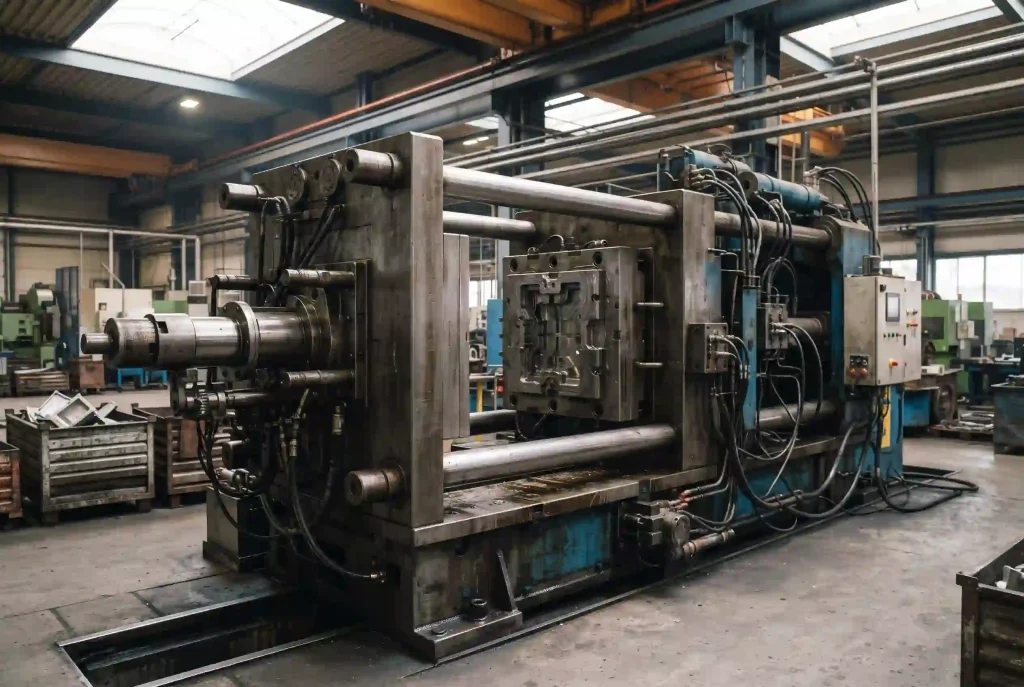
High Pressure Die Casting
High-pressure die casting is widely used for magnesium alloy components requiring thin walls, complex geometries, and high-volume production. Both hot chamber and cold chamber systems can be used, depending on the alloy and part requirements.
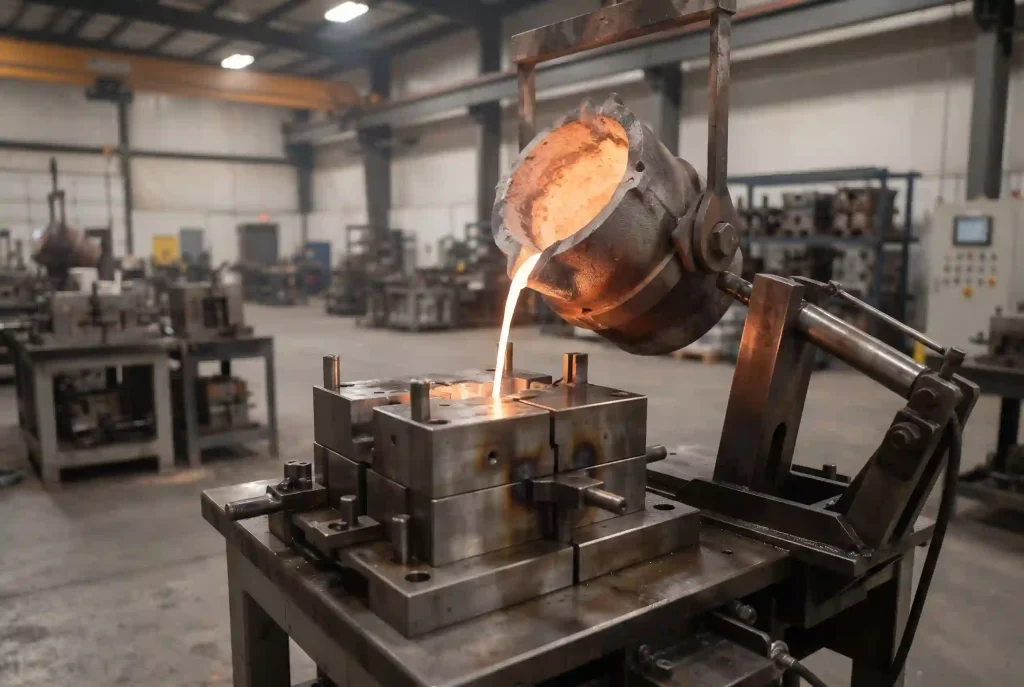
Gravity Die Casting
Gravity die casting uses reusable metal molds to produce magnesium components without high-pressure injection. It is used for selected structural parts where controlled solidification and casting quality are important.
Sand Casting
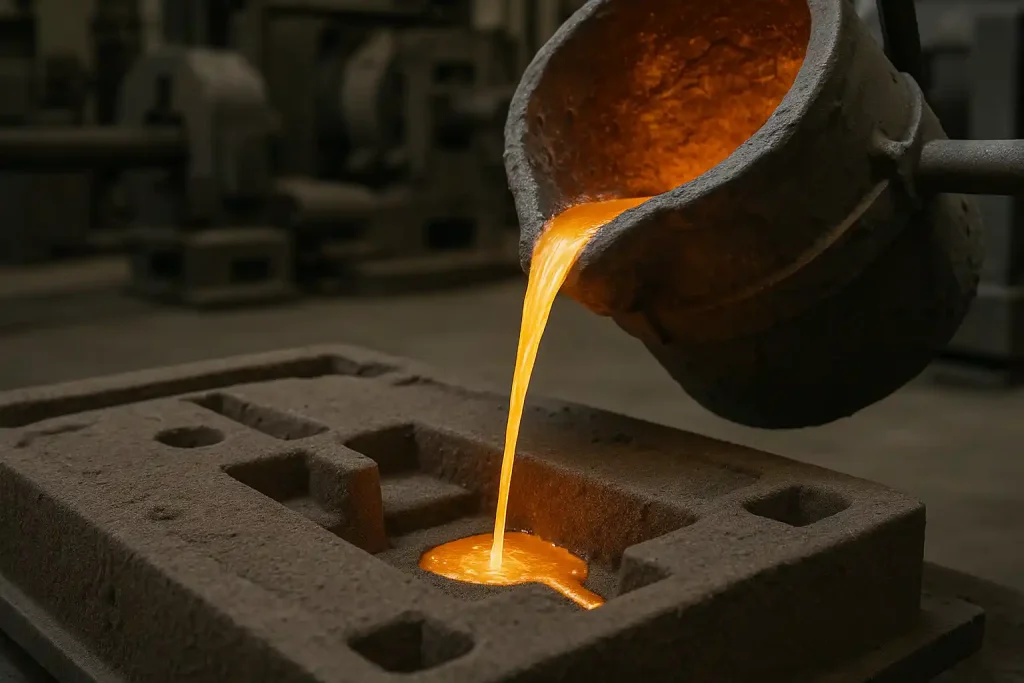
Sand casting uses expendable molds and is suitable for magnesium alloy components requiring complex shapes or relatively low production volumes. Mold materials and melt protection need careful control because of magnesium’s reactivity.
Magnesium Casting Applications by Industry

Automotive Industry
Magnesium alloy castings are used in automotive applications where weight reduction and structural performance are important. Common components include steering wheel frames, instrument panel supports, seat frames, and transmission housings.

Electronics & Communication
Magnesium castings offer lightweight construction, good dimensional stability, and electromagnetic shielding properties. Typical applications include laptop housings, electronic device frames, communication equipment enclosures, and camera bodies.
Industrial Equipment
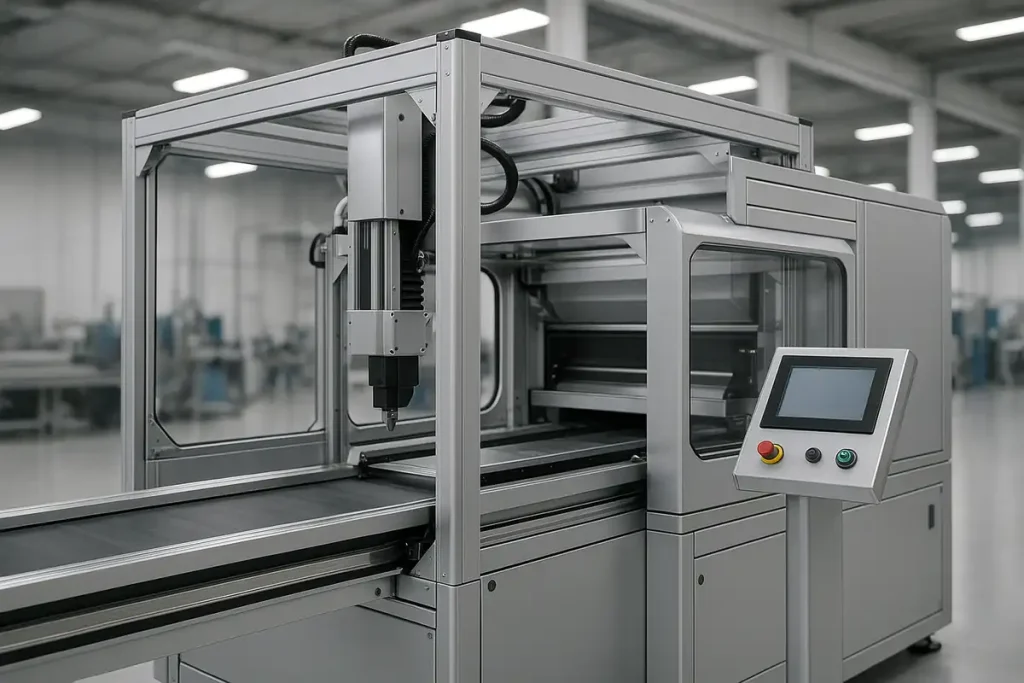
Magnesium alloy castings are used in equipment where reduced weight and structural rigidity are required. Typical components include power tool housings, instrument enclosures, mounting brackets, and lightweight equipment frames.
Post-Processing for Cast Iron Castings
Surface Preparation
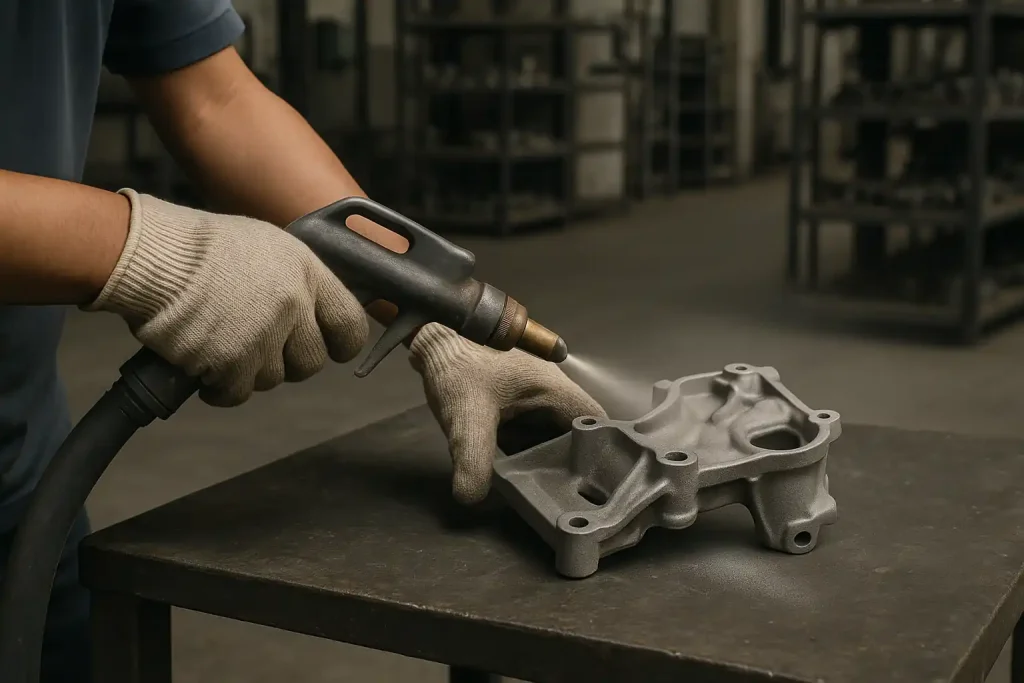
Surface preparation removes flash, burrs, and residual contaminants from magnesium castings through trimming, deburring, and controlled cleaning. This creates a suitable surface for subsequent machining and protective finishing.
CNC Machining
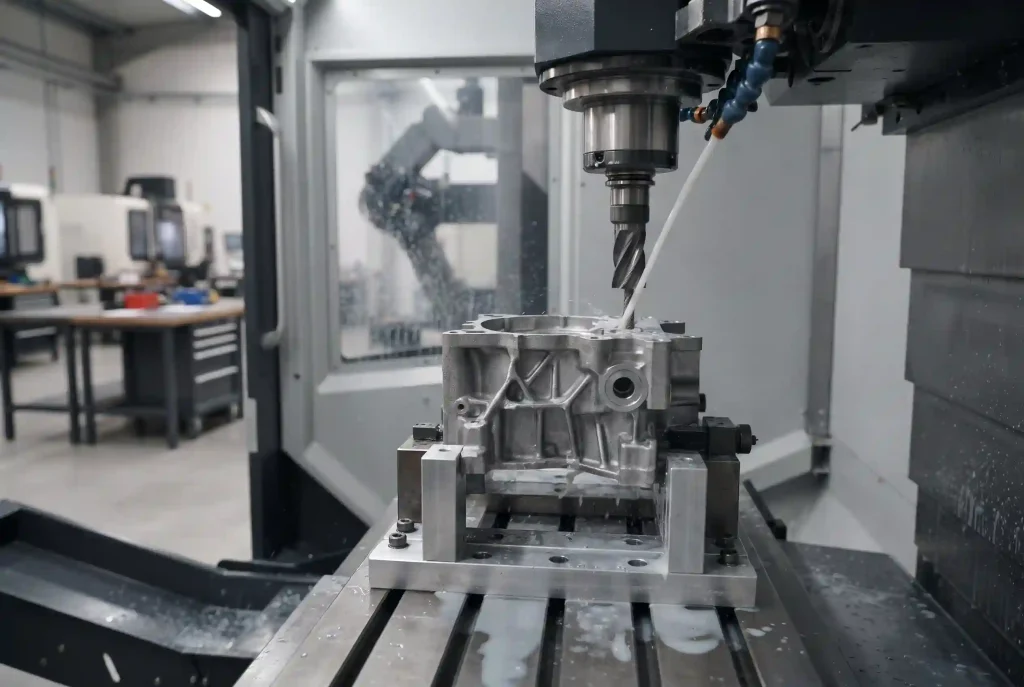
CNC machining is used to finish mounting holes, threads, mating surfaces, and other critical features of magnesium castings. Machining allowances and process controls are selected according to dimensional and assembly requirements.
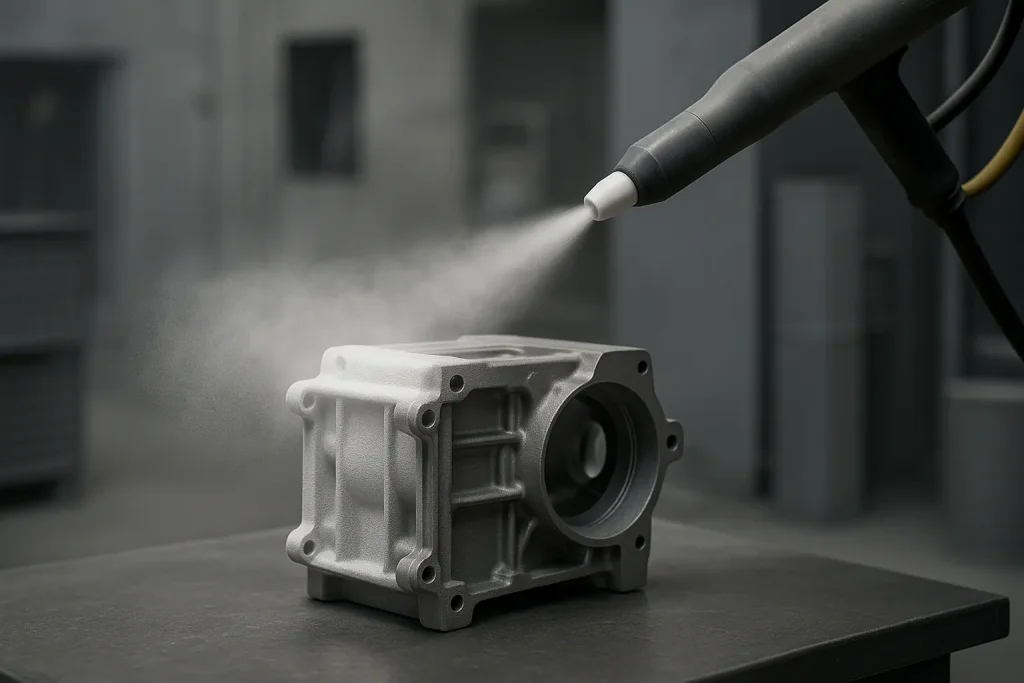
Protective Surface Finishing
Magnesium castings often require protective surface treatments to improve corrosion resistance and durability. Suitable options may include conversion coatings, magnesium-specific anodizing, and painting, depending on the alloy and operating environment.
Advantages of Magnesium Alloys
-
Lightweight with High Strength-to-Weight Ratio
-
Excellent Castability for Complex Shapes
-
Good Dimensional Stability
-
Effective Vibration Damping
-
Good Electromagnetic Shielding
-
Suitable for Thin-Wall Components
What Is Magnesium Casting?
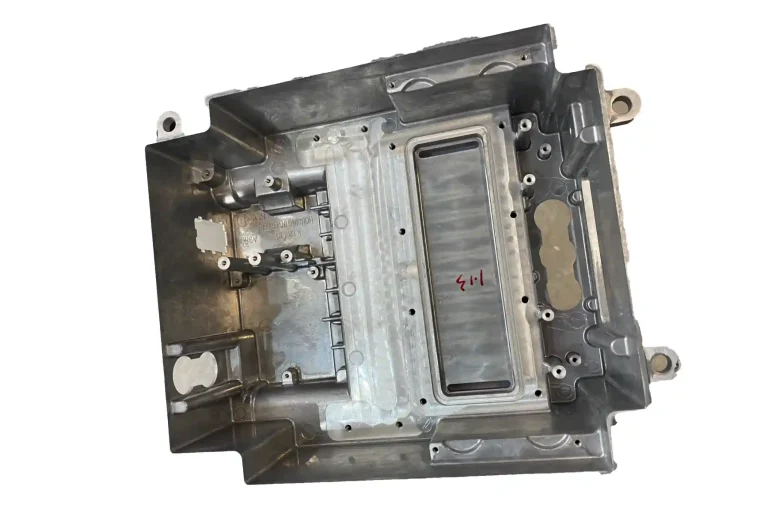
Magnesium casting is a manufacturing process in which molten magnesium alloys are introduced into a mold to produce lightweight metal components. High-pressure die casting is commonly used to manufacture magnesium parts with thin walls, complex geometries, and integrated structural features. Typical applications include automotive components, electronic housings, equipment enclosures, and lightweight brackets where weight reduction and dimensional consistency are important.
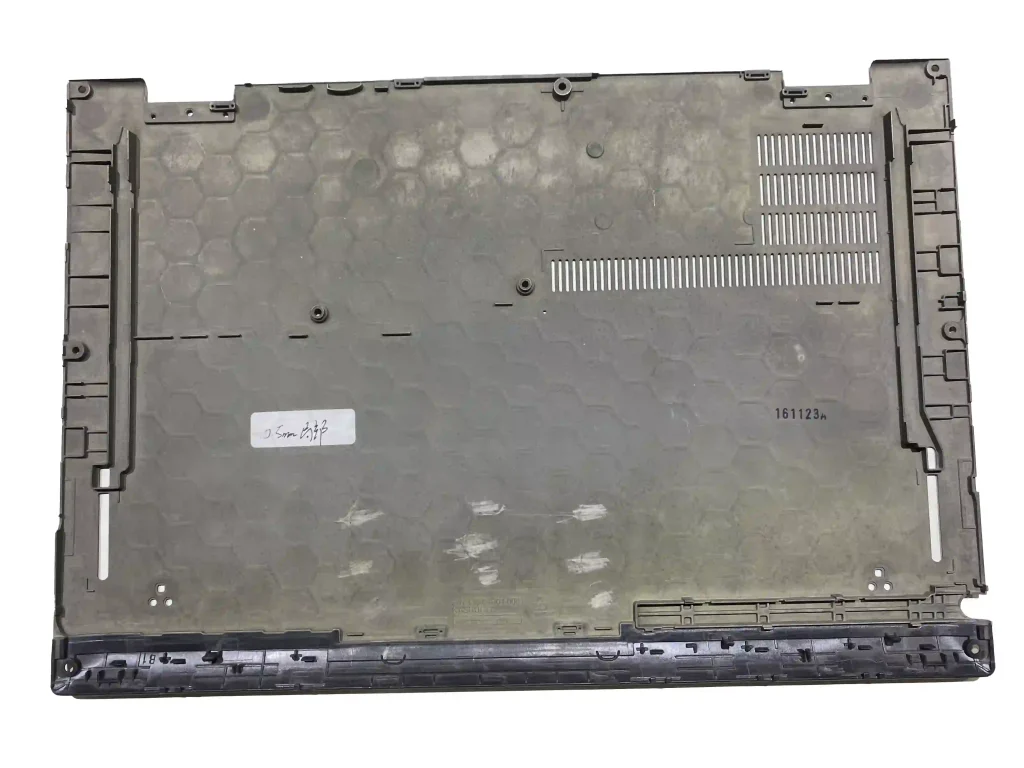
Typical Magnesium Casting Parts
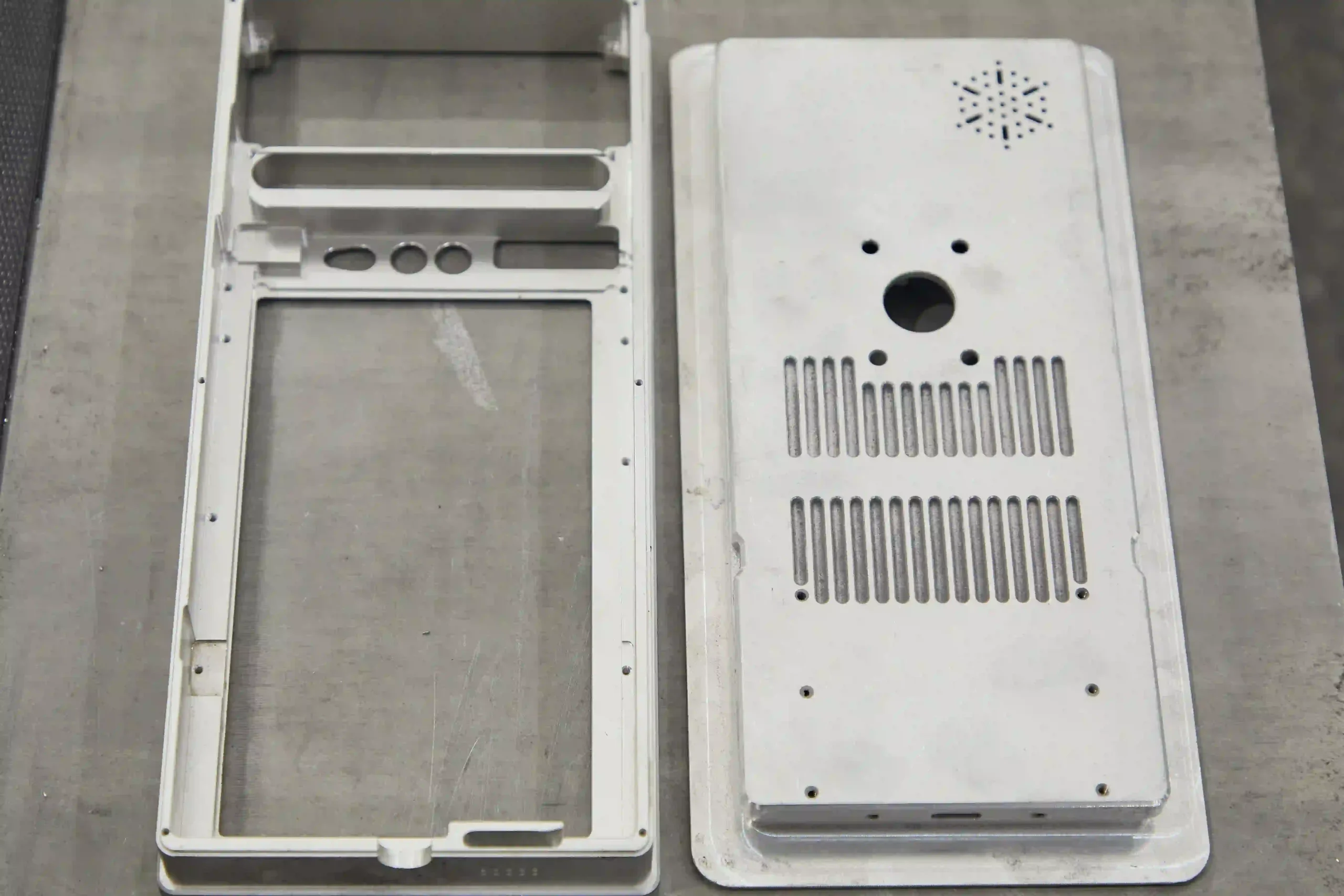
Magnesium Electronic Housing
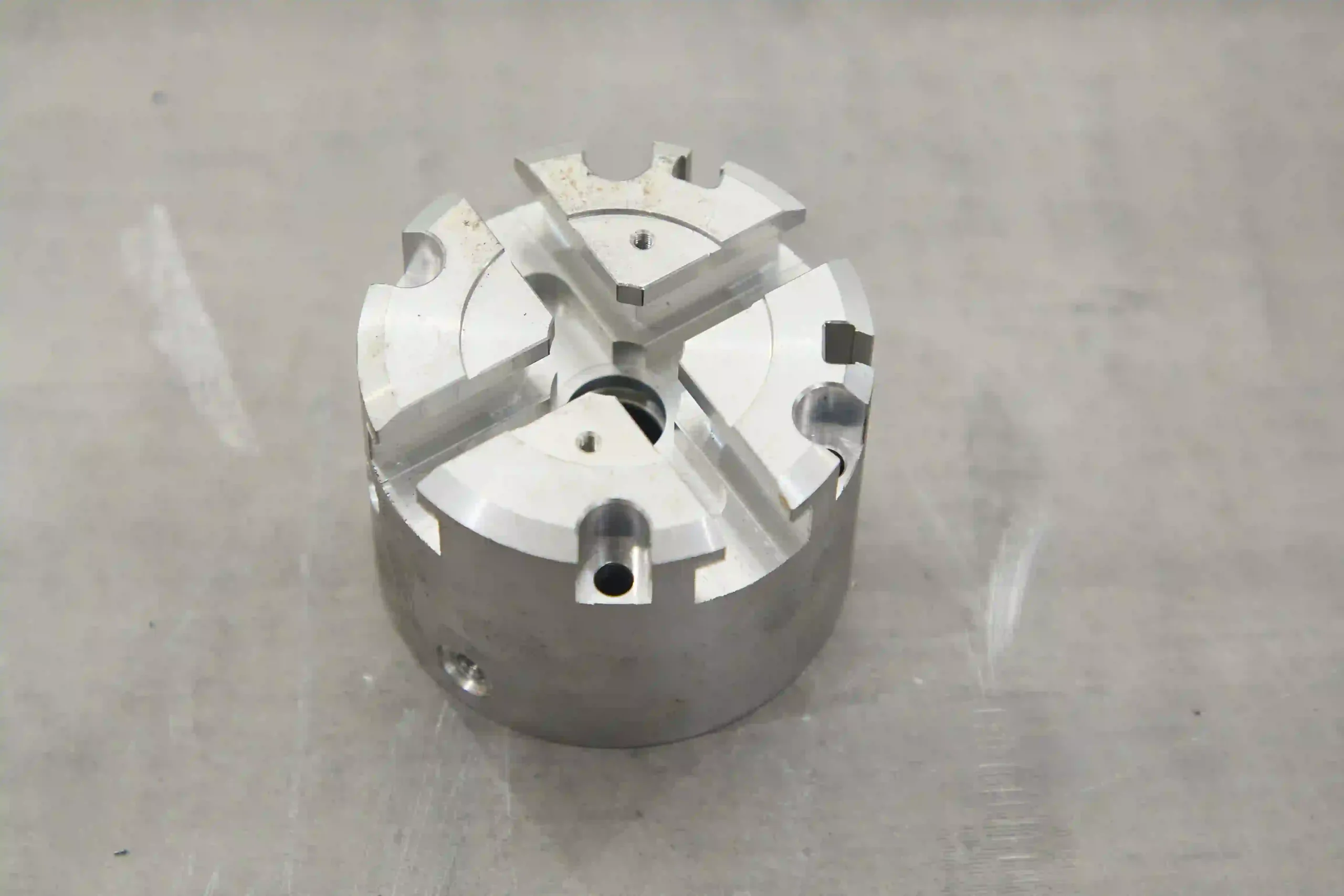
Magnesium Precision Housing
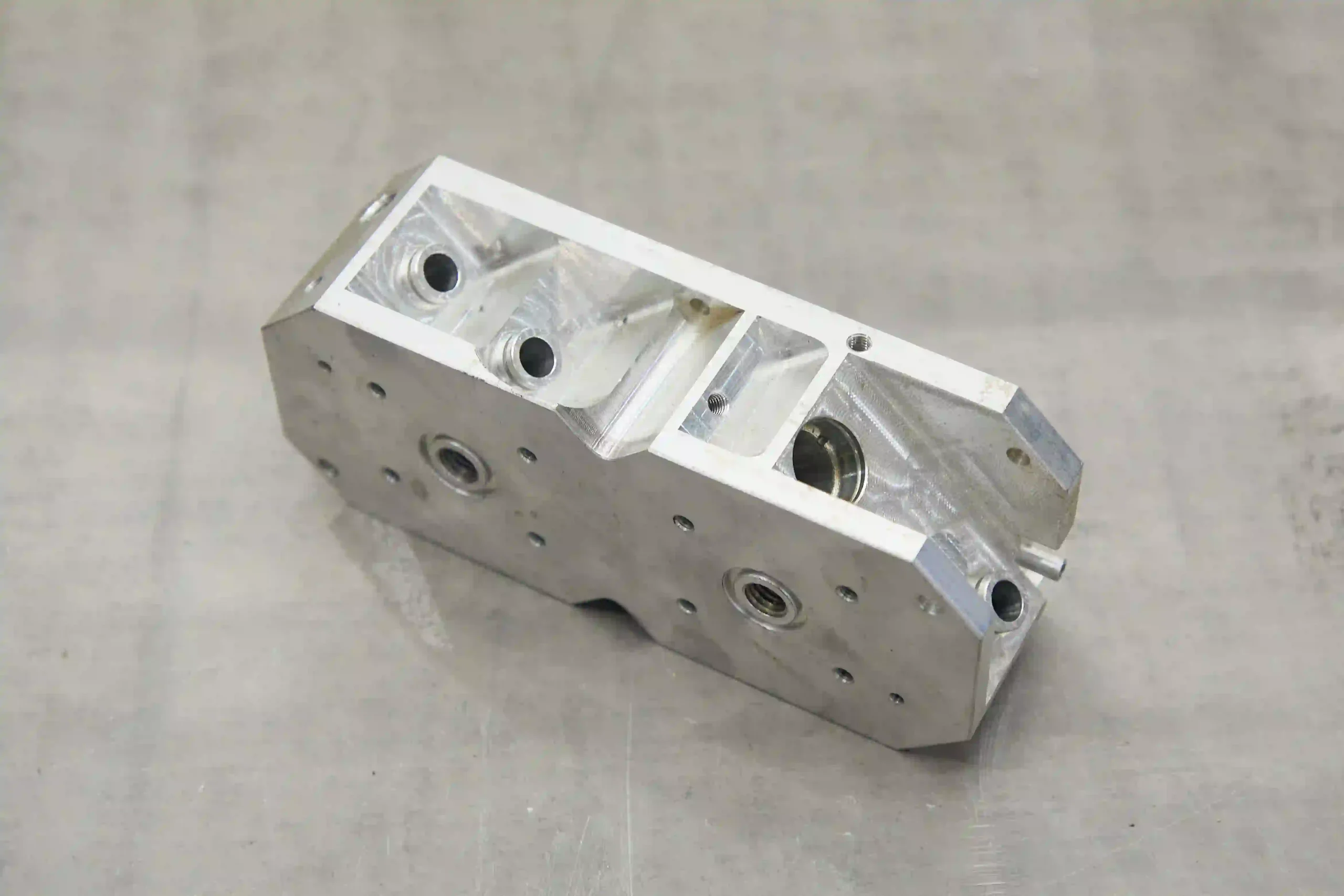
Magnesium Alloy Structural Housing
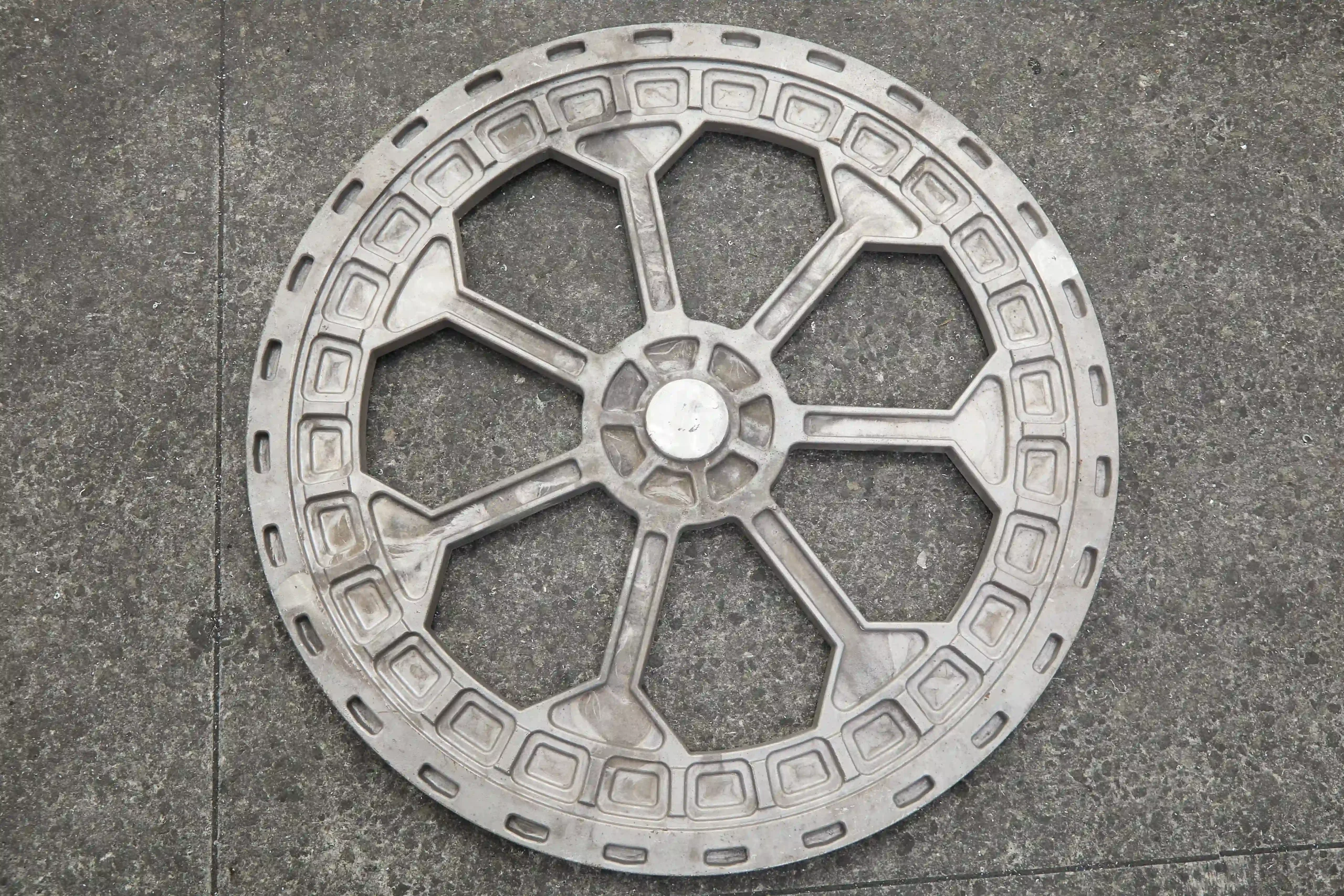
Magnesium Alloy Spoked Wheel
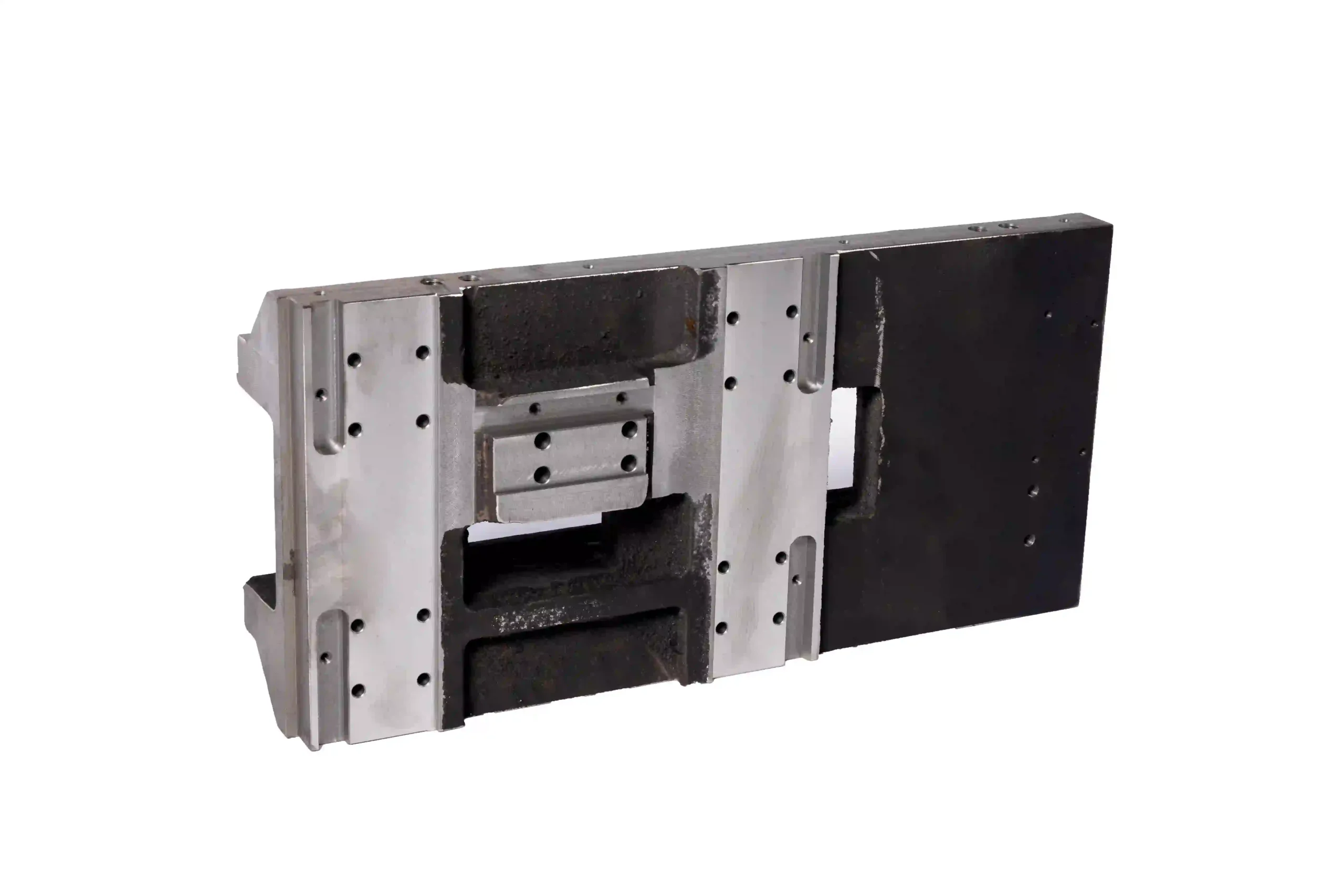
Magnesium Equipment Frame
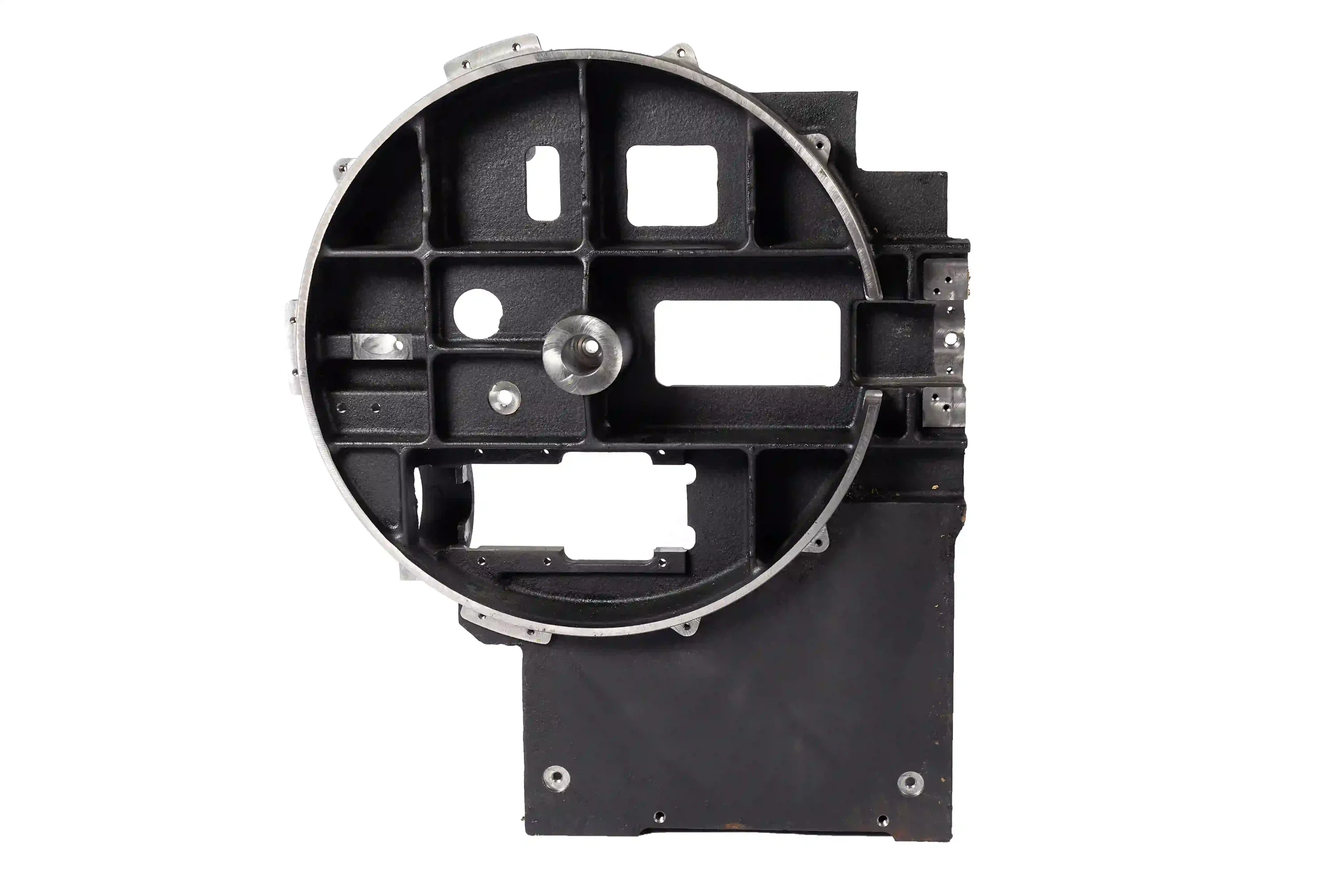
Magnesium Circular Housing
Quality Assurance for Magnesium Castings
Quality control covers key stages of magnesium casting production, from alloy verification and process planning to dimensional inspection and final checks before shipment. Particular attention is given to casting defects, dimensional consistency, surface condition, and compliance with part specifications.
Material Verification
Drawing and Process Review
In-Process Control
Dimensional Inspection
Surface and Visual Inspection
Final Inspection Before Shipment
FAQ – Frequently Asked Questions about Magnesium Casting
- Low density and good strength-to-weight ratio
- Good castability for complex and thin-wall components
- Good dimensional stability and vibration damping
- Effective electromagnetic shielding
- Suitable for lightweight automotive and electronic components
- High-Pressure Die Casting: Suitable for high-volume production of thin-wall and complex components.
- Gravity Die Casting: Uses reusable metal molds for selected magnesium alloy components.
- Sand Casting: Suitable for certain complex parts and lower-volume production requirements.
- Magnesium alloy grade and material verification
- Drawing review and casting process planning
- Monitoring of melt temperature, injection conditions, and mold temperature
- Dimensional inspection of critical features
- Surface inspection and protective coating checks when required
- Final inspection before packaging and shipment