Draft Angles and Parting Lines in Sand Casting
Draft angles and parting lines are important considerations in sand casting design. This article explains how to determine parting line…


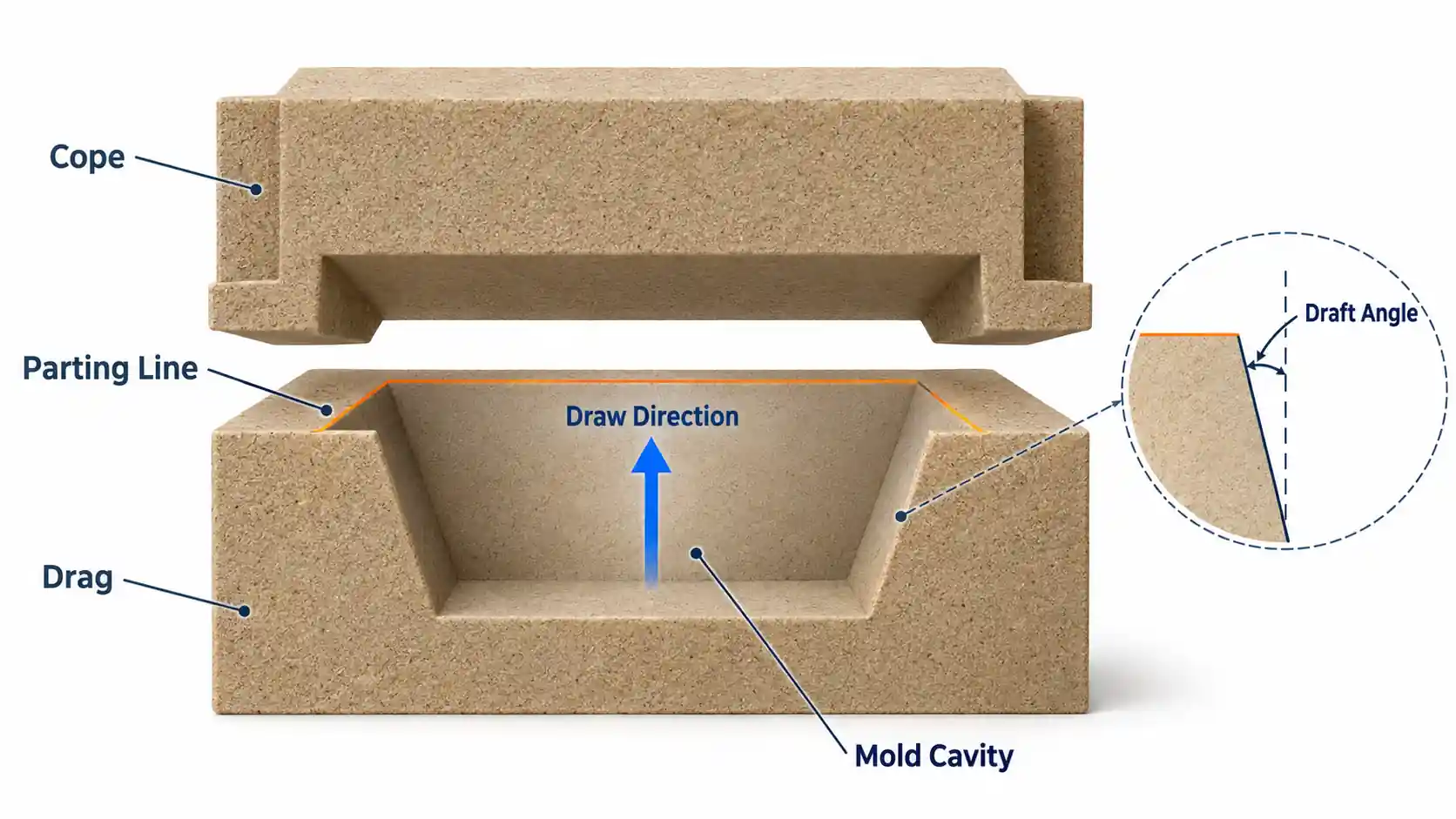
Draft angles and parting lines are important considerations in sand casting design. This article explains how to determine parting line…
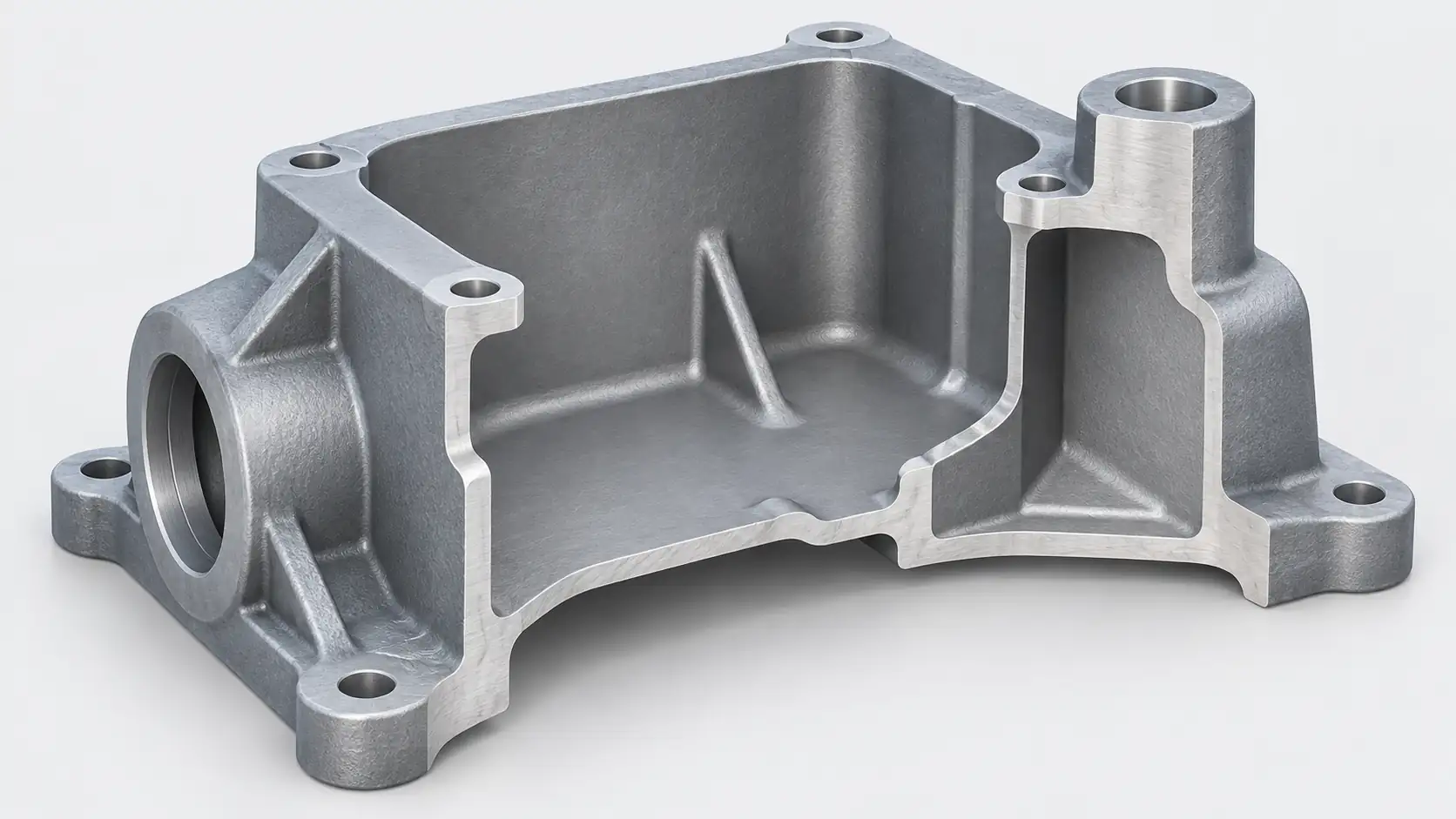
The minimum wall thickness for aluminum sand casting depends on section length, alloy fluidity, and casting geometry. This article covers…
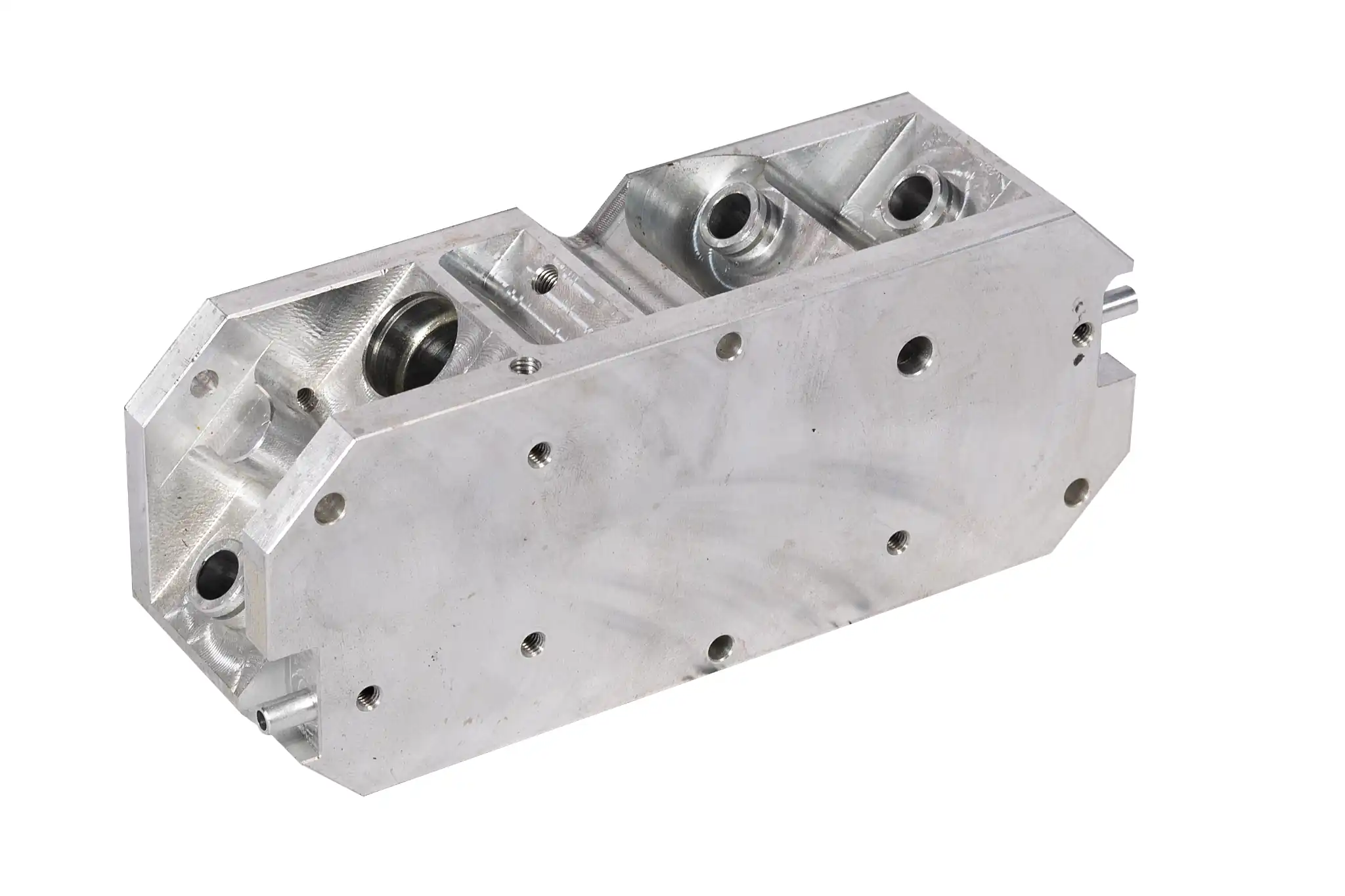
Cracks in aluminum castings may be found after solidification, demolding, machining, or heat treatment. This article covers common crack types,…
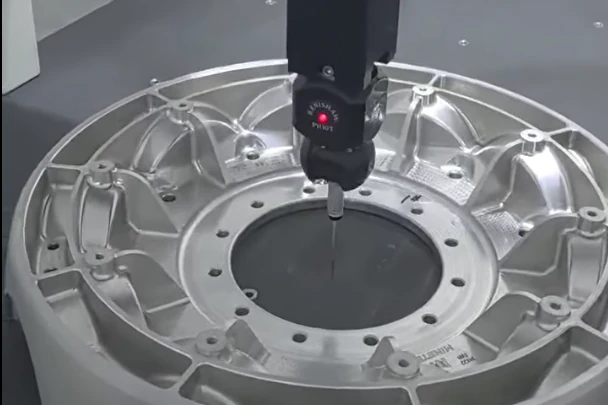
First article inspection lets customers review the results of an actual part before volume production begins. This article explains what…
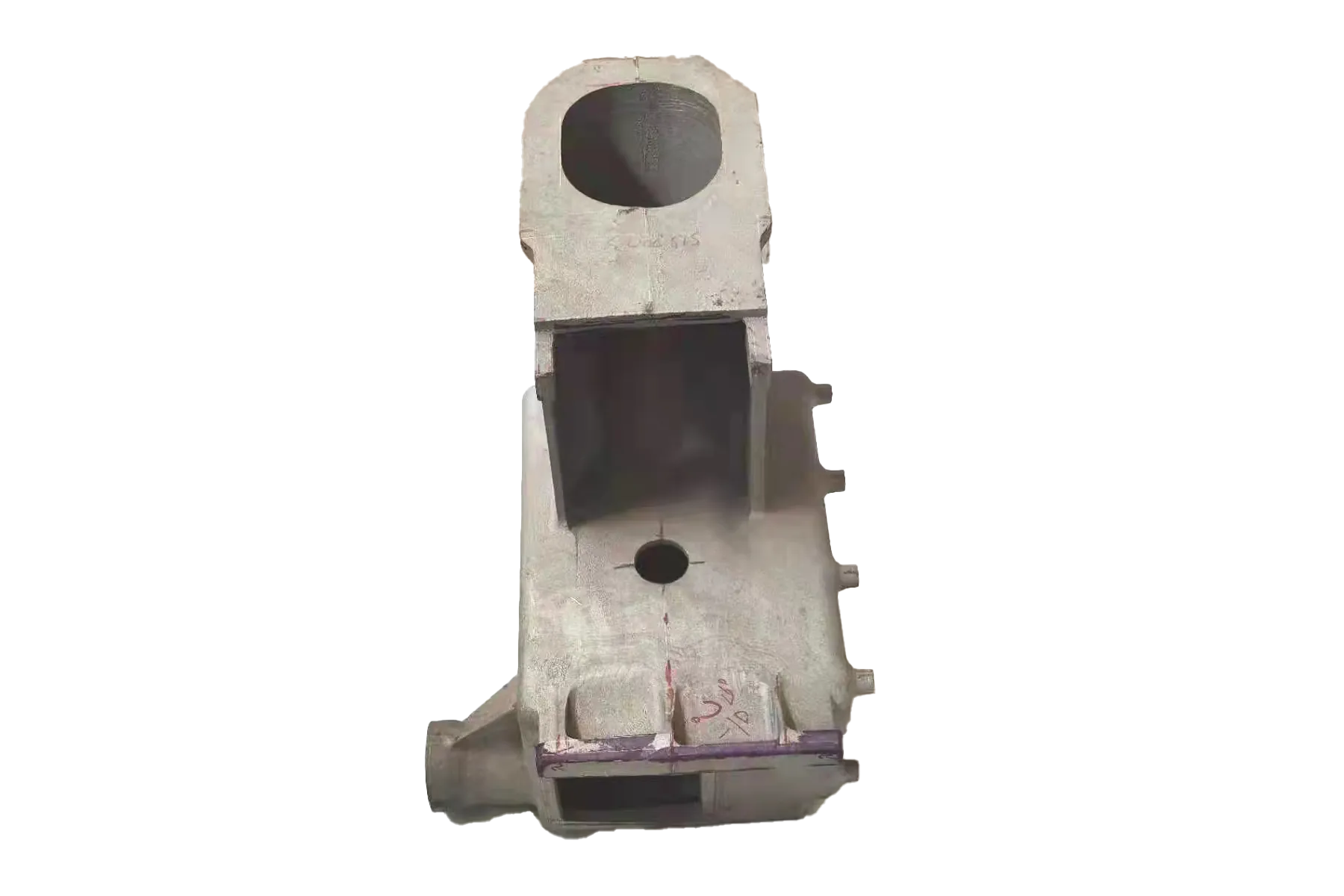
Why are castings made with more material than the finished part requires? This article explains how machining allowance provides room…
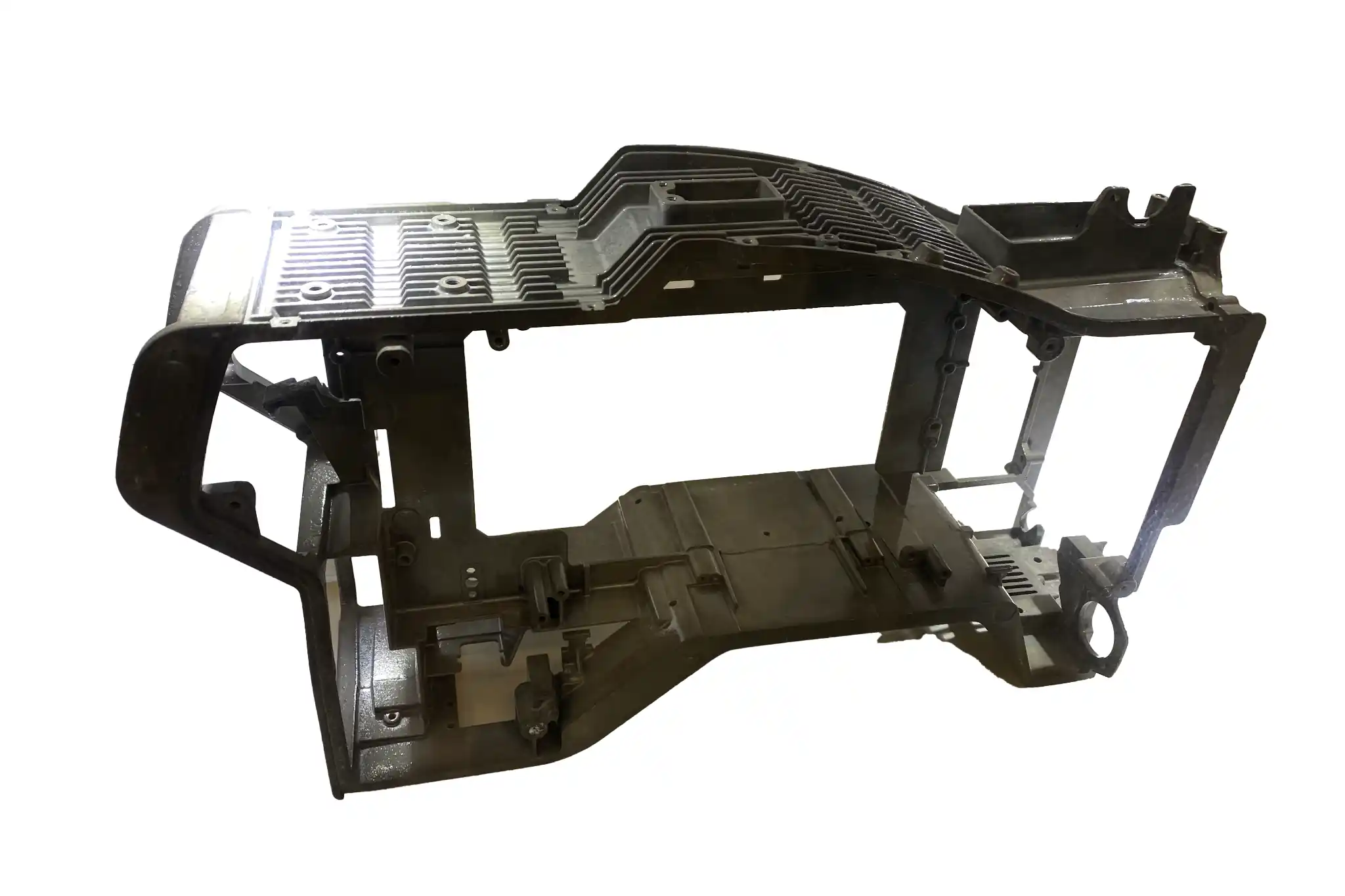
A custom casting RFQ should make the part specifications, estimated order volume, and required delivery condition clear to the foundry.…
A higher price for an as-cast part does not necessarily mean a higher cost for the finished component. The later…
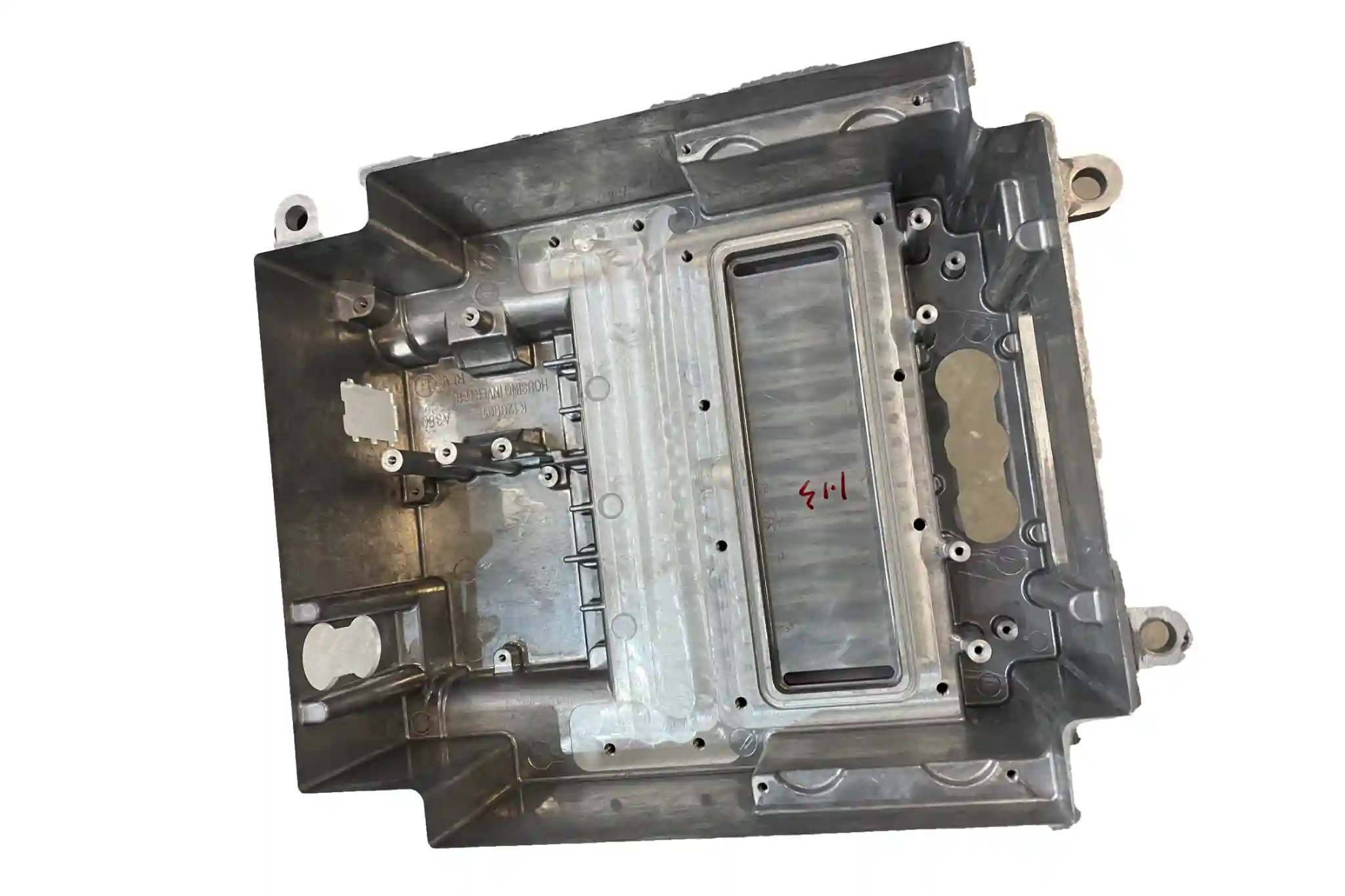
Motor housing design involves more than material and structural considerations; it must also account for mold filling, solidification shrinkage, heat…
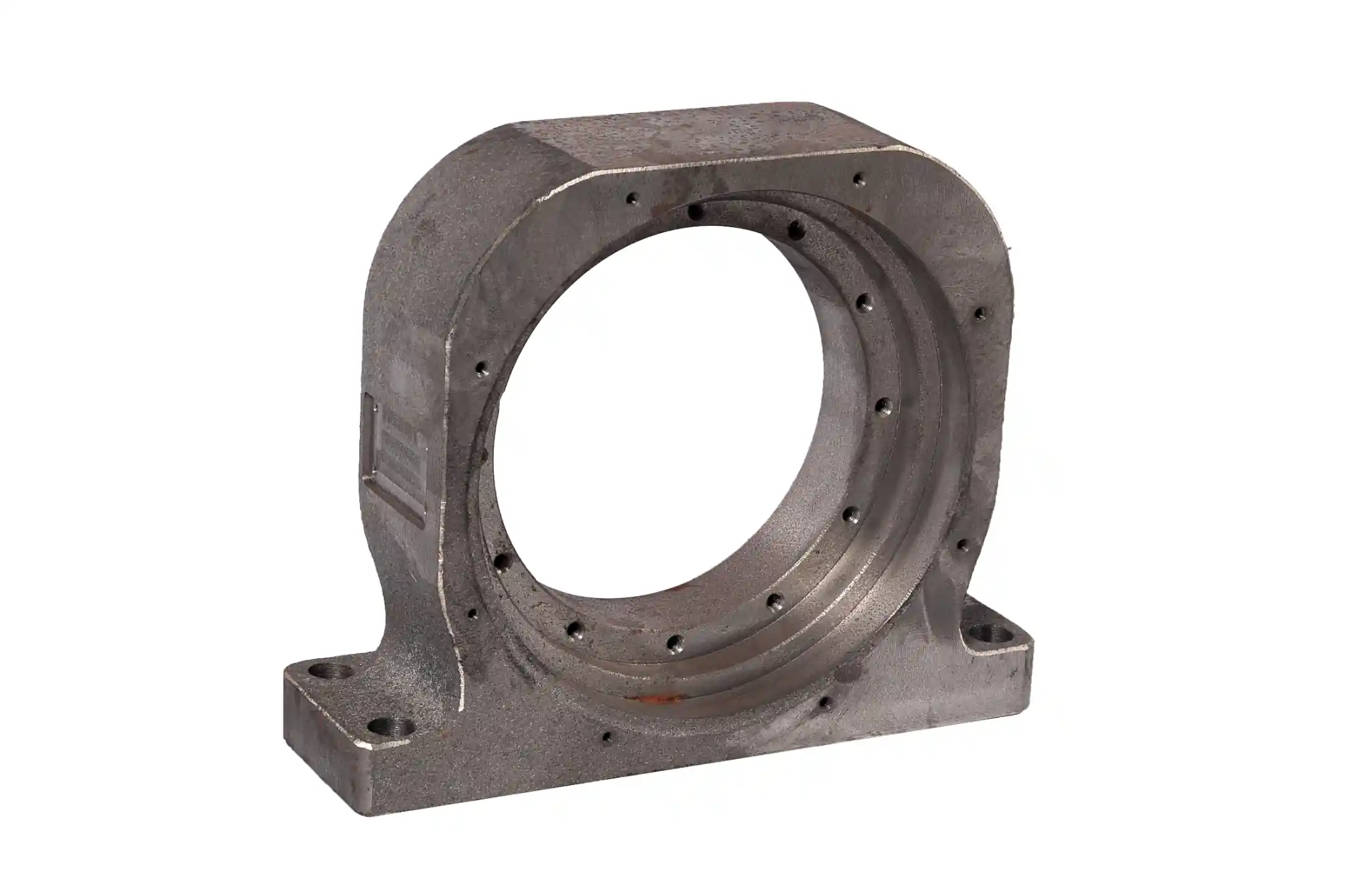
CF8M is the cast counterpart of 316 stainless steel. It contains 2–3% molybdenum, which provides improved resistance to chloride corrosion.…
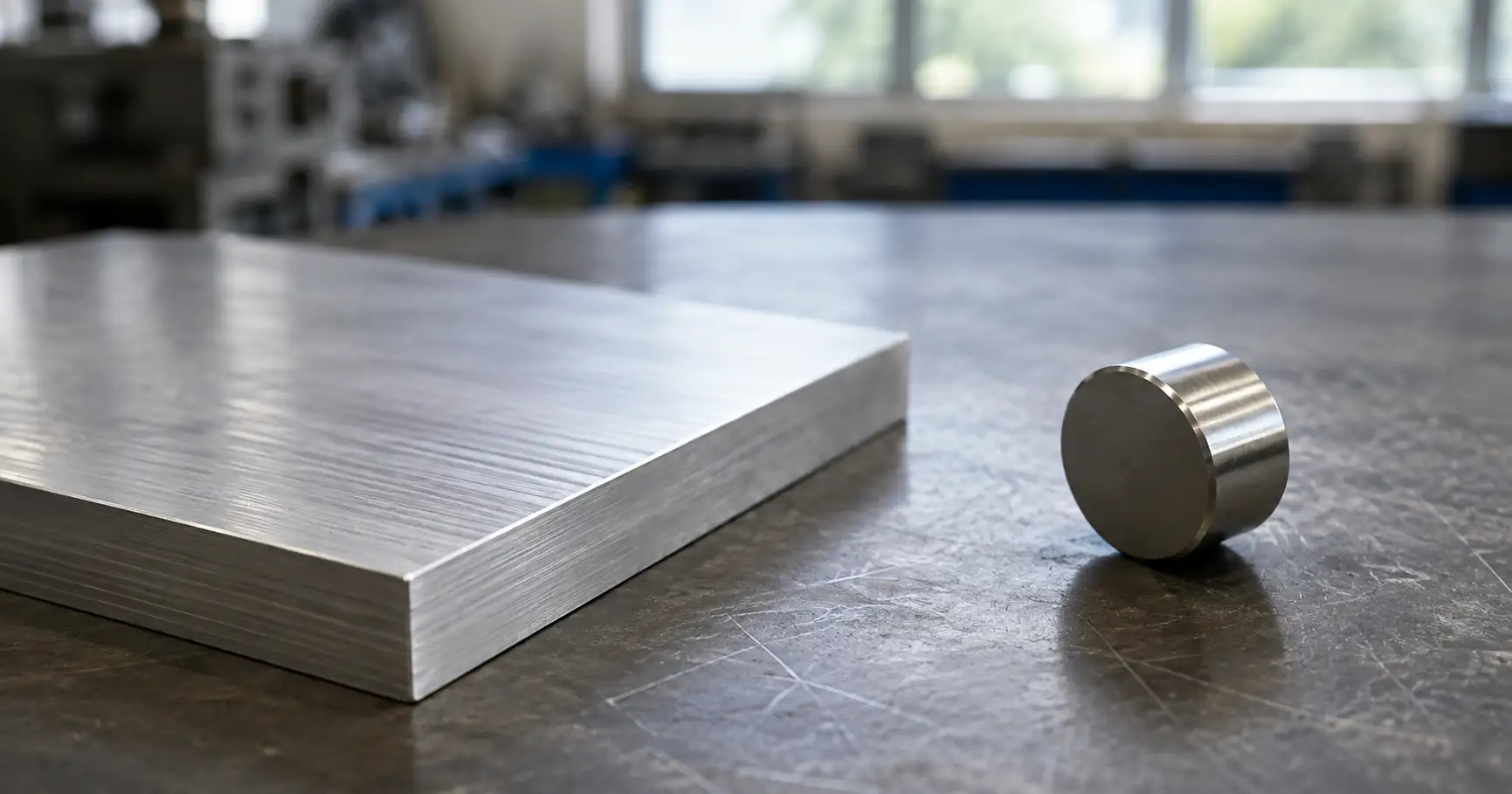
This article explains why aluminum is not attracted to ordinary magnets and, through the basic types of magnetism, electron spin,…
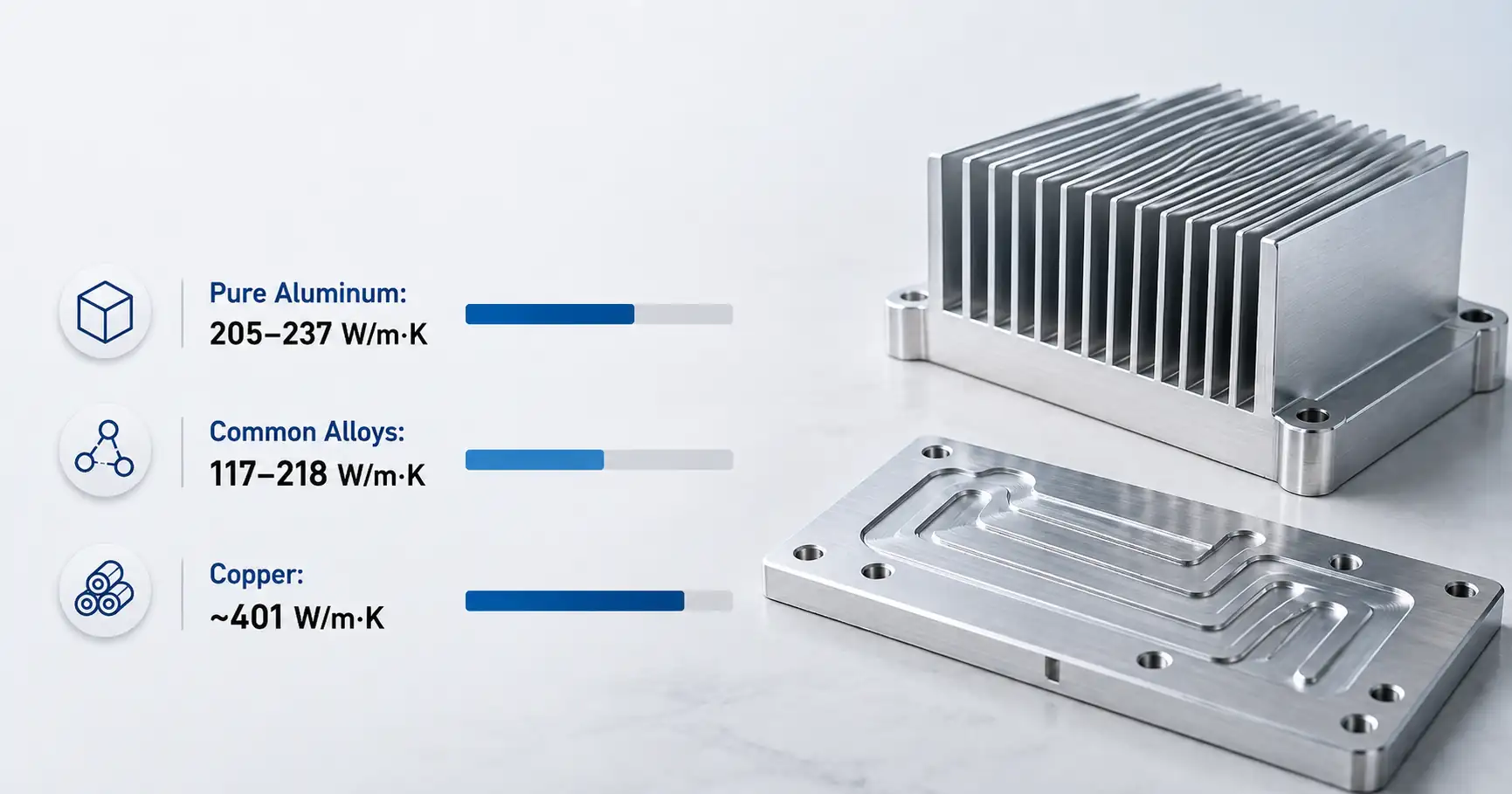
What is the thermal conductivity of aluminum? Pure aluminum is approximately 205–237 W/m·K, while common aluminum alloys range from about…
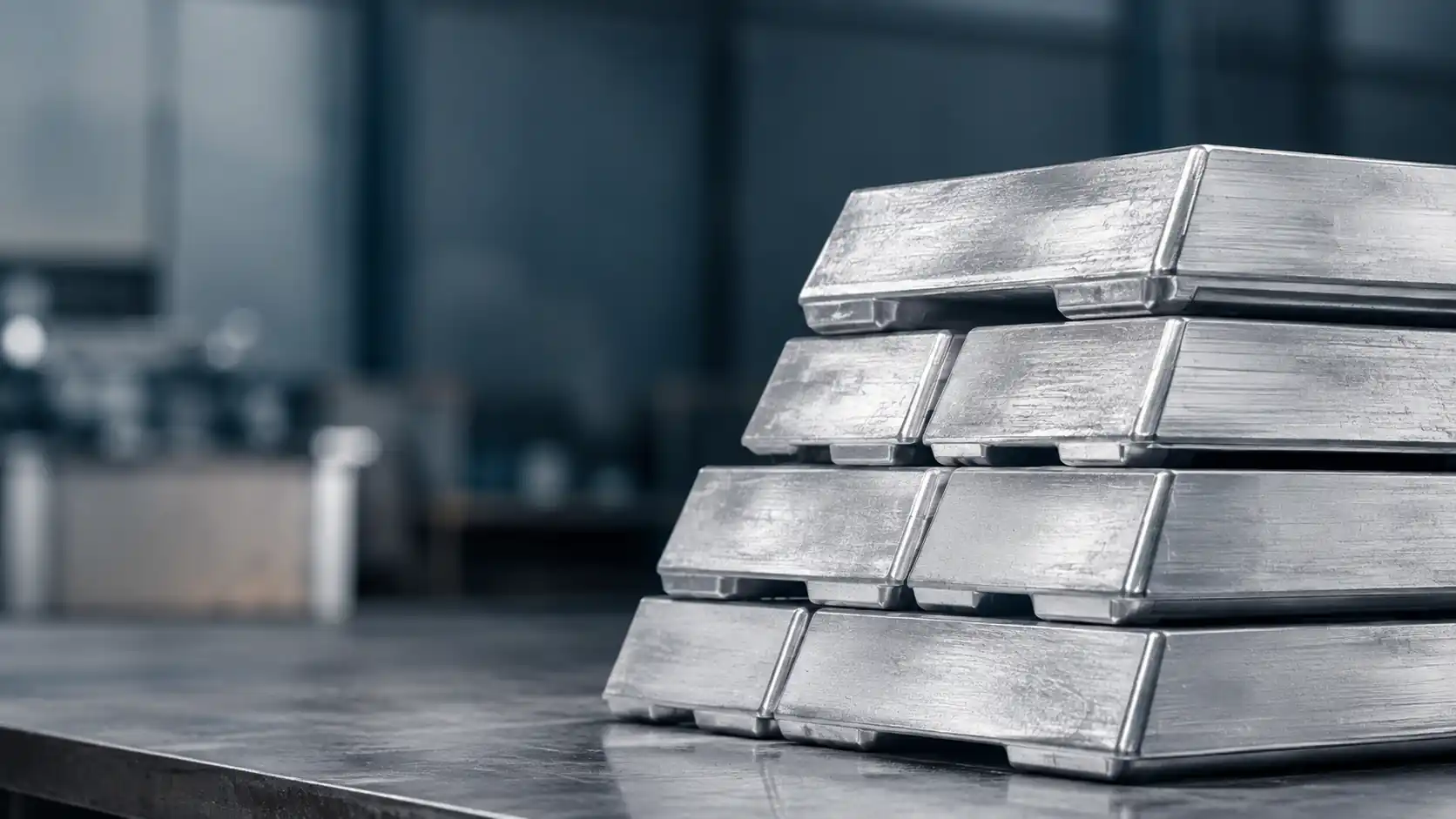
What is the melting point of aluminum? Pure aluminum melts at approximately 660.32°C, while different aluminum alloys have their own…
Heat treatment of aluminum castings improves strength, hardness, and dimensional stability through solution treatment, quenching, and aging. The appropriate T4,…
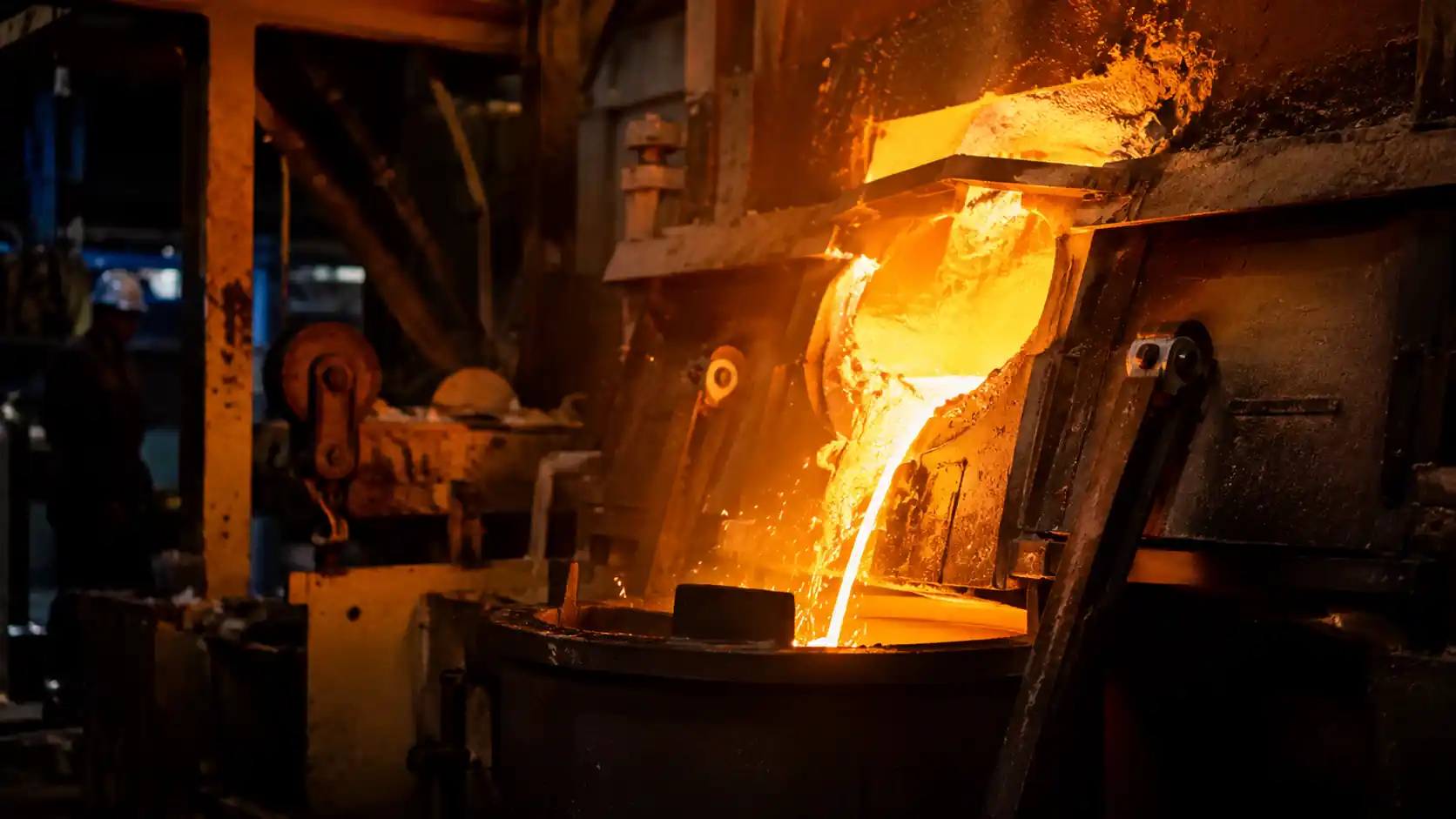
Austempered ductile iron (ADI) is a high-strength material produced by applying an austempering heat treatment to ductile iron, combining high…
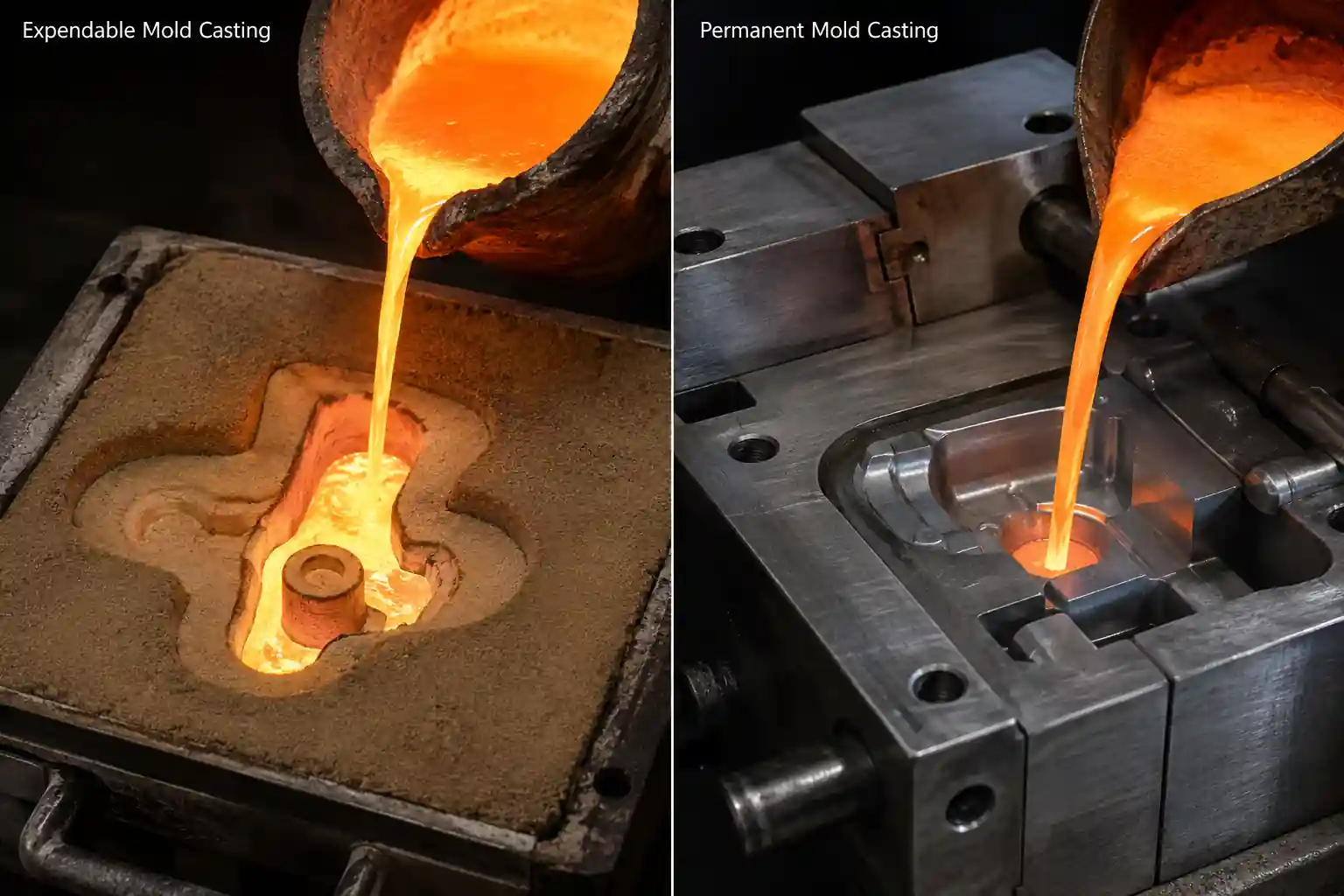
Expendable mold casting requires the mold to be destroyed after each pour, while permanent mold casting uses reusable metal molds.…
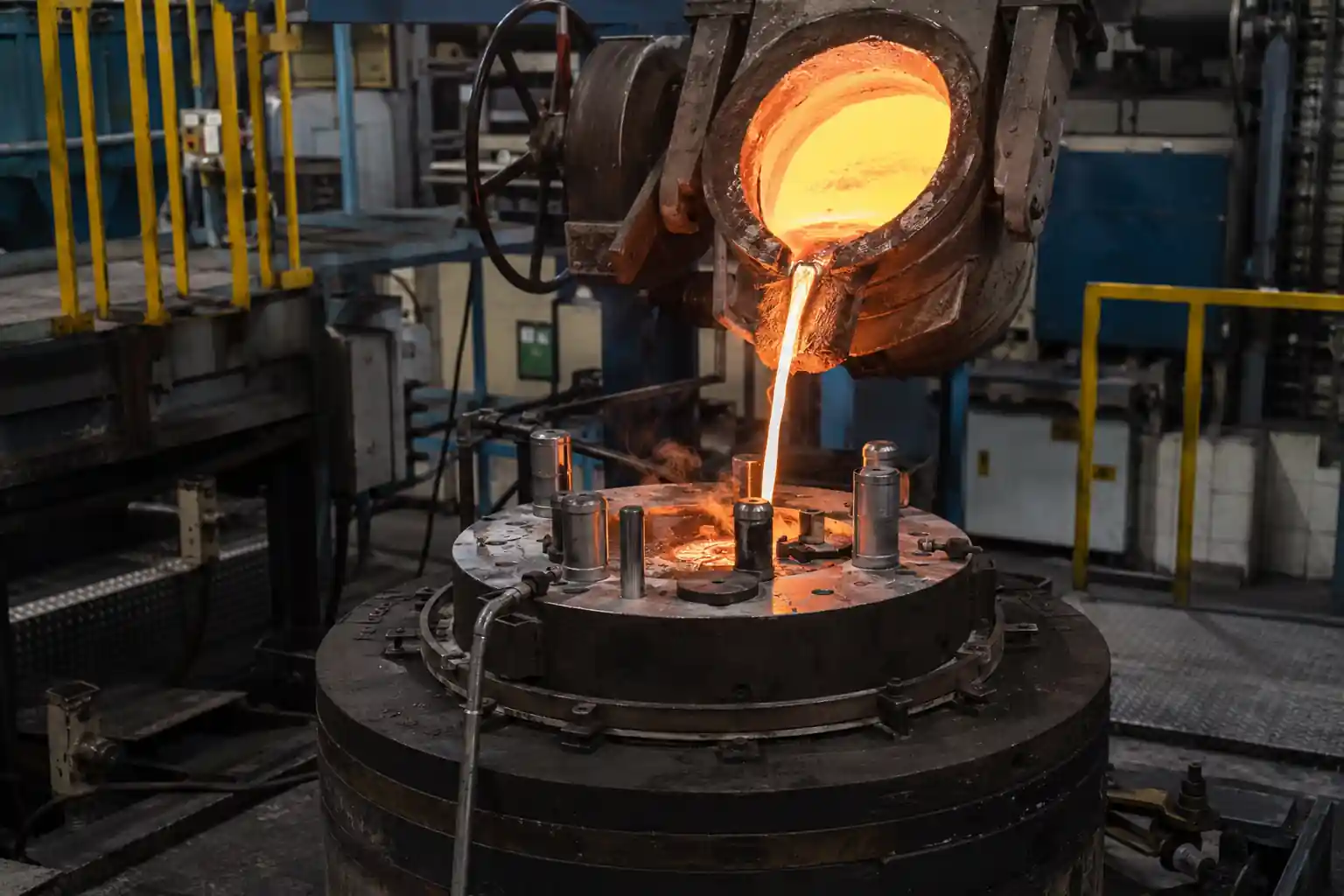
Low pressure die casting is well suited for manufacturing aluminum structural parts, but part design directly affects mold filling, feeding,…
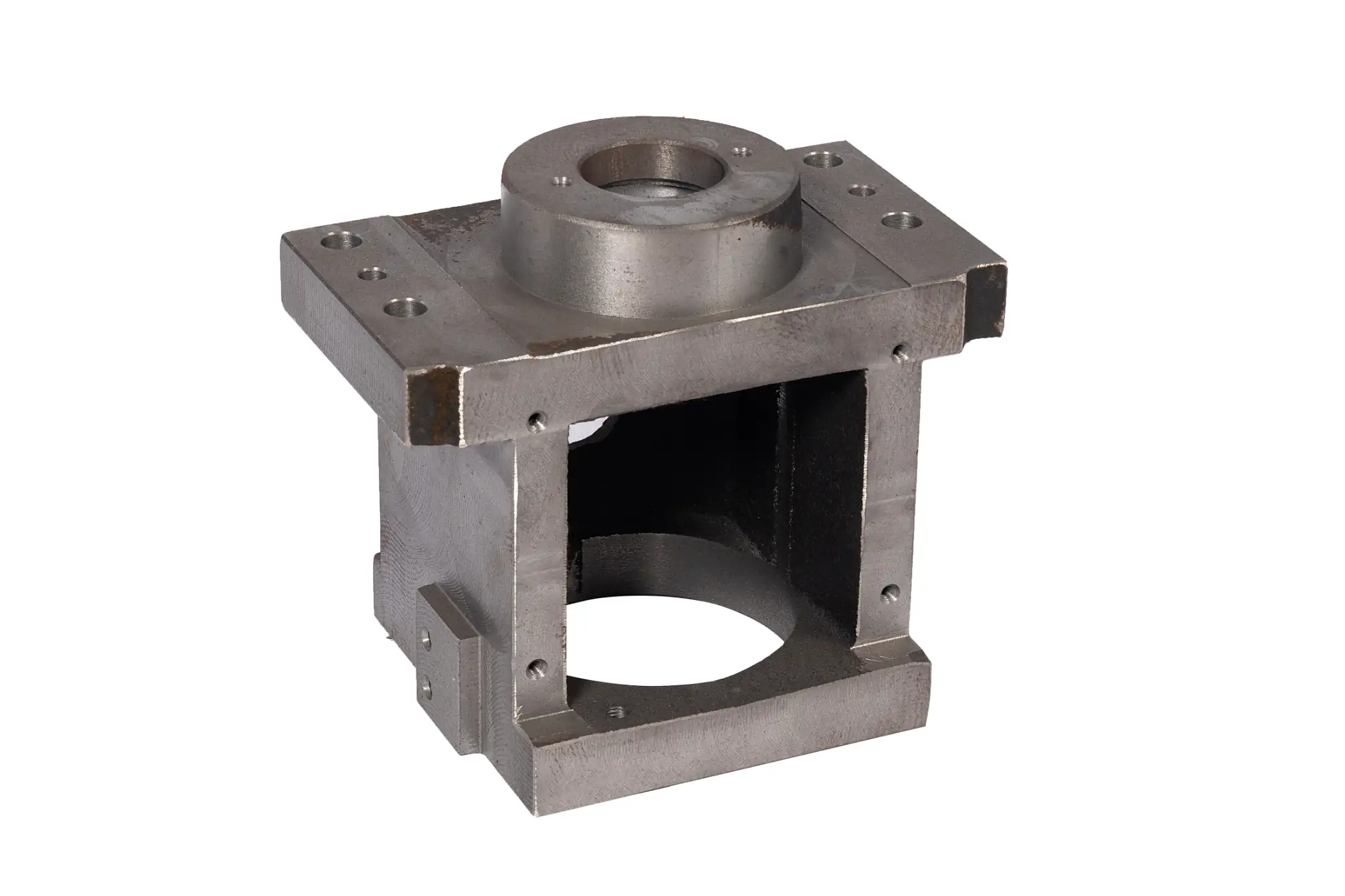
With the growing demand for lightweight and high-strength components in industrial manufacturing, low pressure casting is widely used to produce…
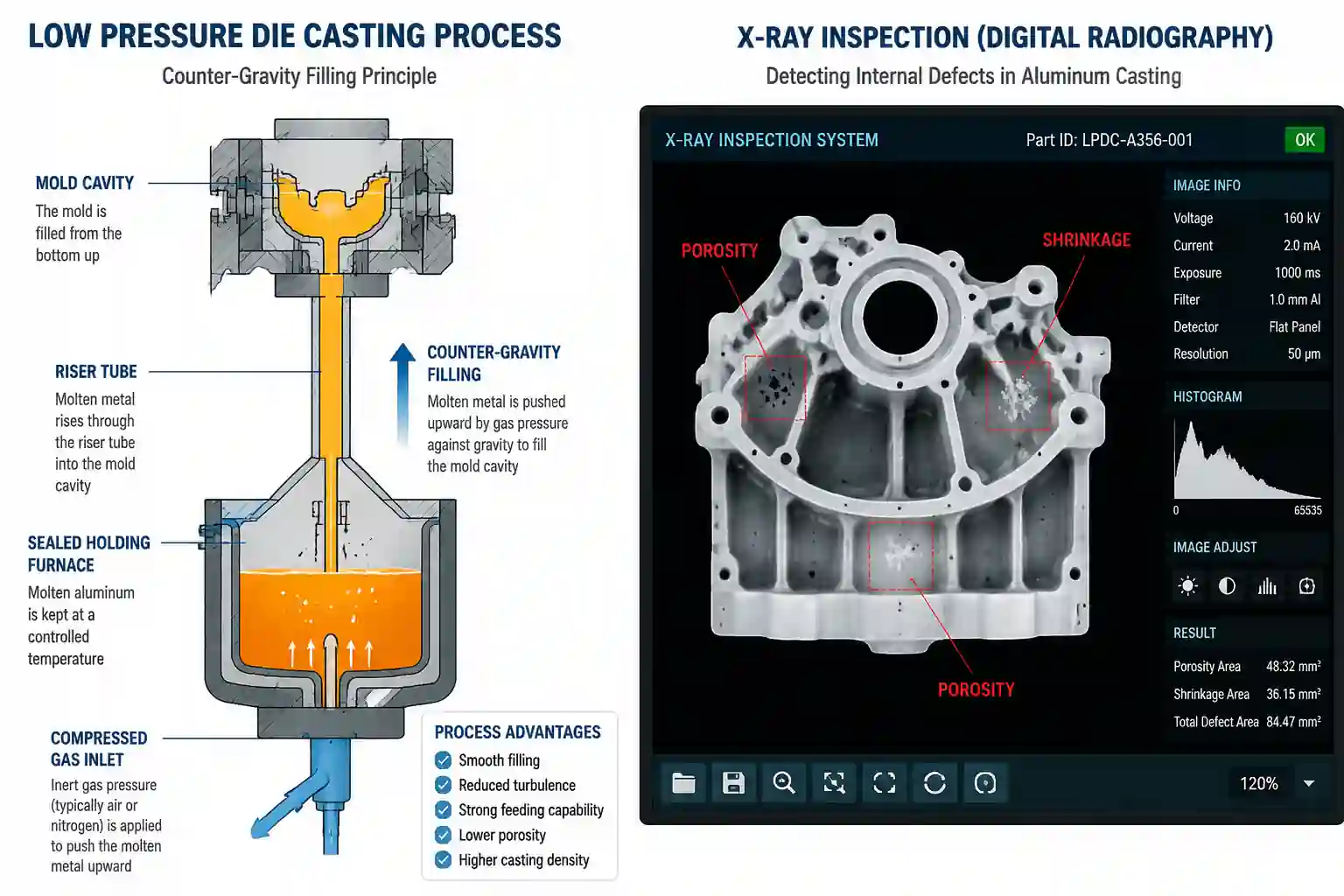
Although low pressure die casting offers advantages such as stable filling conditions and strong feeding capability, internal defects such as…
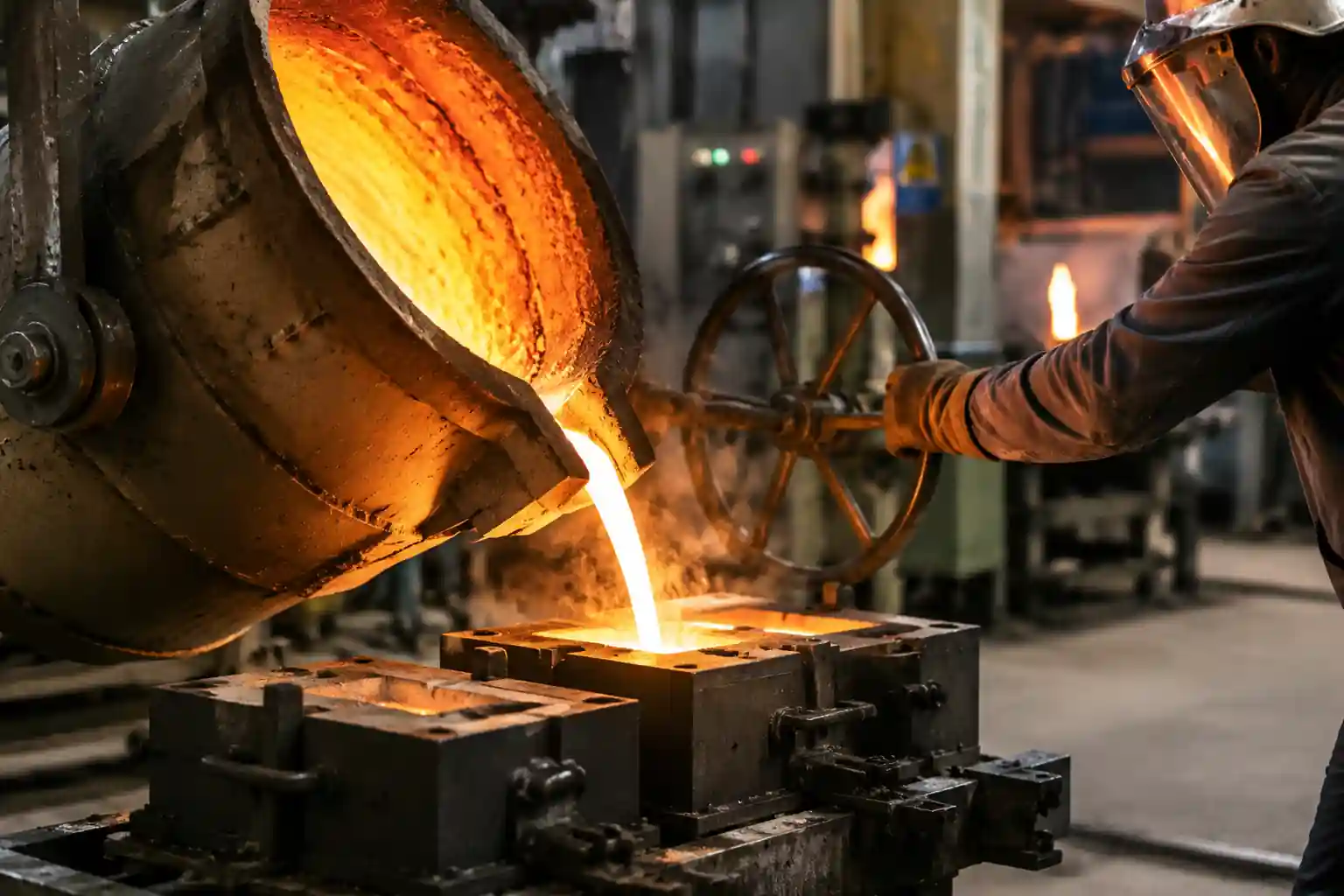
Choosing the right casting supplier requires more than comparing prices. This guide explains key factors including supplier experience, casting capabilities,…
When selecting aluminum casting suppliers in China, buyers should evaluate more than just price and delivery time. Supplier quality management…
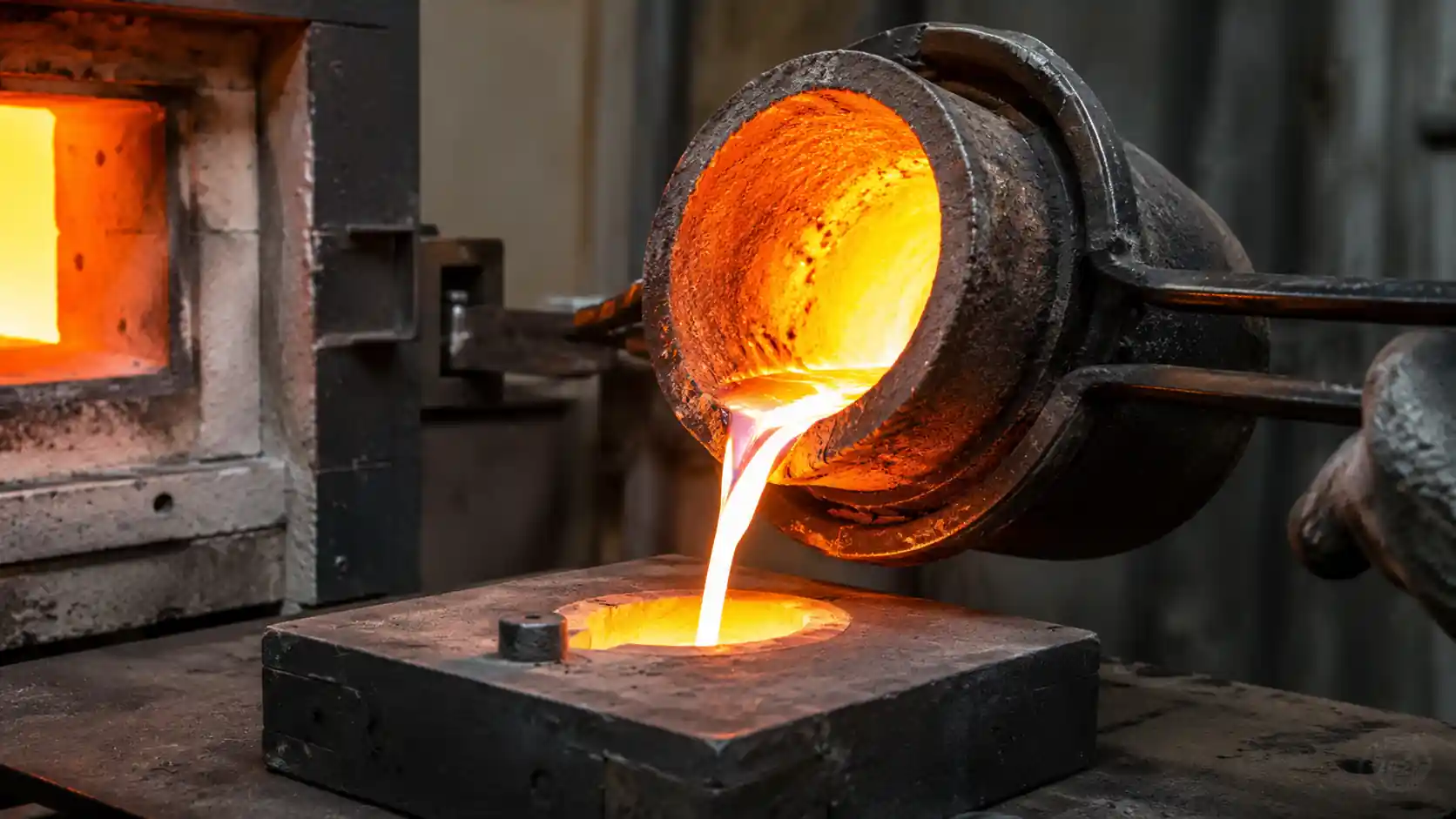
Before aluminum can be cast, it must go through charging, heating, temperature measurement, dross removal, and pouring. This article explains…
Higher requirements for lightweight design and structural integration are driving the development of electric vehicle manufacturing. This article explores casting…
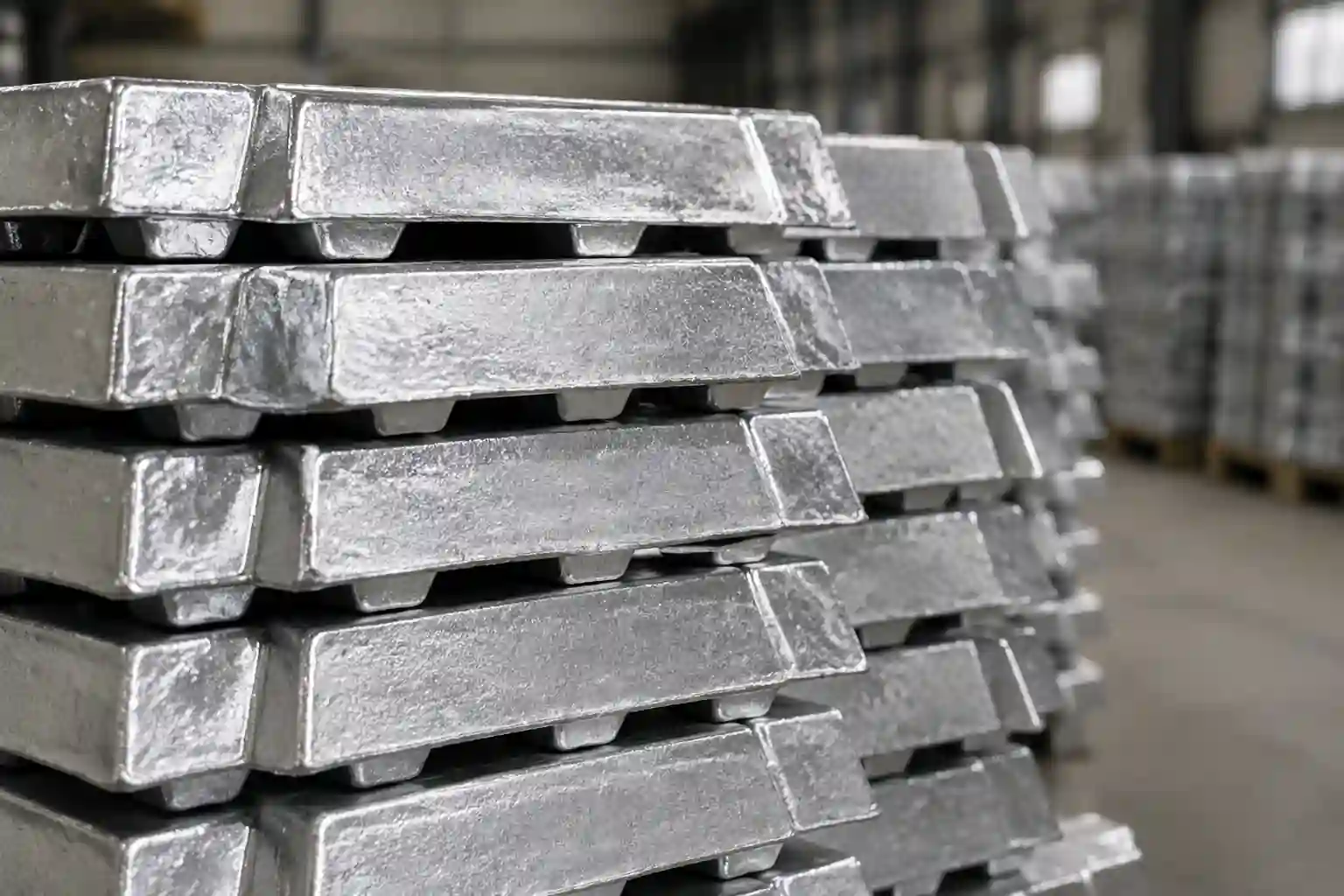
Whether aluminum die-cast parts can be recycled depends on the material source, alloy type, and subsequent processing methods. Compared with…
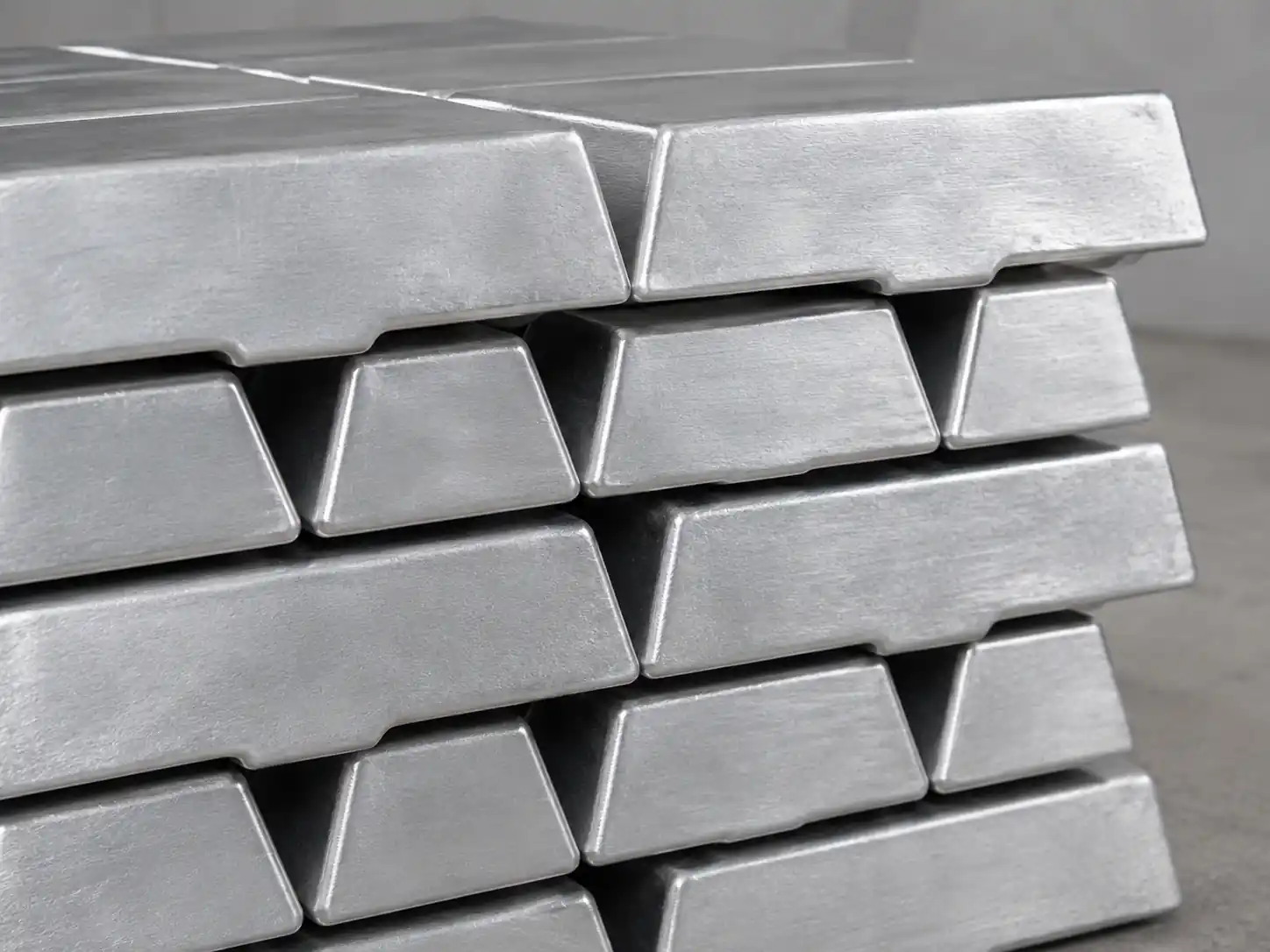
How to choose the right aluminum alloy for gravity die casting? This article starts from the casting performance of Al-Si…
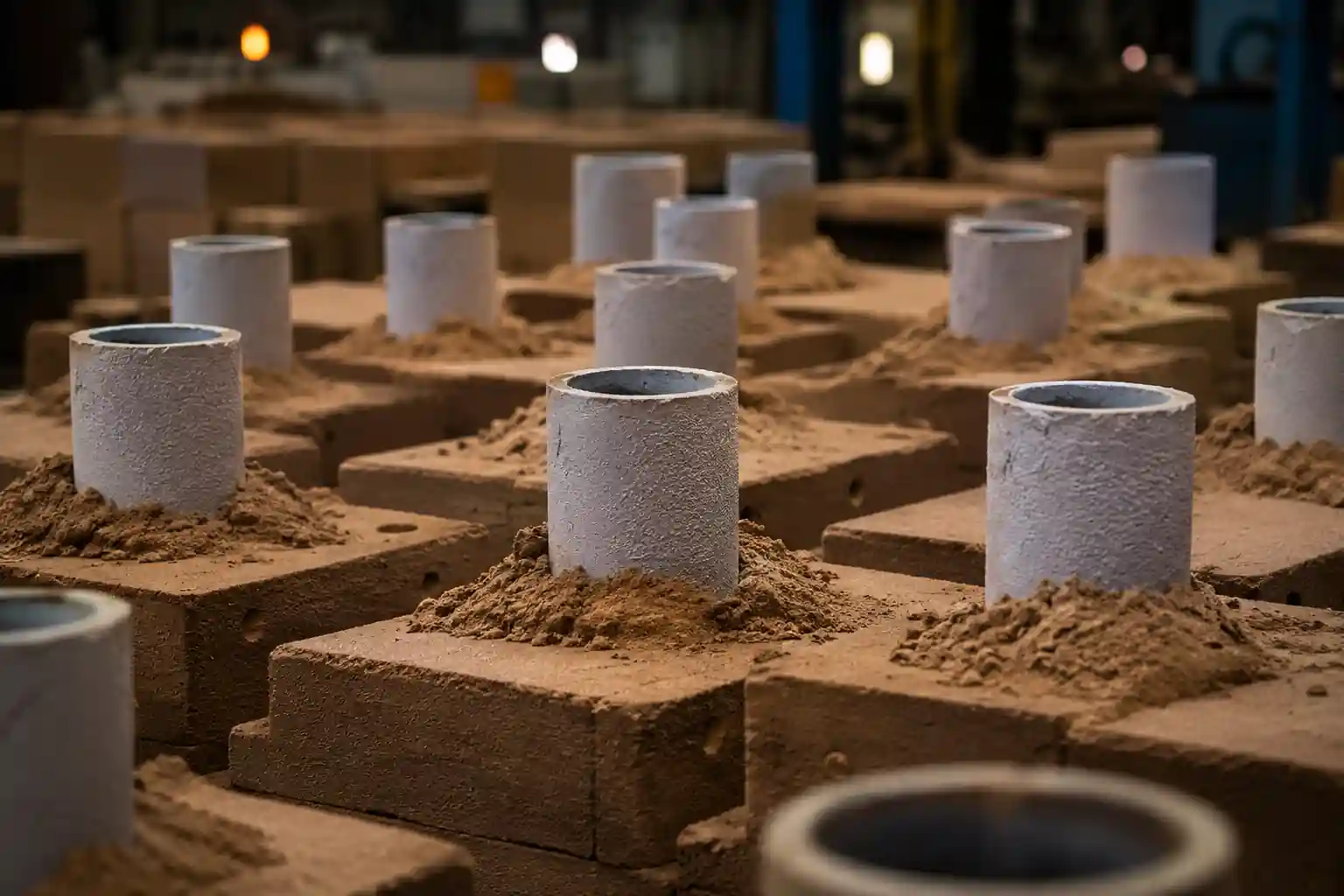
Risers are used to supply molten metal during casting solidification, helping reduce shrinkage-related defects. This article explains common riser types,…
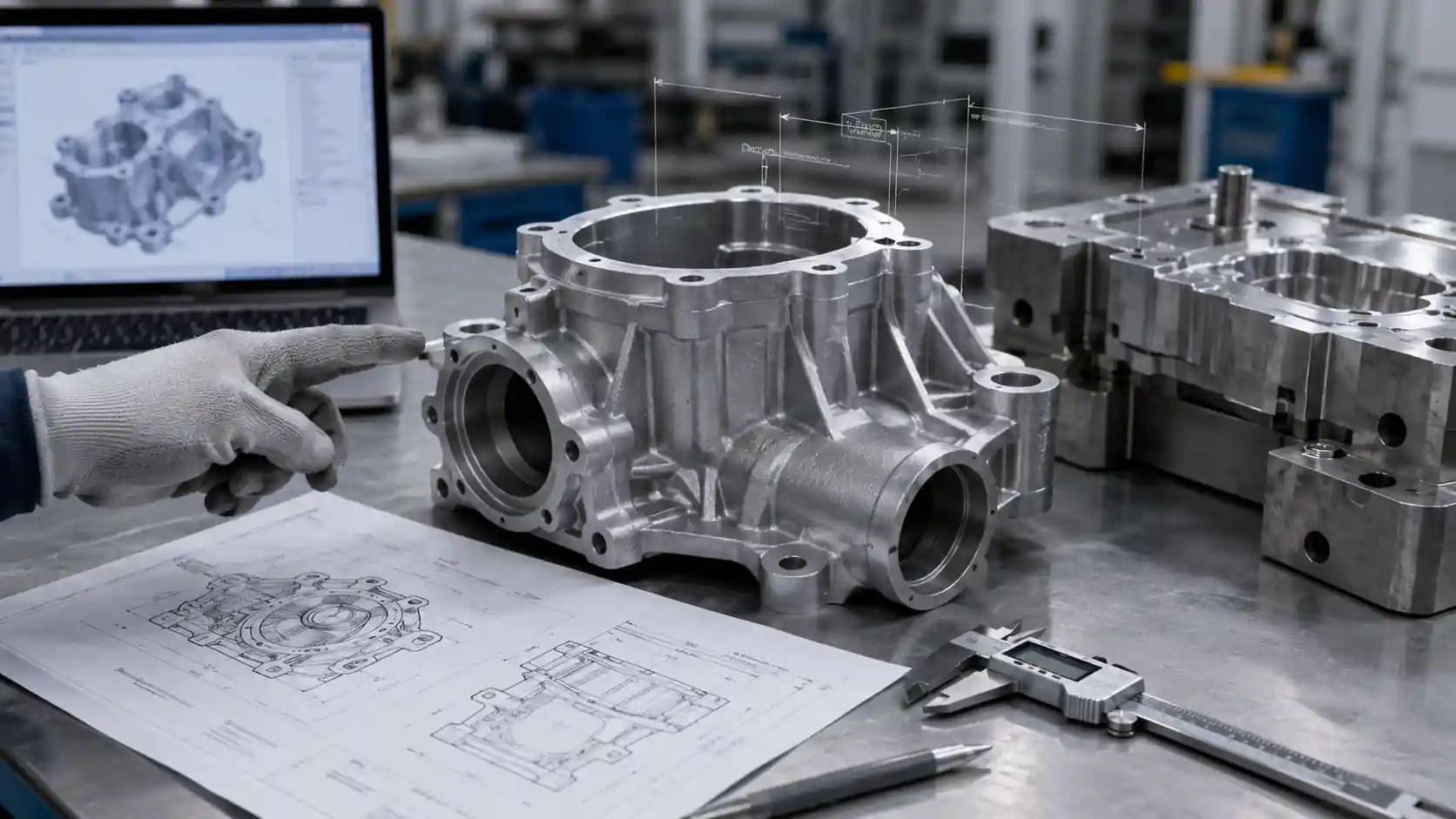
Aluminum casting design affects mold structure, metal filling, demolding, shrinkage control, and secondary machining. This article summarizes 10 design factors…
Dimensional accuracy in castings depends on process selection, mold design, machining allowance, and inspection control. This article explains how to…
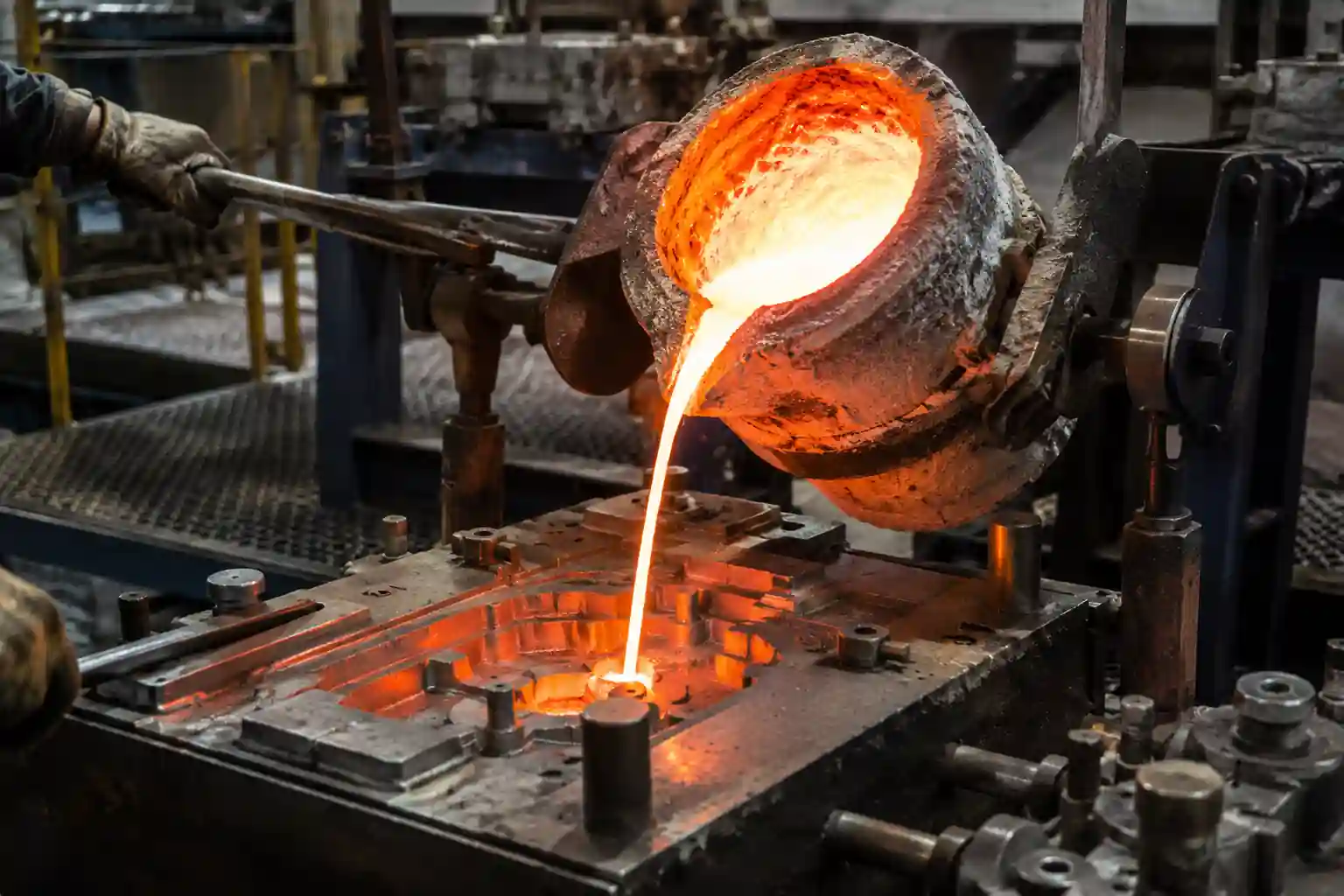
Gravity die casting quality is affected by factors such as pouring position, gating and venting design, riser feeding, die temperature,…
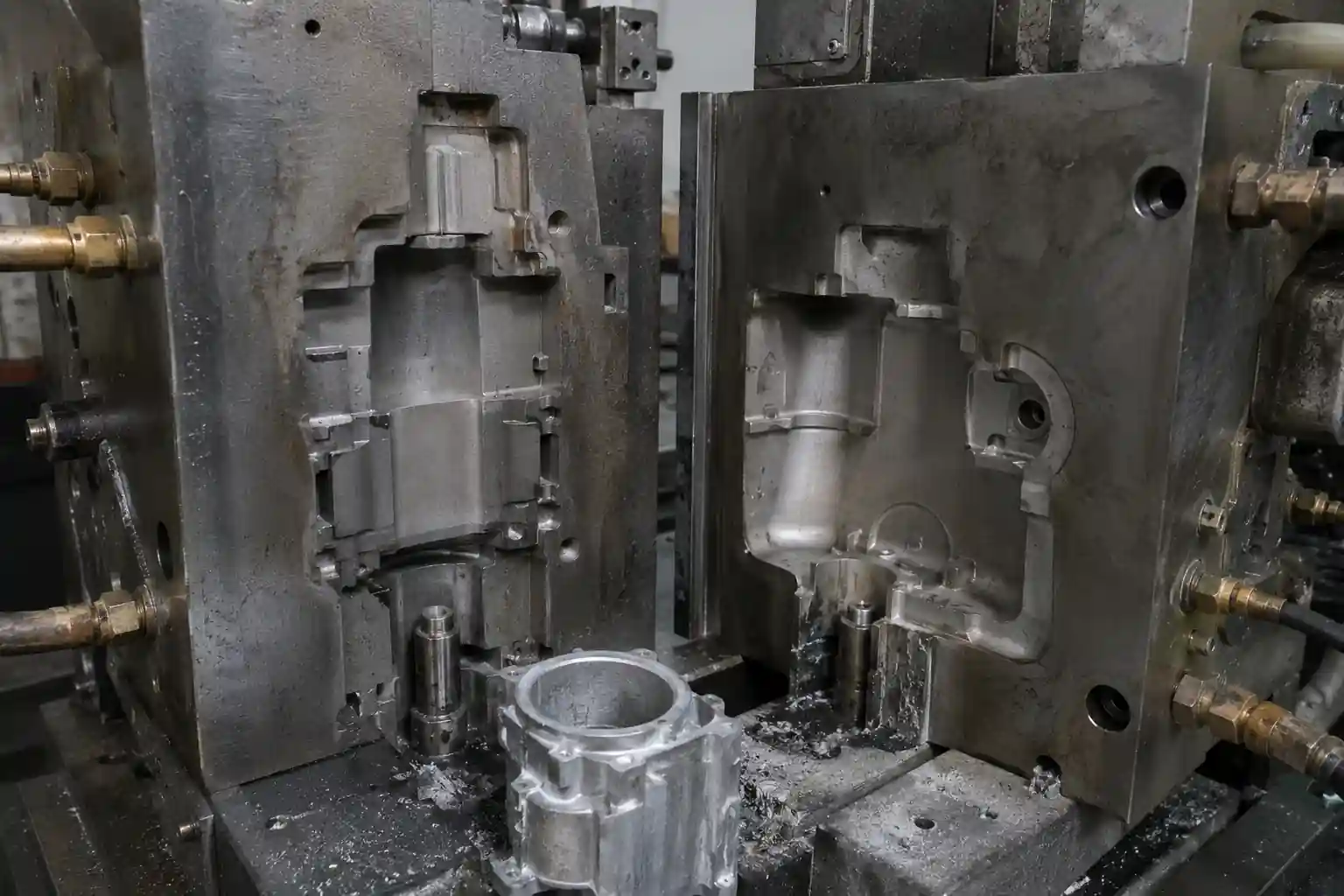
Casting molds are key tooling in the casting process, helping improve production efficiency, casting quality, and batch consistency.
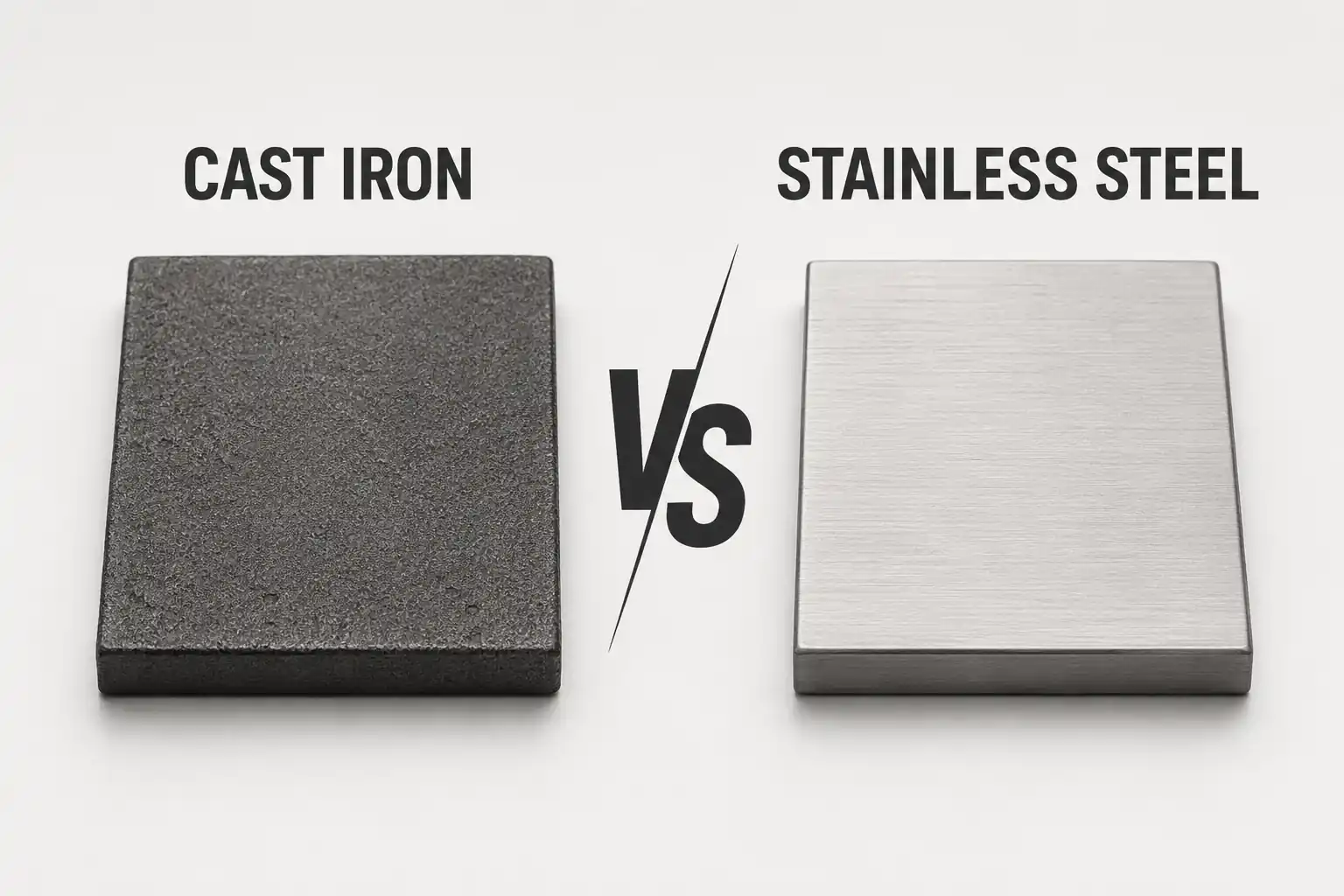
Cast iron castings and stainless steel castings are both common casting materials in industrial manufacturing, but they are used under…
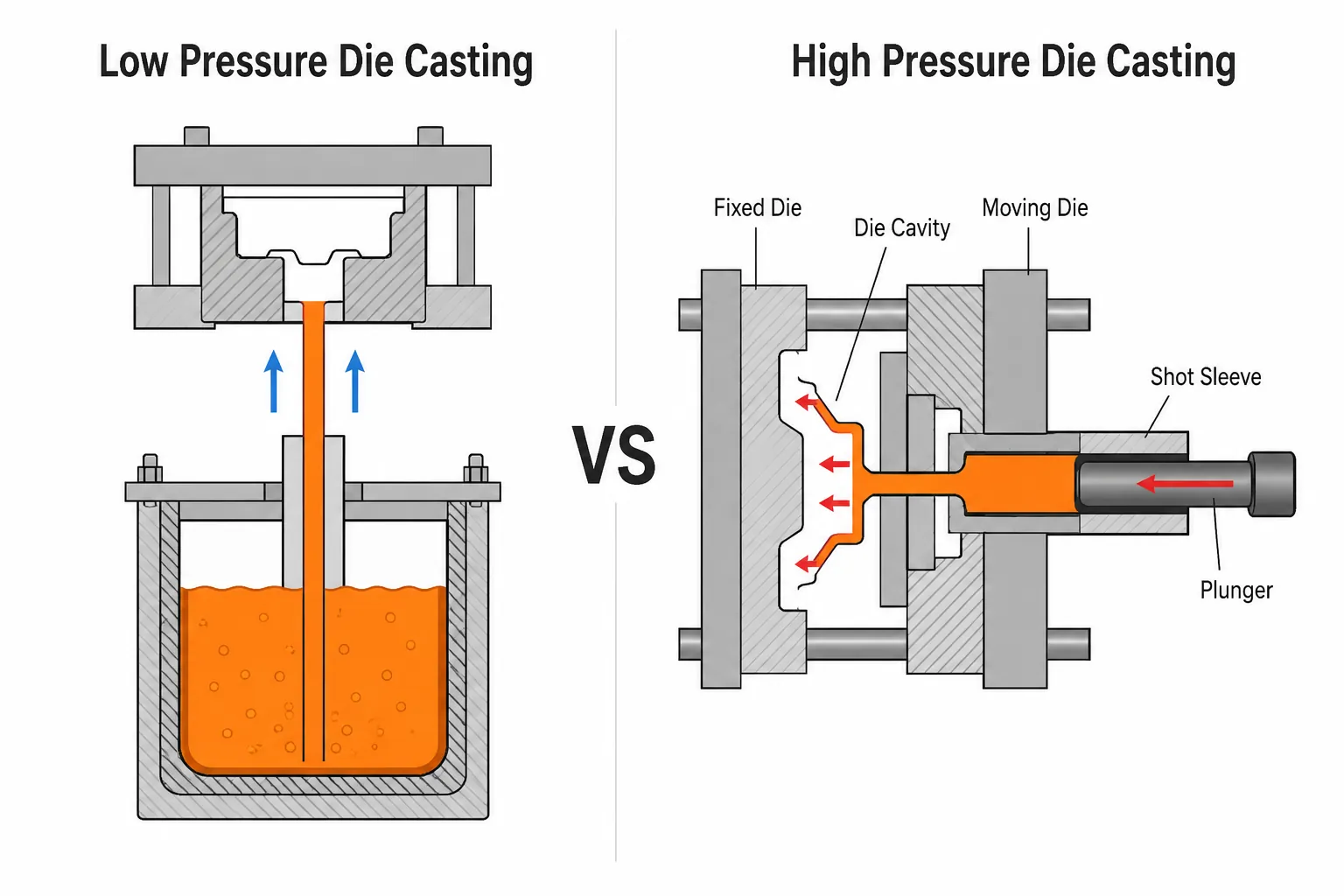
Low Pressure Die Casting is often used for medium-to-large aluminum parts requiring internal quality and pressure-tightness, while High Pressure Die…
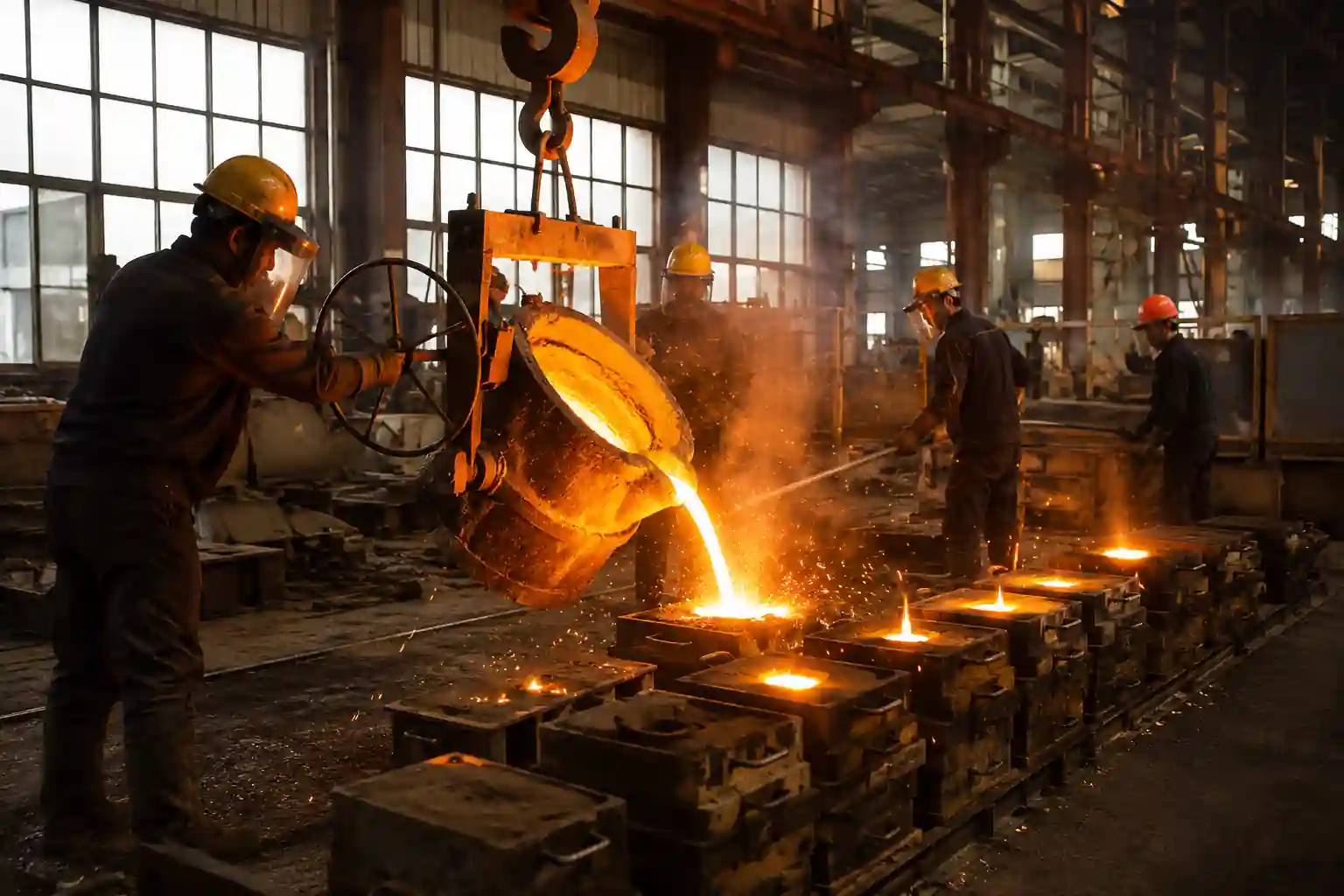
Cast steel and carbon steel casting are not the same concept. This article explains the definitions, material categories, key differences,…
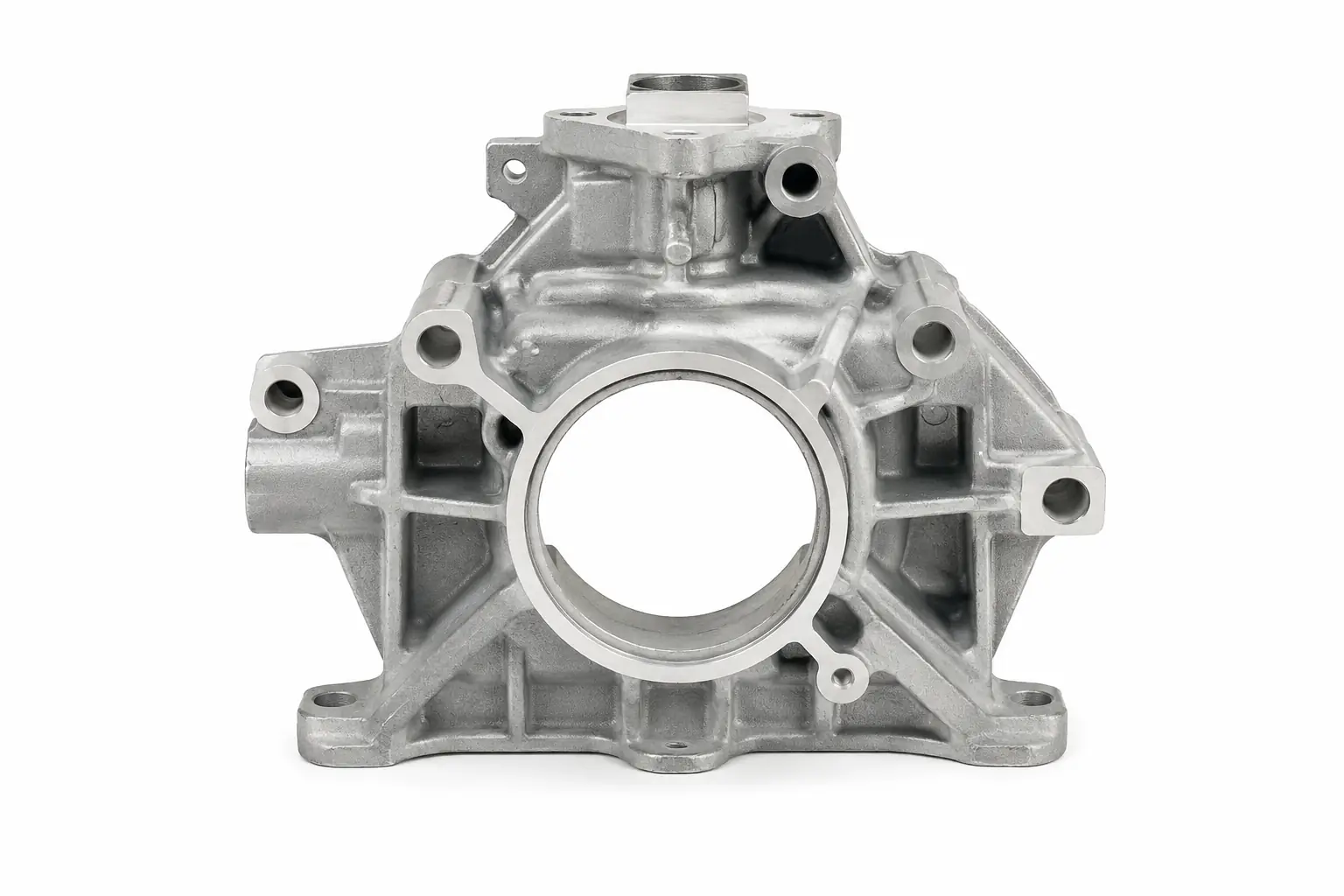
This article introduces the benefits, common methods, and key selection factors of prototype casting, helping engineers and buyers determine whether…
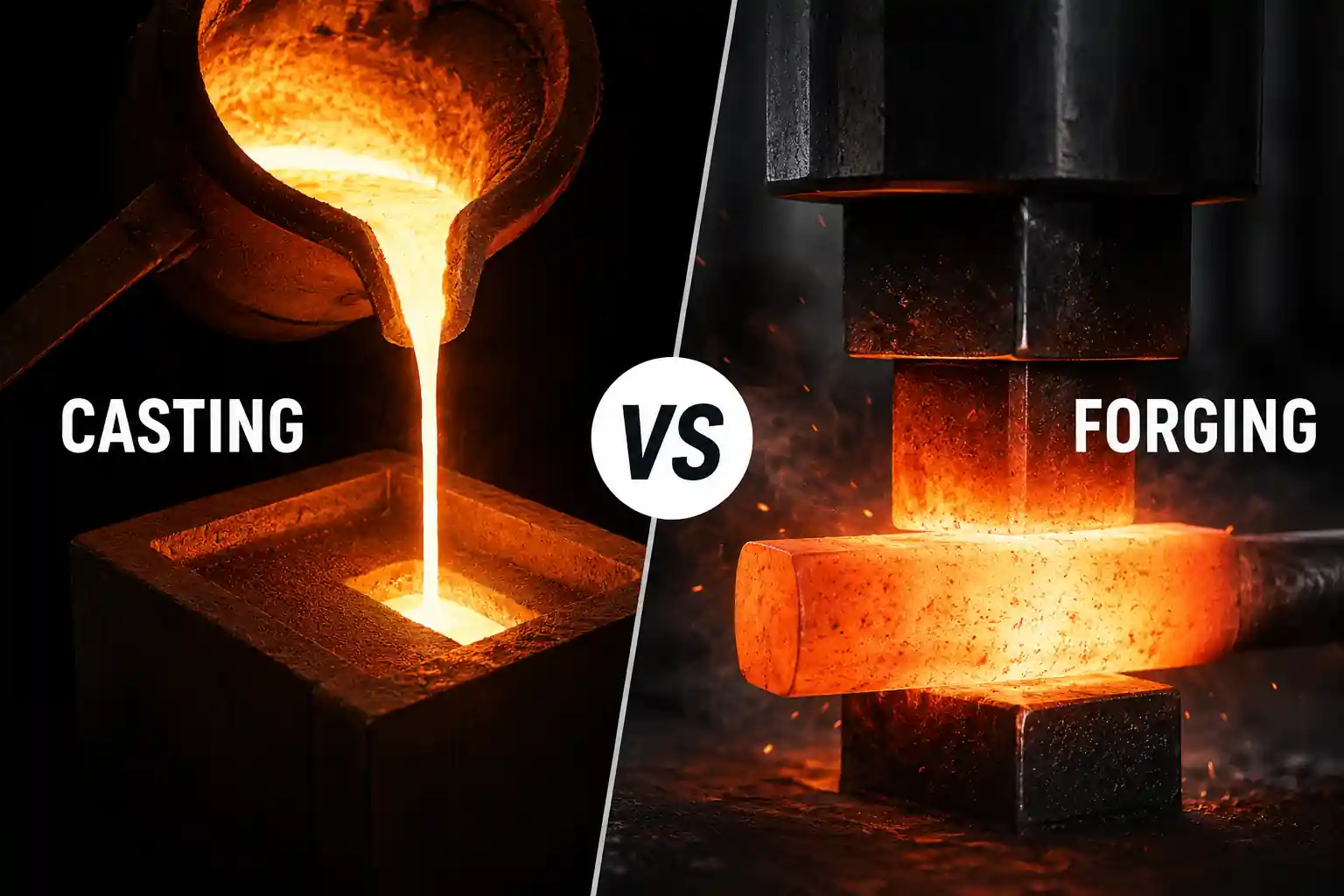
Learn the key differences between casting vs forging, including forming methods, mechanical properties, cost structure, and typical applications for industrial…
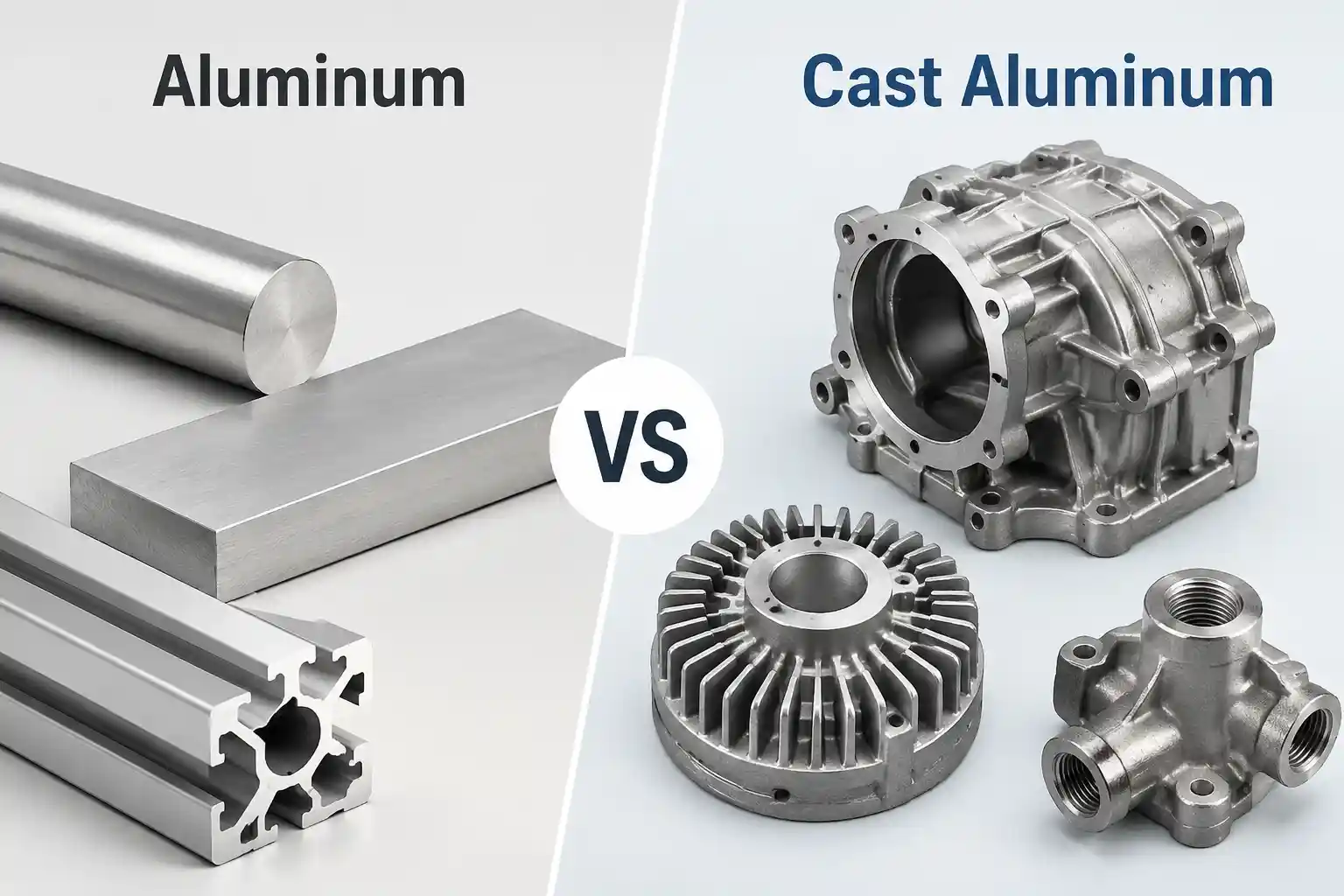
Aluminum is a broad material category, while cast aluminum refers to aluminum alloy parts formed through the casting process. This…
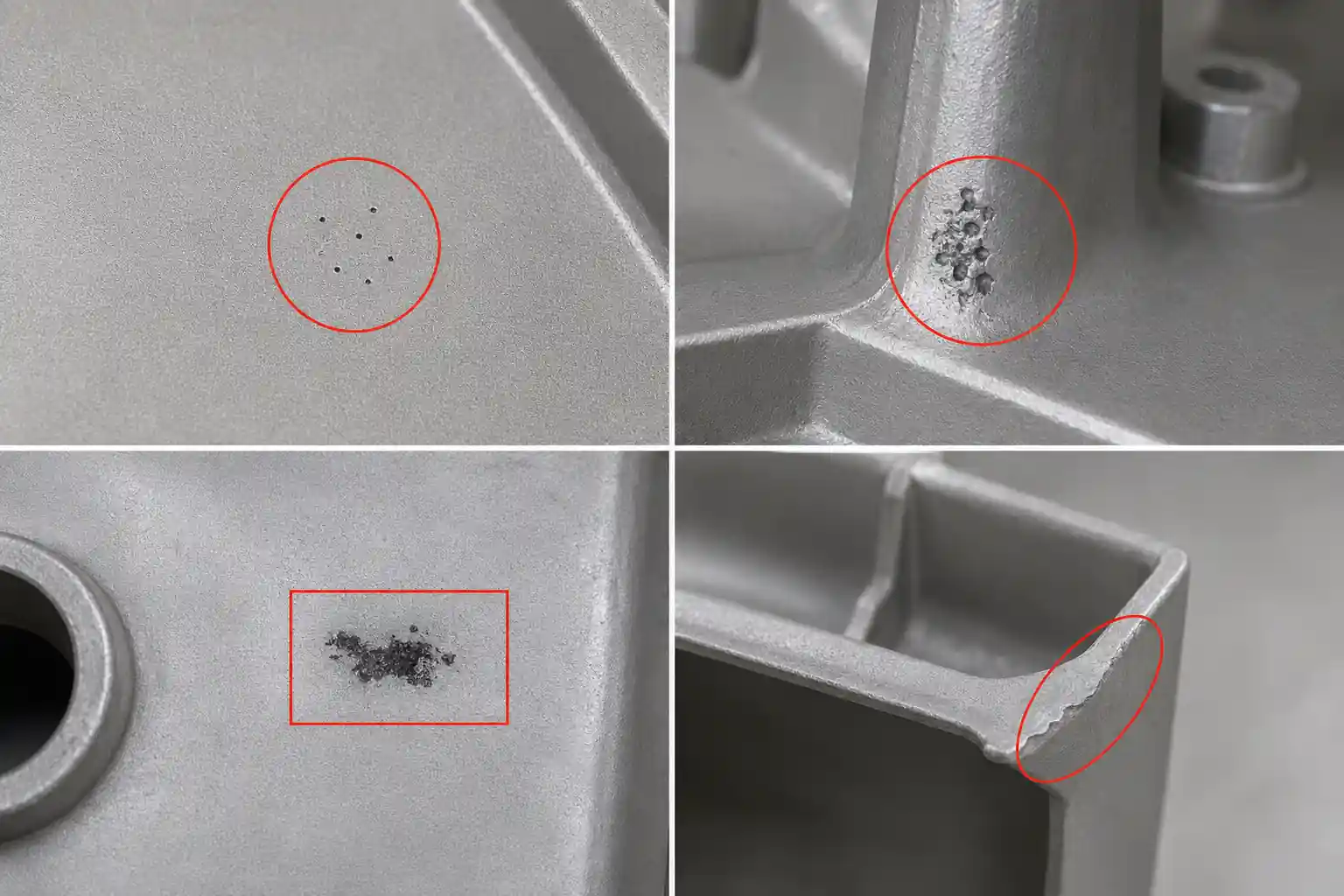
Low-pressure die casting can improve filling stability and batch consistency for aluminum alloy parts, but defects such as porosity, shrinkage,…
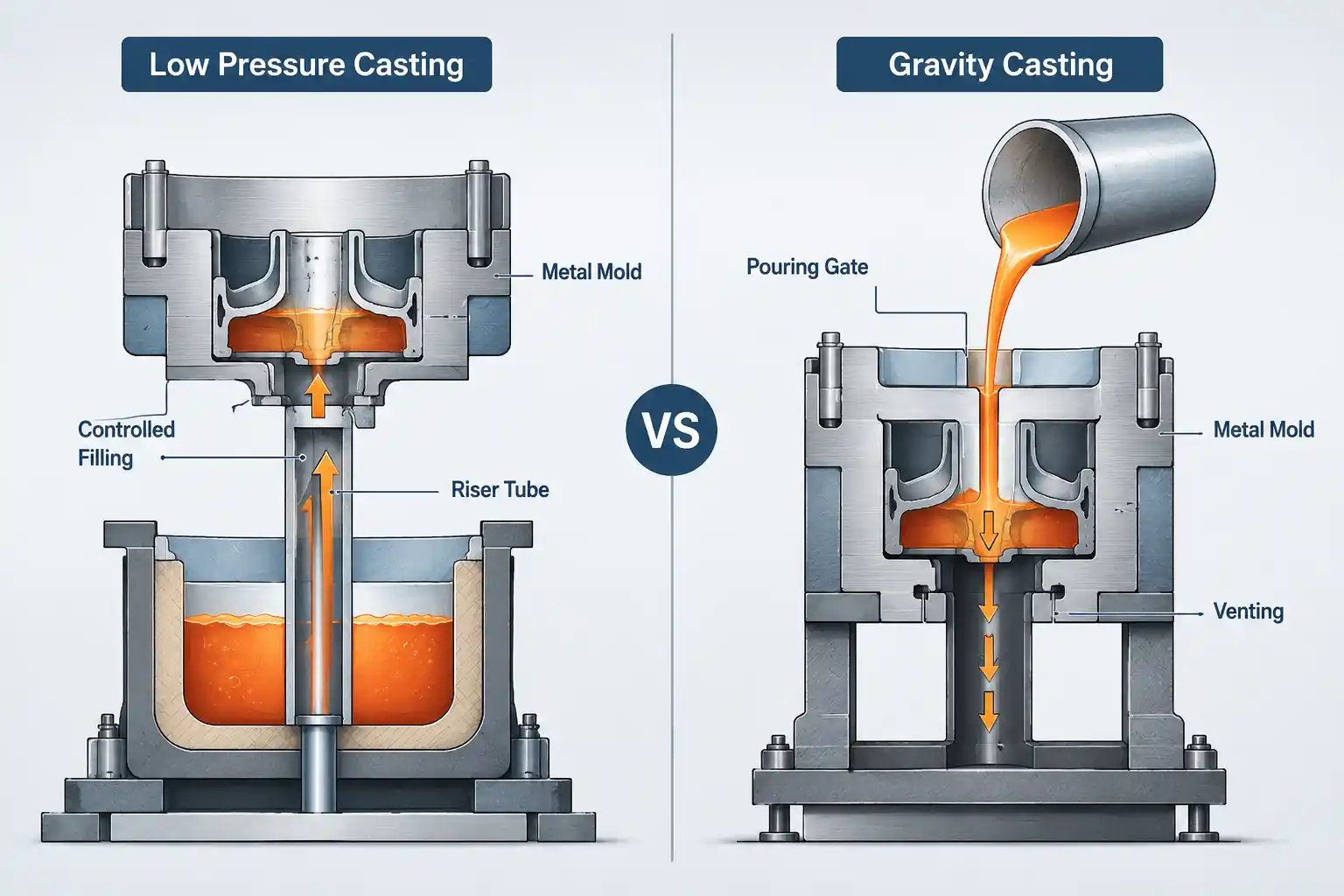
This article compares low pressure casting and gravity casting for aluminum parts, explaining how the two processes differ in tooling…
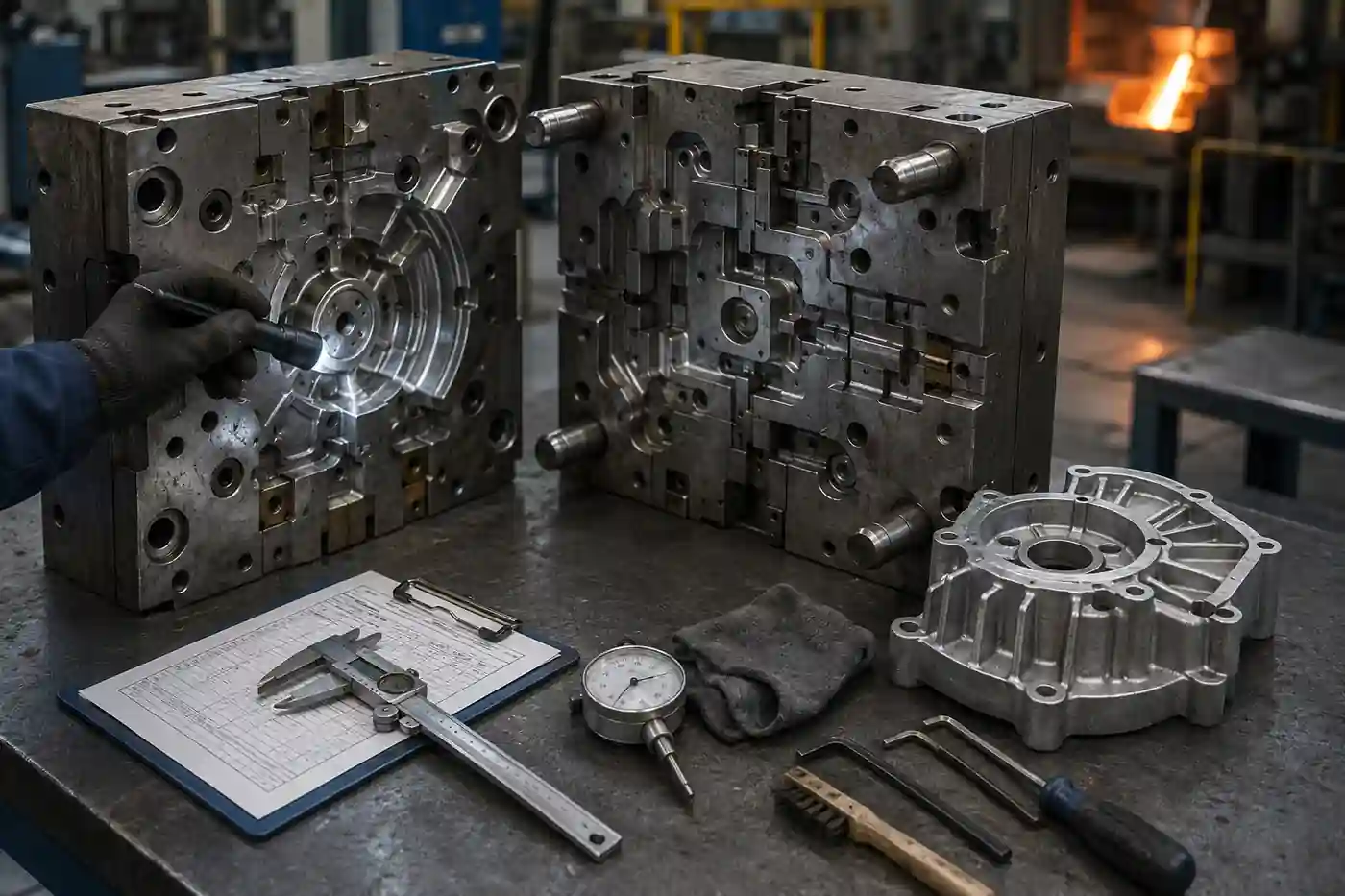
This article discusses the service life of low pressure aluminum casting molds, covering typical lifespan ranges, major failure factors, and…
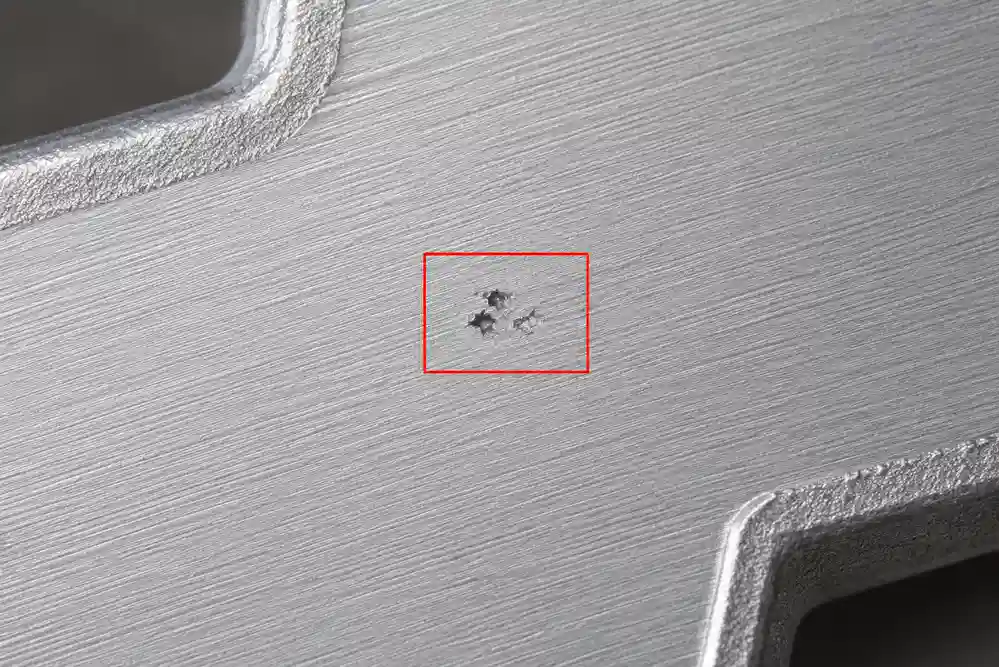
Shrinkage porosity in aluminum castings can affect strength, sealing performance, and machining quality. This article explains how to identify, inspect,…
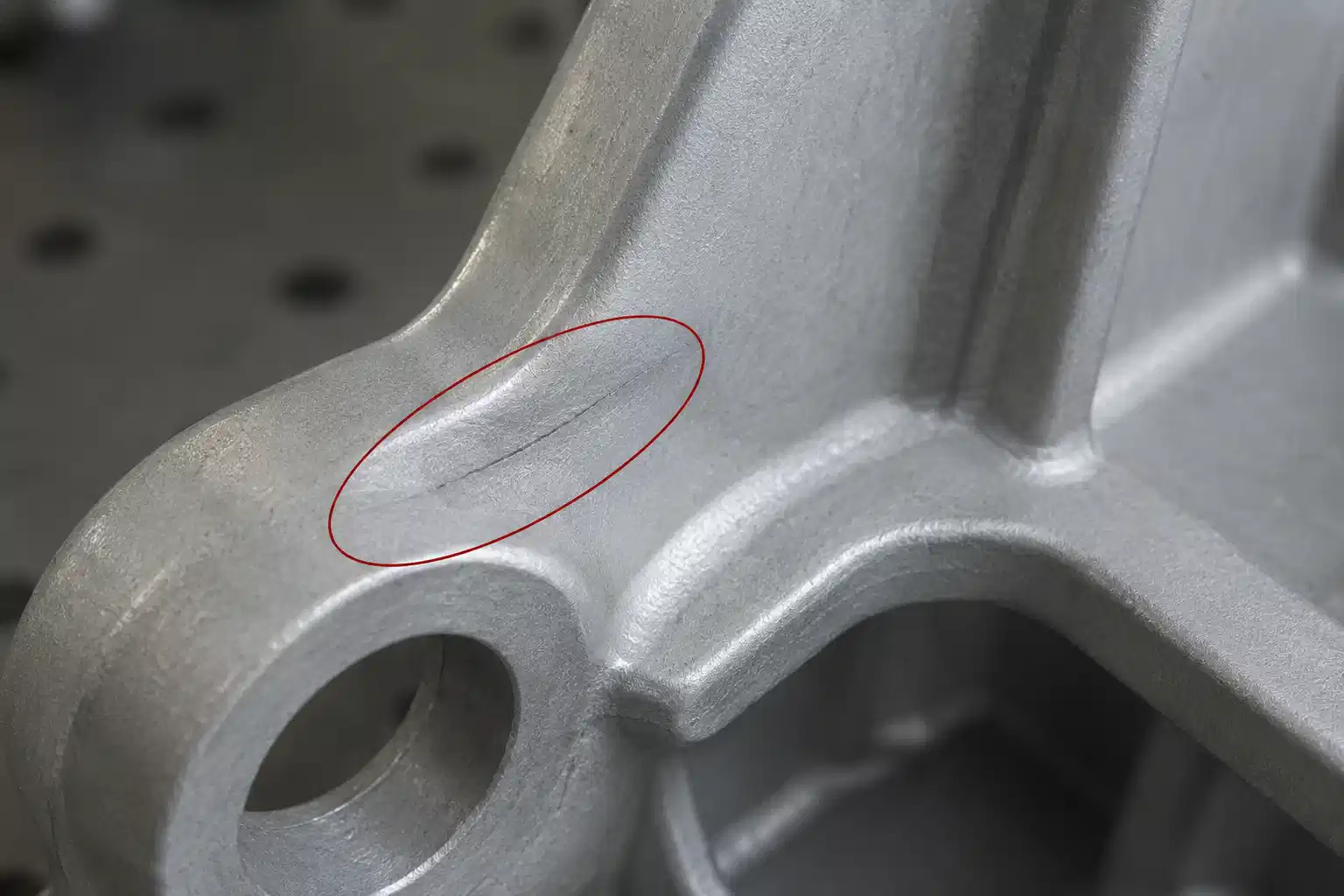
Die casting cold shut is a common surface defect, usually caused by insufficient molten metal temperature, reduced fluidity, or unstable…
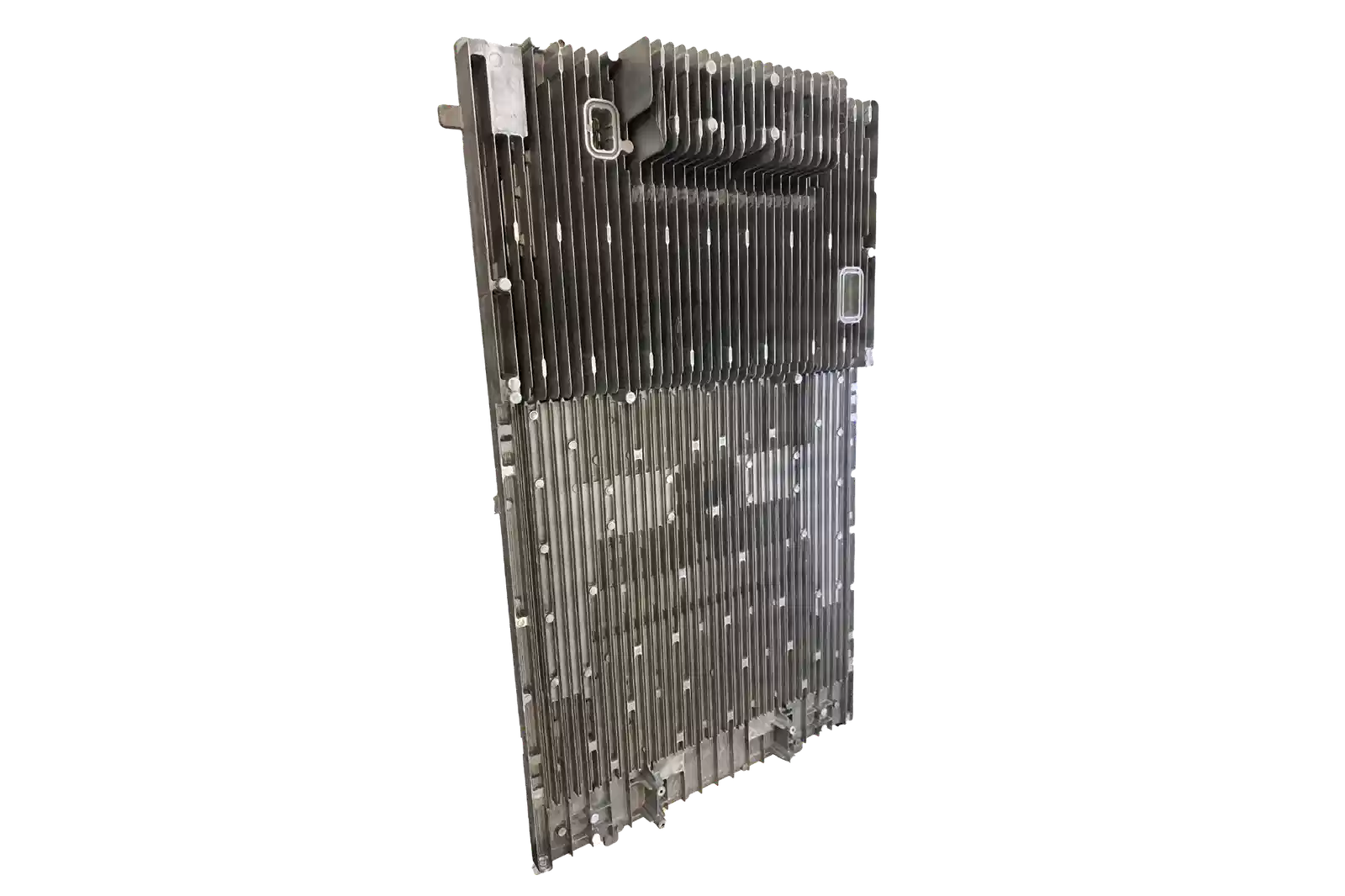
Die casting cost is not determined by material weight alone. It is closely related to tooling amortization, machine time, production…
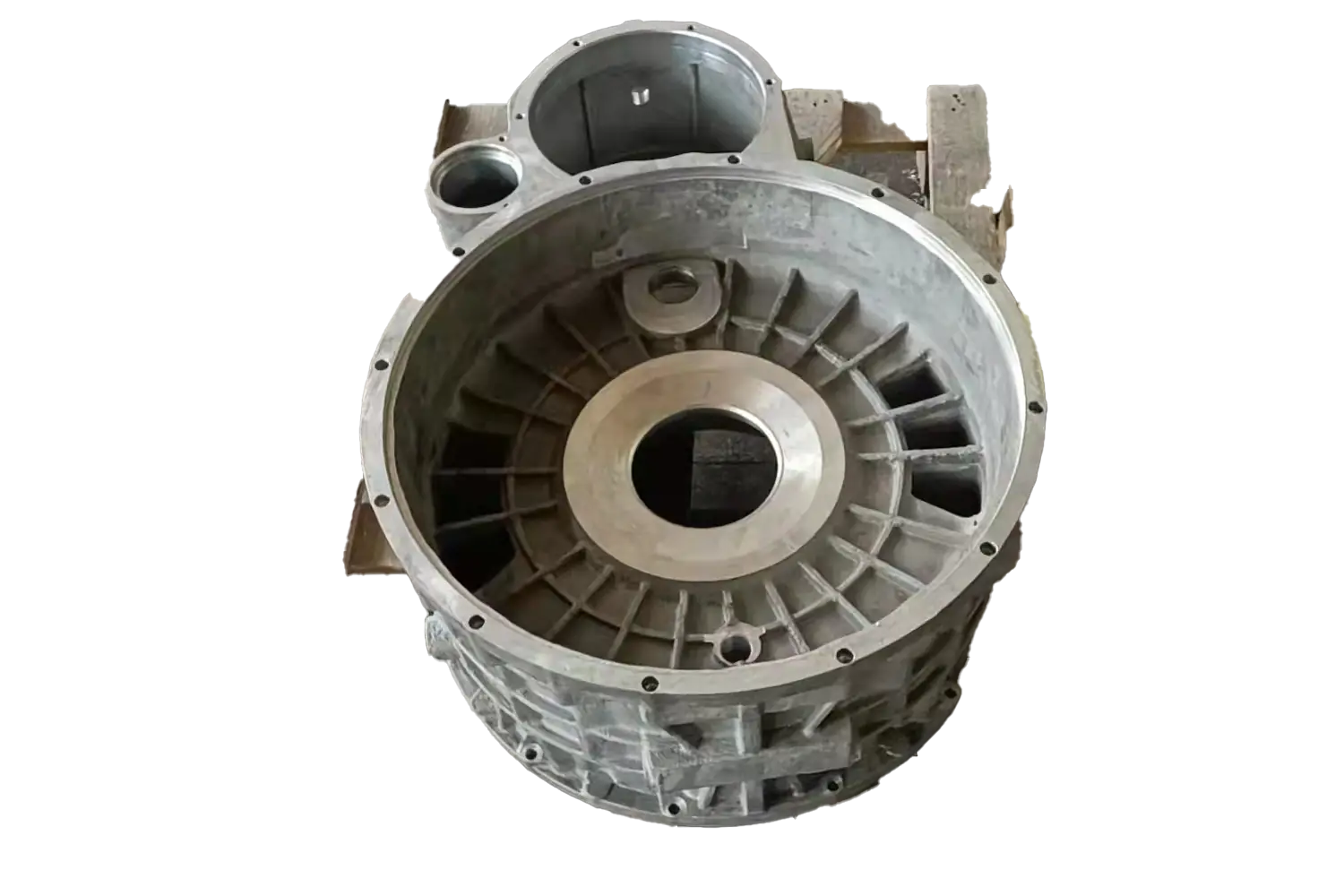
Why do many high-precision, small-batch parts use gravity casting? This article explains its suitability from the perspectives of forming method,…
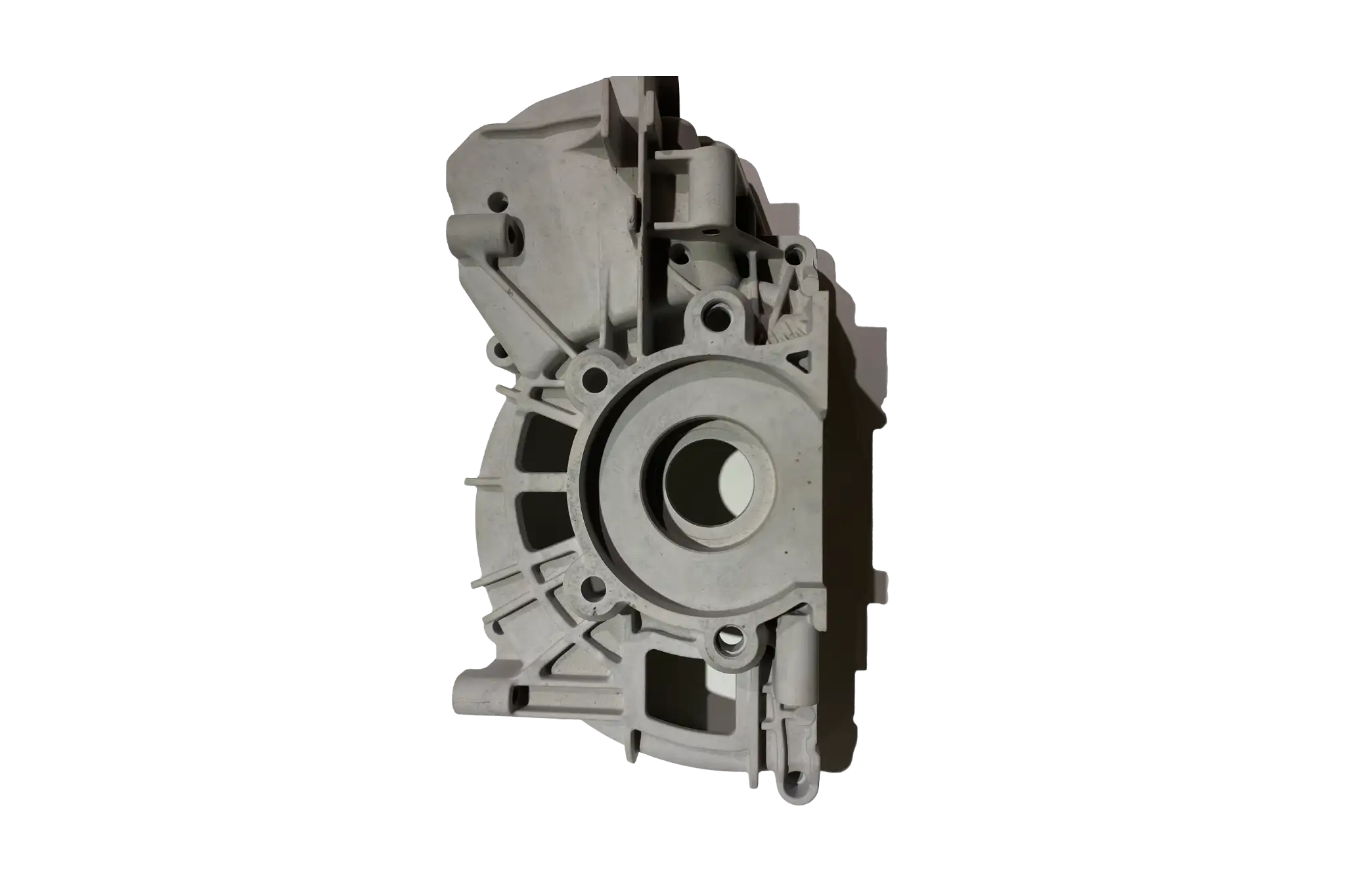
Low-pressure die casting is not the best choice for every thin-wall part. For ultra-thin, high-volume, appearance-focused components, high-pressure die casting…
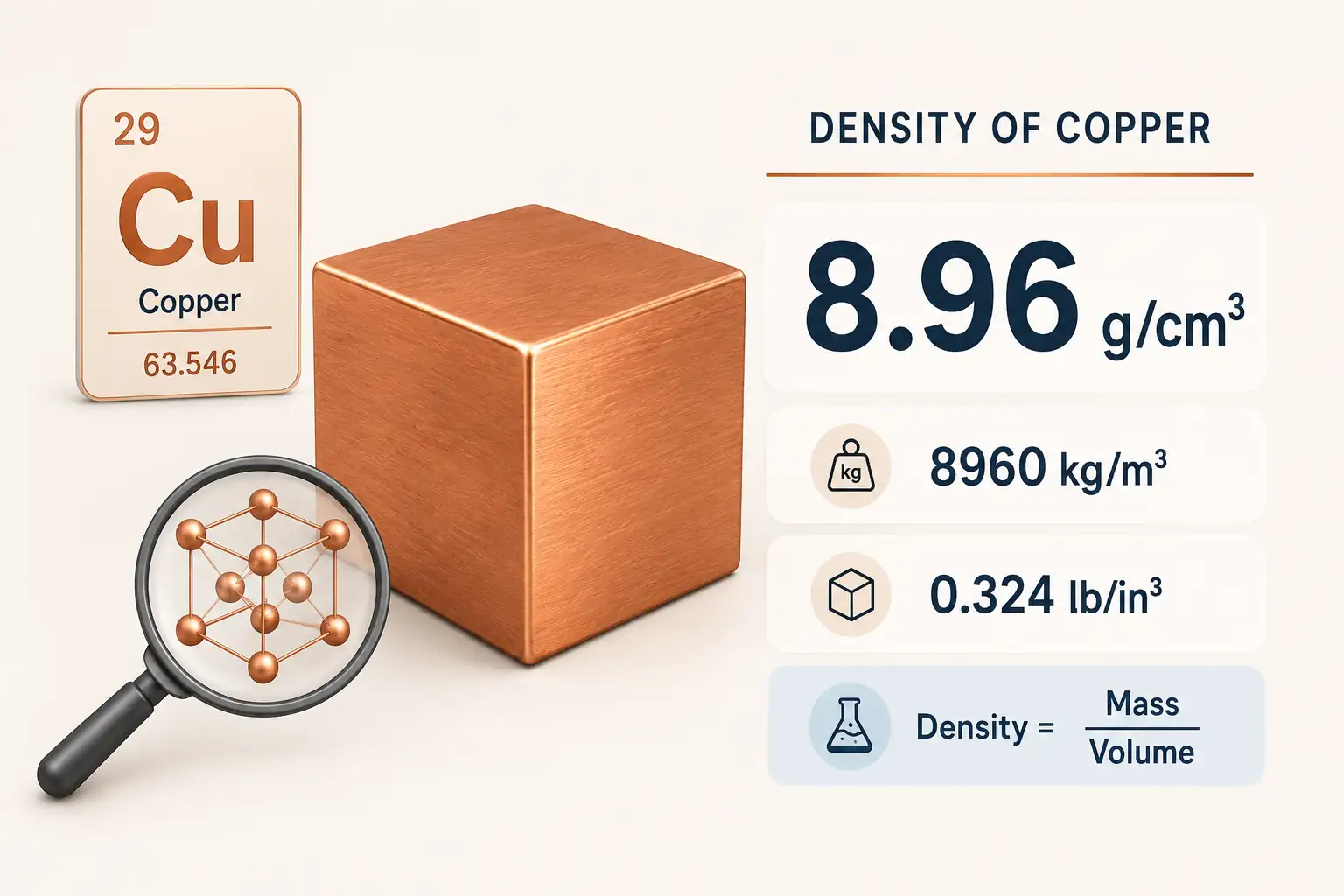
Copper has a density of about 8.96 g/cm³, making it one of the denser common engineering metals. This article explains…
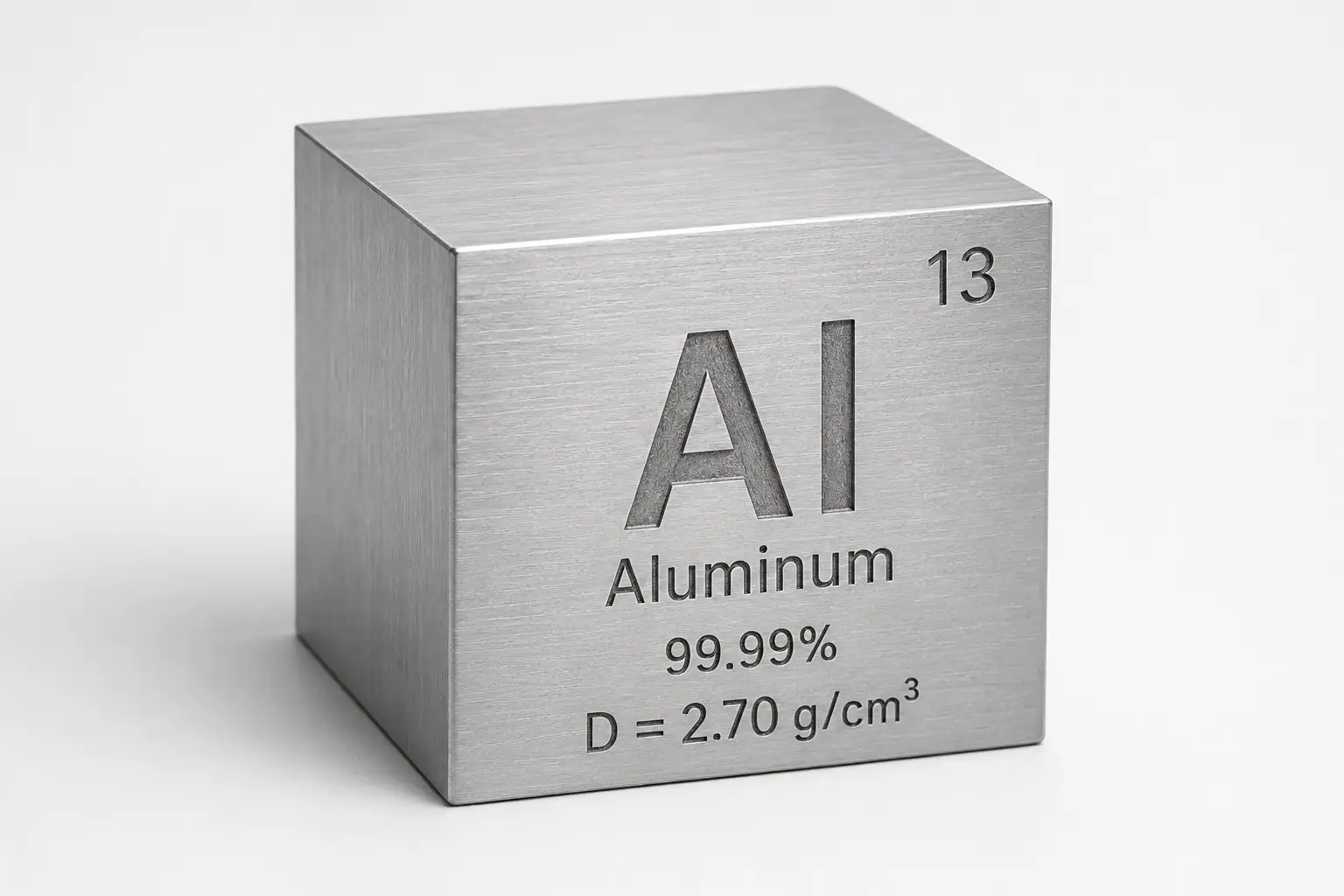
This article provides a density reference table for pure aluminum and common aluminum alloys, with a deep analysis of how…
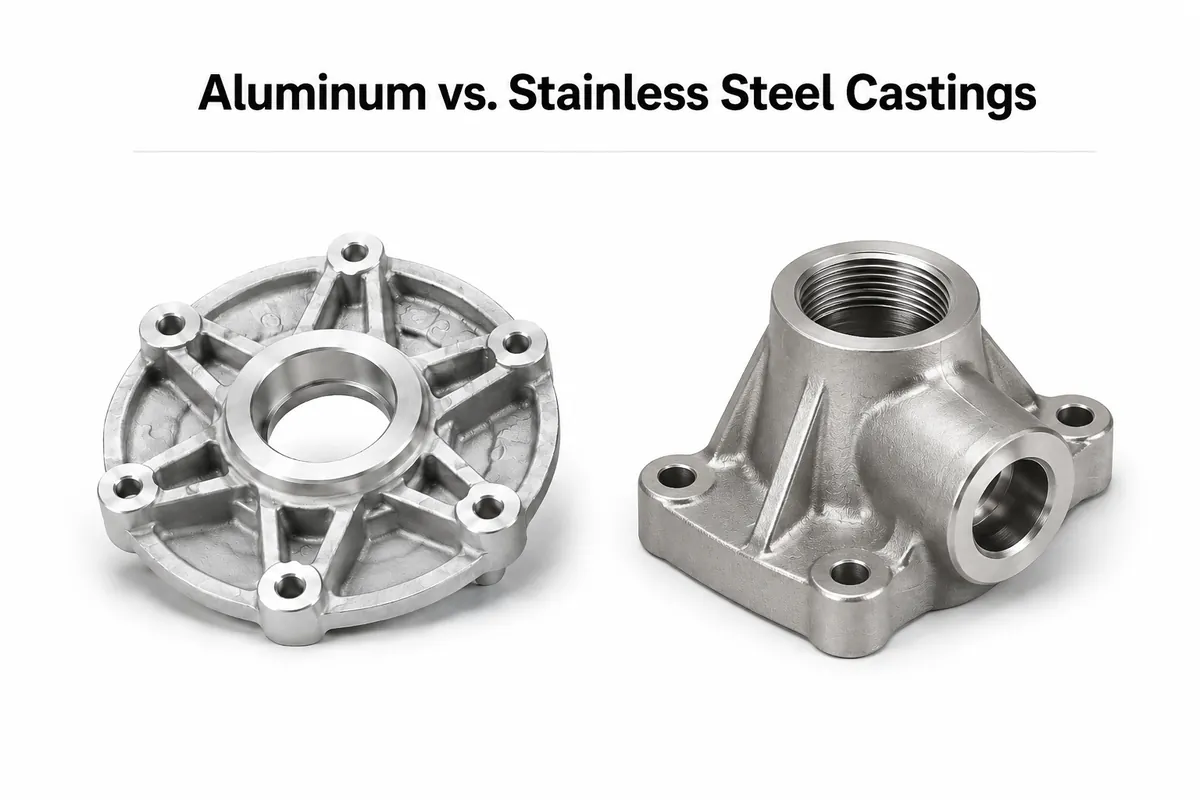
This article compares the complementary roles of aluminum and steel castings, highlighting aluminum’s resource abundance and recycling efficiency in sustainable…
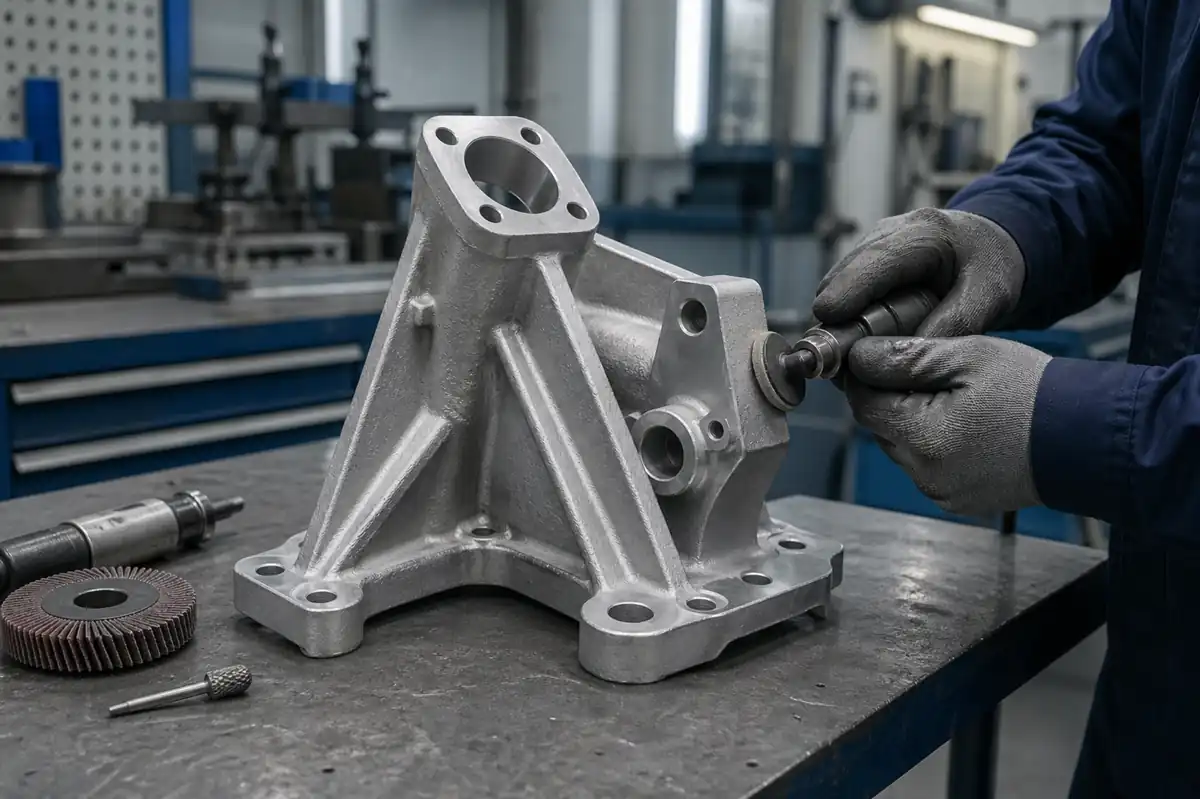
This article explains how to improve die casting surface roughness and surface quality, covering common issues such as flow marks,…
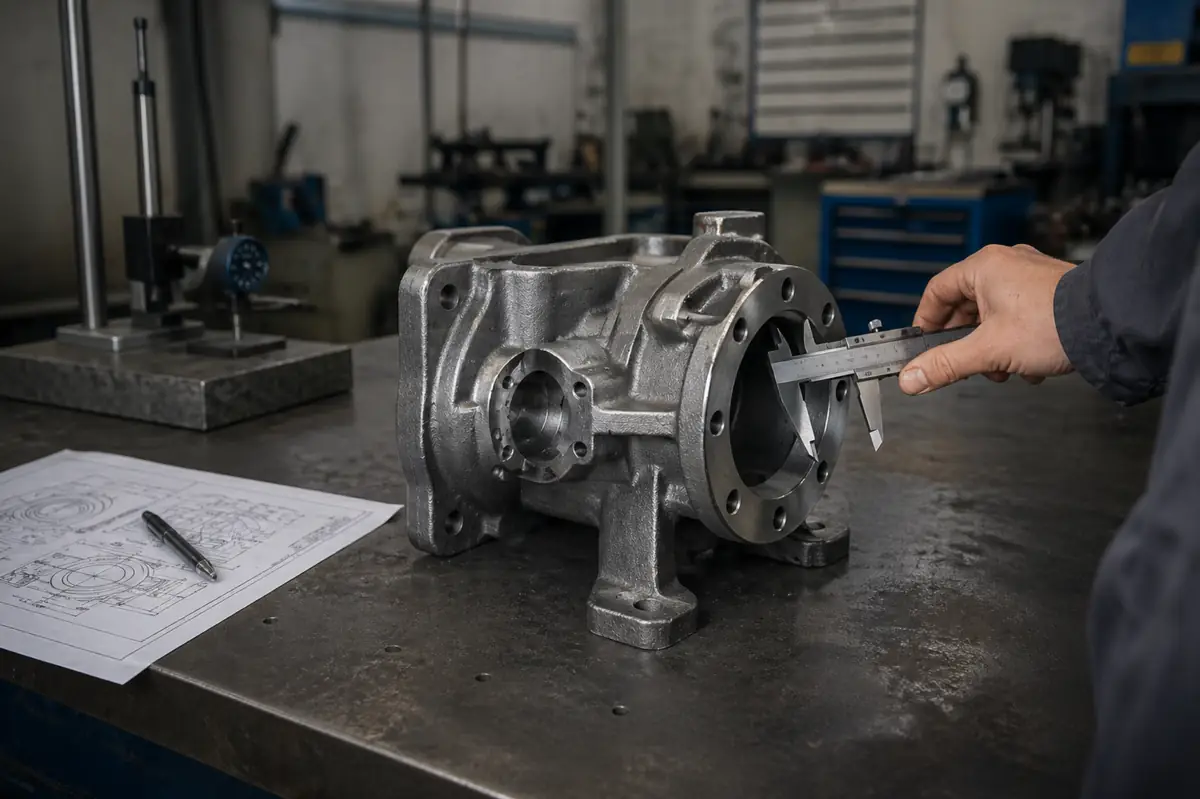
This article explains common metal casting inspection methods from a foundry quality control perspective, including visual inspection, dimensional inspection, material…
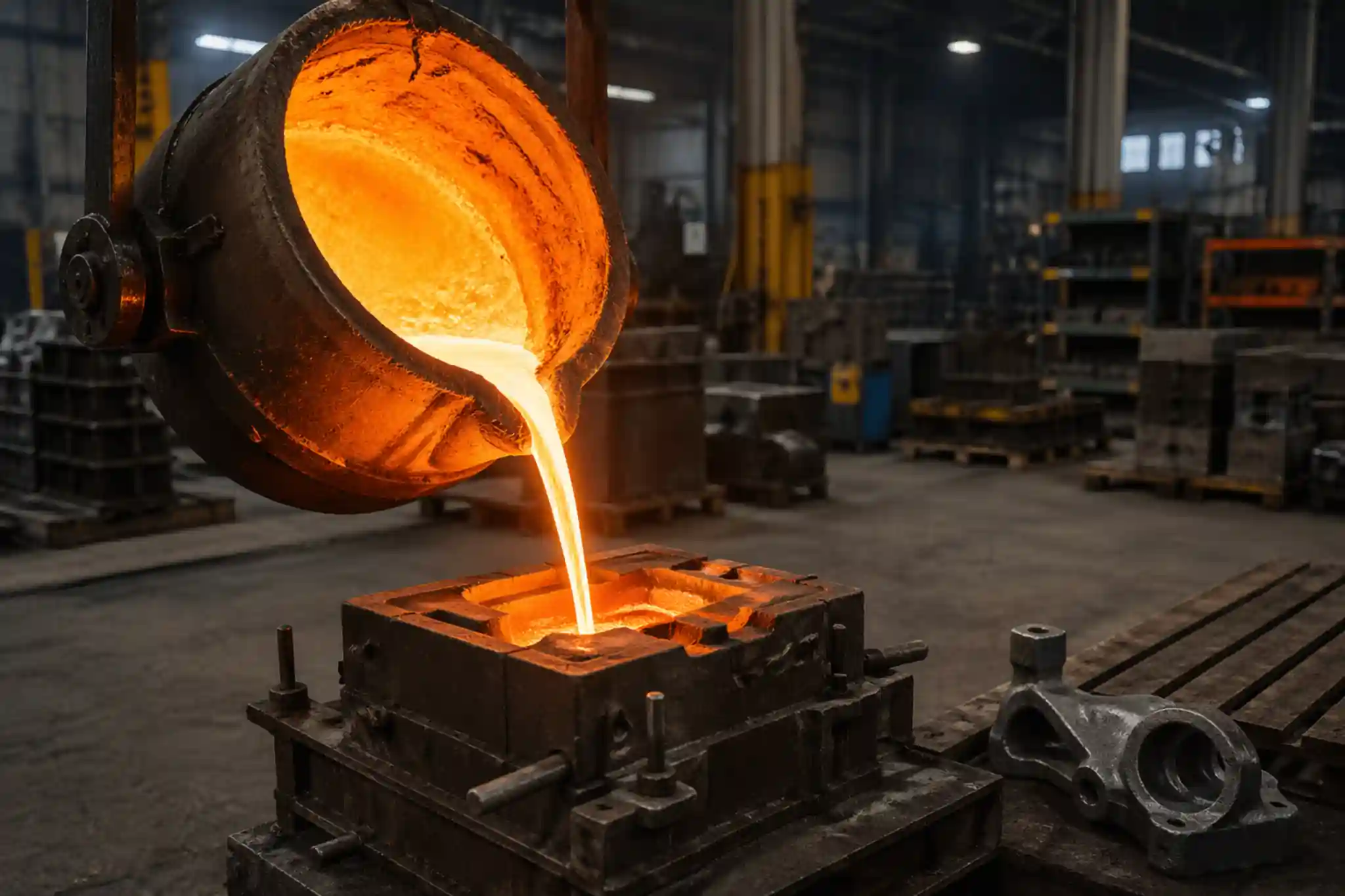
This article explains the key factors to consider when choosing a casting supplier, including industry experience, project requirements, process and…
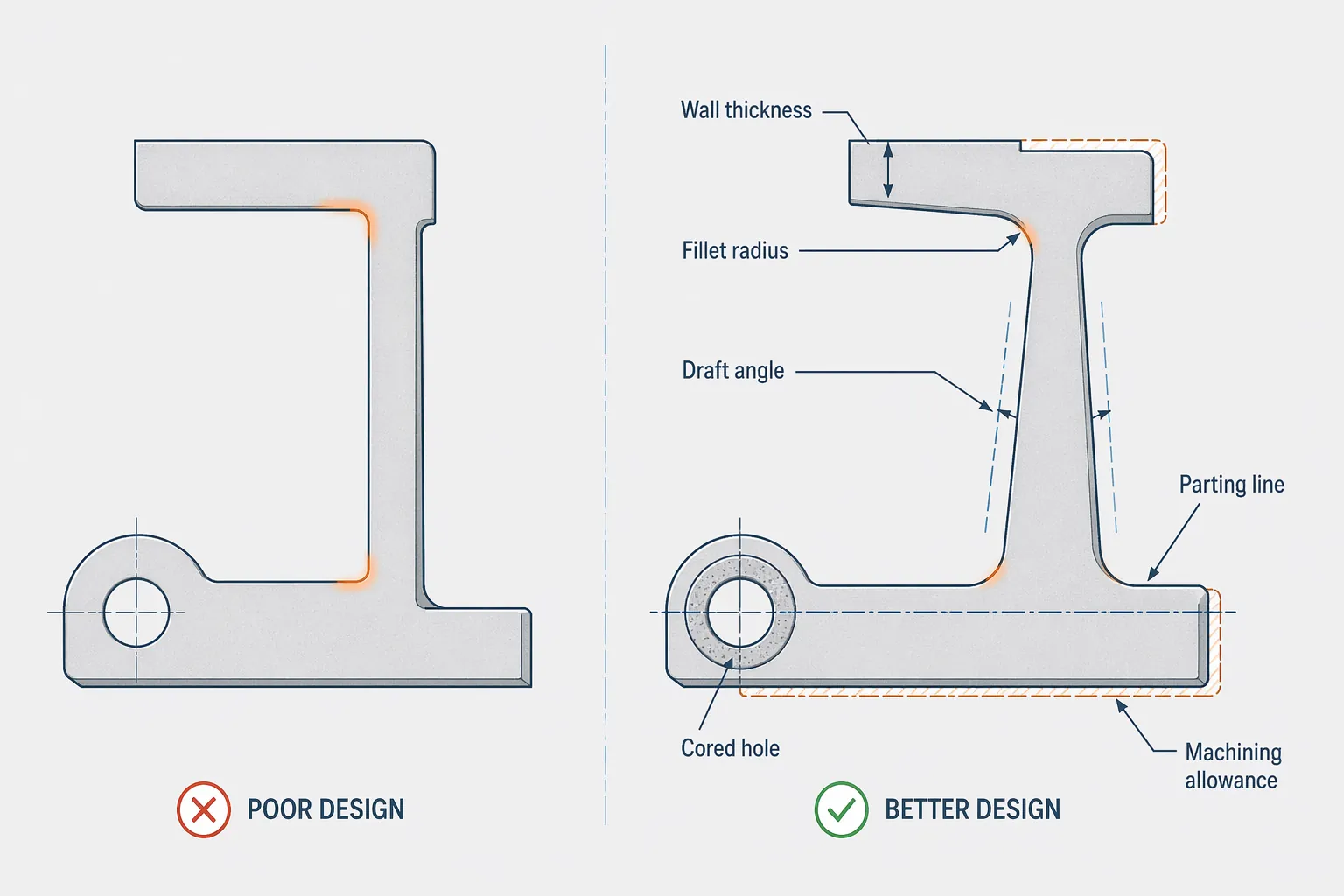
This article reviews key metal casting design considerations from a foundry drawing review perspective. It covers part shape and size,…
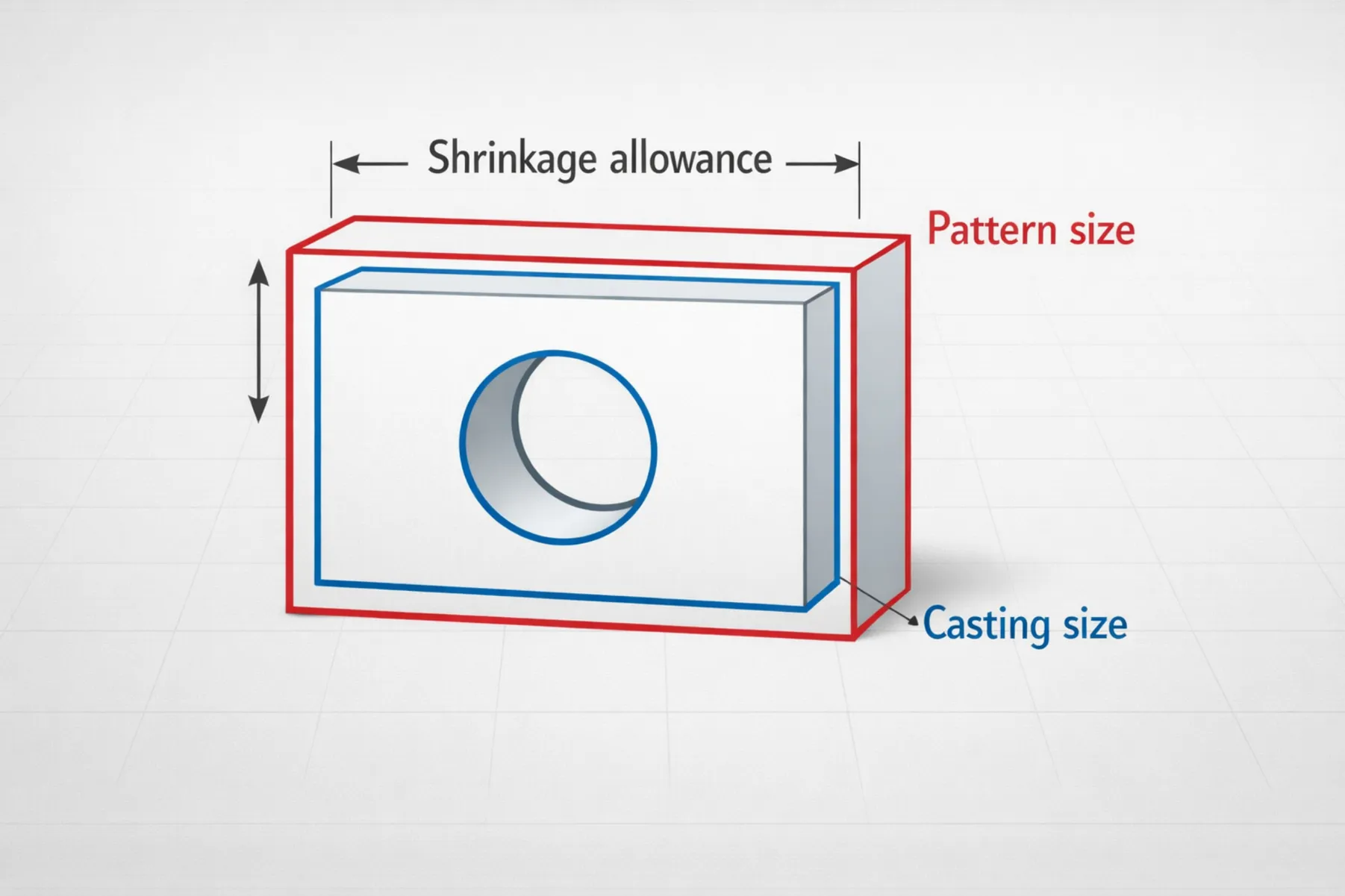
This article provides an overview of shrinkage allowance in casting, including material shrinkage rates, pattern size compensation, and practical approaches…
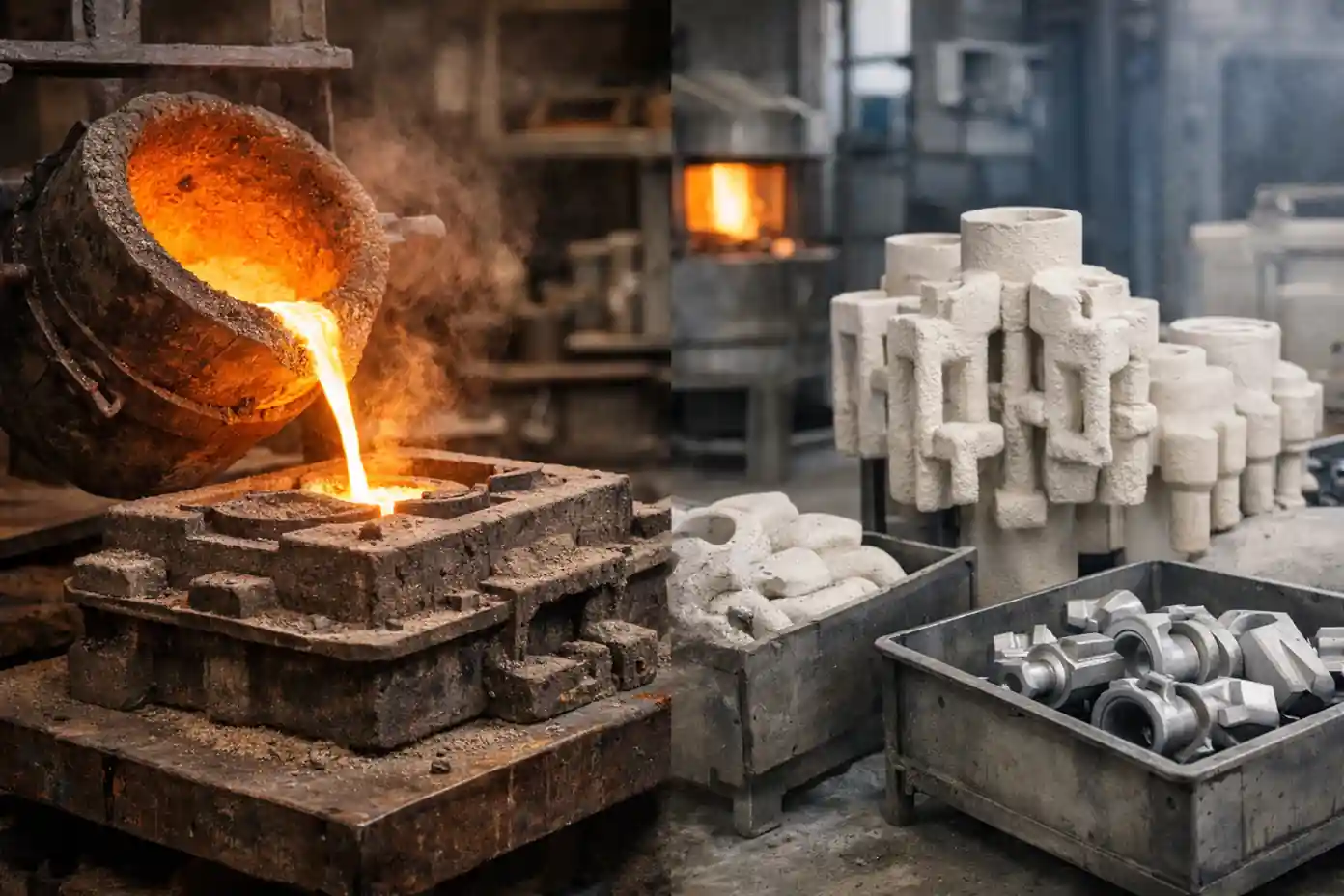
What is the difference between sand casting and investment casting? Which process is more cost-effective, and which is better suited…
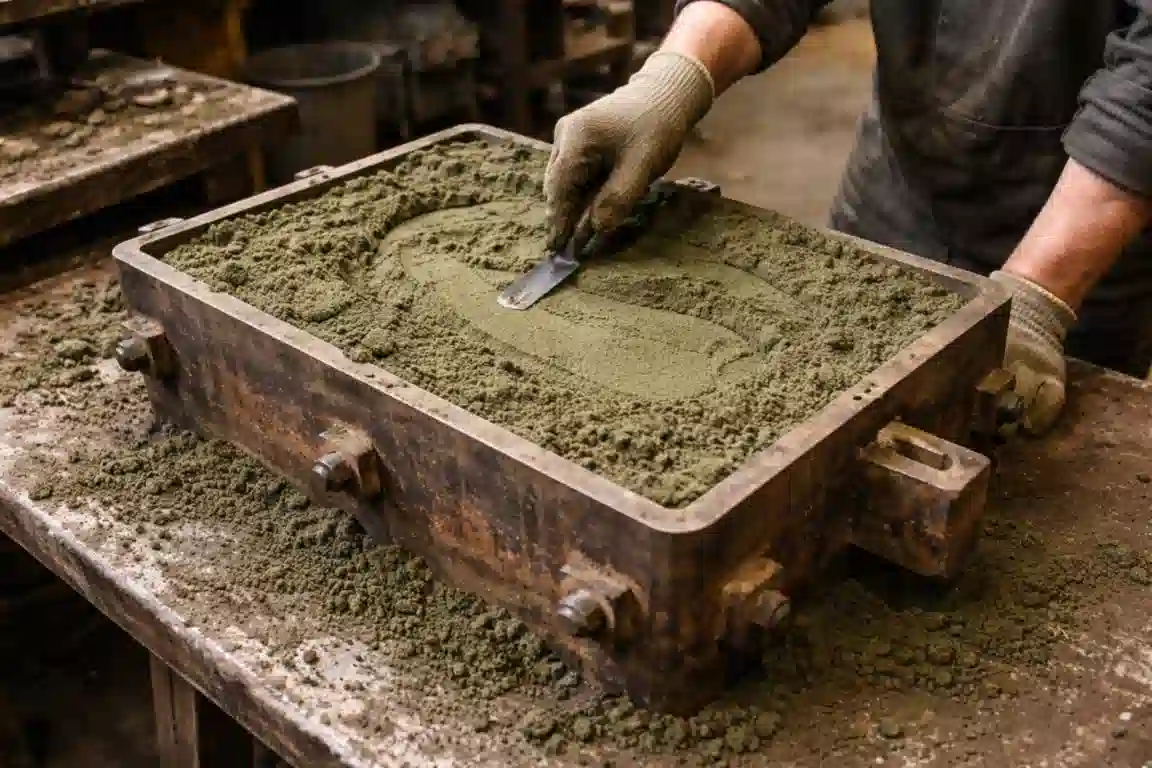
Green sand casting is one of the most widely used sand casting methods in industrial production. This article explains the…
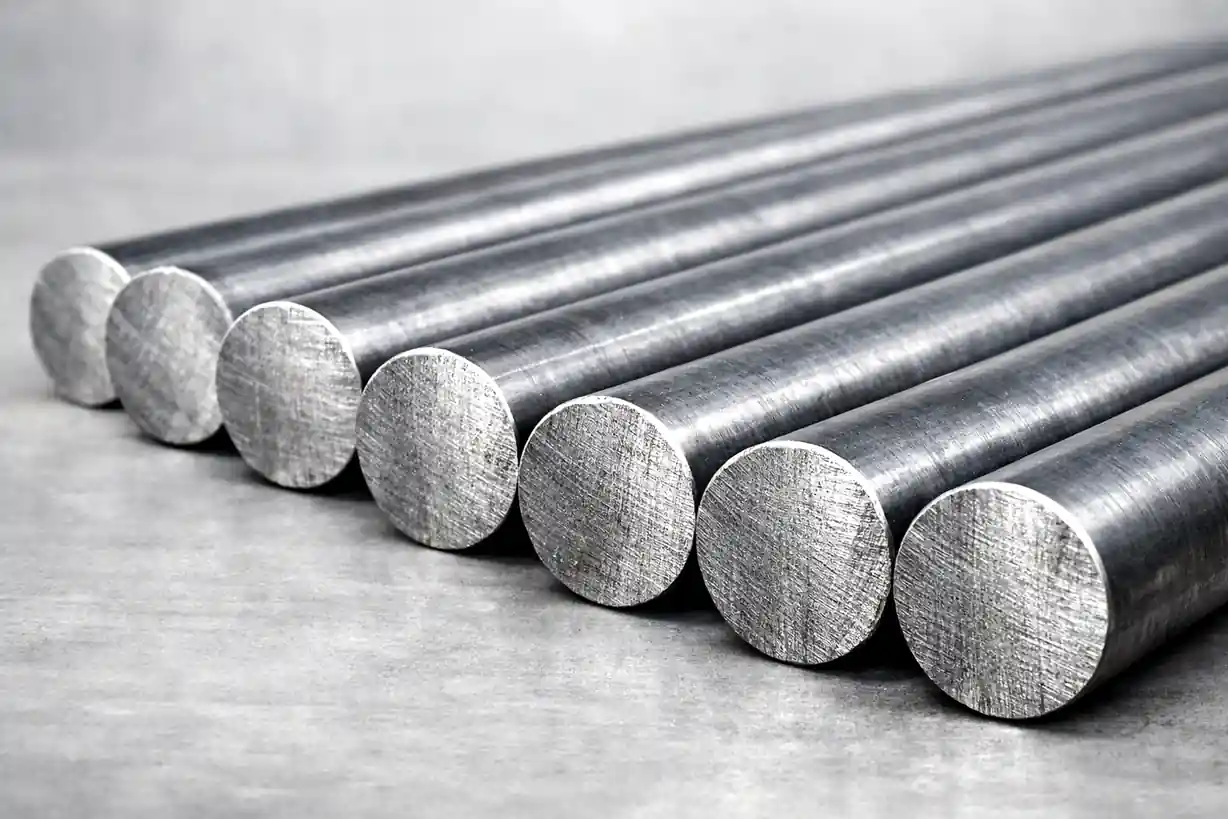
Medium carbon steel is an engineering material widely used in casting and machining, valued for its balanced mechanical properties and…
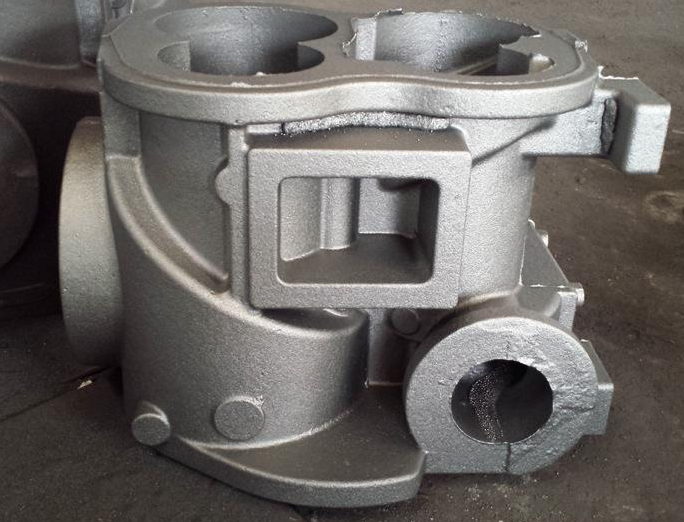
Low carbon steel is widely used in casting, structural fabrication, and general engineering thanks to its low cost, good ductility,…
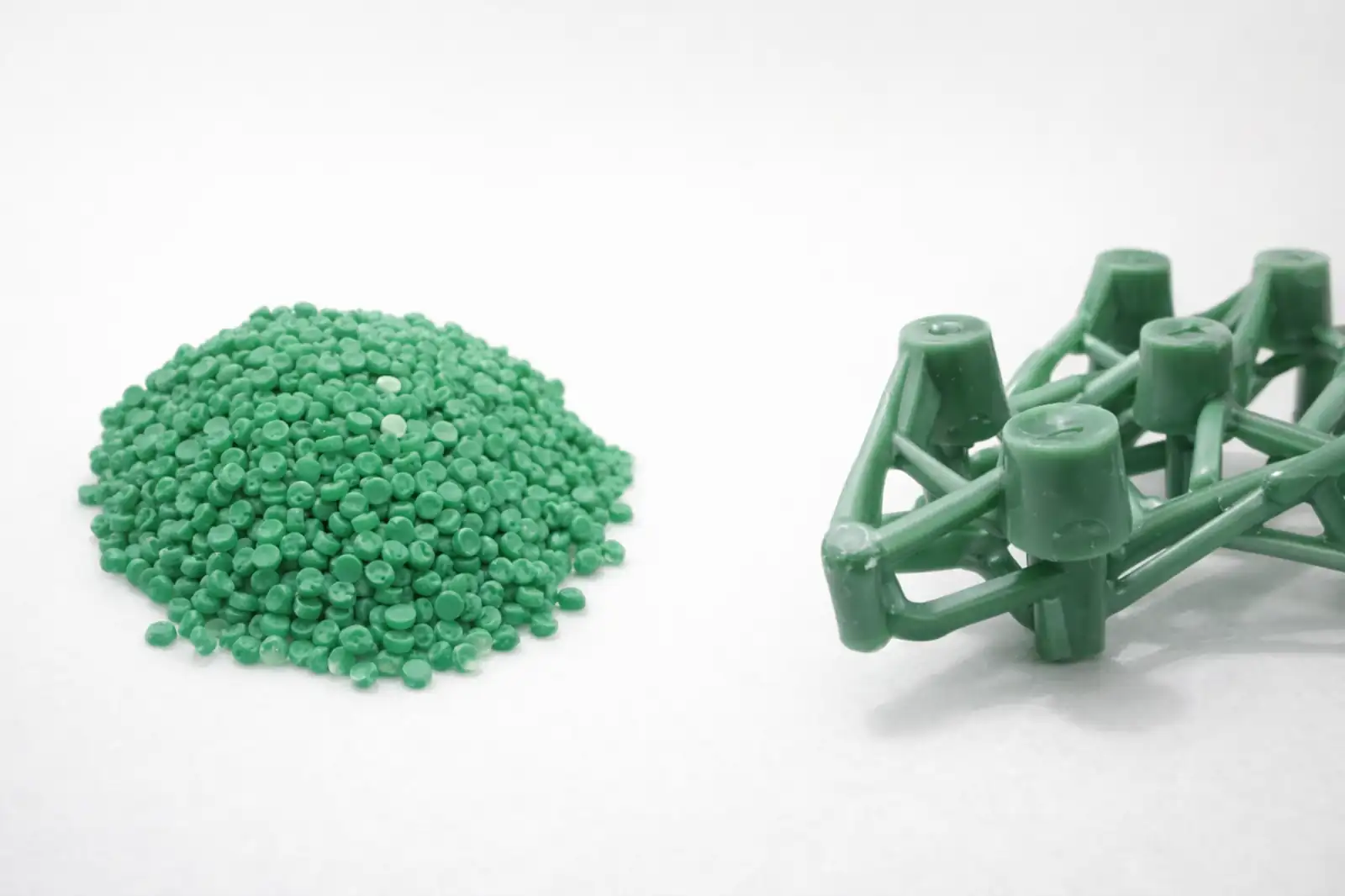
This article introduces the common wax types used in investment casting (lost-wax casting)—filled wax, unfilled wax, water-soluble wax, and auxiliary…
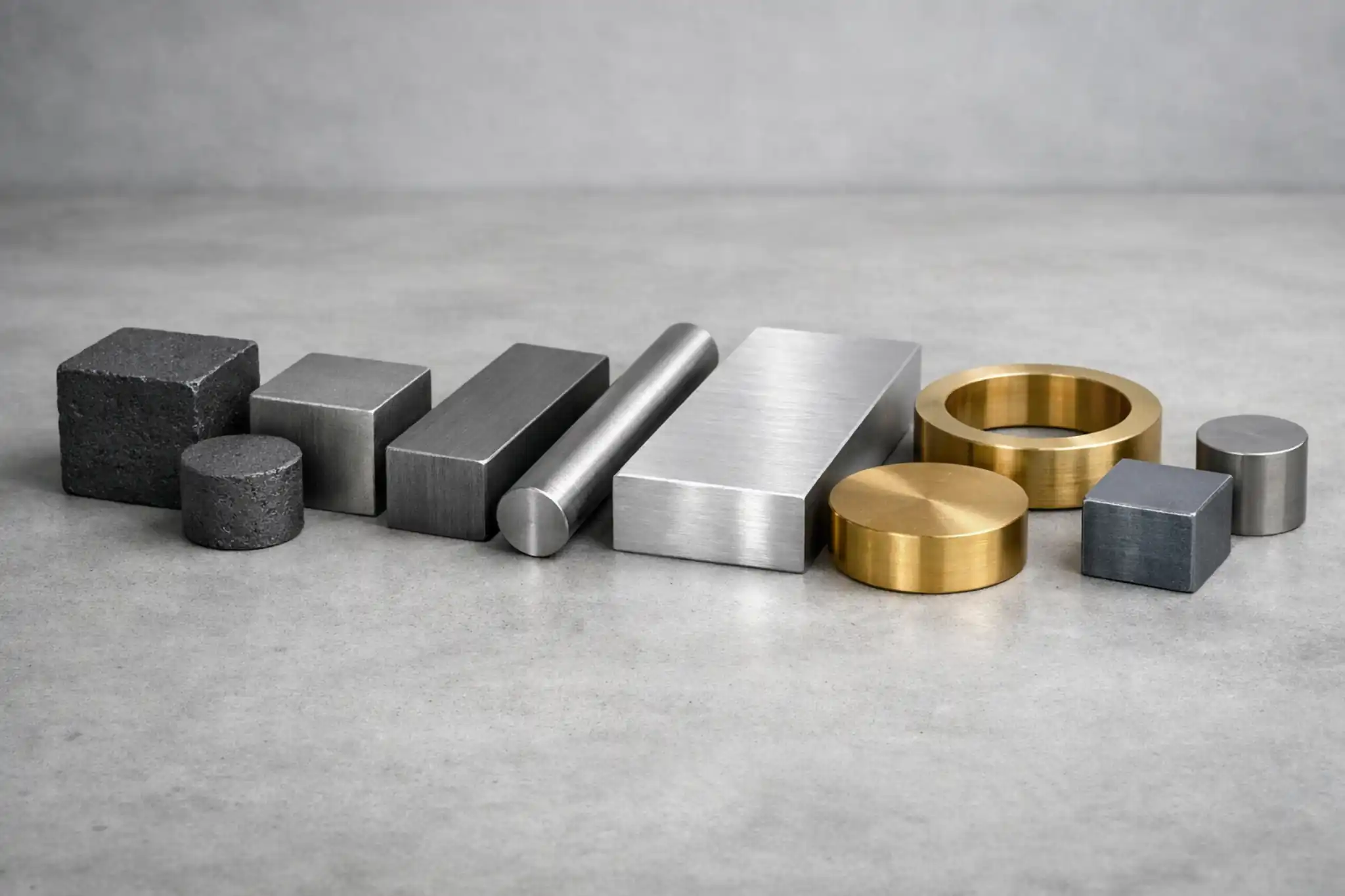
Metal strength describes how much load a material can withstand in tension, compression, or impact without permanent deformation or fracture.…
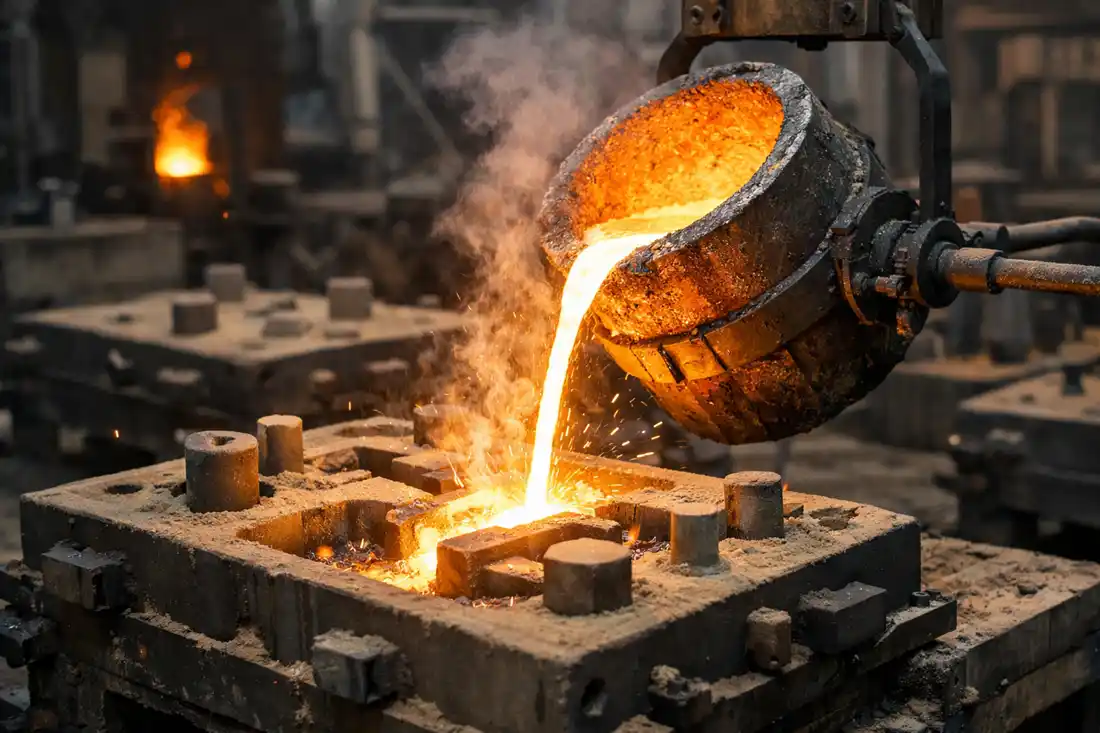
Summary (Meta Description): Sand casting offers more than just a single solution. This article provides a detailed comparison of Green…
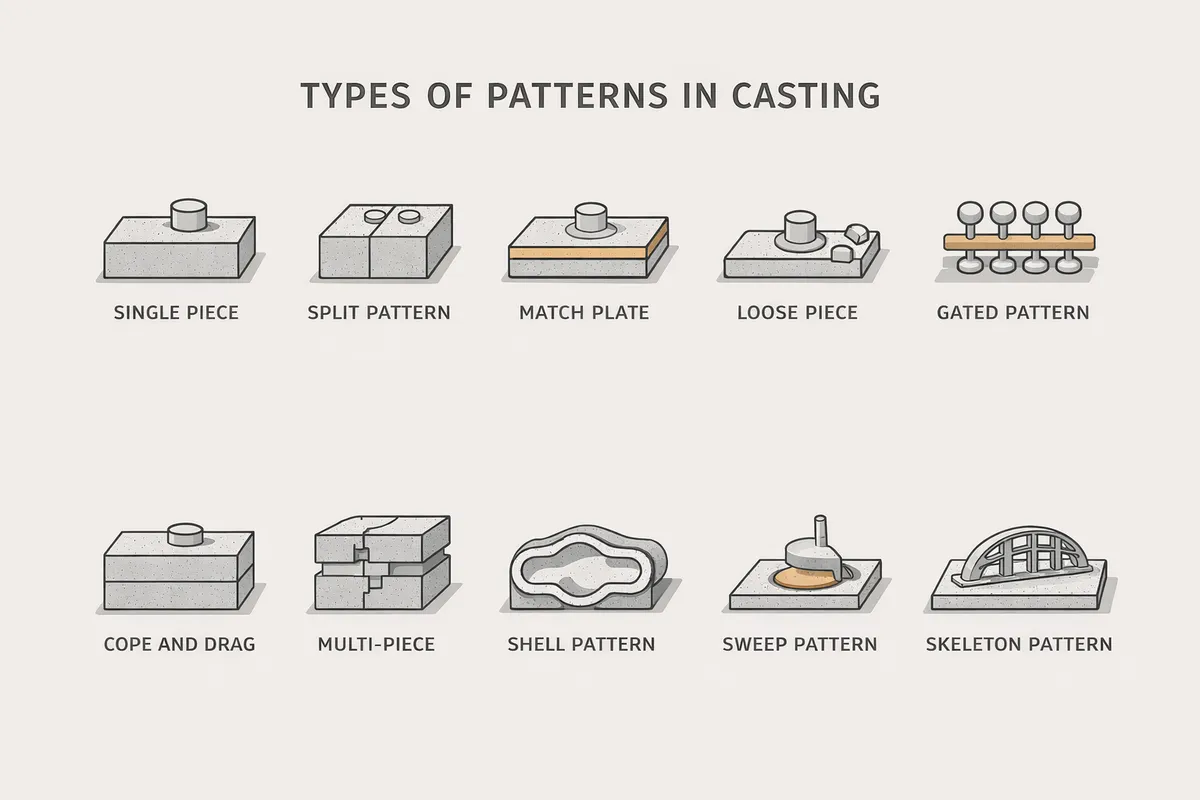
A casting pattern is not just a simple replica of the final part; it is the process core that governs…
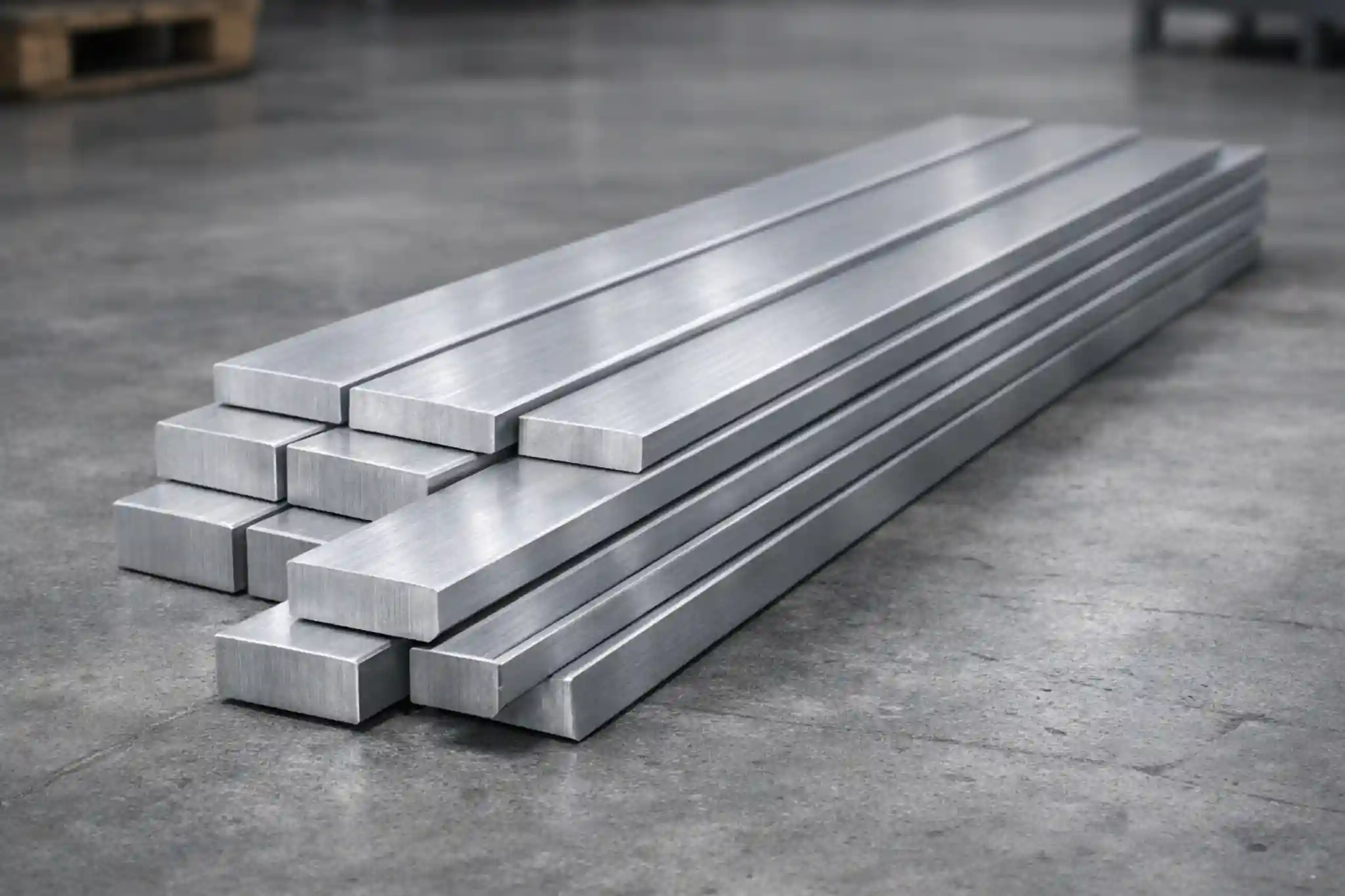
Light metals are characterized by low density and high specific strength, making them key materials for structural weight reduction and…
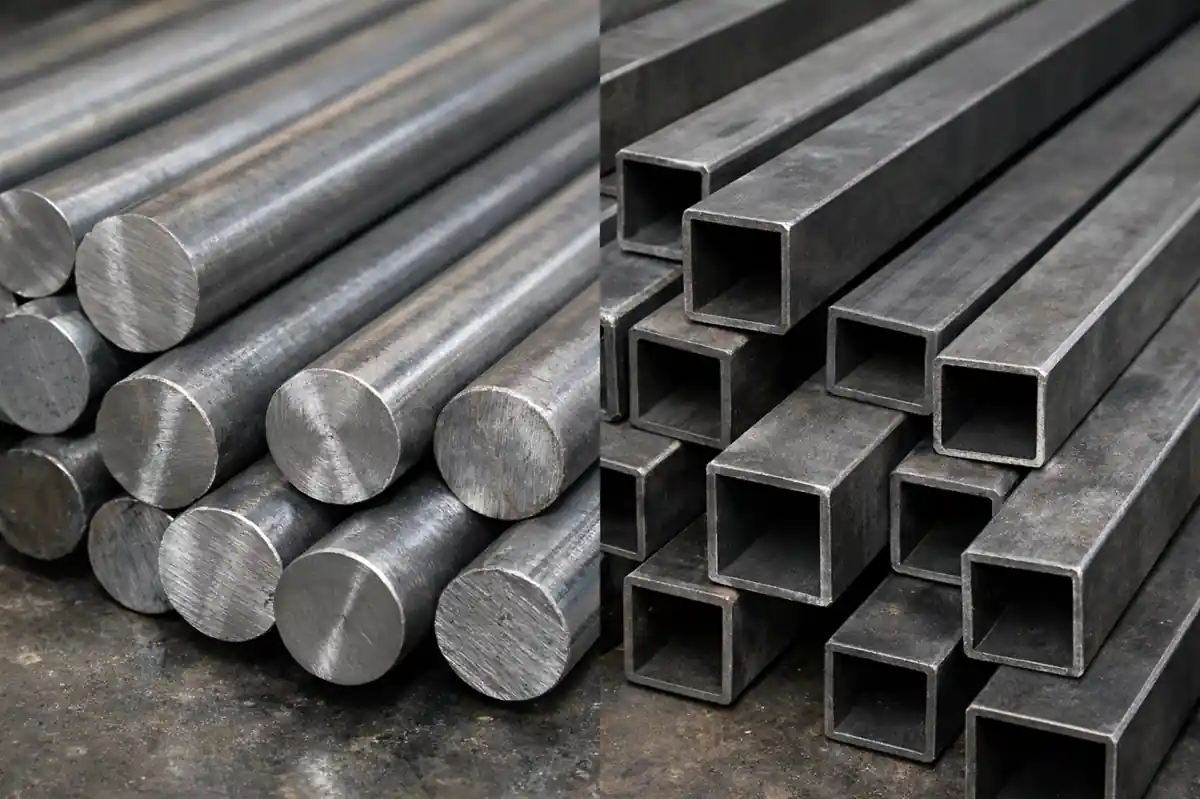
Although alloy steel and carbon steel are both called “steel”, they differ significantly in alloy design, mechanical properties, and suitable…

In precision manufacturing, die casting and investment casting are both widely used to produce complex metal components, but they differ…
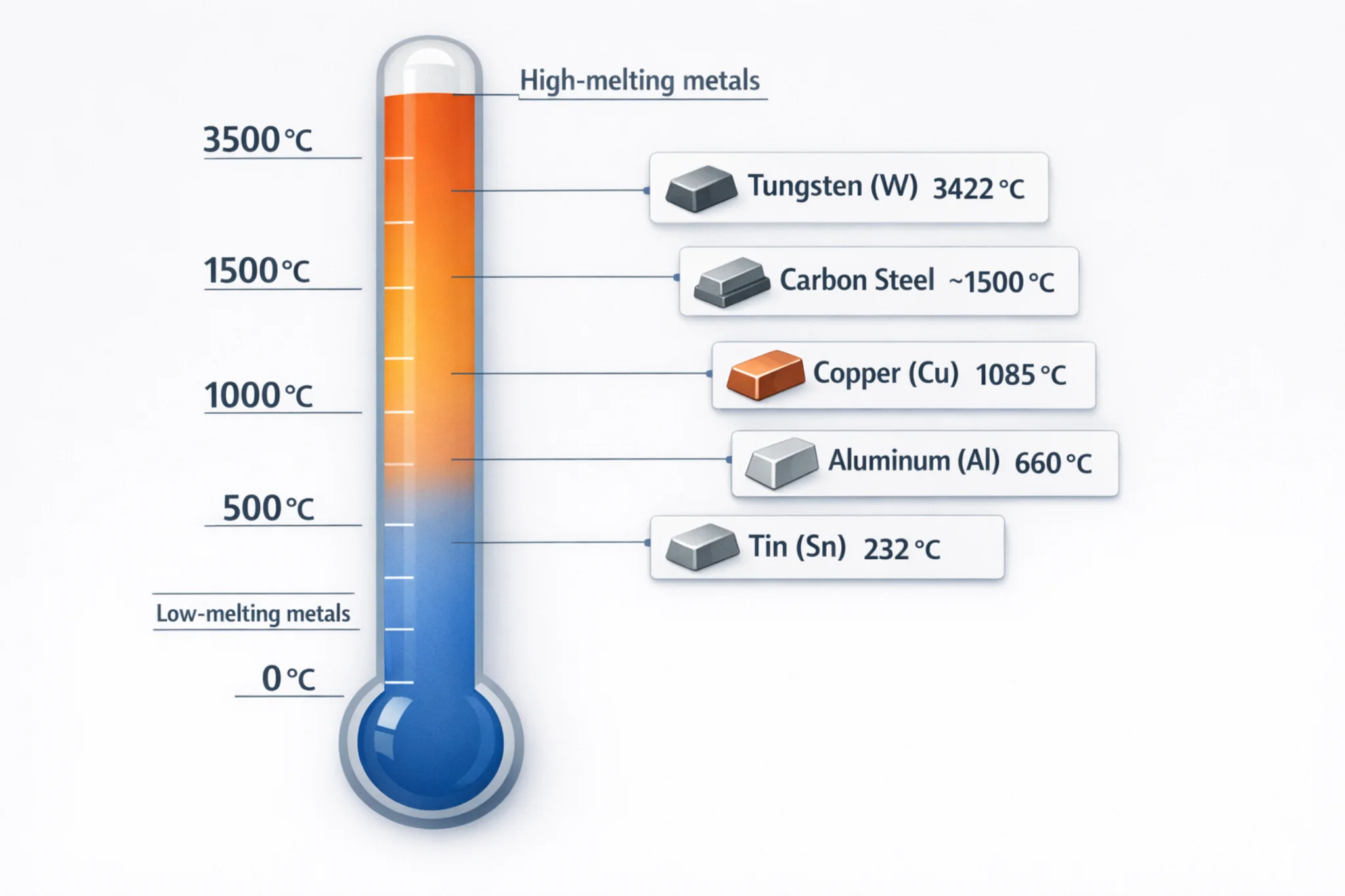
This guide summarizes critical melting point data for the most widely used metals and alloys in industrial manufacturing. The melting…
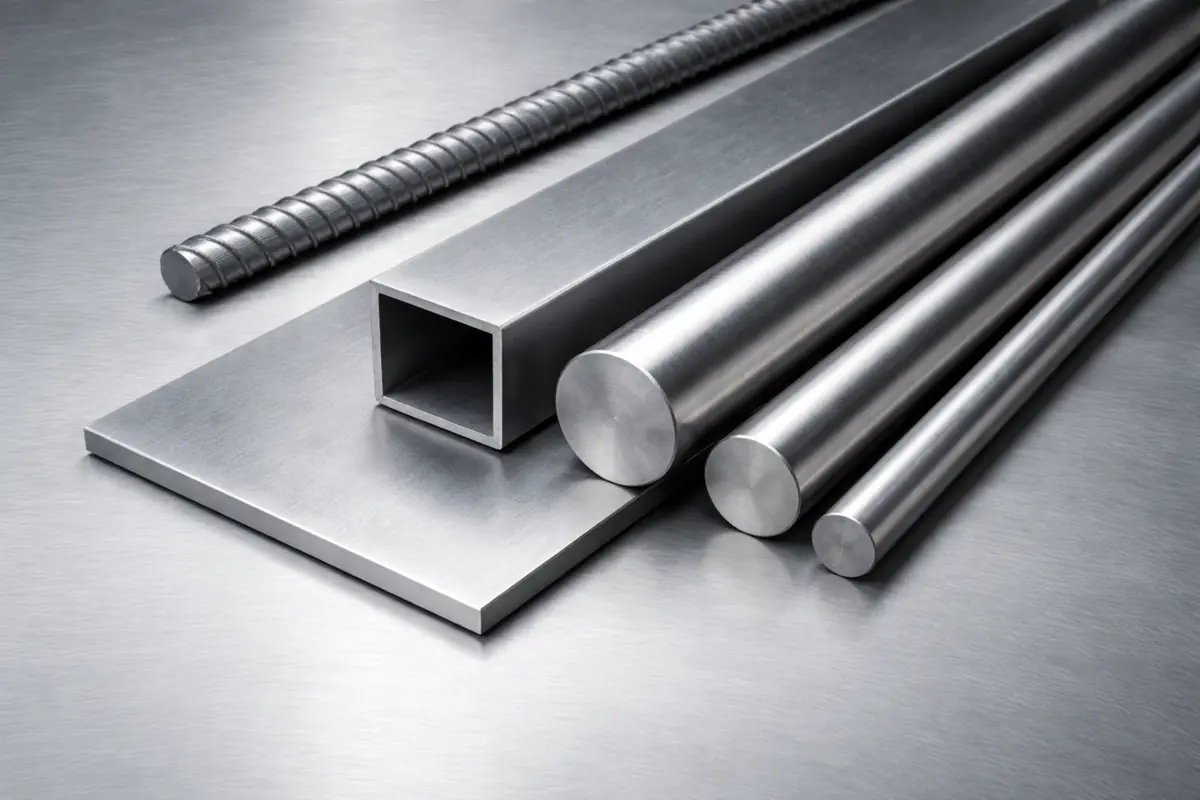
Ferrous metals are iron-based alloys that form the structural backbone of modern industry, from construction steel and automotive components to…
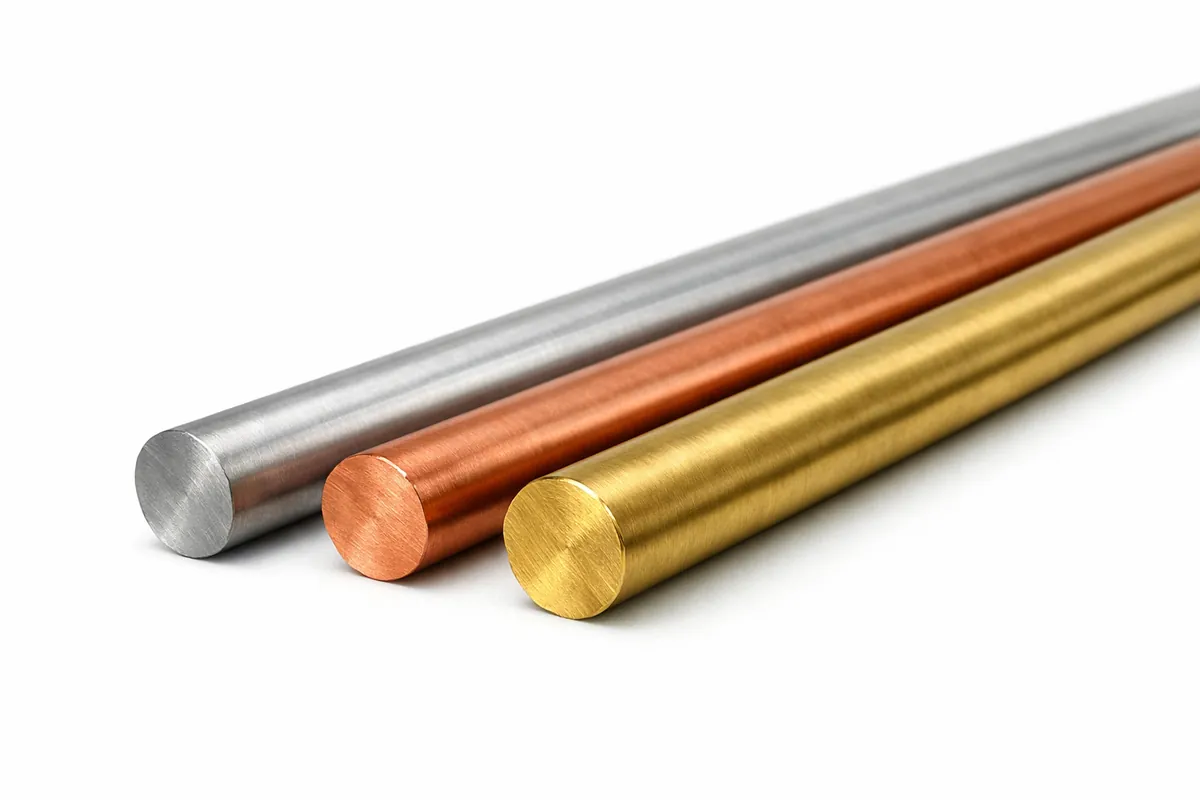
Non-ferrous metals are metals and alloys that are not primarily iron-based. This article explains the key properties of common non-ferrous…
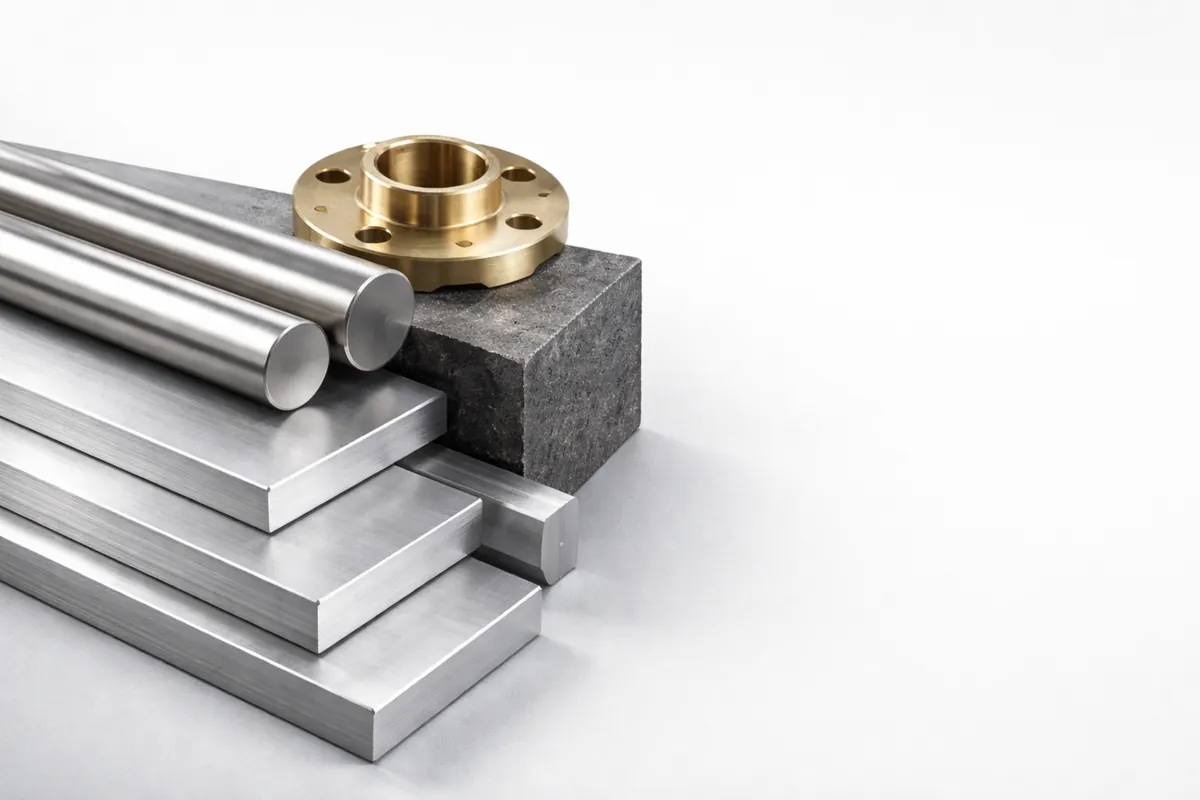
Industrial Casting Metals Decoded: From lightweight design to extreme conditions, we provide professional material selection advice and physical property comparisons.
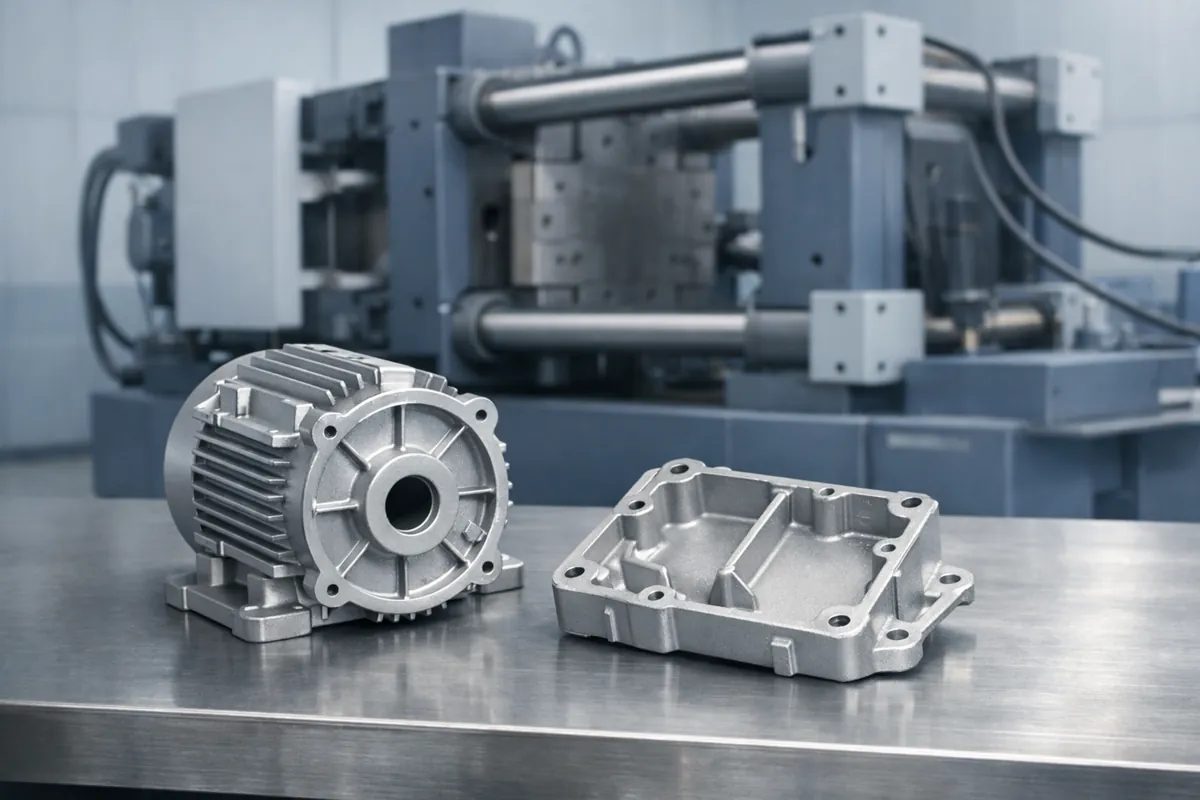
High-Pressure Die Casting (HPDC) is a high-speed, high-pressure process that forces molten aluminum, magnesium or zinc alloys into a steel…
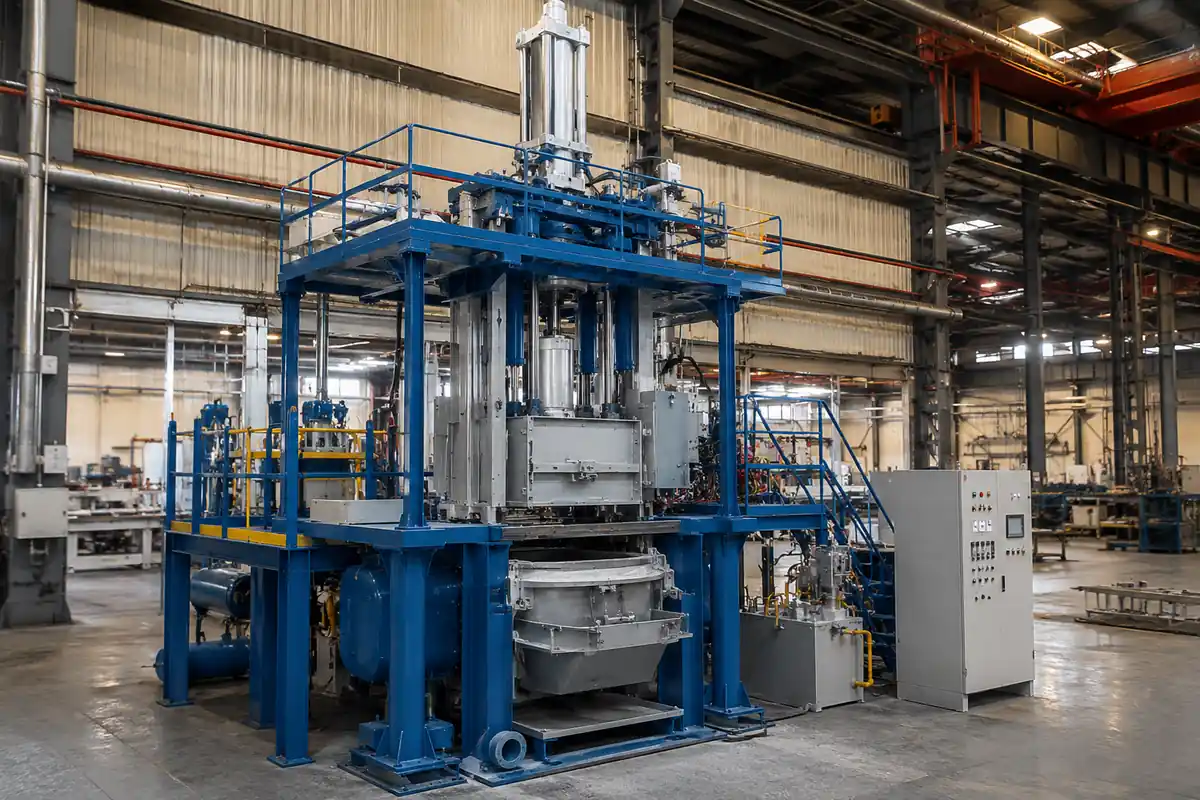
Low pressure die casting (LPDC) uses controlled gas pressure to fill a mold from below and feed molten metal during…
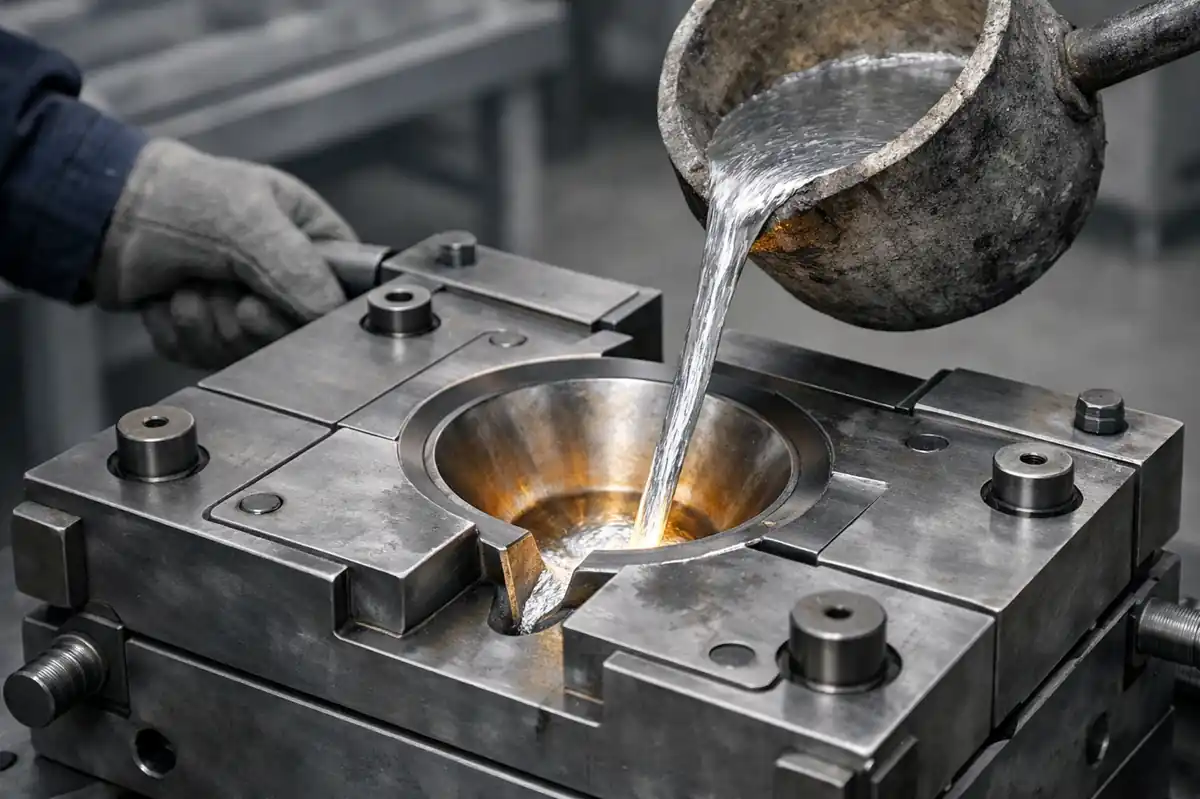
Gravity die casting is a permanent mold process that fills a reusable metal mold under gravity rather than high injection…
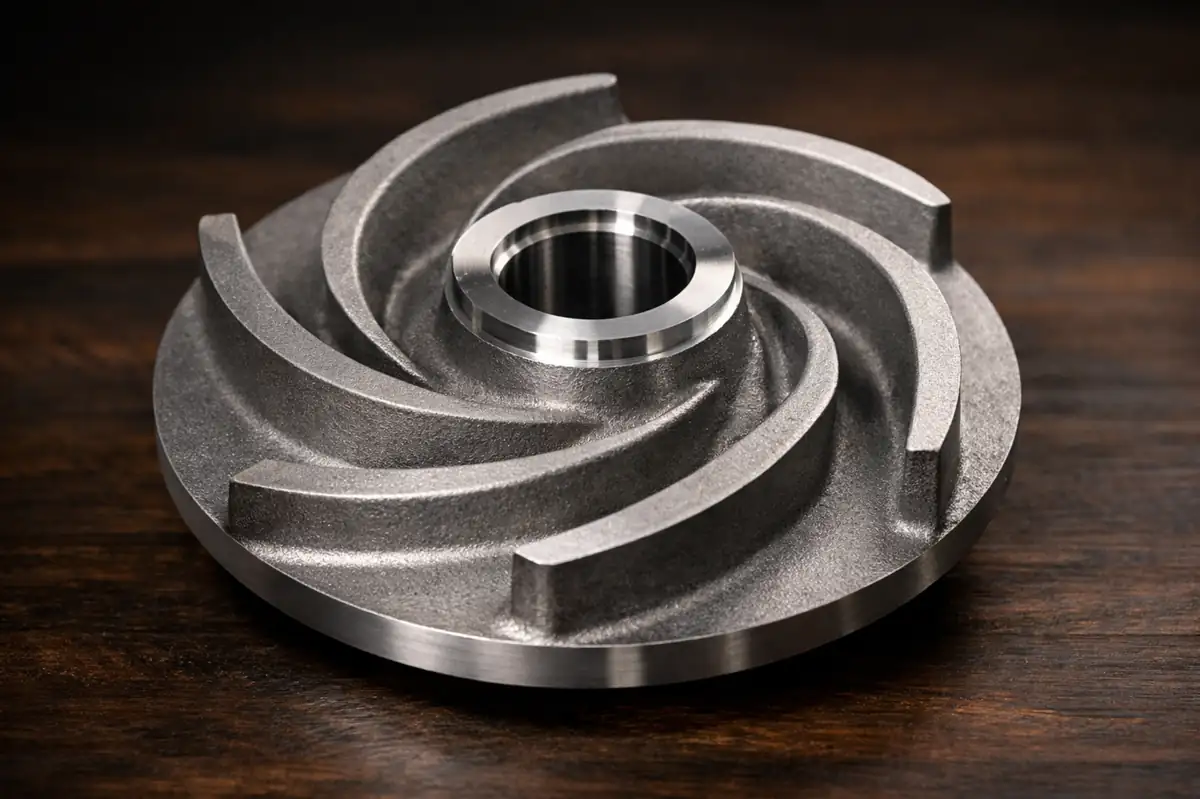
A concise guide to 410 Stainless Steel (CA15 Casting) properties, heat treatment, and applications. This article compares 410 with 304/316…
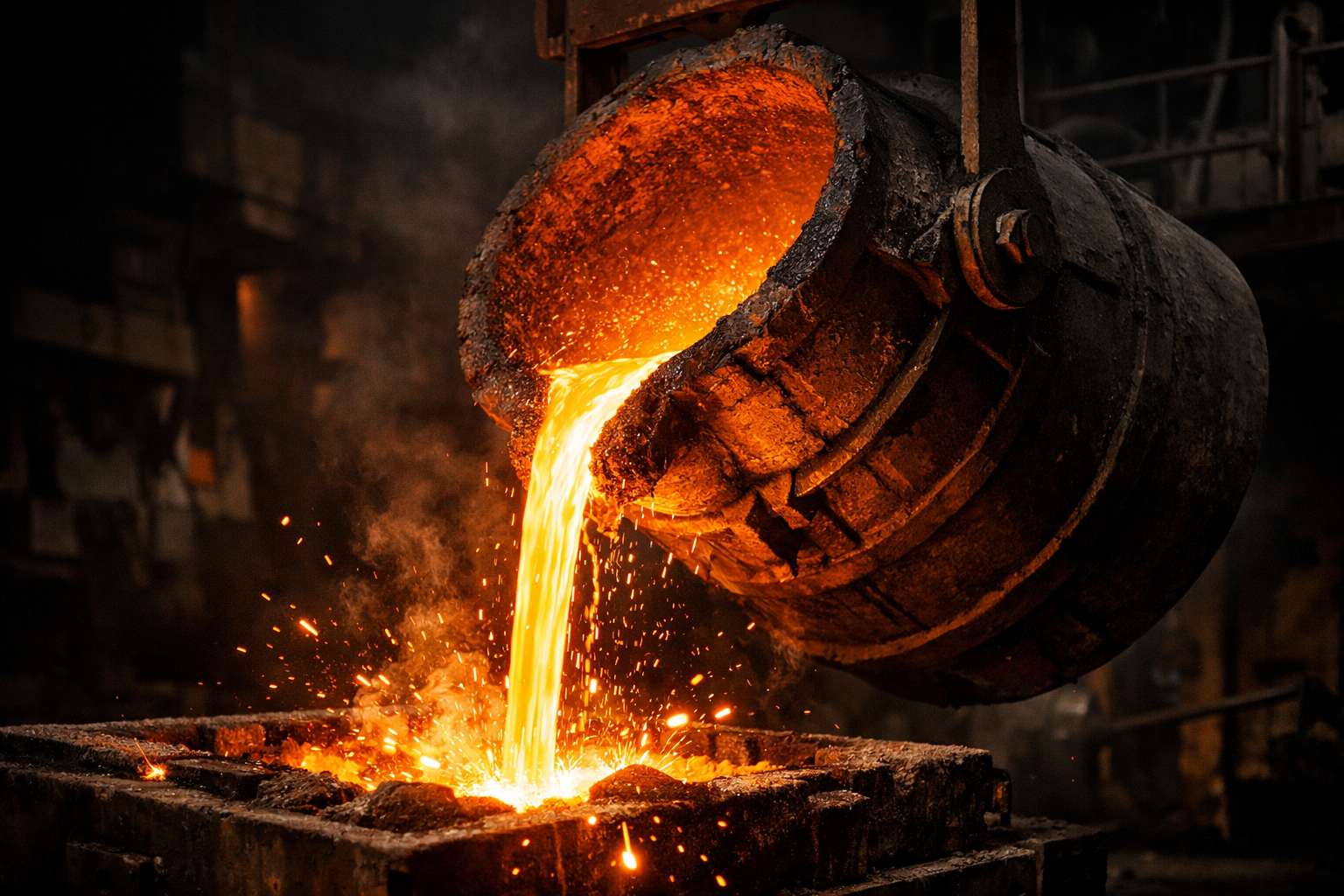
A foundry is an industrial facility that melts metal and pours it into molds to mass-produce near-net-shape components. This article…
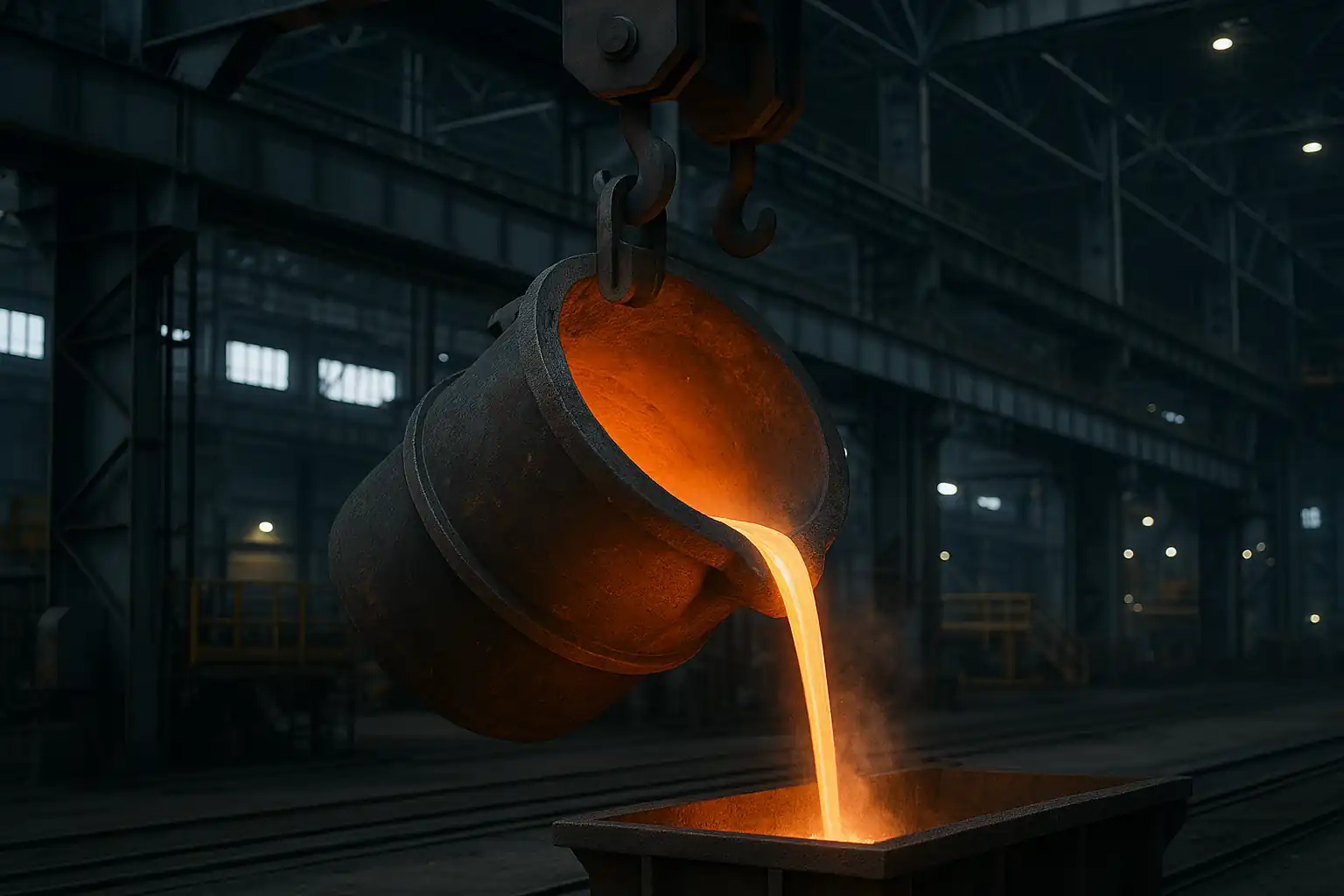
Steel is produced through primary steelmaking, secondary refining, and casting, which together determine its composition, cleanliness, and final properties. This…
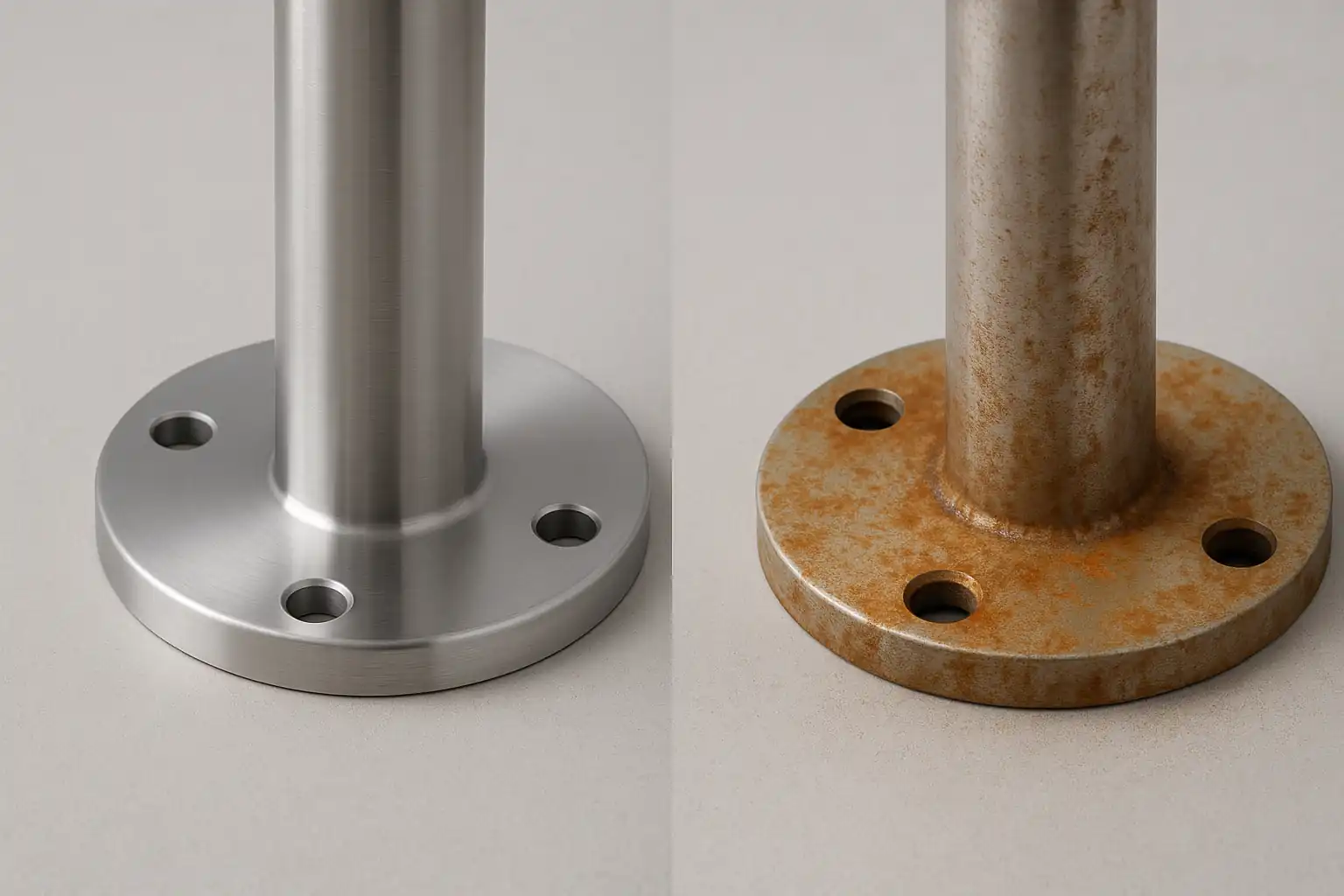
Stainless steel is corrosion-resistant but not corrosion-proof. Its passive chromium-oxide film can fail under chlorides, low-oxygen conditions, surface contamination, moisture…
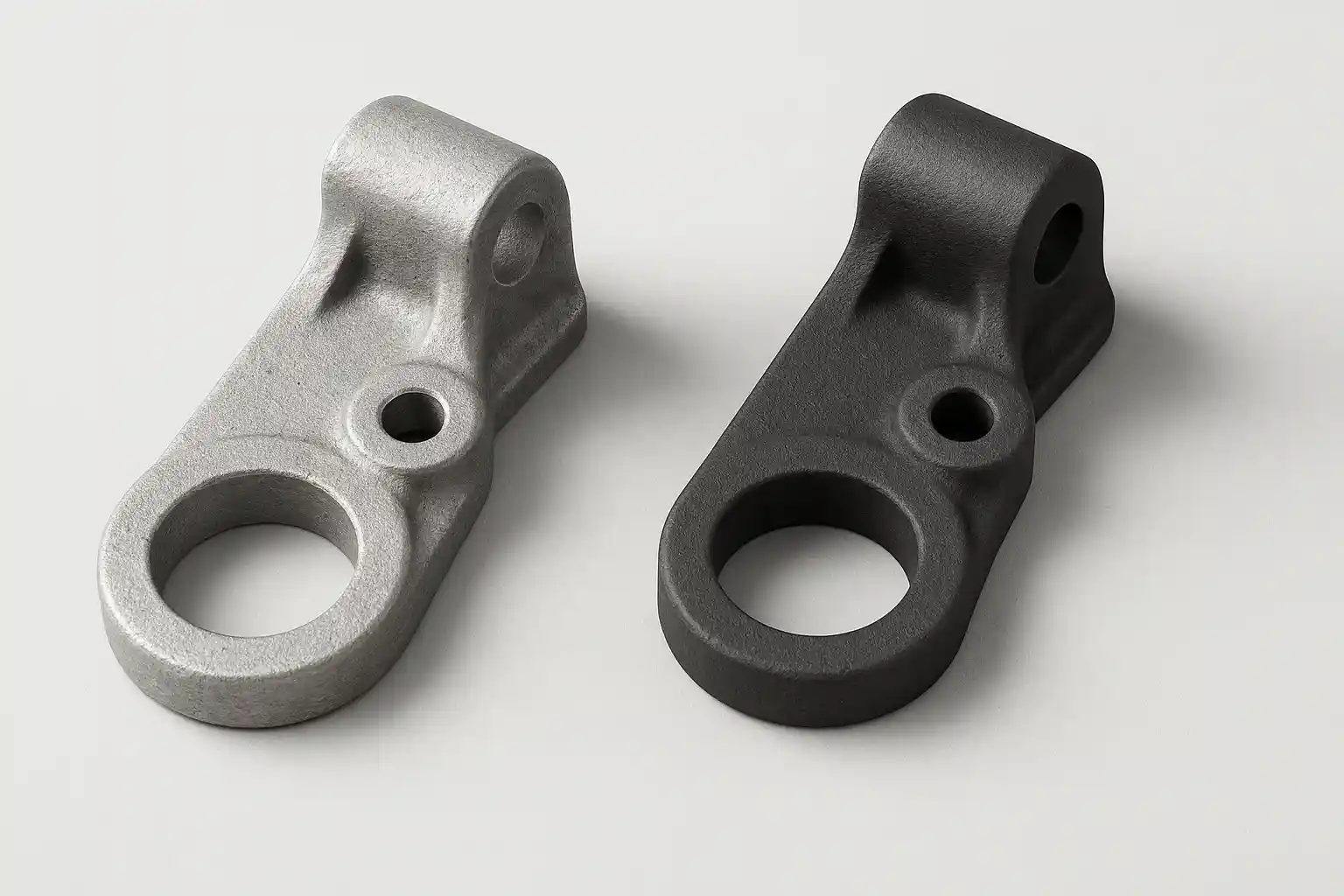
Cast aluminum can be anodized, but its results differ greatly from wrought aluminum. Due to higher silicon content, porosity, and…
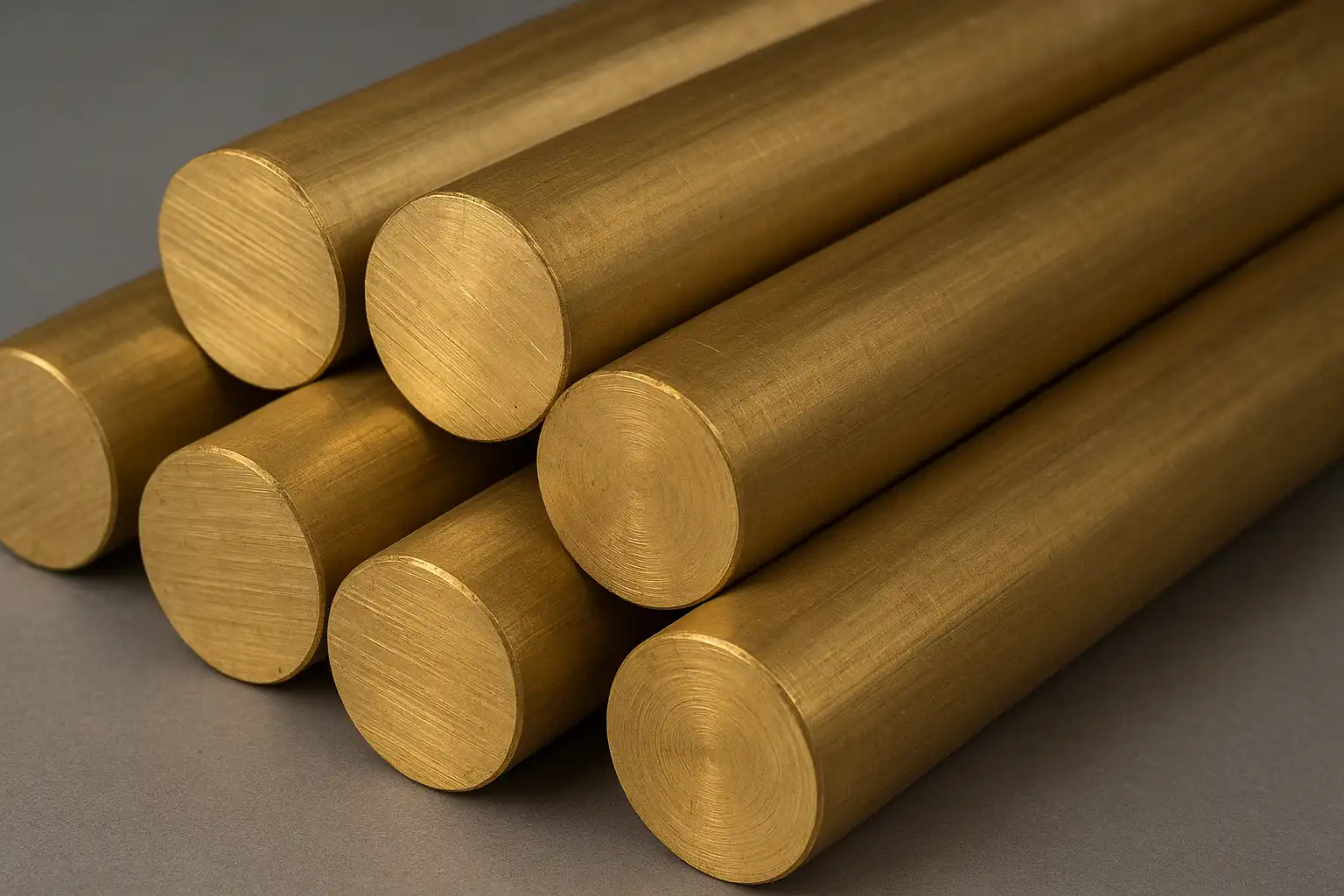
Aluminum bronze is a high-strength, wear-resistant, and seawater-stable copper alloy used in marine propulsion, pump and valve systems, and long-life…
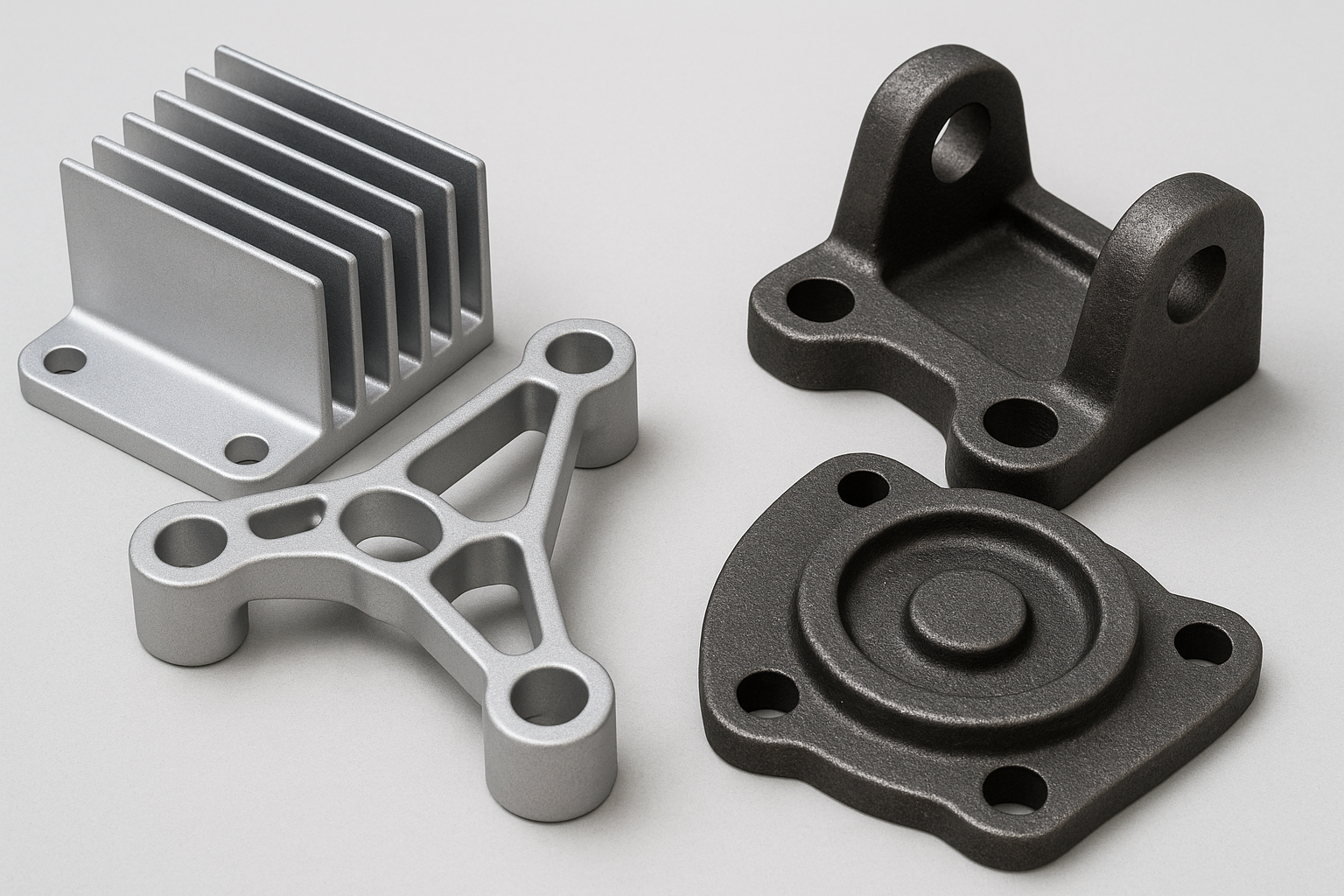
Cast aluminum and cast iron are widely used for structural parts, but they differ fundamentally in weight, stiffness, thermal behavior,…
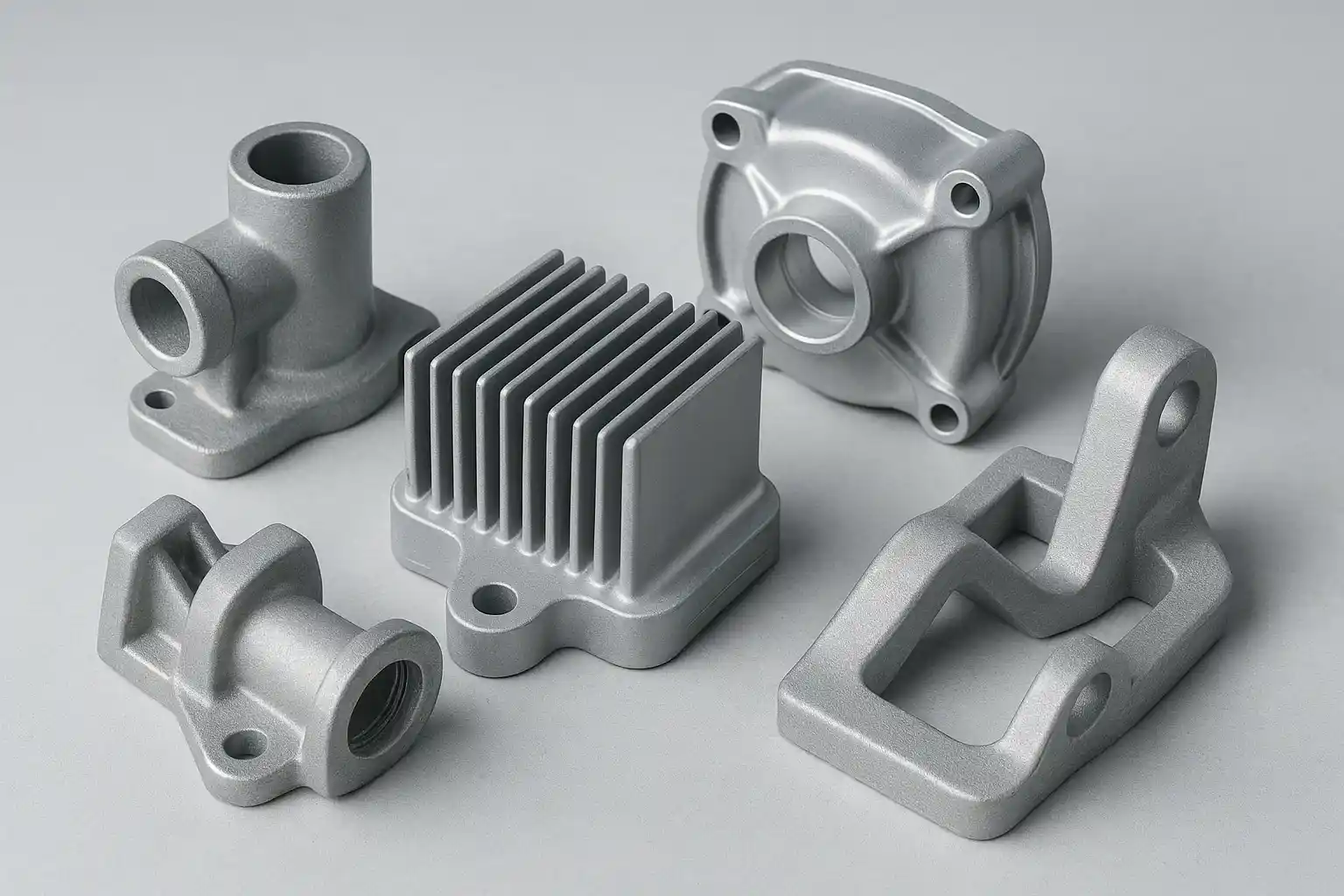
Cast aluminum grades are specialized alloys designed for mold filling, shrinkage control, and solidification behavior—not the same as common wrought…
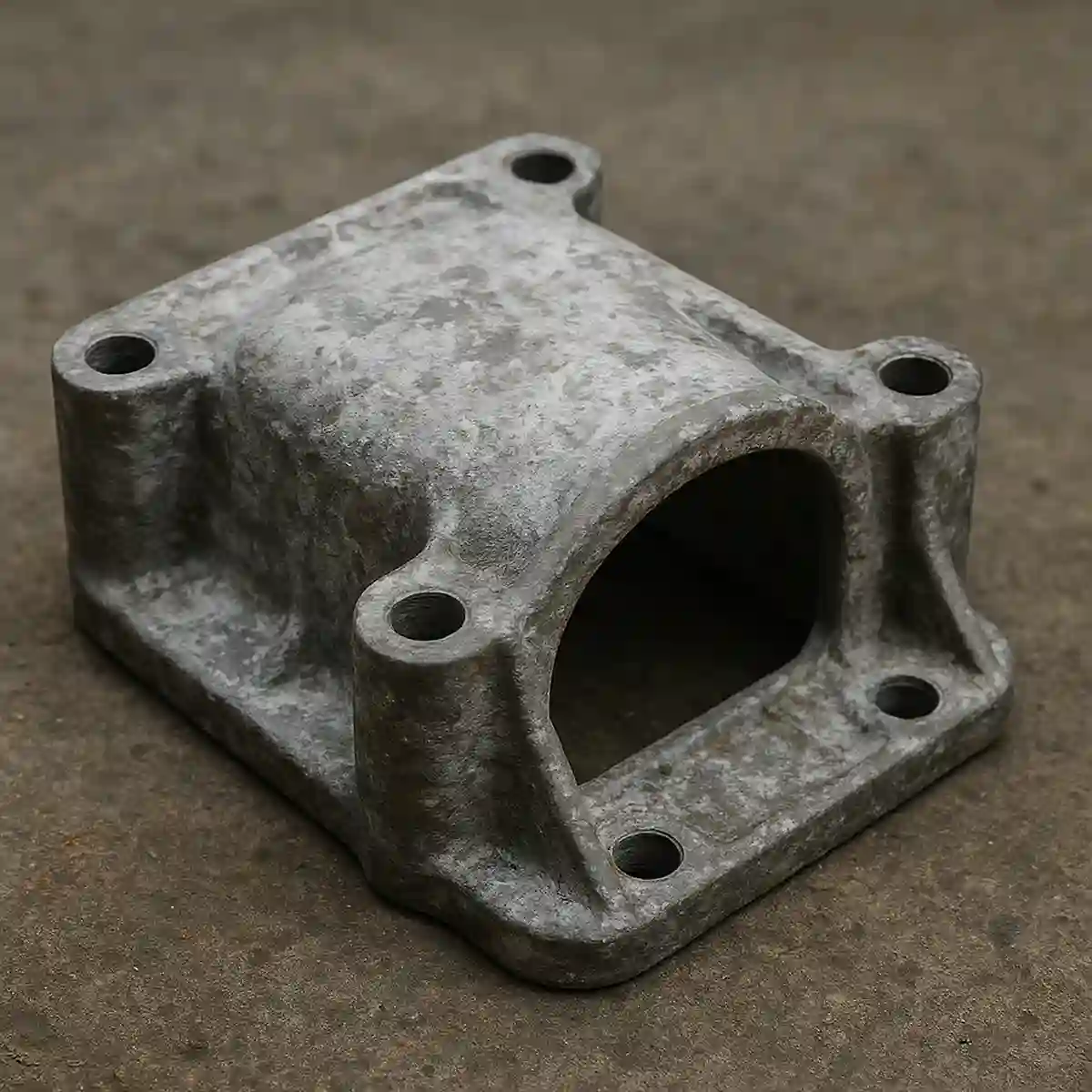
Aluminum does not rust like iron because it contains no iron, but it can corrode under certain conditions. Its natural…
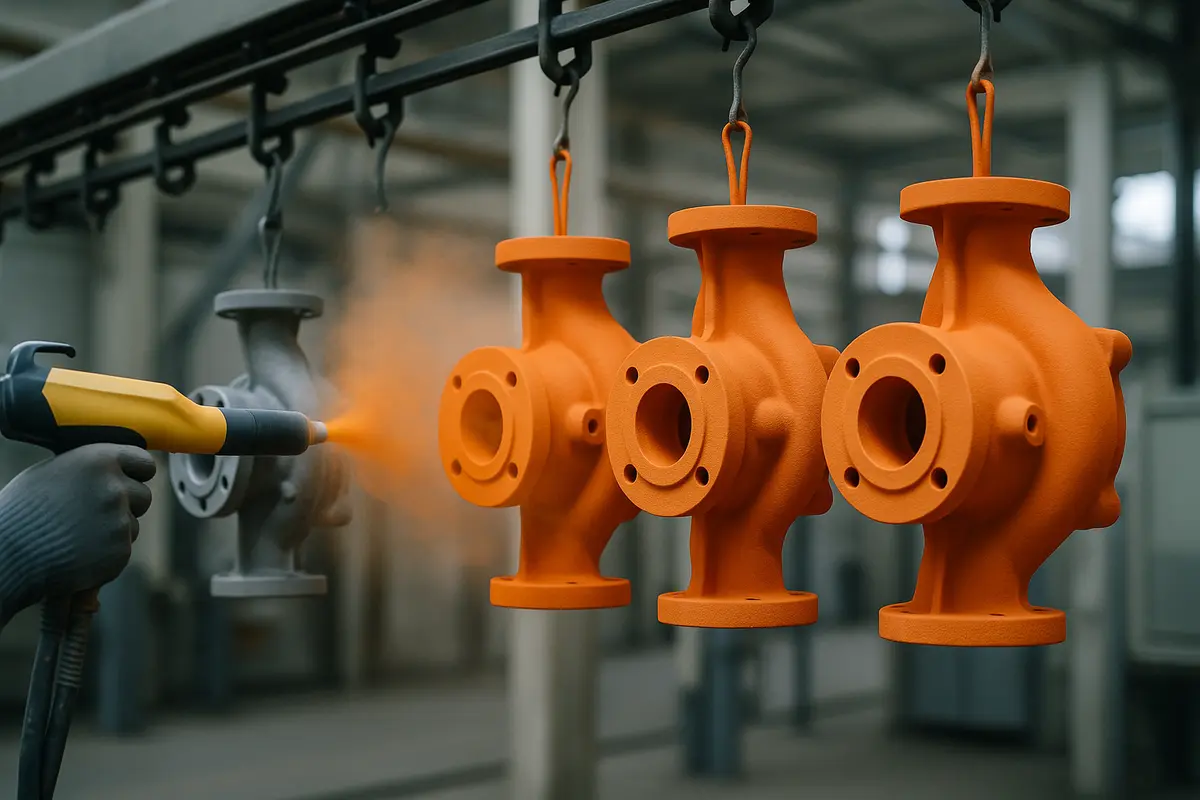
Powder coating is a solvent-free surface finishing method that electrostatically applies and cures dry powder on cast metal parts to…
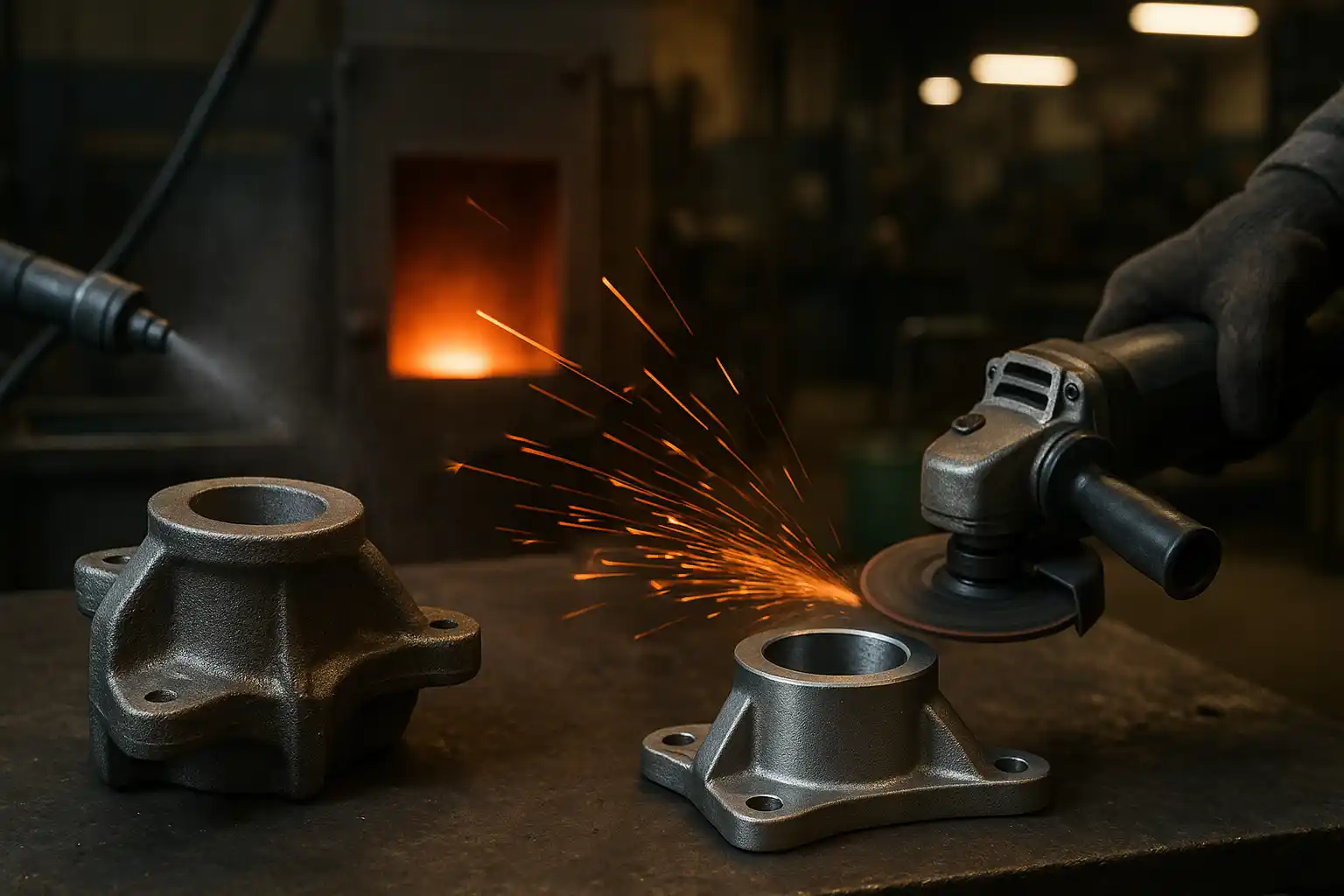
Casting post-processing is the critical, multi-stage workflow that transforms rough castings into functional, high-quality finished components. The systematic process, spanning…
430 stainless steel is a ferritic, nickel-free stainless steel known for its cost efficiency, magnetic properties, and moderate corrosion resistance.…
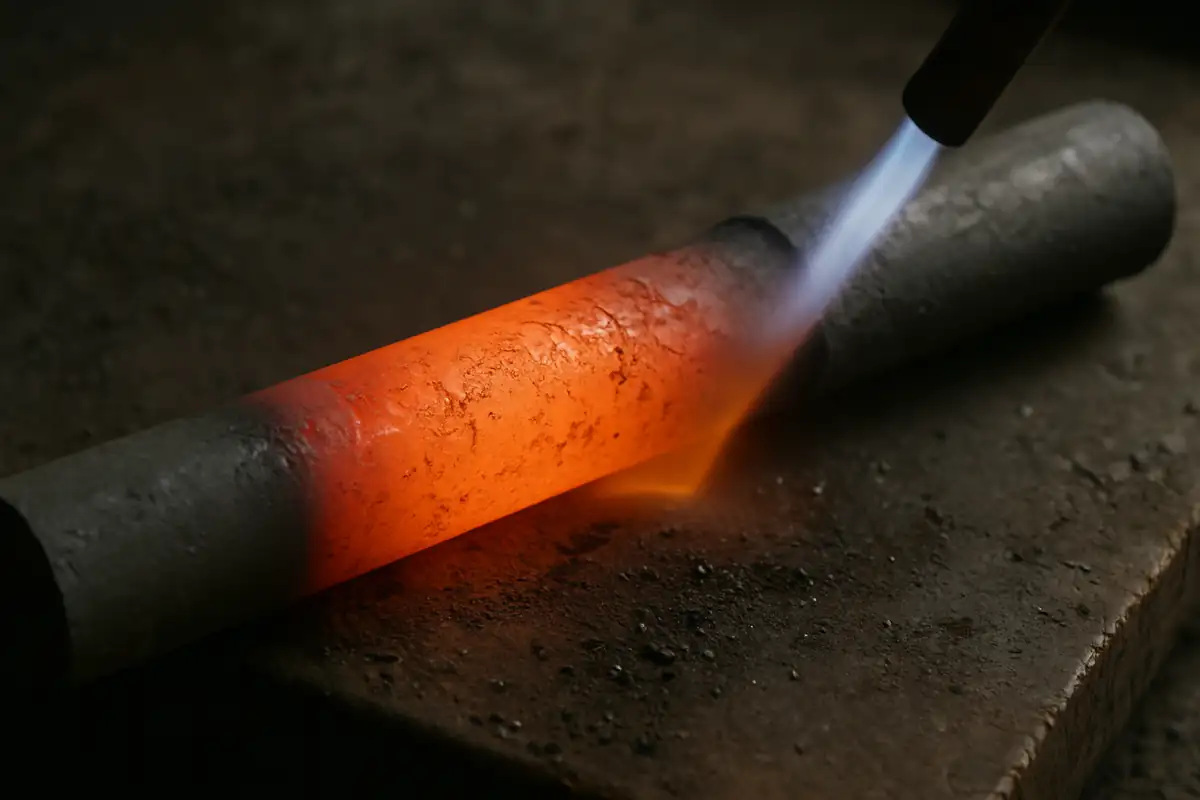
Annealing is a heat treatment that softens metal, relieves internal stress, and improves ductility by controlled heating and slow cooling—essential…
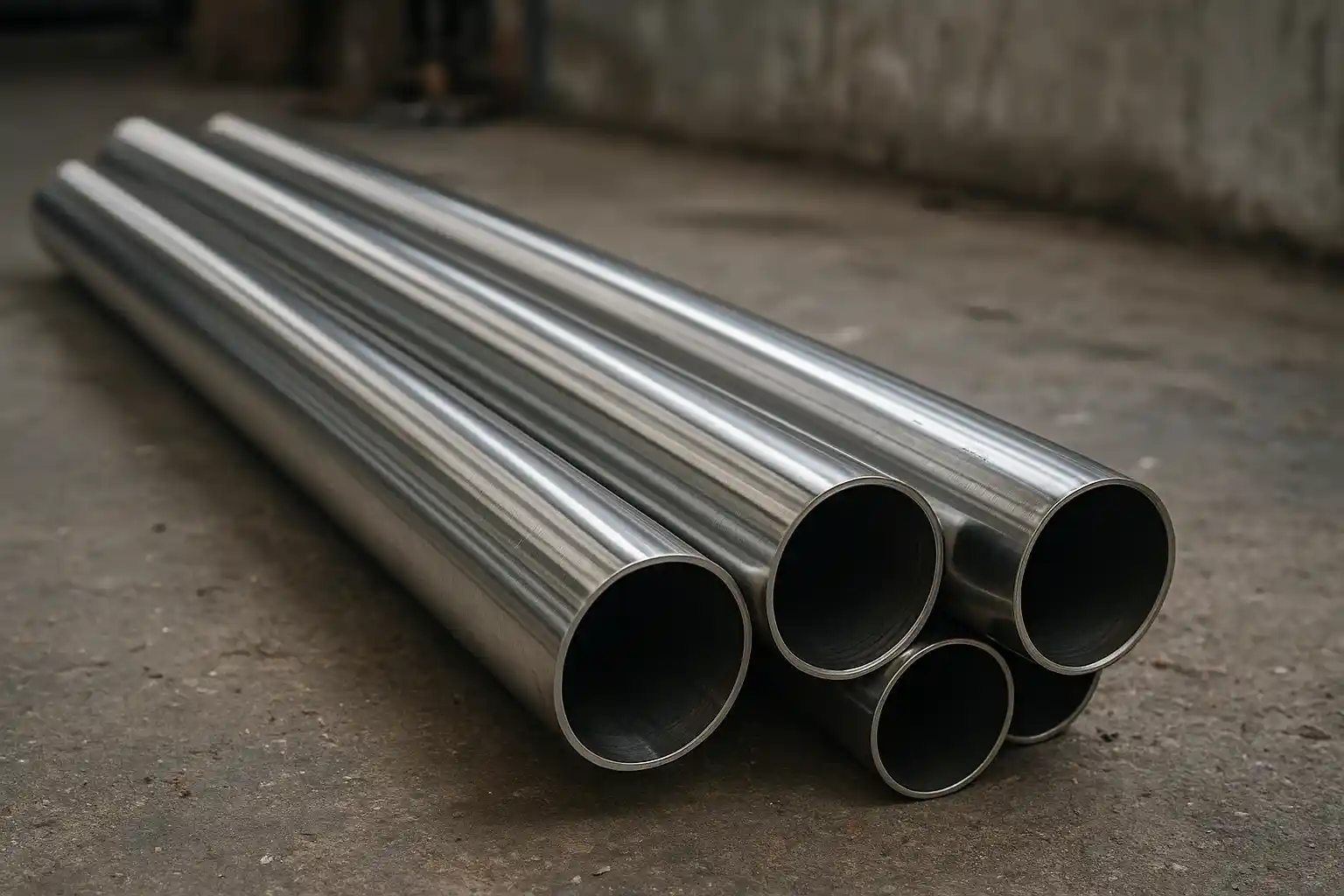
This comprehensive guide breaks down the six major types of stainless steel and 43 common cast grades, detailing their fundamental…
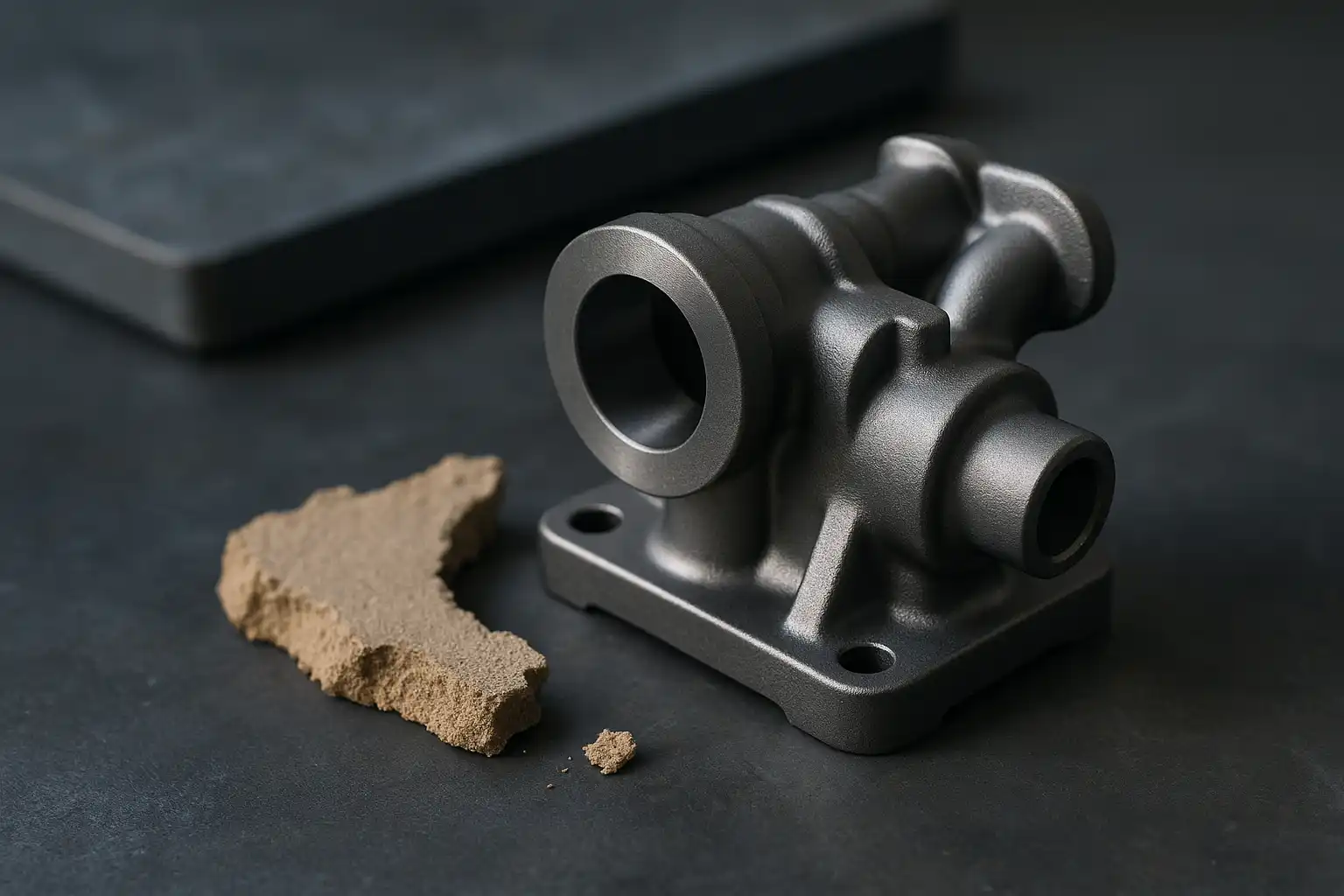
Shell molding is a precision casting process that uses a thin, rigid mold shell made from thermosetting resin-bonded fine sand.…
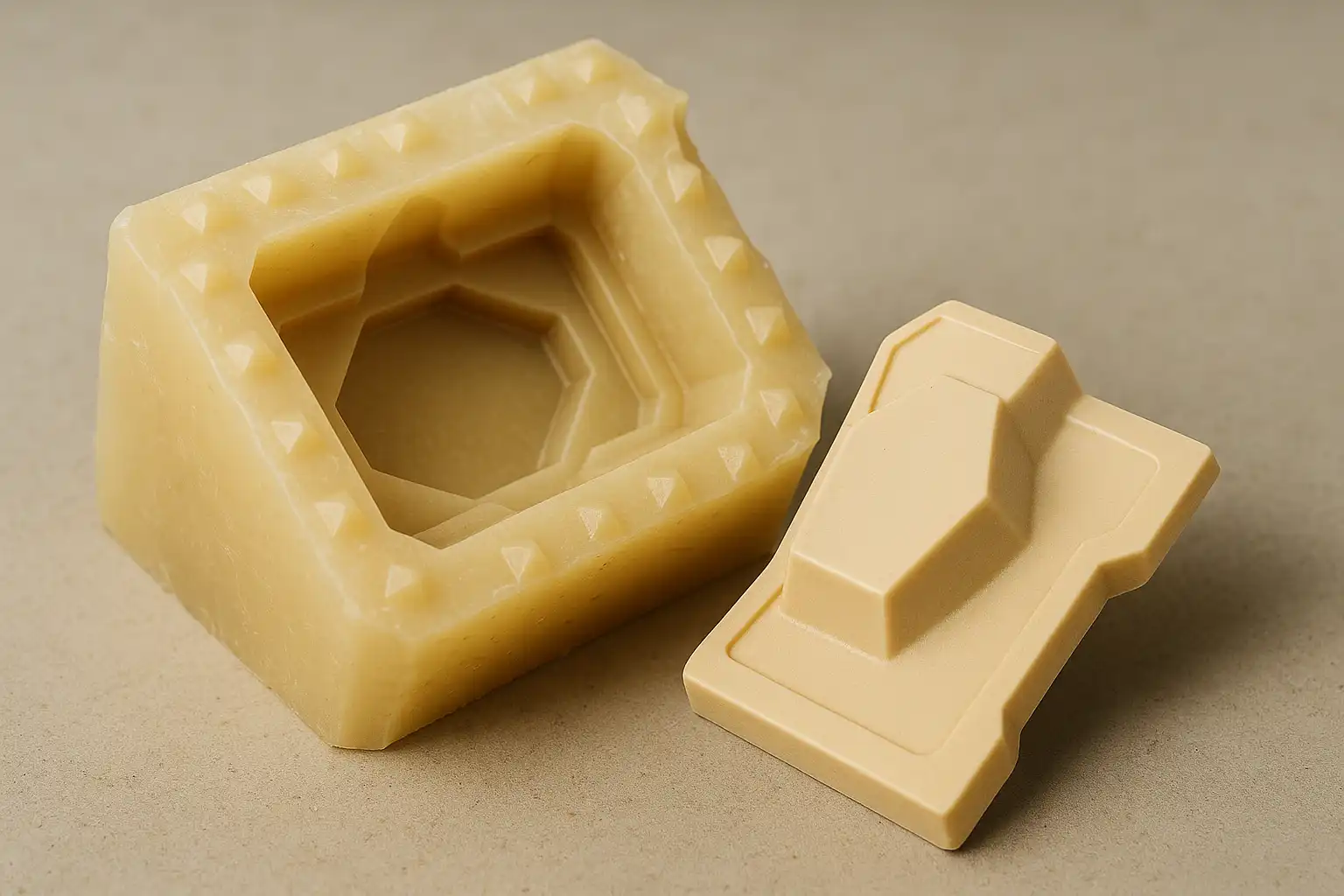
Vacuum Casting is a soft-tooling method using silicone molds and PU resins for high-fidelity prototype manufacturing and low-volume production (10–100…
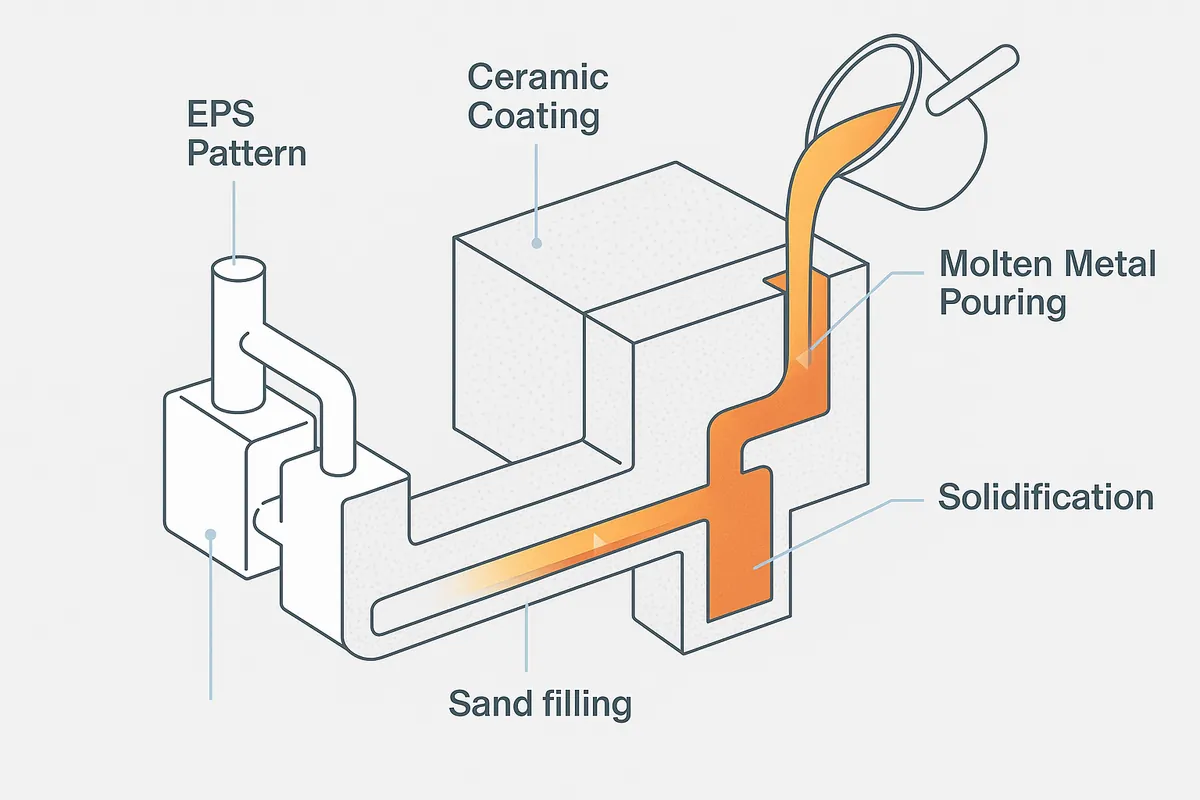
Lost Foam Casting (EPC) is a precision foundry process that uses an evaporative foam pattern to produce complex, near-net-shape components…
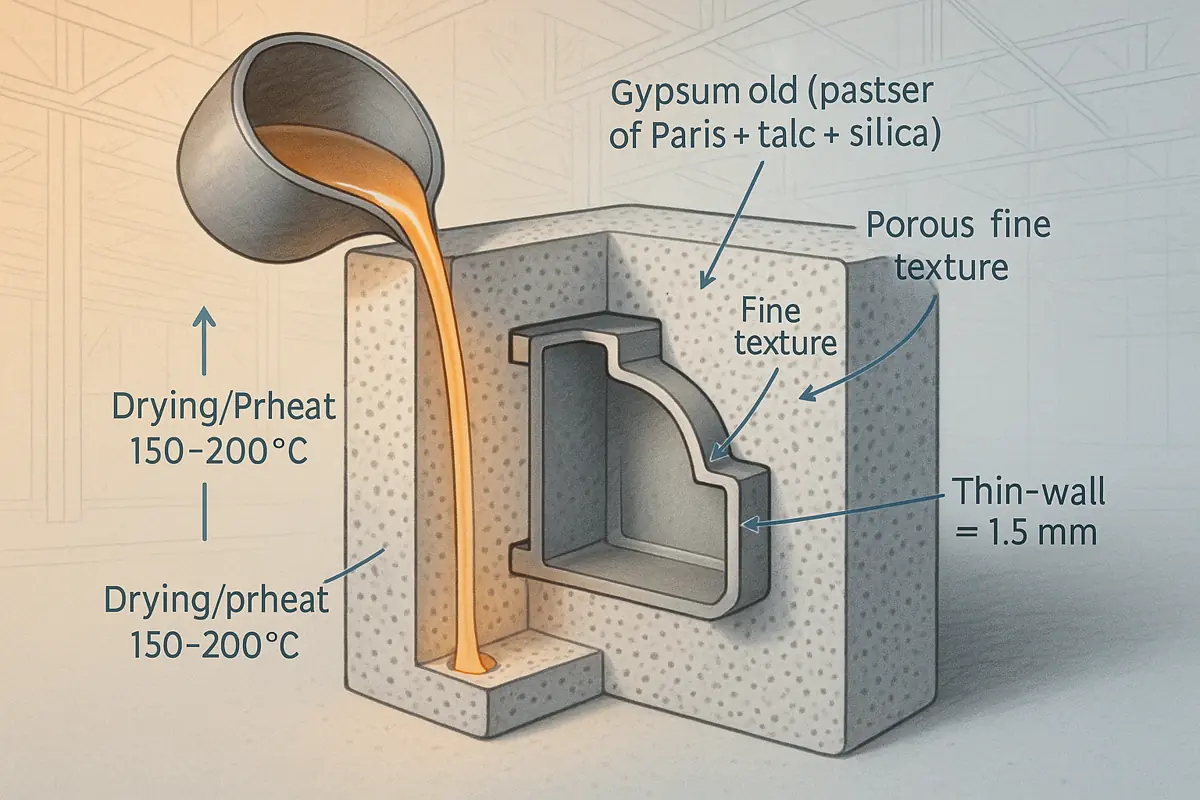
Plaster mold casting uses gypsum-based molds to produce non-ferrous components with high precision and fine surface finish (Ra 0.8–3.2 µm,…
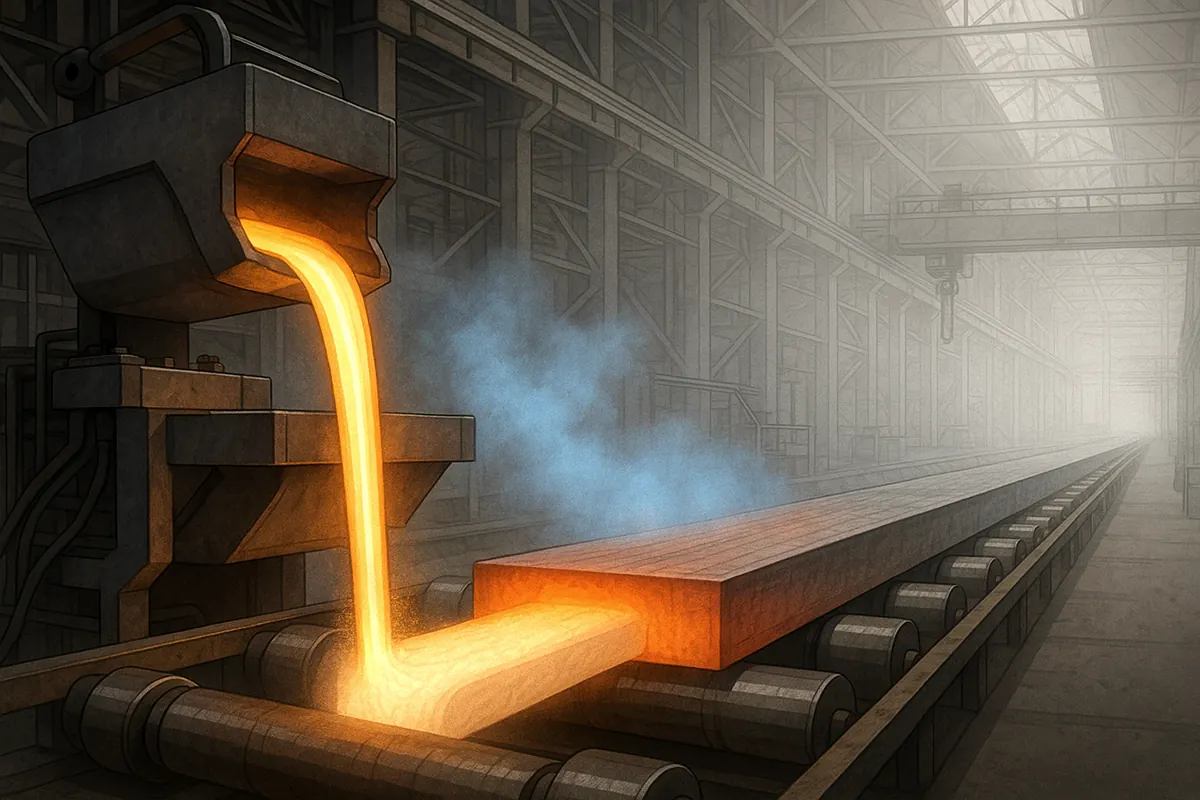
Continuous Casting (CC) is a modern metallurgical process that solidifies molten metal through a water-cooled mold to form billets, blooms,…
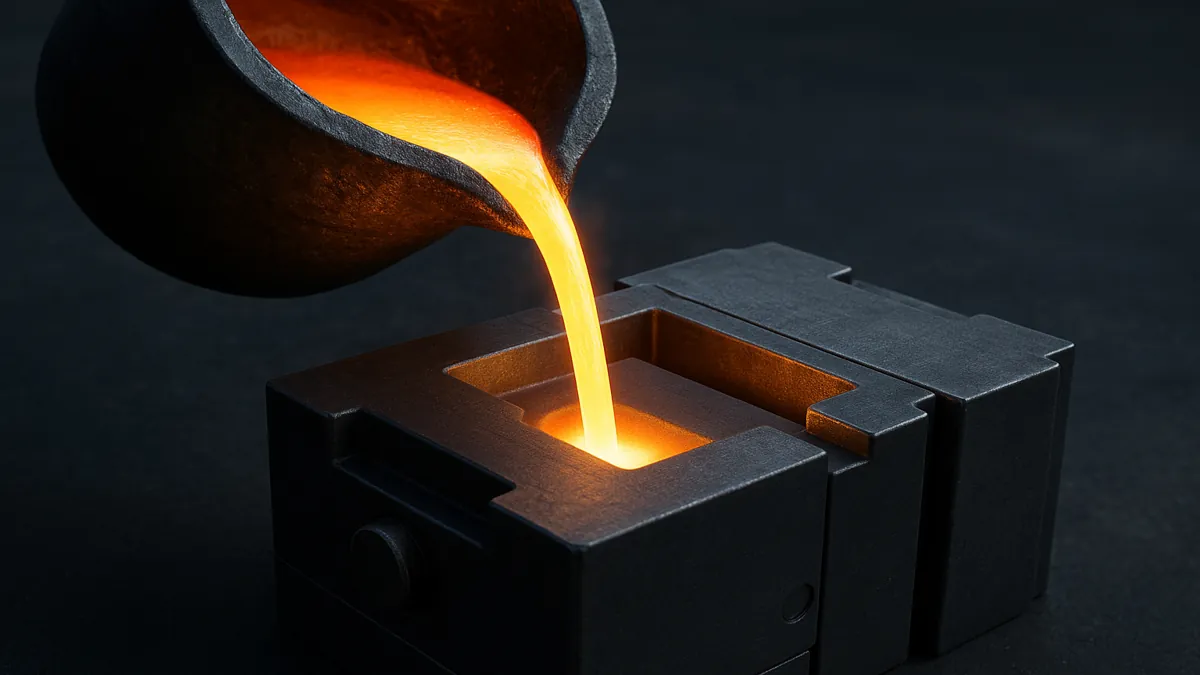
Permanent Mold Casting uses reusable metal molds and gravity pouring to create high-strength, dimensionally accurate non-ferrous parts. It bridges the…
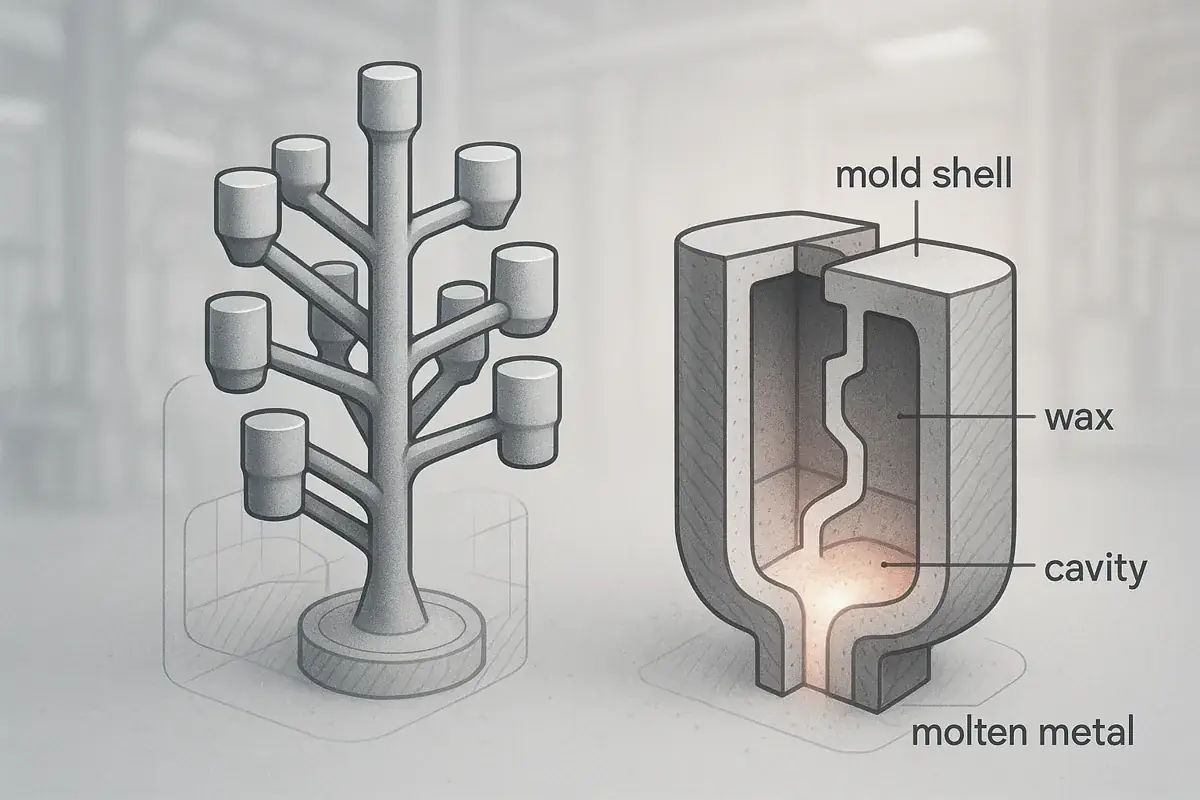
Investment casting, also known as the lost-wax process, is a precision casting method used to produce complex metal components with…
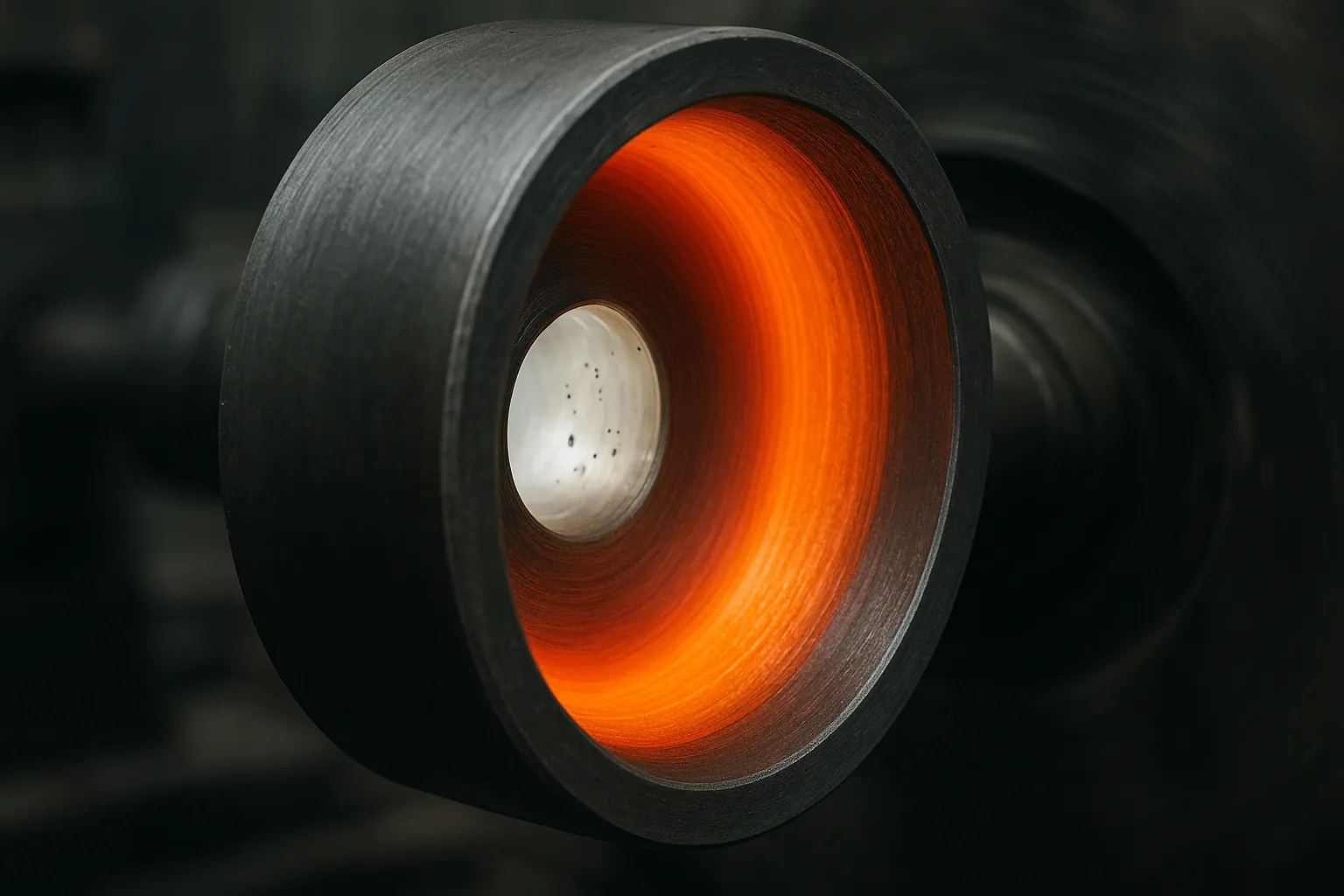
Learn how centrifugal casting works, including its process, materials, advantages, and applications. Discover why this technique produces high-density, defect-free metal…
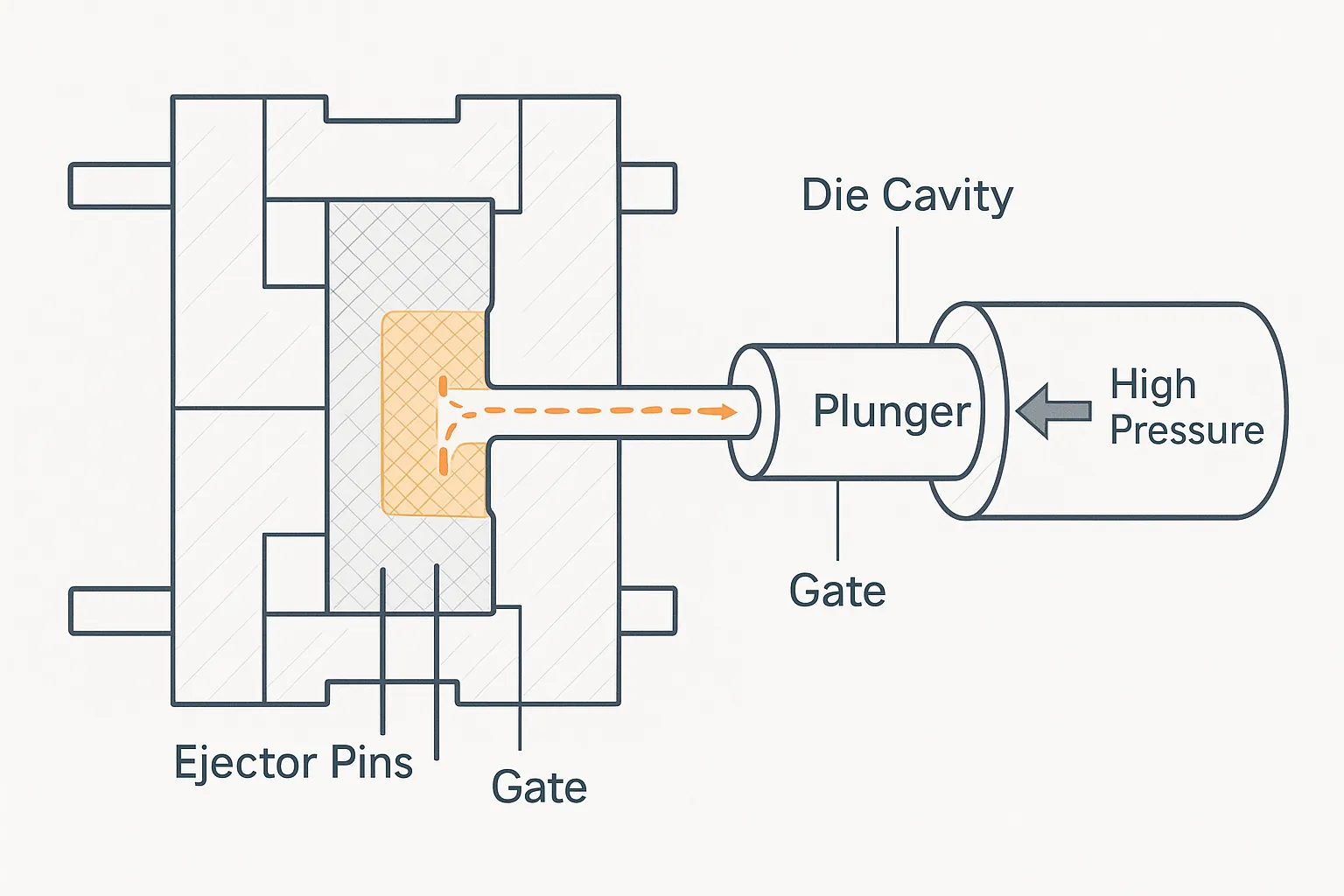
Die Casting Technology Process and Type Analysis. This article details the HPDC (Hot/Cold Chamber) classification and advanced Vacuum, Low-Pressure, and…
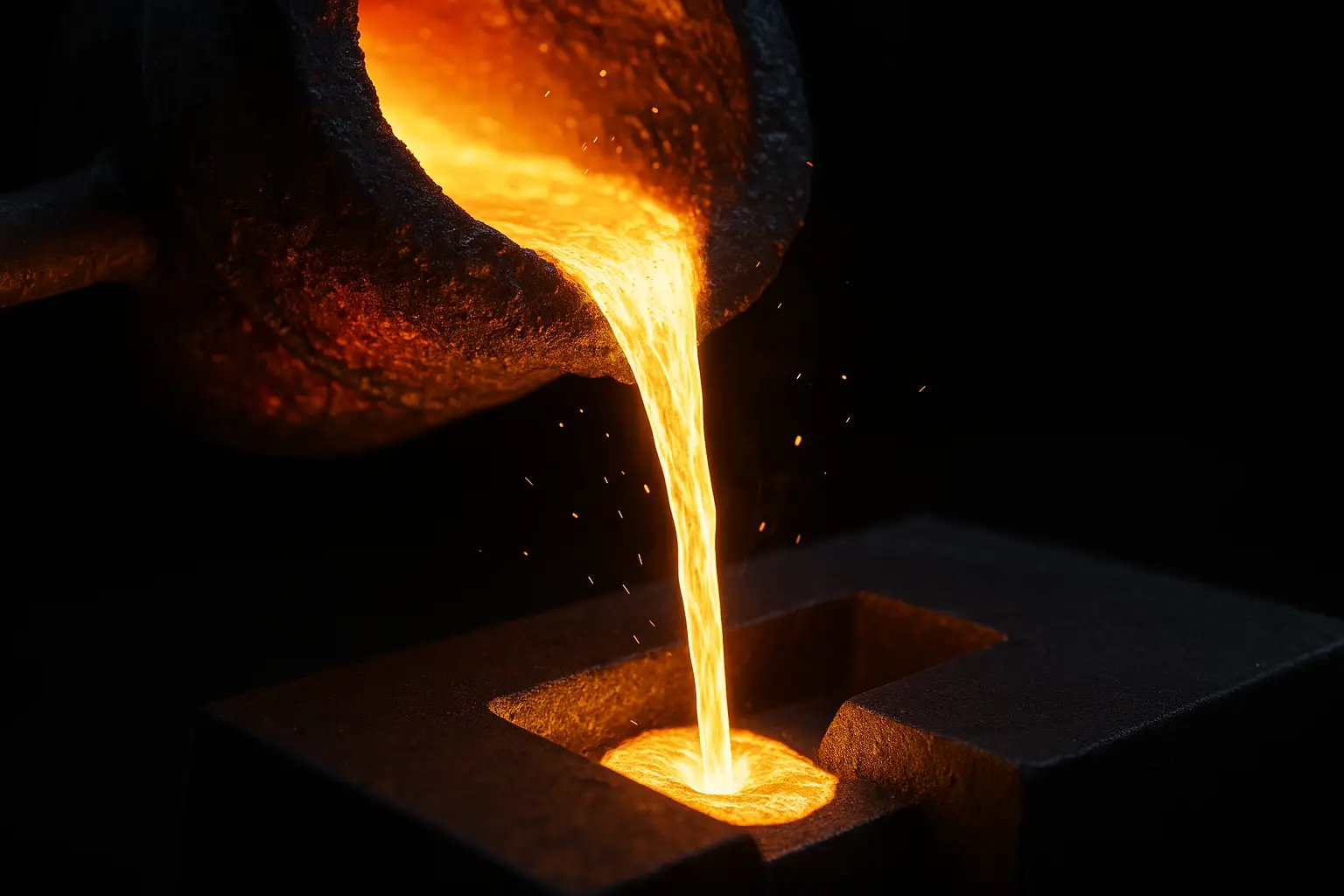
In the vast world of manufacturing, casting is a key process for shaping molten metal into complex parts. This article…
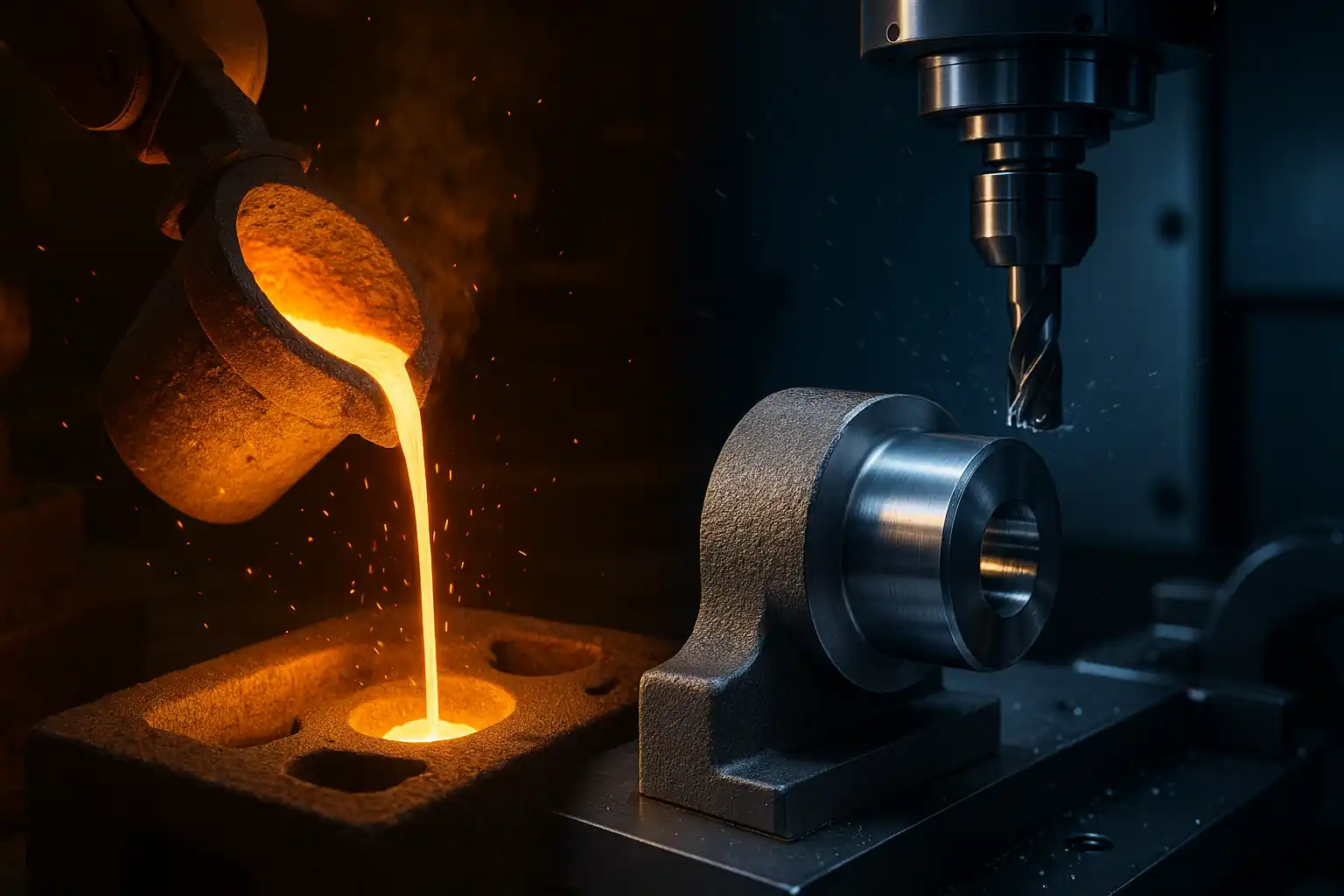
In custom non-standard part manufacturing, choosing the right process is crucial. This article explores the essential differences and respective advantages…

Bronze is a copper-based alloy, primarily with tin as its core element. This precise ratio gives it superior hardness, strength,…

What’s the difference between stainless steel and carbon steel? This article provides a detailed comparison of the two materials’ corrosion…
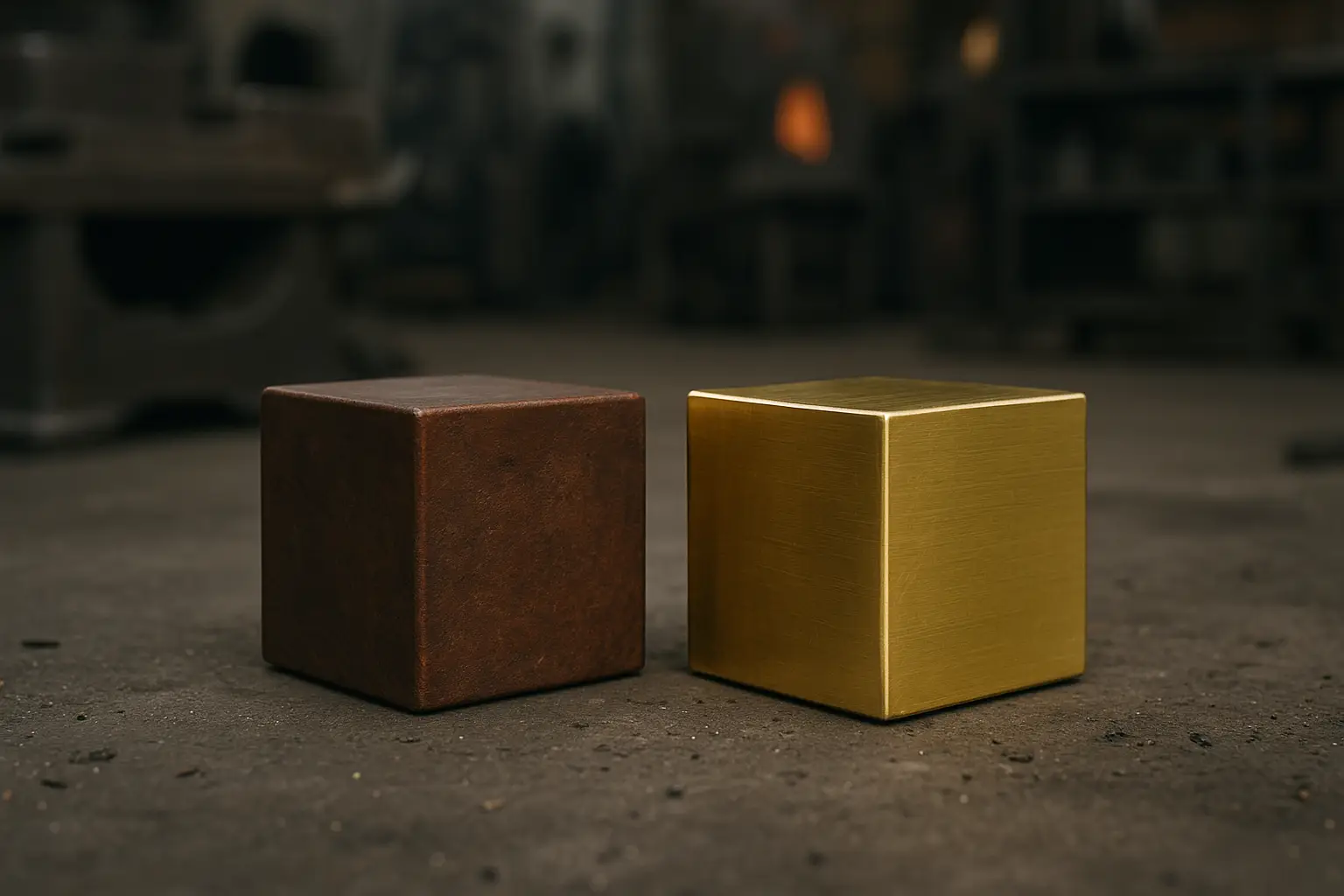
Bronze and brass are two common copper alloys, but they have significant differences in composition, properties, and applications. This article…
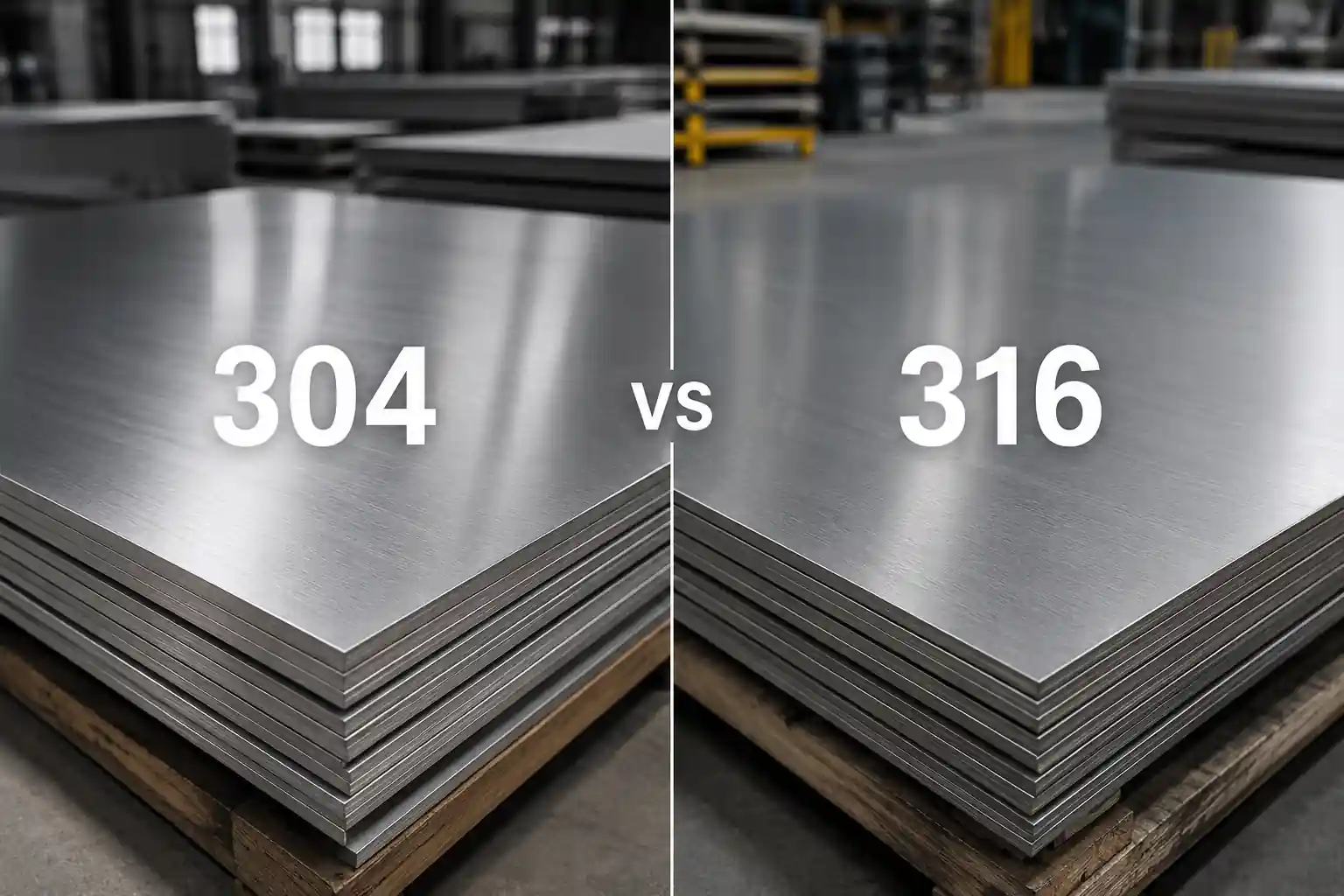
This guide provides a concise comparison of 304 and 316 stainless steel. The key difference lies in the molybdenum added…

Duplex stainless steel is a special type of steel that combines high strength with excellent corrosion resistance, making it ideal…

Ferritic stainless steel is a magnetic, high-chromium, low-carbon, and nickel-free alloy. It offers an excellent combination of corrosion resistance, high-temperature…
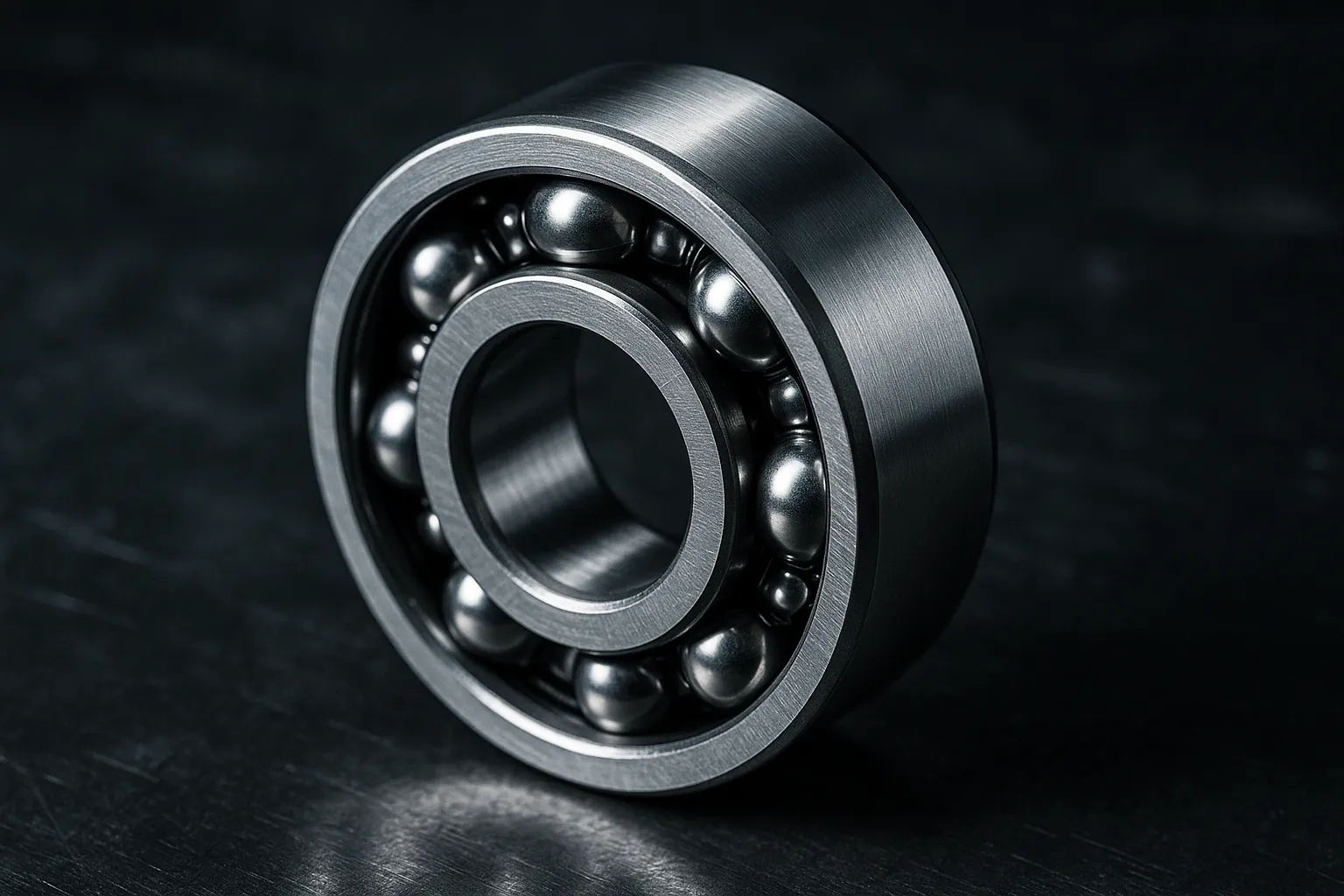
Martensitic stainless steel is a high-performance steel known for its exceptional hardness and strength, achieved through heat treatment. This article…
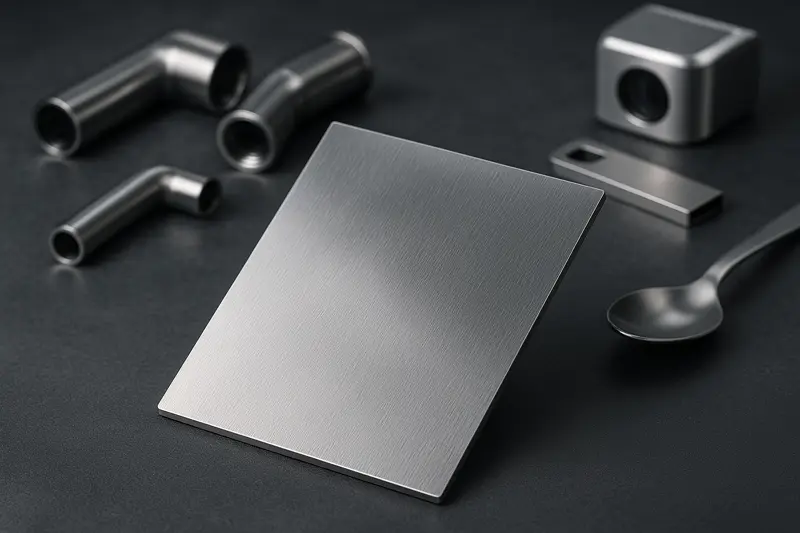
This is a comprehensive guide to austenitic stainless steel. The article provides a detailed overview of this most common type…
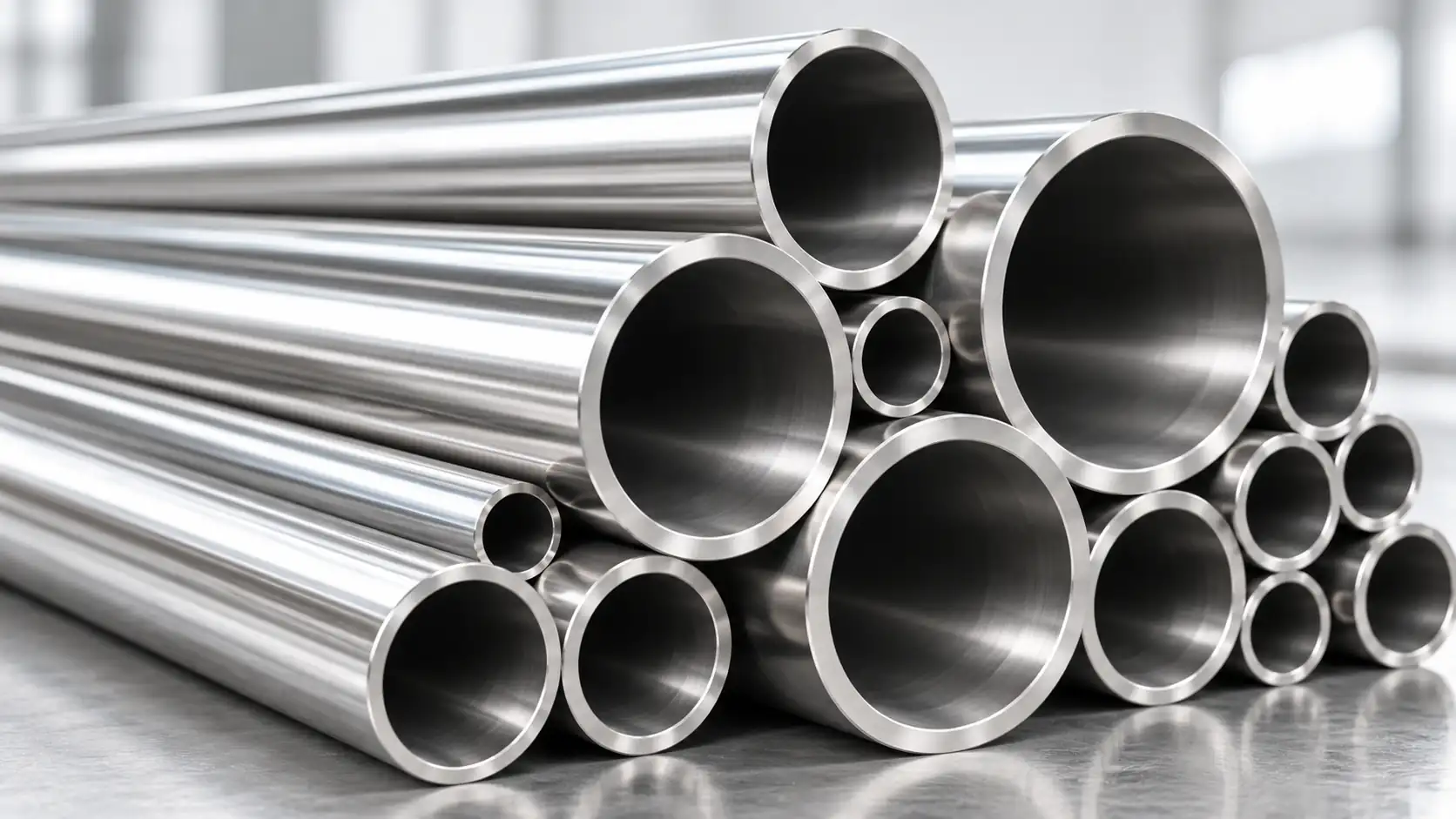
This article explains the core of stainless steel: an alloy centered on chromium that gives it exceptional corrosionresistance. It covers…
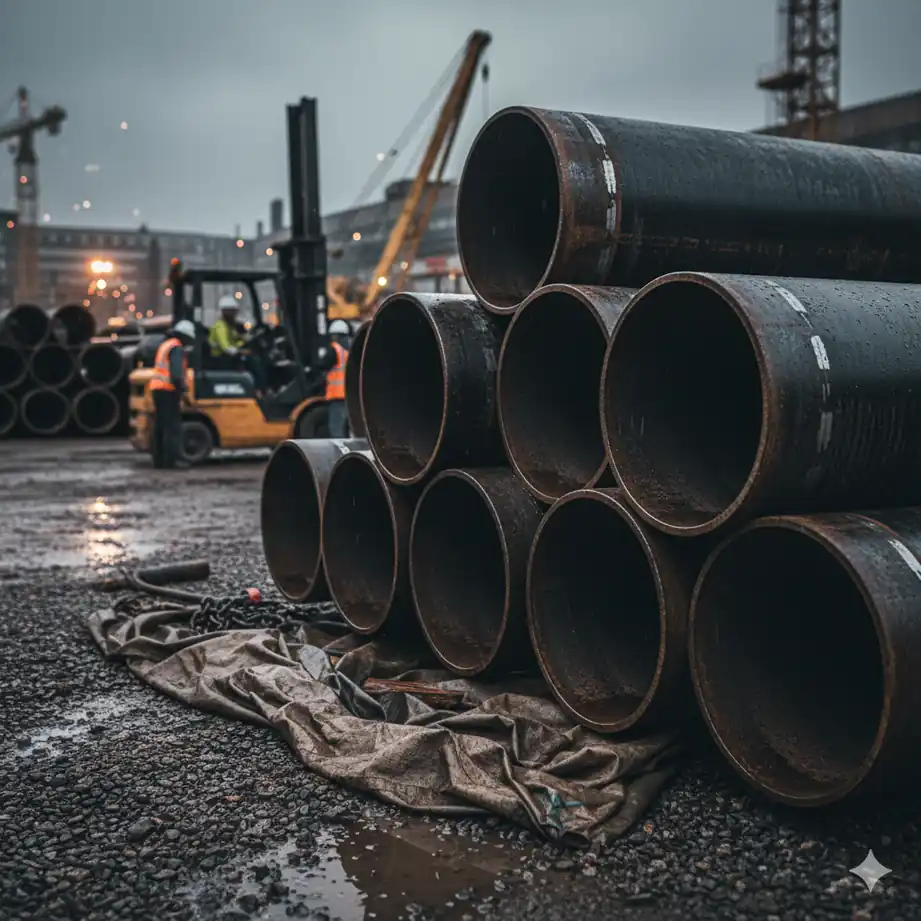
Explore the world of ductile iron. This article provides a comprehensive analysis of its unique microstructure, superior mechanical properties, common…
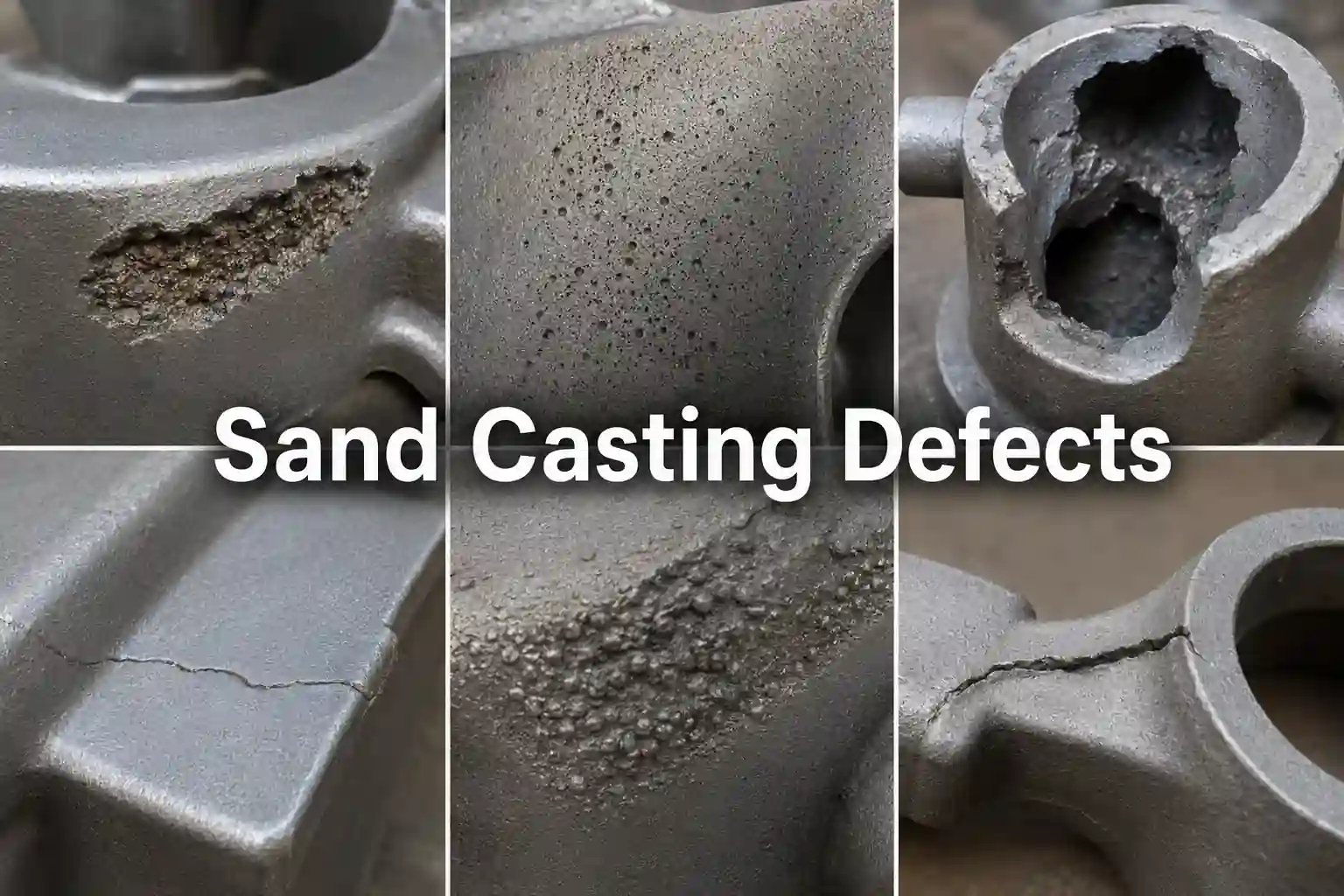
Sand casting defects are usually related to sand properties, core stability, pouring temperature, melt cleanliness, riser feeding, and inspection feedback.…
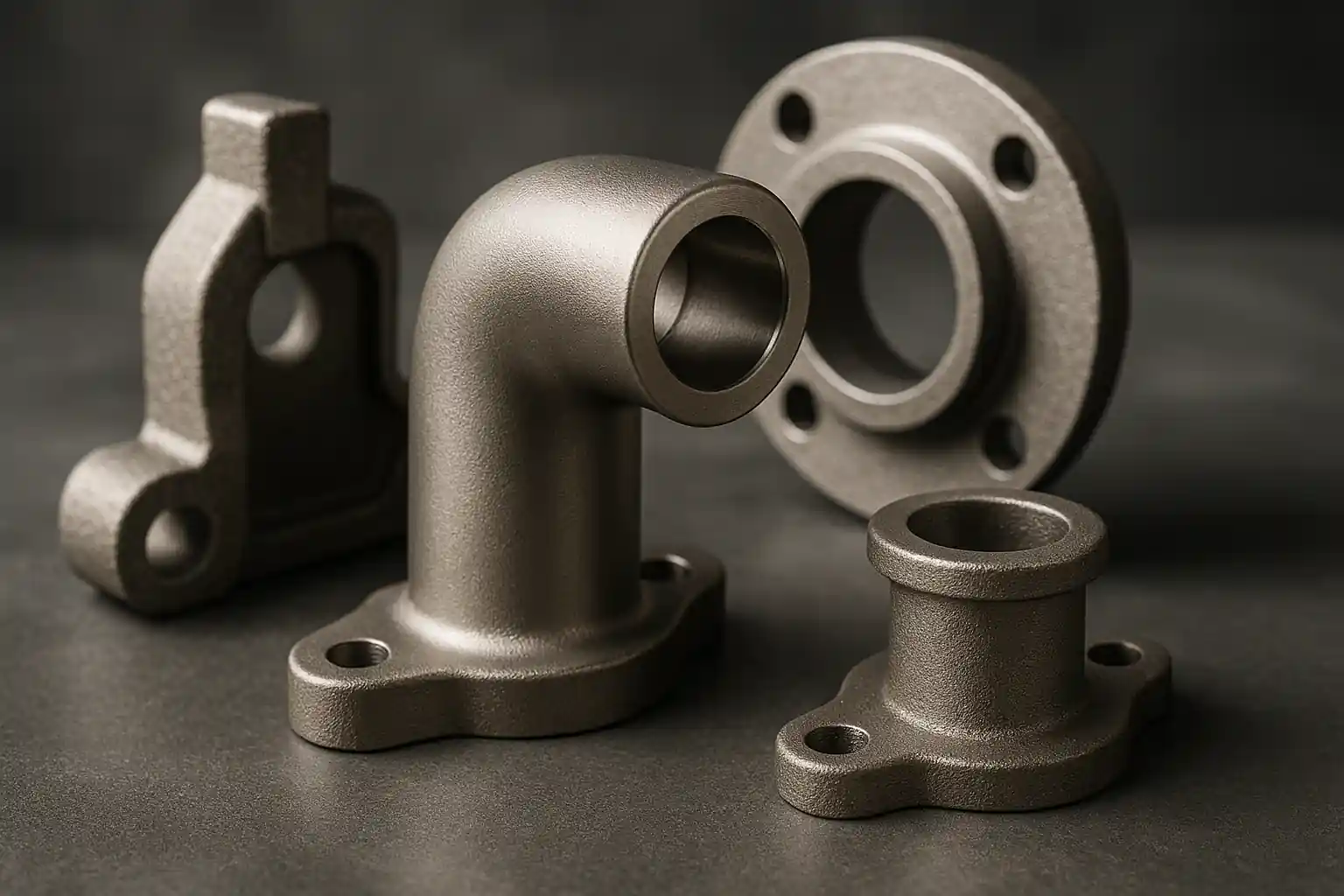
A comprehensive guide to the casting process. This article offers a systematic overview of casting methods, material selection, and essential…

This guide serves as a practical resource that covers the essential theory, step-by-step process, and common questions related to making…
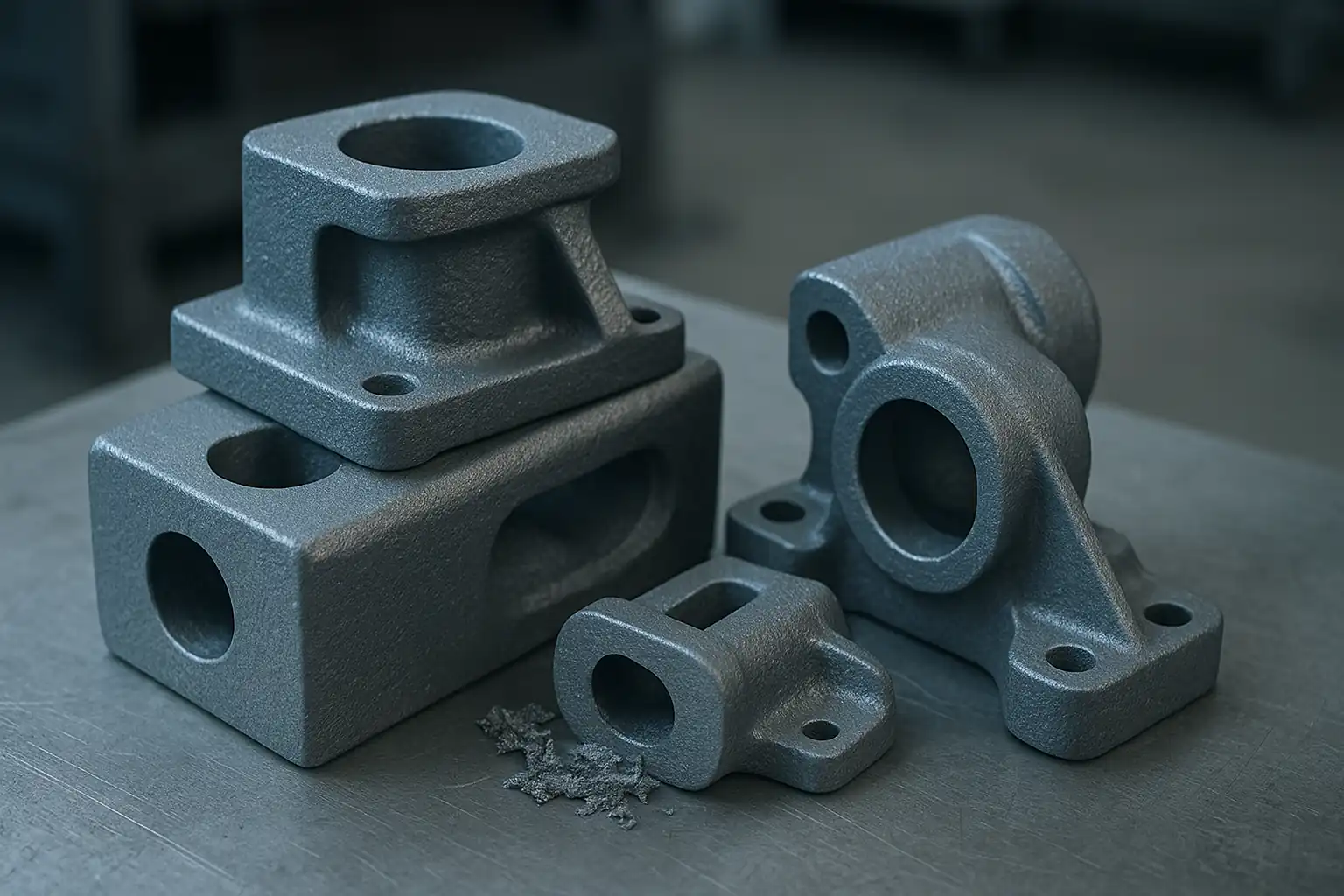
Gray cast iron is an iron-carbon alloy named for its gray fracture surface. The article explains how its unique flake…
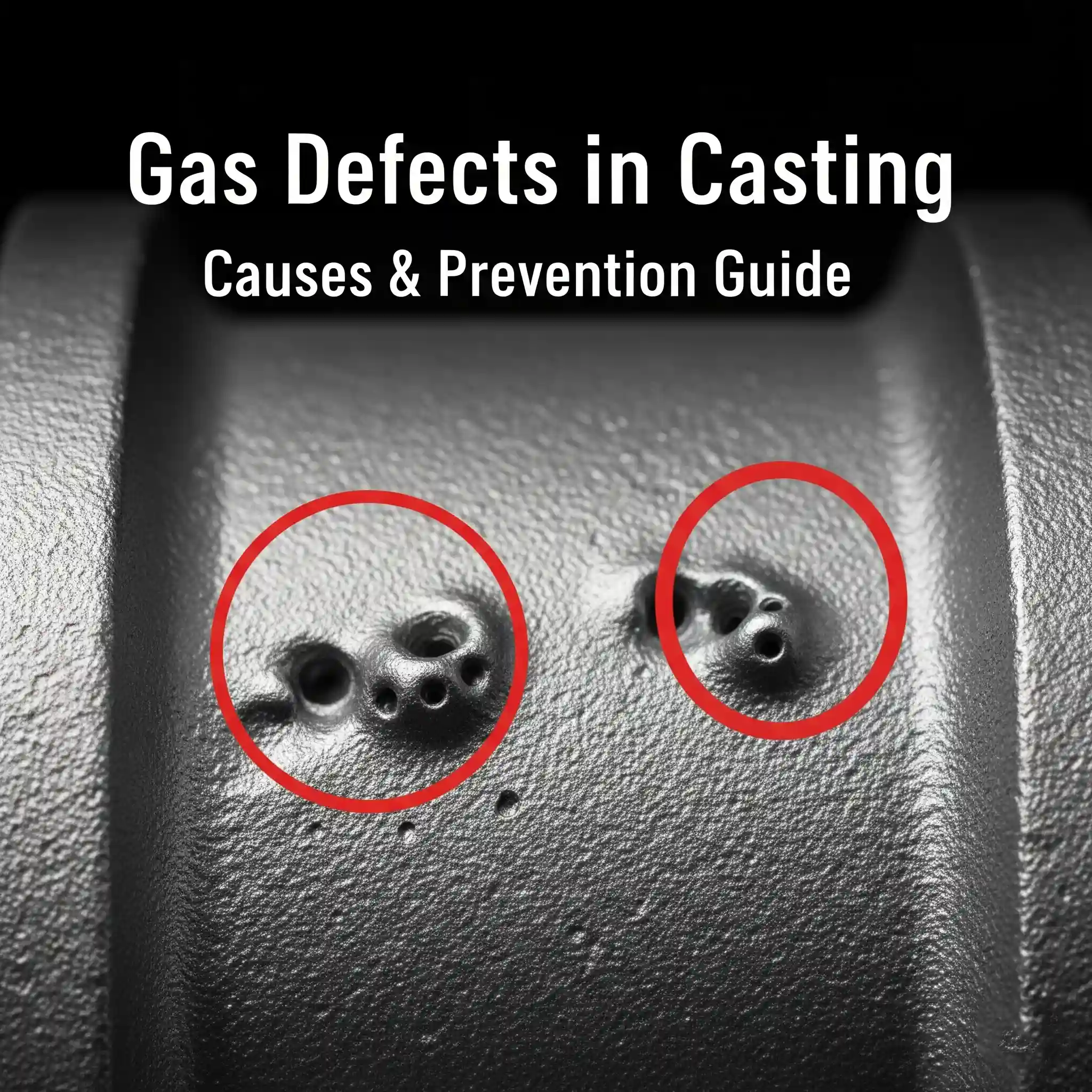
In the complex world of precision casting, gas defects are one of the most common casting defects and can be…
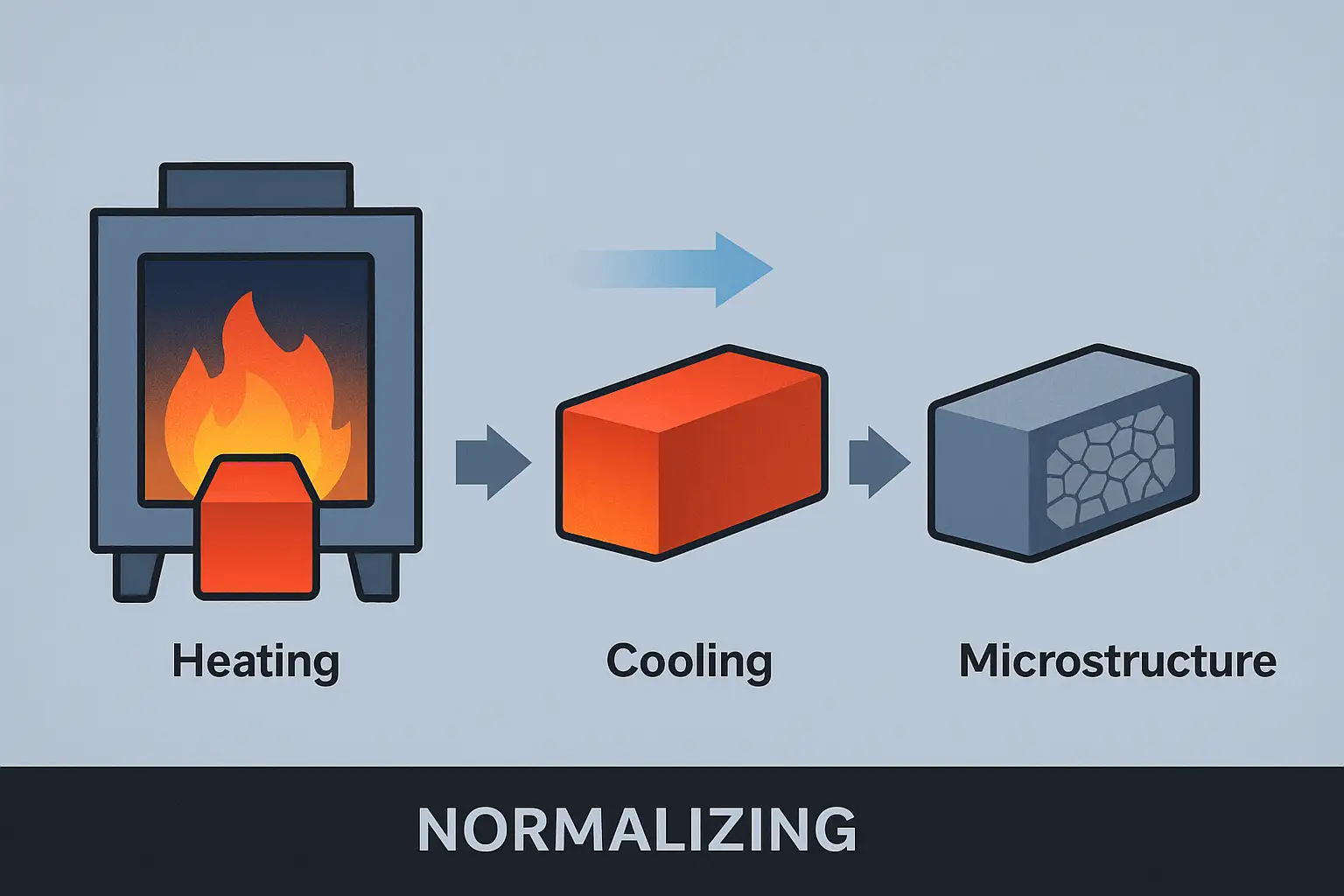
Heat treatment is an important process for improving metal properties. This article introduces four common methods—annealing, normalizing, quenching, and tempering—explaining…
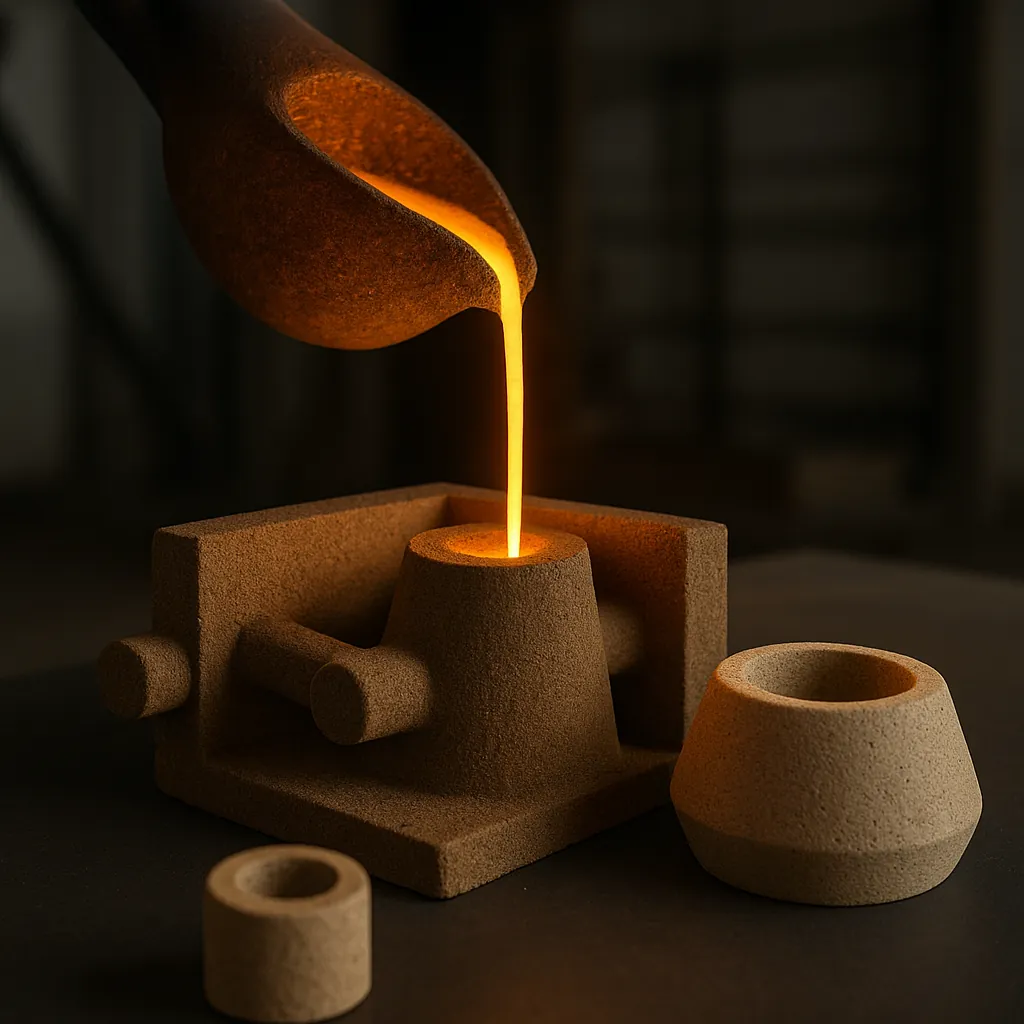
Discover the essentials of core making in sand casting—from common core types and manufacturing processes to practical design tips that…
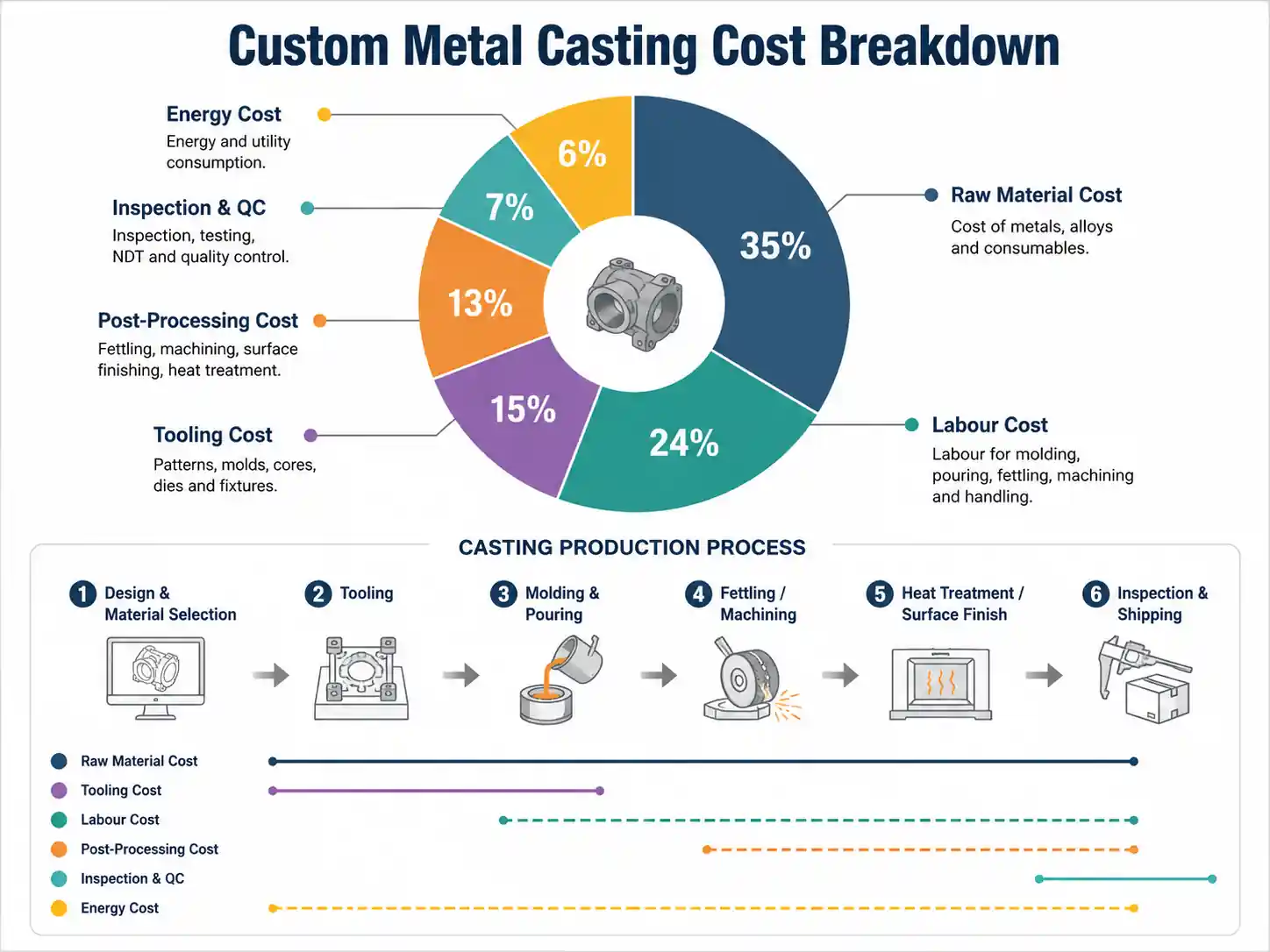
Discover the often-overlooked factors that influence custom metal casting costs—from material choice and design complexity to machining, tolerances, and logistics.…
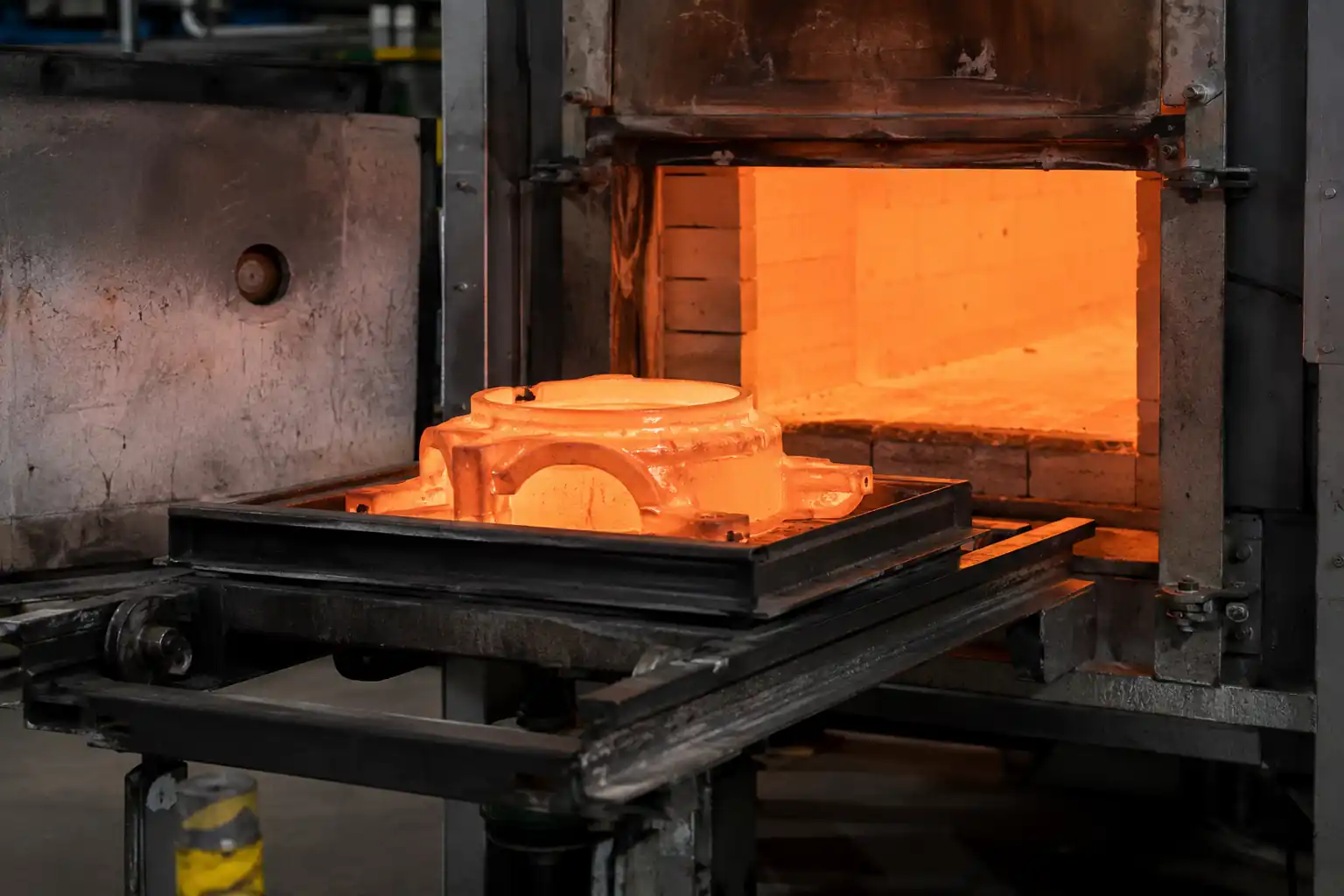
Discover why heat treatment after casting is critical for performance. This guide explains key methods and how they apply to…
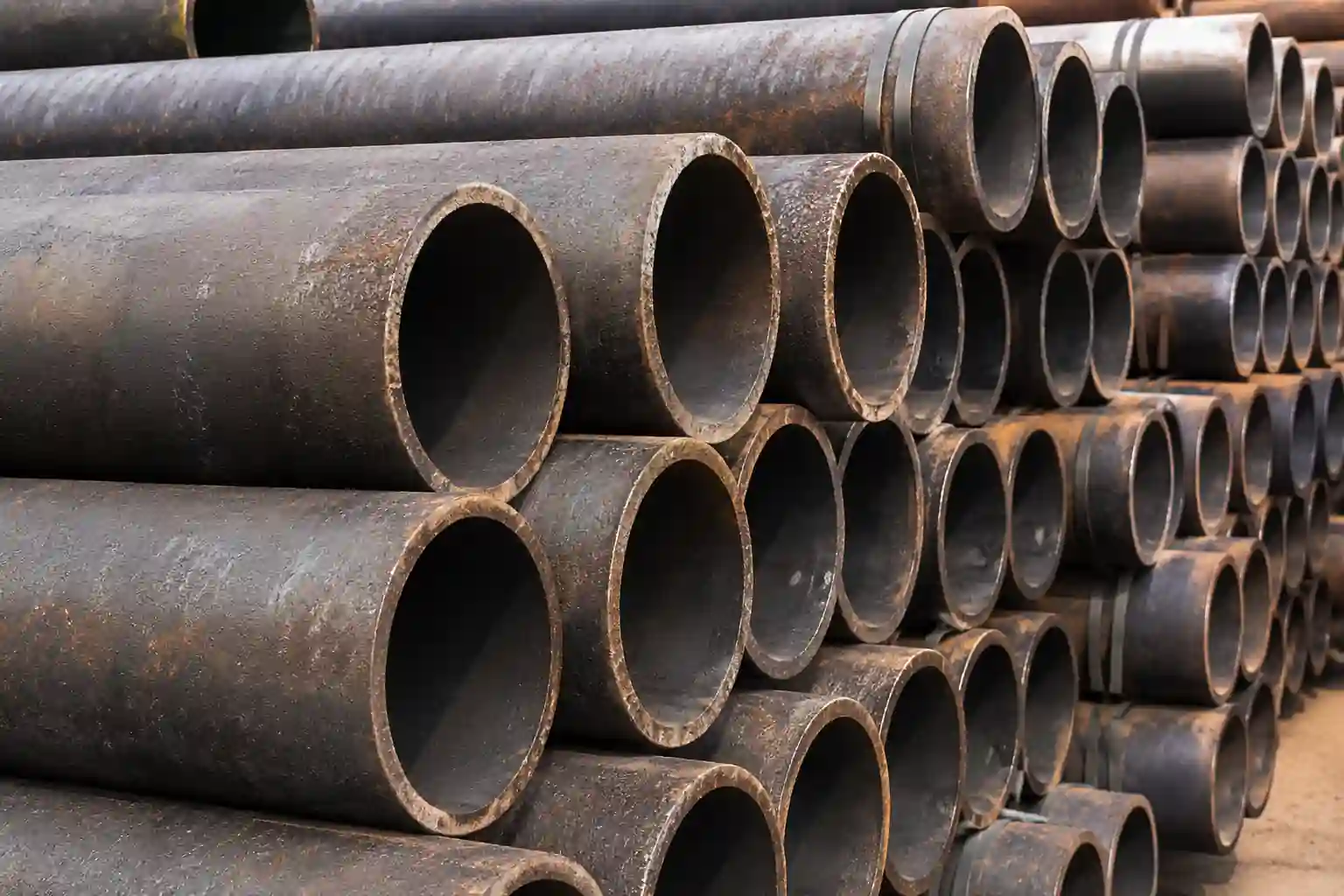
Compare gray and ductile iron in terms of microstructure, strength, vibration damping, and cost to choose the right material for…
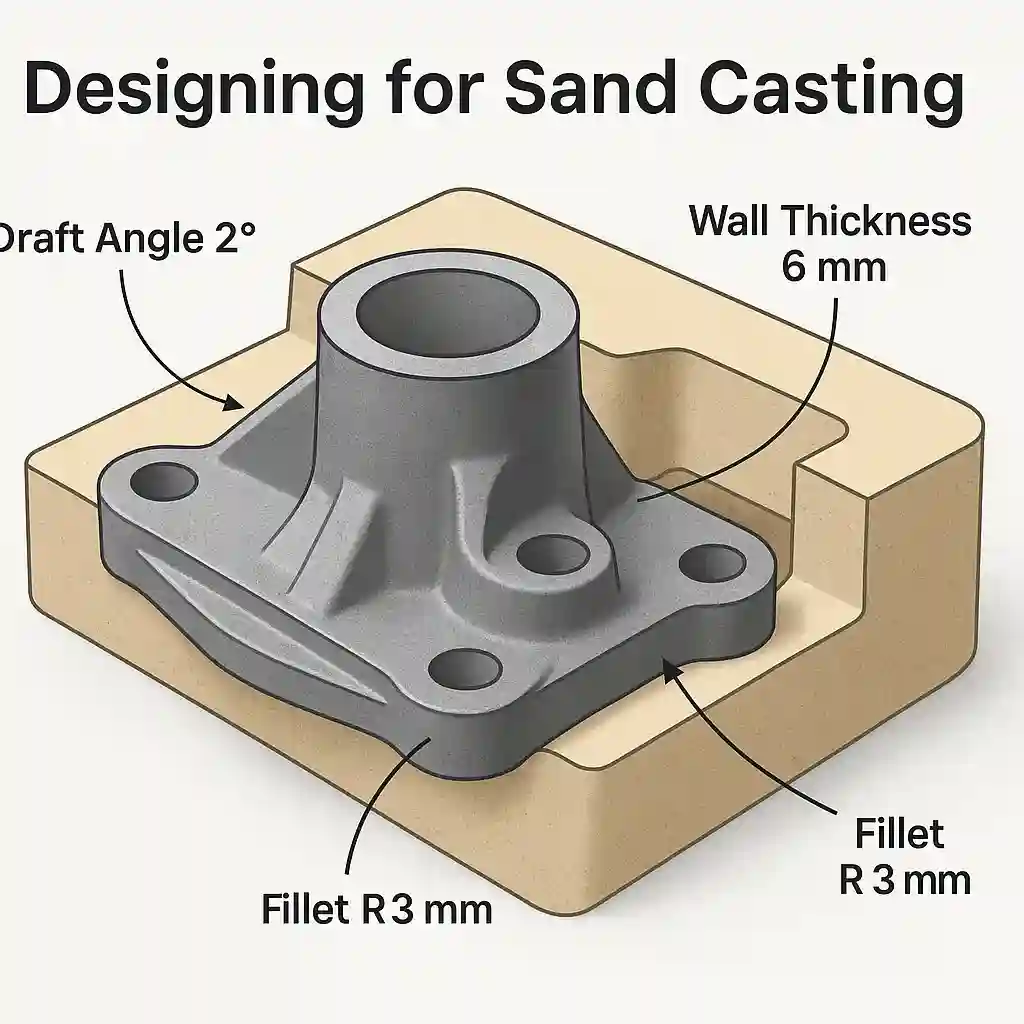
Learn key principles for designing castings for sand molds, including wall thickness, draft angles, and defect prevention. Ideal for engineers…
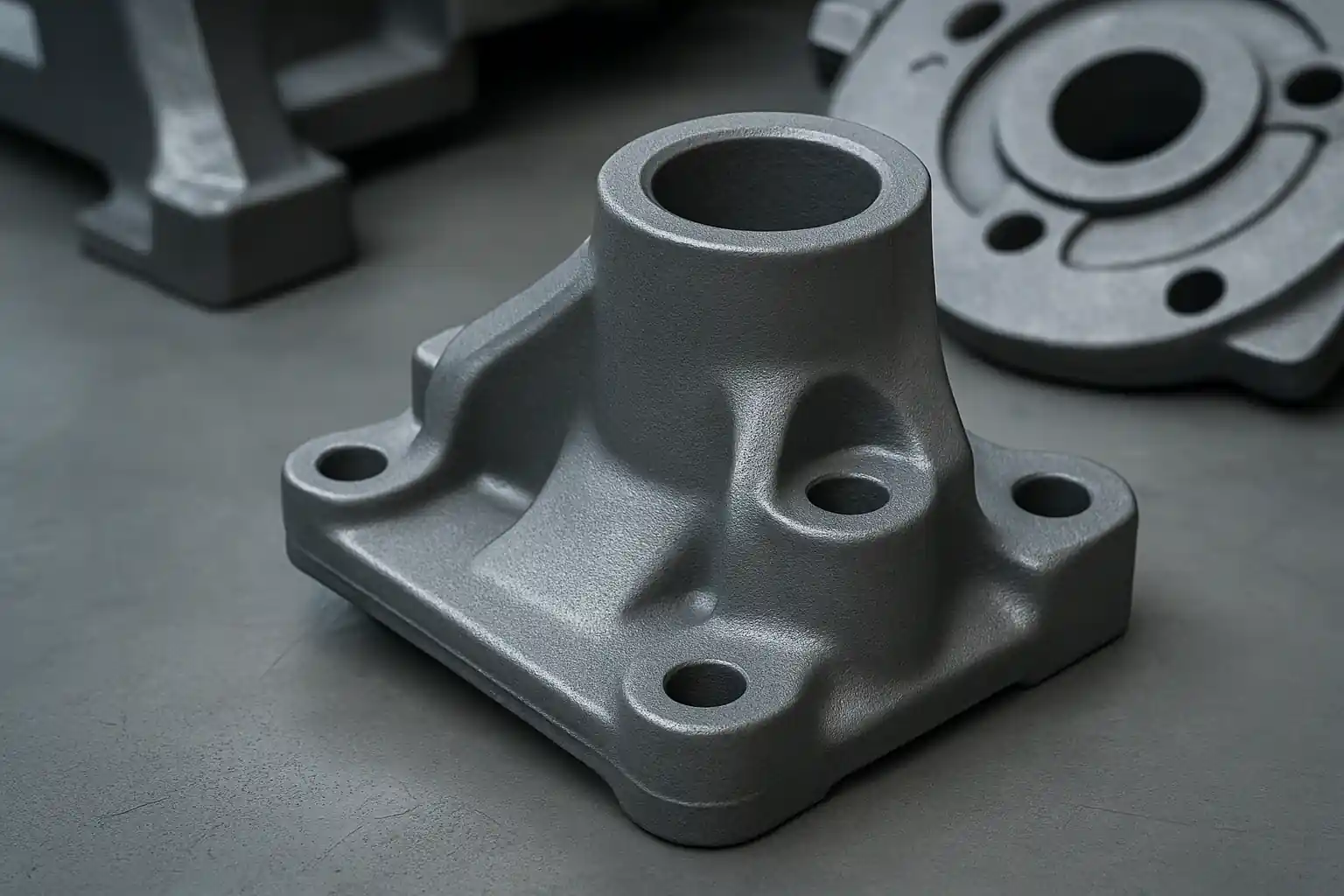
Discover why sand casting remains the top choice for large, complex metal parts—offering unmatched flexibility, low tooling costs, and compatibility…

Learn how to manage tolerances in aluminum castings, from process selection to machining allowances. Practical tips to balance precision, cost,…
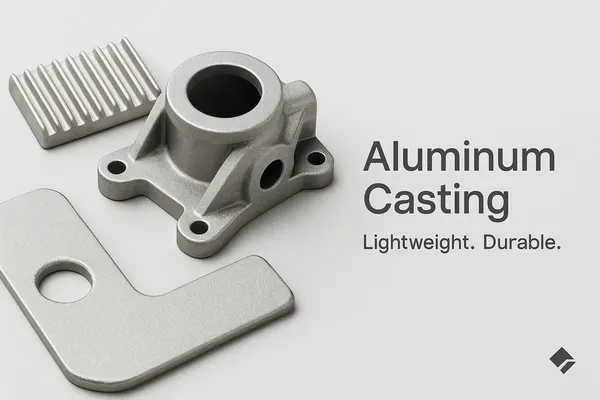
Discover how aluminum casting delivers strength, lightness, and precision across industries—from engine parts to electronics.
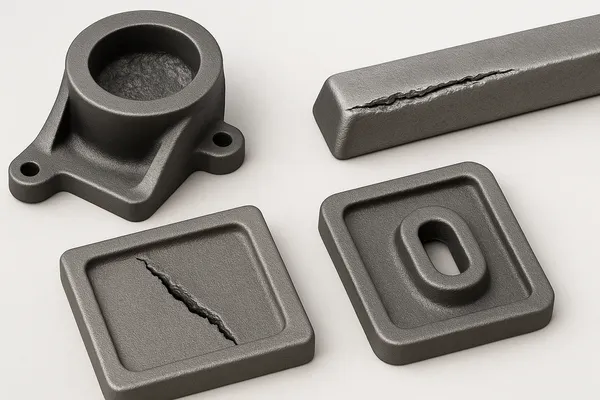
Discover the causes and solutions for the most common casting defects, from gas porosity to thermal cracks, and how to…
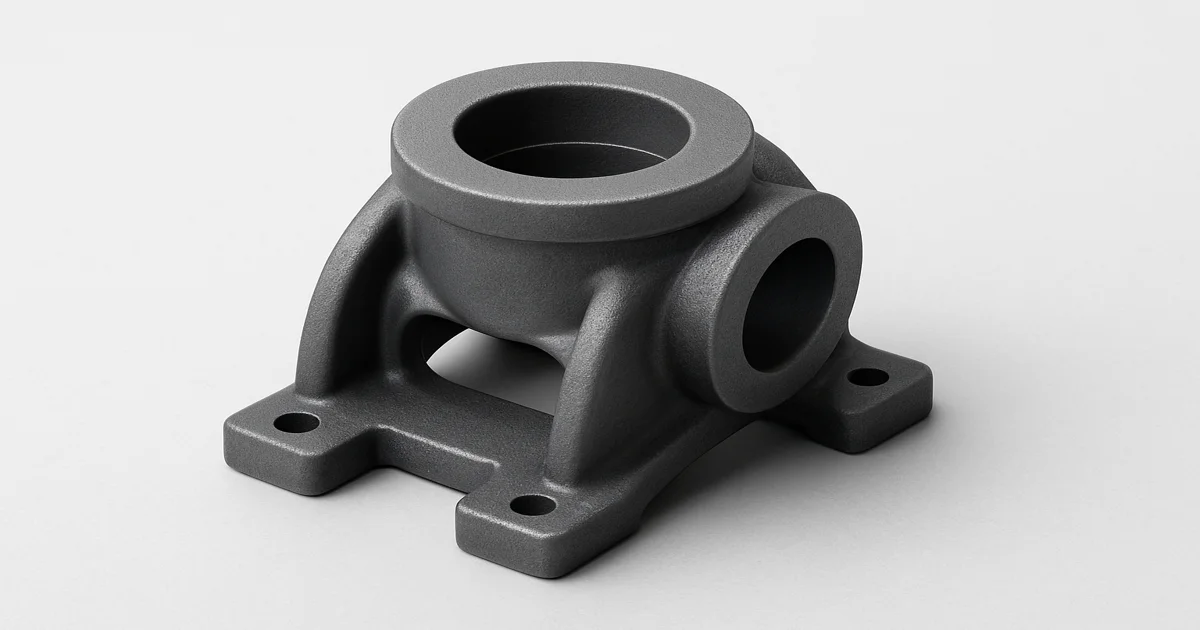
Explore the key types and properties of cast steel—an ideal material for high-strength, customizable components in demanding environments.
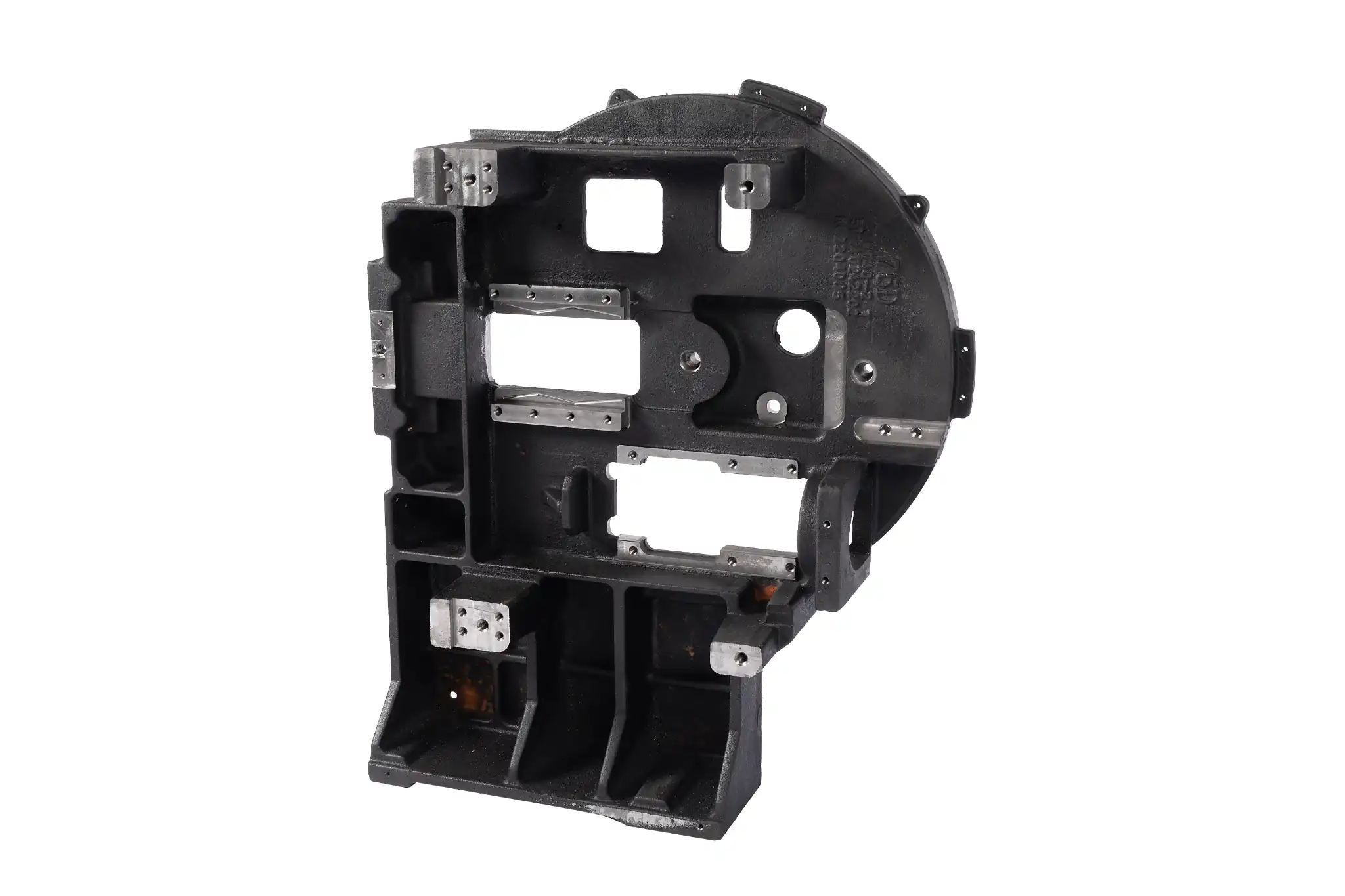
Discover the five main types of cast iron and their unique properties, from gray to ductile to compacted graphite iron.…
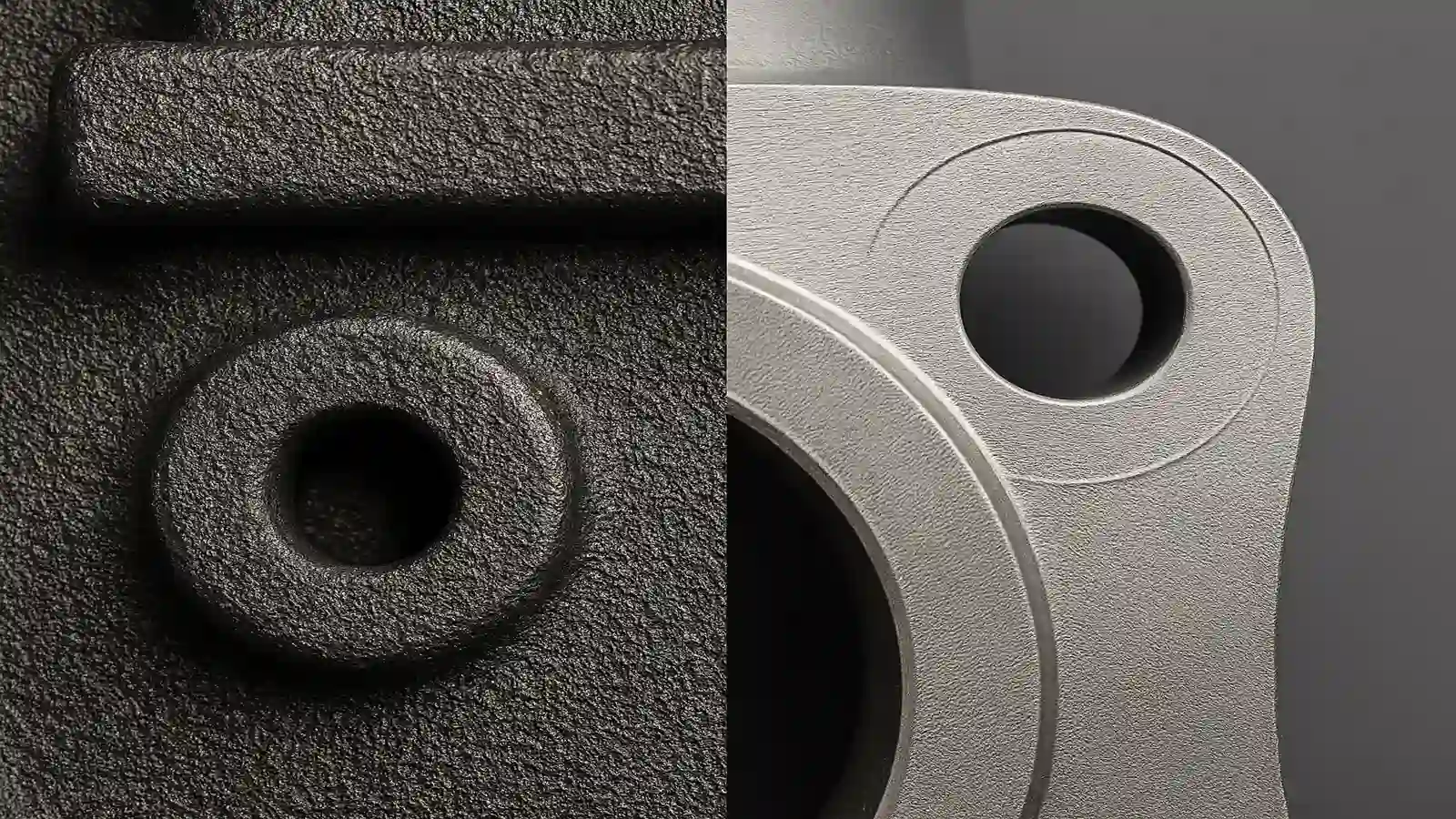
Cast iron and cast steel are both essential materials in industrial manufacturing — but which is best for your needs?…
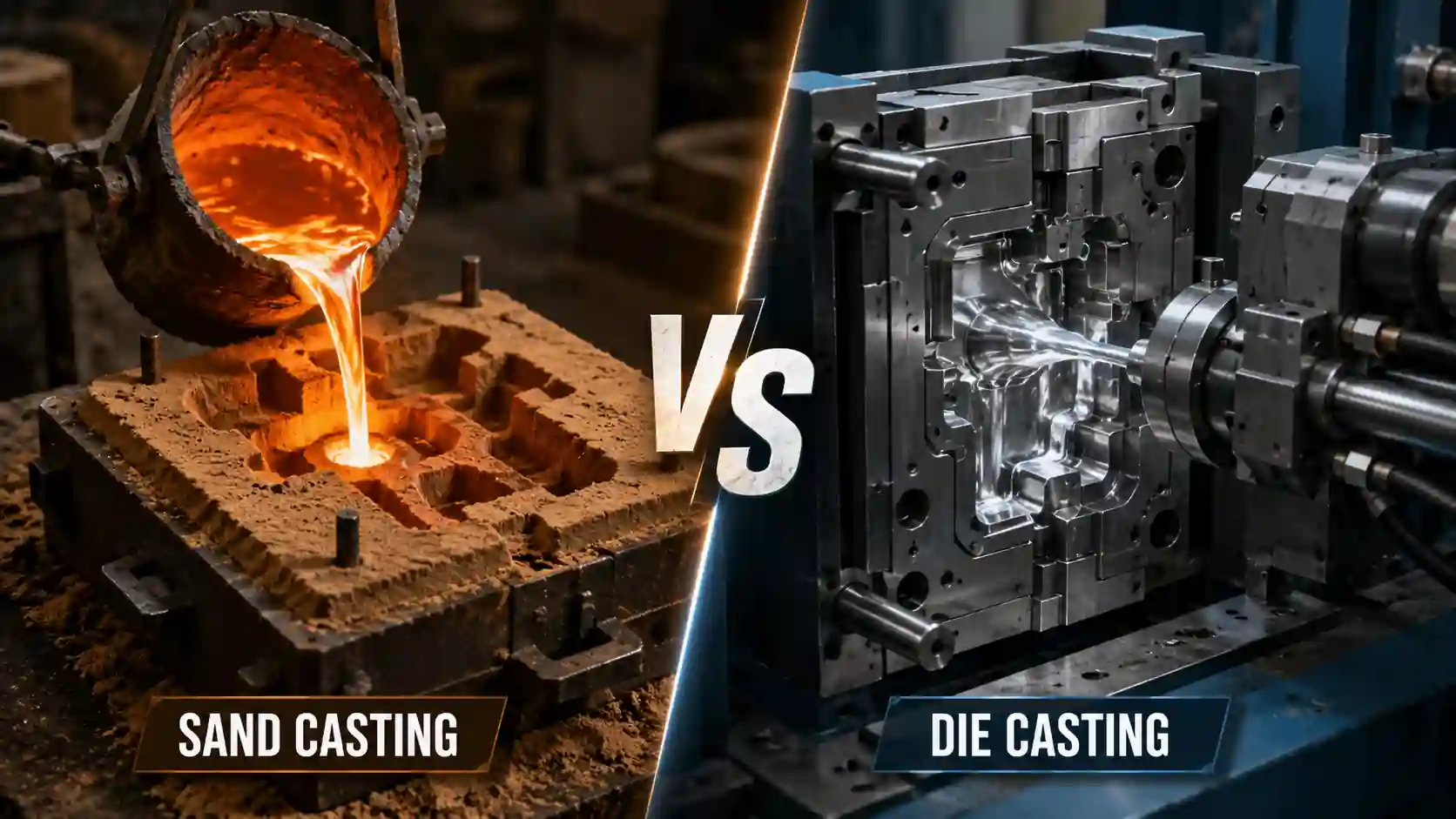
Sand casting and die casting are both widely used in metal parts manufacturing, but they differ clearly in tooling cost,…
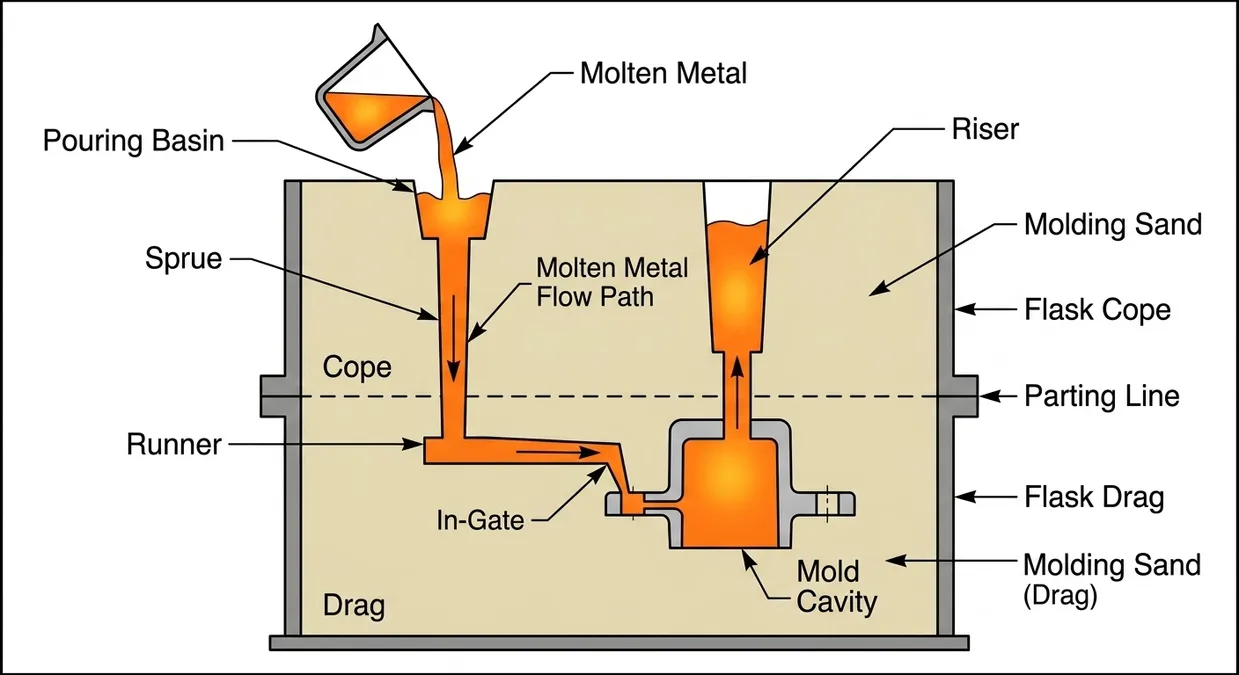
Sand casting is a highly flexible and cost-effective method for producing metal parts of all sizes. This guide explains how…
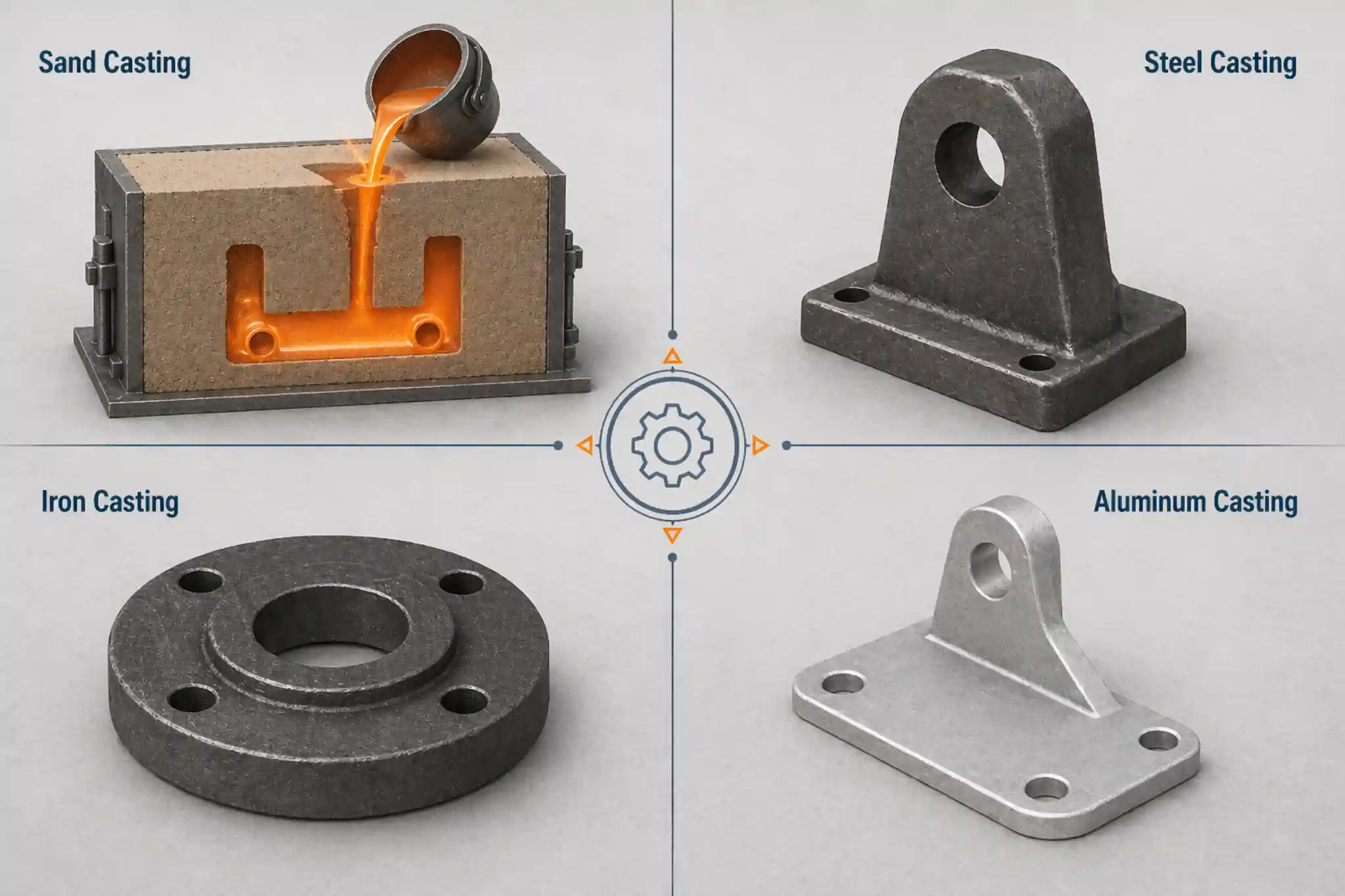
Explore the differences between sand casting, steel casting, iron casting, and aluminum casting. Understand each method’s strengths, limitations, and ideal…
Services
Get a Quote