


Selecting the right metal is a critical step in any casting project. The material affects not only the final mechanical performance of the part, but also the available casting process, post-casting treatment, dimensional control, and overall production cost. This guide reviews common industrial casting metals and explains how their physical properties and application requirements influence material selection.
How to Define Your Engineering Requirements
Material selection should begin with a clear understanding of the working conditions of the part. Engineers need to consider mechanical requirements such as tensile strength, yield strength, wear resistance, and impact performance. Environmental factors are also important, including temperature changes, chemical exposure, humidity, seawater, and long-term corrosion risk.
Production volume is another key factor. A metal that works well for low-volume sand casting prototypes may not be suitable for high-volume die casting because of melting temperature, mold wear, fluidity, or tooling cost. For this reason, material selection should always be evaluated together with the intended casting process.
Main Metal Material Systems Used in Casting
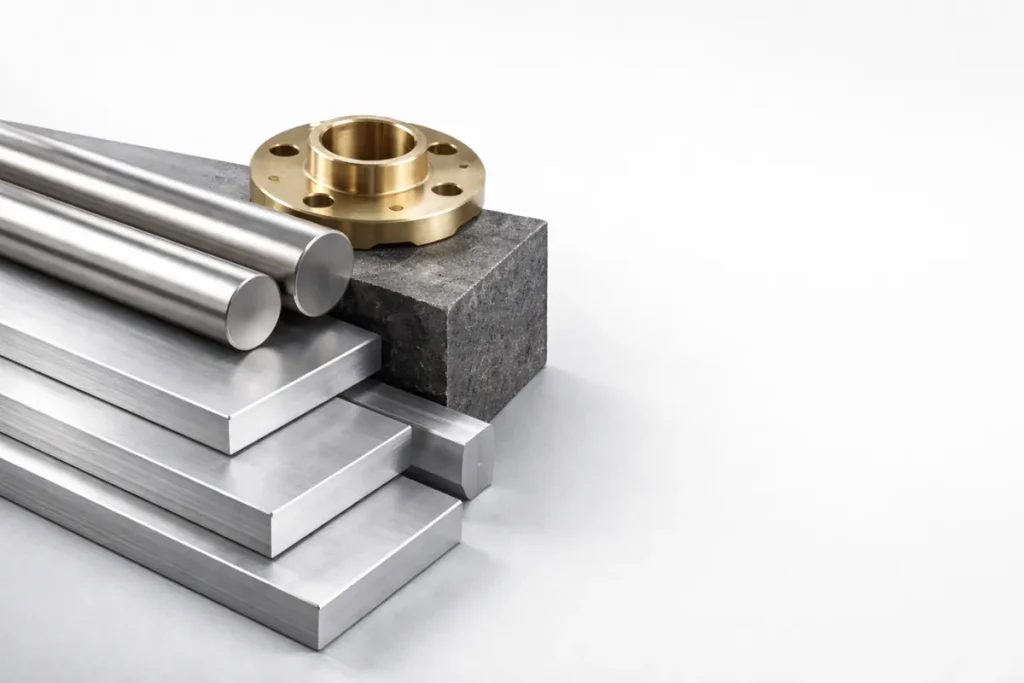
Modern casting materials are selected not only for strength, but also for weight reduction, corrosion resistance, machinability, thermal performance, cost, and production stability. From lightweight aluminum parts to heavy-duty iron castings, each metal system has its own advantages and limitations.
Aluminum Alloys
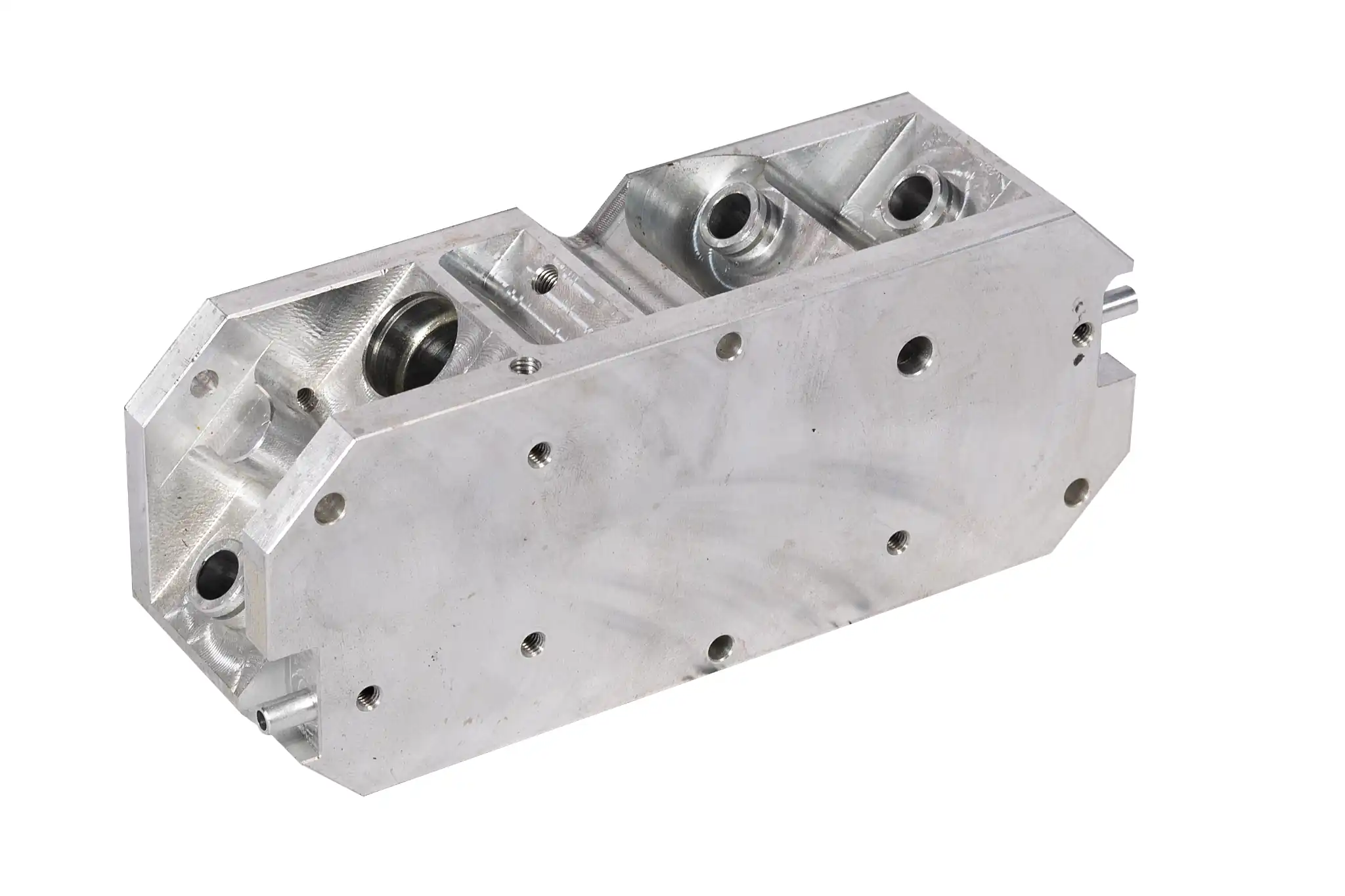
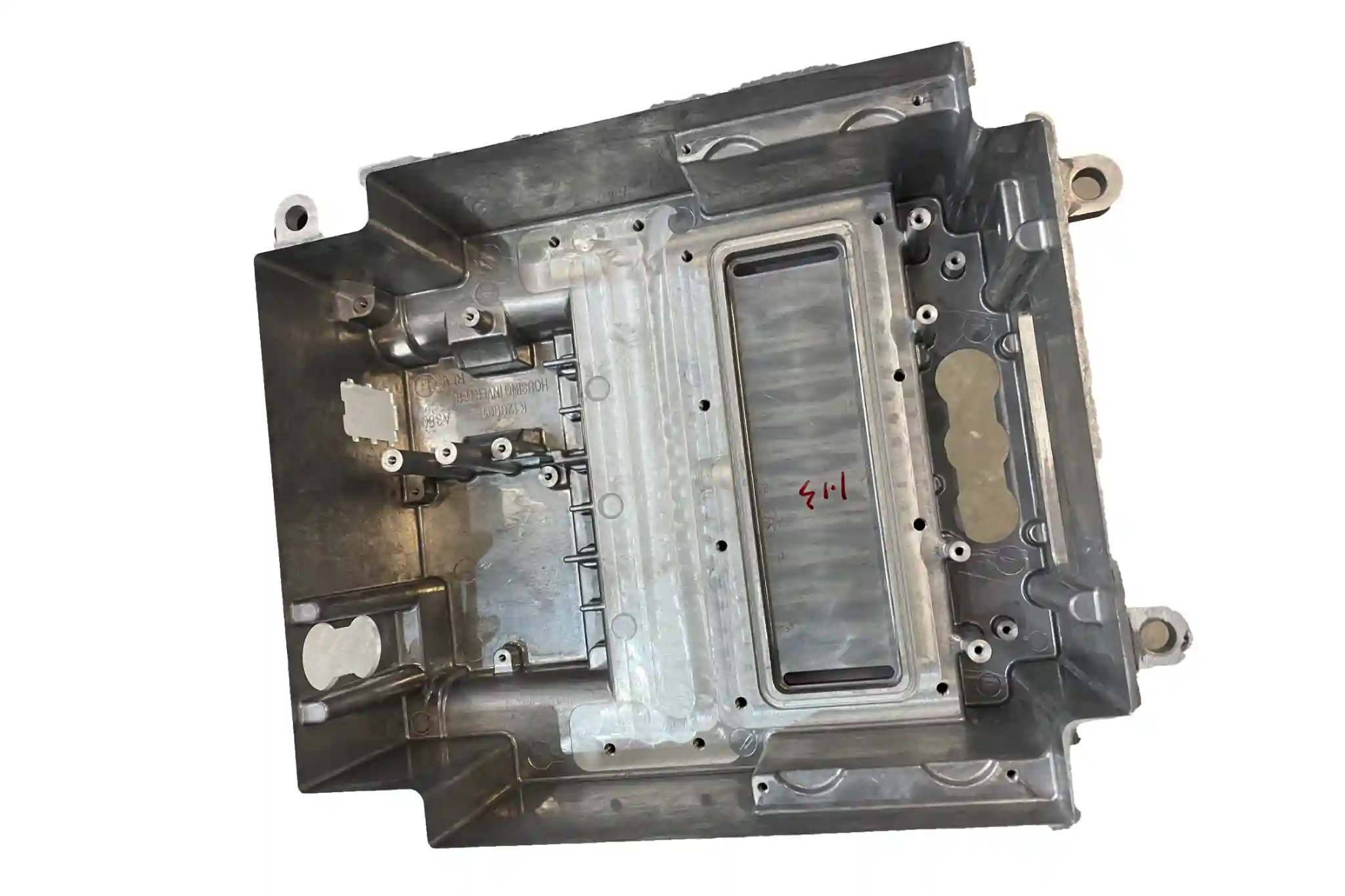
Aluminum is one of the most widely used non-ferrous metals in modern casting. It offers a good strength-to-weight ratio, good thermal conductivity, and excellent process flexibility. Aluminum alloys also form a natural oxide layer, which gives them reasonable resistance to atmospheric corrosion.
Because aluminum has a relatively low melting range compared with iron and steel, it is suitable for several casting methods, including low pressure casting, gravity casting, sand casting, and die casting.
Common grades: A380, A356, ADC12, AlSi7Mg, ZL101A
Key advantages: Lightweight, good thermal conductivity, good fluidity, good machinability
Typical applications: Automotive components, pump housings, motor housings, heat sinks, brackets, covers, and industrial equipment parts
Ferrous Metals
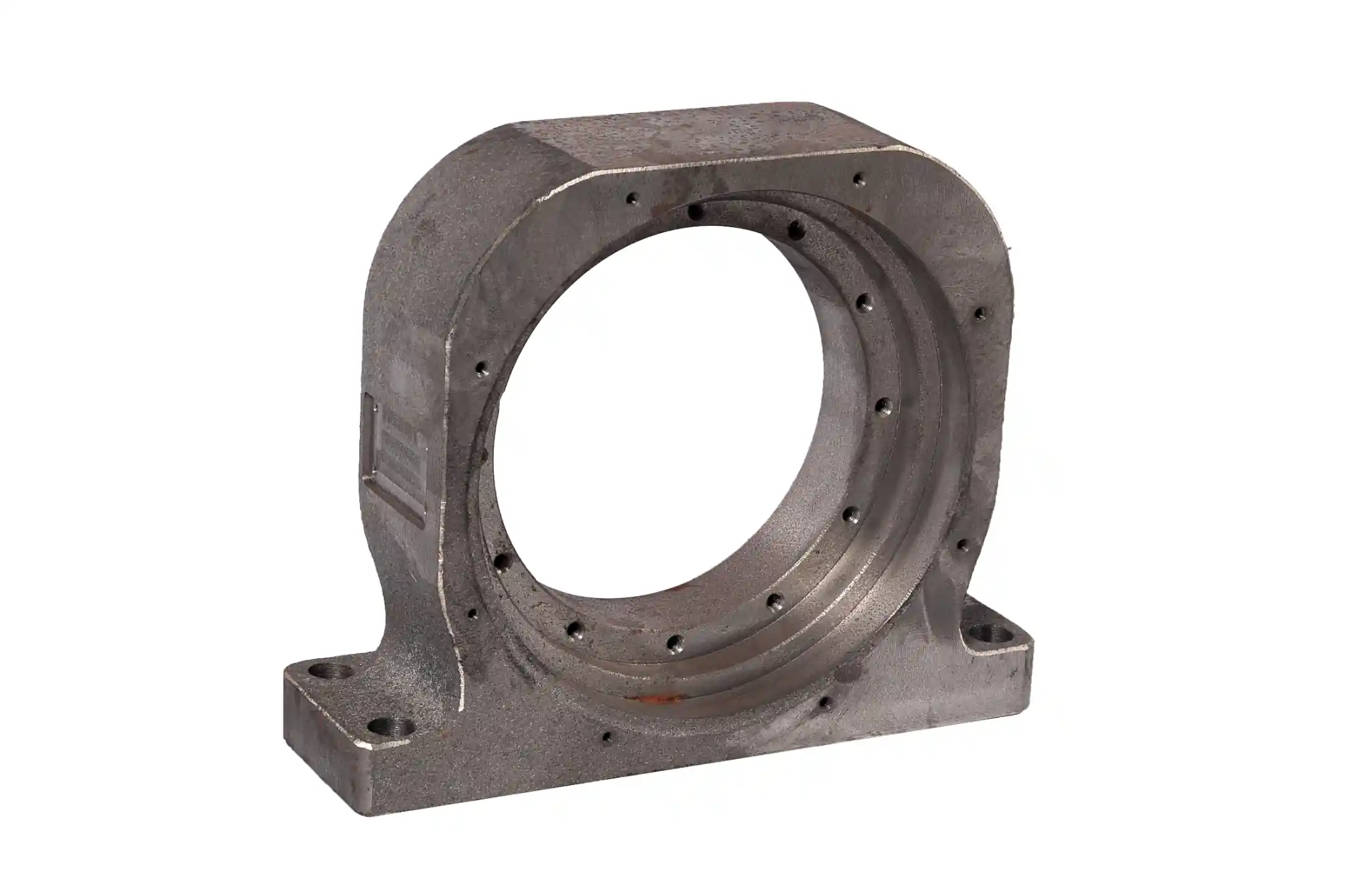
Ferrous metals remain important when cast parts require high structural strength, wear resistance, vibration damping, or heat resistance. Gray cast iron has excellent damping performance because of its flake graphite structure, making it suitable for machine bases and engine components. Ductile iron provides better strength and toughness because of its spheroidal graphite structure. Stainless steel is often selected for corrosive, high-temperature, or hygienic environments.
Common grades: Gray cast iron, ductile iron, cast steel, stainless steel 304, stainless steel 316L
Key advantages: High strength, good wear resistance, excellent damping performance, good heat resistance
Typical applications: Engine blocks, machine tool bases, hydraulic valve bodies, pump parts, chemical valves, marine components, and heavy machinery parts
Copper, Magnesium, and Zinc Alloys
Copper, magnesium, and zinc alloys are used when a casting requires special performance. Copper alloys offer good electrical conductivity, thermal conductivity, corrosion resistance, and anti-friction performance. Magnesium is one of the lightest structural metals and is used when weight reduction is critical. Zinc alloys have excellent fluidity and are suitable for thin-wall, small, and highly detailed parts.
Common grades: Aluminum bronze C95800, magnesium alloy AZ91D, zinc alloy Zamak 3, Zamak 5
Key advantages: Electrical and thermal conductivity, lightweight performance, thin-wall castability, corrosion resistance
Typical applications: Bearings, bushings, marine hardware, handheld device housings, precision connectors, decorative hardware, and small mechanical components
How Material Selection Affects Casting Process Choice
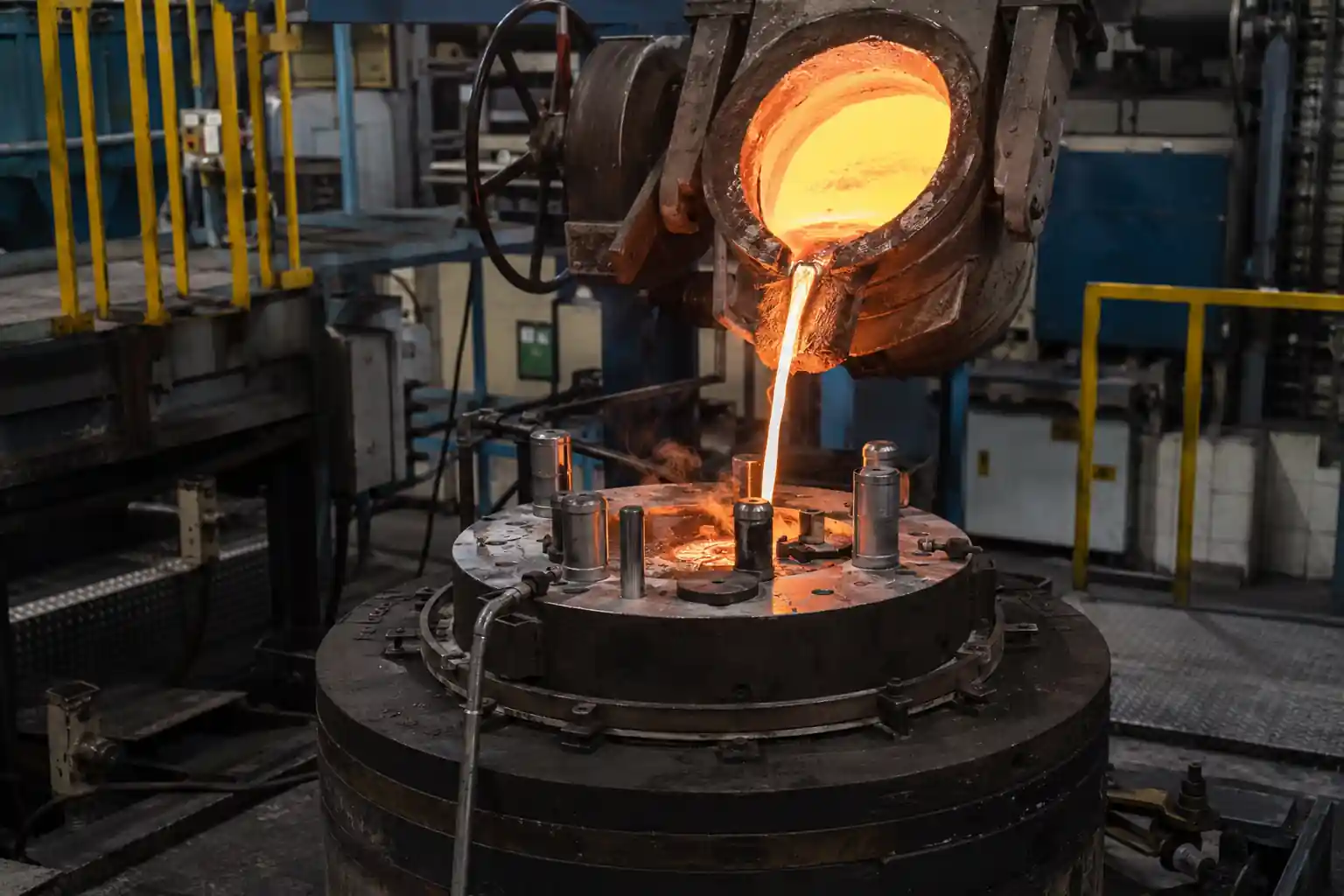
A common mistake in project planning is selecting a metal without considering whether it is suitable for the intended casting process. Fluidity, melting temperature, shrinkage behavior, oxidation tendency, and mold compatibility all influence the final process choice.
High Pressure Die Casting Compatibility
High pressure die casting requires metals with good fluidity and relatively low melting temperatures. This allows molten metal to fill complex steel dies at high speed without excessive mold wear. Aluminum, zinc, and magnesium alloys are the most common choices. Zinc alloys are especially suitable for very thin walls, small features, and high-volume precision parts.
Low Pressure and Gravity Casting Compatibility
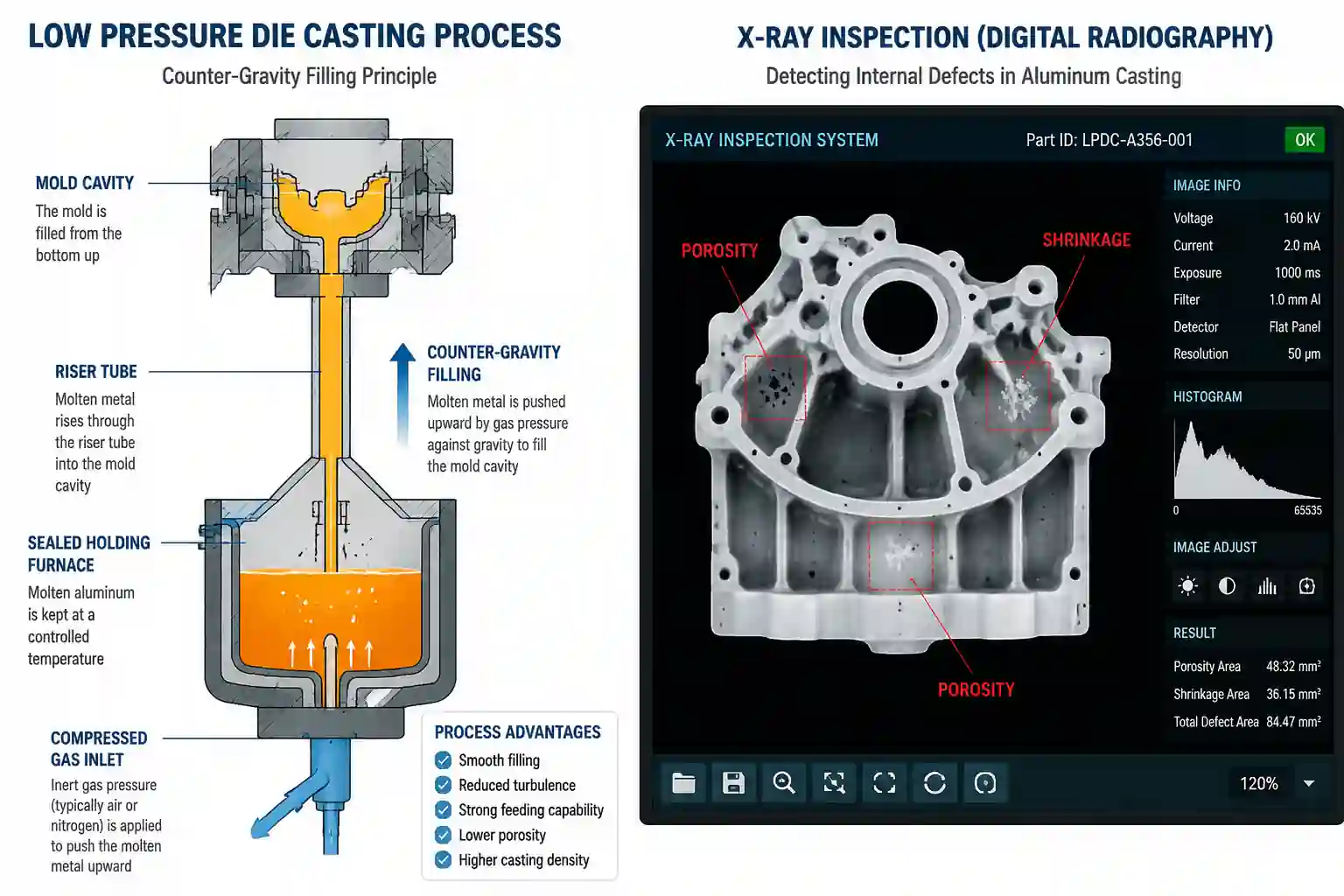
Low pressure casting and gravity casting are commonly used for aluminum parts that require better feeding control, lower turbulence, pressure-tight performance, or improved internal quality compared with high-speed die casting. These processes are often used for aluminum housings, pump parts, wheels, brackets, covers, and structural components where dimensional stability and machining allowance must be controlled.
Sand Casting Compatibility
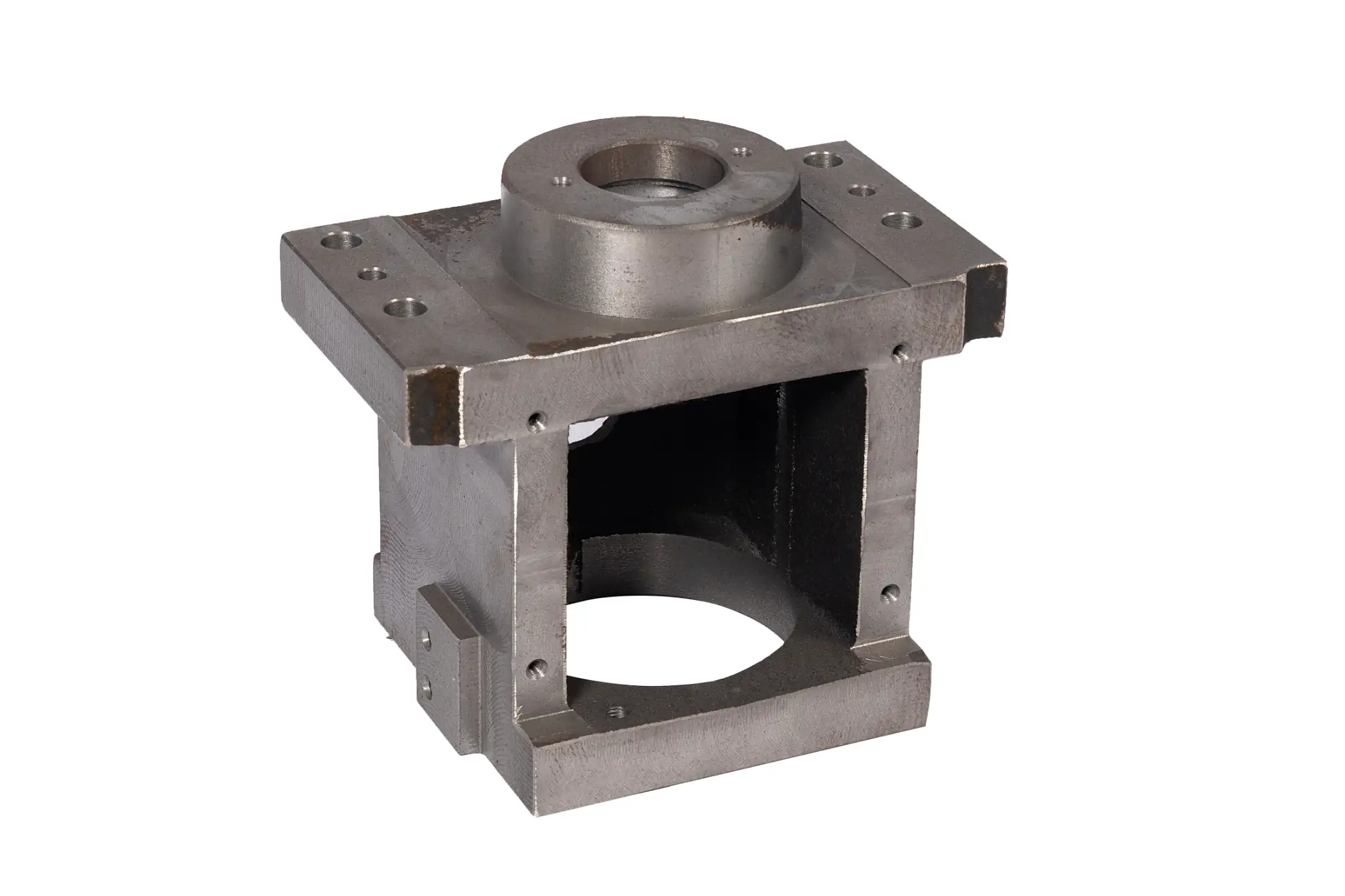
Sand casting is suitable for a wide range of metals, including cast iron, cast steel, aluminum alloys, brass, bronze, and stainless steel. It is often selected for large castings, low-volume production, replacement parts, and complex geometries that require flexible tooling. The process has lower tooling cost than permanent mold processes, but surface finish and dimensional accuracy are usually less precise.
Investment Casting Compatibility
Investment casting, also known as lost wax casting, is suitable for parts that require high dimensional accuracy and near-net-shape surface quality. Because it uses ceramic molds instead of steel dies, it can process high-melting-point metals such as stainless steel, alloy steel, and other specialty alloys. It is commonly used for small and complex components requiring fine detail.
Comparison of Common Casting Metals
| Metal Category | Main Advantages | Typical Applications | Common Grades |
|---|---|---|---|
| Aluminum alloys | Lightweight, good thermal conductivity, good fluidity | Automotive parts, housings, heat sinks, brackets | A380, A356, ADC12, AlSi7Mg |
| Ductile iron | Strength, toughness, cost efficiency | Hydraulic valves, suspension parts, machinery components | QT450, QT600 |
| Gray cast iron | Vibration damping, wear resistance, cost efficiency | Engine blocks, machine bases, brake parts | HT200, HT250 |
| Stainless steel | Corrosion resistance, heat resistance, long service life | Chemical valves, marine parts, food equipment | 304, 316L |
| Magnesium alloys | Very lightweight, good damping performance | Handheld housings, automotive lightweight parts | AZ91D, AM60B |
| Zinc alloys | Low melting point, excellent thin-wall castability | Connectors, hardware, decorative parts | Zamak 3, Zamak 5 |
| Copper alloys | Conductivity, wear resistance, corrosion resistance | Bearings, bushings, marine hardware | C84400, C95800 |
How to Choose the Most Suitable Metal
The final material choice should be based on the most important performance requirement of the part. In most casting projects, the decision is driven by weight, strength, corrosion resistance, thermal performance, cost, or production volume.
Lightweight and Thermal Management
If weight reduction or thermal conductivity is the main requirement, aluminum alloys and magnesium alloys are common choices. Aluminum alloys are widely used for housings, covers, heat sinks, motor parts, and automotive components because they offer a good balance between weight, castability, machinability, and cost.
Strength and Load-Bearing Performance
For parts exposed to high loads, vibration, wear, or pressure, ductile iron, cast steel, and stainless steel are often considered. Ductile iron provides a strong balance between mechanical performance and cost, while cast steel can be used when higher toughness or impact resistance is required.
Corrosion Resistance and Service Life
For parts exposed to seawater, chemicals, humidity, or high-temperature environments, stainless steel and copper alloys may provide better long-term performance. Although these materials may have higher initial costs, they can reduce maintenance, replacement frequency, and failure risk in demanding environments.
Key Physical Properties of Common Casting Metals
| Material System | Common Grades | Typical Melting Range (°C) | Typical Linear Shrinkage (%) | Core Advantages |
|---|---|---|---|---|
| Aluminum alloys | A380, A356 | A356: 555–615; A380: about 538–593 | 1.0–1.3 | Lightweight, good thermal conductivity, good machinability, good fluidity |
| Magnesium alloys | AZ91D | About 596 | 1.1–1.5 | Very lightweight, good damping performance, suitable for lightweight structures |
| Ductile iron | QT450, QT600 | 1150–1200 | 0.8–1.2 | Strong structure, good toughness, high load-bearing capacity |
| Stainless steel | 304, 316L | 304/304L: 1400–1450; 316/316L: 1375–1400 | 2.0–2.5 | Excellent corrosion resistance, heat resistance, wear resistance, and long service life |
Note: Linear shrinkage values are typical casting design references used for pattern, wax, or mold compensation. Actual values vary depending on casting process, section thickness, alloy specification, feeding design, mold material, and production parameters.
Conclusion
The right casting metal should balance performance, process compatibility, cost, and production requirements. A clear understanding of the main design constraint—whether it is weight, strength, corrosion resistance, thermal performance, or cost—is the basis for successful material selection.
For custom casting projects, material selection should be reviewed together with casting process, part geometry, tolerance requirements, machining allowance, surface finishing, and inspection standards. If you are unsure which metal or casting process is most suitable for your project, our engineering team can help review drawings, material requirements, and application conditions to support a practical manufacturing solution.