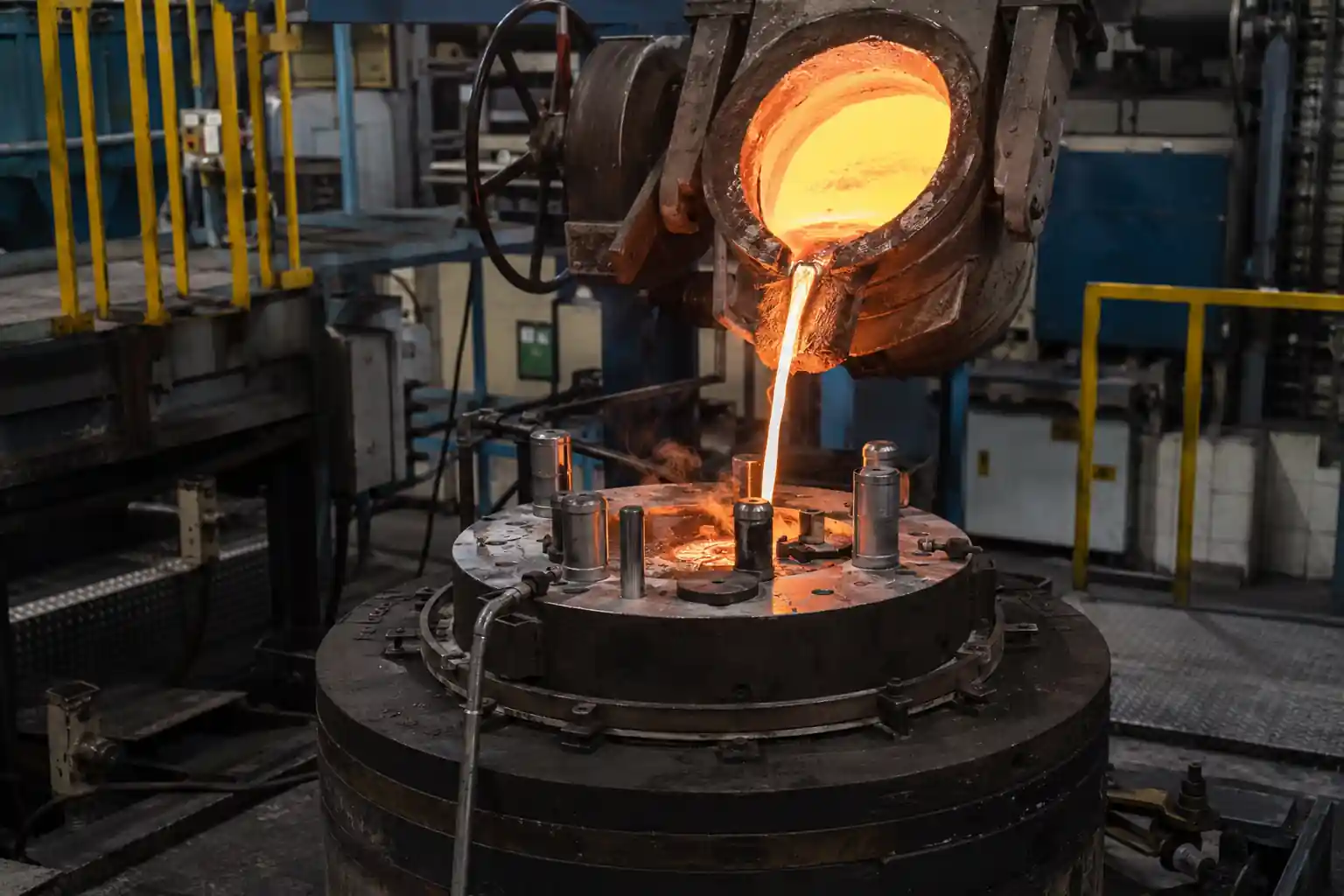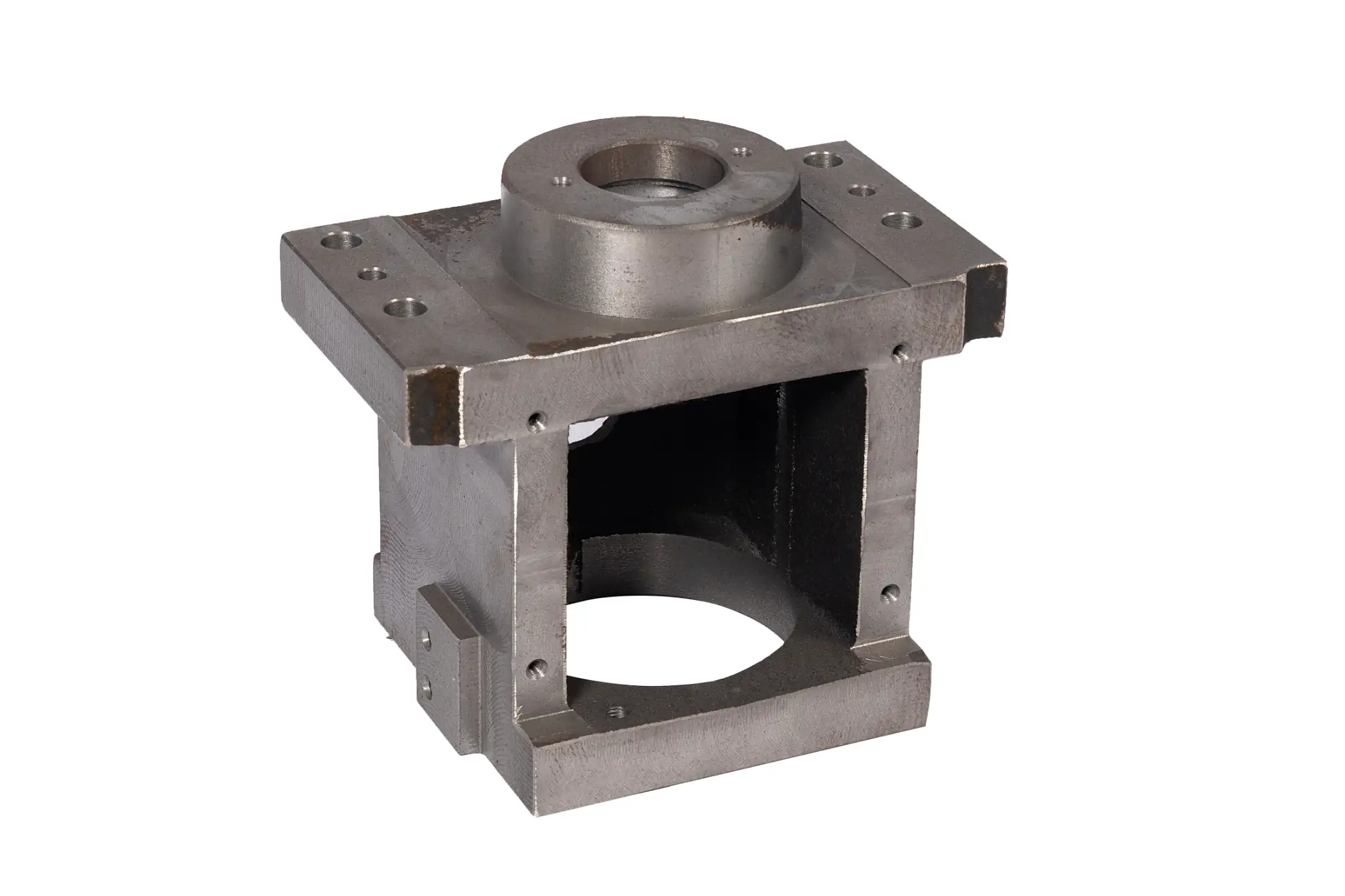



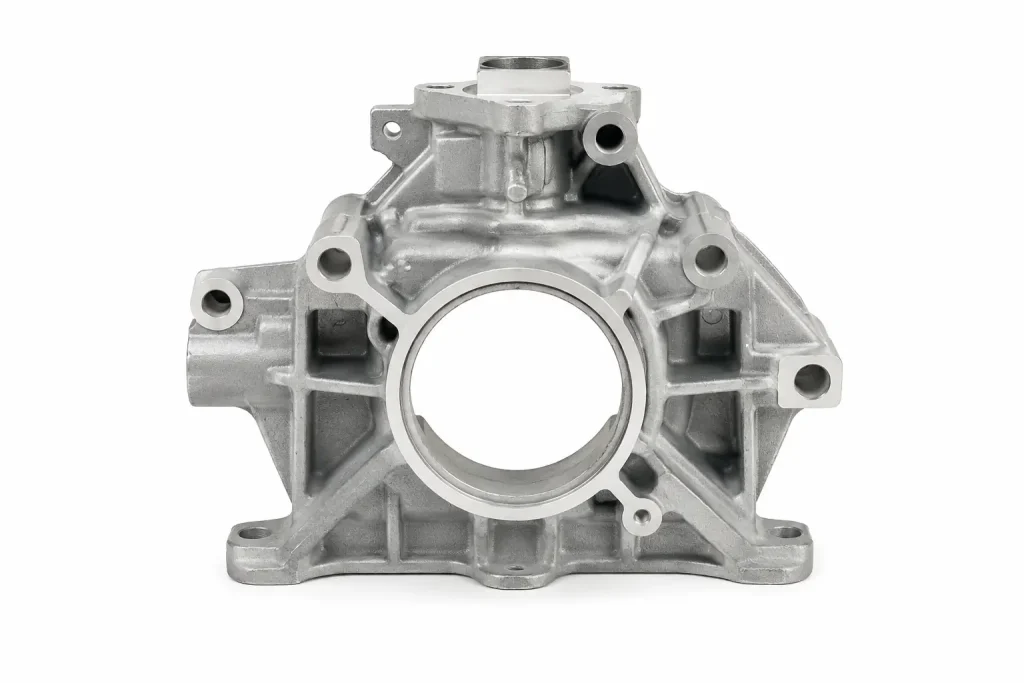
Prototype casting serves as a crucial bridge between initial design concepts and full-scale manufacturing. By producing metal components using casting processes before committing to permanent production tooling, engineering and product development teams can validate structural integrity, material properties, machining allowances, and manufacturing feasibility. This guide explores the fundamentals of prototype casting, common methods, and the key factors to consider when selecting the right approach for your project.
What Is Prototype Casting?
Prototype casting involves producing a limited number of metal parts or early-stage test components using casting techniques. Unlike rapid prototyping methods focused primarily on visual form—such as plastic 3D printing—or purely machined metal samples, prototype castings mimic the material state, wall thickness, internal structure, and casting-specific characteristics of the final production part.
Whether you are producing a single cast prototype for validation or a small batch of castings to test assembly viability, these components provide realistic data regarding potential casting defects, shrinkage, and the actual machining allowances required for finished production parts.
Benefits of Prototype Casting
Engineering and procurement teams leverage prototype casting to reduce risk and verify real-world metal performance.
Closer to the Final Casting Process
If your final production part is intended for casting, prototype casting provides a more accurate representation of the material grain and structure than a fully machined part. It allows teams to observe how the alloy behaves within a cast environment.
Better Design Verification
These prototypes allow engineers to check critical design elements like wall thickness, draft angles, ribs, and assembly surfaces. Verifying these features early ensures the geometry is functional and viable for the foundry process.
Functional Testing with Real Metal Parts
When a part must withstand specific loads, thermal stress, pressure, or fluid containment, a cast metal sample is far more representative than a plastic model or a block-machined part. It enables testing under realistic operating conditions.
Useful for Low-Volume Production
For niche market requirements or high-value industrial equipment, small batch casting or low-volume casting may serve as the final production strategy. This approach delivers functional parts without the capital expenditure of permanent production molds.
Common Prototype Casting Methods
Selecting the right method depends on the project’s specific requirements regarding part size, quantity, material, geometry, and cost.
| Method | Suitable Quantity | Typical Materials | Main Advantages | Limitations |
| Sand Casting | 1–50+ | Al, Iron, Steel, Copper | Flexible, low tooling cost | Rougher surface finish |
| Gravity Casting | 10–200+ | Aluminum Alloys | Good surface/mechanicals | Moderate tooling investment |
| Investment Casting | 1–100+ | All alloys | High complexity, fine detail | Higher cost and lead time |
| 3D Printed Pattern | 1–20 | Any castable metal | Fastest for complex shapes | Post-processing required |
Sand Casting Prototypes
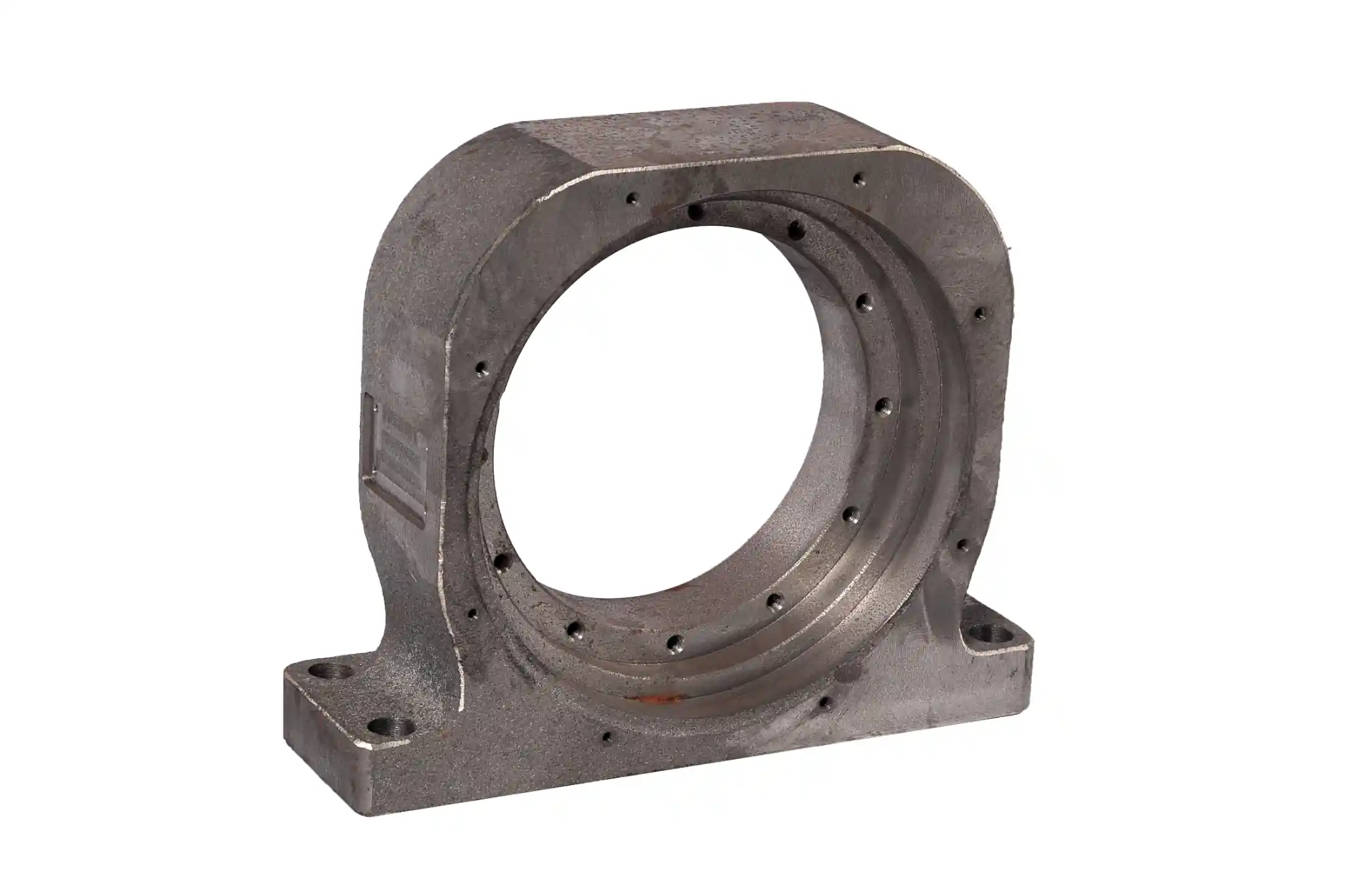
Sand casting is a flexible option for larger components, structural frames, and low-quantity requests. It supports a wide range of materials, including aluminum, cast iron, steel, and copper alloys. While it offers a cost-effective way to produce initial samples with manageable pattern costs, it generally results in a rougher surface finish and lower dimensional accuracy compared to precision methods.
Gravity Casting Prototypes
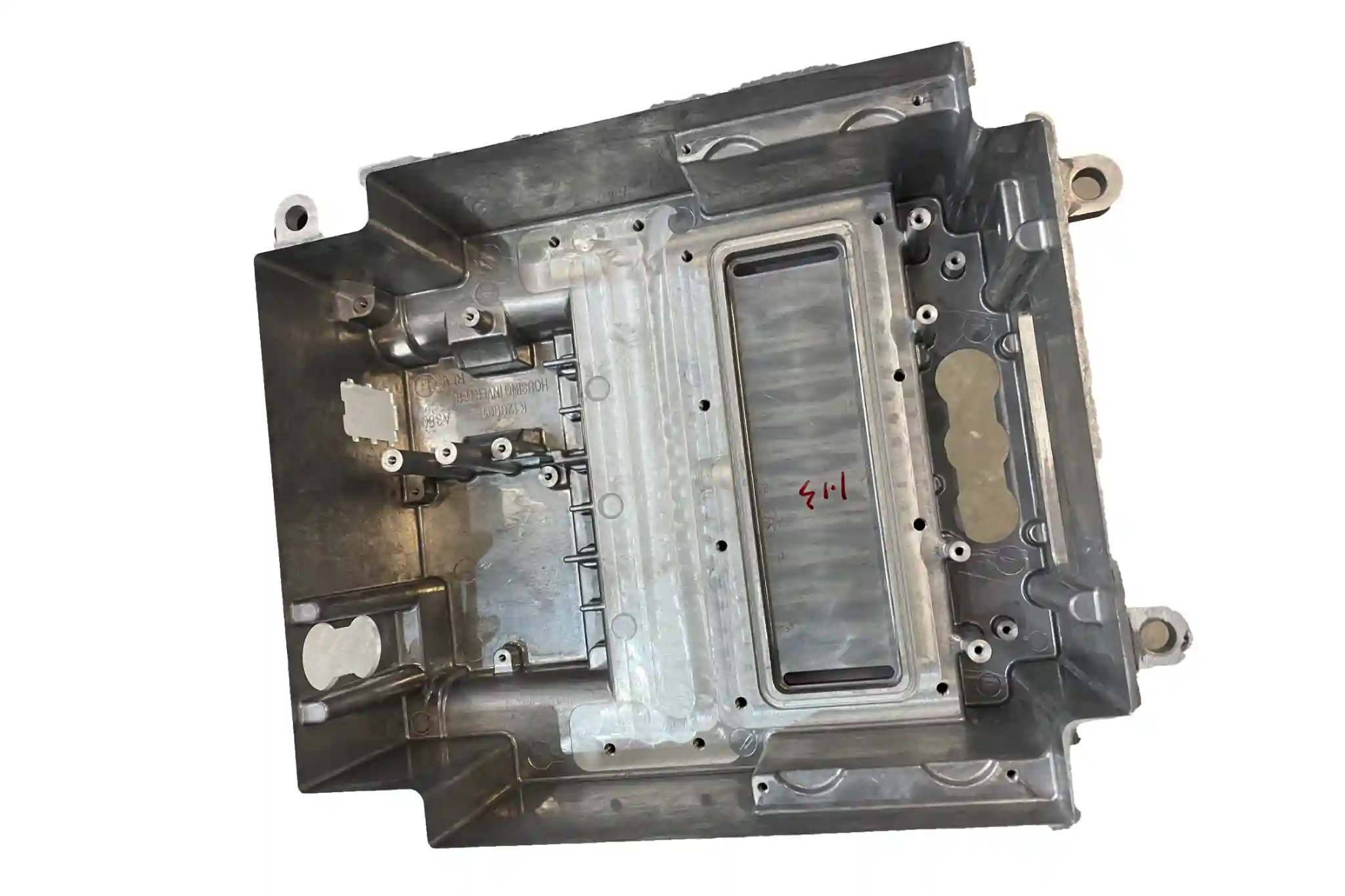
Gravity casting is often preferred for aluminum prototype casting, especially for parts like housings, pump bodies, and brackets. It typically provides better surface quality and dimensional stability than sand casting, making it a reliable choice for small batches where refined appearance is required, provided the budget allows for moderate tooling investment.
Investment Casting Prototypes
Investment casting is suitable for small, intricate metal parts with high detail and demanding surface quality requirements. While the complexity of the process may result in higher costs and longer lead times compared to simple sand casting, it is an effective method for verifying complex, near-net-shape geometries.
3D Printed Pattern Casting
Using 3D printed patterns allows foundries to create sand or investment molds without the need for traditional physical tooling. This is an efficient method for early validation of complex structures. However, designers must still account for common casting variables such as metal shrinkage, gating systems, and necessary post-casting cleaning.
Key Factors When Choosing a Prototype Casting Method
Selection should be based on a thorough engineering review of your project requirements.
- Part Size and Geometry: Large structural pieces often gravitate toward sand casting, whereas medium-to-small aluminum components are frequently produced via gravity casting. Thin walls, deep cavities, and complex cores significantly impact method feasibility and complexity.
- Material Requirements: Different alloys have different casting characteristics. Aluminum alloys are common for lightweight prototype castings, while cast iron and steel are selected for mechanical parts requiring vibration damping, wear resistance, or high structural toughness.
- Quantity and Budget: Prototype casting cost is heavily influenced by volume. Because pattern making, process setup, and inspection costs are fixed, the per-part cost is higher for single prototypes. Small batch runs help distribute these fixed costs more efficiently.
- Surface Finish and Tolerance: If your prototype requires a high-quality aesthetic or precise surface, gravity or investment casting are often preferred over sand casting. Note that critical mating surfaces typically still require CNC machining regardless of the casting method.
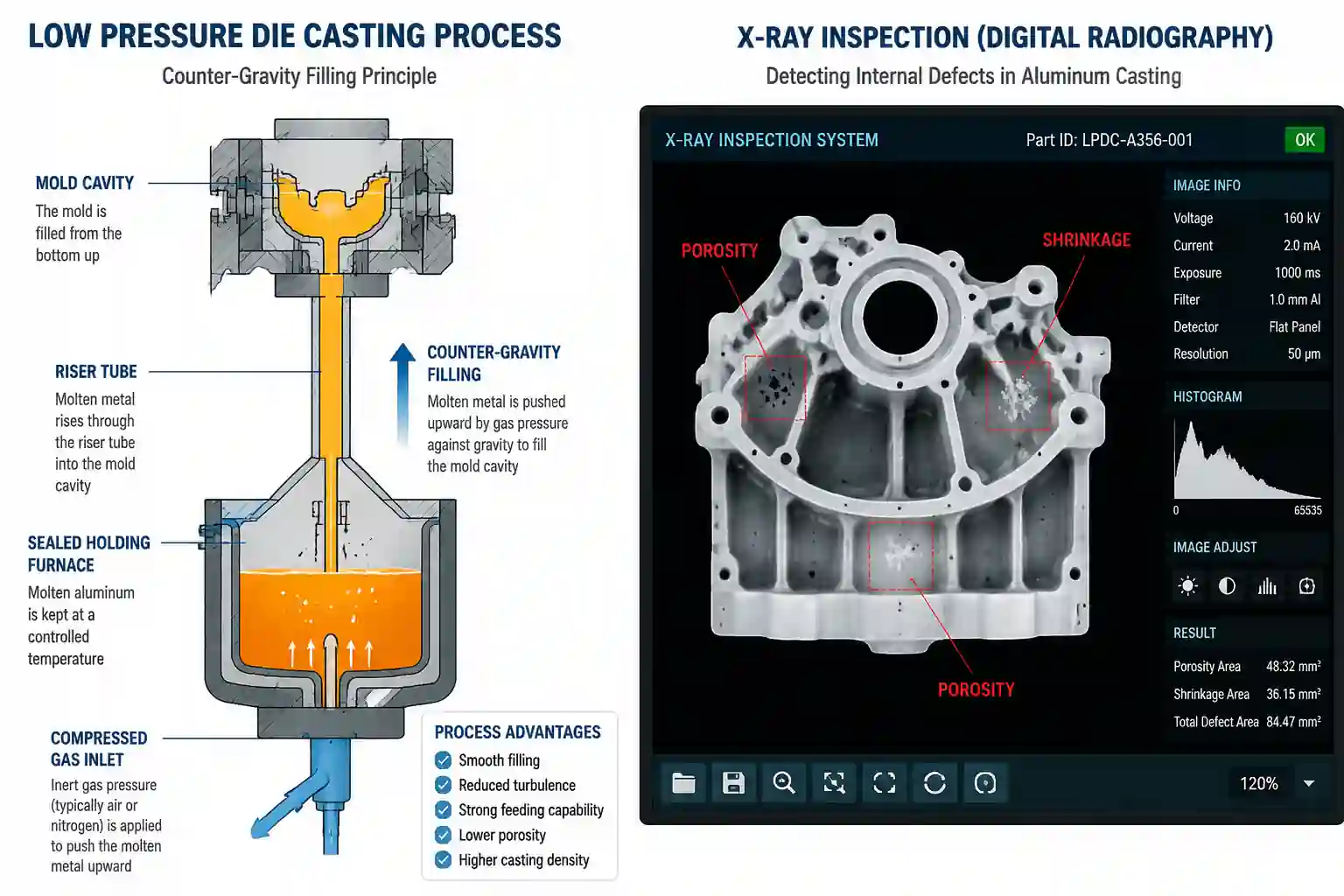
- Testing Requirements: If the prototype must undergo pressure testing, load testing, or X-ray/CT scanning, this must be considered in the initial selection. Some methods provide denser, less porous results, which may be vital for pressure-tight applications.
Conclusion
Prototype casting is a vital step for validating design, testing functionality, and preparing for successful manufacturing. By carefully considering part size, material, structure, and intended production process, you can select a method that balances performance with cost. If you are evaluating a prototype casting project, our engineering team can help review your drawing, material requirements, expected quantity, and suitable casting route before production.