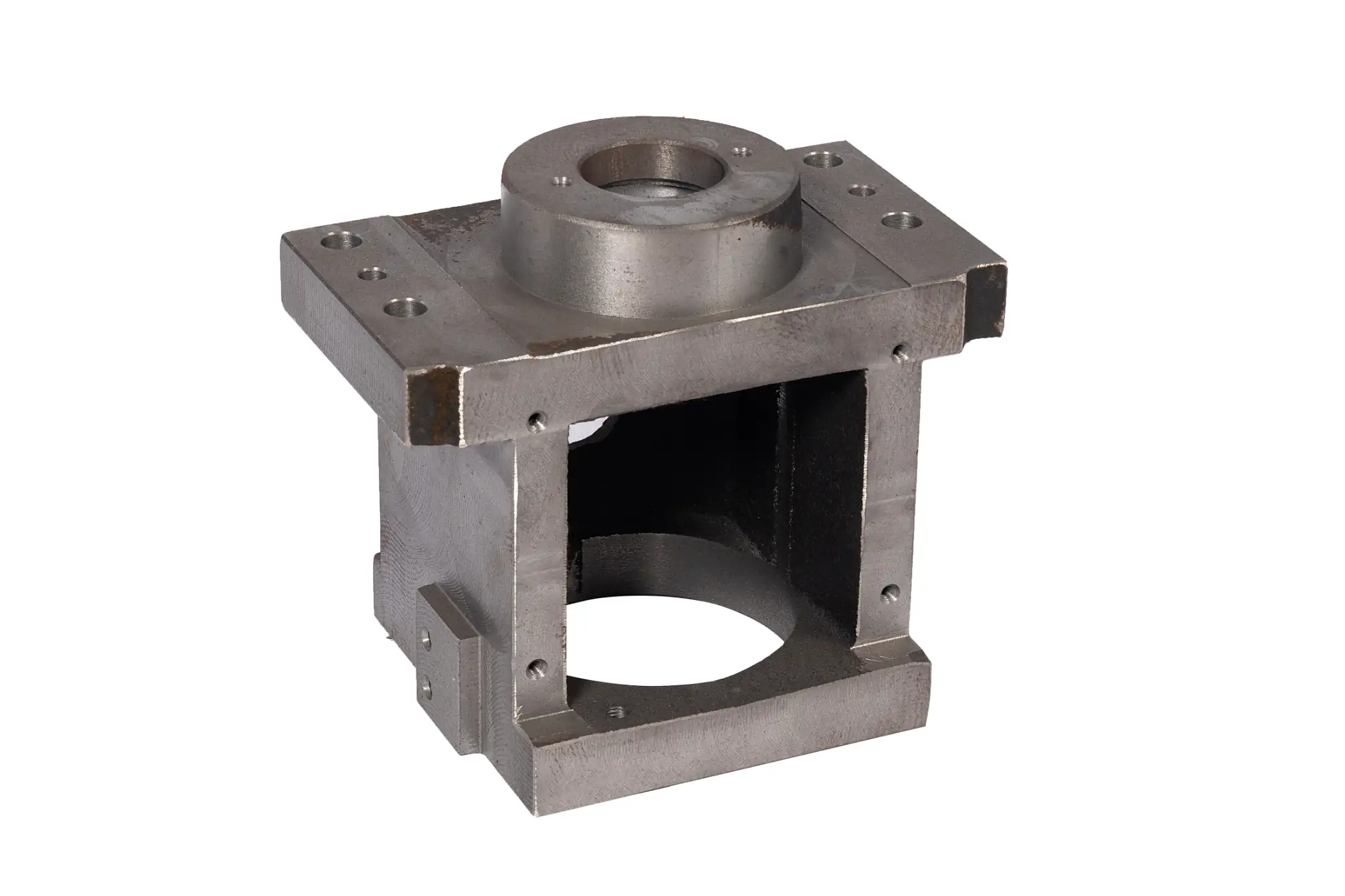



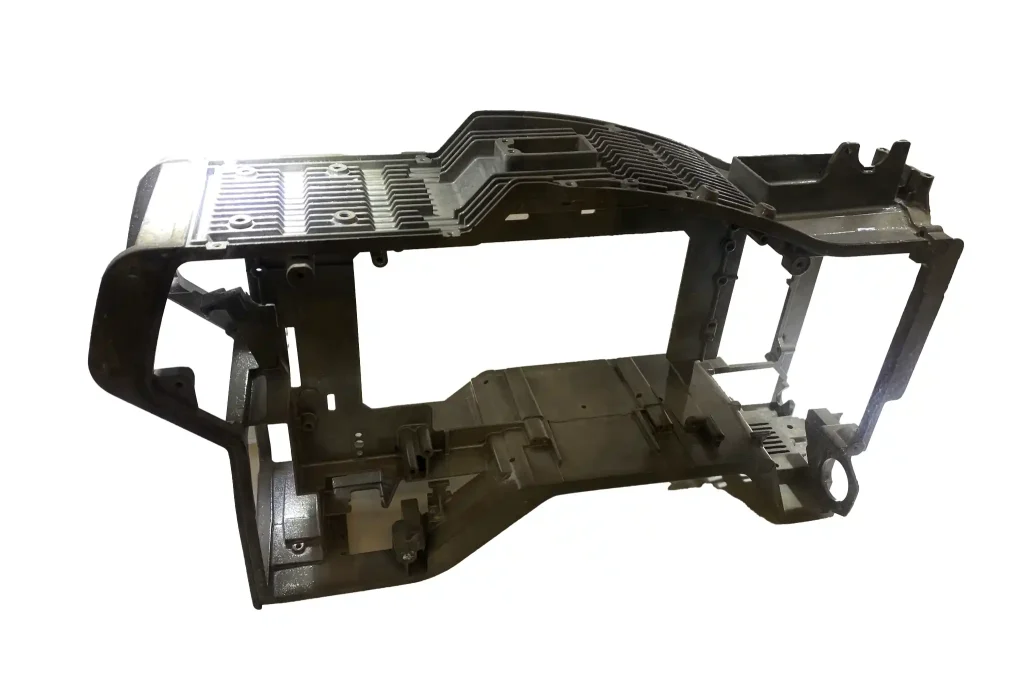
With the rapid development of electric vehicles (EVs), the automotive manufacturing industry is undergoing significant transformation. Compared with traditional internal combustion engine vehicles, EVs introduce additional systems such as battery packs, electric drive units, and electronic control modules, creating new requirements for component weight, structural design, and manufacturing processes.
To meet the demand for lightweight structures, functional integration, and complex geometries, casting technologies are being applied to an increasing number of electric vehicle components. Through mold-based forming, casting can produce complex structures that are difficult to achieve through conventional machining while reducing the need for multiple assembled parts.
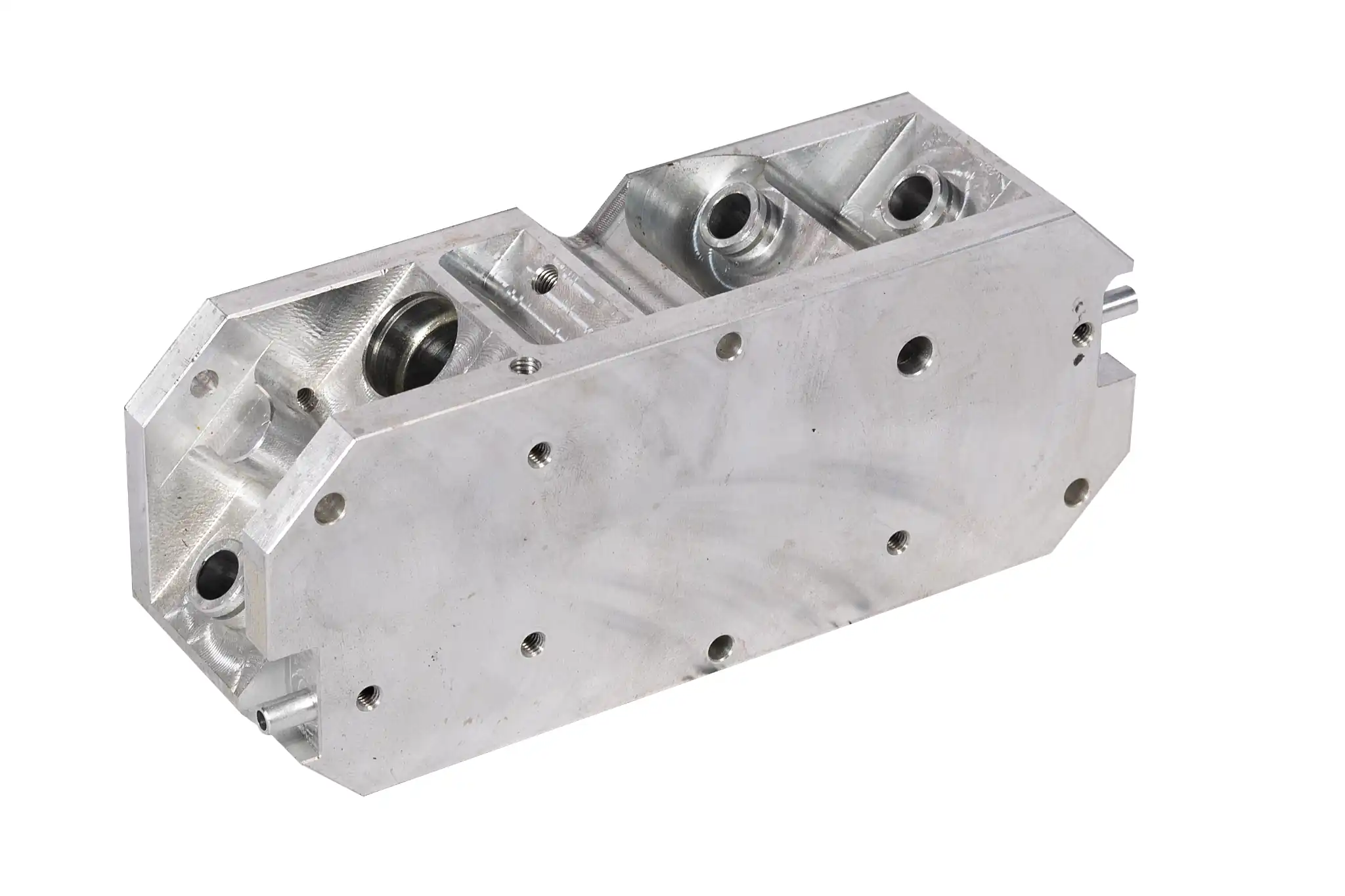
Today, casting processes are widely used in the production of EV components, including motor housings, battery structural parts, electronic enclosures, and connection components. Different components require suitable casting solutions based on their size, material requirements, and expected performance.
The Role of Casting in Electric Vehicle Manufacturing
Electric vehicle components need to balance lightweight design, structural performance, and manufacturing efficiency. Compared with traditional machining or welded assemblies, casting can directly form complex geometries through molds, providing greater flexibility in component design.
Many EV components require integrated mounting features, reinforcement structures, and functional designs. For example, motor housings need to provide both structural support and thermal management, while battery structural components need to combine lightweight design with safety requirements.
Casting technologies allow manufacturers to select suitable materials and processes according to different component requirements, helping balance structural performance, production efficiency, and manufacturing costs.
Key Electric Vehicle Components Manufactured by Casting
Casting applications in electric vehicles are mainly concentrated in power systems, battery systems, electronic systems, and structural connection components.
Motor Housings
Motor housings are important structural components in electric vehicle drive systems. They protect internal motor components while providing mounting support for the electric drive unit.
Since electric motors generate heat during operation, motor housings need to maintain structural stability, dimensional accuracy, and effective thermal performance. Internal motor components also require precise assembly conditions, making dimensional control an important consideration during manufacturing.
Casting allows manufacturers to produce housings with complex external shapes and internal structures, meeting the requirements of electric drive systems for lightweight design, strength, and functional integration. Aluminum alloys are widely used for these components because of their good castability and relatively low density.
Battery Housings and Structural Components
Battery systems are key components of electric vehicles, and their structural parts need to balance lightweight design, safety requirements, and rigidity.
Battery housings not only protect battery modules but also withstand mechanical loads during vehicle operation. As EV designs move toward higher levels of integration, large structural components and integrated designs are receiving increasing attention.
Casting enables the production of complex battery-related structures while reducing assembly requirements caused by multiple separate components, making it suitable for certain battery structural applications.
Inverter and Controller Housings
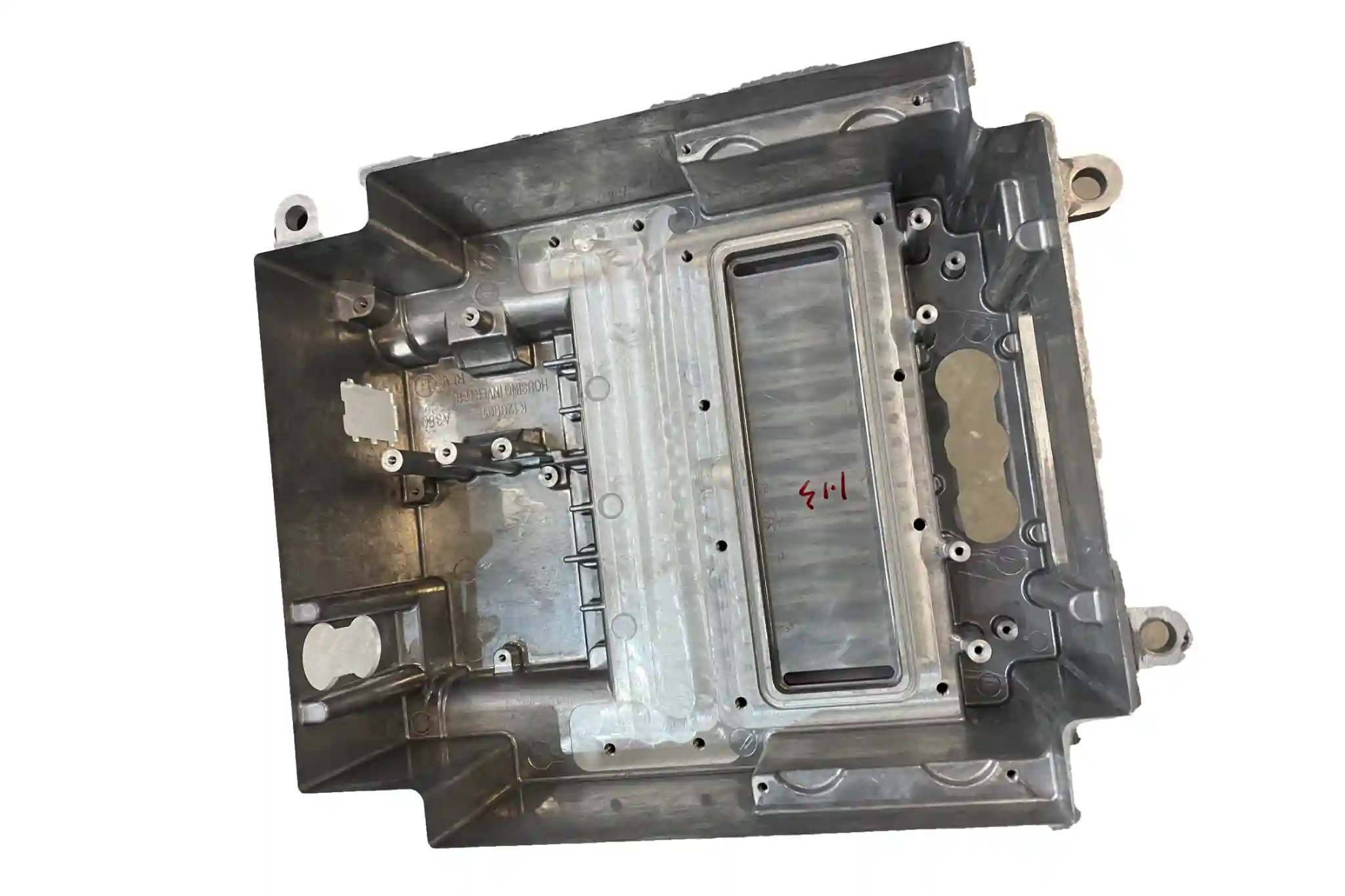
Inverters and controllers are responsible for power conversion and electronic system control, requiring reliable protection for internal electronic components.
These components often include cooling structures, mounting interfaces, and complex external geometries. Casting allows these functional features to be integrated directly into component designs, improving design flexibility.
Aluminum castings are commonly used for EV electronic system housings because of their good thermal performance and machining adaptability.
Brackets and Connection Components
Electric vehicles contain many supporting and connecting components, including battery brackets, motor mounting parts, and structural connectors.
These components need to withstand long-term mechanical loads while maintaining stable dimensions and assembly relationships. Compared with fully machined manufacturing methods, casting can reduce material waste and better support complex structural designs.
Depending on component size, production volume, and performance requirements, different casting processes can be selected for manufacturing.
Casting Processes Used for Electric Vehicle Components
Different EV components require suitable casting processes based on their structural characteristics, material requirements, and production scale.
High Pressure Die Casting (HPDC)
High pressure die casting is suitable for mass production of complex aluminum alloy components. The process provides high production efficiency and is capable of producing thin-wall and complex structures, making it widely used for automotive lightweight components.
In recent years, as electric vehicle structures continue to evolve, high pressure die casting has also been applied to certain large automotive structural components.
Low Pressure Die Casting (LPDC)
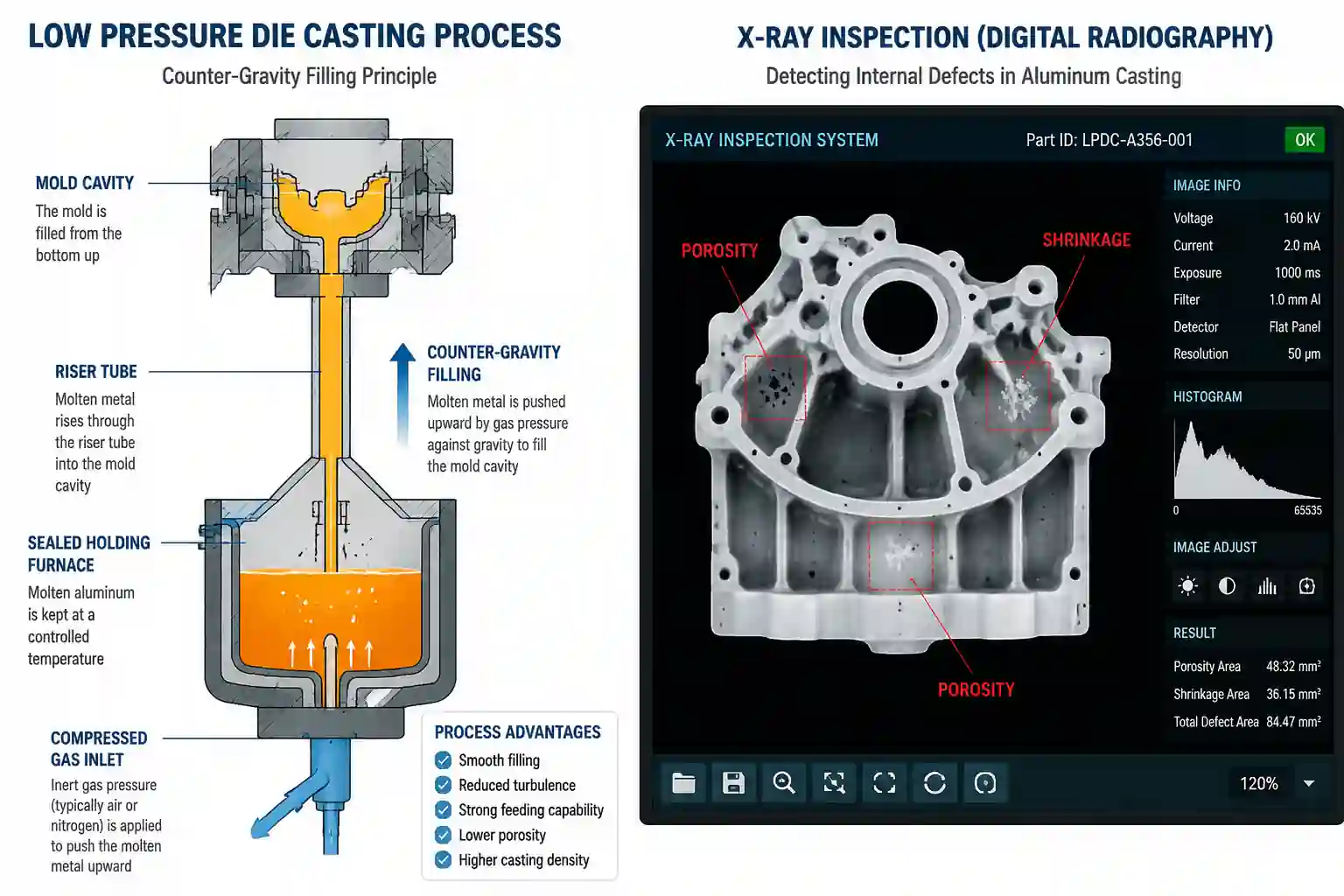
Low pressure die casting is suitable for aluminum components that require good internal quality and structural integrity.
Compared with high-speed filling processes, LPDC uses a more controlled filling method, helping improve internal quality and dimensional consistency. Therefore, it is commonly used for motor housings and other aluminum components requiring higher structural reliability.
Gravity Die Casting (GDC)
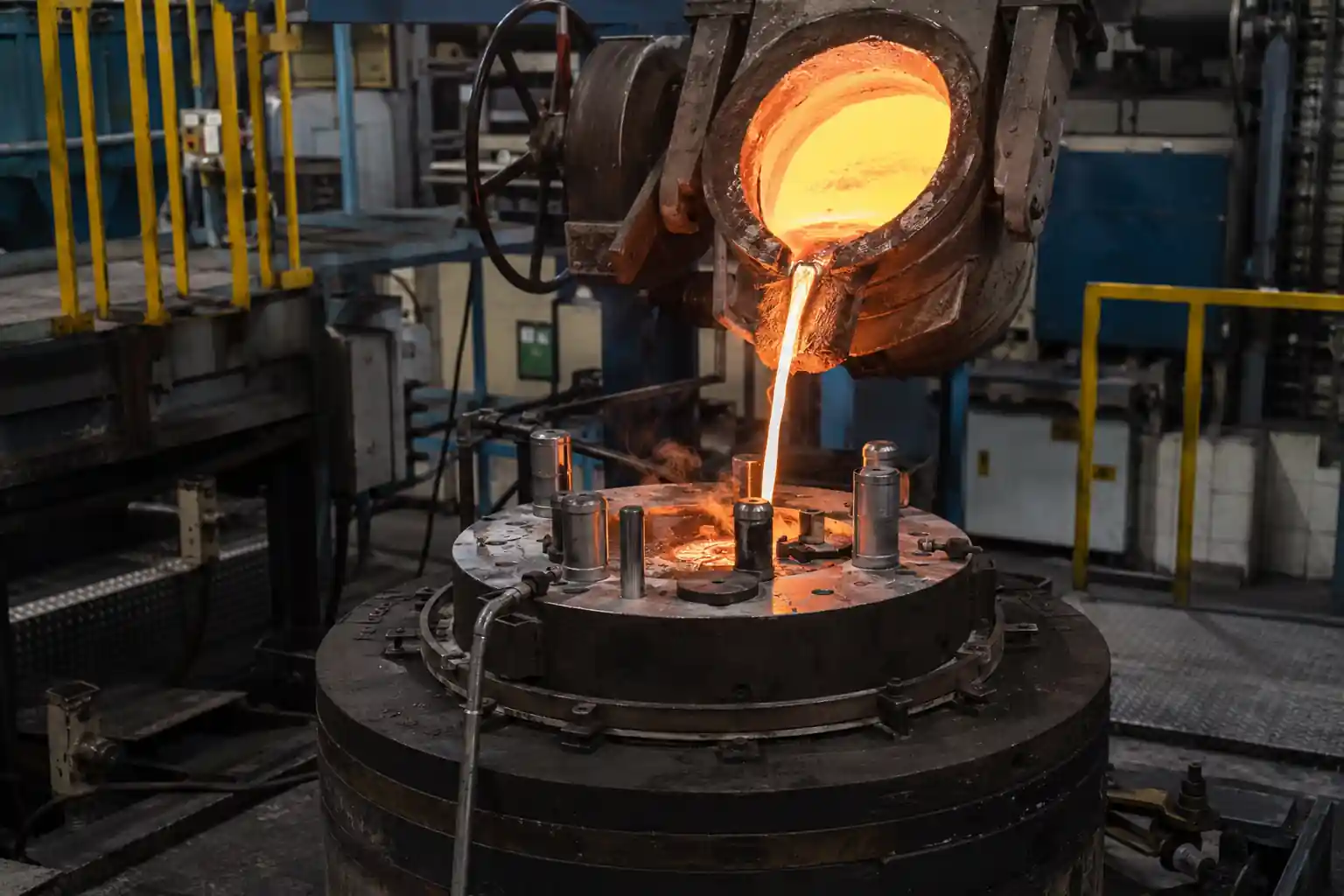
Gravity die casting uses the natural force of gravity to fill the mold and is typically performed with permanent metal molds.
This process is suitable for medium-volume aluminum components and provides stable dimensional performance. For structural components that do not require extremely high production volumes, gravity die casting is a commonly selected manufacturing method.
Investment Casting
Investment casting is suitable for components with complex structures and high precision requirements.
The process can produce intricate geometries and detailed features, making it suitable for specialized functional components, low-volume parts, and applications requiring complex designs.
Sand Casting
Sand casting is suitable for large components, prototype development, and low-volume production.
Because sand molds have relatively low tooling costs and allow easier design modifications, this process is often used during product development stages or for components with special size requirements.
Materials Used in Electric Vehicle Castings
Material selection for EV castings depends on component weight, strength requirements, corrosion resistance, and operating conditions.
Aluminum Alloys
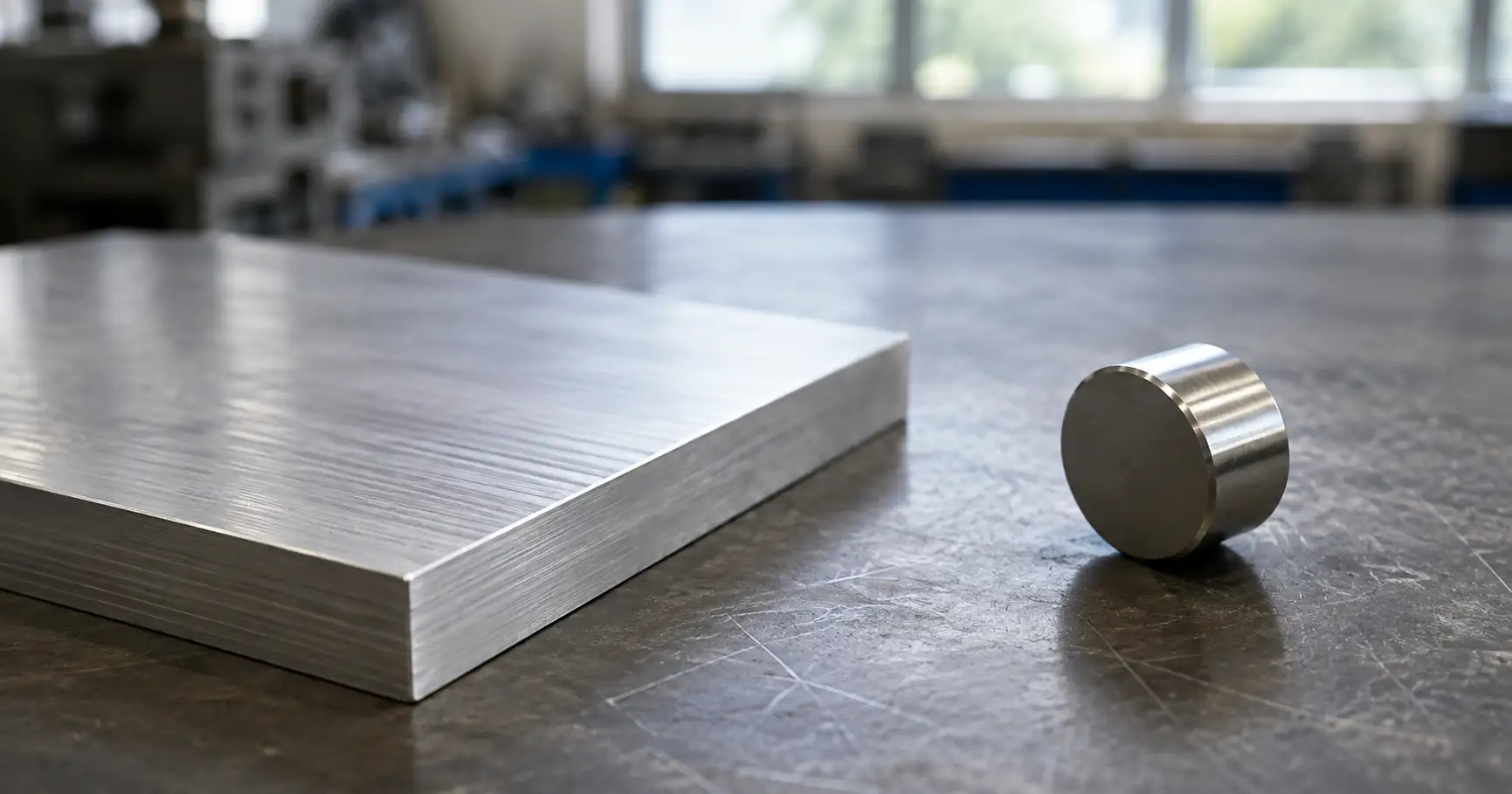
Aluminum alloys are among the most commonly used materials for electric vehicle castings.
With their low density, good castability, and favorable strength-to-weight ratio, aluminum alloys are suitable for many lightweight EV components, including motor housings, battery structures, and electronic enclosures.
Common aluminum alloys include:
-
A356;
-
A357;
-
Al-Si casting alloys.
Magnesium Alloys
Magnesium alloys have a lower density than aluminum alloys and can further reduce component weight.
However, their application requires consideration of material cost, corrosion protection, and manufacturing requirements. Therefore, their use depends on specific project conditions.
Cast Iron and Cast Steel
Although lightweight design is a major focus in electric vehicle manufacturing, some components may still use iron-based materials.
Cast iron and cast steel are typically used for components requiring higher strength, wear resistance, or specific mechanical properties.
Why Electric Vehicle Components Choose Casting
Casting technologies help manufacturers meet the requirements of complex designs, structural integration, and different production scales.
Design Flexibility
Casting can produce complex structures that are difficult to achieve through conventional machining methods, such as reinforcement ribs, mounting features, and internal functional areas.
This manufacturing approach allows engineers to optimize component structures based on functional requirements without being limited by traditional manufacturing methods.
Reduced Assembly Requirements
Through integrated component design, casting can combine multiple functions into a single part and reduce additional assembly steps.
For certain complex EV components, this approach can simplify manufacturing processes and improve overall structural integration.
Adaptability to Different Production Volumes
Different casting processes can support various production requirements, from prototype development and low-volume manufacturing to large-scale production.
Manufacturers can select suitable solutions based on component quantity, structural complexity, and performance requirements.
Trends in Electric Vehicle Casting Technologies
As electric vehicle manufacturing continues to develop, casting technologies are moving toward higher integration and improved production efficiency.
Large-Scale Integrated Casting
Large-scale integrated casting is changing the manufacturing approach for certain automotive structural components.
By reducing traditional welding and assembly operations, this technology can improve production efficiency and optimize component design.
Mold and Process Optimization
Advances in mold design, cooling control, and simulation technology help improve casting consistency and reduce production variation.
Automated Production
Automation equipment and process monitoring technologies are increasingly being applied in casting production to improve efficiency and product stability.
Challenges in Electric Vehicle Casting Applications
Although casting can meet the manufacturing requirements of many EV components, complex structures, high-performance requirements, and mass production conditions still create several manufacturing challenges.
Internal Quality Control
For critical components such as motor housings and battery structural parts, internal quality directly affects product reliability.
Internal defects such as porosity and shrinkage can influence casting strength, sealing performance, and long-term service behavior. Manufacturers need to control melting processes, filling conditions, and solidification behavior to reduce these issues and ensure component performance.
Dimensional Consistency
EV components often require precise assembly with other systems, making dimensional stability an important manufacturing requirement.
Mold conditions, process parameters, and material variations can affect final dimensions. Stable production control, mold maintenance, and inspection processes help improve casting consistency.
Complex Structure Manufacturing
As EV components move toward higher levels of integration, complex geometries create greater challenges for mold design and process control.
Manufacturers need to combine mold optimization, process simulation, and production experience to ensure complex structures can be produced consistently.
Conclusion
Casting has become an important manufacturing method for electric vehicle components, covering applications such as motor housings, battery structural parts, electronic enclosures, and various connection components.
Different components require suitable casting processes based on their structures, materials, and production requirements. By selecting appropriate materials and manufacturing methods, casting technologies can meet the electric vehicle industry’s needs for lightweight design, structural optimization, and efficient production.