



Cast Steel Casting Services
We provide custom cast steel casting services for industrial and commercial projects, supporting sand casting, investment casting, and subsequent machining and surface finishing requirements.
• Maximum part size: according to drawing and casting process requirements
• Part weight range: suitable for small to heavy-duty cast steel components
• Secondary machining: CNC machining for holes, threads, sealing surfaces, and critical features
• Surface finishing: shot blasting, coating, painting, and other required treatments
• Tolerance: according to drawing and application requirements
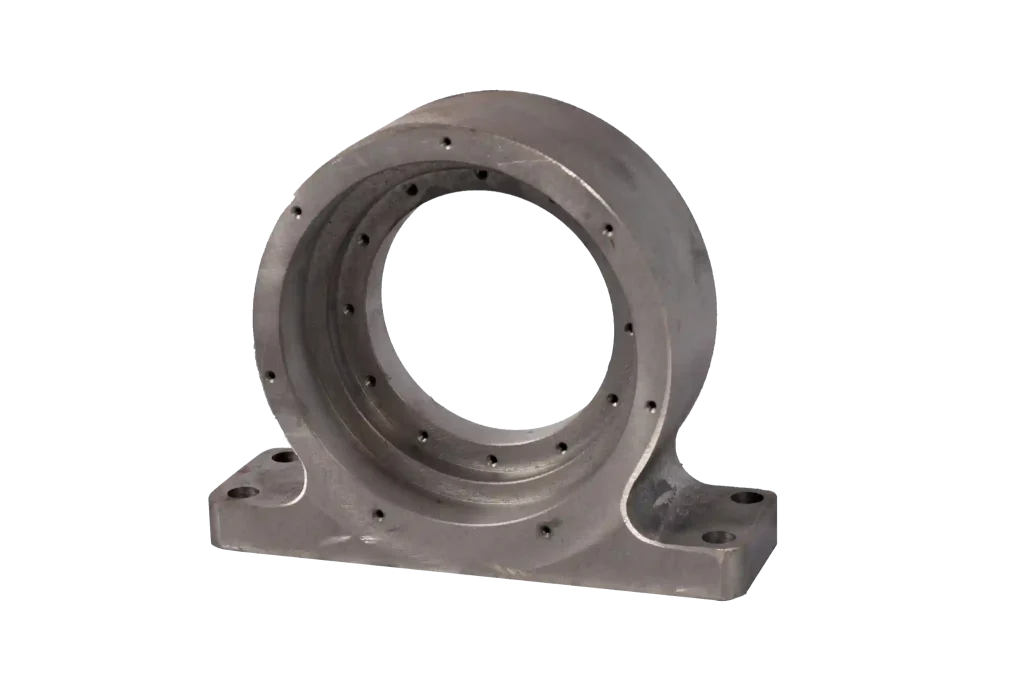
Minhe Cast Steel Casting Solutions
Minhe provides manufacturing support for cast steel casting projects from early evaluation to final production delivery. Backed by an ISO 9001 quality management system, we maintain stable project execution across process coordination, casting production, subsequent machining, and surface finishing. For common cast steel components such as housings, support parts, brackets, and heavy-duty structural castings, we place greater emphasis on dimensional consistency, surface quality, mechanical performance, and batch production stability to meet different structural and application requirements.
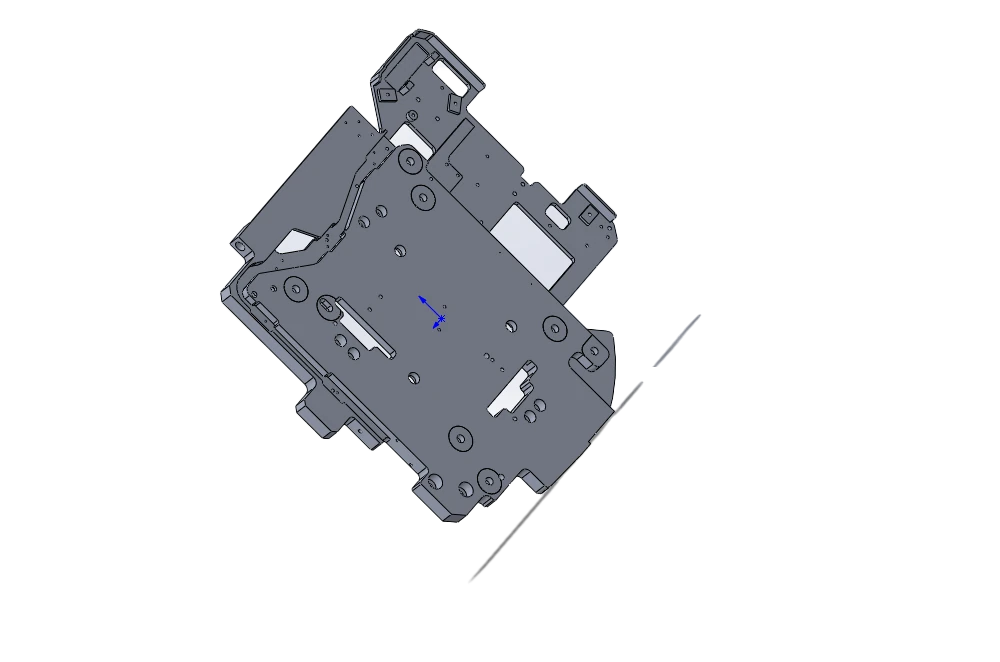
Common Steel Casting Alloys
We cast carbon steel, low-temperature steel, alloy steel, and stainless steel for critical industrial use. These materials are selected for pressure-retaining components, corrosion-resistant parts, and high-temperature service in valves, pumps, turbines, and pipeline systems.
The grades below represent widely used steels that offer a reliable balance of strength, impact resistance, weldability, and corrosion performance for demanding applications.
| Steel Grade | Key Properties | Typical Applications | Example Parts |
|---|---|---|---|
| ASTM A216 WCB | Carbon steel casting for high-temperature service with good strength and toughness after normalizing and tempering. Good weldability for general-purpose pressure components. | Valve and pump bodies, flanges and fittings in oil & gas, power generation and industrial piping systems. | Gate Valve Body, Pump Casing, Pipe Flange |
| ASTM A352 LCB | Low-temperature carbon steel casting with strong notch toughness down to −46 °C. Retains impact resistance in cryogenic and cold environments. | Low-temperature valves and pumps, LNG equipment, refrigeration and cold-climate piping components. | Cryogenic Valve Body, LNG Pump Housing, LT Flange |
| ASTM A217 WC6 | Cr-Mo low-alloy steel casting with high strength and creep resistance at elevated temperature. Excellent thermal fatigue resistance for long-term pressure service. | Steam valves, boiler parts and turbine components in power and petrochemical applications. | Steam Valve Body, Stop Valve Bonnet, Turbine Casing |
| ASTM A351 CF8M | Austenitic stainless casting equivalent to 316 with excellent corrosion resistance and weldability. Suitable for chemical, food and marine environments. | Corrosion-resistant valves, pumps, sanitary equipment and marine hardware. | Stainless Valve Body, Pump Impeller, Sanitary Fitting |
| ASTM A351 CF3M | Low-carbon 316 stainless casting grade with superior weld corrosion resistance and low sensitization risk. Ideal for welded components in corrosive service. | Welded piping components, corrosion-resistant tanks and pressure parts requiring reliable weld performance. | Welded Valve Body, Pump Casing, Piping Spool |
Supported Steel Casting Processes
We support multiple steel casting routes to match different part sizes, structures, and performance requirements. Investment casting, sand casting, and centrifugal casting are commonly used depending on geometry, production volume, and service conditions.
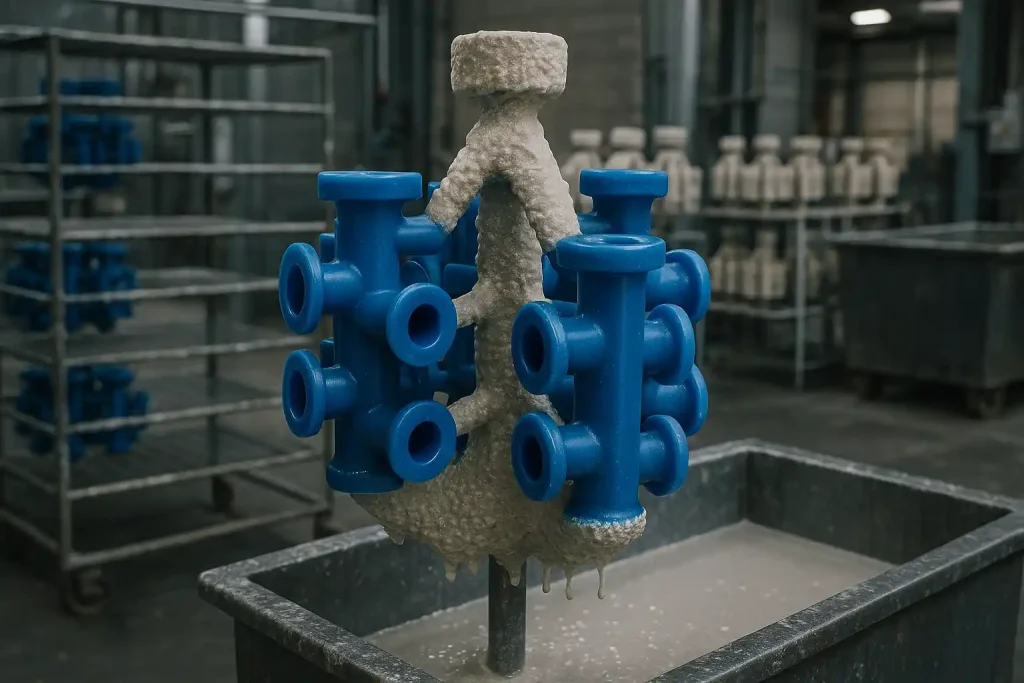
Steel Investment Casting
Precision steel investment casting enables intricate shapes with tight tolerances and smooth surface finish, ideal for complex pump, valve, and machinery components.
It supports alloy steels and stainless grades such as CF8M, CF3M, 17-4PH, and heat-resistant tool steels.
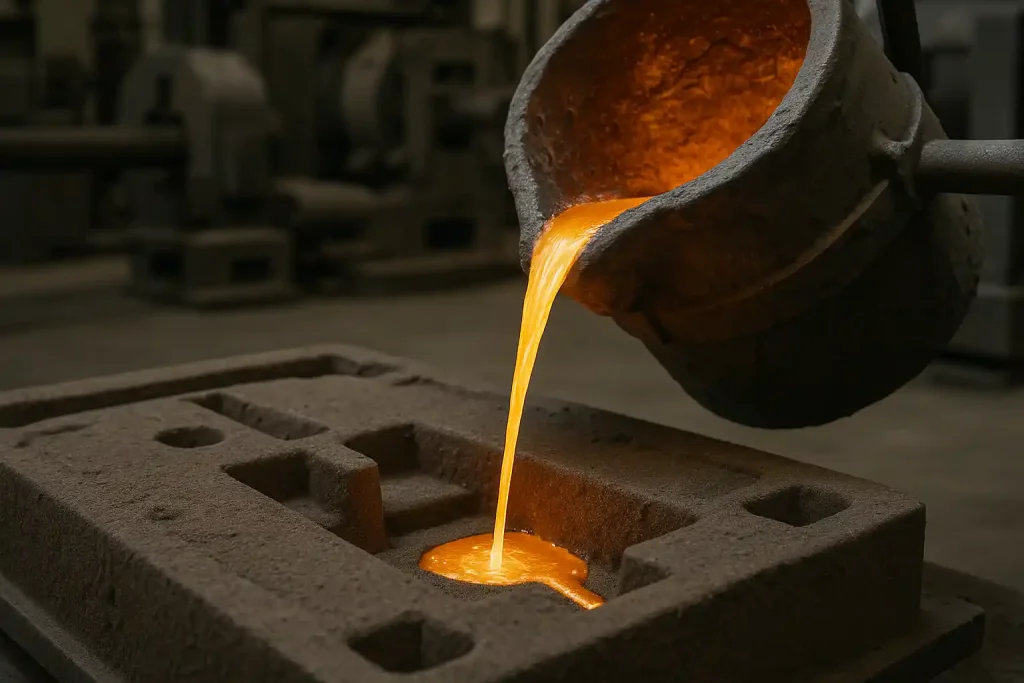
Steel Sand Casting
Steel sand casting is suitable for larger and heavier steel components that require reliable mechanical strength and more flexible tooling options. It is commonly used for industrial housings, valve bodies, support parts, and general machinery components.
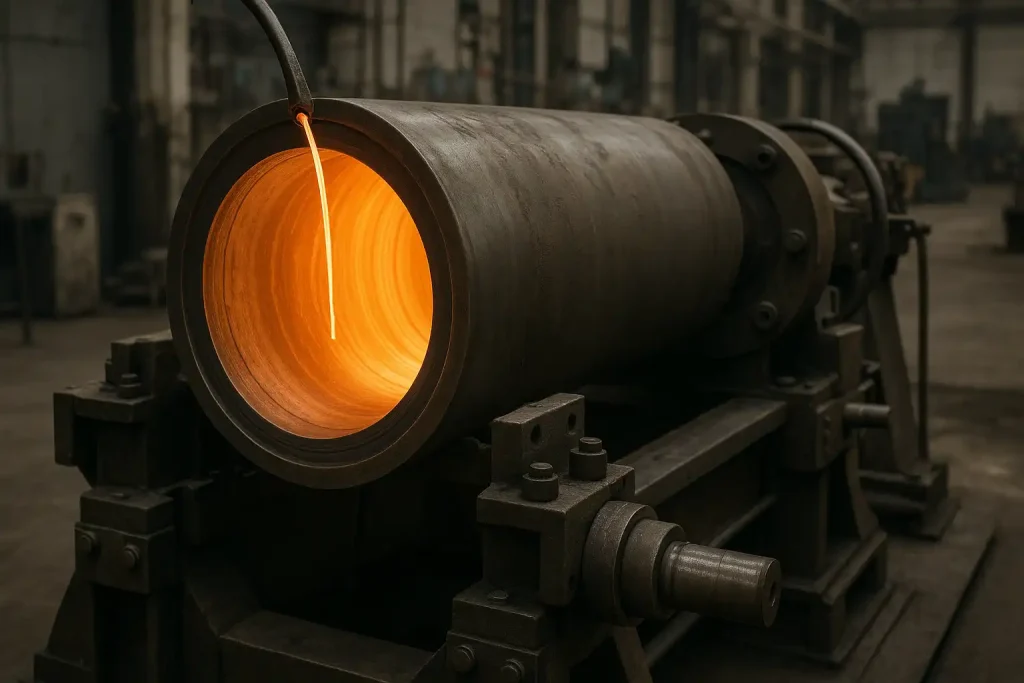
Centrifugal Casting for Steel Parts
Centrifugal steel casting is suitable for dense, ring-shaped, and cylindrical parts that require good wear resistance and structural integrity. It is commonly used for sleeves, bearing rings, bushings, and other rotational steel components.
Steel Casting Applications by Industry
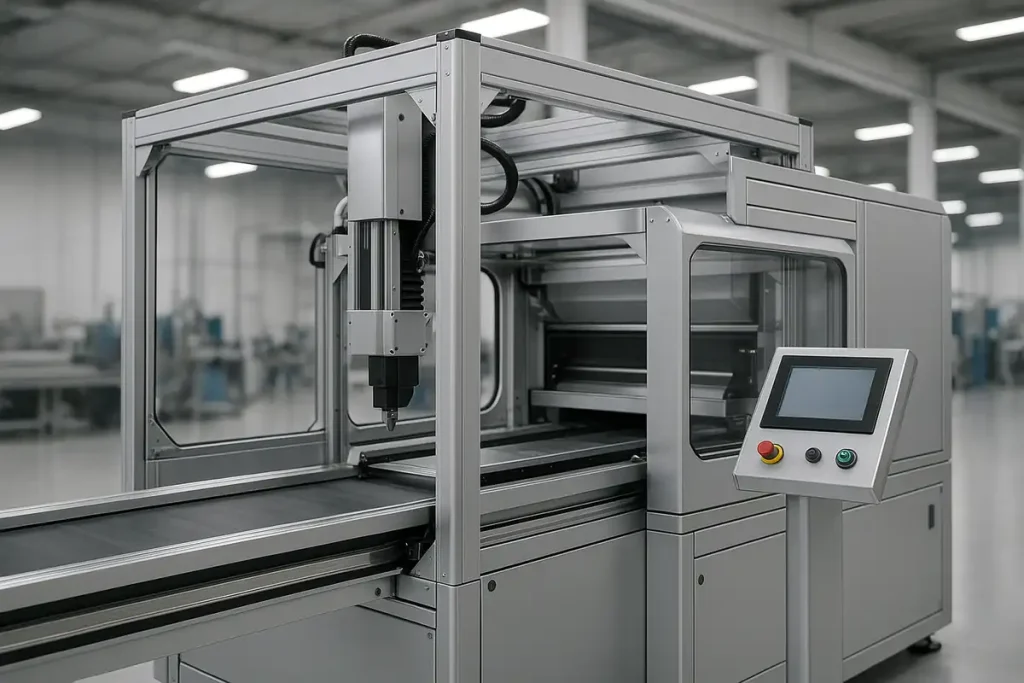
Industrial Machinery
Steel castings are widely used in industrial machinery where strength, structural reliability, and machining compatibility are important. Common applications include housings, support parts, covers, and other heavy-duty machinery components.
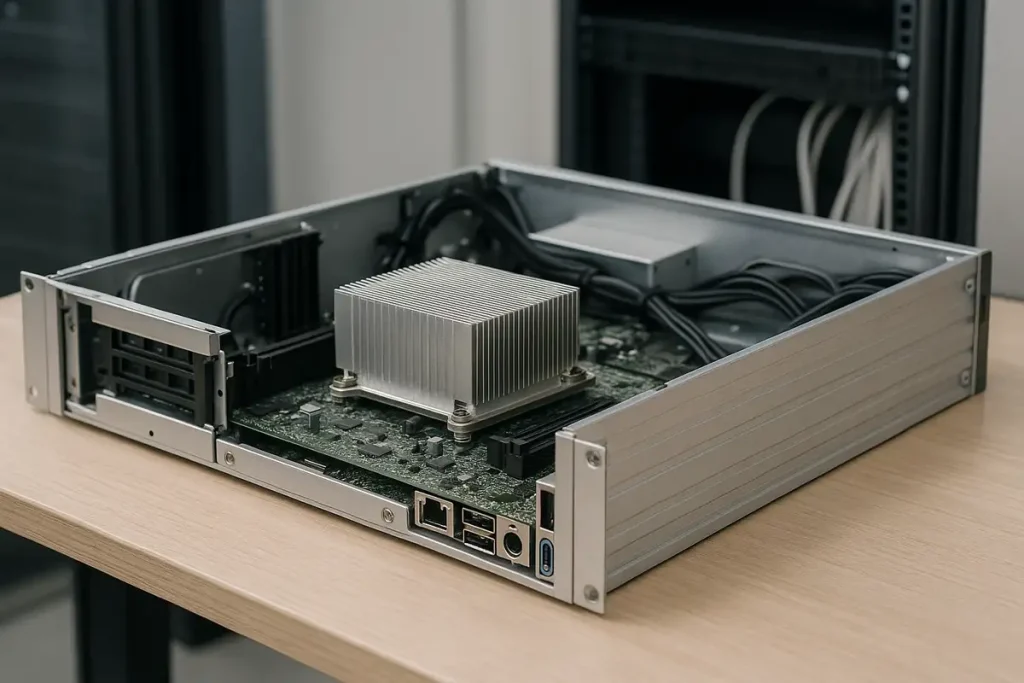
Pump & Valve Systems
Steel cast parts are suitable for valve bodies, pump housings, fittings, and other flow-control components that require good mechanical strength, pressure resistance, and reliable service performance.
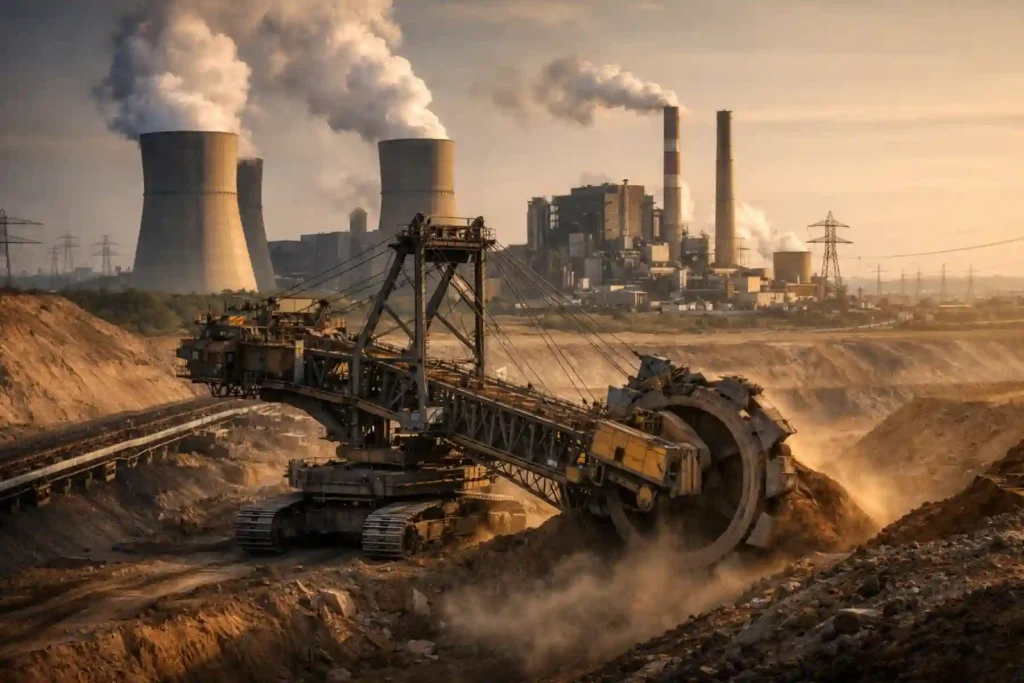
Energy & Heavy Equipment
Steel castings are commonly used in power, utility, mining, and other heavy-duty equipment applications where durability, load-bearing capacity, and structural stability are required.
Post-Processing for Steel Castings
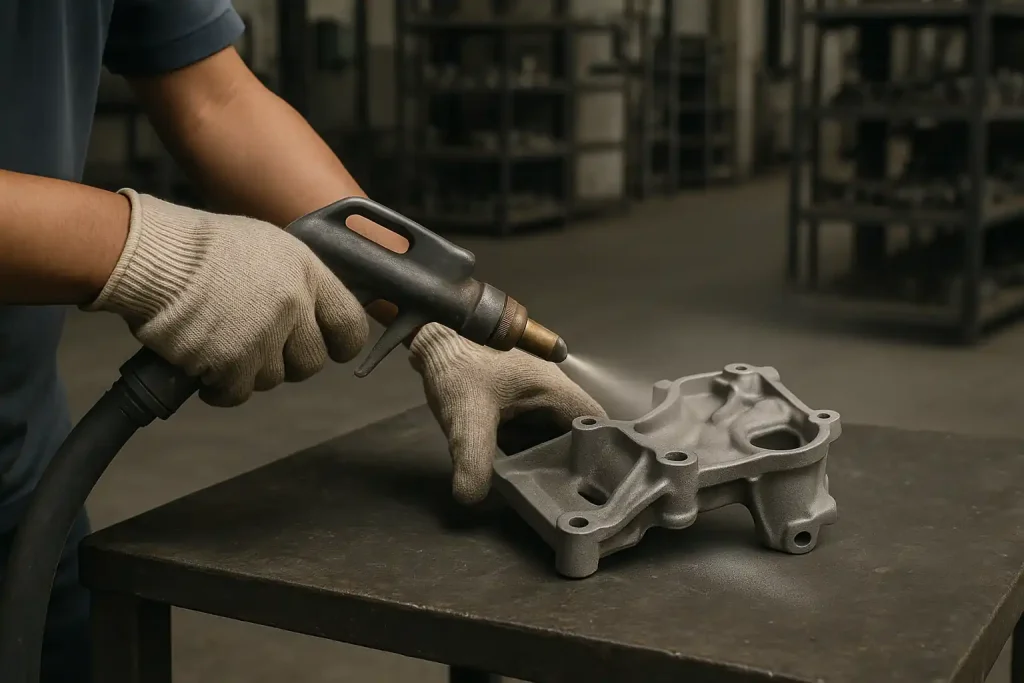
Surface Preparation
Removes casting flash, sand residue, burrs, and surface scale through trimming, grinding, shot blasting, or cleaning, creating a clean and uniform base for machining or finishing.
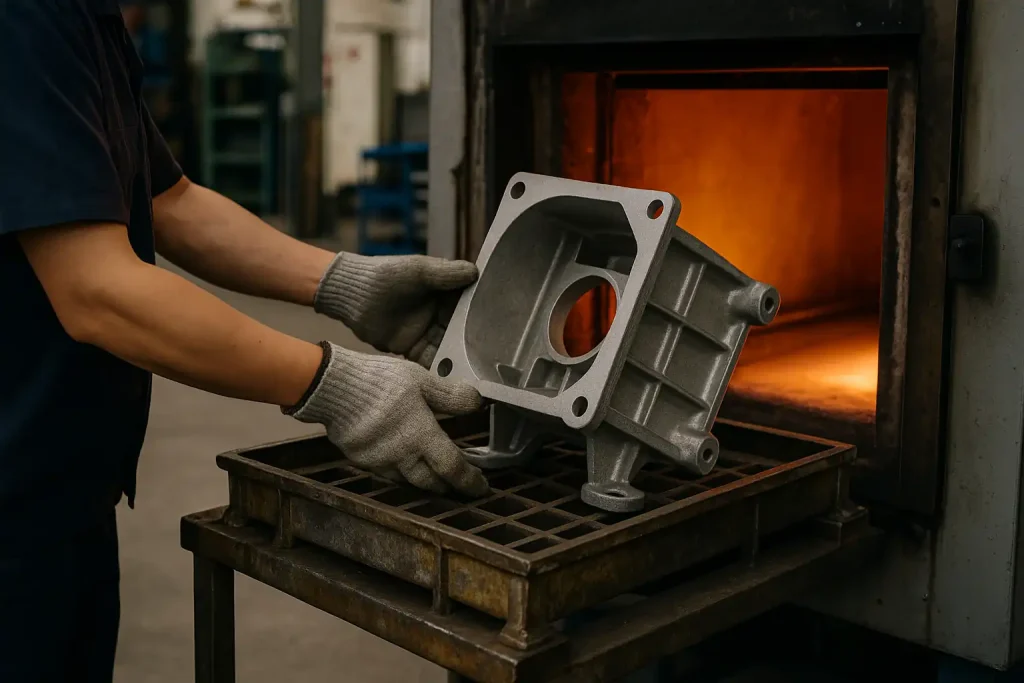
Heat Treatment
Steel castings can achieve improved strength, hardness, and dimensional stability through processes such as annealing, normalizing, quenching, and tempering, depending on steel grade and application requirements.
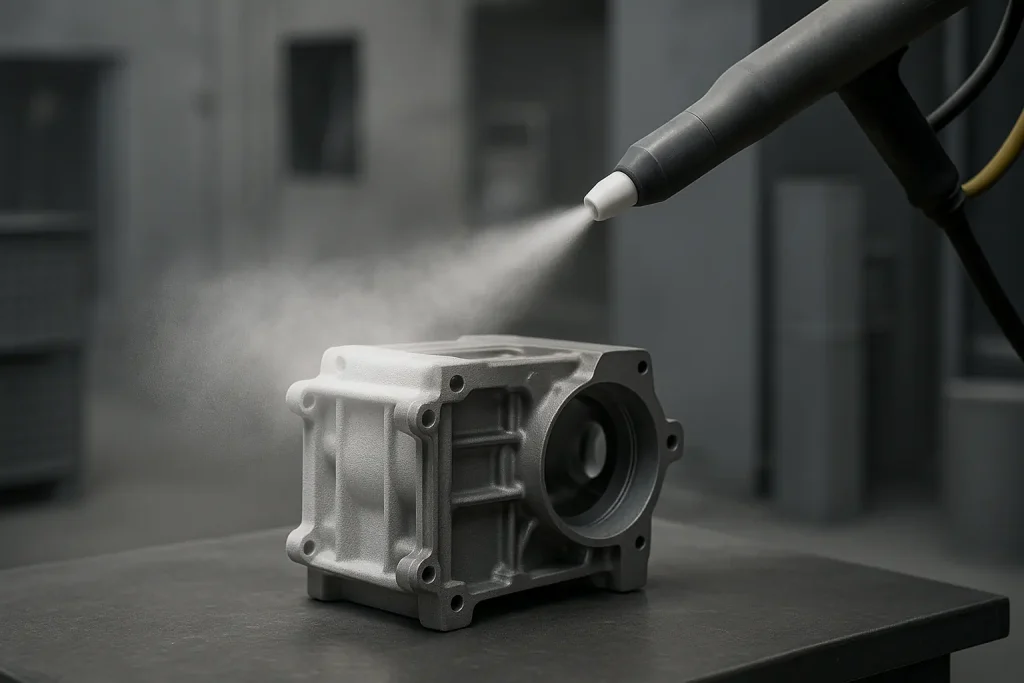
Surface Coating
Surface finishing can improve corrosion resistance, appearance, and application-specific performance. Common options may include painting, powder coating, plating, or other protective treatments depending on project requirements.
Advantages of Steel Casting
-
High Strength and Load-Bearing Capacity
-
Good Toughness and Impact Resistance
-
Suitable for Heavy-Duty Components
-
Flexible Design for Complex Shapes
-
Good Compatibility with Machining
-
Supports Heat Treatment and Surface Finishing
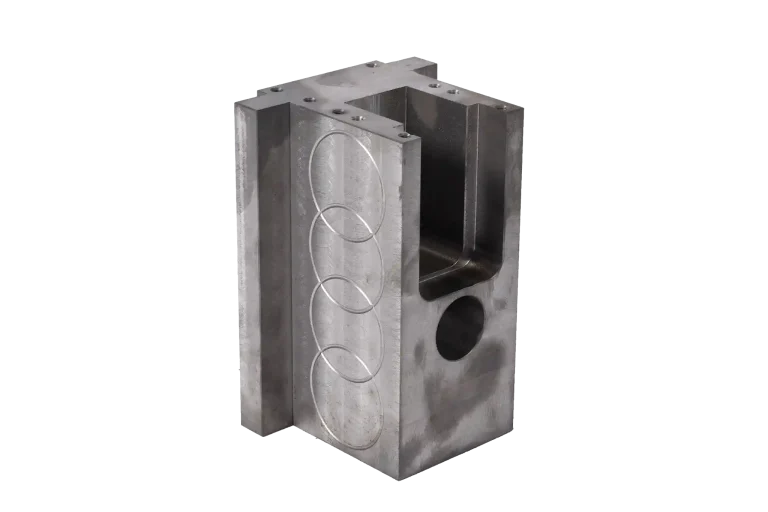
What Is Steel Casting?
Steel casting is a manufacturing process in which molten steel is poured into a mold to form parts with the required shape. It is suitable for producing a wide range of custom steel components and is commonly used for housings, support parts, valve bodies, and other heavy-duty parts that require good strength, structural reliability, and machining compatibility.
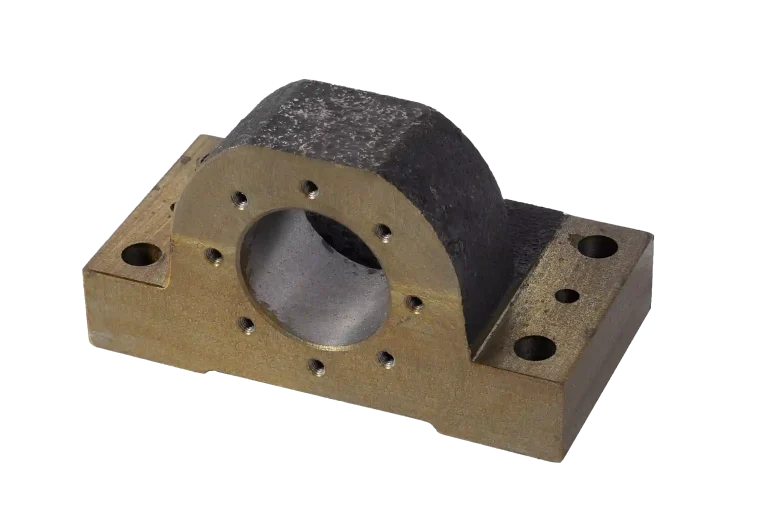
Typical Steel Casting Parts
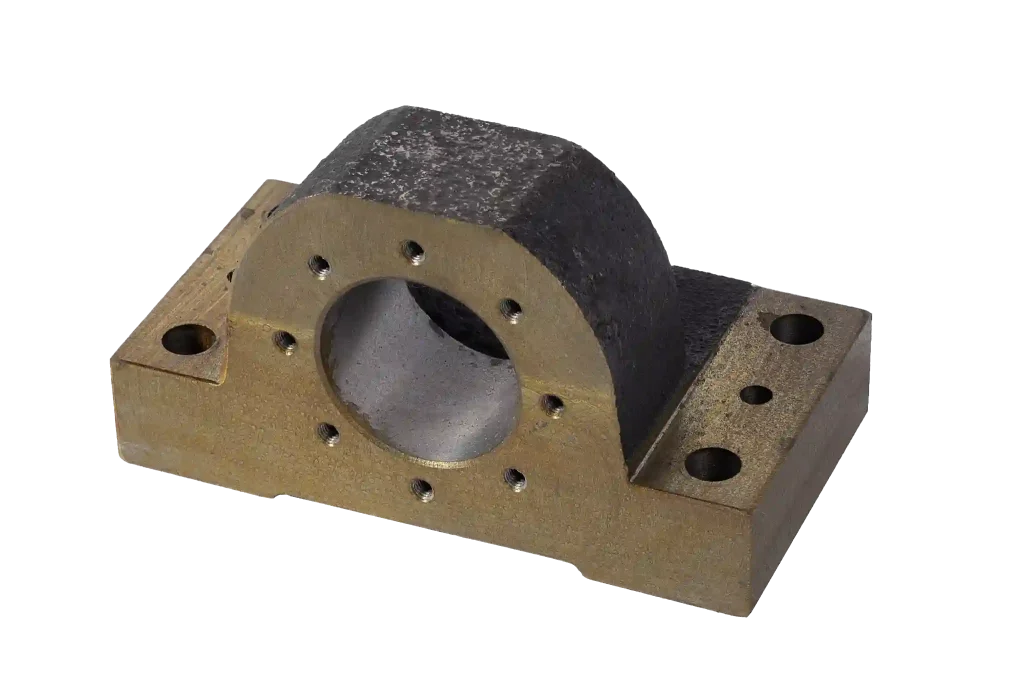
Bearing Seat
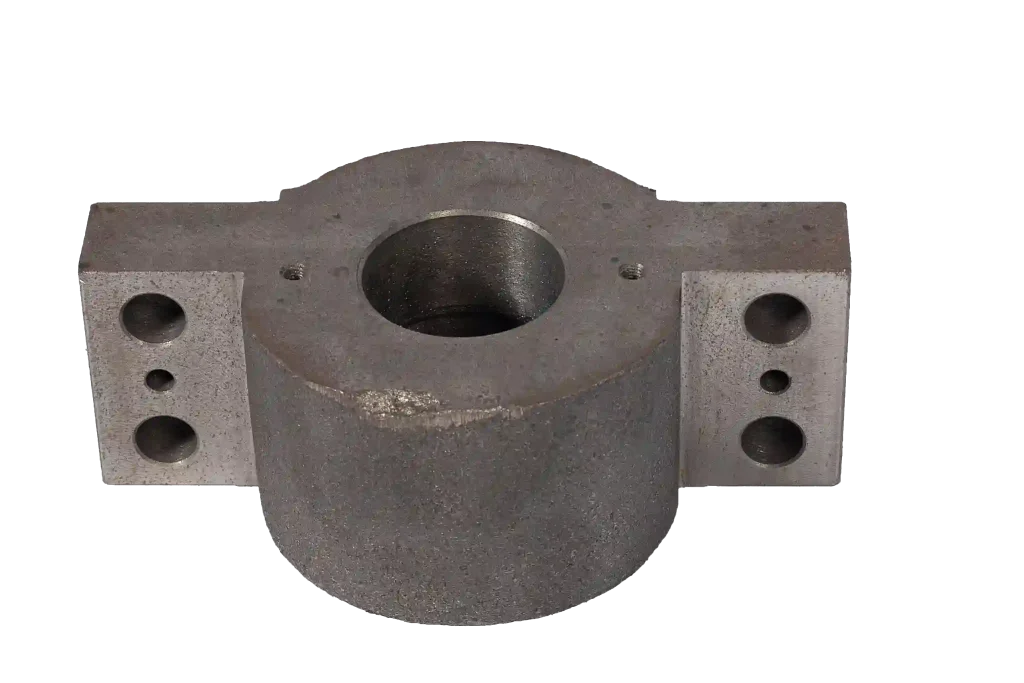
Flange Block
Gearbox Housing
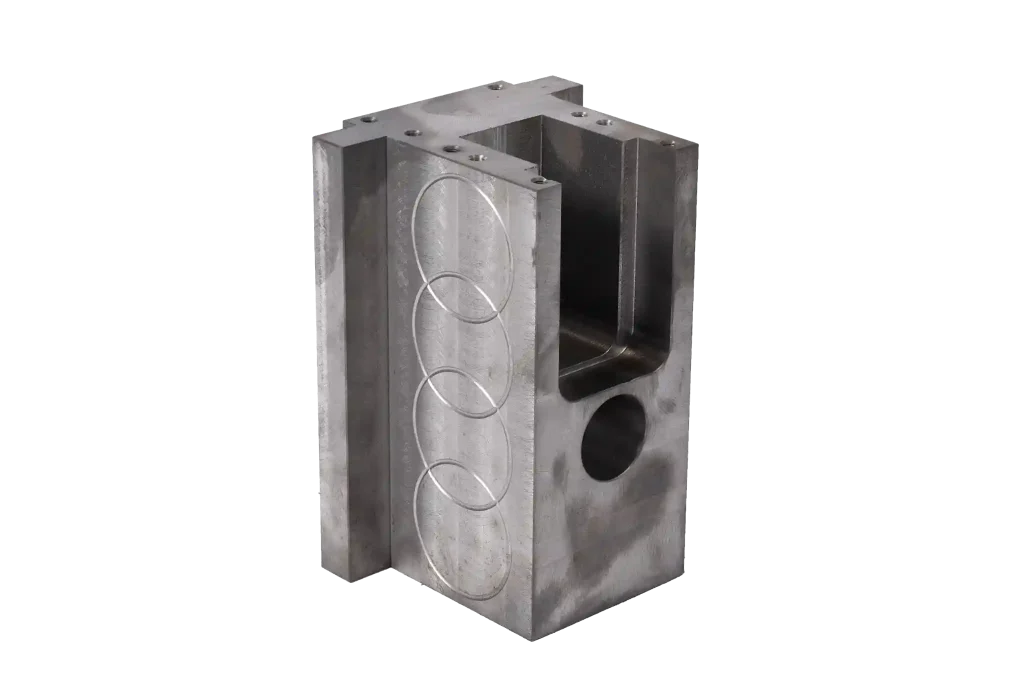
Impeller Housing
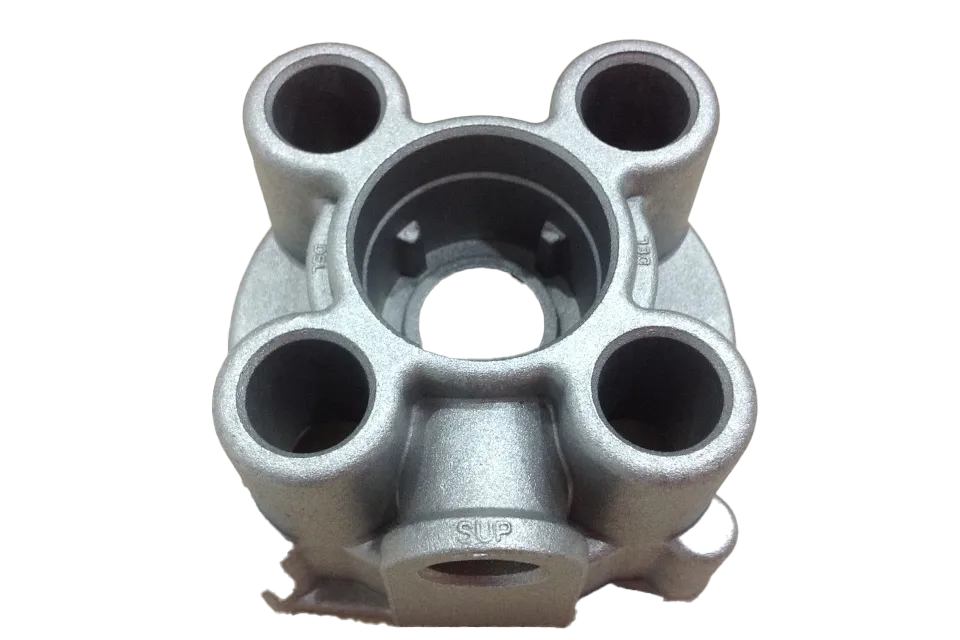
Pillow Block Housing
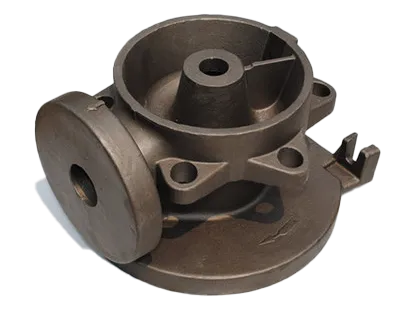
Valve Body
Quality Assurance for Cast Steel Castings
Quality control for cast steel castings covers key stages from raw material verification and process review to in-process monitoring and final inspection before shipment, helping improve dimensional consistency, surface condition, and overall production stability for cast steel parts.
Material Verification
Drawing and Process Review
In-Process Control
Dimensional Inspection
Surface and Visual Inspection
Final Inspection Before Shipment
FAQ – Frequently Asked Questions about Steel Casting
- Higher strength and toughness than many iron castings
- Good reliability under impact and heavy-load conditions
- Suitable for structural, pressure-bearing, and wear-related parts
- Widely used in industrial machinery, valves, pumps, and equipment components
- Sand Casting
- Shell Mold Casting
- Investment Casting
- Material verification and chemical composition checks
- Drawing review and casting process evaluation
- Dimensional inspection and visual surface checks
- NDT such as UT, MT, or PT if required