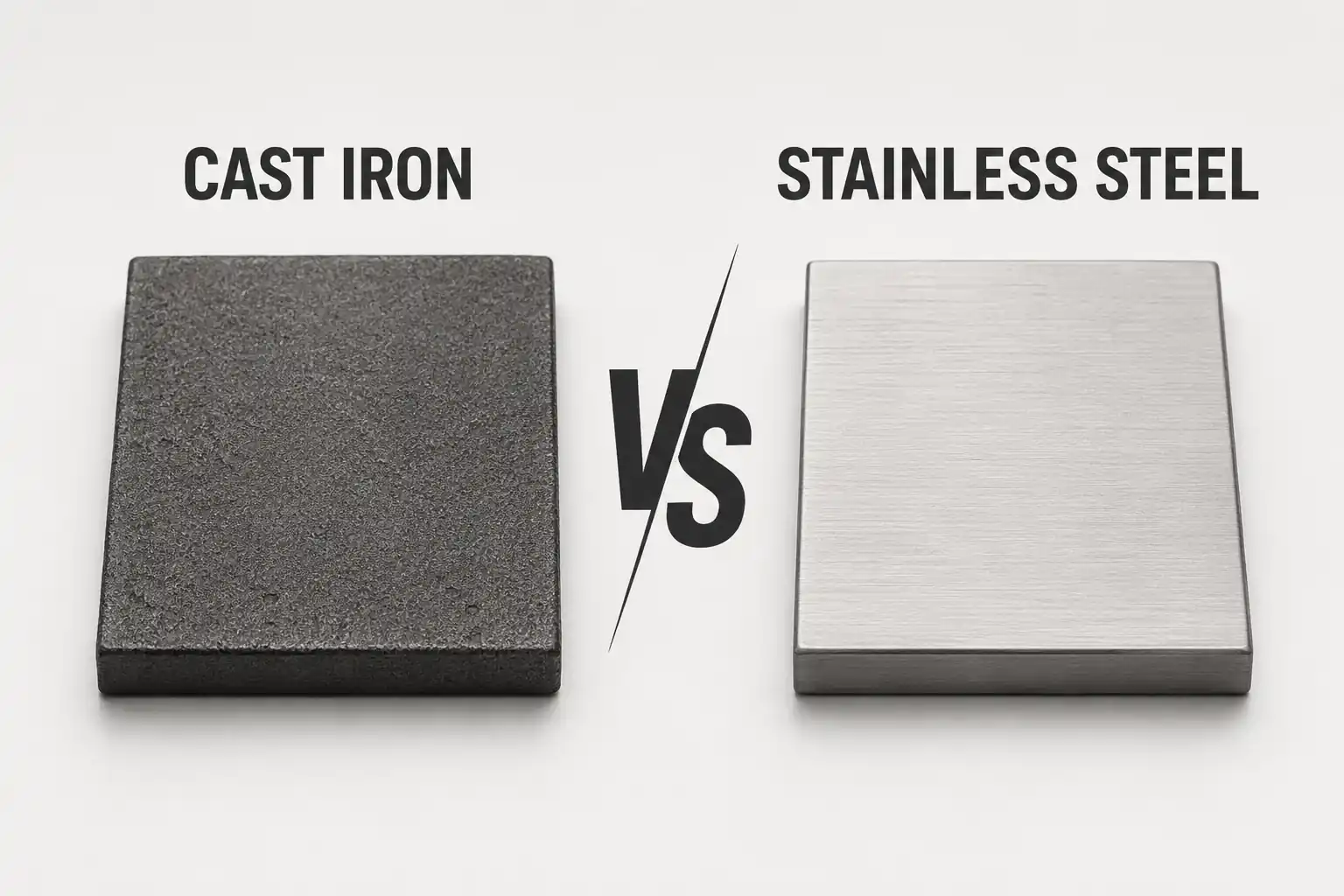



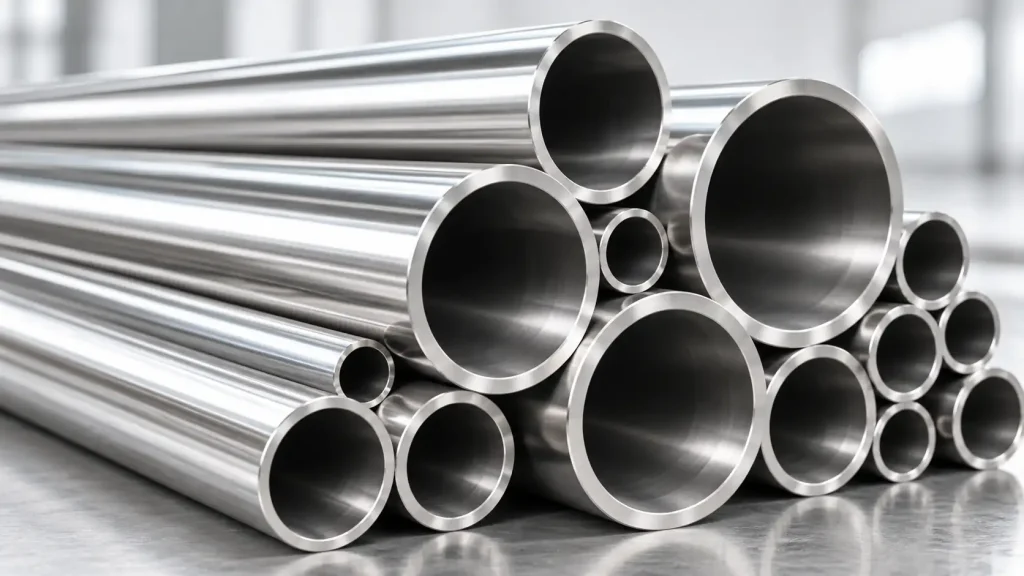
Stainless steel is an iron-based alloy that contains enough chromium to form a protective film on its surface. Under BS EN 10088-1, the usual definitional threshold is a chromium content of at least 10.5% by mass. That one change alters how the steel surface reacts with oxygen and gives the material its corrosion resistance.
The name can mislead. If the grade, surface condition, manufacturing route, or service environment is wrong, stainless steel can still stain, pit, crack, or rust. This guide covers why stainless steel resists corrosion, how mills and foundries make it, what the main types are, and what to check before specifying a grade.
What Is Stainless Steel?
Stainless steel is not one material with a single recipe. It is a family of corrosion-resistant steels in which iron is the base and chromium is the defining element.
Surface chromium reacts with oxygen to form a thin chromium-rich oxide film, called the passive layer, which separates the alloy below it from the environment. When a clean surface is scratched, the film usually reforms as long as oxygen is present.
The corrosion resistance comes from the alloy itself, not from a coating over ordinary steel. That matters after cutting, machining, or surface damage: a damaged coating exposes unprotected base metal, while stainless can re-passivate when chemistry and environment allow.
This is the core difference between stainless steel and carbon steel, but it does not mean every grade suits seawater, acids, high temperatures, or crevices.
Specifications matter more than labels. Product form, heat treatment, surface finish, the applicable wrought or cast standard, and the required test results all form part of a complete material specification. A purchase order should name the standard and grade rather than a trade description such as food grade or marine grade.
Composition of Stainless Steel
Iron is the main element, and chromium provides the passivation behavior that defines the family. Other elements adjust structure, corrosion resistance, strength, hardness, and response to forming and machining, so two stainless grades can differ noticeably even though both qualify as stainless.
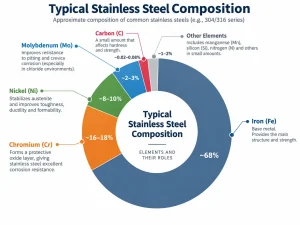
Nickel helps stabilize austenite and gives many grades toughness, ductility, and formability. Molybdenum improves resistance to localized corrosion in many chloride-containing environments. Carbon raises strength and hardness but must be balanced against carbide formation during heat treatment. Nitrogen increases strength and helps stabilize austenite, while manganese, silicon, copper, titanium, and niobium serve more specific roles.
Chemistry alone is not a complete specification. The grade, product form, heat treatment, and manufacturing route determine the final properties, and appearance, spark tests, or a magnet cannot identify a grade reliably. If proof of chemistry is needed, specify a material test certificate.
How Is Stainless Steel Made?
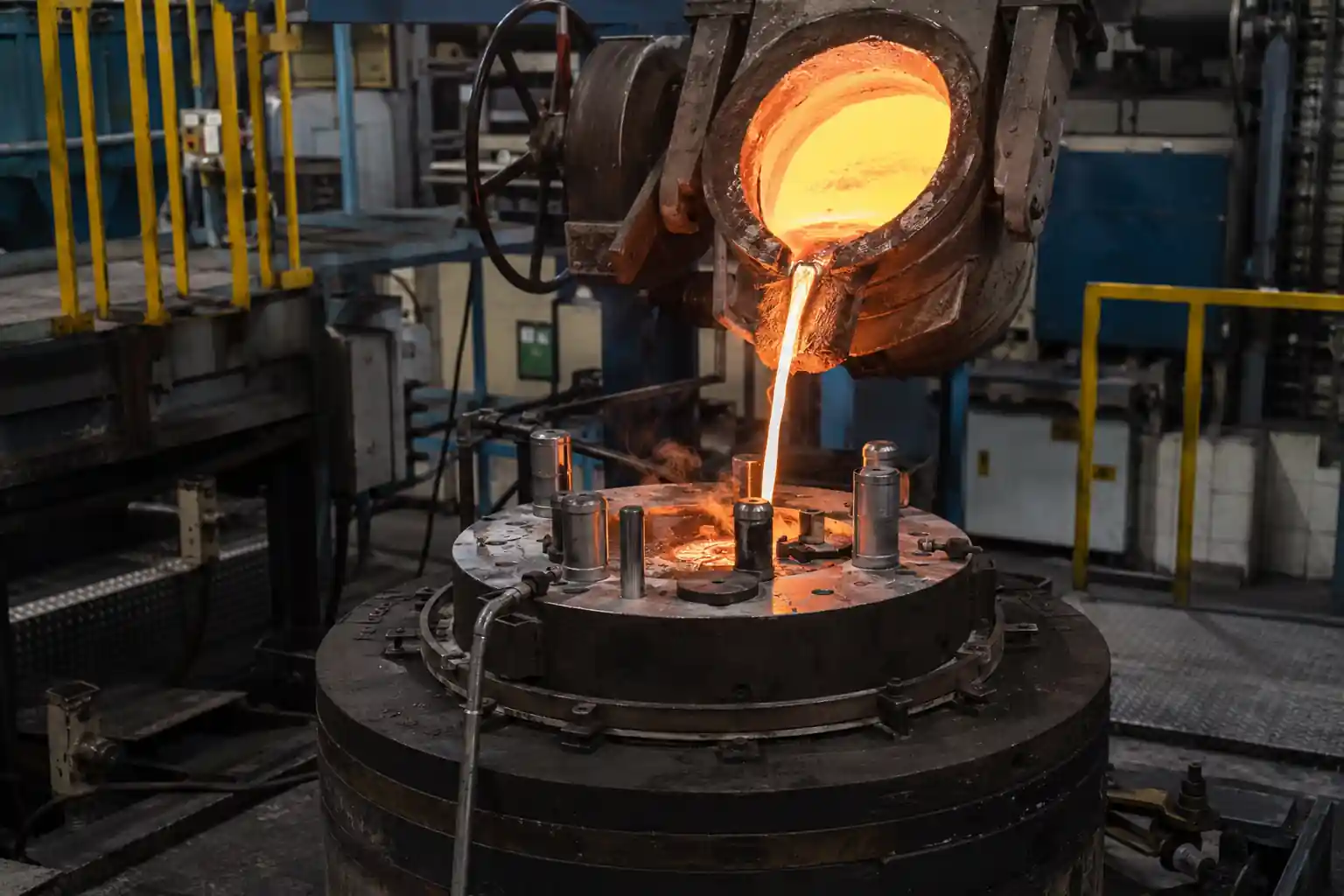
Production starts with controlled stainless scrap, steel scrap, ferroalloys, and other alloy additions, usually melted in an electric arc furnace. Melters sample and calculate the charge so they can account for alloying elements already in the scrap and add only what is missing.
The melt is then refined. Argon oxygen decarburization is a common route that lowers carbon while limiting chromium loss. Ladle treatment follows to adjust composition, temperature, and cleanliness before casting.
For wrought products, the steel is cast into slabs, billets, or ingots and hot rolled. Sheet and coil may be cold rolled for tighter thickness control, cold-worked strength, or a smoother surface. Annealing restores a suitable structure after working, and pickling removes scale and the chromium-depleted layer beneath it. Straightening, cutting, grinding, drawing, polishing, or bright annealing may follow.
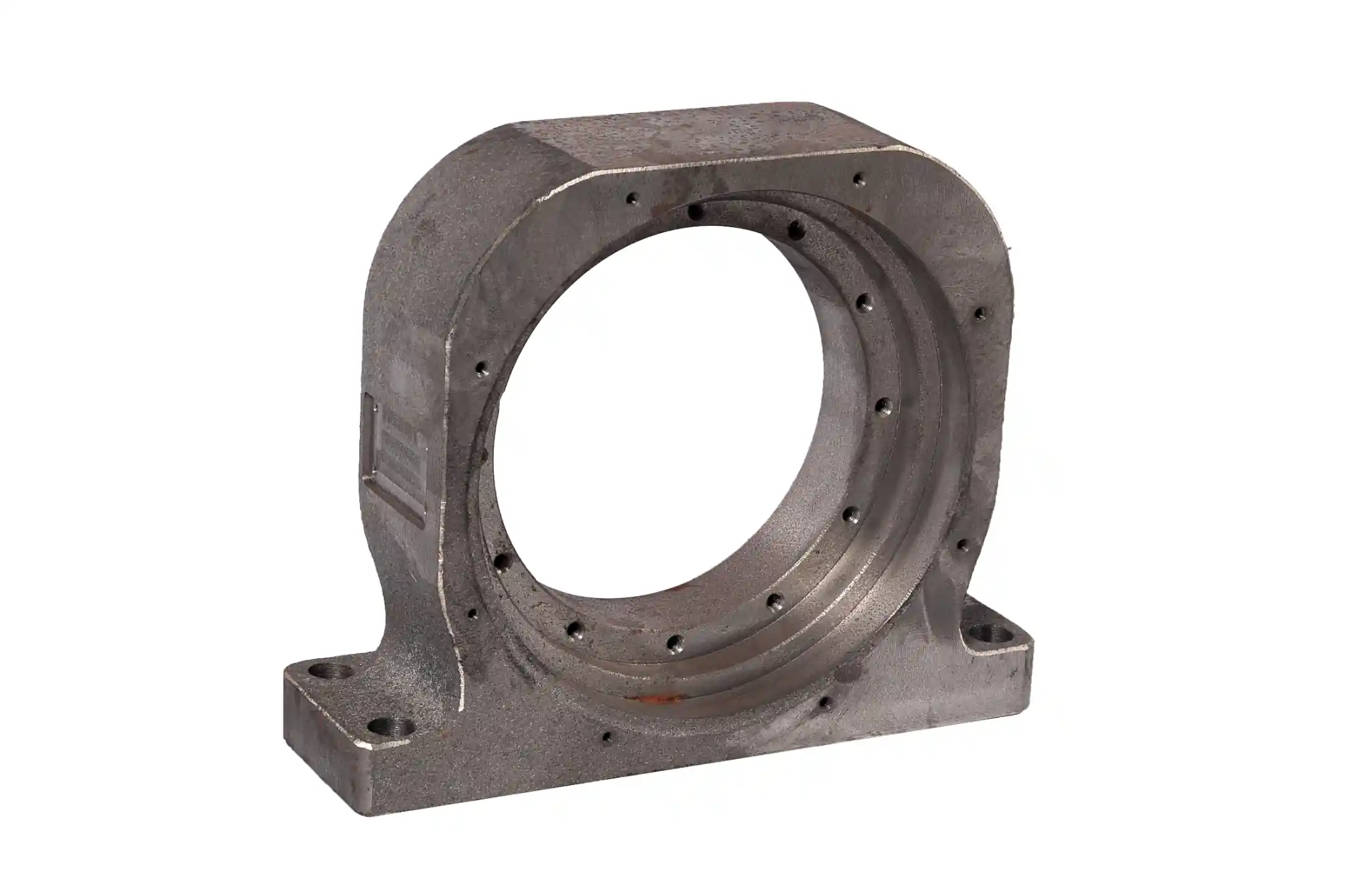
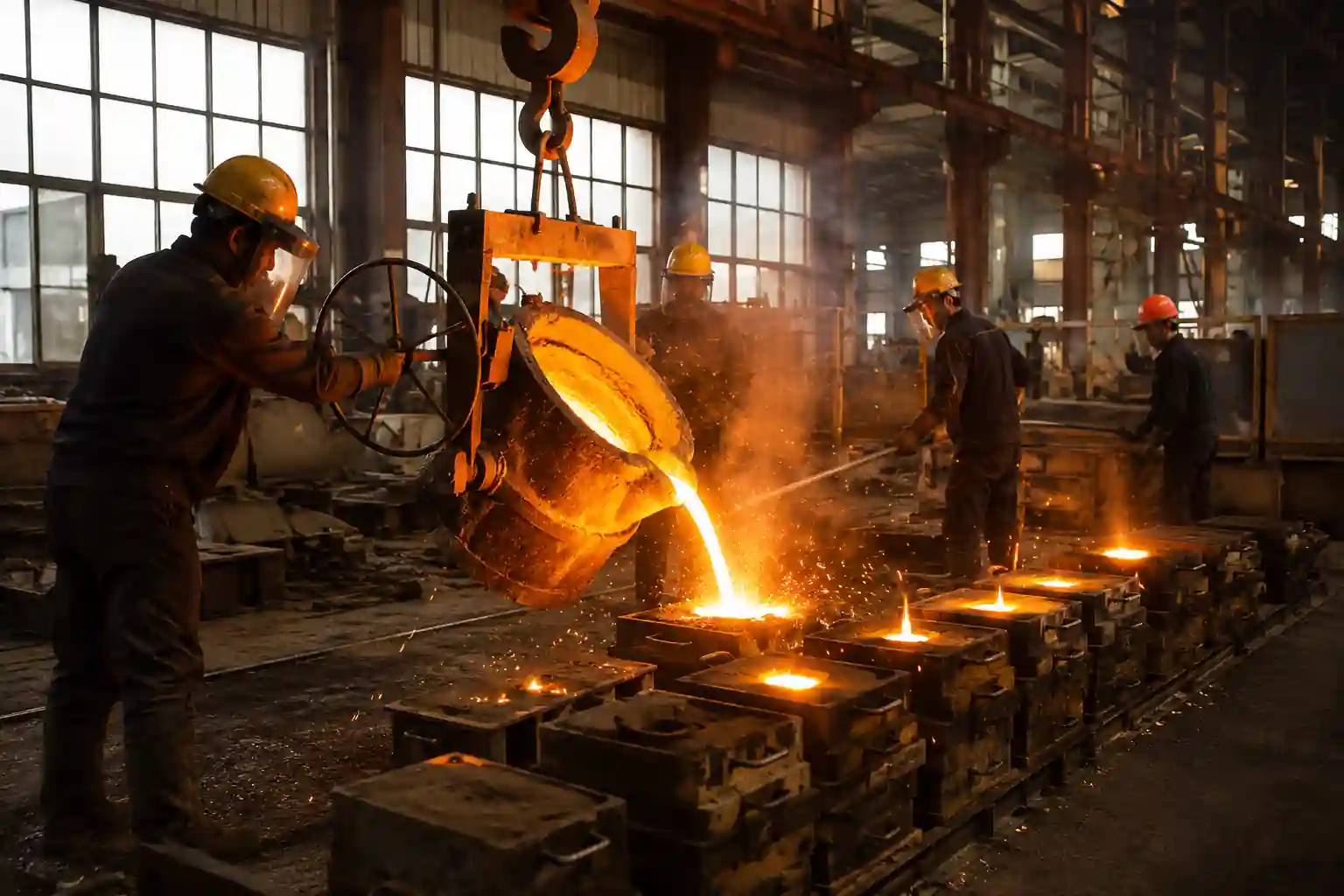
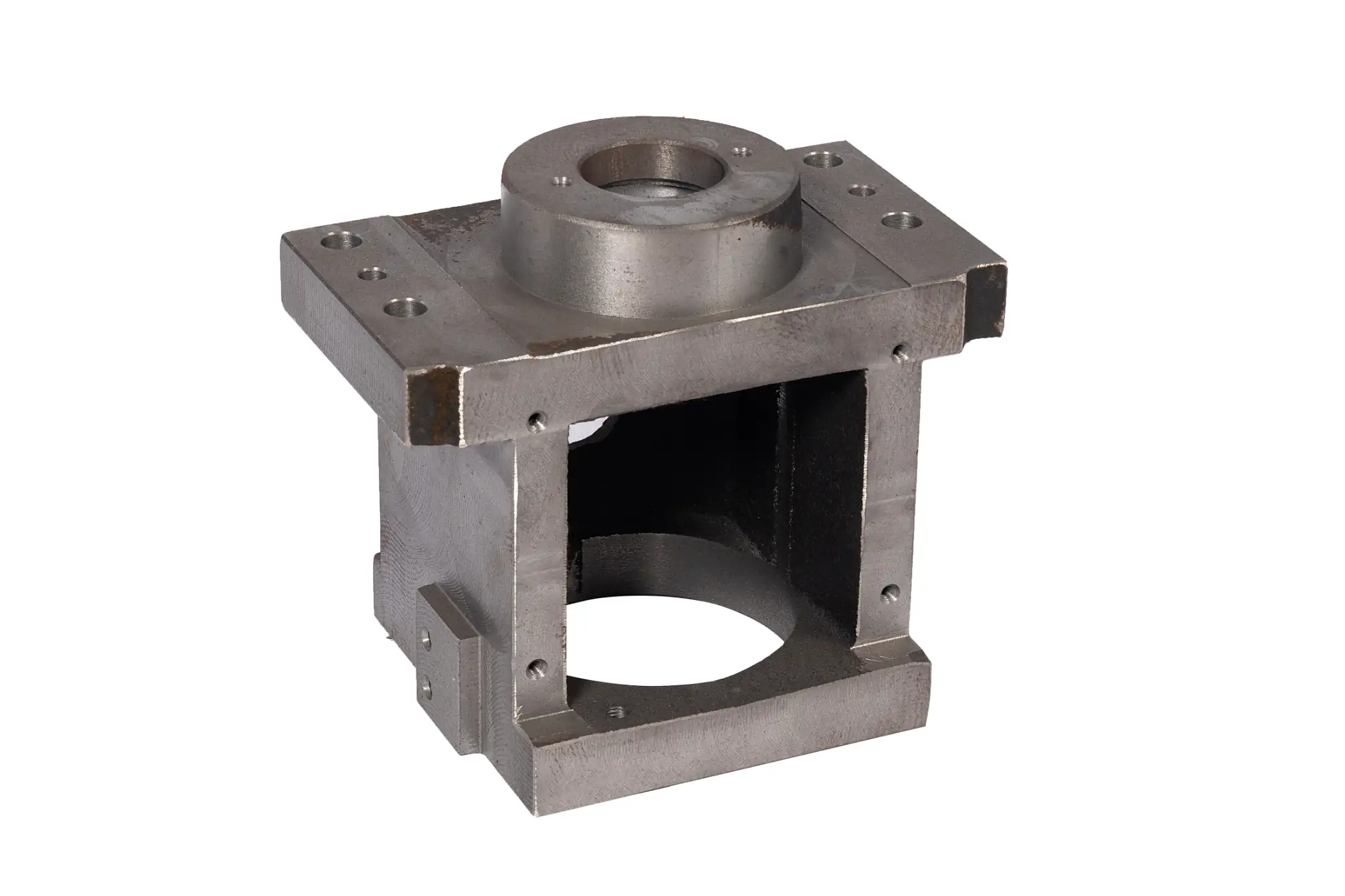
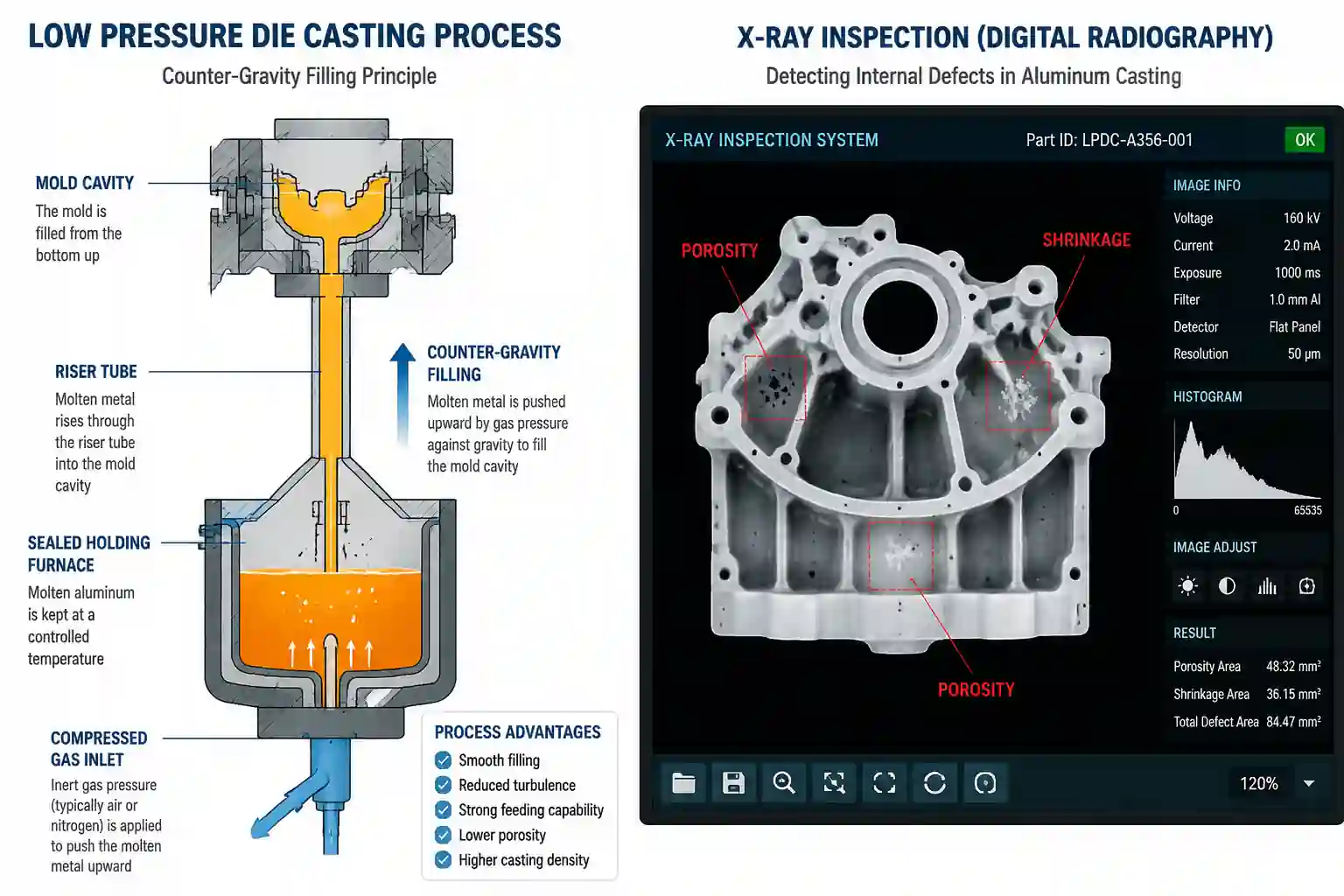
Cast stainless components follow a different route. Refined melt is poured into a mold instead of being rolled into mill forms, then the casting is heat treated, cut, machined, cleaned, and inspected as required. Pumps, valve bodies, impellers, and other complex shapes often suit casting better than machining from bar or plate.
Cast grades do not automatically equal their nearest wrought counterparts.
Welding and hot work release fume that needs control: chromium in stainless can form hexavalent chromium compounds during welding, so ventilation, exposure assessment, correct filler selection, and personal protection belong in the manufacturing plan.
The Main Types of Stainless Steel
Stainless steel is usually grouped by room-temperature structure. Five families cover most commercial grades: austenitic, ferritic, martensitic, duplex, and precipitation-hardening. The internal structure drives mechanical, physical, and corrosion behavior, so selection should start from the service conditions rather than from a single grade name.
For a fuller types and grades of stainless steel guide, including the difference between wrought and cast designations, see the site guide.
Austenitic 300 Series
The 300 series includes common grades such as 304 and 316. These combine corrosion resistance with good ductility, formability, and weldability, which is why they dominate food, chemical, and general engineering use. Annealed austenitic grades show low magnetic response, though cold working can introduce some magnetism.
See the austenitic stainless steel guide for its structure and grade range, and the 304 vs 316 comparison when chlorides are present.
Ferritic 400 Series
Ferritic grades such as 430 are chromium-based, usually low in nickel, and magnetic. They resist many mild and moderately corrosive environments and are common in appliances, automotive trim, and architectural components. They cannot be hardened by the same heat treatment route as martensitic grades.
Martensitic
Martensitic grades such as 410 can be quenched and tempered to high strength and hardness, which suits shafts, valve parts, cutlery, and tools. The trade-off is usually lower corrosion resistance than common austenitic grades and stricter welding requirements. The 410 stainless steel guide covers a common martensitic grade in more detail.
Duplex
Duplex grades contain both austenite and ferrite. The balanced structure gives high strength and improved resistance to chloride stress corrosion cracking in many environments, which is why chemical, water treatment, and offshore applications consider them. Phase balance must be controlled during production and welding. The duplex stainless steel guide introduces the main grade families.
Precipitation-Hardening
Precipitation-hardening grades, such as 17-4 PH, combine high strength with useful toughness through solution treatment and aging. They appear in aerospace fasteners, shafts, springs, and high-pressure parts where strength and corrosion resistance are both needed.
Advantages and Limitations
The main advantage of stainless steel is corrosion resistance that can be tuned through alloy design. It also offers usable strength at high and low temperatures, cleanable surfaces, a range of finishes, and full recyclability, since scrap can be remelted into new stainless without losing the value of its alloying elements.
The limits are real. Stainless steel is not corrosion-proof: chlorides can cause pitting and crevice corrosion, especially where deposits or tight joints limit oxygen, and contamination from carbon steel tools can leave surface rust. See why stainless steel can still rust for the main failure paths.
Cost is another factor. Austenitic grades work-harden during machining, and welding needs matched filler and controlled heat input, so manufacturing behavior should be part of the selection review.
Stainless Steel Applications
Engineers choose stainless steel when corrosion resistance must combine with strength, cleanability, heat resistance, appearance, or long service life. Typical applications include:
- Food and beverage equipment, including tanks, piping, mixers, valves, and conveying systems.
- Chemical and process plants, where pumps, valve bodies, pipes, vessels, and heat exchangers are selected against the actual medium.
- Medical and pharmaceutical devices that need cleanable, sterilizable surfaces and controlled material specifications.
- Architecture and infrastructure, including cladding, handrails, fasteners, reinforcing bar, and water system components.
- Transportation and energy, from exhaust parts and rail equipment to power generation and cryogenic or high-temperature service.
- Cast stainless components such as complex pump bodies, impellers, valve parts, and housings where geometry favors near-net-shape casting.
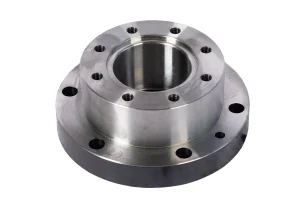
MinHe Foundry – Custom Stainless Steel Castings
If your part needs a cast stainless grade, send the drawing, service conditions, and required standard to our engineers. The foundry team can compare austenitic, ferritic, martensitic, duplex, and precipitation-hardening options against the actual environment before tooling starts.
Confirming grade, heat treatment, and inspection requirements at the quoting stage is far cheaper than correcting them after casting, which is where a clear specification pays back in fewer rejects and faster delivery.