


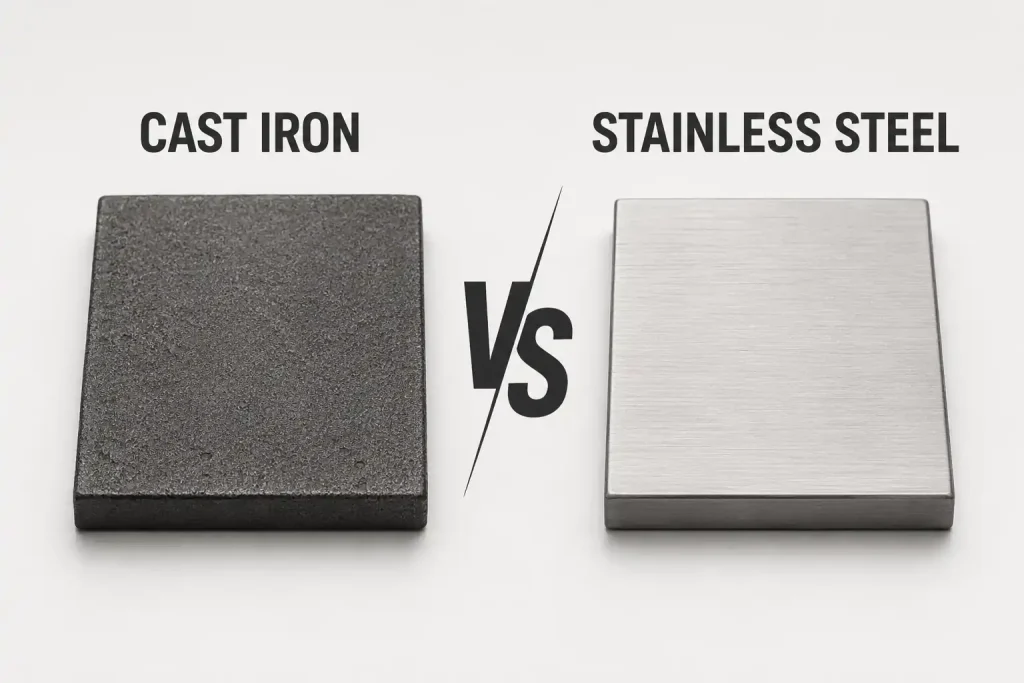
Cast iron and stainless steel are often compared as engineering materials, but in casting projects the decision is not only about strength or corrosion resistance. Cast iron is often selected for castability, vibration damping, compressive loading, machinability, and cost control. Stainless steel is usually considered when corrosion resistance, toughness, surface stability, or clean-service conditions are more important.
When evaluating these materials for industrial casting material selection, engineers and procurement teams must consider how their elemental properties affect fluid dynamics, solidification shrinkage, post-cast machining, and long-term maintenance costs in specific operating conditions.
What Is Cast Iron?
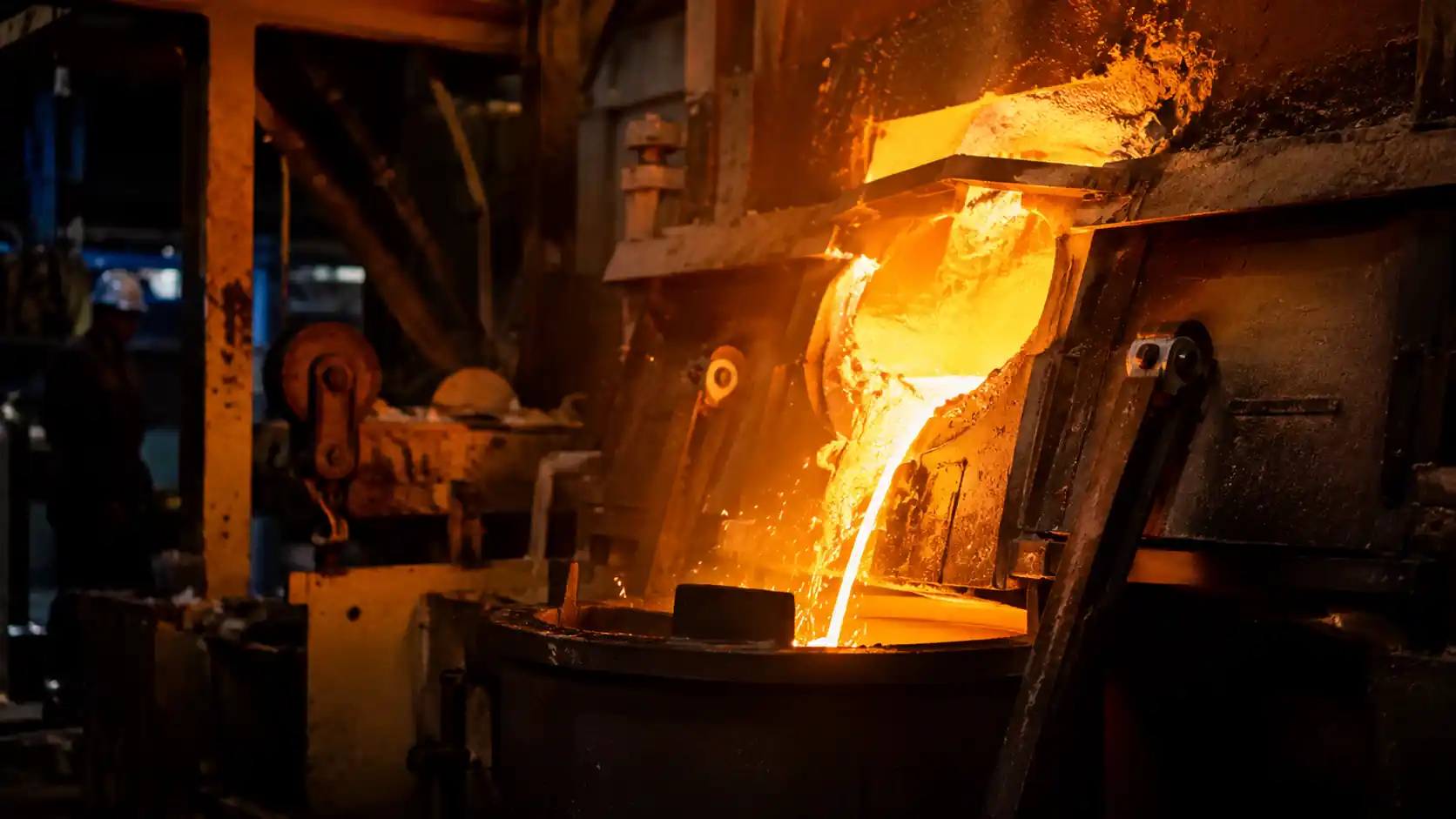
Cast iron represents a group of iron-carbon alloys containing more than 2.11% carbon. From a foundry perspective, this high carbon concentration reduces the melting point of the metal, provides exceptional fluidity, and results in relatively low volume shrinkage during cooling. These characteristics make the material ideal for producing heavy, thick-walled, or geometrically complex cast metal parts.
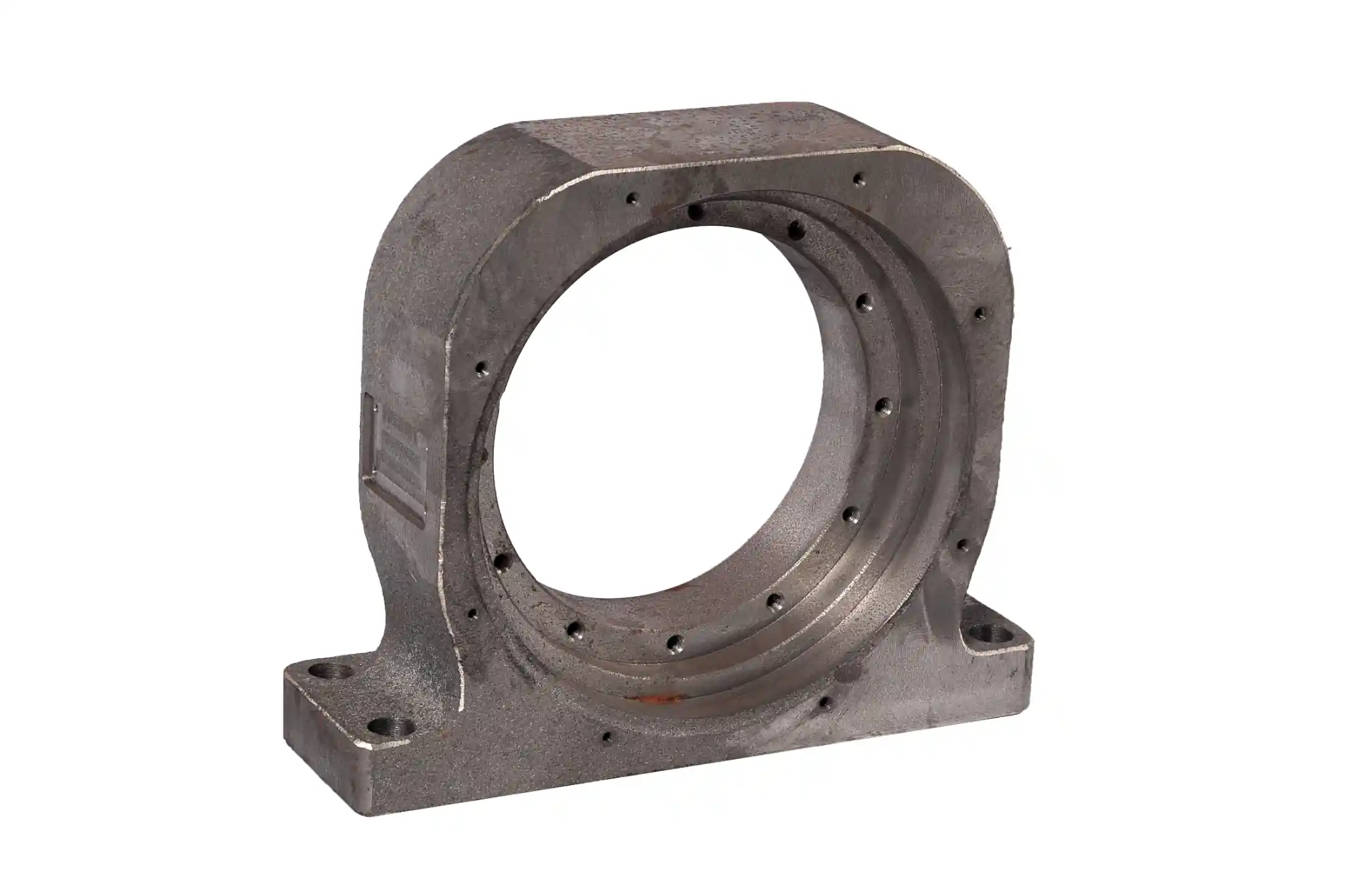
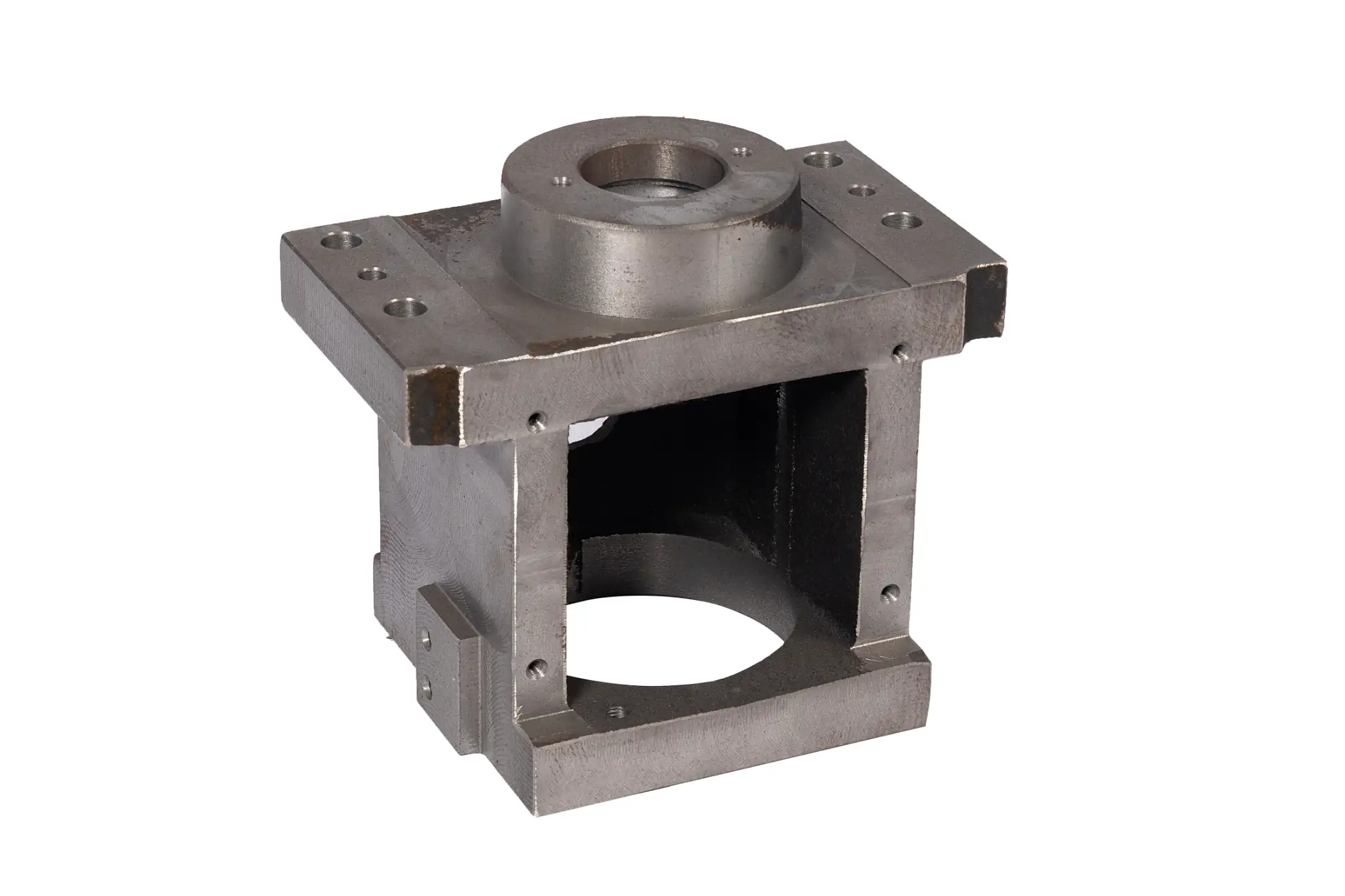
Based on how carbon solidifies within the microstructure, the material is categorized into gray iron, ductile iron, compacted graphite iron (CGI), and white iron. Because it provides high structural rigidity and stable mechanical properties under pressure, it is commonly specified for heavy industrial components such as machine tool beds, pump housings, valve bodies, heavy-duty pipe fittings, brackets, equipment bases, and gearbox casings.
Advantages of Cast Iron
In engineering applications with clear structural requirements, cast iron provides stable process viability and manufacturing economy.
-
Castability for complex shapes: The lower melting point and high fluidity allow the molten metal to fill intricate mold cavities easily, facilitating proper formation in thick-walled structures and large components.
-
Vibration damping performance: Particularly in gray iron castings, the internal graphite flakes absorb and dissipate mechanical vibrations, supporting the operational stability of machine tool beds, engine blocks, and pump bases.
-
Compressive load capacity: The material handles compressive stress significantly better than tensile loading, making it a reliable choice for heavy housing units and supporting structures under static pressure.
-
Wear behavior in sliding contact: The internal graphite structure offers a self-lubricating effect and allows the surface to retain oil films easily, providing a distinct advantage in slideways, guideways, and mechanical mating scenarios.
-
Machining efficiency: It exhibits good chip-breaking characteristics and requires lower cutting forces, which helps reduce tool wear and shorten machining cycle times.
-
Cost efficiency for large castings: Stable raw material prices, lower melting temperatures, and mature foundry processes make cast iron components highly economical for high-volume and heavy structural production.
Limitations of Cast Iron
While widely utilized, the physical and chemical characteristics of the material introduce certain limitations when parts face chemical aggression or high tensile loads.
-
Weaker corrosion resistance: The surface lacks a self-protecting passivation layer. It oxidizes and rusts easily when exposed to humid air or corrosive media, requiring painting, specialized coatings, rust-preventative oils, or other surface protection methods.
-
Limited toughness in gray iron: Traditional gray iron has low tensile strength and near-zero elongation. While ductile iron grades improve toughness and fatigue resistance, safety margins must still be carefully evaluated under extreme tension.
-
Weight considerations: Due to tensile strength limitations, these castings often require generous wall thicknesses to satisfy rigidity and safety factors, which increases the total weight of the component.
-
Welding and repair difficulty: High carbon content makes the weld heat-affected zone prone to cracking or brittle structures, meaning the repair of localized casting defects requires strict preheating and cooling controls.
What Is Stainless Steel?
Stainless steel is an iron-based alloy steel containing a minimum of 10.5% chromium. The chromium content allows a passive surface film to form spontaneously, protecting the underlying substrate from moisture, oxygen, and various chemical media. This thin, dense film is self-healing in oxygen-rich environments, giving stainless steel parts excellent long-term surface stability.
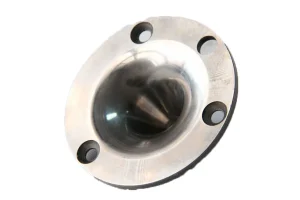
In industrial foundry operations, stainless steel components are divided into austenitic, ferritic, martensitic, and duplex families based on their microstructures. These alloys are commonly specified for casting projects operating under harsh conditions, such as high-pressure valve bodies, chemical pump impellers, food processing machinery components, marine hardware, and corrosion-resistant enclosures.
Advantages of Stainless Steel
In high-humidity environments or operations requiring frequent chemical washdowns, stainless steel parts leverage balanced mechanical properties and surface stability to maintain system reliability.
-
Corrosion resistance in demanding environments: Relying on the surface passivation film, these castings slow down oxidation rates in fresh water and various chemical solutions. The actual corrosion performance depends heavily on the specific grade, chemical media, operating temperature, and surface finish.
-
Strength and toughness: Compared to cast iron, stainless steel parts (particularly austenitic and duplex grades) deliver higher tensile strength and ductility, making them far more reliable under pressure fluctuations or shock loads.
-
Surface stability: The dense, smooth surface resists flaking, scaling, or rust contamination, making it highly suitable for hygiene-critical environments such as pharmaceutical and food processing equipment.
-
Lower maintenance in corrosive service: Because the material itself resists corrosion, it generally eliminates the need for complex painting or rust-preventative oiling, reducing long-term maintenance and replacement costs in aggressive environments.
Limitations of Stainless Steel
Despite balanced performance, stainless steel components introduce greater challenges during material preparation, foundry molding, and subsequent machining stages.
-
Higher alloy cost: High concentrations of expensive elements like chromium, nickel, and molybdenum make raw material and melting costs substantially higher than those of standard cast iron.
-
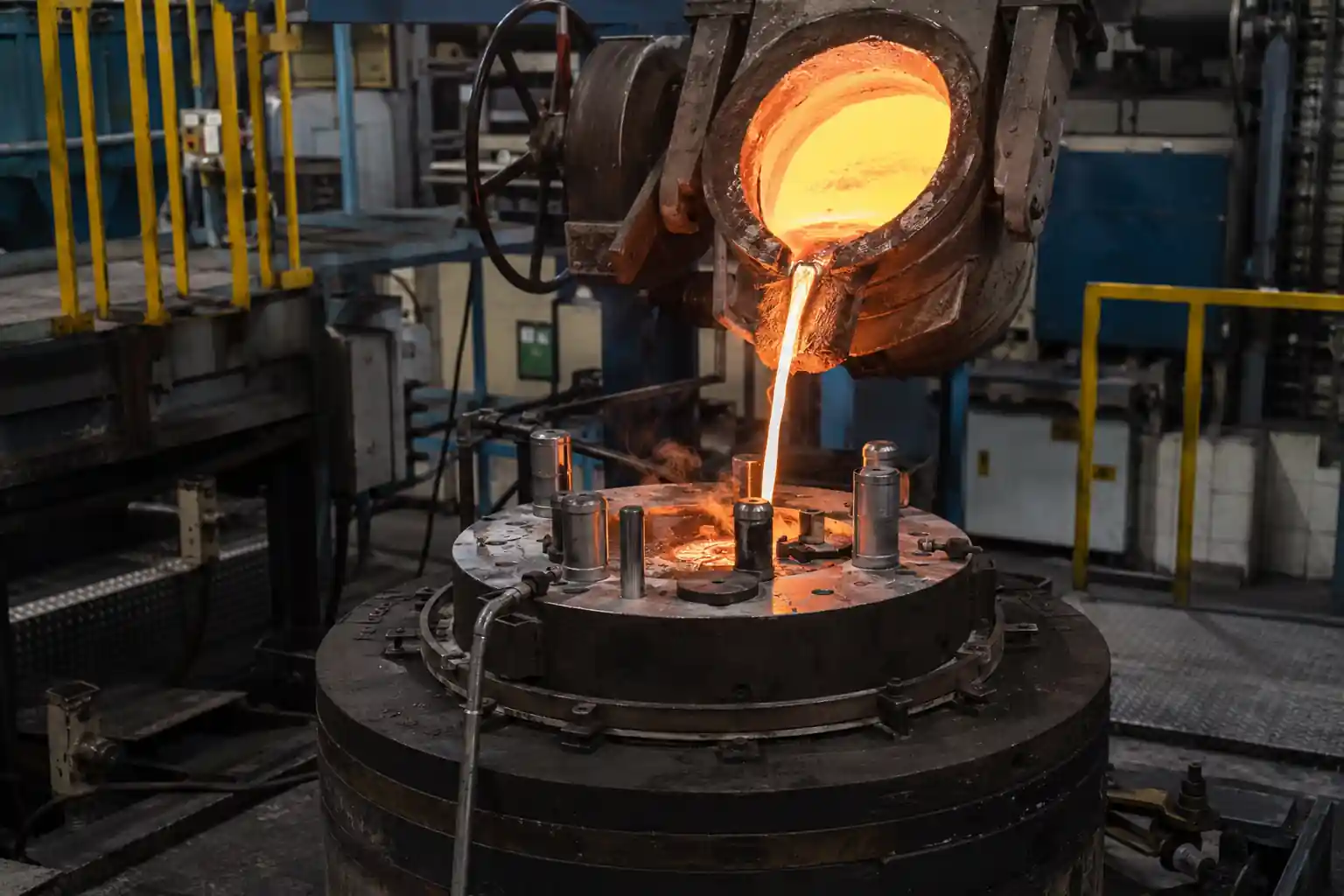
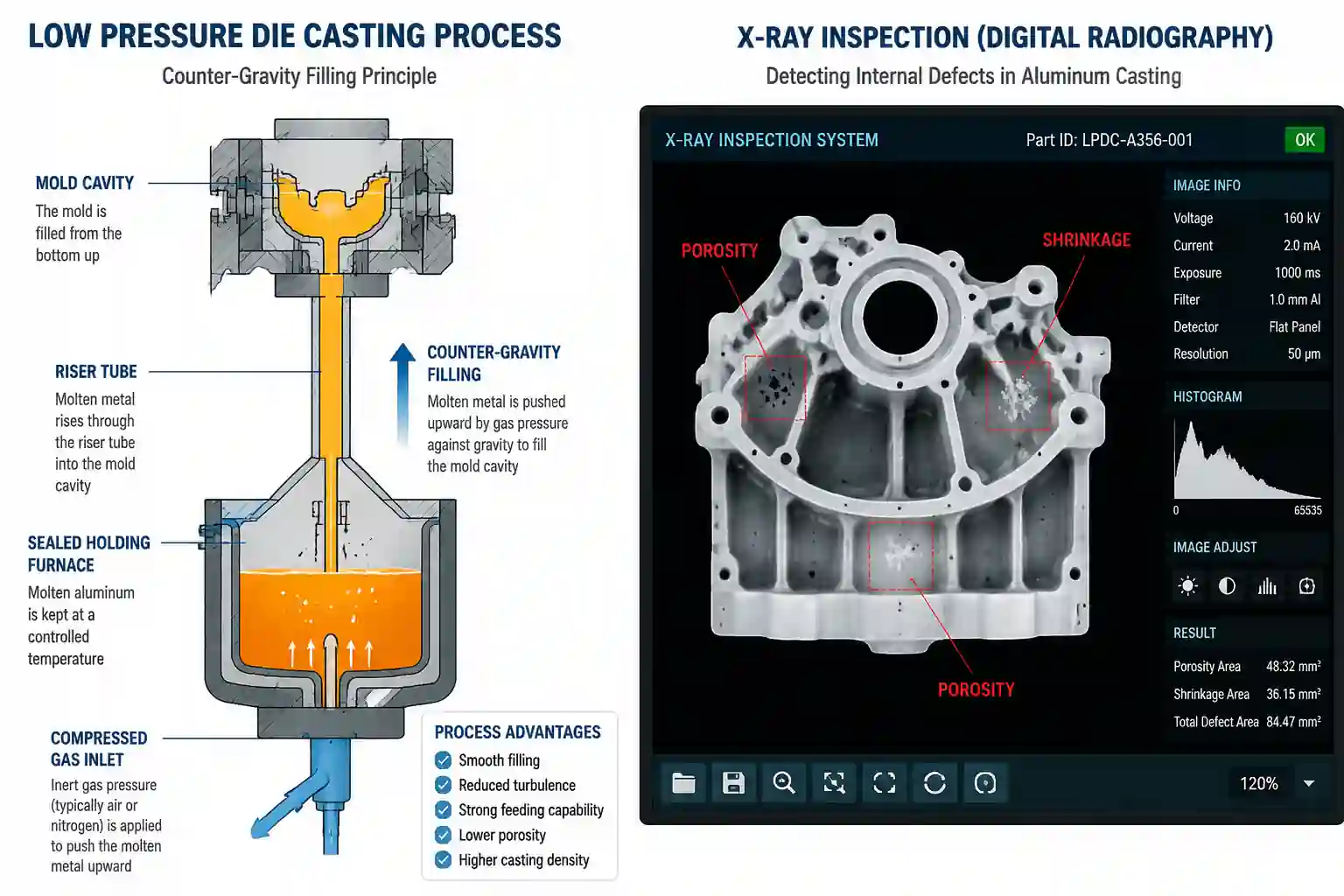
More demanding casting control: The alloy has a higher melting point, poorer fluidity than cast iron, and more pronounced solidification shrinkage. If process control is improper, risks for shrinkage cavities, porosity, and cracks increase in stainless steel castings, demanding strict mold design, feeding risers, and post-cast heat treatments.
-
Machining difficulty: Many grades are highly prone to work hardening during cutting operations. Additionally, poor thermal conductivity concentrates heat at the tool edge, requiring higher equipment rigidity, specialized tooling, and optimized cutting parameters.
-
Corrosion risks in specific media: The material is not entirely immune to corrosion. In environments rich in chloride ions (such as marine environments or salt spray) or in the presence of crevices and surface deposits, it remains susceptible to localized pitting or crevice corrosion.
Cast Iron vs. Stainless Steel
In industrial casting selection, the differences between cast iron and stainless steel extend beyond material composition, directly impacting castability, corrosion resistance, strength, vibration dampening, machining, and cost control.
Composition
The key difference is not only the base metal, but also how carbon, graphite, chromium, and alloying elements shape casting behavior and service performance. Cast iron relies on a high carbon content of 2.11%–4.5% to form graphite microstructures that dictate its properties. Stainless steel belongs to a low-carbon or ultra-low-carbon steel system, relying primarily on 10.5% or more chromium to establish corrosion resistance and surface stability.
Castability
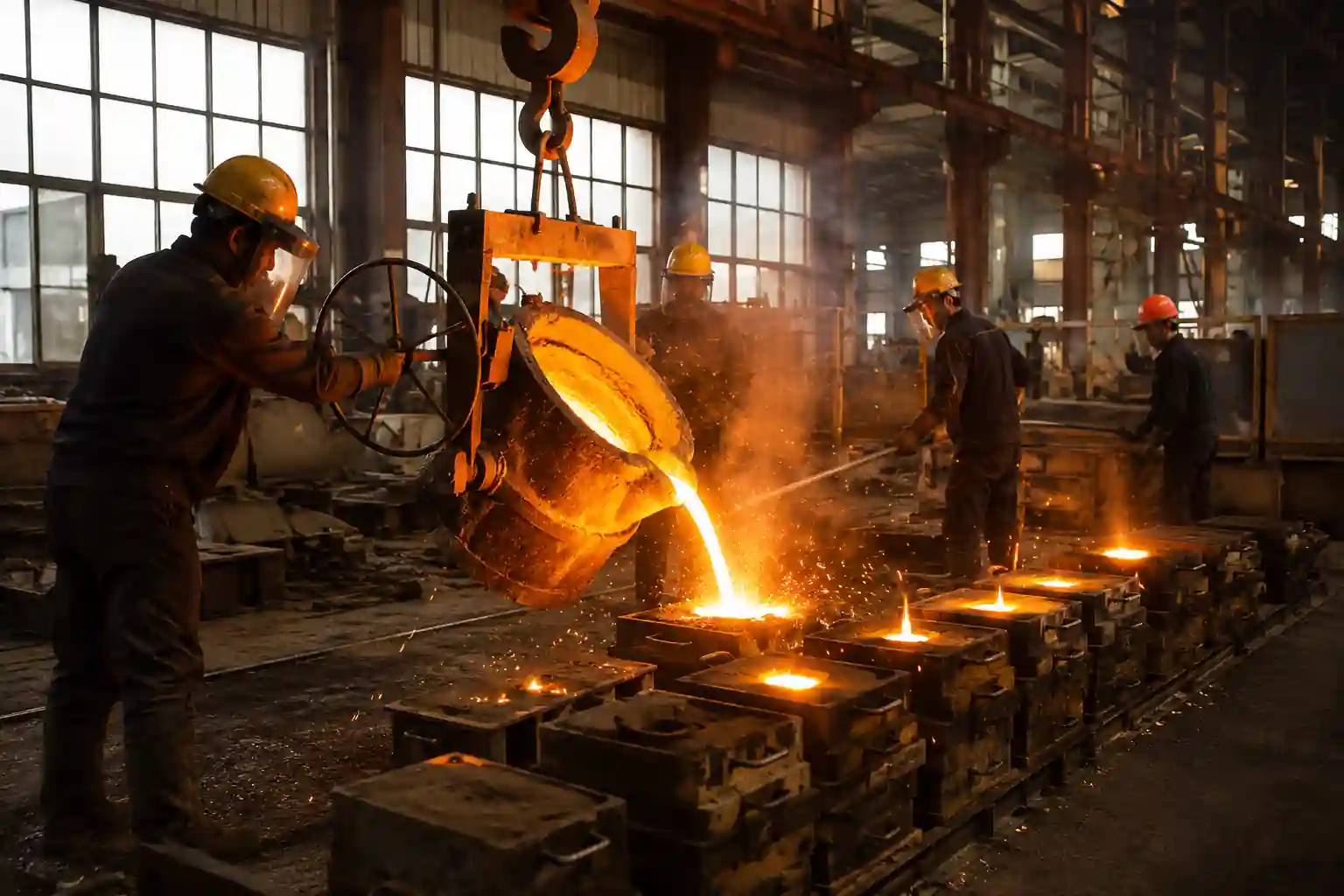
Cast iron is significantly more foundry-friendly. Its lower melting point, superior fluidity, and relatively low volume shrinkage make it easier to achieve proper mold filling and sound casting formation, especially in complex geometries, thick-walled parts, and massive structural components. Stainless steel requires much higher pouring temperatures, features complex shrinkage characteristics, and demands stricter control over gating, risers, and mold designs to prevent defects in stainless steel castings.
Corrosion Resistance
Stainless steel components utilize their passivation layer to provide reliable corrosion resistance in many humid, acidic, or alkaline environments, though performance depends heavily on the chosen grade and specific environment. Conversely, unprotected cast iron oxidizes rapidly. If its surface coating or plating fails, the base metal continues to rust, requiring continuous maintenance of paints or protective coatings.
Strength and Toughness
Cast iron provides stable performance in structures under static loads, such as bases, housings, and brackets, due to its excellent compressive strength and structural rigidity. However, gray iron is limited under tensile, bending, or impact loading, requiring a switch to ductile iron to improve ductility and fatigue performance. Stainless steel parts offer superior elongation and impact toughness, making them much safer under dynamic loads, pressure spikes, or cyclic stresses.
Vibration Dampening
The graphite flakes or nodules in cast iron absorb and dissipate mechanical energy. This natural dampening capacity is a primary reason gray iron is consistently specified for heavy machine tool bases, industrial foundations, and large pump housings that require vibration suppression. Stainless steel has a dense crystalline structure and does not offer this vibration-damping advantage.
Wear Resistance
The graphite in gray iron acts as a mild lubricant and creates micro-pockets that retain lubricating oil films, ensuring stable wear resistance in sliding friction, guideways, and mechanical mating surfaces. The wear resistance of stainless steel depends heavily on its specific grade, hardness, and heat treatment; standard austenitic grades do not necessarily hold an advantage under unlubricated dry sliding conditions.
Machinability
Cast iron is a highly machinable material. The graphite flakes cause chips to break easily and reduce cutting forces, making mechanical machining relatively straightforward and keeping tool wear predictable. Stainless steel is more difficult to machine due to rapid work hardening and poor thermal conductivity, which concentrates heat on the cutting tool and requires specialized cooling, rigid setups, and conservative cutting parameters.
Weight
In terms of absolute material density, both are heavy metals and do not differ drastically. However, because cast iron has lower tensile and toughness limits, engineers often increase wall thicknesses to ensure proper safety factors, leading to heavier components. Stainless steel allows for optimized, thinner walls due to its higher strength, though the material itself remains dense.
Cost
Cast iron is highly economical regarding raw materials, melting energy, and subsequent machining, making it much easier to control manufacturing costs for standard high-volume components. Stainless steel requires premium alloying elements, higher casting controls, and more intense machining and non-destructive testing (NDT), resulting in higher initial costs. However, its longevity can reduce long-term maintenance and replacement expenditures in corrosive environments.
Conclusion
For thick-walled bases, housings, brackets, and other heavy structural castings, cast iron often provides better castability, damping behavior, and cost control. For pump components, valves, chemical equipment, marine parts, or clean-service components, stainless steel is often worth considering because of its superior corrosion resistance and surface stability.
Actual material selection should be based directly on blueprint requirements and the intended operating environment. Working media, load types, wall thickness restrictions, foundry capabilities, secondary machining, inspection standards, and maintenance accessibility must all be evaluated together to determine the most effective solution.