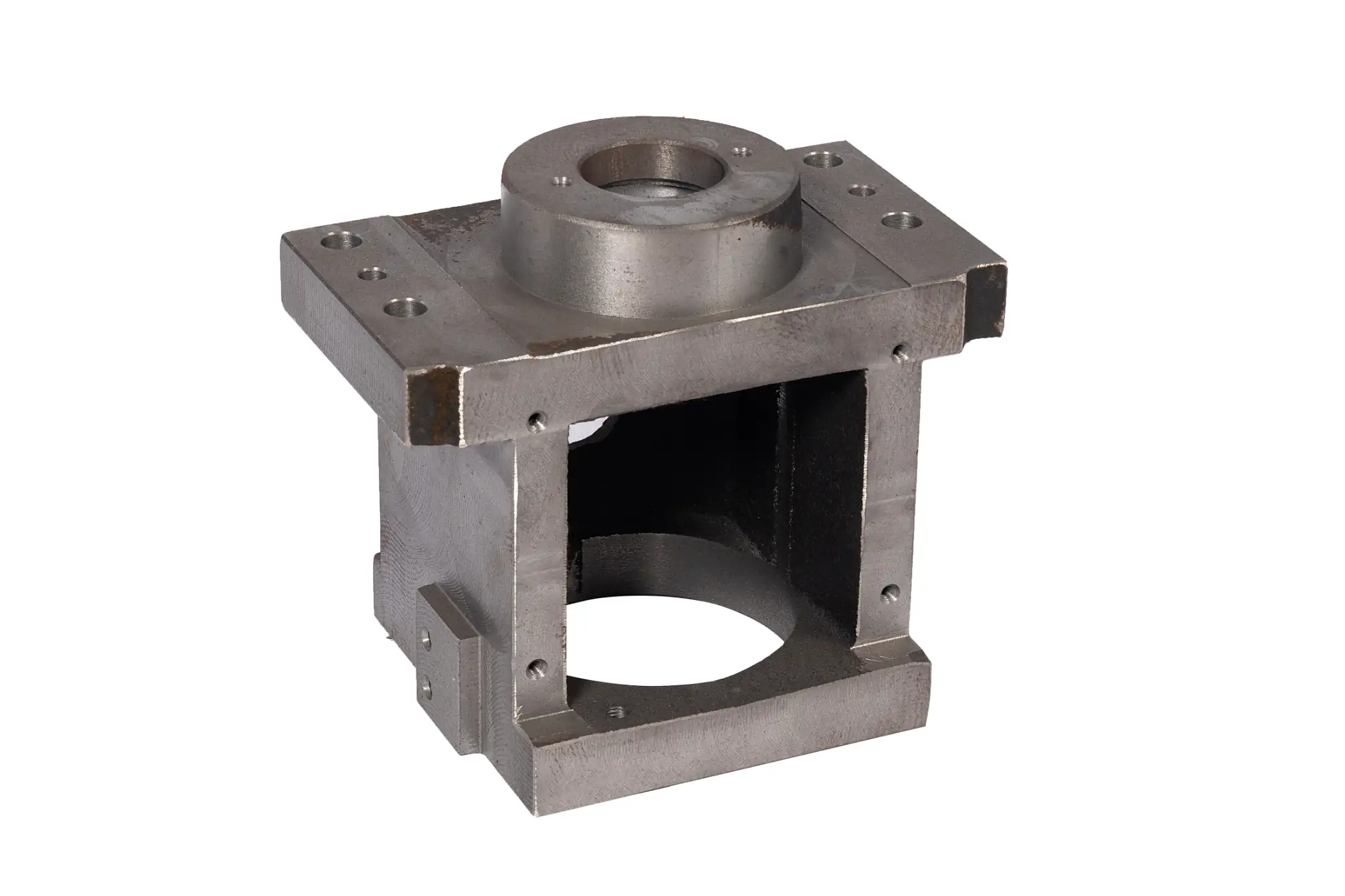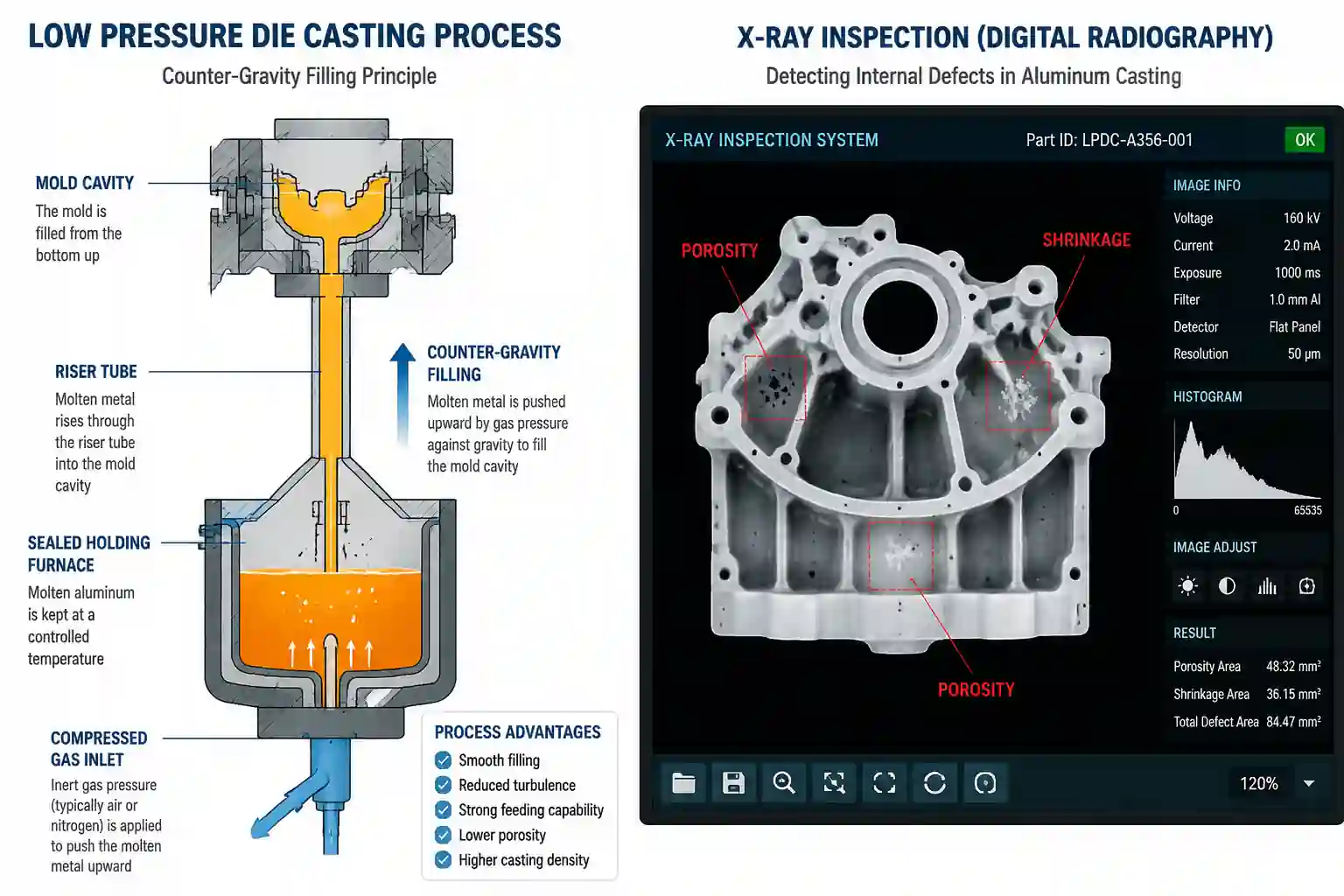



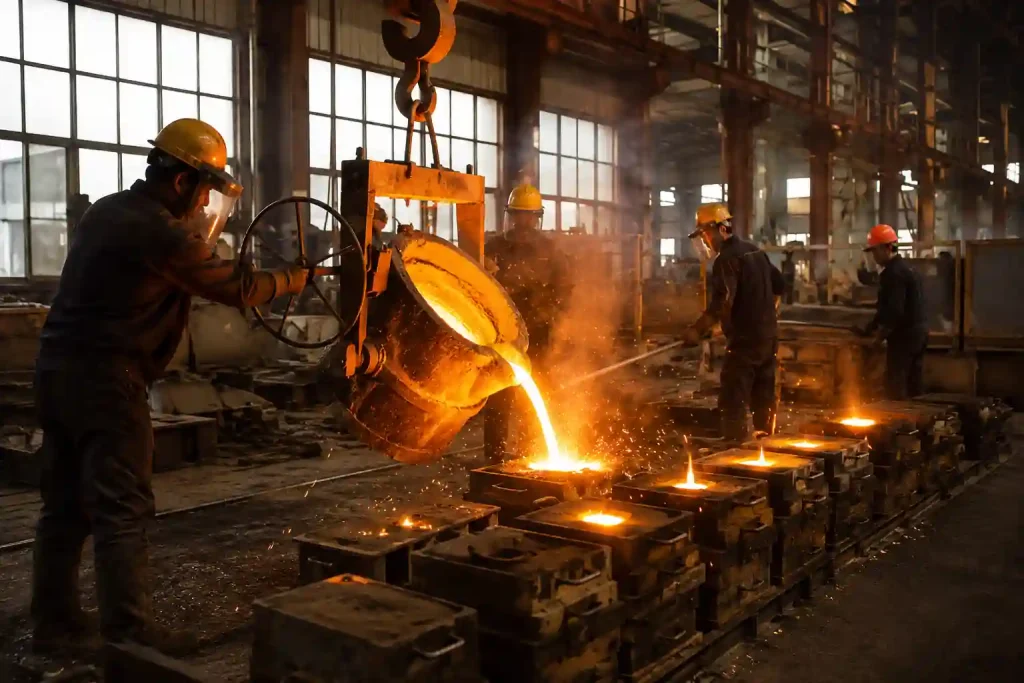
In casting RFQs, cast steel is often used as a broad material note, while carbon steel casting refers to one carbon-based category within the steel casting family. If the drawing only says cast steel, the grade, heat treatment, machining allowance, and inspection level still need to be confirmed before quoting.
This article explains how cast steel and carbon steel casting differ in material range, composition, corrosion resistance, cost, machinability, and common industrial applications.
What Is Cast Steel?
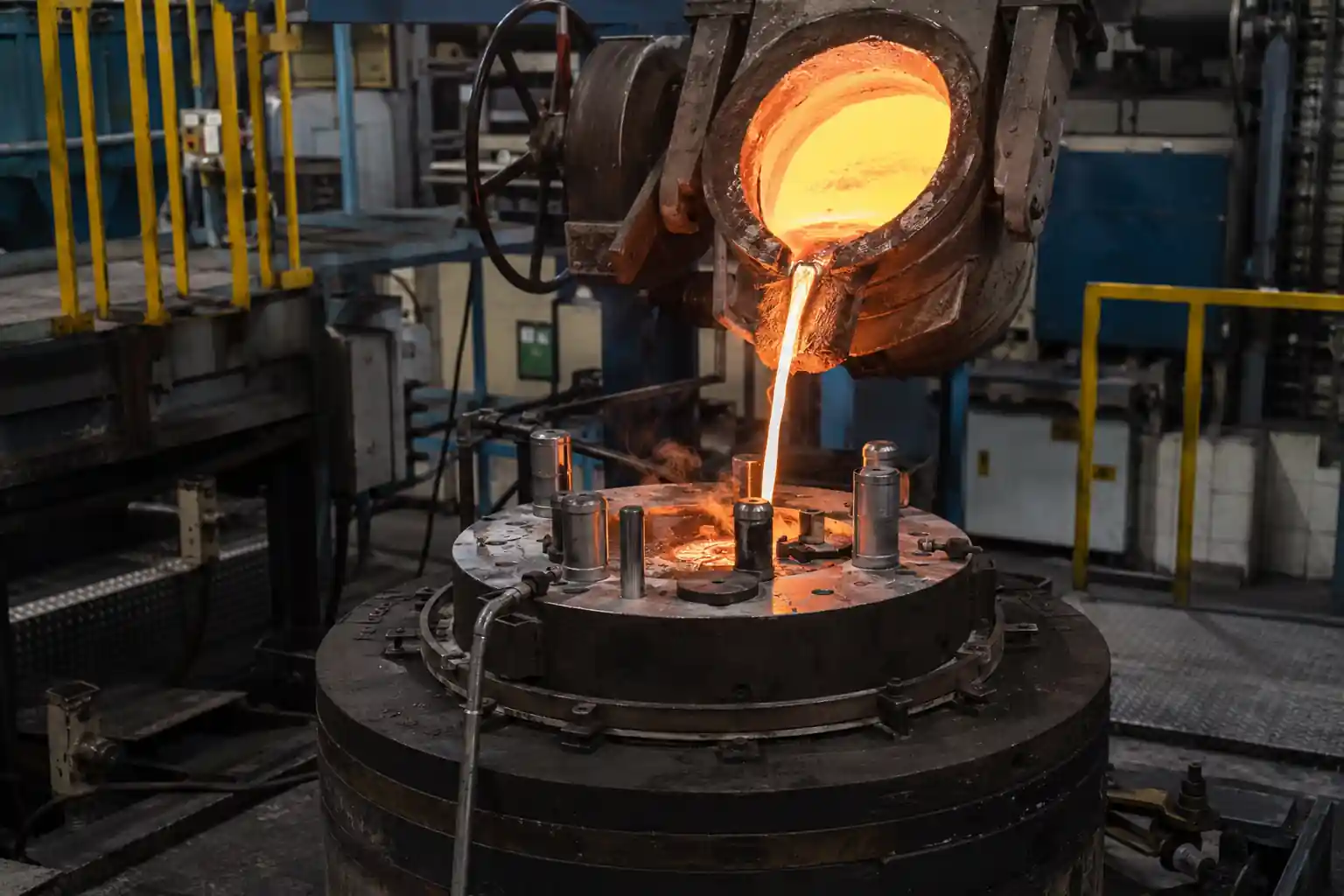
Cast steel is not a single grade. It is a material family that includes carbon steel castings, low alloy steel castings, stainless steel castings, and heat-resistant steel castings. It is often used when a steel part requires cast geometry, such as ribs, flanges, internal cavities, or wall thickness changes that are difficult to machine from solid stock.
Common Cast Steel Categories
Cast steel covers several material directions used for different loads, environments, and inspection requirements. The following categories are common in industrial casting projects.
Carbon Steel Castings
These represent a frequent choice within the steel casting family. They provide a predictable intersection of strength, toughness, and machinability for general structural parts.
Low Alloy Steel Castings
These grades incorporate small amounts of elements like chromium, molybdenum, or nickel to improve strength, hardenability, or impact toughness. They are evaluated when parts face higher loads, wear, or strict mechanical property requirements.
Stainless Steel Castings
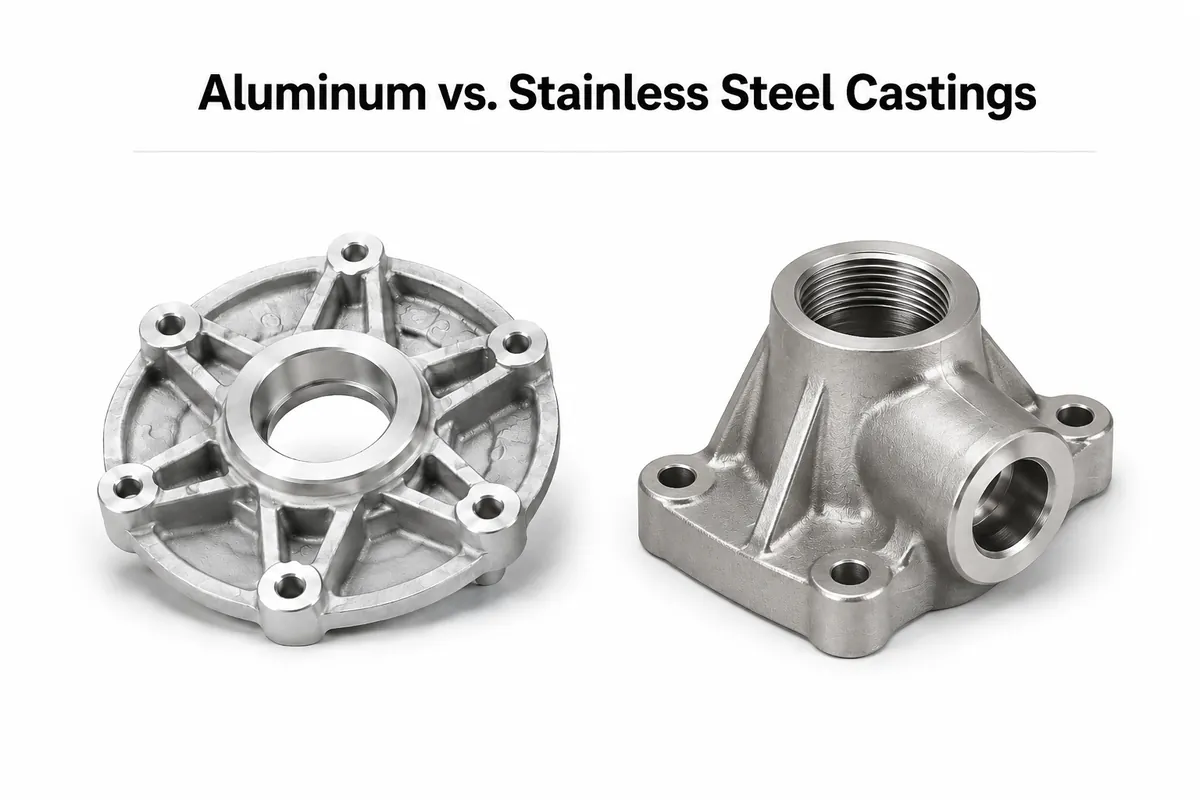
These materials contain sufficient chromium to resist environmental degradation. They are specified for parts exposed to moisture, chemicals, or marine environments, though the final choice depends on the specific grade and service fluid.
Heat-Resistant and High-Alloy Steel Castings
These grades are formulated for service in high-temperature zones where oxidation resistance and thermal stability are required. They are typically used for industrial equipment parts that must retain structural integrity while subjected to thermal cycling.
These categories show why cast steel should be treated as a material family rather than a single grade. The right option depends on load, environment, section thickness, heat treatment, machining, and inspection requirements.
What Is Carbon Steel Casting?
Carbon steel casting is a sub-category within the cast steel family. These components use carbon as the primary alloying element to provide strength, hardness, and ductility. Unlike high-alloy options, these materials contain limited amounts of additional elements, relying on carbon content and standard deoxidation practices to define their engineering performance.
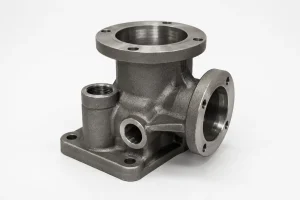
While carbon steel casting is a specific direction in material sourcing, it is not a singular material grade. Projects require the specification of a precise standard—such as ASTM or EN—along with a defined grade, heat treatment state, and target mechanical properties.
Carbon Steel Casting Categories
Carbon steel can be classified in several ways, including by application and carbon content. For carbon steel casting projects, these two views are the most useful because they affect strength, machinability, weldability, heat treatment, and part cost.
By Application
Carbon structural steel is relevant to most casting projects because it is used for brackets, flanges, machinery bases, bearing housings, support arms, and general load-carrying parts. Carbon tool steel is related to cutting tools, dies, and high-hardness applications, making it less common as a general casting choice for ordinary industrial parts. Free-cutting carbon steel is designed for machinability, but in casting projects, machinability is usually reviewed together with grade, hardness, heat treatment, and machining allowance rather than treated as a separate category.
By Carbon Content
Low carbon steel castings usually provide better ductility, weldability, and machinability, but lower hardness and strength than higher-carbon materials.
Medium carbon steel castings usually provide a balanced combination of strength, toughness, hardness, and machinability. They are often reviewed for machinery parts, brackets, bearing housings, and general load-carrying castings.
High carbon steel castings can provide higher hardness and wear resistance, but they usually reduce ductility and weldability and may increase machining difficulty.
What This Means for Casting Projects
Carbon steel casting should not be specified only as low carbon, medium carbon, or high carbon. A casting RFQ still needs material grade, standard, heat treatment condition, mechanical property targets, machining allowance, inspection requirements, and batch quantity. If a part involves pressure testing, machined sealing surfaces, wear, corrosion, impact, or long service life, it is necessary to confirm if broader cast steel grades such as low alloy steel casting or stainless steel casting are required.
Cast Steel vs Carbon Steel Casting: Material Differences
Carbon steel casting belongs to the broader cast steel family, but not all cast steel is cast carbon steel. The difference is defined by material scope, composition, properties, and service requirements.
Material Range
Cast steel is an overarching classification for any steel component produced through a casting process. This definition encompasses a wide range of material systems, including carbon steel, low-alloy steel, stainless steel, and heat-resistant steel. Carbon steel casting refers only to those steel parts that rely on carbon as the primary alloying element to provide mechanical performance.
Chemical Composition
The metallurgical scope of cast steel is broad, allowing for the addition of chromium, nickel, molybdenum, manganese, and silicon to achieve specific operational goals. Carbon steel casting composition centers on the balance of carbon within a base iron matrix. While manganese and silicon are included for deoxidation and basic hardenability, the chemical profile is kept simple to facilitate predictable behavior during standard processing cycles.
Corrosion Resistance
Plain carbon steel casting is generally susceptible to oxidation in moisture or aggressive environments. Components usually require surface protection such as painting, coating, or plating to ensure longevity. Broader cast steel options, such as stainless steel casting or high-chromium alloy grades, are specifically engineered to resist atmospheric or marine corrosion and may be more suitable for review if the environment is exposed.
Cost
Carbon steel casting is often perceived as more cost-effective because the raw materials and standard heat treatment cycles are commoditized. However, total cost depends on expected service life and maintenance intervals. If a component must endure high-wear or corrosive conditions, investing in an alloyed cast steel grade might prove more economical over time by reducing the frequency of repairs or premature part replacement.
Ductility and Machinability
Ductility is determined by the specific steel grade, carbon content, heat treatment, and casting process quality. Generally, lower-carbon steel casting grades are favored when ductility and weldability are required for structural assembly. Broader cast steel options provide a wider range of ductility profiles. Through alloy design and heat treatment, engineers can balance toughness against hardness, though some high-alloy grades require more specialized tooling and rigid process controls during machining.
Wear, Heat, and Special Service
Ordinary carbon steel casting is suitable for standard structural and mechanical requirements. When a component encounters severe sliding contact, extreme thermal stress, or strong impact loads, a broader cast steel grade is often required. Engineers typically evaluate low alloy steel or specific wear-resistant grades when the duty cycle exceeds the capacity of plain carbon steel.
Applications of Cast Steel and Carbon Steel Castings
Cast steel grades and carbon steel casting categories are selected based on the specific load, service temperature, and environmental risks of the component. The following application areas cover common industrial scenarios.
Structural and Support Parts
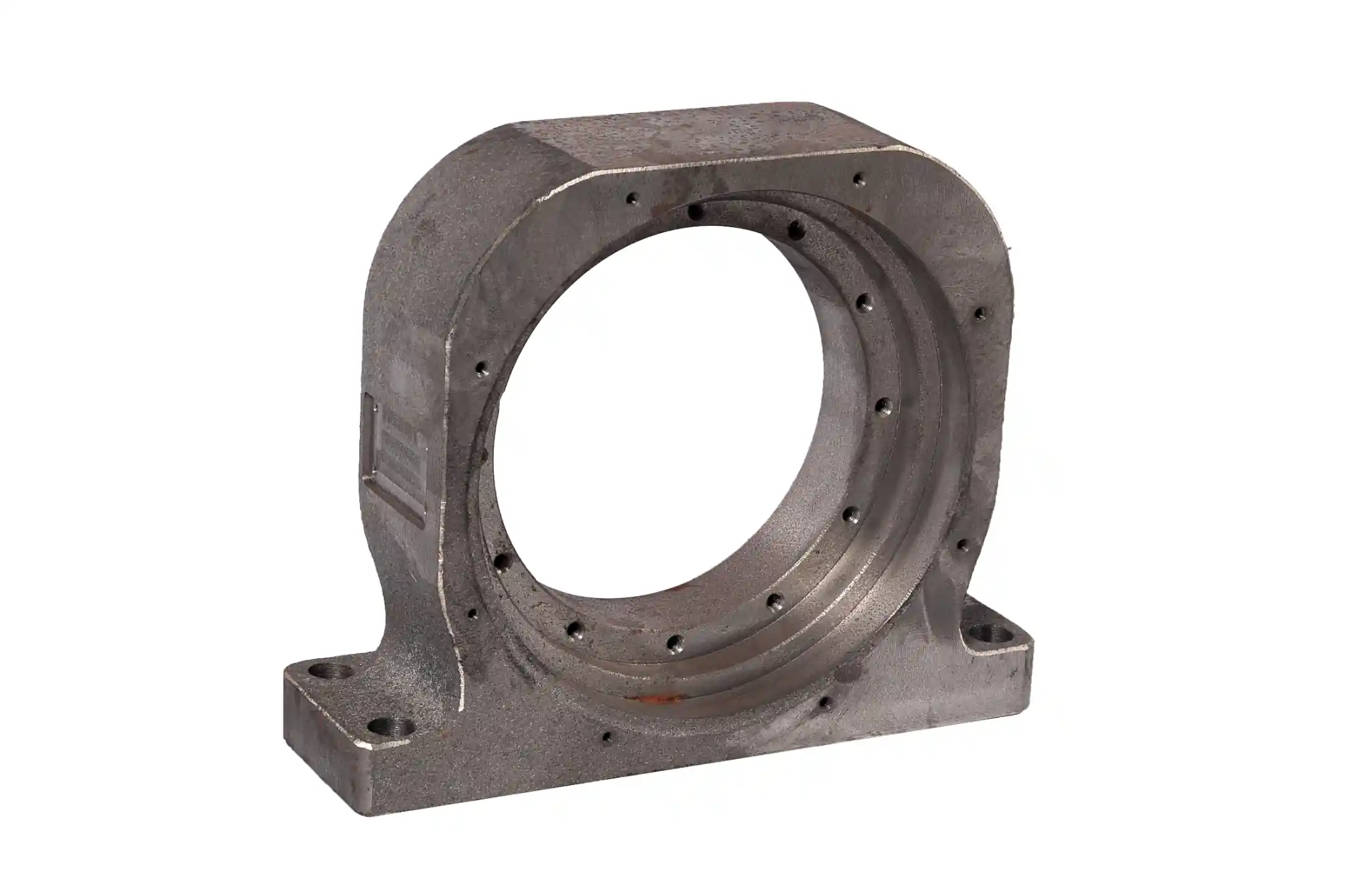
Components such as brackets, machinery bases, support arms, and flanges prioritize a reliable intersection of strength, toughness, and machinability. Carbon steel casting is usually evaluated first for these applications due to its cost control and balanced properties. If the drawing includes machined faces, mounting holes, or flatness requirements, machining allowance and dimensional tolerance should be clearly confirmed before quoting.
Pump and Valve Components
Valve bodies, pump bodies, and pressure covers require more than basic structural strength. These components must often satisfy pressure-related codes, which may lead engineers to evaluate low-alloy sand casting grades for higher strength and toughness. Selection depends on the specific pressure level, service temperature, medium, and required inspection standards for sealing surfaces.
Wear-Loaded Parts
Components subjected to sliding wear, impact wear, or abrasive particles often require more than the base hardness of carbon steel. In these environments, ordinary carbon steel casting may not provide sufficient wear life, and low-alloy or wear-resistant cast steel grades are more appropriate. This is common for engineering machinery parts, wear plates, and load-bearing discs subject to repeated impacts.
Outdoor or Corrosive-Service Parts
If a part is exposed to moisture, marine air, or chemical environments, plain carbon steel casting must rely on painting, coating, or plating for protection. When corrosion is a significant operational risk, stainless steel or chromium-bearing alloy steel castings are frequently reviewed. These options involve considerations regarding expected service life, fluid contact, and the long-term cost of coating maintenance versus material upgrades.
High-Temperature or Impact Parts
Parts operating in high-temperature zones or under strong impact loads often require the expanded metallurgical capabilities of broader cast steel grades. Heat-resistant steel castings are evaluated when strength retention at elevated temperatures is required. For impact-loaded components, impact testing requirements, section thickness, and precise heat treatment conditions should be confirmed to manage the risk of brittle failure.
Conclusion
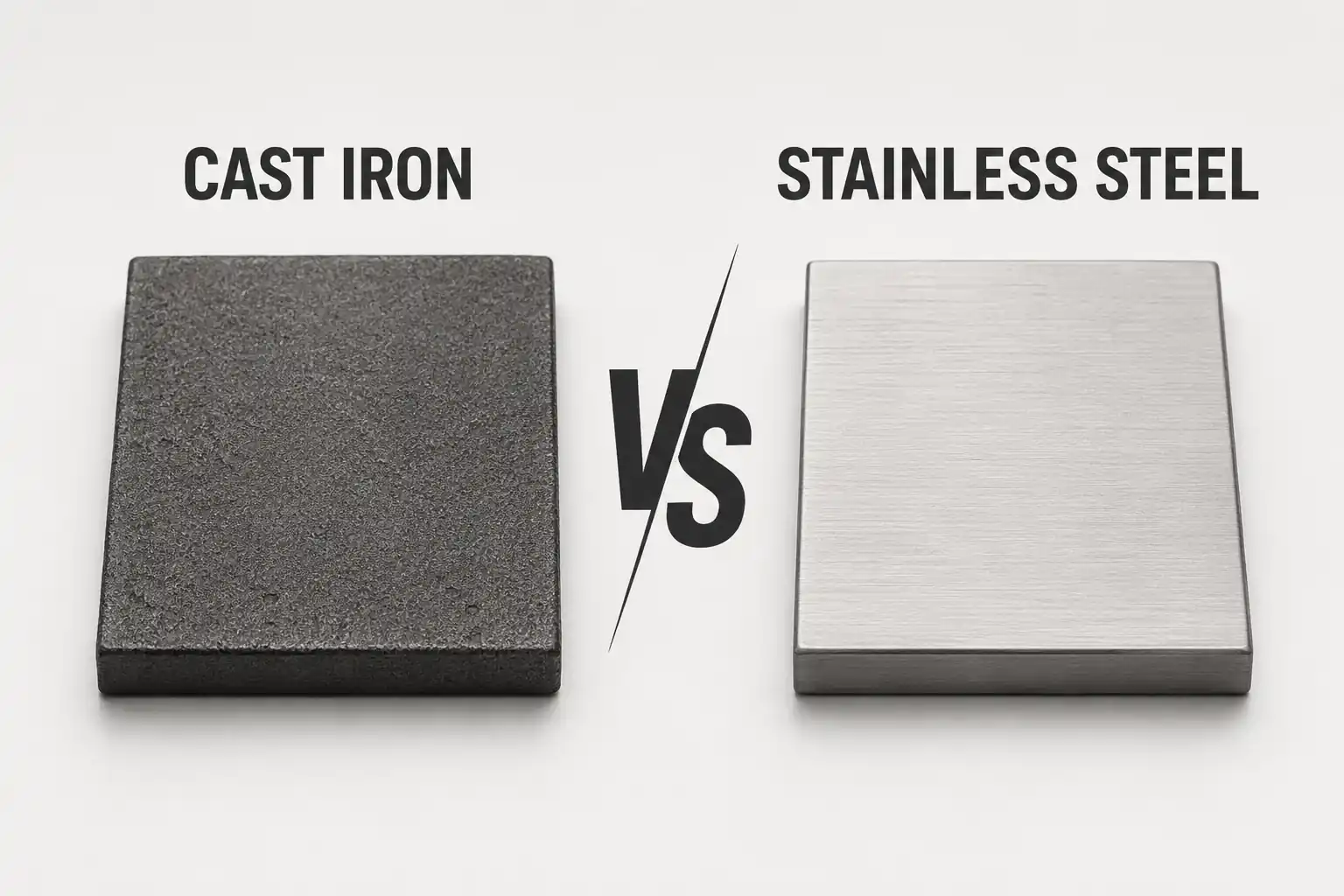
Distinguishing between cast steel and carbon steel casting is essential for maintaining clear communication in B2B manufacturing projects. Carbon steel casting provides a practical path for general structural parts where extreme wear, corrosion, or thermal stress are not present. For specialized industrial applications, a broader view of the cast steel family—including low-alloy, stainless, and heat-resistant grades—is often necessary to ensure operational reliability. When evaluating cast iron vs cast steel or comparing different steel grades, the material name should be treated as a starting point rather than a complete specification. A clearer review of grade, service condition, wall thickness, machining allowance, heat treatment, and inspection requirements can help reduce quotation uncertainty and production risk.