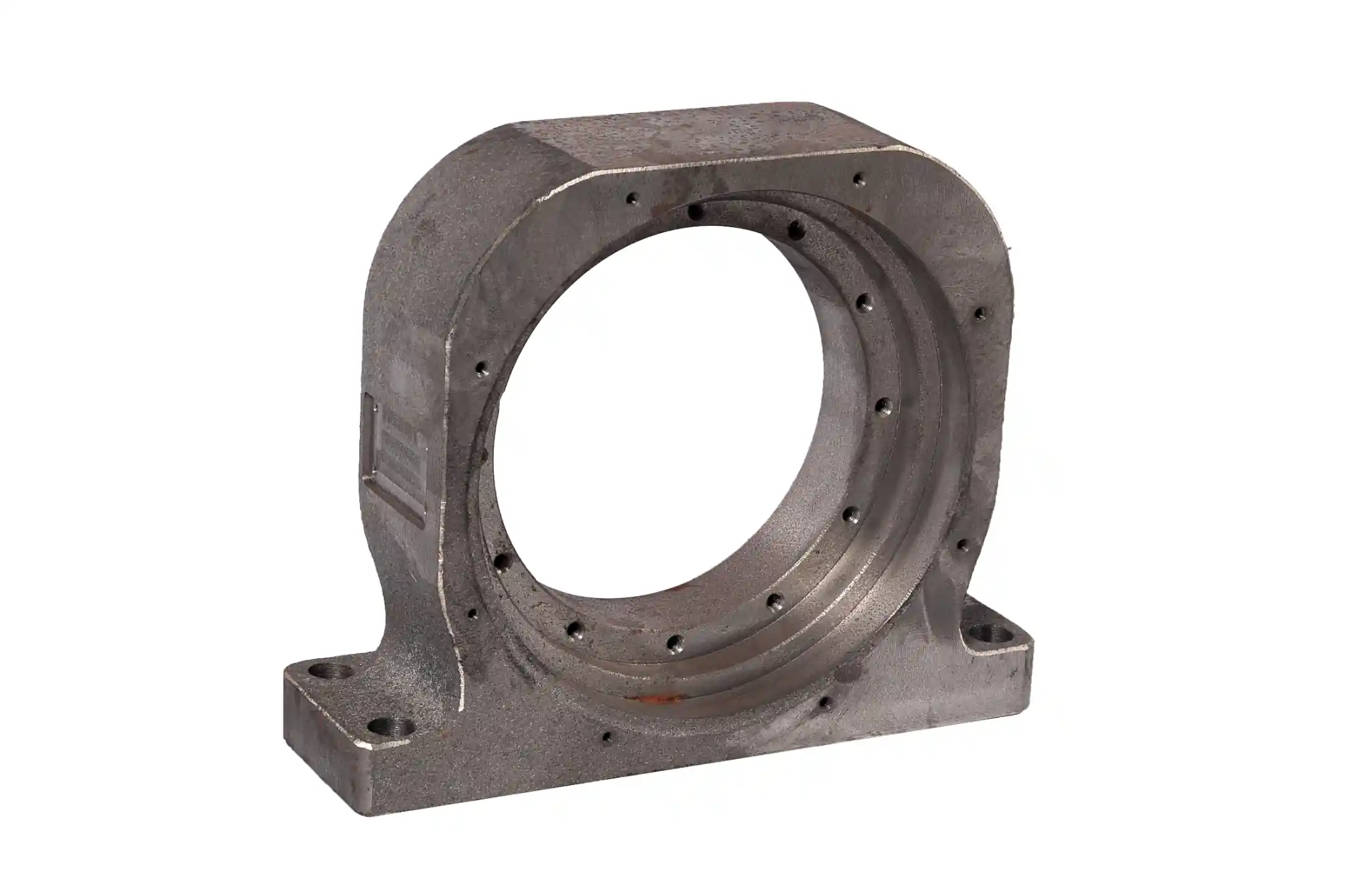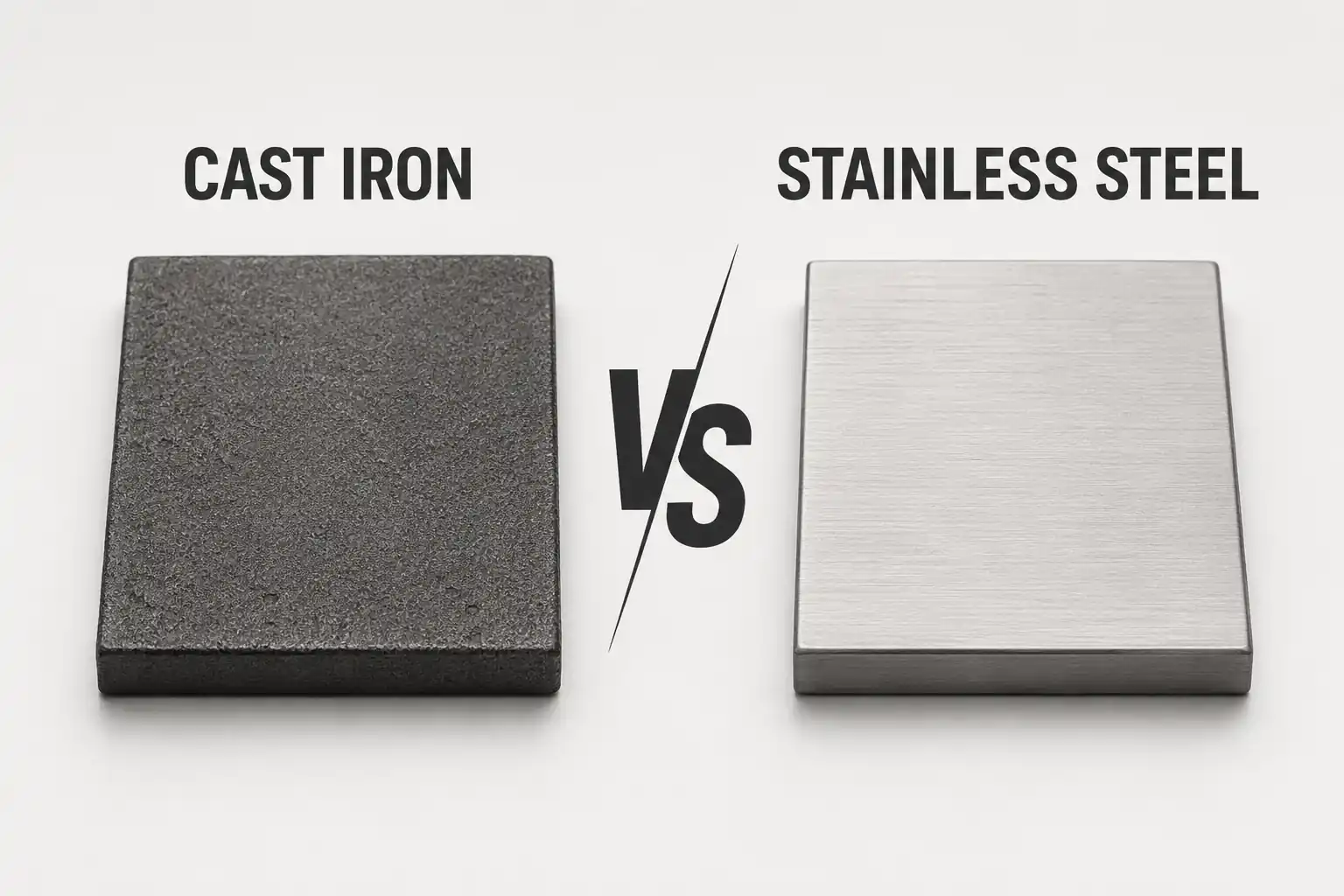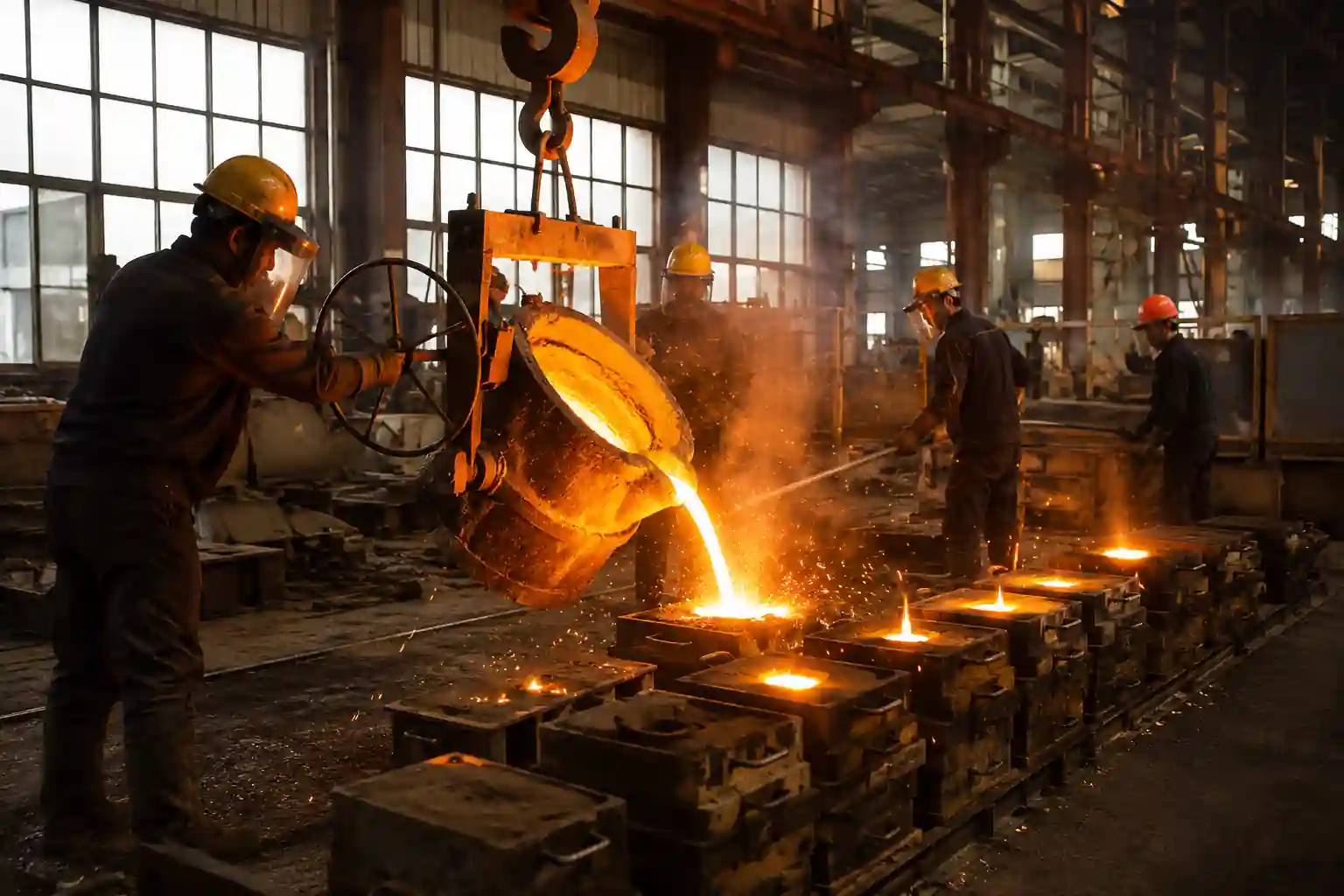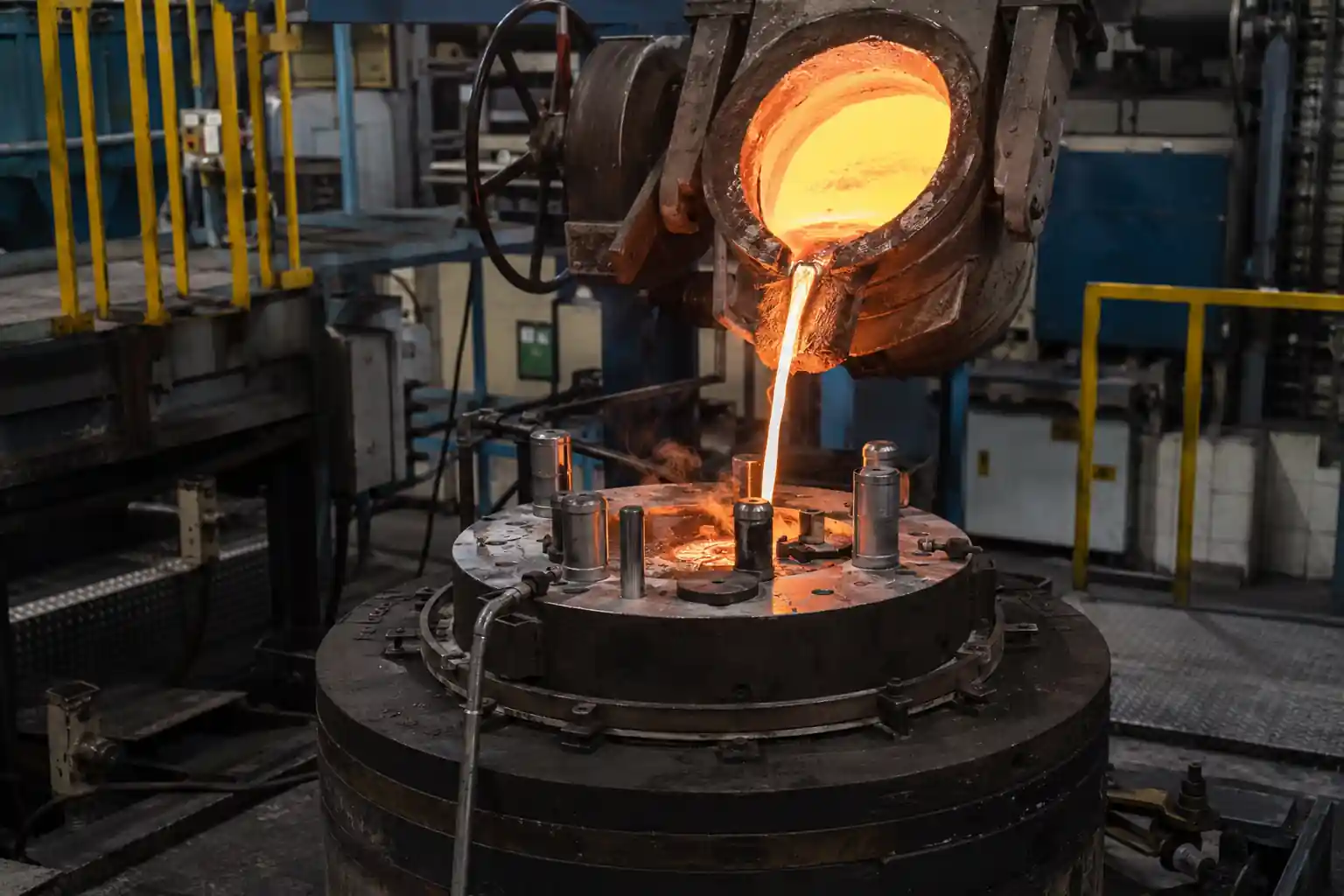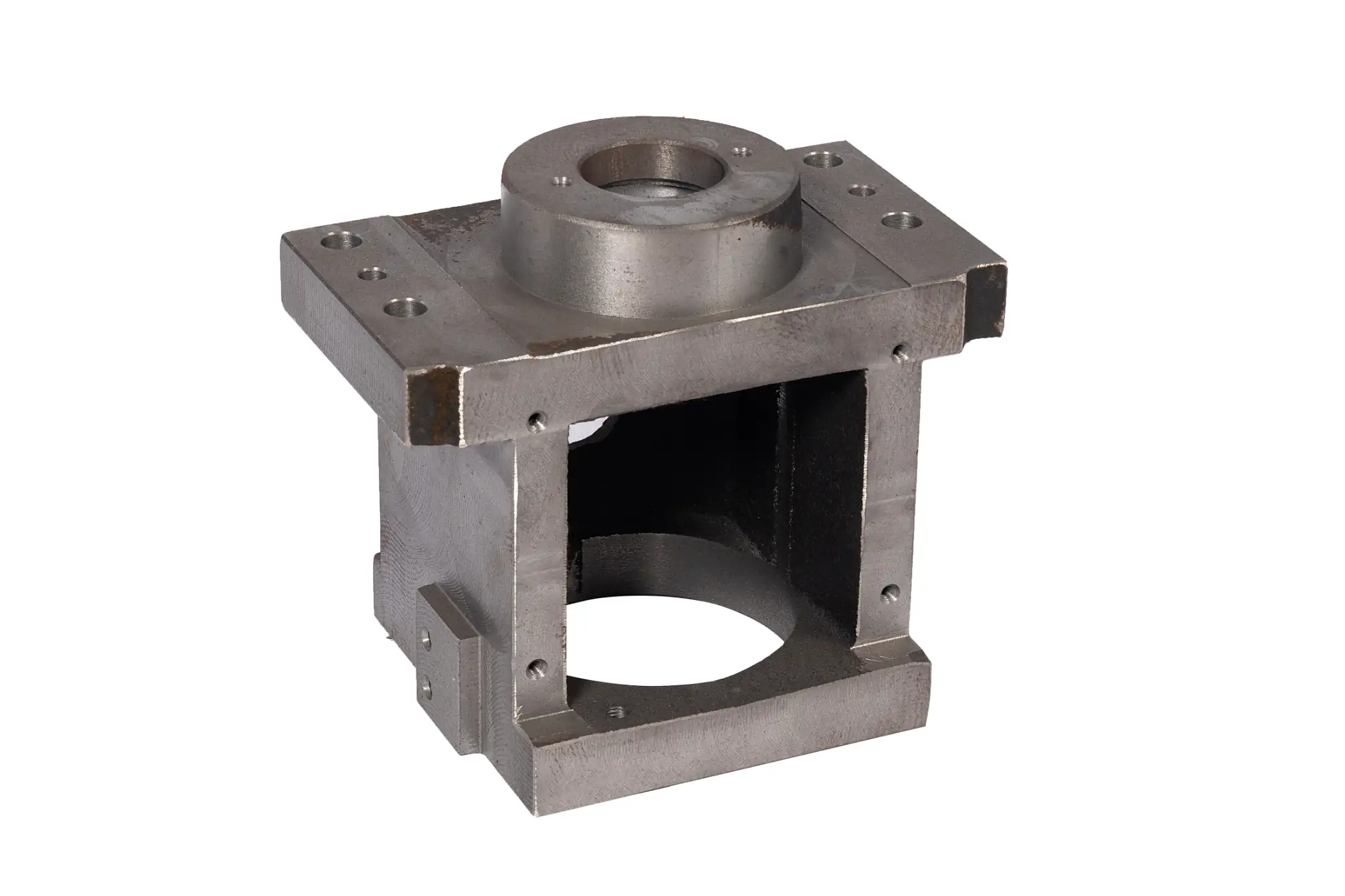



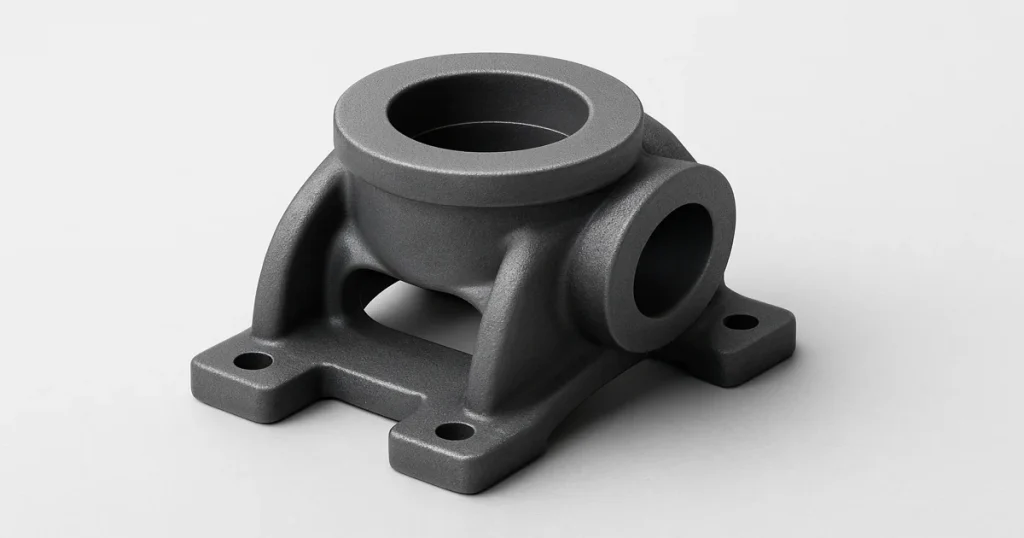
Cast steel refers to steel components produced through the casting process, where molten steel is poured into a mold to solidify into a specific geometry. By utilizing this manufacturing method, engineers can create complex internal profiles, large structural components, and parts that demand high mechanical strength, toughness, and durability.
This article explores the technical characteristics, manufacturing considerations, chemical and mechanical properties, and industrial applications of cast steel. It outlines the metallurgical requirements, processing considerations, and functional benefits that guide procurement teams and mechanical engineers in their material selection and component design processes.
What Is Cast Steel?
Cast steel is a ferrous alloy formed by pouring molten metal into a mold cavity. Unlike wrought steel which is shaped through rolling or forging, cast steel is shaped during the solidification phase, allowing for the creation of intricate parts that would be impractical to produce through mechanical deformation.
These components are typically selected for heavy-duty industrial applications where high load-bearing capacity and structural integrity are required. Because the casting process allows for near-net-shape production, it is frequently used to create large, high-integrity parts for structural frames, pressure vessels, and heavy machinery housings.
Cast Steel Manufacturing Process
Manufacturing cast steel components requires precise control over the entire production cycle, from the initial mold design to final inspection. This process involves rigorous management of thermal gradients, alloy chemistry, and cooling rates to ensure the final component meets structural and dimensional specifications.
Pattern and Mold Preparation
The production process begins with the creation of a pattern, which serves as a master model for the mold cavity. Patterns are designed to include specific draft angles and machining allowances, ensuring the final part meets dimensional specifications after solidification and subsequent processing.
Melting and Alloy Adjustment
Steel is melted in electric arc or induction furnaces, where the melt chemistry is adjusted to meet specific requirements. Metallurgists add alloying elements to align the composition with desired performance characteristics, such as hardenability, corrosion resistance, or high-temperature stability.
Pouring and Solidification
Given the high melting point of steel, the pouring phase requires meticulous temperature control to ensure proper mold filling. As the molten steel enters the mold, shrinkage must be managed through advanced riser and feeding systems, which provide additional liquid steel to compensate for volumetric contraction during solidification.
Cleaning, Heat Treatment, and Machining
After the casting has cooled, the mold is removed, and the part undergoes shakeout and cleaning to remove gating and riser systems. Thermal treatments, such as annealing or normalizing, are applied to refine the grain structure and relieve internal stresses. Finally, the component is machined to achieve critical tolerances and inspected for structural soundness.
Chemical Composition of Cast Steel
The chemical composition of cast steel is meticulously balanced to meet specific performance requirements, including strength, hardness, toughness, and resistance to environmental degradation. By adjusting carbon levels and integrating various alloying elements, manufacturers can tailor the material to withstand the mechanical and thermal demands of diverse industrial environments.
Carbon Cast Steel
Carbon cast steel is mainly classified by carbon content. As carbon content increases, hardness and wear resistance usually improve, while ductility and weldability tend to decrease.
Low-carbon cast steel: 0.05%–0.20% C This type usually provides better ductility and weldability, but lower hardness. It is often used for structural castings, brackets, welded assemblies, and general machinery components.
Medium-carbon cast steel: 0.20%–0.50% C This type provides a balance of strength, hardness, and toughness. It is commonly used for load-bearing machinery parts, housings, gears, and general industrial components.
High-carbon cast steel: 0.50%–1.00% C This type provides higher hardness and wear resistance, but lower ductility and weldability. It is more suitable for wear-loaded parts, cutting components, and heavy-duty impact or abrasion conditions.
These ranges are common engineering references and may vary by standard, grade, heat treatment requirement, and project specification.
Alloy Cast Steel
Alloy cast steel contains additional alloying elements to improve performance beyond ordinary carbon cast steel. Elements such as manganese, chromium, nickel, molybdenum, and silicon may be used to improve hardenability, toughness, corrosion resistance, heat resistance, oxidation resistance, or wear performance.
Low-alloy cast steel: total alloy content up to about 8% This type usually improves hardenability, strength, toughness, and wear resistance while maintaining machinability close to carbon cast steel. It is often used for heavy machinery parts, mining components, pressure parts, and load-bearing castings.
High-alloy cast steel: total alloy content above about 8% This type contains higher levels of alloying elements and is used when special corrosion resistance, heat resistance, oxidation resistance, or wear performance is required. Stainless cast steel and heat-resistant cast steel are common examples.
Physical and Mechanical Properties of Cast Steel
The engineering value of cast steel is derived from the combination of mechanical strength, toughness, and the ability to respond predictably to heat treatment. These properties allow for the design of robust components that perform reliably in demanding structural and high-load applications.
Tensile Strength
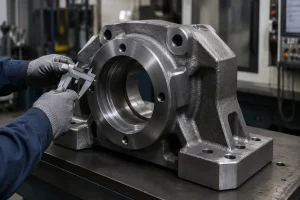
Cast steel maintains a high tensile strength that allows components to support significant static loads without permanent deformation. This property is essential for structural frameworks and heavy machinery frames that must remain stable under constant operational pressure.
Toughness and Impact Resistance
The material excels in energy absorption, making it an appropriate choice for parts subject to dynamic or sudden impact loads. This inherent toughness helps prevent catastrophic brittle failure in critical machinery components during peak operational cycles.
Ductility and Weldability
Ductility allows the material to withstand minor stress fluctuations without initiating cracks, which is vital for long-term structural reliability. Furthermore, the weldability of many grades enables the integration of castings into larger, complex assemblies via structural welding.
Heat Treatment Response
Cast steel responds predictably to thermal cycling, enabling manufacturers to harden or temper the material to reach precise hardness levels. This heat treatment flexibility allows for the customization of wear-intensive surfaces without compromising the ductility of the underlying structure.
Machinability
While harder than many non-ferrous casting materials, cast steel can be processed using standard machining techniques. When proper machining allowances are incorporated into the design, these components can achieve high-precision tolerances for functional surfaces.
Advantages of Cast Steel
Cast steel offers a unique balance of mechanical properties and geometric flexibility for heavy-duty industrial applications.
High Strength and Toughness: It provides a superior balance of mechanical properties, enabling it to withstand heavy loads and severe operational environments.
Geometry Versatility: The casting process allows for the creation of complex, internal profiles and intricate shapes that are often difficult to produce via forming or forging.
Structural Integration: The structural weldability of the material simplifies the assembly of large machines, allowing engineers to combine cast components with other steel structures.
Heat Treatment Flexibility: The ability to perform various heat treatments allows manufacturers to optimize the part’s hardness and ductility for specific wear or impact profiles.
Suitability for Heavy-Duty Parts: Cast steel is uniquely capable of being poured into very large, thick-sectioned shapes that maintain structural integrity throughout the component.
Disadvantages of Cast Steel
Cast steel can provide strong mechanical performance, but it also presents several inherent disadvantages and manufacturing limitations that engineers must account for during the design phase. These factors often impact production cost, lead time, and process complexity.
High melting temperature: Steel requires significantly higher pouring temperatures than cast iron or many non-ferrous casting alloys. This increases energy consumption, imposes greater thermal stress on molds, and makes precise temperature control during pouring much more demanding.
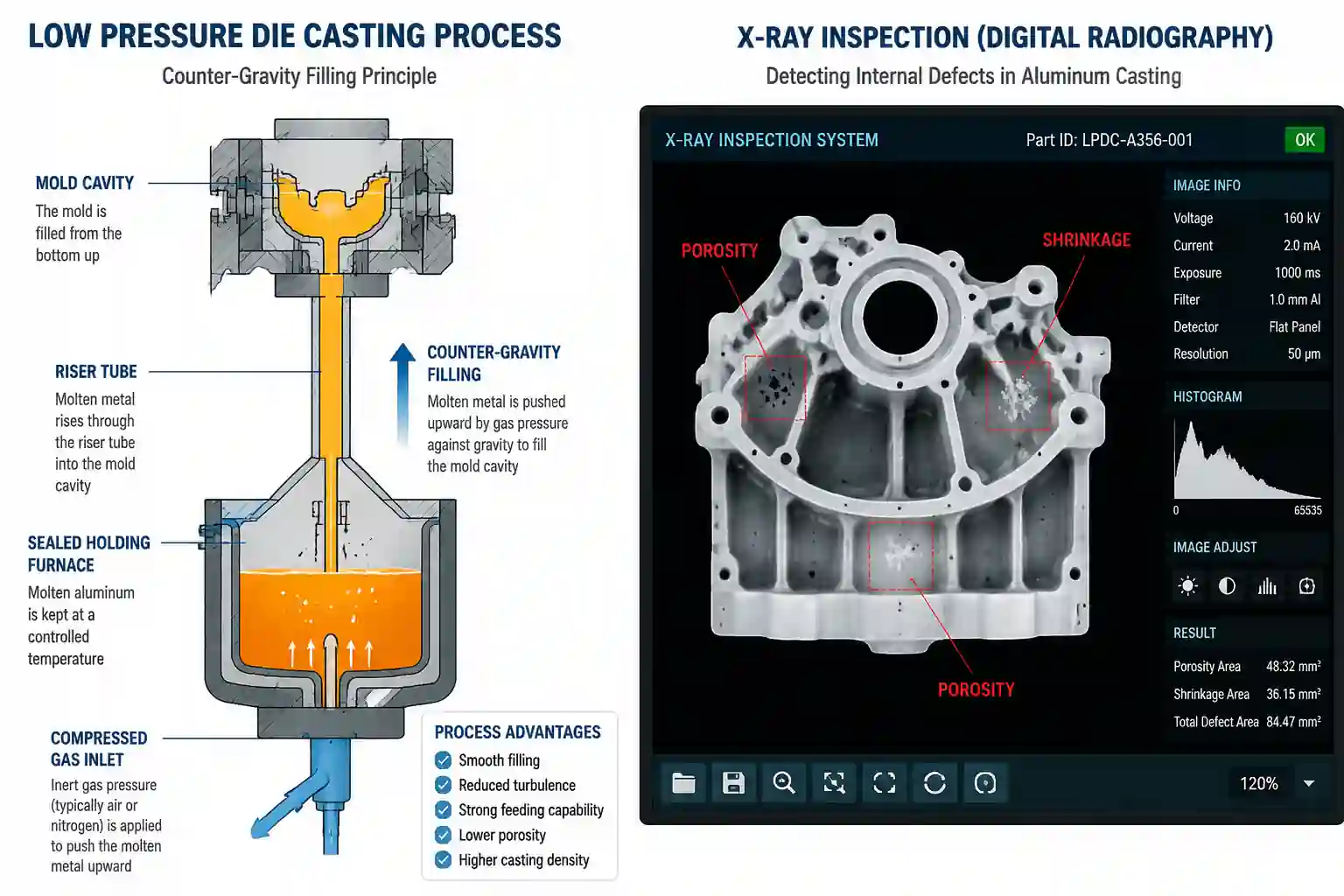
Shrinkage risk: Cast steel experiences significant volumetric contraction during solidification. If the feeding design or riser system is not accurately calculated, the part is prone to internal shrinkage, porosity, or cracking, which can compromise the structural integrity of the final component.
Longer production cycle: The process is more time-intensive than simpler casting methods. The necessity for post-casting cleaning, rigorous heat treatment, machining, and extensive inspection significantly extends the overall production timeline.
Higher machining and inspection cost: Because cast steel is frequently used in high-stress or pressure-related applications, it often requires extensive machining on functional surfaces, sealing faces, or mounting areas. Additionally, strict requirements for non-destructive testing and material verification add to the total cost.
Complex process control: Achieving consistent quality in cast steel is difficult because it requires extremely tight control over pouring temperatures, mold design, cooling rates, and heat treatment cycles. Any deviation in these parameters can lead to inconsistencies in the material’s internal microstructure and mechanical properties.
Common Applications of Cast Steel
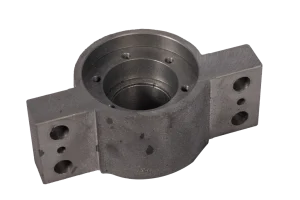
The mechanical reliability of cast steel makes it an essential choice for components subject to extreme operational conditions.
Fluid Handling: Valve bodies and pump components rely on cast steel for its pressure-tight integrity and ability to handle high-velocity flow in industrial fluid handling systems.
Mining and Construction: Components such as crusher liners, gear sets, and heavy-duty bucket teeth utilize the material’s wear and impact resistance to survive abrasive environments.
Railway and Heavy Equipment: Railway couplers, structural brackets, and housing frames benefit from the material’s ability to absorb dynamic shock and support high loads in transportation infrastructure.