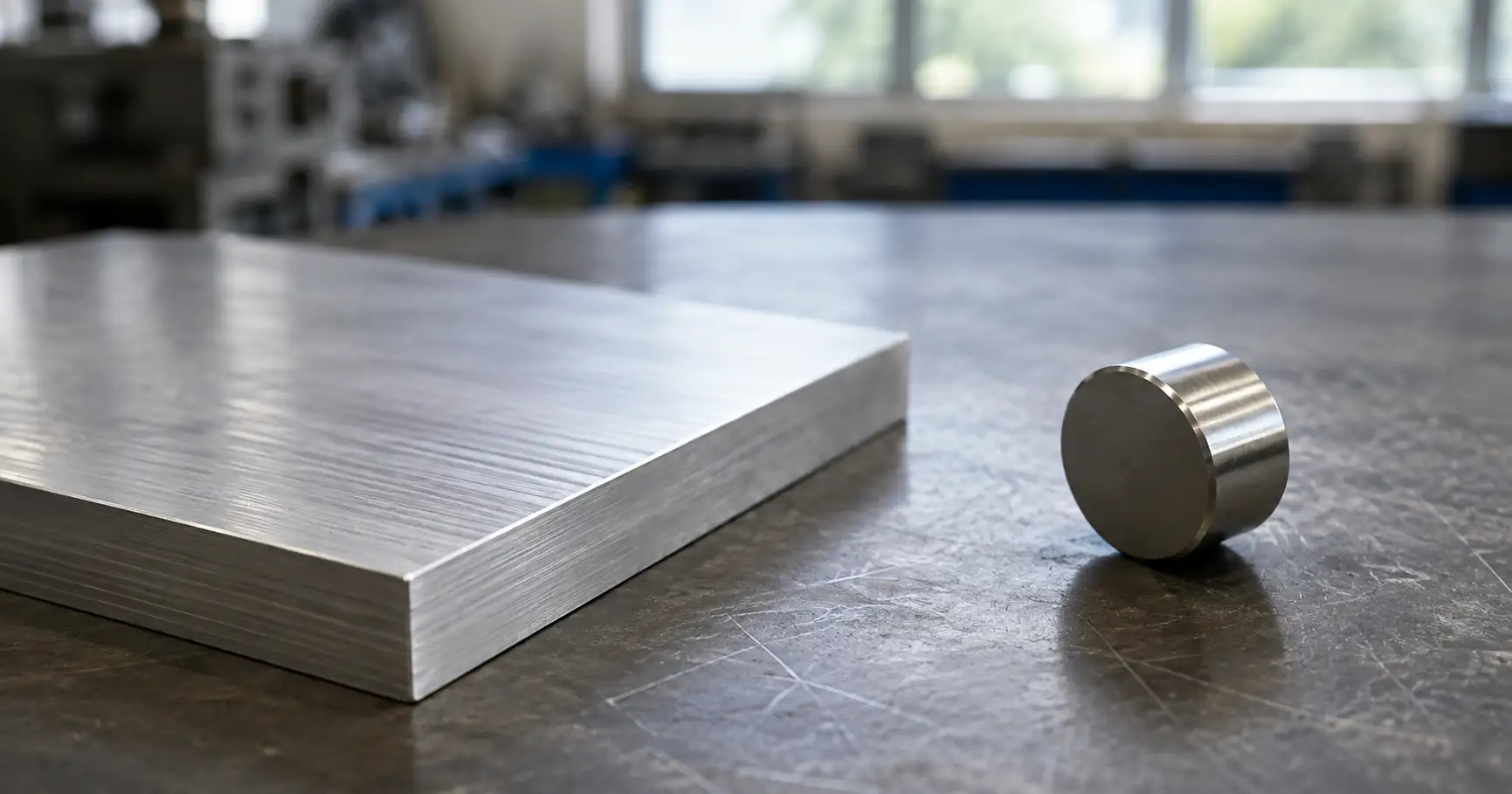



In modern industrial manufacturing, aluminum alloys are widely used in the production of automotive parts, industrial equipment, and mechanical structural components due to their lightweight properties, corrosion resistance, and excellent formability. As products reach the end of their life cycle and manufacturing scrap is generated, the effective utilization of these aluminum materials has become a primary concern for manufacturing enterprises.
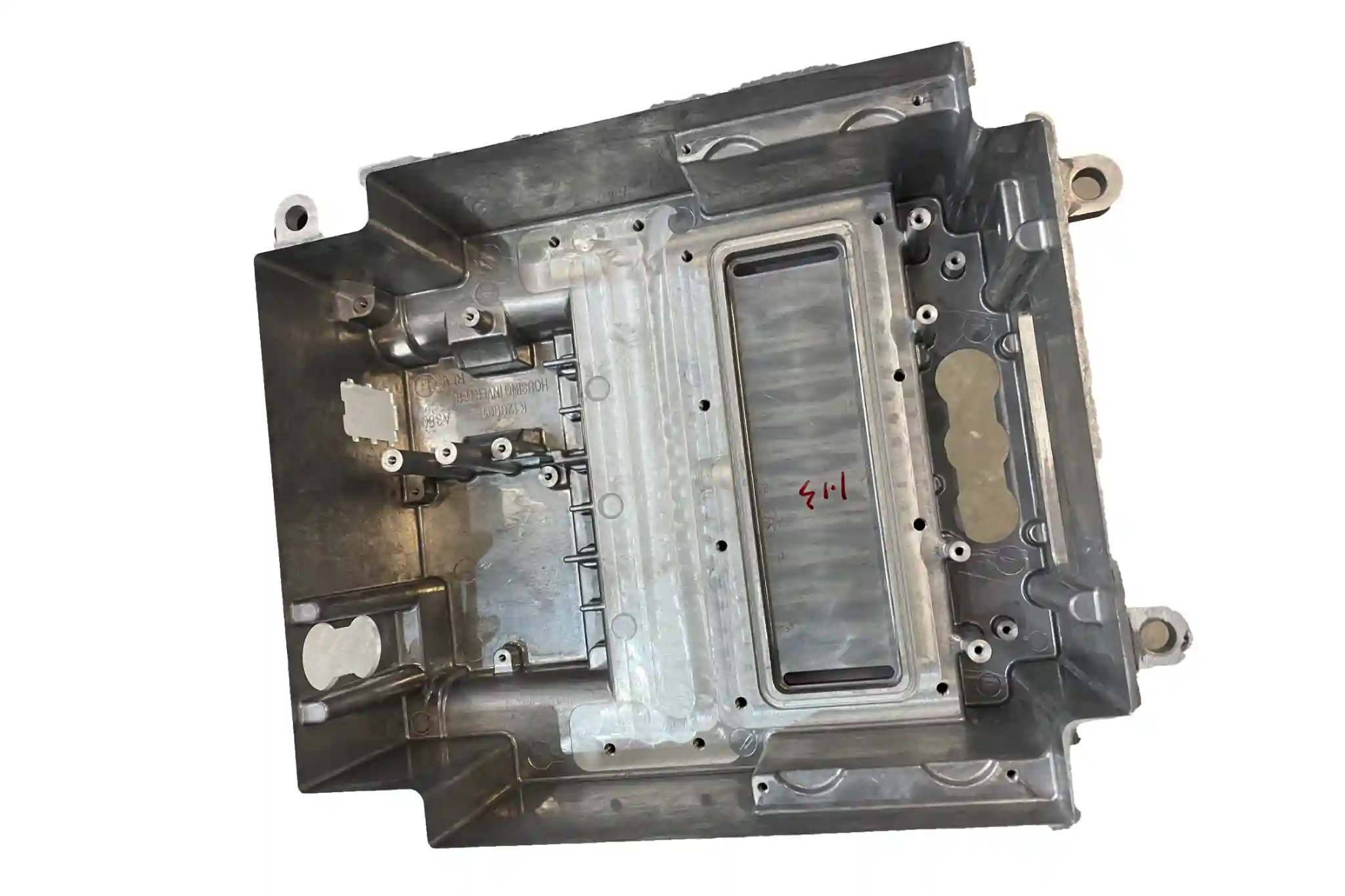
Aluminum materials can re-enter the manufacturing cycle through recycling, and aluminum die-castings, as a form of aluminum alloy product, also possess recycling potential. However, compared to standard aluminum materials, die-castings typically feature complex structures and may contain other metal components or surface treatment layers. Consequently, their recycling process requires more rigorous material classification, composition control, and quality management.
Why Recycle Aluminum?
Aluminum is often referred to in the industry as a permanent material because its metal properties do not easily degrade, even after multiple cycles. This means that aluminum possesses high recycling value; however, this process is not entirely loss-free. Oxidation during melting and composition fluctuations are difficult to completely avoid in actual production, necessitating strict process control to compensate for these physical losses.
Primary aluminum production involves bauxite mining, alumina refining, and energy-intensive electrolytic processes. This procedure not only consumes vast natural mineral resources but also requires high electricity usage and generates significant carbon emissions.
In contrast, the energy required to produce secondary aluminum through recycling is only about 5% of that required for primary aluminum production. Such a significant gap in energy efficiency makes aluminum recycling one of the most direct methods for manufacturers to reduce their carbon footprint and optimize supply chain costs. For example, producing 1 pound of aluminum requires recycling over 30 aluminum beverage cans, which reflects the practical value of scrap aluminum in the industrial cycle.
The Basic Process of Aluminum Recycling
Waste collection and sorting serve as the starting point for the recycling loop. This includes production scrap, runner systems, and discarded aluminum die-castings.
In the material sorting and pre-treatment phase, physical methods must be used to remove attached coatings, oils, fasteners, or other metal impurities to ensure purity during the subsequent smelting process.
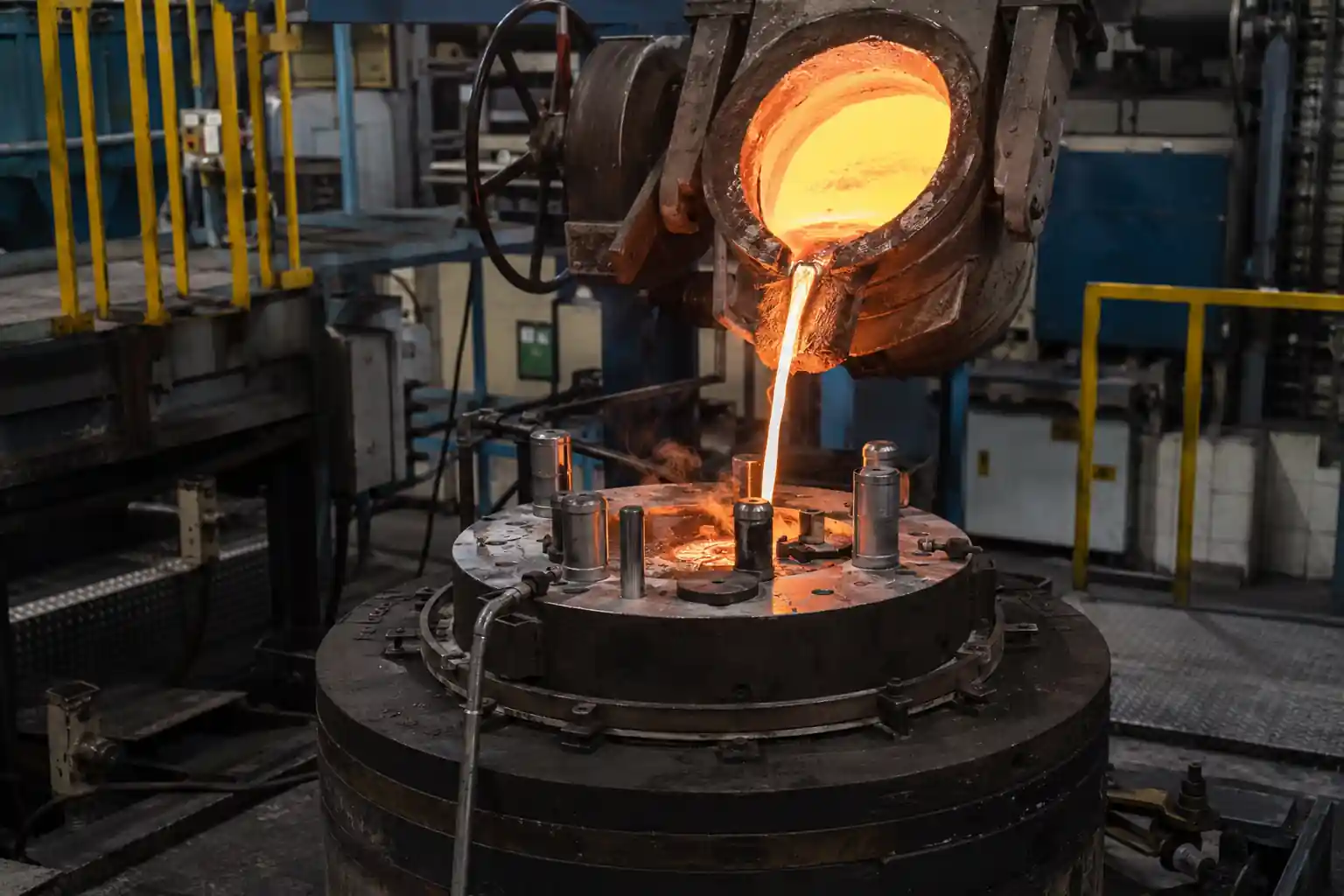
The process then enters the smelting and refining stage, where scrap is converted into liquid aluminum alloy in industrial furnaces, followed by deep degassing and slag removal to eliminate impurities and gases from the metal.
Composition adjustment is a critical step. Based on the target alloy grade, spectral analysis and the addition of specific master alloys are utilized to precisely adjust element proportions, ensuring the melt meets technical specifications.
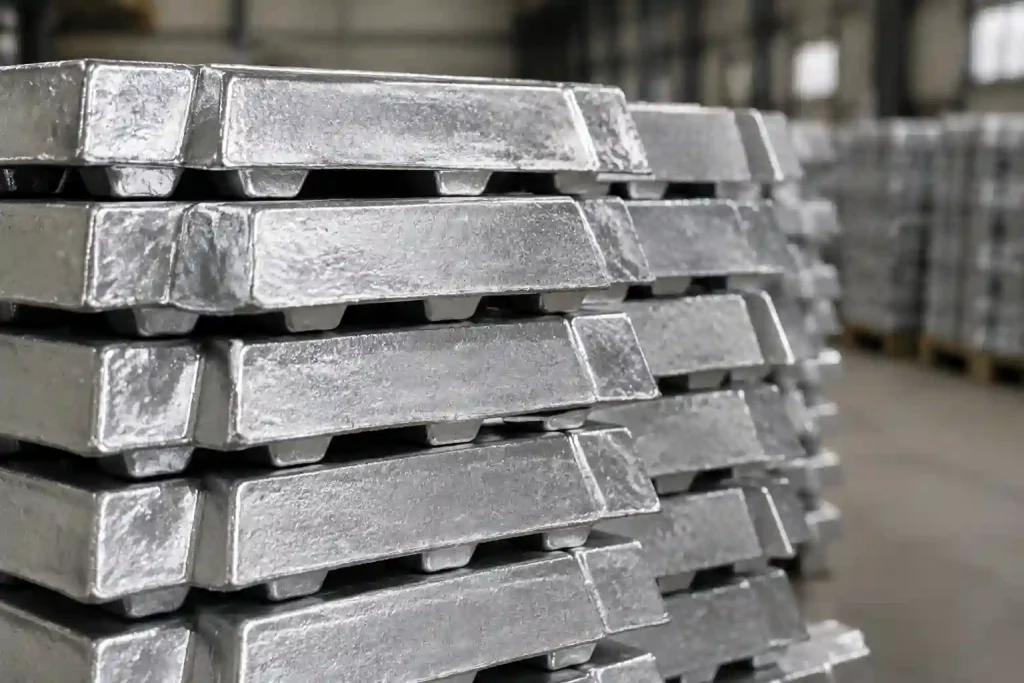
Finally, the processed secondary aluminum is cast into ingots or fed directly into production, forming high-quality new aluminum alloy materials and completing the closed-loop production.
How Does Die-Cast Aluminum Recycling Differ from General Aluminum Recycling?
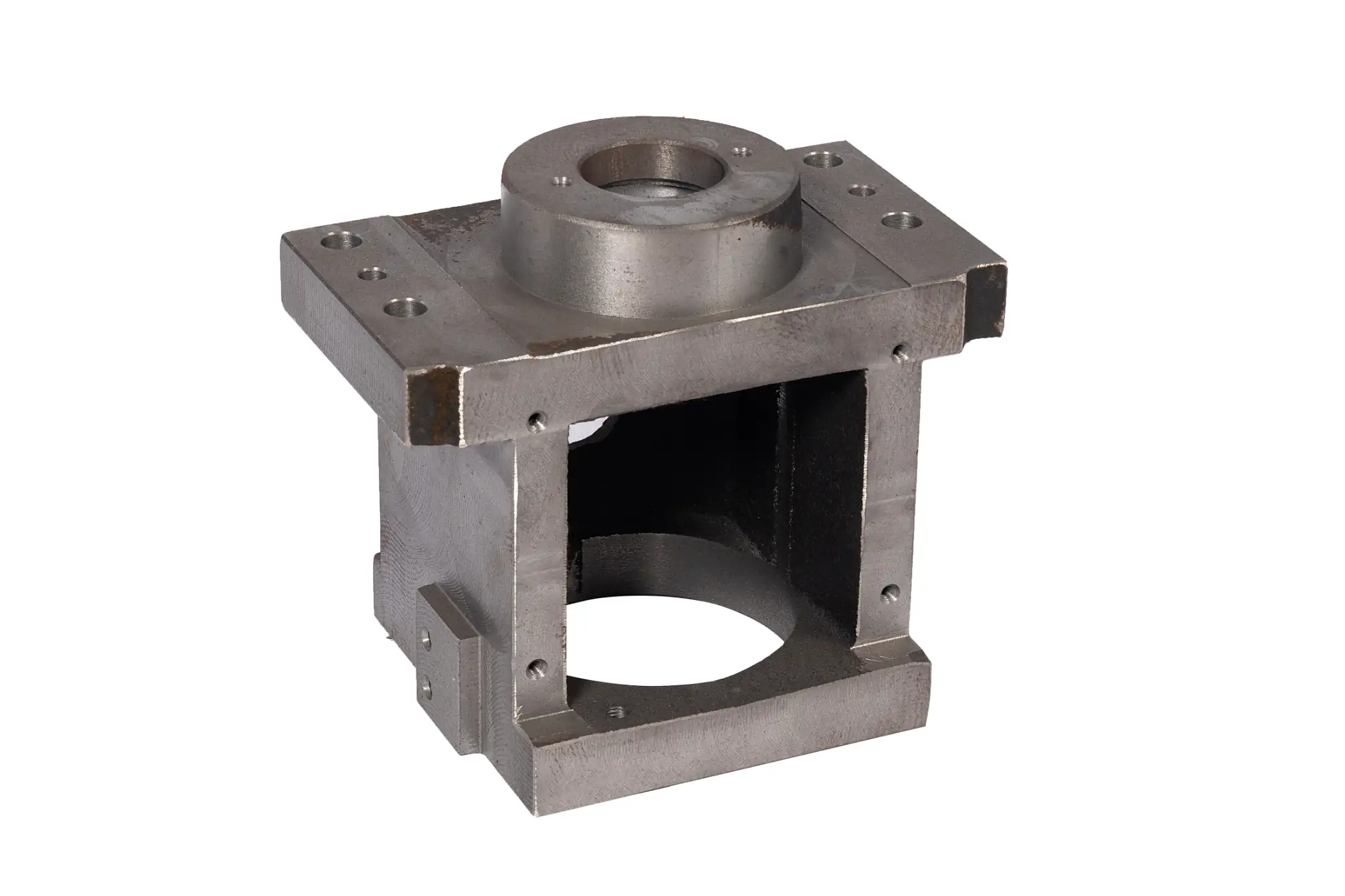
While die-cast aluminum is technically an aluminum alloy, its recycling process is more challenging than that of general profiles because it is a precision-manufactured product. Recyclable die-castings often have complex structures and require detailed identification before processing.
During the physical treatment phase, components integrated into the part, such as steel inserts, threaded bushings, or surface treatment layers, must be thoroughly removed. If these foreign materials contaminate the melt, they can lead to decreased mechanical properties or processing defects in the final casting.
Furthermore, different grades of die-casting alloys have strictly stringent requirements for chemical composition tolerances. Suppliers must possess rigorous material testing and composition management capabilities and employ process control to ensure that every batch of recycled material meets the specific quality standards of the target component.
Advantages of Aluminum Recycling for Manufacturing
Through the recycling and remelting of runner systems, overflow wells, and production scrap, manufacturers can significantly reduce material waste during the production process. On this basis, the high recyclability of aluminum effectively reduces the quantity of waste requiring landfilling or incineration, greatly alleviating the burden of end-of-life environmental treatment.
Utilizing secondary aluminum reduces dependence on primary aluminum ingot procurement, effectively hedging against supply chain risks associated with fluctuations in metal market prices. At the same time, compared to high-energy-consuming primary aluminum production, recycling substantially reduces energy consumption and the environmental damage caused by mineral extraction.
The circular characteristics of aluminum extend its service life, providing a solid industrial foundation for building a green and efficient supply chain. This production model, which combines material circulation with environmental responsibility, helps enterprises better achieve low-carbon operations.
How Does MinHe Support Sustainable Aluminum Die-Casting?
MinHe supports customized die-casting projects for aluminum alloys such as ADC12, A380, and the AlSi series, providing professional die-casting manufacturing services for automotive parts, industrial equipment, and mechanical components.
From early Design for Manufacturing (DFM) analysis to mold making, die-casting, post-processing, and quality inspection, MinHe consistently focuses on improving material utilization efficiency throughout the entire manufacturing process. Through rational part design, optimized process parameters, and strict production control, we help customers minimize material loss and improve production stability.
For projects that prioritize sustainable manufacturing, MinHe provides support in auditing material requirements, alloy specifications, surface treatments, and product application information, optimizing die-casting solutions to meet project goals.
Conclusion
Aluminum recycling allows materials to re-enter the manufacturing cycle, providing a more resilient resource foundation for industrial production. Although die-cast aluminum has high recycling value, its success depends on strict material management and quality control. Choosing a supplier with comprehensive manufacturing capabilities helps enterprises achieve more efficient and sustainable die-casting production while ensuring product performance.