


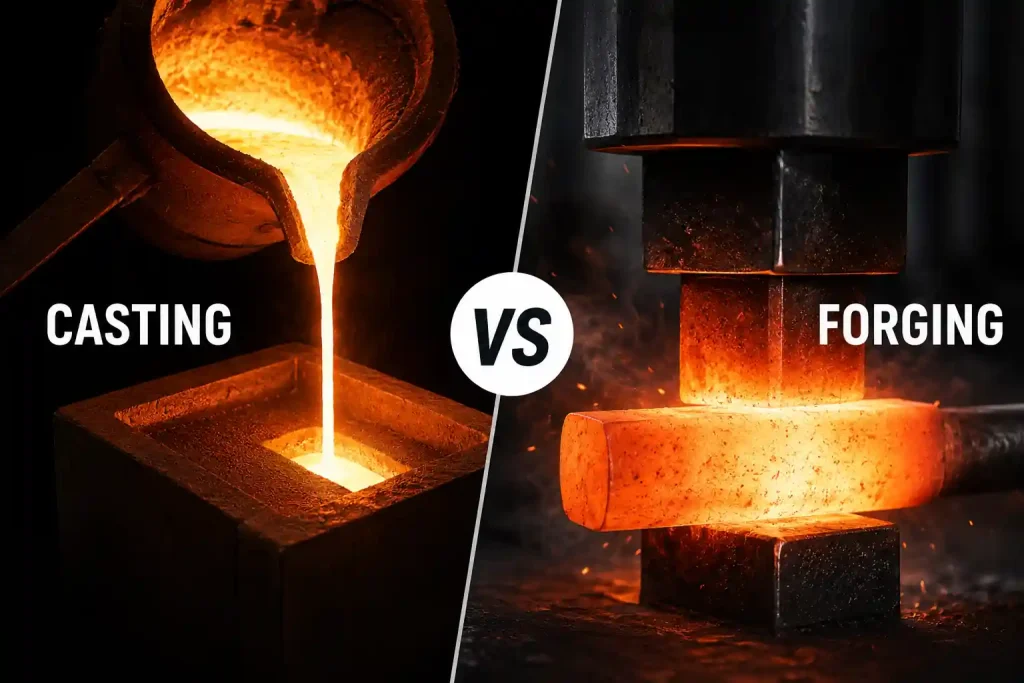
Casting and forging are two fundamentally different ways of forming metal. Casting melts the metal and pours it into a mold cavity; forging heats the metal and shapes it under pressure. There is no single right answer between the two — the choice depends on the part’s working conditions, geometry, batch size, and budget. As a rule of thumb: choose casting for complex shapes and small batches; choose forging when strength and fatigue life matter most.
What Is Casting?
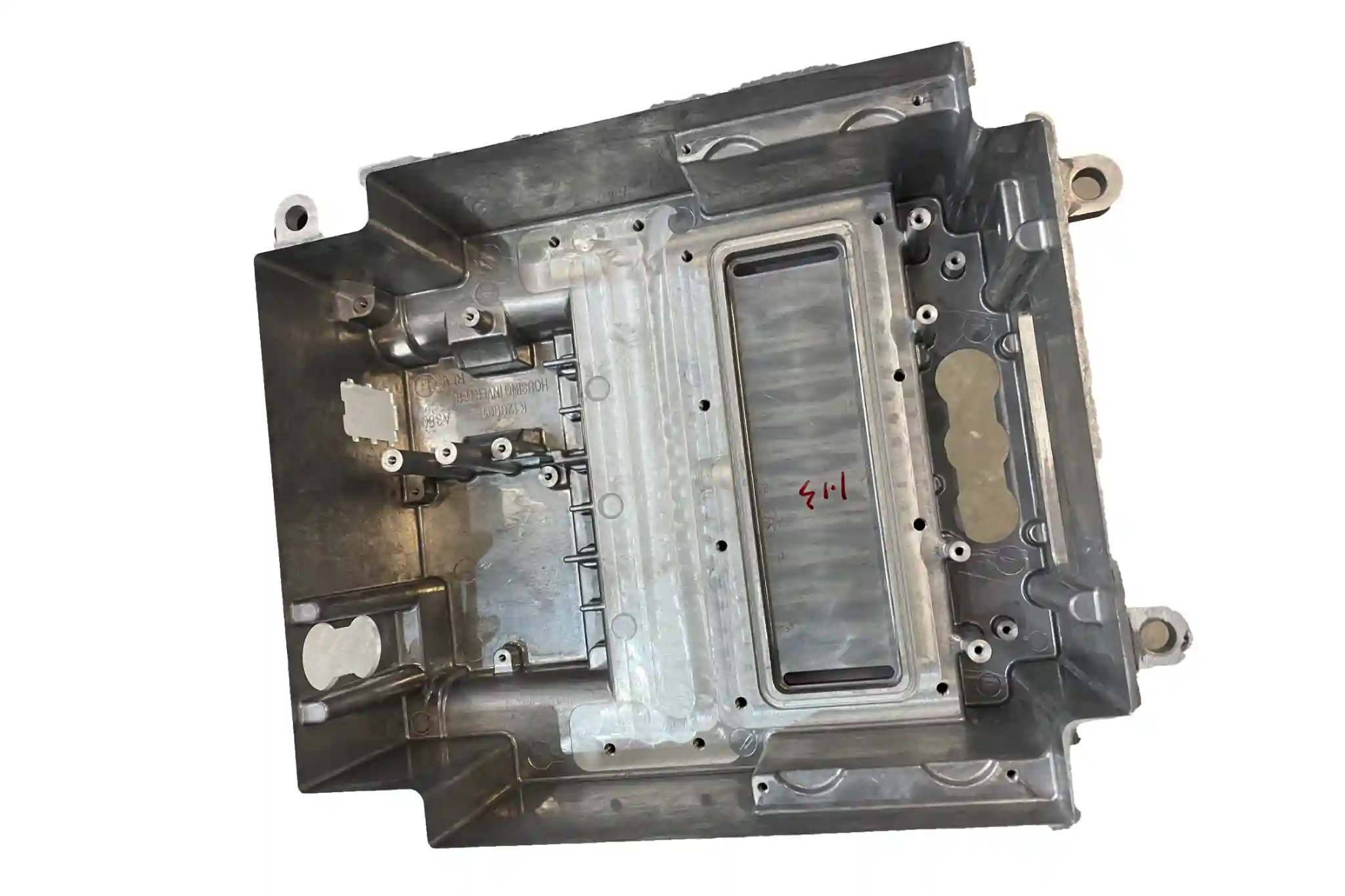
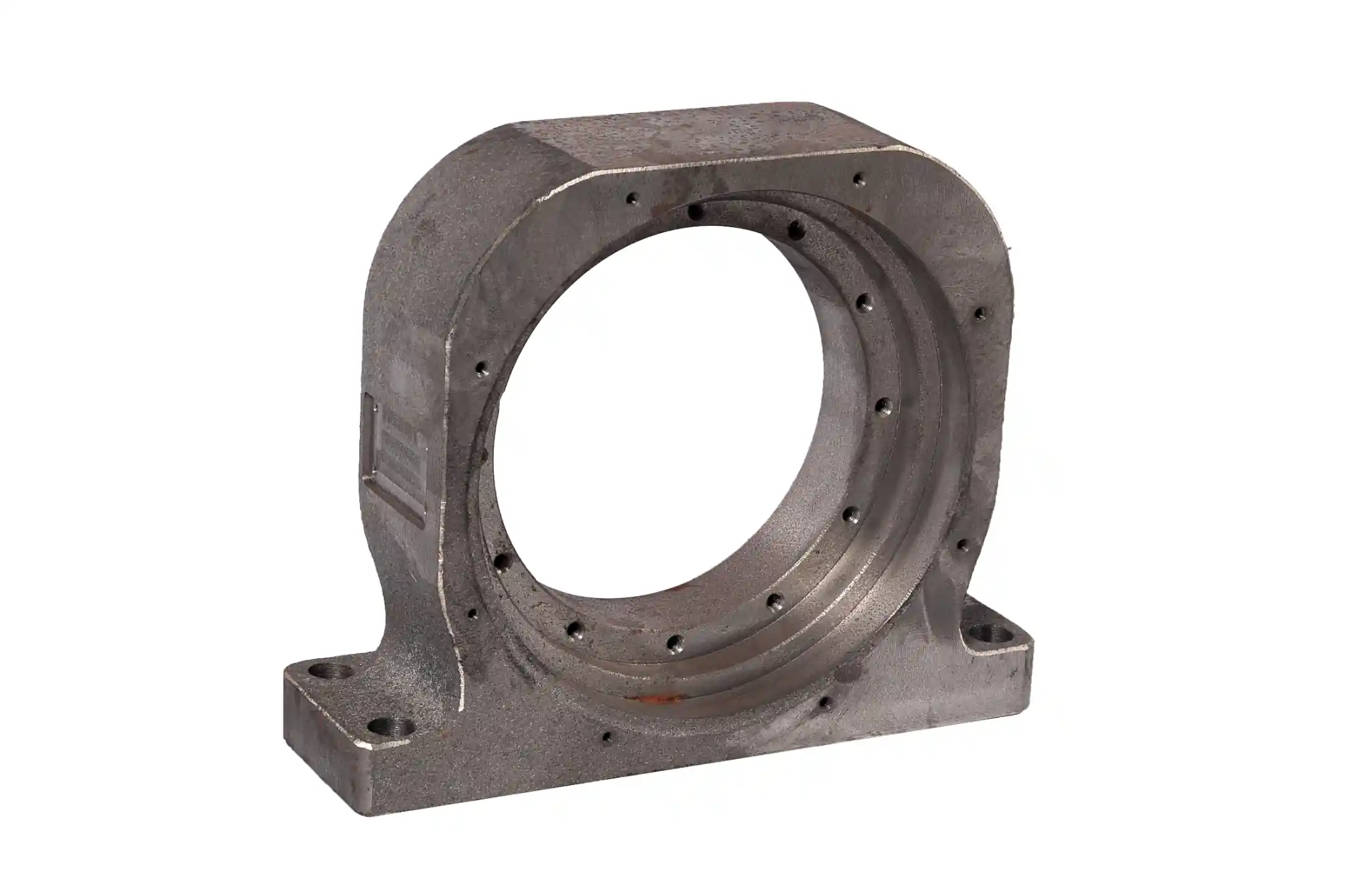
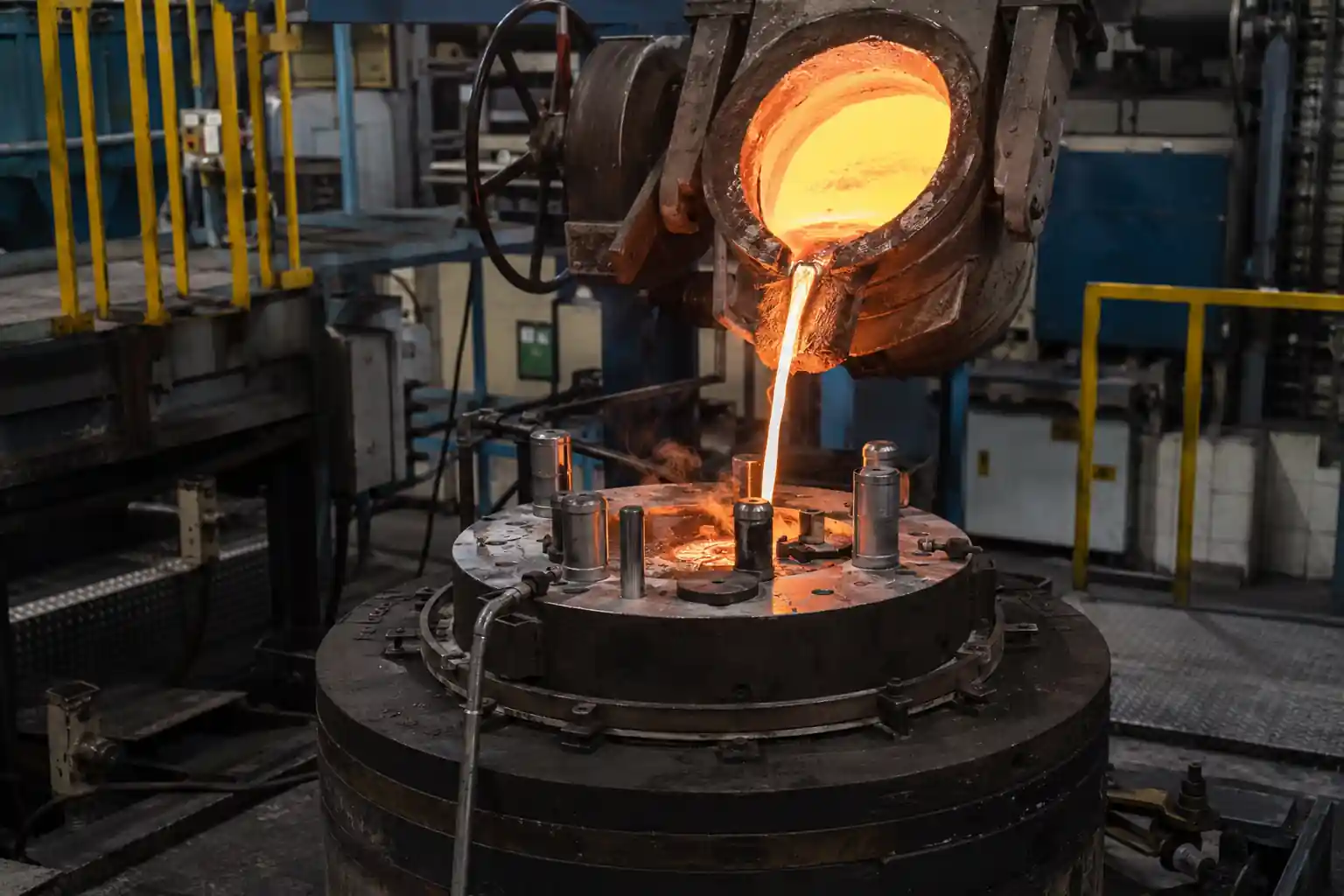
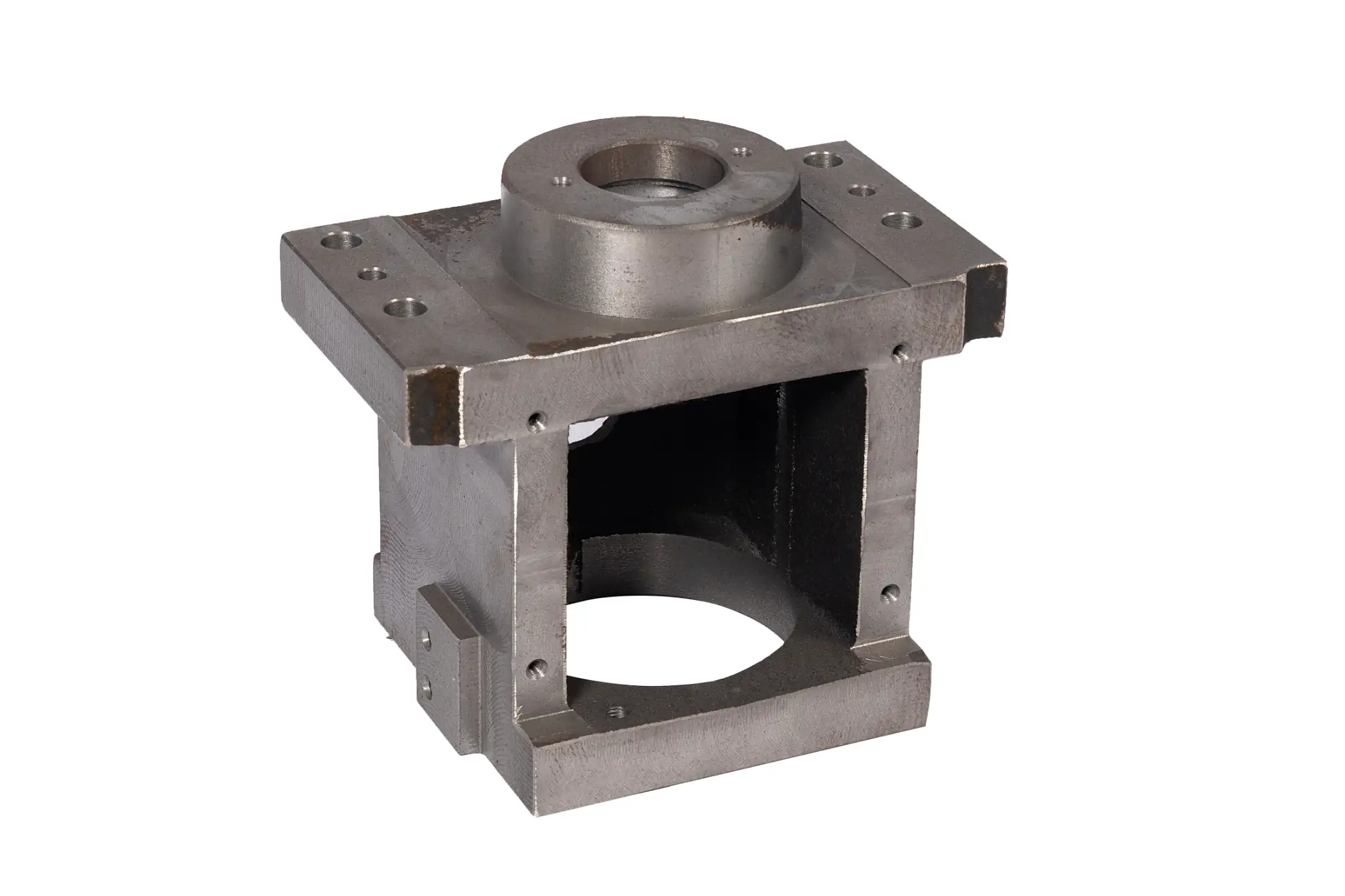
Casting is a process in which metal is melted and poured into a mold cavity, then allowed to solidify. The cavity can be a single-use sand mold, a reusable metal mold (permanent mold, die casting), or, for precision parts, an investment mold. Because molten metal fills any shape, casting has almost no rival for complex internal cavities, thin walls, and irregular geometry — which is why gearbox housings, pump bodies, valve bodies, and machine bases are usually cast.
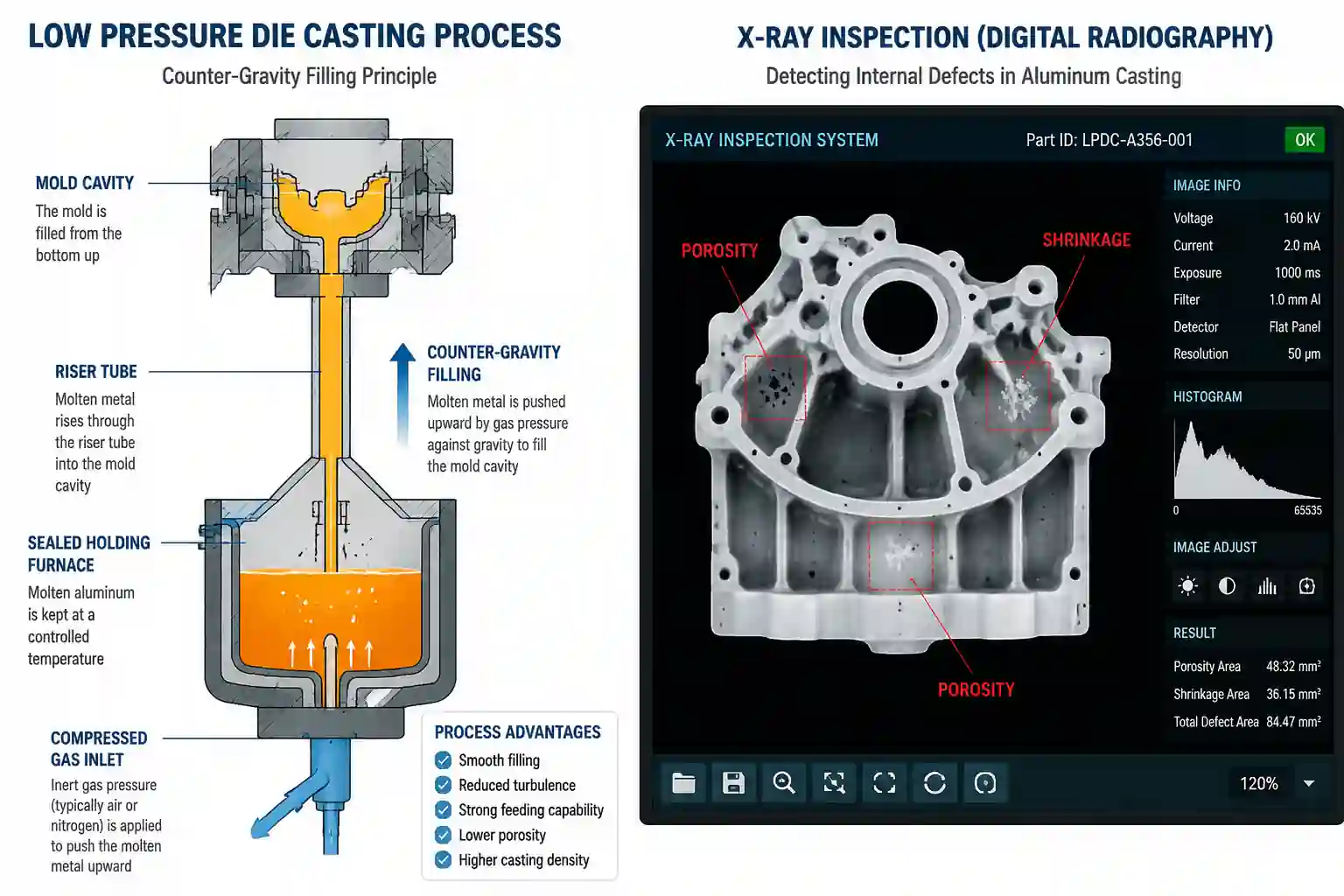
Casting also has a low tooling threshold, especially in sand casting, where small batches start with very little upfront cost. Material choice is broad: cast iron, cast steel, aluminum, and copper alloys can all be cast. The trade-off is that solidification can leave shrinkage and porosity, and the grain structure is less dense than a forging — so for the same material and section, cast parts are generally lower in strength, toughness, and fatigue life. How much lower depends on the material and process.
What Is Forging?
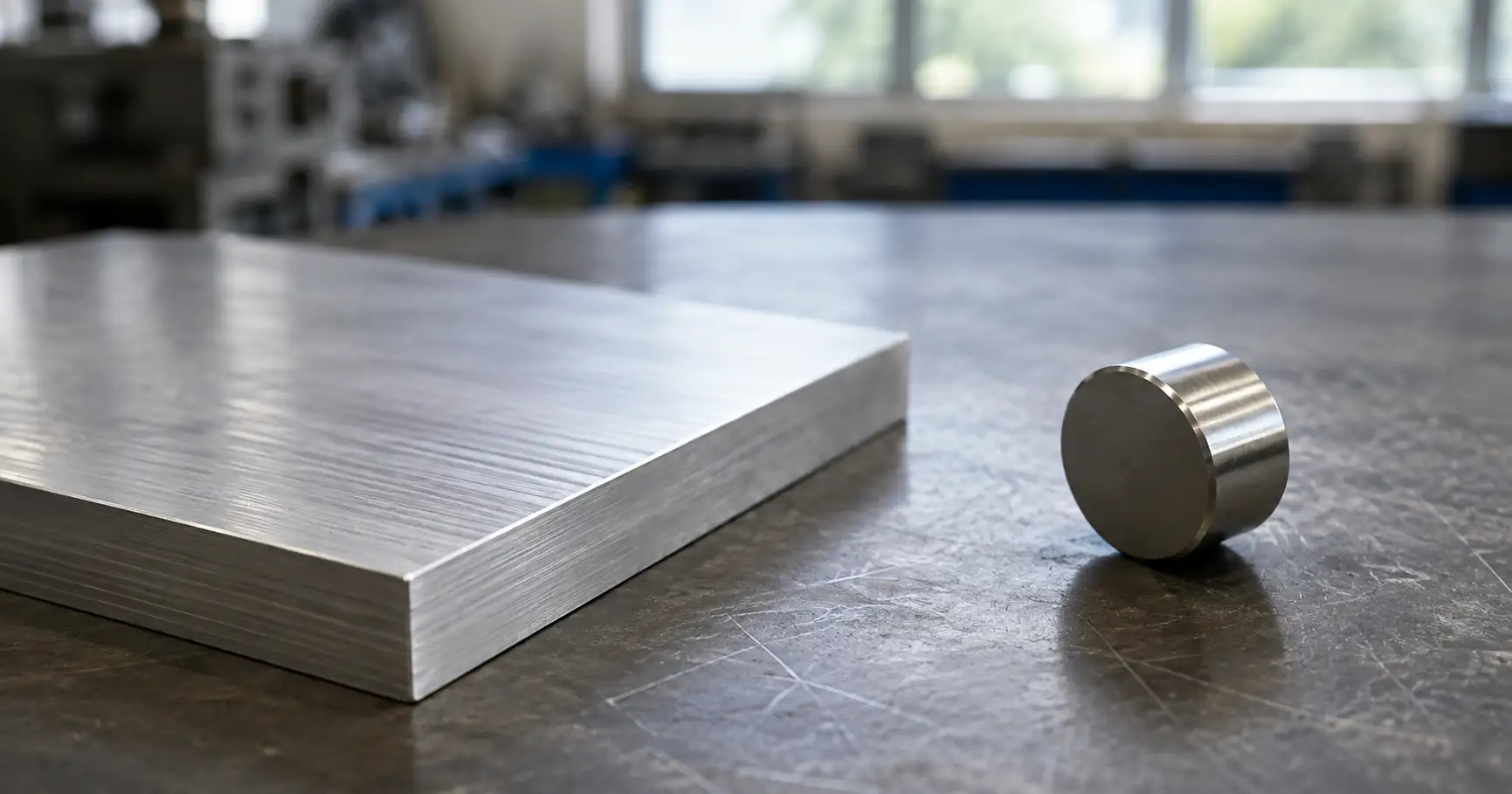
Forging heats metal to a workable state and shapes it with hammers or a press. The key difference is grain flow: the grains follow the direction of deformation in a continuous line, with none of the shrinkage or porosity typical of casting. As a result, forgings are more reliable in strength and toughness and handle impact and cyclic loading better. Shafts, gears, connecting rods, hooks, and fasteners — parts where failure is not an option — are routinely specified as forgings.
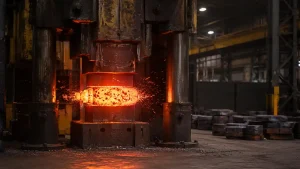
The cost is in tooling and geometry. Dies are expensive, and small batches cannot spread that cost. Parting lines and draft angles restrict the shapes a forging can produce, and complex internal cavities are effectively out of reach. Forging therefore suits large batches of relatively simple parts, which is why production volume is often the deciding factor.
Casting vs. Forging: Key Differences
The table below summarizes the differences; the sections that follow explain each dimension.
| Dimension | Casting | Forging |
|---|---|---|
| Accuracy | Process-dependent; sand molds are looser | Tighter tolerances, cleaner surface |
| Grain / internal structure | Shrinkage and porosity risk | Continuous grain flow, no shrinkage |
| Cost | Low tooling start, small batches viable | Expensive dies, amortized at volume |
| Production volume | Small to large batches | Large batches to be economical |
| Material fit | Cast iron/steel/aluminum/copper alloys | Needs plasticity; brittle/high-alloy hard to forge |
Dimensional Accuracy
Casting wins on shape: internal cavities, irregular forms, and complex curves can be produced in one step, and many designs need no machining after casting. Forging is constrained by the die, so shapes must stay simple and include draft. When it comes to dimensional accuracy, however, forging is usually more consistent, with tighter tolerances and a cleaner surface. Casting depends on the process — investment and die casting hold tight tolerances, while sand casting is looser and often leaves machining allowance on critical faces. In short: choose casting for complex shapes, forging for tight tolerances.
Grain Structure
In a forging, the grains flow continuously along the deformation direction, and there is no solidification shrinkage of the kind casting can produce. For the same material and section, a forging is therefore stronger, tougher, and more fatigue-resistant — the fundamental reason load-bearing parts favor forging. Castings can close much of the gap through alloy selection and heat treatment, but internal defect risk remains, which is why critical safety parts are either forged or cast with non-destructive testing as a backstop. In short: at the same material and section, forgings are usually stronger and more fatigue-resistant.
Cost
Casting starts cheap: sand molds and simple cavities are inexpensive, and small batches are viable. Forging dies are costly, and unit cost only comes down once volume is high enough to amortize them. Translated into a decision: few parts and complex shapes favor casting; many parts and simple shapes may make forging the cheaper route. In short: small batches of complex parts favor casting; high volumes of simple parts favor forging.
Production Volume
Casting tooling is quick to produce — sand casting in particular gets samples and small runs moving fast. Forging requires die development first, so lead time is longer upfront, but once in production the cycle is fast and stable. When a project is short on time and requirements are still moving, casting a prototype first is a common route. In short: cast first when time is tight and volume is uncertain; reassess forging once volume stabilizes.
Material Selection
Casting tolerates a wide range of materials — cast iron, steel, aluminum, and copper alloys can all be poured. Forging requires plasticity: brittle materials and high-alloy grades are difficult to forge. If the material is fixed and hard to forge, the process choice is effectively settled; if the material is open, the design space and the cost picture both widen. In short: when the material is locked, the process choice is often locked too.
Advantages and Limitations of Casting
Casting suits complex shapes and low startup cost, but it has clear limits:
Advantages:
- Complex internal cavities and irregular shapes formed in one step
- Low tooling threshold
- Broad material choice
- Viable small batches
Limitations:
- Shrinkage and porosity risk; grain structure less dense than a forging
- Lower strength, toughness, and fatigue life at the same material and section
- Wider sand casting tolerances; critical faces often need machining allowance
Advantages and Limitations of Forging
Forging delivers more reliable properties, at the cost of tooling and geometry:
Advantages:
- Continuous grain flow with no shrinkage porosity
- More reliable strength and toughness; better impact and cyclic loading resistance
- More consistent tolerances and surfaces
Limitations:
- Expensive dies; small batches cannot amortize them
- Parting lines and draft restrict geometry; complex internal cavities are out of reach
- Brittle and high-alloy materials are difficult to forge
When to Choose Casting
Casting is usually the safer choice in these situations:
- The part has complex internal cavities, thin walls, or irregular shapes
- Batch size is small and cannot amortize forging dies
- Cost sensitivity is high and tooling investment must stay low
- Material is not yet finalized and several options are on the table
- Service is mostly static loading, without extreme fatigue requirements
Typical cast parts include pump bodies, valve bodies, gearbox housings, machine bases, agricultural and automotive structural parts, and cast iron components that benefit from vibration damping.
When to Choose Forging
Forging wins when performance clearly outranks geometry and cost:
- The part faces impact, cyclic, or heavy loading and fatigue life is critical
- Tolerances and surface requirements are tight and post-machining should be minimized
- Volume is high enough to amortize die cost
- Welding or machining will follow, and a stable forging blank is preferred
- The material is ductile enough for pressure forming
Typical forgings are shafts, gears, connecting rods, hooks, flanges, and fasteners, plus critical load-bearing parts in oil and gas and heavy machinery.
FAQ
Between a casting and a forging of the same component, which is stronger?
Generally the forging: continuous grain flow and the absence of shrinkage porosity give better strength and fatigue life at the same material and section. The gap depends on material and process, and an alloyed, heat-treated casting is adequate in many applications.
Are there size or weight limitations for casting or forging?
Both have limits. Forging is bounded by press capacity and die size, so very large parts are impractical. Casting can produce large parts, but thin walls risk misruns, and large sand castings need attention to shrinkage and distortion control.
Is casting or forging cheaper?
It depends on volume. Small batches of complex parts are cheaper to cast because tooling investment is low; large batches of simple parts may be cheaper to forge once die costs are spread. The crossover is where tooling amortization becomes the deciding factor.