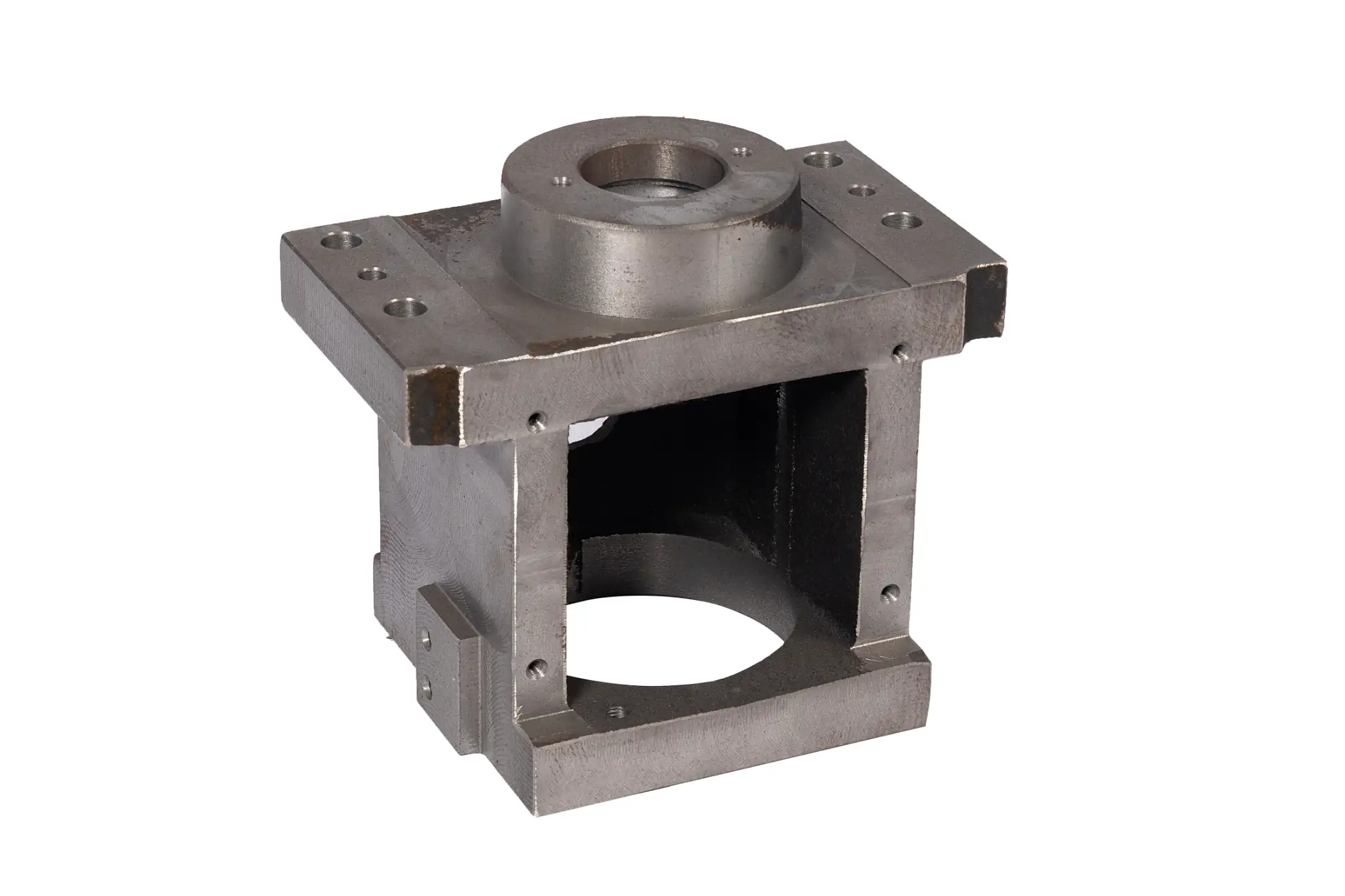



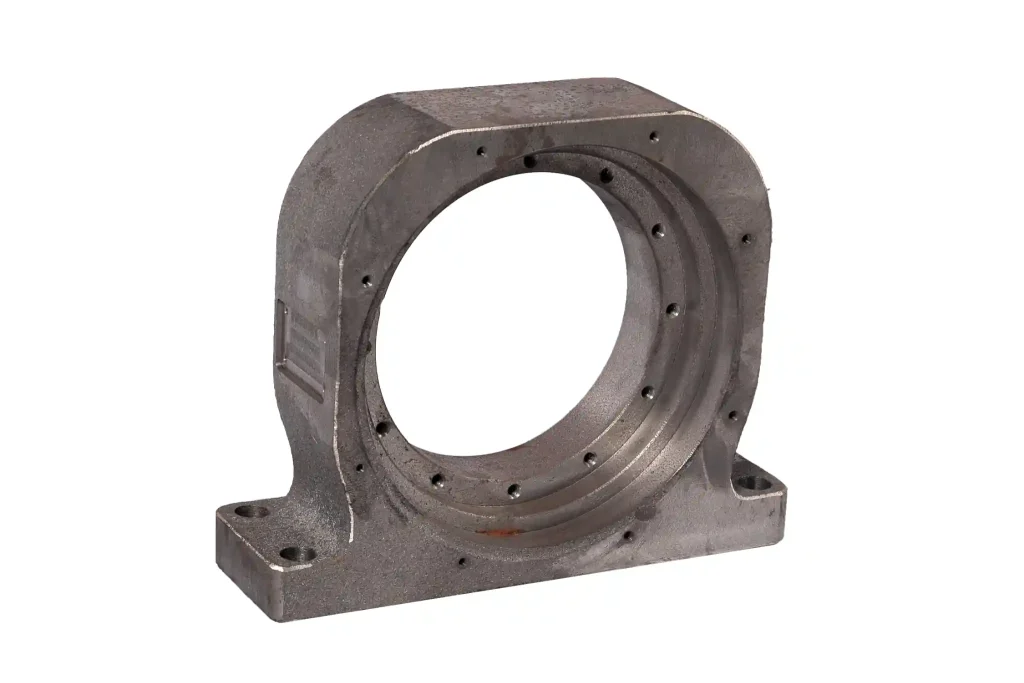
CF8M is the casting-grade counterpart of 316 stainless steel. It belongs to the austenitic family and carries 2 to 3 percent molybdenum, the element that makes it hold up against chlorides. CF8, by comparison, is the cast version of 304 and has no molybdenum.
The grade shows up on valve bodies, pump casings, flanges, and fittings across marine, chemical, and food processing plants. If you have inspected such a casting, the CF8M stamp is likely the first thing you noticed on it. Knowing what the stamp means helps you compare quotes and avoid substituting the wrong grade.
CF8M and CF8 are both covered by ASTM A351 for pressure-containing parts and ASTM A743 for general corrosion-resistant castings.
This article walks through the composition, mechanical properties, corrosion behavior, and typical applications of CF8M, then closes with a short comparison against CF8.
What Is CF8M Stainless Steel?
The CF8M code comes from the Alloy Casting Institute naming system. C stands for corrosion resistance, F marks the carbon ceiling, 8 refers to the 18 percent chromium content, and M signals the molybdenum addition.
CF8M is a cast product, meaning the molten metal is poured into a mold instead of being rolled or forged into shape. The designation is stamped on valve bodies and fittings, which is why buyers and inspectors meet it so often.
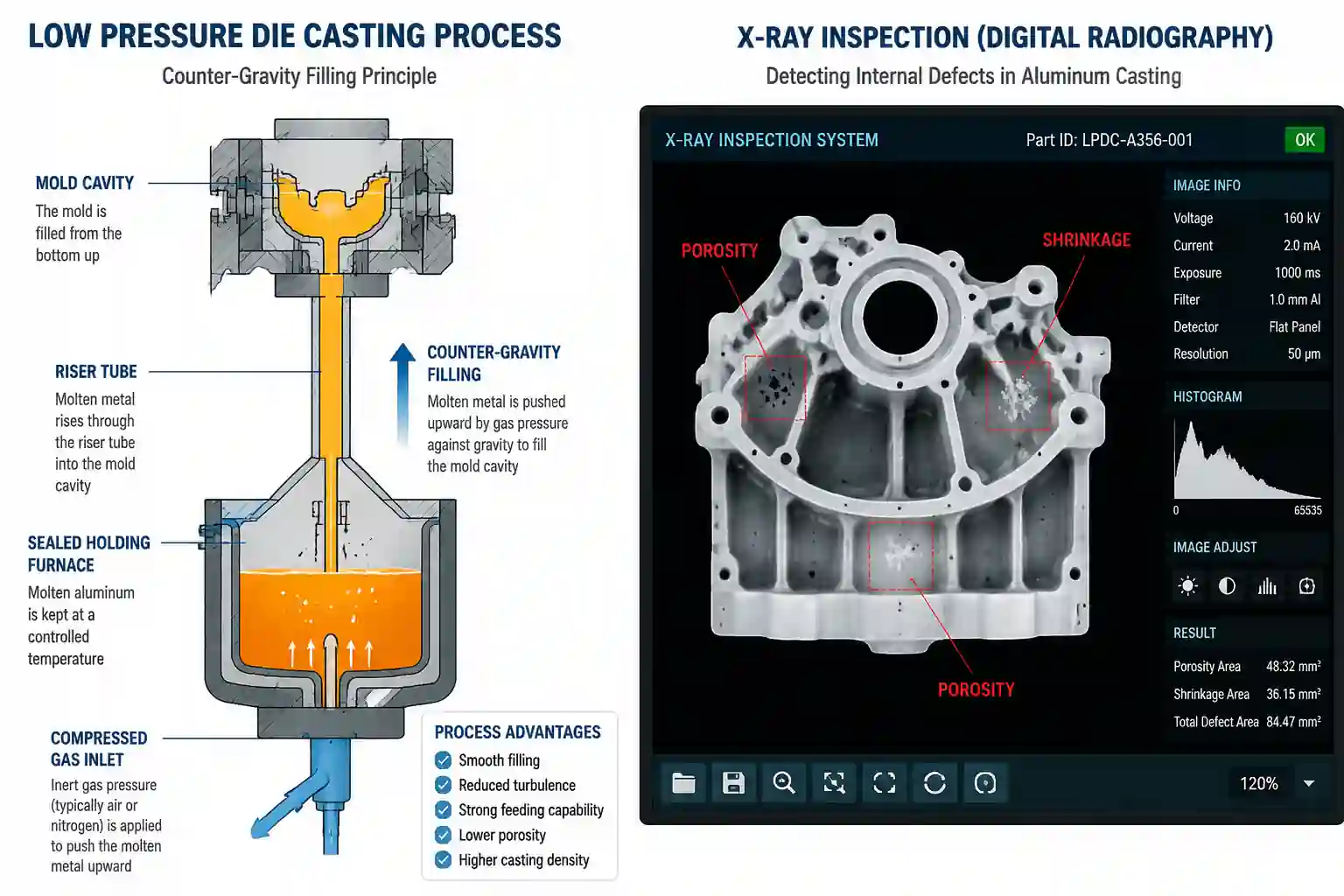
Under ASTM A351, the grade is accepted for pressure-containing castings such as valve bodies and pump casings. ASTM A743 and A744 extend coverage to general corrosion-resistant and severe-service castings, so the same alloy appears in valves, flanges, and process equipment. Soundness of such parts is often verified through metal casting inspection methods.
The alloy is built around 18 to 21 percent chromium and 9 to 12 percent nickel, with 2 to 3 percent molybdenum and a 0.08 percent carbon limit. The molybdenum content is precisely what separates CF8M from CF8.
| Element | CF8M |
|---|---|
| Chromium | 18–21% |
| Nickel | 9–12% |
| Molybdenum | 2–3% |
| Carbon (max) | 0.08% |
| Iron | Balance |
Molybdenum reinforces the passive oxide film, giving CF8M its resistance to pitting and crevice corrosion in chloride-rich service. Heat exchangers, marine hardware, and offshore components rely on this property in continuous exposure.
Mechanical Properties
CF8M shares the austenitic structure and carbon ceiling of CF8, so the two grades sit close in mechanical performance.
| Property | CF8M |
|---|---|
| Tensile strength (min) | 70 ksi |
| Yield strength (min) | 30 ksi |
| Elongation (min) | 30% |
| Hardness (Brinell) | 146–212 |
The grade cannot be hardened by heat treatment. It welds with low-carbon filler metals, and the choice between CF8M and CF8 is driven by corrosion resistance rather than strength.
Welding calls for discipline: keep low-carbon filler, stay out of the 425–815°C sensitization window, and solution anneal after welding to restore corrosion resistance. The low-carbon variants CF3 and CF3M cut carbide precipitation during welding.
CF8M may show light magnetism in the as-cast condition because the structure contains ferrite. Wrought 316 is normally non-magnetic; the effect is weak and does not impair corrosion performance.
Corrosion Resistance
Chloride exposure is where CF8M earns its place. The molybdenum-stabilized film resists attack in seawater, coastal air, and de-icing salt environments where plain CF8 would pit and fail.
CF8 remains a solid choice for atmospheric corrosion, freshwater, and most food and dairy duty. CF8M extends the same base performance into marine hardware, offshore equipment, chemical plants, and pharmaceutical processing.
CF8 also brings good cavitation resistance to pump applications with predictable pressure surges. CF8M adds food-safety compliance, which makes it a common material in food and pharmaceutical processing lines.
Applications of CF8M Stainless Steel
CF8M is the default where corrosion resistance and castability meet. Pressure-containing parts and process equipment are its main territory.
- Valve bodies, flanges, and fittings in marine and chemical service
- Pump housings, impellers, and other rotating components
- Process piping and pressure vessels
- Food and pharmaceutical processing equipment
- Offshore and coastal hardware exposed to chlorides
CF8 vs CF8M: What Is the Difference?
CF8 is the cast form of 304; CF8M is the cast form of 316. Both are produced as castings and share similar base properties, but the molybdenum in CF8M changes the corrosion story in chloride environments.
| Attribute | CF8 | CF8M |
|---|---|---|
| Wrought equivalent | 304 | 316 |
| Molybdenum | None | 2–3% |
| Corrosion resistance | Good in freshwater | Excellent in chlorides/seawater |
| Typical service | Food, water, HVAC | Marine, chemical, offshore |
| Relative cost | Lower | Higher |
Neither grade wins outright. CF8 covers freshwater and food service at a lower price; CF8M is the answer for chloride, seawater, and chemical duty. The cost gap follows the alloy, with molybdenum and higher nickel pushing CF8M above CF8.
Nodular Cast Iron – Cast Iron Casting Manufacturer
The right grade is set by the service environment, not by the name on the drawing. Send your drawing and operating conditions to our engineers, and the casting grade can be confirmed before tooling starts.
Confirming the material at the quoting stage costs far less than replacing a corroded part in service. When choosing a casting supplier, ask for the same casting design considerations review before the mold is committed.