
What Is CF8M Stainless Steel?

リングベアリング支持ハウジング

CF8M is the casting-grade counterpart of 316 stainless steel. It belongs to the austenitic family and carries 2 to 3 percent molybdenum, the element that makes it hold up against chlorides. CF8, by comparison, is the cast version of 304 and has no molybdenum.

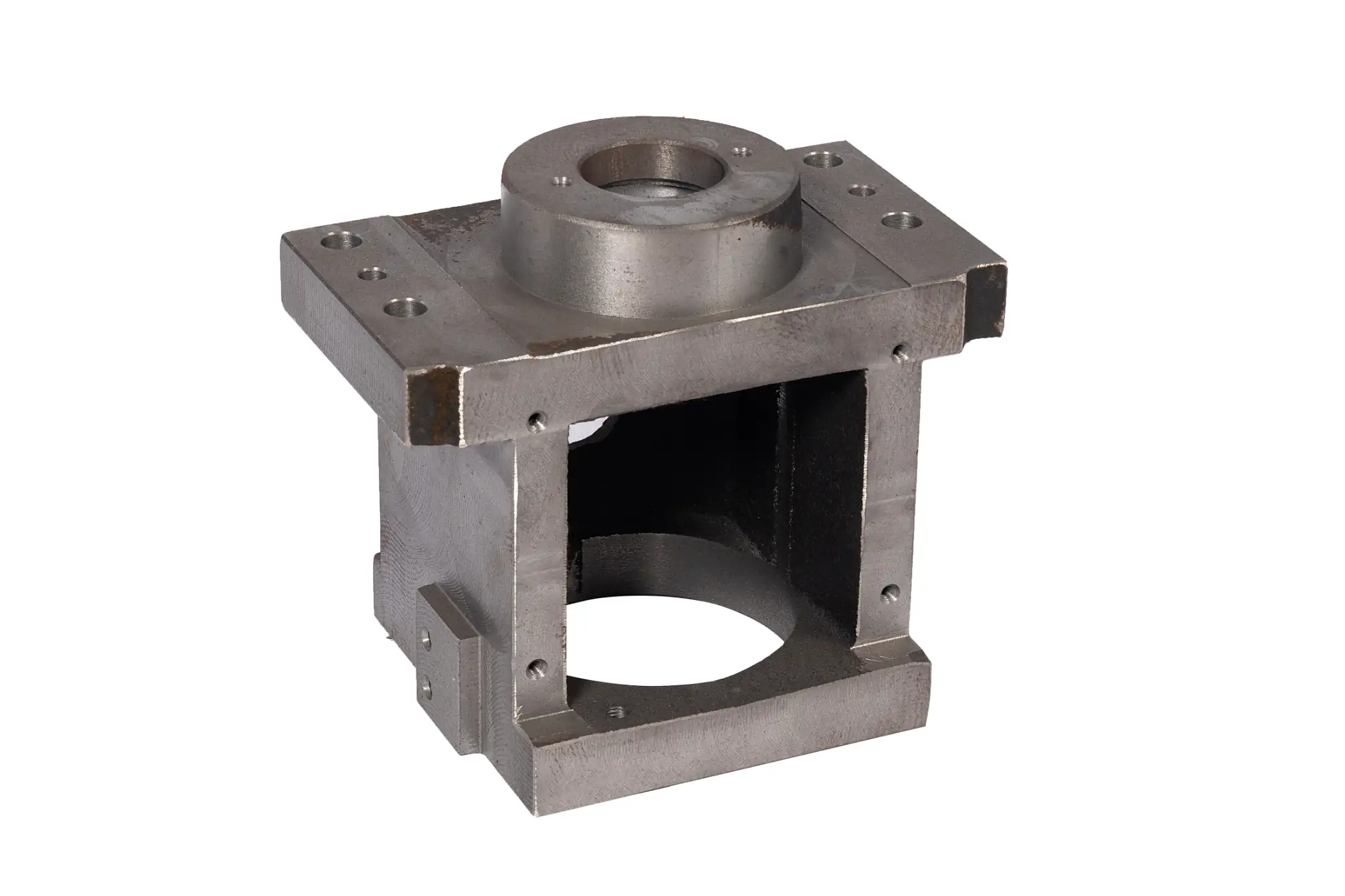
The grade shows up on valve bodies, pump casings, flanges, and fittings across marine, chemical, and food processing plants. If you have inspected such a casting, the CF8M stamp is likely the first thing you noticed on it. Knowing what the stamp means helps you compare quotes and avoid substituting the wrong grade.

CF8M and CF8 are both covered by ASTM A351 for pressure-containing parts and ASTM A743 for general corrosion-resistant castings.

This article walks through the composition, mechanical properties, corrosion behavior, and typical applications of CF8M, then closes with a short comparison against CF8.

What Is CF8M Stainless Steel?

The CF8M code comes from the Alloy Casting Institute naming system. C stands for corrosion resistance, F marks the carbon ceiling, 8 refers to the 18 percent chromium content, and M signals the molybdenum addition.

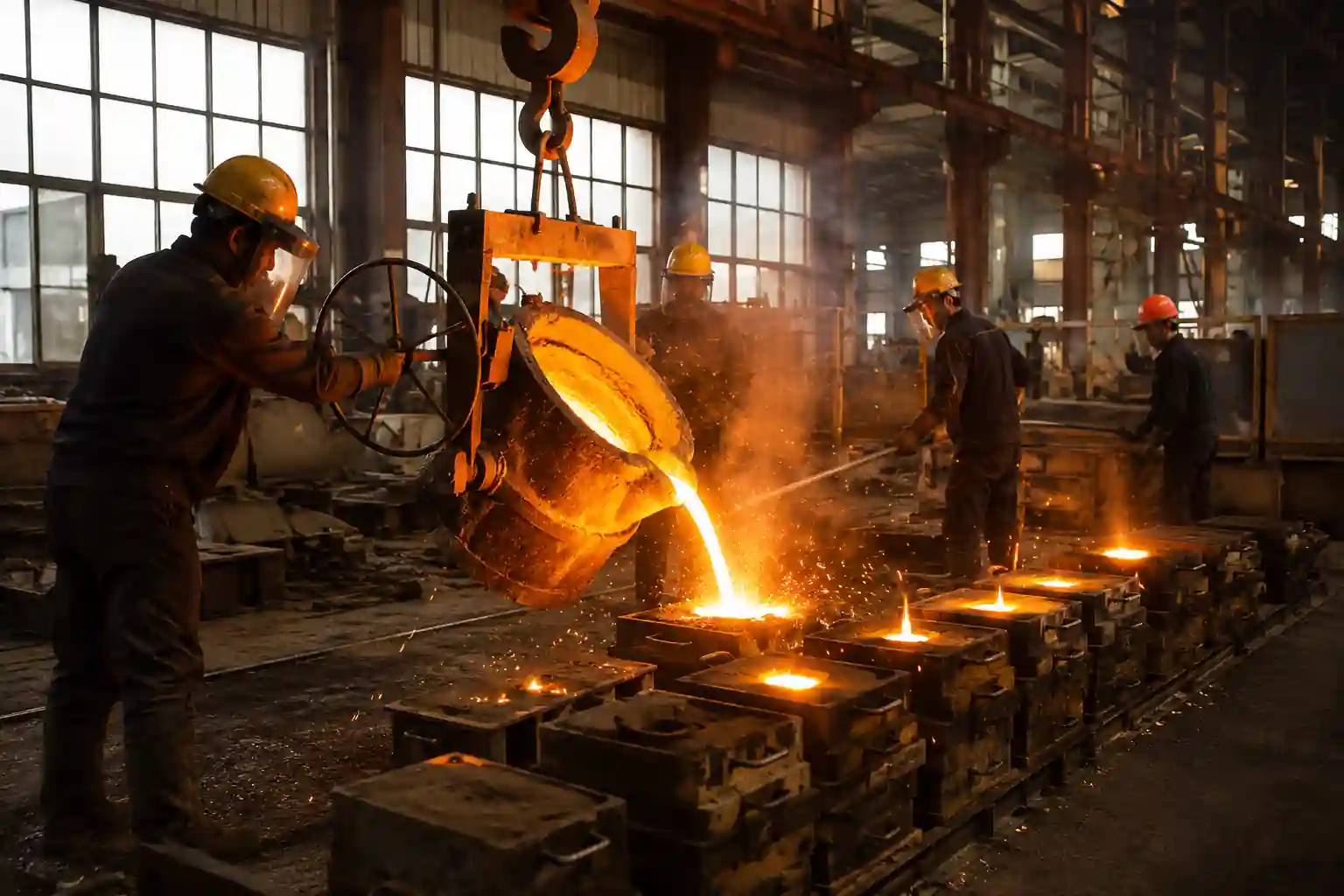
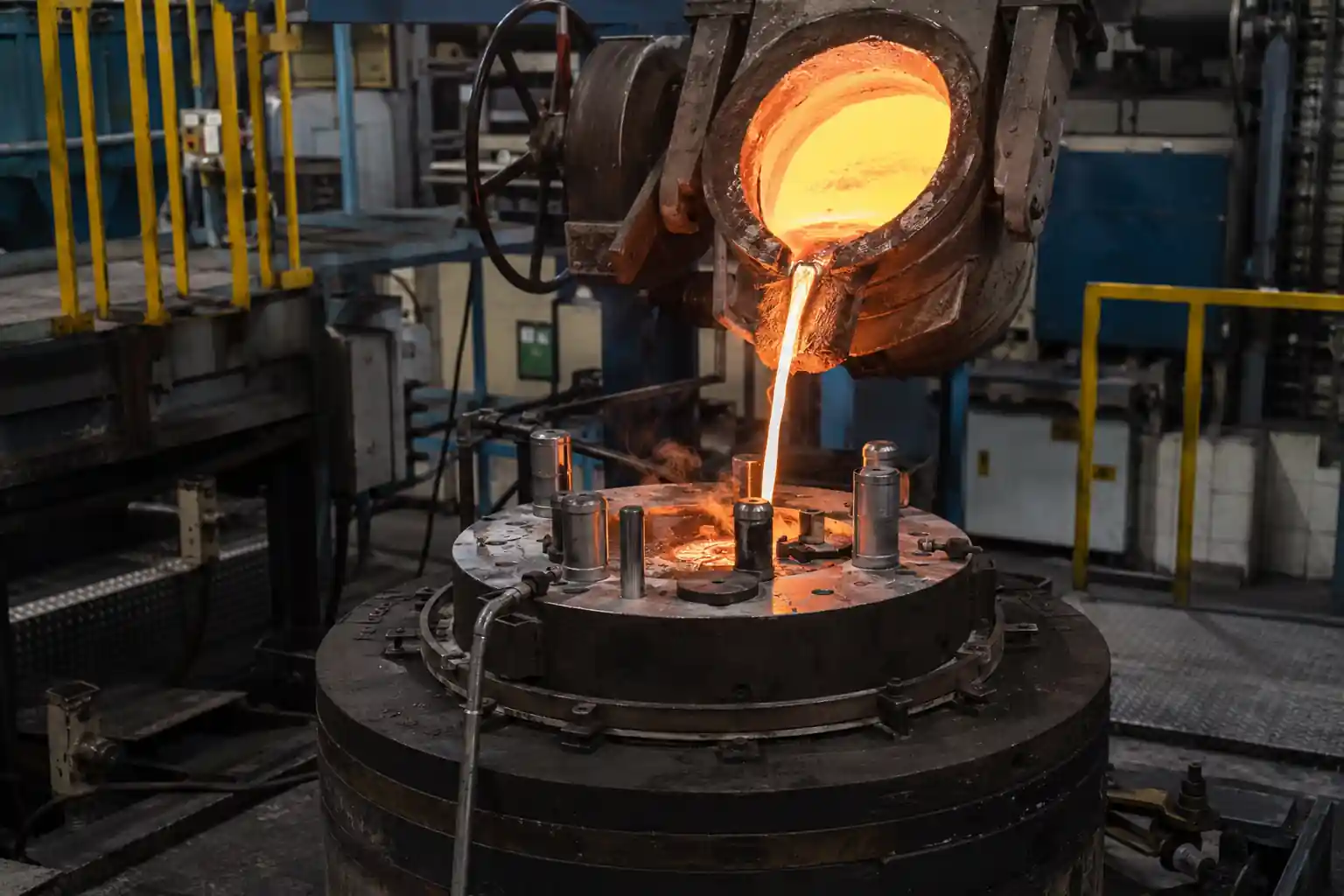
CF8M is a cast product, meaning the molten metal is poured into a mold instead of being rolled or forged into shape. The designation is stamped on valve bodies and fittings, which is why buyers and inspectors meet it so often.

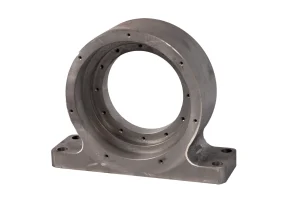
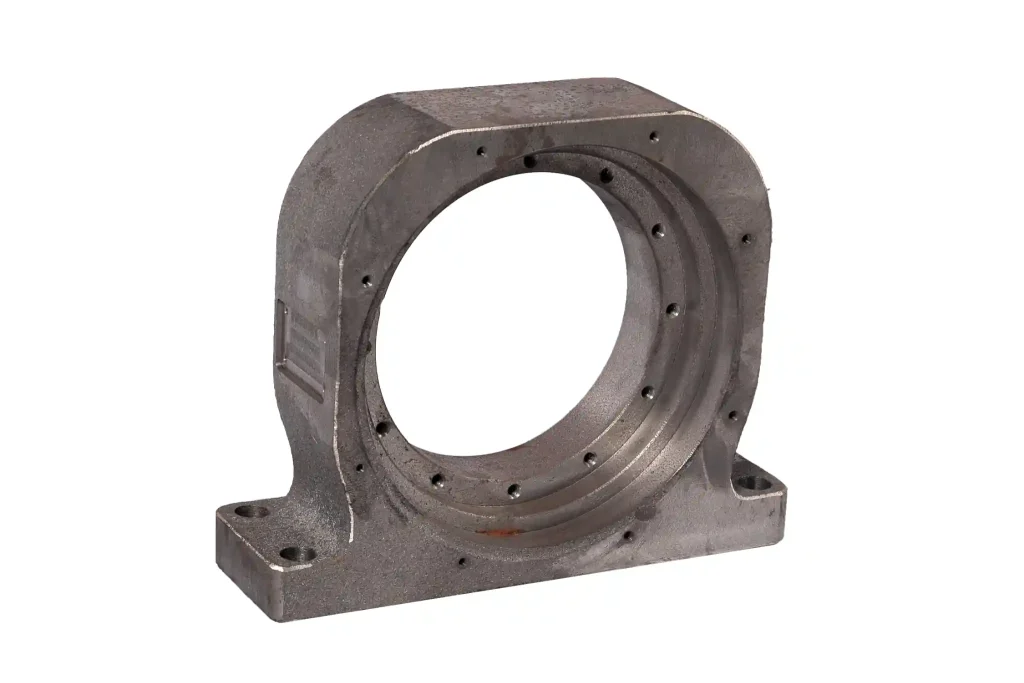
ベアリング穴と取り付けベースが機械加工された鋳造ペデスタルベアリングハウジング

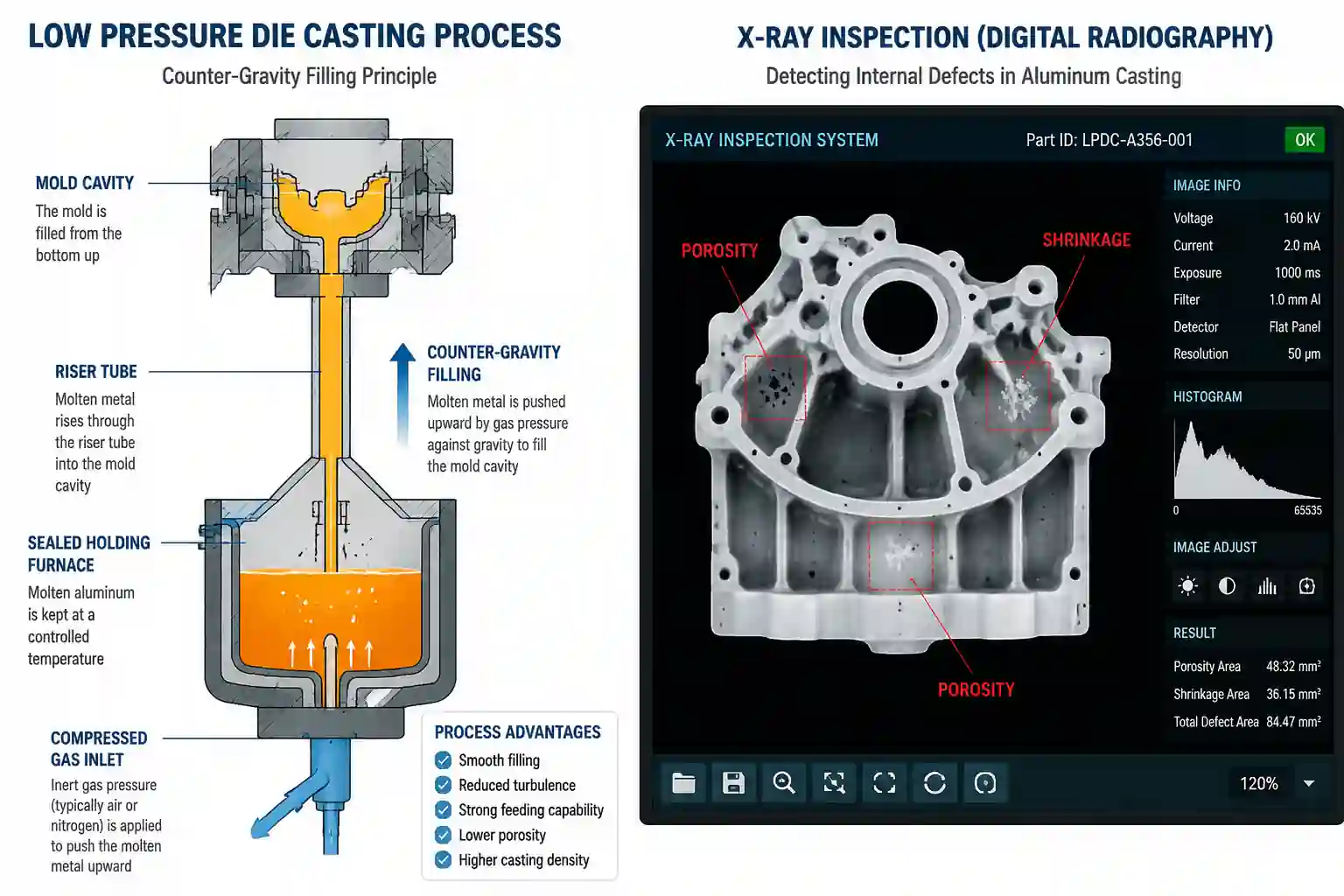
Under ASTM A351, the grade is accepted for pressure-containing castings such as valve bodies and pump casings. ASTM A743 and A744 extend coverage to general corrosion-resistant and severe-service castings, so the same alloy appears in valves, flanges, and process equipment. Soundness of such parts is often verified through 金属鋳物の検査方法.

The alloy is built around 18 to 21 percent chromium and 9 to 12 percent nickel, with 2 to 3 percent molybdenum and a 0.08 percent carbon limit. The molybdenum content is precisely what separates CF8M from CF8.

エレメント CF8M
クロム 18–21%
ニッケル 9–12%
Molybdenum 2–3%
Carbon (max) 0.08%
バランス

Molybdenum reinforces the passive oxide film, giving CF8M its resistance to pitting and crevice corrosion in chloride-rich service. Heat exchangers, marine hardware, and offshore components rely on this property in continuous exposure.

機械的特性

CF8M shares the austenitic structure and carbon ceiling of CF8, so the two grades sit close in mechanical performance.

プロパティ CF8M
Tensile strength (min) 70 ksi
Yield strength (min) 30 ksi
Elongation (min) 30%
Hardness (Brinell) 146–212

The grade cannot be hardened by heat treatment. It welds with low-carbon filler metals, and the choice between CF8M and CF8 is driven by corrosion resistance rather than strength.

Welding calls for discipline: keep low-carbon filler, stay out of the 425–815°C sensitization window, and solution anneal after welding to restore corrosion resistance. The low-carbon variants CF3 and CF3M cut carbide precipitation during welding.

CF8M may show light magnetism in the as-cast condition because the structure contains ferrite. Wrought 316 is normally non-magnetic; the effect is weak and does not impair corrosion performance.

耐食性

Chloride exposure is where CF8M earns its place. The molybdenum-stabilized film resists attack in seawater, coastal air, and de-icing salt environments where plain CF8 would pit and fail.

CF8 remains a solid choice for atmospheric corrosion, freshwater, and most food and dairy duty. CF8M extends the same base performance into marine hardware, offshore equipment, chemical plants, and pharmaceutical processing.

CF8 also brings good cavitation resistance to pump applications with predictable pressure surges. CF8M adds food-safety compliance, which makes it a common material in food and pharmaceutical processing lines.

Applications of CF8M Stainless Steel

CF8M is the default where corrosion resistance and castability meet. Pressure-containing parts and process equipment are its main territory.

  • Valve bodies, flanges, and fittings in marine and chemical service
  • Pump housings, impellers, and other rotating components
  • Process piping and pressure vessels
  • Food and pharmaceutical processing equipment
  • Offshore and coastal hardware exposed to chlorides

CF8 vs CF8M: What Is the Difference?

CF8 is the cast form of 304; CF8M is the cast form of 316. Both are produced as castings and share similar base properties, but the molybdenum in CF8M changes the corrosion story in chloride environments.

Attribute CF8 CF8M
Wrought equivalent 304 316
Molybdenum None 2–3%
耐食性 Good in freshwater Excellent in chlorides/seawater
Typical service Food, water, HVAC Marine, chemical, offshore
相対的なコスト より低い より高い

Neither grade wins outright. CF8 covers freshwater and food service at a lower price; CF8M is the answer for chloride, seawater, and chemical duty. The cost gap follows the alloy, with molybdenum and higher nickel pushing CF8M above CF8.

球状黒鉛鋳鉄 – 鋳鉄鋳造メーカー

The right grade is set by the service environment, not by the name on the drawing. Send your drawing and operating conditions to 当社のエンジニア, and the casting grade can be confirmed before tooling starts.

Confirming the material at the quoting stage costs far less than replacing a corroded part in service. When choosing a 鋳造サプライヤー, ask for the same 鋳物設計の考慮事項 review before the mold is committed.

カスタム鋳造プロジェクトを始めませんか?

著者の写真
MinHeファウンドリー

MinHe Foundryは、20年以上の実績を持つ専門的な工業用鋳造メーカーであり、世界中の顧客向けに高品質なカスタム金属鋳造ソリューションを専門としています。アルミニウム鋳造を中核技術とし、鋼、鉄、銅合金の鋳造ソリューションも提供しています。 当社の製造能力には、低圧ダイカスト、重力鋳造、その他の鋳造プロセスが含まれており、設計レビュー、金型開発、試作検証から量産に至るまで、お客様を全面的にサポートいたします。

当社の製品には、アルミニウム鋳造製のブレード、ハブ、フランジ、接続部品、シャフト、支持構造物などがあり、自動車、機械、エネルギー、機器製造など、さまざまな産業分野で活用されています。 20年にわたる鋳造の専門知識、高度な生産能力、およびISO 9001認証を取得した品質マネジメントシステムを基盤として、MinHe Foundryは世界中のお客様に、信頼性の高い鋳造部品、技術サポート、そして長期的な製造パートナーシップを提供しています。

目次

関連タグが付いた記事

お問い合わせ

このカテゴリのその他の記事