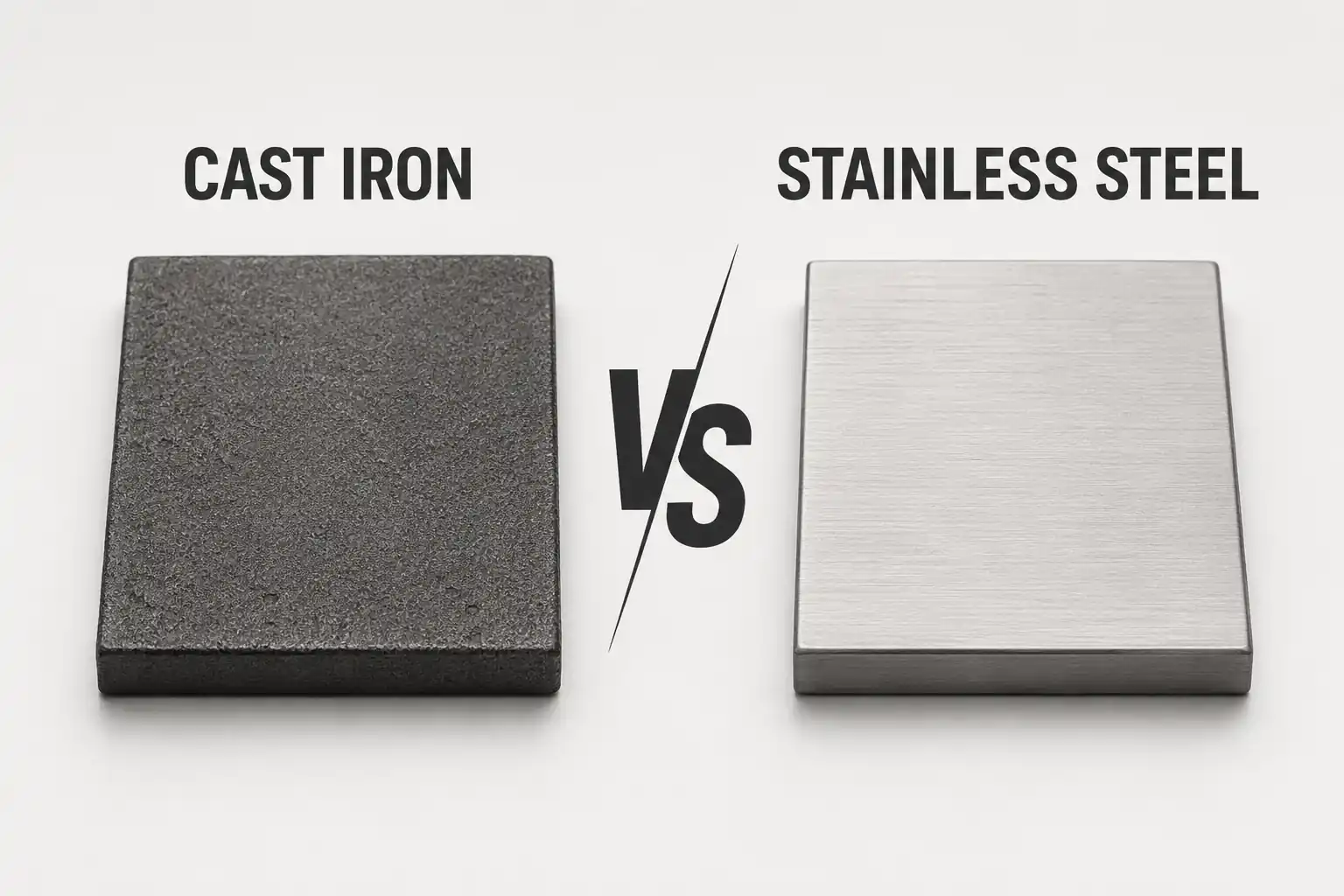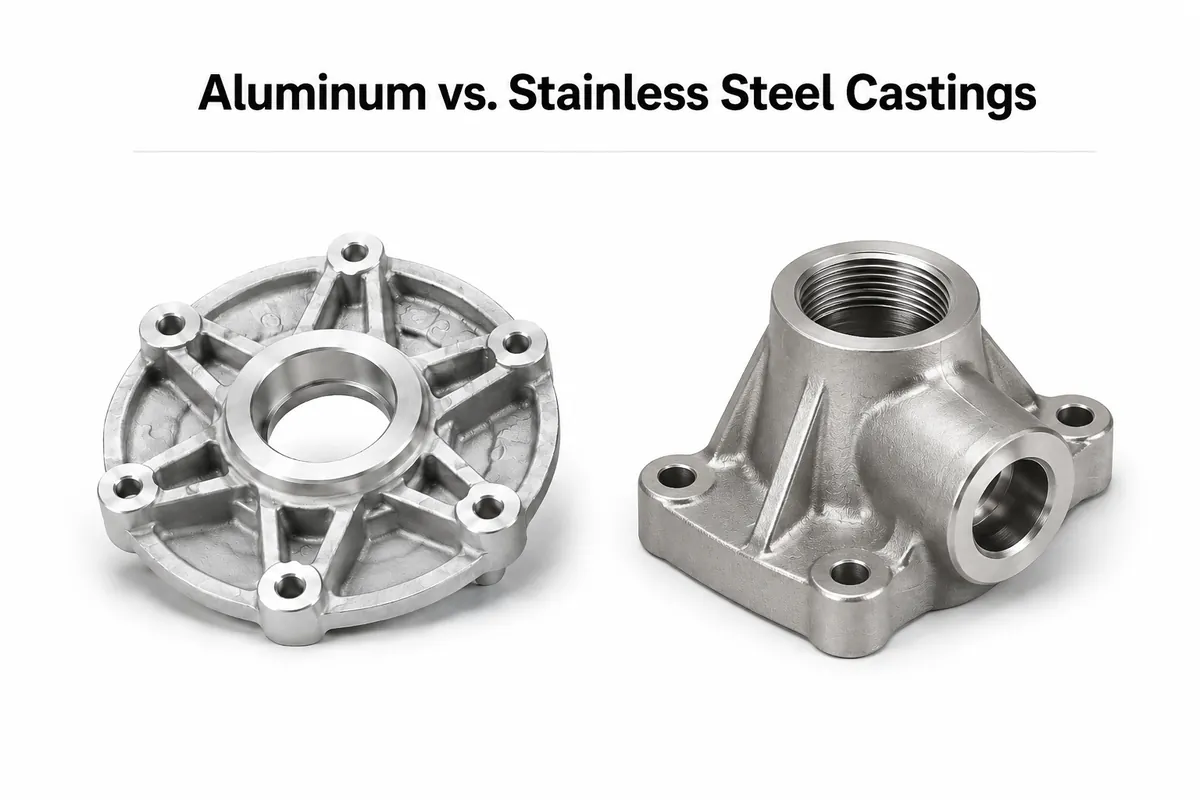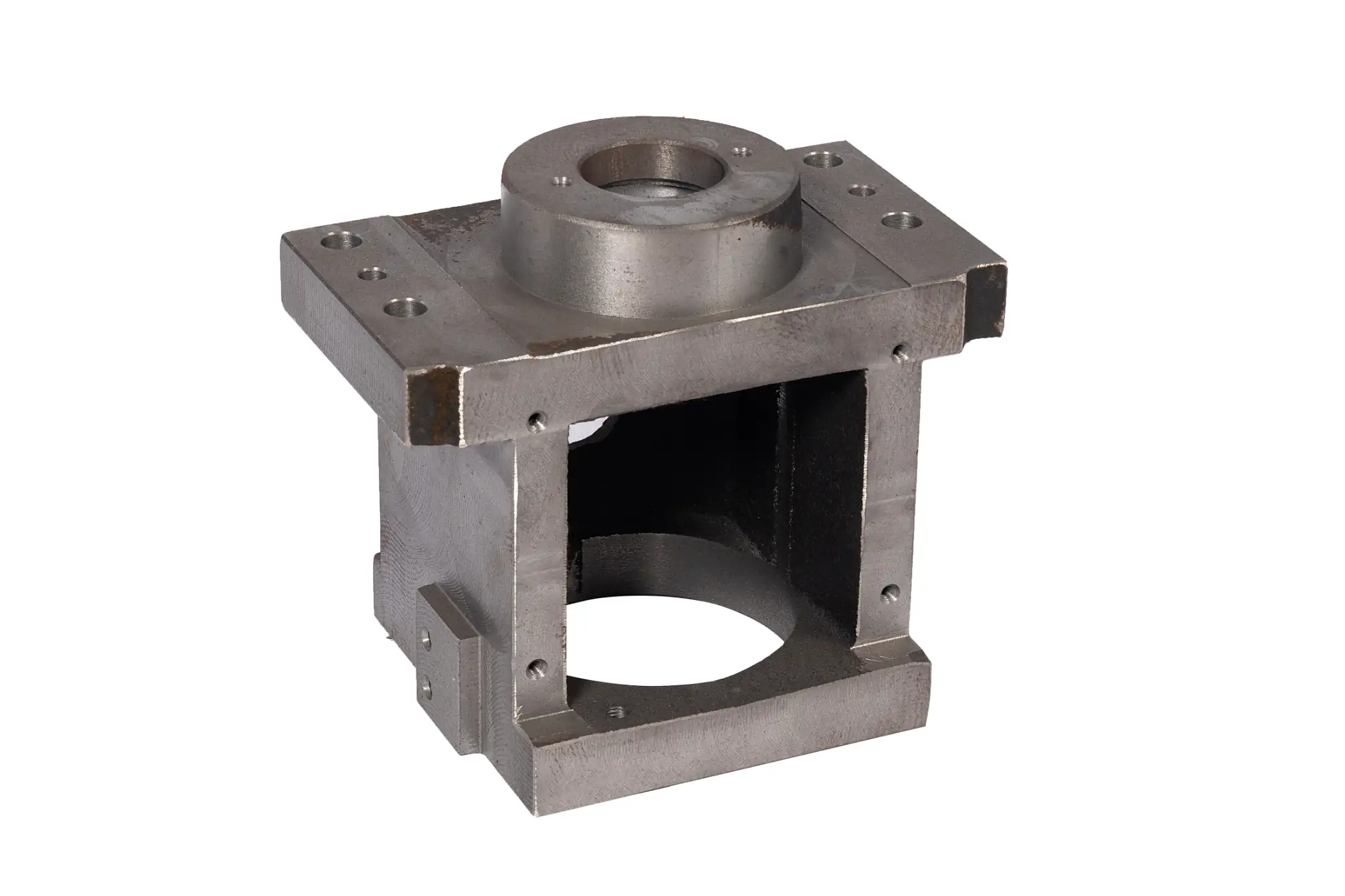



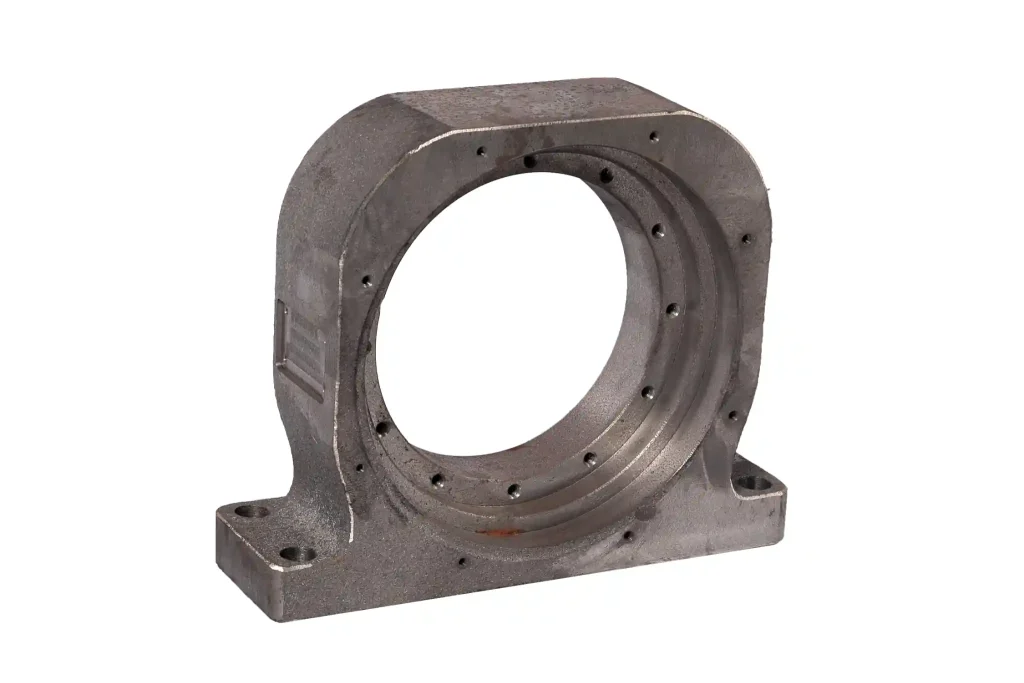
CF8M ist das gussgeeignete Pendant zum Edelstahl 316. Es gehört zur Gruppe der austenitischen Stähle und enthält 2 bis 3 Prozent Molybdän, das Element, das ihm seine Beständigkeit gegenüber Chloriden verleiht. CF8 hingegen ist die gussgeeignete Variante von 304 und enthält kein Molybdän.
Diese Güteklasse findet sich an Ventilkörpern, Pumpengehäusen, Flanschen und Armaturen in Schiffs-, Chemie- und Lebensmittelverarbeitungsanlagen. Wenn Sie bereits ein solches Gussteil begutachtet haben, ist Ihnen wahrscheinlich als Erstes die Kennzeichnung „CF8M“ aufgefallen. Wenn Sie wissen, was diese Kennzeichnung bedeutet, können Sie Angebote besser vergleichen und vermeiden, dass eine falsche Güteklasse verwendet wird.
CF8M und CF8 fallen beide unter die Norm ASTM A351 für druckführende Bauteile und unter die Norm ASTM A743 für allgemeine korrosionsbeständige Gussteile.
Dieser Artikel gibt einen Überblick über die Zusammensetzung, die mechanischen Eigenschaften, das Korrosionsverhalten und typische Anwendungsbereiche von CF8M und schließt mit einem kurzen Vergleich mit CF8.
Was ist CF8M-Edelstahl?
Die Bezeichnung CF8M stammt aus dem Benennungssystem des Alloy Casting Institute. „C“ steht für Korrosionsbeständigkeit, „F“ kennzeichnet den maximalen Kohlenstoffgehalt, „8“ bezieht sich auf den Chromgehalt von 18 Prozent und „M“ weist auf den Molybdänzusatz hin.
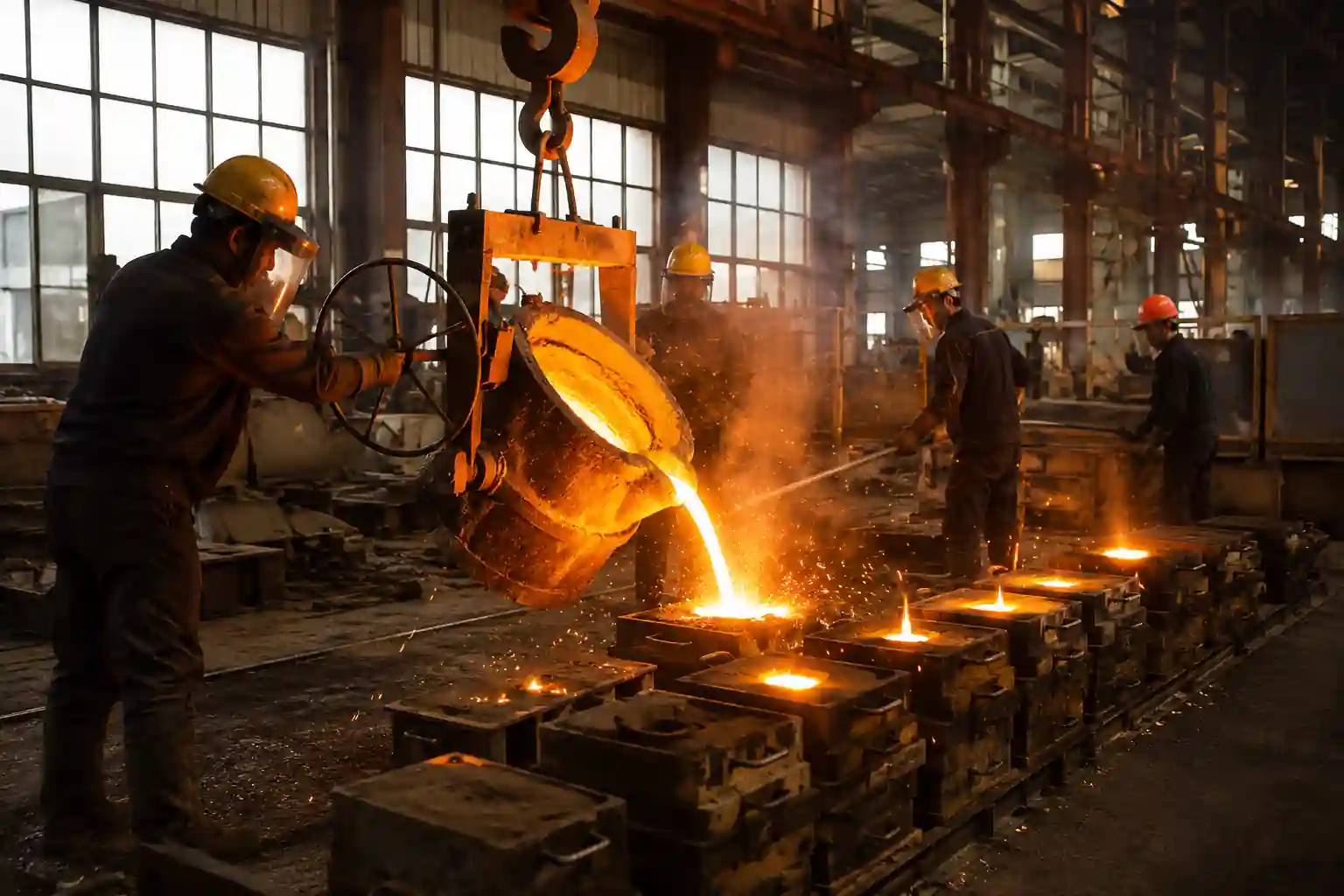
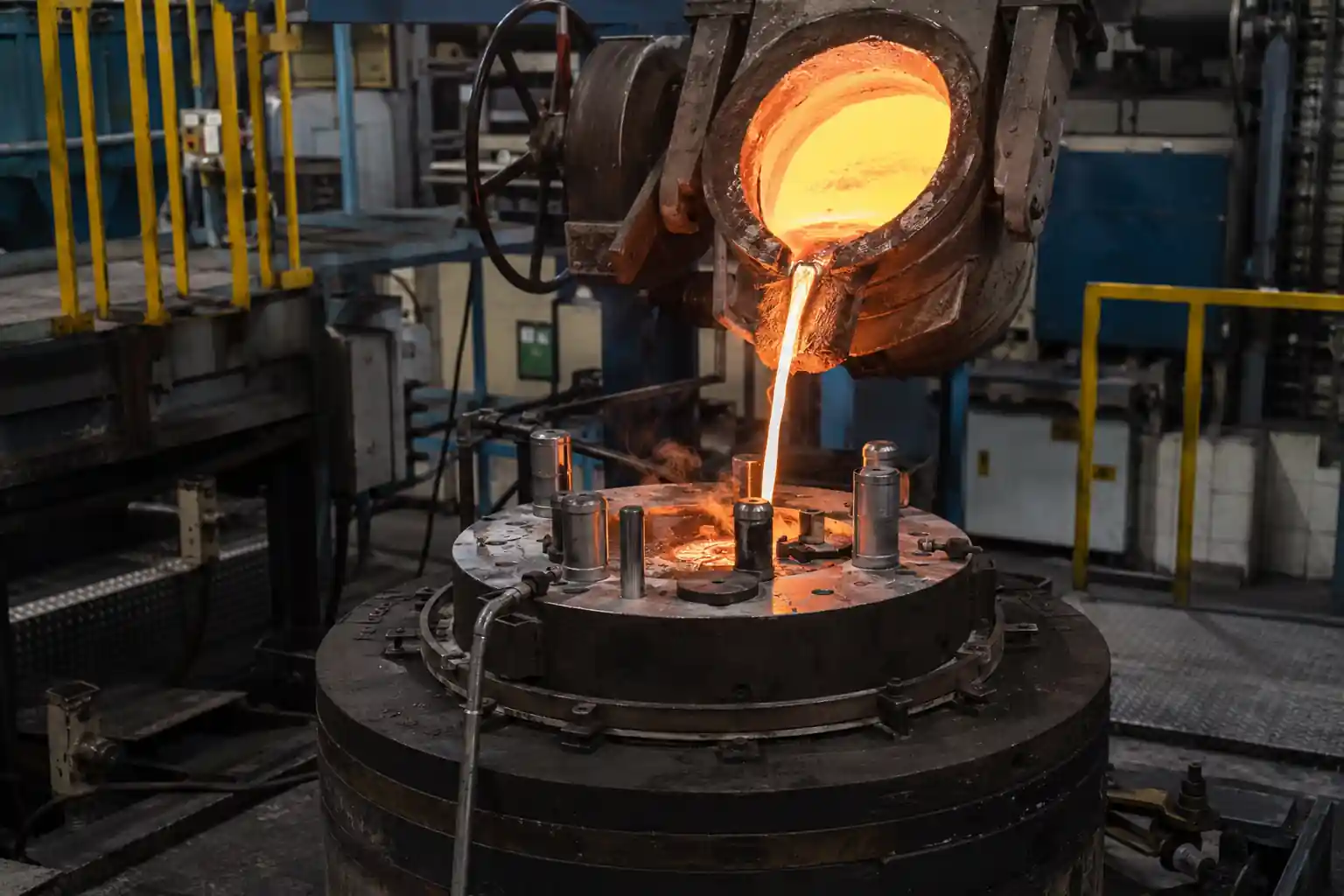
CF8M ist ein Gussprodukt, d. h., das geschmolzene Metall wird in eine Form gegossen, anstatt durch Walzen oder Schmieden in Form gebracht zu werden. Die Bezeichnung ist auf Ventilkörpern und Armaturen eingeprägt, weshalb Käufer und Prüfer ihr so häufig begegnen.
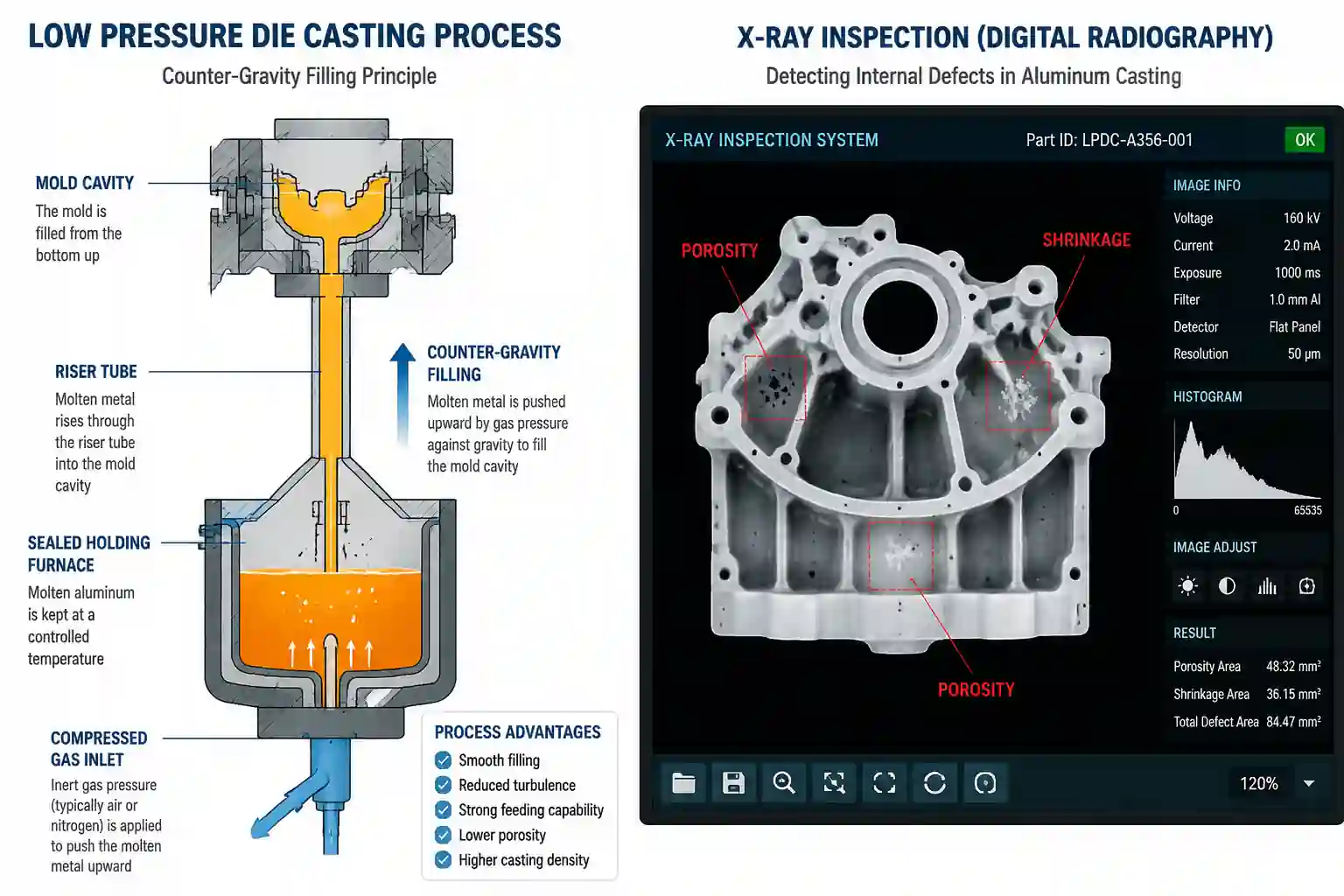
Gemäß ASTM A351 ist diese Güteklasse für druckführende Gussteile wie Ventilkörper und Pumpengehäuse zugelassen. Die Normen ASTM A743 und A744 erweitern den Anwendungsbereich auf allgemein korrosionsbeständige Gussteile sowie Gussteile für den Einsatz unter extremen Bedingungen, sodass dieselbe Legierung in Ventilen, Flanschen und Prozessanlagen zum Einsatz kommt. Die Unversehrtheit solcher Bauteile wird häufig durch Prüfverfahren für Metallguss.
Die Legierung besteht zu etwa 18 bis 21 Prozent aus Chrom und zu 9 bis 12 Prozent aus Nickel, enthält 2 bis 3 Prozent Molybdän und weist einen Kohlenstoffgehalt von höchstens 0,08 Prozent auf. Gerade der Molybdängehalt ist es, der CF8M von CF8 unterscheidet.
| Element | CF8M |
|---|---|
| Chrom | 18–21% |
| Nickel | 9–12% |
| Molybdän | 2–3% |
| Kohlenstoff (max.) | 0.08% |
| Eisen | Bilanz |
Molybdän verstärkt den passiven Oxidfilm und verleiht CF8M seine Beständigkeit gegen Lochfraß und Spaltkorrosion in chloridhaltigen Umgebungen. Wärmetauscher, Schiffsausrüstung und Offshore-Komponenten sind bei kontinuierlicher Einwirkung auf diese Eigenschaft angewiesen.
Mechanische Eigenschaften
CF8M weist dieselbe austenitische Struktur und denselben maximalen Kohlenstoffgehalt wie CF8 auf, sodass sich die beiden Güteklassen hinsichtlich ihrer mechanischen Eigenschaften kaum unterscheiden.
| Eigentum | CF8M |
|---|---|
| Zugfestigkeit (min.) | 70 ksi |
| Streckgrenze (min) | 30 ksi |
| Dehnung (min) | 30% |
| Härte (Brinell) | 146–212 |
Dieser Werkstoff lässt sich nicht durch Wärmebehandlung härten. Er lässt sich mit kohlenstoffarmen Schweißzusätzen schweißen, wobei die Wahl zwischen CF8M und CF8 eher von der Korrosionsbeständigkeit als von der Festigkeit bestimmt wird.
Das Schweißen erfordert Disziplin: Verwenden Sie kohlenstoffarme Schweißzusätze, vermeiden Sie den Sensibilisierungsbereich von 425–815 °C und führen Sie nach dem Schweißen ein Lösungsglühen durch, um die Korrosionsbeständigkeit wiederherzustellen. Die kohlenstoffarmen Varianten CF3 und CF3M reduzieren die Karbidausscheidung während des Schweißens.
CF8M kann im Gusszustand eine leichte Magnetisierung aufweisen, da die Struktur Ferrit enthält. Geschmiedetes 316 ist normalerweise nichtmagnetisch; der Effekt ist schwach und beeinträchtigt die Korrosionsbeständigkeit nicht.
Korrosionsbeständigkeit
Gerade bei der Chloridbelastung spielt CF8M seine Stärken aus. Die mit Molybdän stabilisierte Schicht widersteht dem Angriff durch Meerwasser, Küstenluft und Streusalz – Umgebungen, in denen reines CF8 Lochfraß erleiden und versagen würde.
CF8 ist nach wie vor eine gute Wahl für den Einsatz in Umgebungen mit atmosphärischer Korrosion, in Süßwasser sowie für die meisten Anwendungen in der Lebensmittel- und Milchindustrie. CF8M erweitert diese Grundleistung auf den Einsatz in Schiffsausrüstung, Offshore-Anlagen, Chemieanlagen und der pharmazeutischen Verarbeitung.
CF8 bietet zudem eine gute Kavitationsbeständigkeit für Pumpenanwendungen mit vorhersehbaren Druckstößen. CF8M erfüllt zusätzlich die Anforderungen an die Lebensmittelsicherheit, weshalb es ein häufig verwendeter Werkstoff in Verarbeitungsanlagen der Lebensmittel- und Pharmaindustrie ist.
Anwendungsbereiche von CF8M-Edelstahl
CF8M ist die Standardwahl, wenn Korrosionsbeständigkeit und Gießbarkeit gefragt sind. Druckführende Bauteile und Prozessanlagen sind sein Hauptanwendungsgebiet.
- Ventilkörper, Flansche und Armaturen für den Einsatz in der Schifffahrt und der chemischen Industrie
- Pumpengehäuse, Laufräder und andere rotierende Bauteile
- Prozessrohrleitungen und Druckbehälter
- Anlagen für die Lebensmittel- und Pharmaverarbeitung
- Offshore- und Küstenausrüstung, die Chloriden ausgesetzt ist
CF8 vs. CF8M: Was ist der Unterschied?
CF8 ist die Gussausführung von 304; CF8M ist die Gussausführung von 316. Beide werden als Gussteile hergestellt und weisen ähnliche Grundeigenschaften auf, doch das Molybdän in CF8M verändert das Korrosionsverhalten in chloridhaltigen Umgebungen.
| Attribut | CF8 | CF8M |
|---|---|---|
| Schmiedegleichwert | 304 | 316 |
| Molybdän | Keine | 2–3% |
| Korrosionsbeständigkeit | Gut in Süßwasser | Hervorragend geeignet für Chloride/Meerwasser |
| Typische Dienstleistung | Lebensmittel, Wasser, Heizung, Lüftung und Klimatisierung | Schifffahrt, Chemie, Offshore |
| Relative Kosten | Unter | Höher |
Keine der beiden Güteklassen ist eindeutig überlegen. CF8 eignet sich für den Einsatz in Süßwasser und in der Gastronomie zu einem günstigeren Preis; CF8M ist die richtige Wahl für den Einsatz in chlorhaltigen Medien, Meerwasser und chemischen Anwendungen. Der Preisunterschied ergibt sich aus der Legierungszusammensetzung, wobei Molybdän und ein höherer Nickelanteil dazu führen, dass CF8M teurer ist als CF8.
Sphäroguss – Hersteller von Gusseisenteilen
Die richtige Güteklasse richtet sich nach den Einsatzbedingungen und nicht nach der Bezeichnung auf der Zeichnung. Senden Sie Ihre Zeichnung und die Betriebsbedingungen an unsere Ingenieure, und die Gussqualität kann vor Beginn des Werkzeugbaus überprüft werden.
Die Überprüfung des Materials bereits in der Angebotsphase kostet weitaus weniger als der Austausch eines korrodierten Teils während des Betriebs. Bei der Auswahl eines Gusslieferant, fragen Sie nach dem Gleichen Überlegungen zur Gussgestaltung Überprüfung, bevor die Form endgültig festgelegt wird.