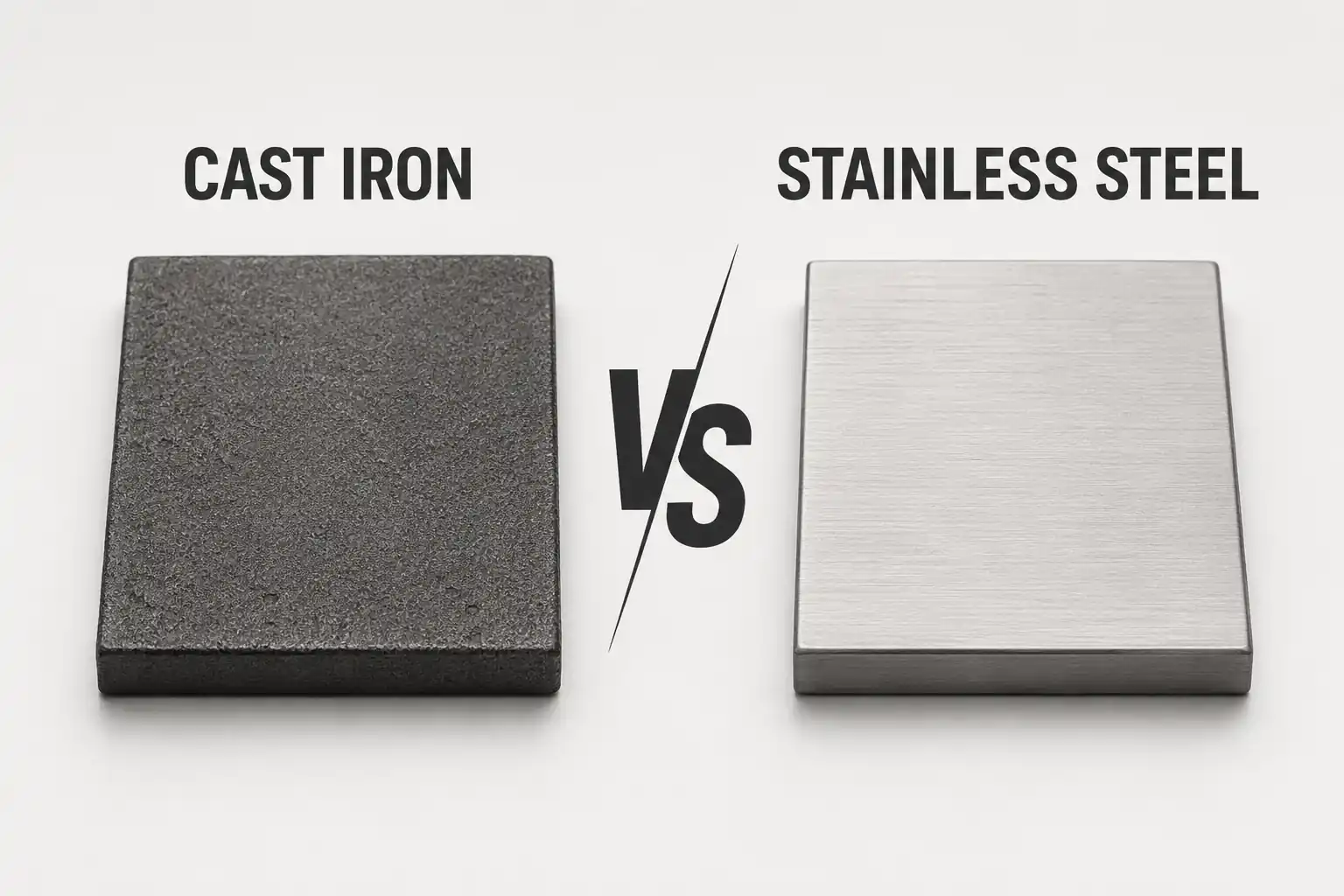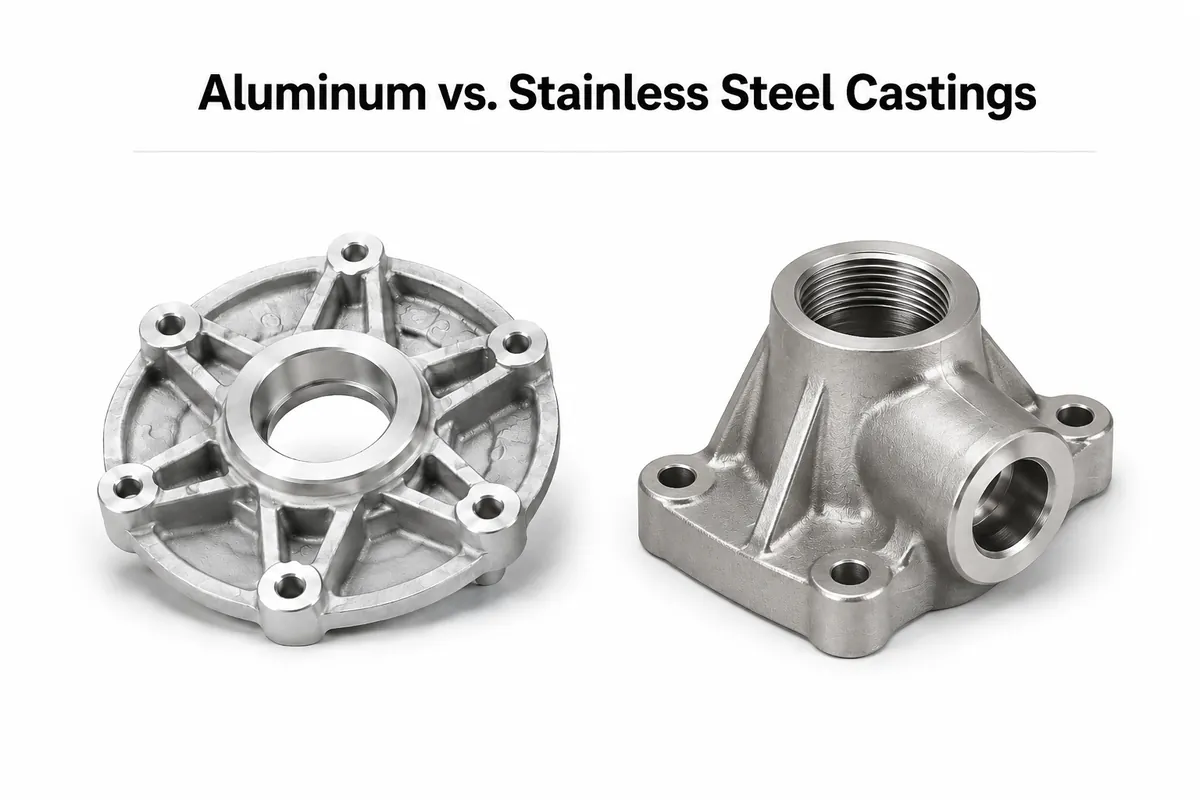



CF8M — это литейный аналог нержавеющей стали марки 316. Она относится к аустенитной группе и содержит от 2 до 3 процентов молибдена — элемента, обеспечивающего её устойчивость к воздействию хлоридов. Для сравнения: CF8 представляет собой литейный аналог стали марки 304 и не содержит молибдена.
Этот сорт металла используется в корпусах клапанов, корпусах насосов, фланцах и фитингах на судостроительных, химических и пищевых предприятиях. Если вам доводилось осматривать подобное литье, то, скорее всего, первое, что вы заметили на нём, — это клеймо «CF8M». Понимание значения этого клейма поможет вам сравнивать коммерческие предложения и избежать замены материала на неподходящий сорт.
Стали CF8M и CF8 подпадают под действие стандарта ASTM A351 для деталей, находящихся под давлением, и стандарта ASTM A743 для коррозионно-стойких отливок общего назначения.
В данной статье подробно рассматриваются состав, механические свойства, коррозионная стойкость и типичные области применения материала CF8M, а в заключение приводится краткое сравнение с материалом CF8.
Что такое нержавеющая сталь CF8M?
Код CF8M взят из системы наименования Института литья сплавов. Буква «C» обозначает коррозионную стойкость, «F» — предельное содержание углерода, цифра «8» — 18-процентное содержание хрома, а буква «M» — добавку молибдена.
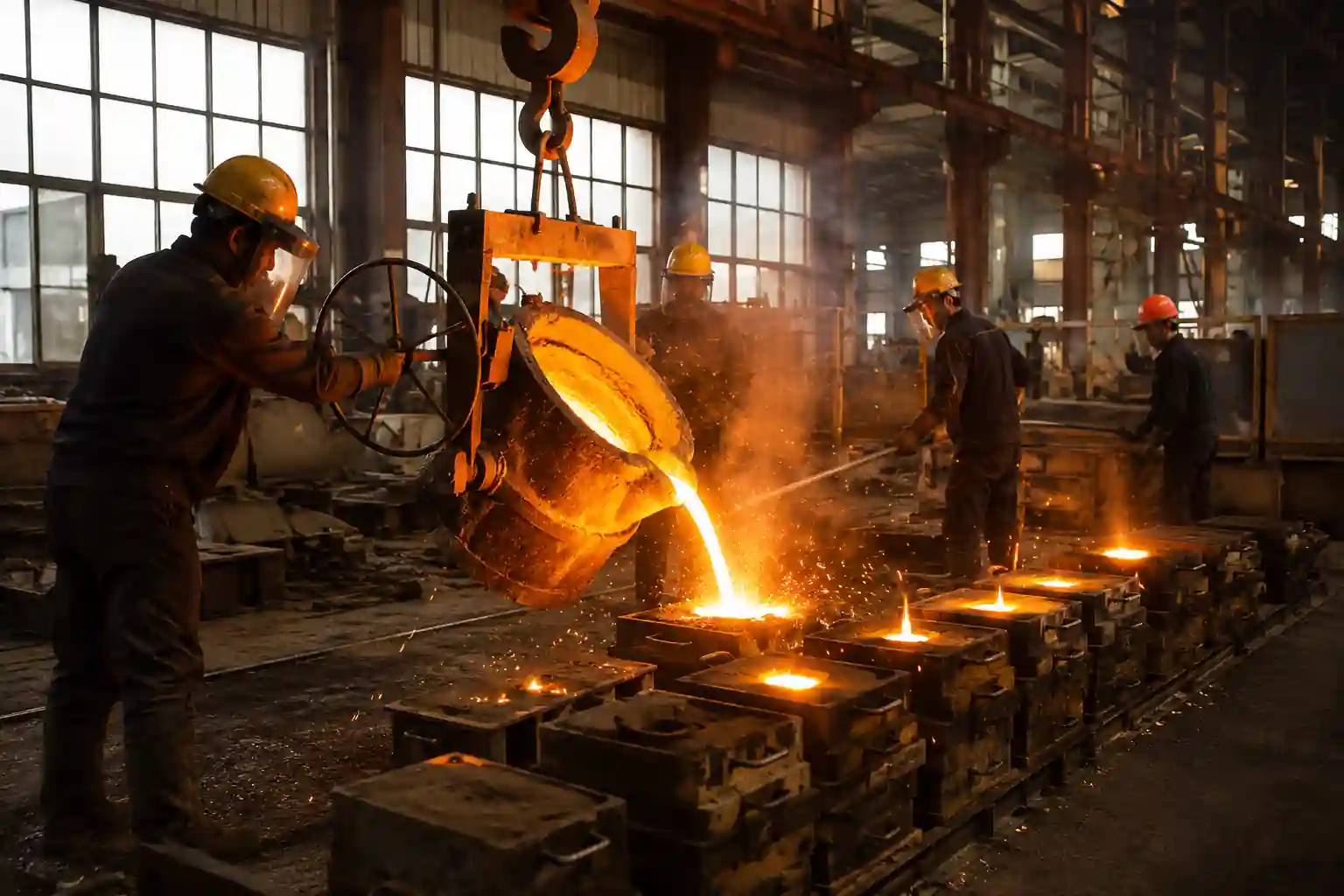
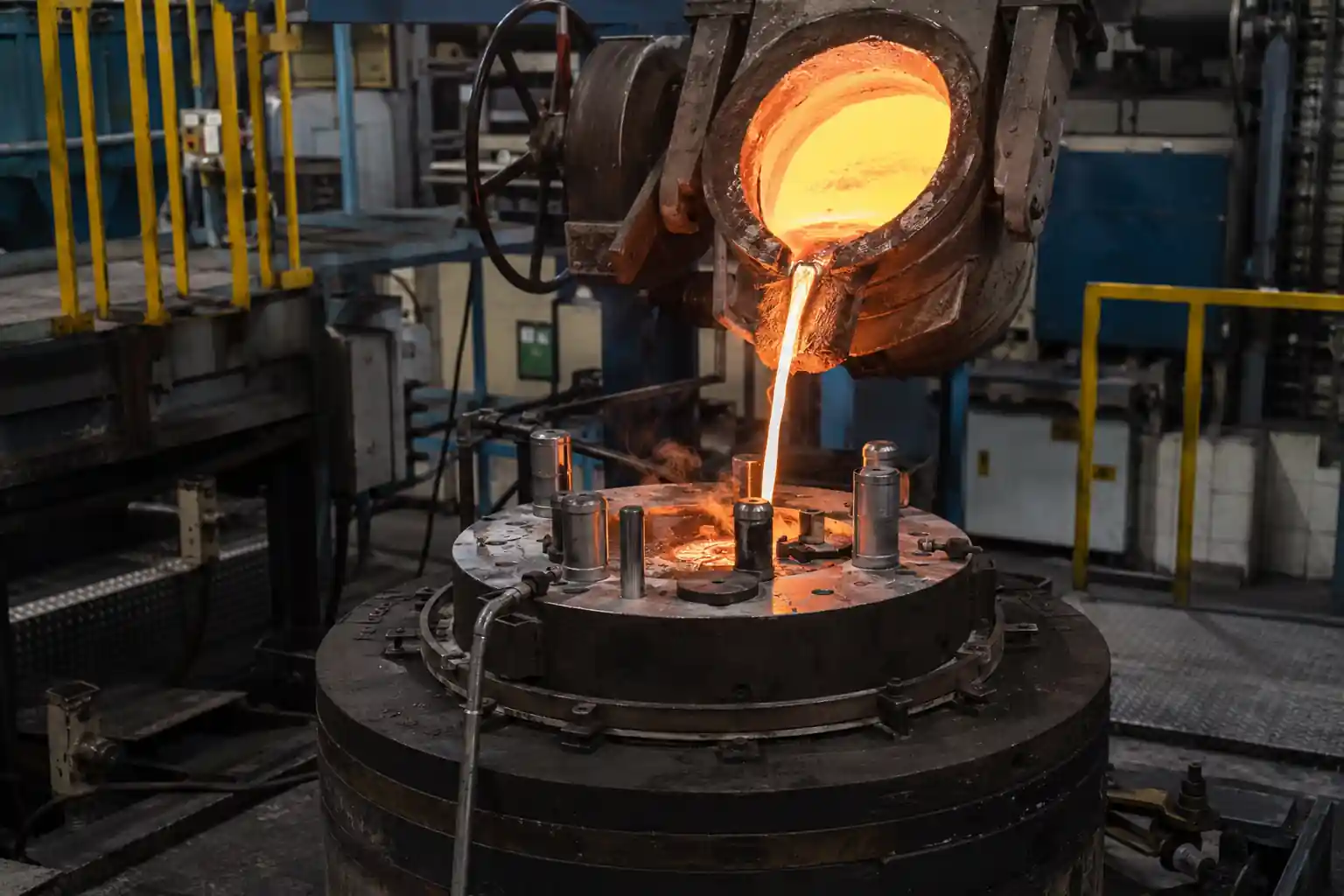
CF8M — это литой продукт, то есть расплавленный металл заливается в форму, а не придается нужная форма путем прокатки или ковки. Это обозначение наносится штампом на корпуса клапанов и фитинги, поэтому покупатели и инспекторы так часто с ним сталкиваются.
В соответствии со стандартом ASTM A351 данный сорт допускается к применению в литых изделиях, находящихся под давлением, таких как корпуса клапанов и корпуса насосов. Стандарты ASTM A743 и A744 расширяют сферу применения на литые изделия, устойчивые к общей коррозии и предназначенные для эксплуатации в тяжелых условиях, поэтому данный сплав используется в клапанах, фланцах и технологическом оборудовании. Надёжность таких деталей часто проверяется посредством методы контроля металлического литья.
Состав сплава включает 18–21 % хрома и 9–12 % никеля, а также 2–3 % молибдена и не более 0,08 % углерода. Именно содержание молибдена и отличает сплав CF8M от сплава CF8.
| Элемент | CF8M |
|---|---|
| Хром | 18–21% |
| Никель | 9–12% |
| Молибден | 2–3% |
| Углерод (макс.) | 0.08% |
| Железо | Баланс |
Молибден укрепляет пассивную оксидную пленку, благодаря чему материал CF8M обладает стойкостью к точечной и щелевой коррозии в средах с высоким содержанием хлоридов. Теплообменники, судовое оборудование и компоненты для морских сооружений, подвергающиеся постоянному воздействию таких сред, используют это свойство в своих конструкциях.
Механические свойства
CF8M имеет такую же аустенитную структуру и предельное содержание углерода, что и CF8, поэтому механические характеристики этих двух марок практически не отличаются.
| Недвижимость | CF8M |
|---|---|
| Прочность на разрыв (не менее) | 70 кси |
| Предел текучести (мин.) | 30 кси |
| Относительное удлинение (мин.) | 30% |
| Твёрдость (по Бринеллю) | 146–212 |
Данная марка не поддается упрочнению термической обработкой. Она сваривается с низкоуглеродистыми присадочными материалами, и выбор между марками CF8M и CF8 определяется скорее коррозионной стойкостью, чем прочностью.
Сварка требует соблюдения определенных правил: следует использовать низкоуглеродистый присадочный материал, избегать температурного диапазона сенсибилизации 425–815 °C и проводить отжиг в растворе после сварки для восстановления коррозионной стойкости. Низкоуглеродистые марки CF3 и CF3M снижают выделение карбидов во время сварки.
CF8M может проявлять слабый магнетизм в литом состоянии, поскольку его структура содержит феррит. Кованая сталь 316 обычно не магнитна; этот эффект слабый и не ухудшает коррозионную стойкость.
Устойчивость к коррозии
Именно в условиях воздействия хлоридов CF8M показывает свои преимущества. Пленка, стабилизированная молибденом, устойчива к воздействию морской воды, прибрежного воздуха и солей, используемых для борьбы с обледенением, в то время как обычный CF8 в таких условиях подвергается коррозии и выходит из строя.
CF8 по-прежнему остается надежным выбором для применения в условиях атмосферной коррозии, в пресной воде, а также в большинстве пищевых и молочных отраслей. CF8M обеспечивает те же базовые эксплуатационные характеристики при использовании в морской арматуре, морском оборудовании, на химических заводах и в фармацевтической промышленности.
Материал CF8 также обеспечивает хорошую устойчивость к кавитации в насосных установках с предсказуемыми скачками давления. Материал CF8M дополнительно соответствует требованиям безопасности пищевых продуктов, благодаря чему он широко используется в линиях по переработке пищевых продуктов и фармацевтической промышленности.
Области применения нержавеющей стали CF8M
CF8M — это стандартный материал, сочетающий в себе коррозионную стойкость и литейные свойства. Его основное применение — изготовление деталей, находящихся под давлением, и технологического оборудования.
- Корпуса клапанов, фланцы и фитинги для применения в судостроении и химической промышленности
- Корпуса насосов, рабочие колеса и другие вращающиеся детали
- Технологические трубопроводы и сосуды под давлением
- Оборудование для пищевой и фармацевтической промышленности
- Оборудование, установленное в открытом море и в прибрежных водах, подверженное воздействию хлоридов
CF8 и CF8M: в чём разница?
CF8 — это литая разновидность стали 304; CF8M — литая разновидность стали 316. Обе марки выпускаются в виде отливок и обладают схожими базовыми свойствами, однако содержание молибдена в CF8M влияет на коррозионную стойкость в хлоридных средах.
| Атрибут | CF8 | CF8M |
|---|---|---|
| Эквивалент кованого изделия | 304 | 316 |
| Молибден | Нет | 2–3% |
| Устойчивость к коррозии | Хорошо подходит для пресной воды | Отлично подходит для хлоридов/морской воды |
| Стандартное обслуживание | Продукты питания, вода, системы отопления, вентиляции и кондиционирования воздуха | Морская, химическая, офшорная |
| Относительная стоимость | Нижний | Выше |
Ни один из этих сортов не является безусловным лидером. CF8 подходит для применения в пресной воде и пищевой промышленности по более низкой цене; CF8M — оптимальный выбор для сред с содержанием хлоридов, морской воды и химических веществ. Разница в стоимости зависит от состава сплава: благодаря содержанию молибдена и более высокому содержанию никеля цена на CF8M превышает цену на CF8.
Чугун с узелковой структурой — производитель чугунных отливок
Соответствующий класс определяется условиями эксплуатации, а не обозначением на чертеже. Пришлите свой чертеж и условия эксплуатации по адресу наши инженеры, при этом качество литья можно подтвердить ещё до начала изготовления пресс-форм.
Проверка материала на этапе составления коммерческого предложения обходится гораздо дешевле, чем замена корродировавшей детали в процессе эксплуатации. При выборе поставщик литья, попросите то же самое соображения, касающиеся конструкции отливки проверить перед окончательным утверждением формы.