


Выбор правильного поставщик литья для индивидуального проекта - это гораздо больше, чем просто сравнение цен за единицу продукции в электронной таблице. Для инженеров-механиков, менеджеров по закупкам и руководителей проектов OEM-производителей выбор партнера по литейному производству существенно влияет на целостность материала, стабильность размеров, надежность последующей обработки, строгость отчетов о проверке и, в конечном счете, на общую стоимость владения.
Поставщик, предлагающий самую низкую первоначальную цену, может непроизвольно привести к увеличению стоимости проекта, если у него нет необходимого опыта, системы управления качеством или инженерного надзора. Такие проблемы, как неправильный контроль затвердевания, нестабильные размеры, недостаточный запас на механическую обработку или плохая коммуникация, могут привести к дорогостоящим переделкам, задержкам графика и несоответствующему качеству на месте. В данном руководстве описаны основные факторы для оценки поставщик литья чтобы убедиться, что они соответствуют техническим и коммерческим потребностям вашего проекта.
Проверьте опыт поставщика на рынке и в отрасли
Проверяя потенциального партнера, обратите внимание не только на общие возможности, но и на то, понимают ли они специфику вашего типа продукции и условий эксплуатации. Независимо от того, включает ли ваш проект компоненты клапанов, детали насосов, корпуса машин, кронштейны или сложные компоненты промышленного оборудования, каждое применение сопряжено с уникальными проблемами. Поставщик с опытом работы в вашем секторе будет иметь преимущество в предвидении рисков, связанных с усадкой, термическим искажением, уплотнительными поверхностями и специфическими требованиями к контролю, стандартными для вашей области.
Вам не обязательно нужен поставщик, который уже производил точно такие же детали; лучше обратите внимание на соответствующий опыт работы с аналогичными материалами, весовыми диапазонами и геометрией конструкции. Литейное производство, которое регулярно производит детали под высоким давлением стальное литьё или износостойкий чугунные детали будут лучше подготовлены к управлению процессами затвердевания и подачи компонентов, изготовленных по вашему заказу. Их знакомство со стандартными отраслевыми требованиями позволяет им выступать в качестве технического партнера, а не просто поставщика товаров.
Сначала определите собственные требования к проекту
Многие сбои в общении между покупателями и литейными заводами происходят из-за нечетких исходных данных, а не из-за недостаточной компетентности поставщика. Прежде чем запрашивать предложение, как можно более четко определите требования к проекту. Полный пакет данных должен включать подробные 2D-чертежи или 3D-модели, конкретные марки материалов, размеры и предполагаемый вес детали, критические размеры, обрабатываемые поверхности, желаемую чистоту поверхности, спецификации термообработки, требования к контролю и прогнозы годового объема.
Если вы запрашиваете только цену за единицу продукции, не указывая допуски, требования к последующей обработке или строгости контроля, полученные вами предложения будут представлять собой сравнение "яблок с яблоками". Четкие исходные данные позволяют поставщику правильно оценить процесс литья, оценить потенциальные риски и определить необходимые корректировки оснастки. Предоставление полного пакета чертежей на раннем этапе демонстрирует, что вы являетесь серьезным партнером, что, в свою очередь, побуждает литейную компанию предоставить более точное техническое предложение с учетом рисков.
Подберите технологические и материальные возможности для вашей детали
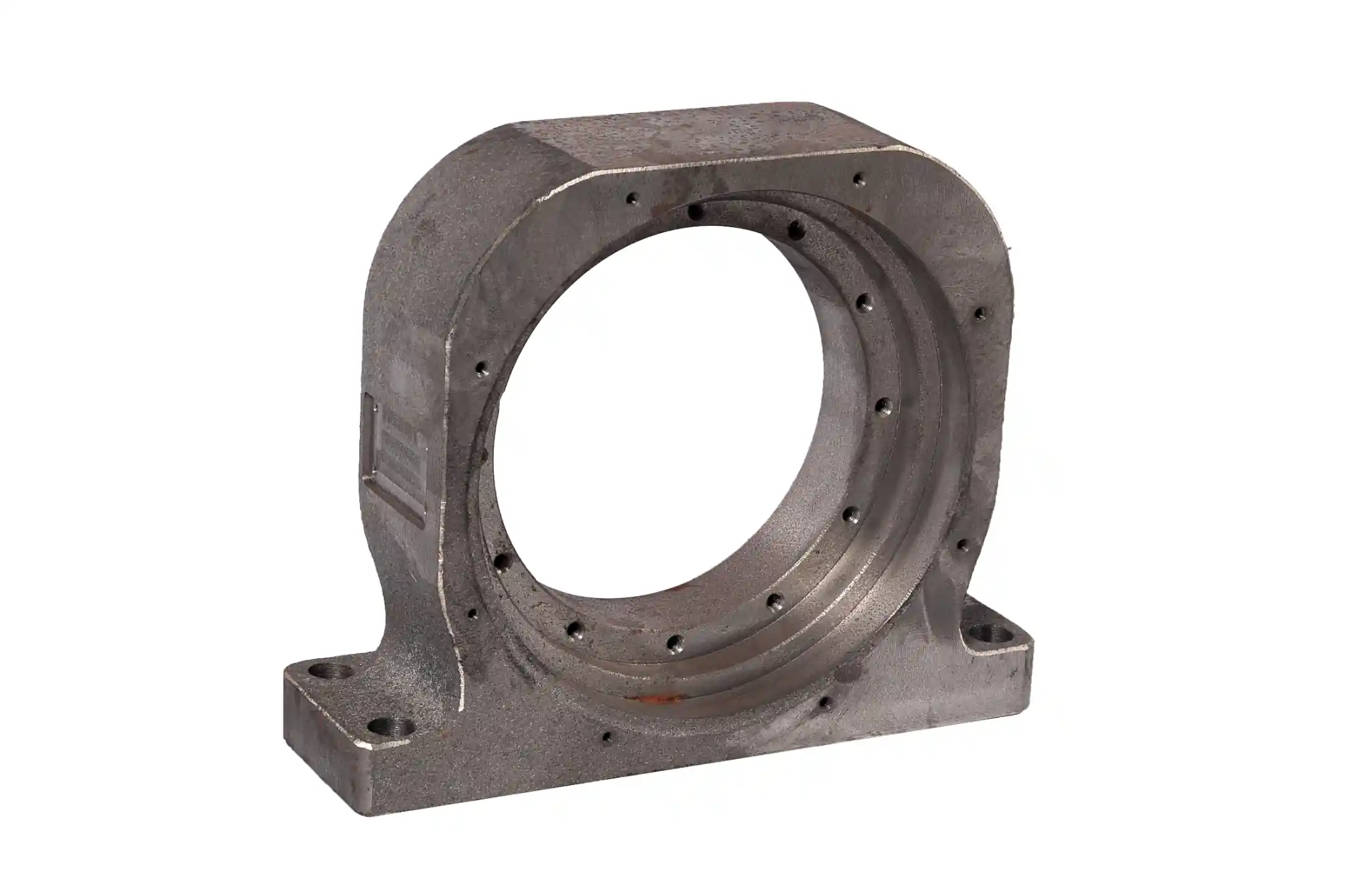
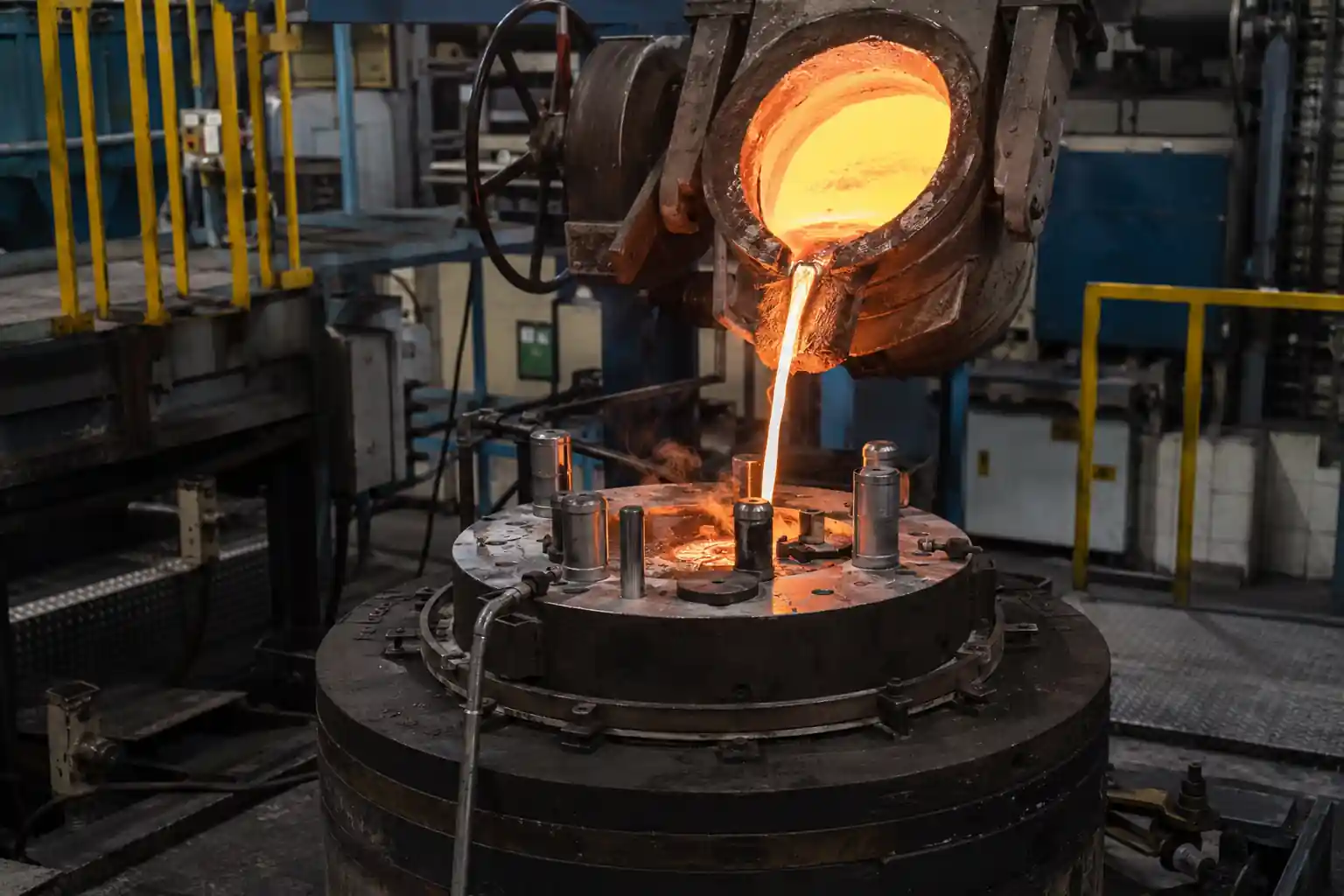
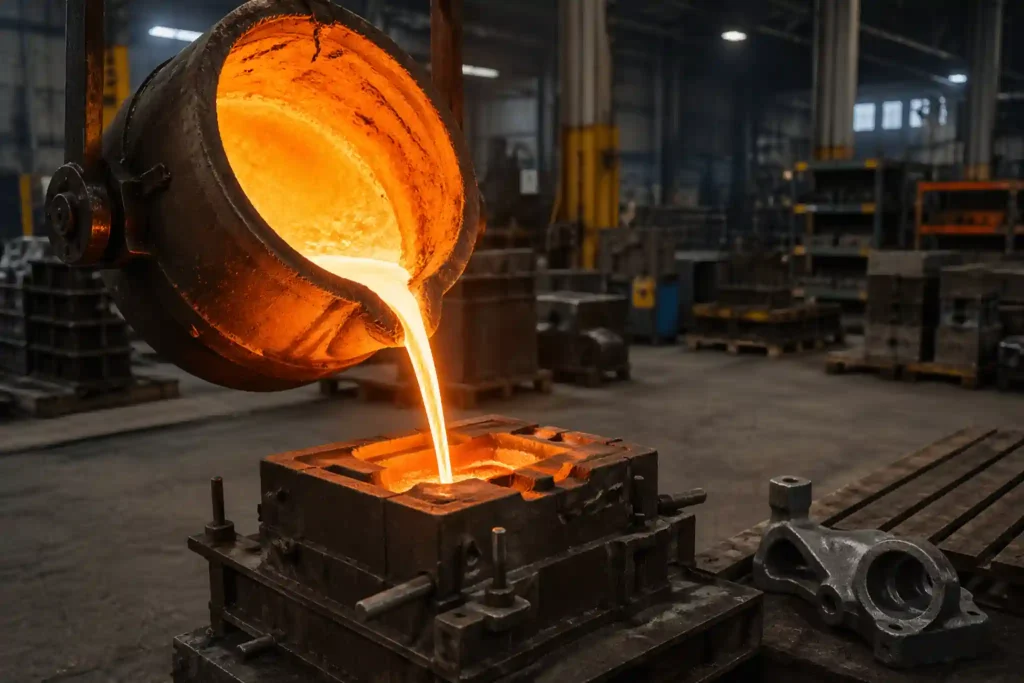
Для разных деталей требуются разные процессы литья, и способный поставщик литья должны предлагать технические рекомендации, а не просто принимать заказы. Например, песчаное литьё часто является наиболее подходящим выбором для крупных, тяжелых или структурно гибких компонентов, в то время как литье по выплавляемым моделям предпочтительнее для небольших деталей сложной геометрии, требующих точности. При оценке стальное литьё, the литейный цех должны уделять первостепенное внимание прочности, жесткости и точным траекториям подачи. И наоборот, чугунные детали В производстве часто уделяется внимание обрабатываемости и грузоподъемности, в то время как алюминиевые отливки предпочитают легкие приложения и отвод тепла.
Высококачественный поставщик не просто предложит цену, основанную на весе; он проанализирует толщину стенок, сложность и конечную функцию вашей детали, чтобы рекомендовать наиболее экономически эффективный процесс. Для проектов, связанных со сталью, железом или алюминием, следует заранее обзор чертежей очень важна. Это позволяет команде инженеров выделить потенциальные области усадки или деформации до начала изготовления оснастки, гарантируя, что процесс литья будет соответствовать вашим конкретным техническим целям.
Сравните цену, сертификацию и общую стоимость
Цена всегда является фактором, но самое низкое предложение редко отражает самую низкую общую стоимость проекта. Конечная стоимость включает в себя материал, оснастку, трудозатраты на литье, термообработку, механическую обработку, контроль, упаковку, а также стоимость потенциального лома или повторной обработки. Сравнивая цены, уточните, что именно входит в стоимость: вы платите за сырую отливку или готовый компонент? Убедитесь, что стоимость инструмента, инспекционные отчётыТермообработка, термическая обработка и упаковка, соответствующая требованиям экспорта, четко указаны, чтобы вы могли принять действительно обоснованное решение.
Такие сертификаты, как ISO 9001 выступают в качестве базового сигнала доверия. Хотя сертификат ISO не гарантирует, что каждая деталь будет идеальной, он подтверждает, что литейное производство поддерживает документированную систему управления качеством, включая управление процессом, контроль несоответствующих деталей и протоколы постоянного улучшения. В случае долгосрочных заказов на партии или критически важные компоненты безопасности ищите поставщиков, которые предоставляют последовательные записи о проверках и прослеживаемости материалов, поскольку они необходимы для поддержания стабильности проекта в течение длительного времени.
Обзор контроля качества, отбора образцов и поддержки после обработки
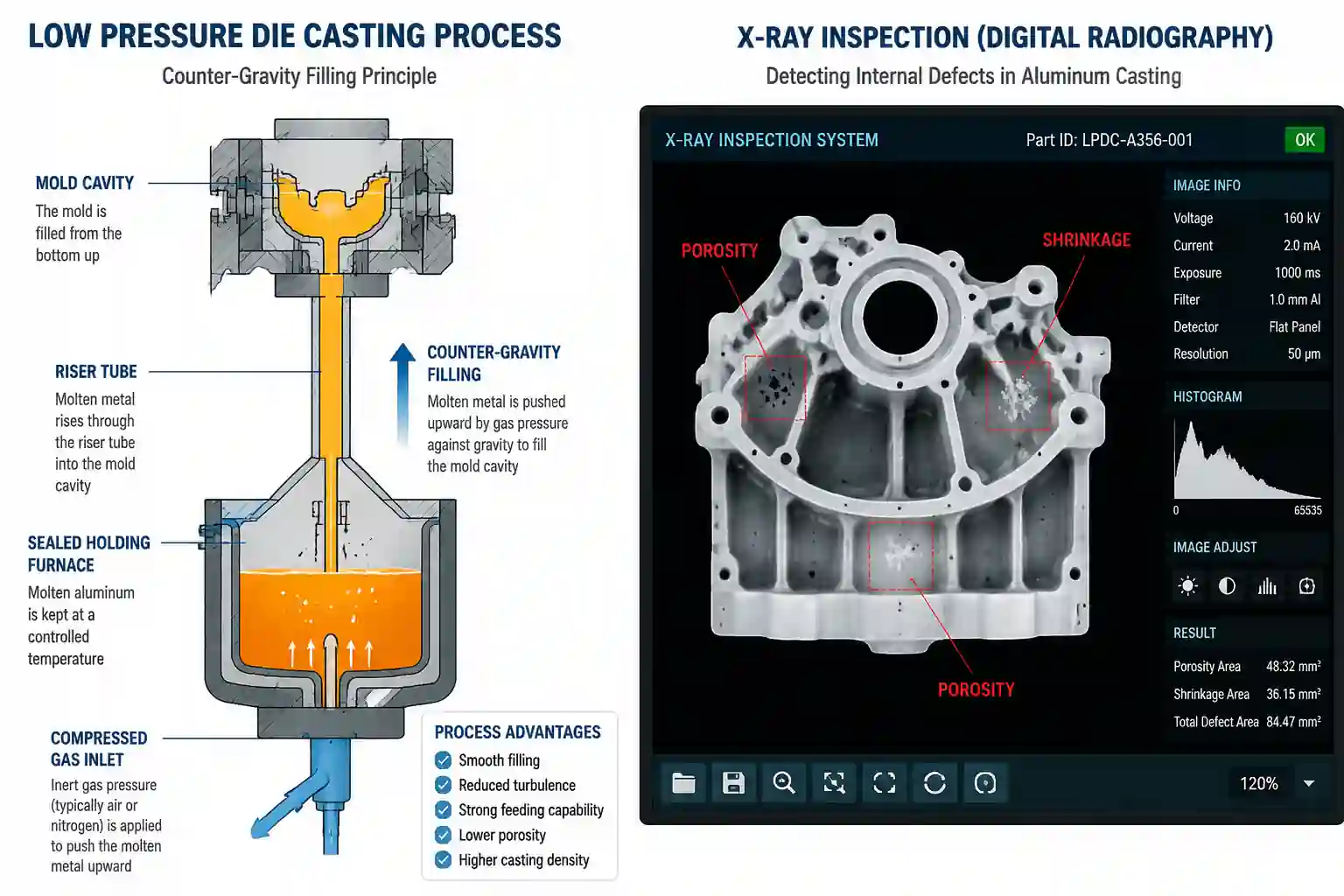
Контроль качества при литье выходит далеко за рамки наличия современного лабораторного оборудования; речь идет об управлении всем процессом от поступления сырья до конечной отгрузки. Надежные поставщики должны строго контролировать процессы плавки, проверки первой частицы, точность размеров, испытания на твердость и любые необходимые неразрушающие испытания (NDT), такие как испытания давлением или ультразвуковые испытания.
Производство образцов - еще один важный шаг при оценке поставщика литья. Для заказных литых деталей прототип или первый образец помогает проверить конструкцию оснастки, поведение материала, припуск на обработку, критические размеры, качество поверхности и требования к контролю до начала серийного производства. Надежный поставщик должен иметь четкий процесс отбора образцов, включая проверку первого изделия, обратную связь по дефектам, контроль модификации оснастки и окончательное утверждение перед переходом к полномасштабному производству.
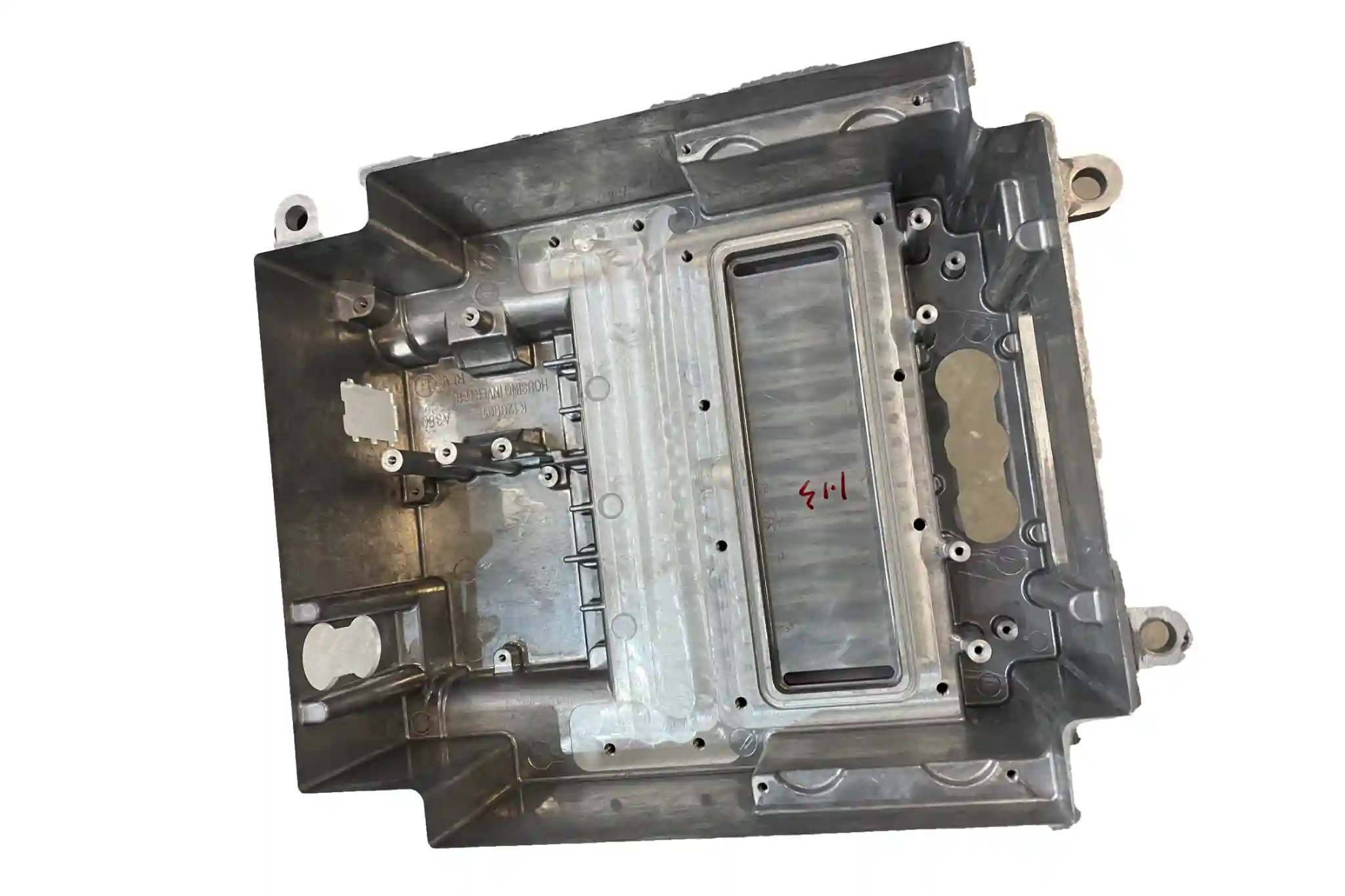
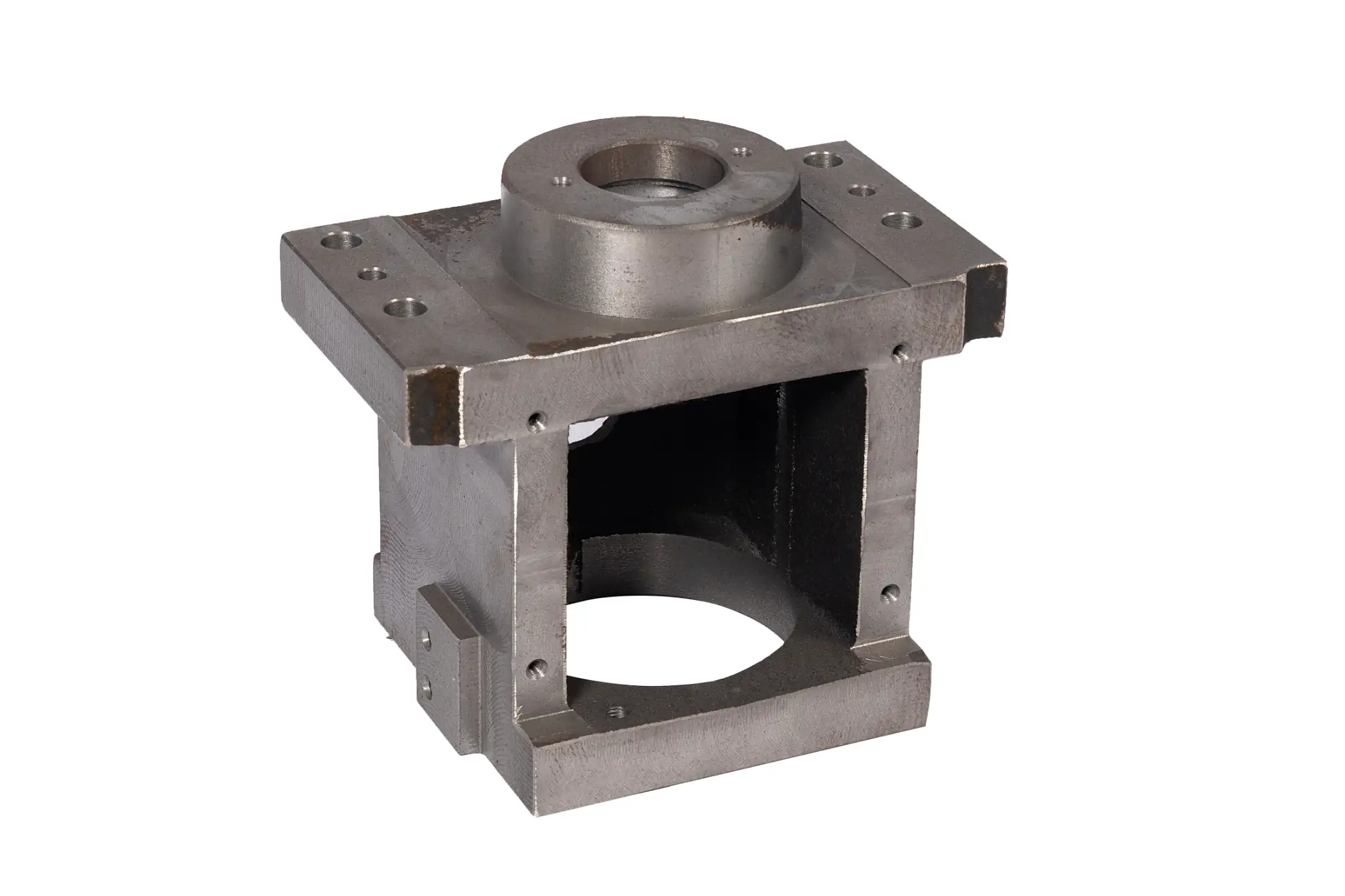
Кроме того, поскольку большинство литые детали на заказ для последующей механической обработки, взаимосвязь между литьем и механической обработкой имеет решающее значение. Если эти процессы разделены, вы можете столкнуться с такими проблемами, как недостаточная припуск на механическую обработкунеясные точки отсчета или споры об ответственности, когда дефект обнаруживается после дорогостоящей обработки. Способный поставщик должен уметь координировать всю последовательность действий, гарантируя, что припуски на обработку будут адекватны геометрии отливки, точки отсчета будут четко определены, а критические поверхности будут обработаны с высокой точностью.
Оцените связь и долгосрочную надежность
Проекты литья на заказ - это совместные процессы, включающие в себя рассмотрение чертежей, разработку оснастки, отбор образцов, внесение изменений в конструкцию и серийное производство. Высококачественный партнер обеспечивает упреждающую обратную связь по вопросам чертежей, предложениям по материалам и обновлению расписания. Для международных проектов необходима способность предоставлять четкую документацию, подробную инспекционные отчётыПрофессиональная экспортная упаковка так же важна, как и само качество литья.
О долгосрочной надежности свидетельствует стабильность повторных заказов и эффективный контроль версий. Если происходят изменения в конструкции или возникают проблемы с качеством, хороший поставщик отследит первопричину и будет прозрачно работать над решением проблемы. Стабильность производственной линии, скорость технических ответов и приверженность долгосрочному отслеживанию проблем зачастую представляют большую ценность, чем одноразовое ценовое преимущество. Вы ищете партнера, который четко общается на этапе "отбора проб" и сохраняет эту строгость на этапе "серийного производства".
Учитывайте ответственность цепочки поставок и соответствие закупок
Для многих OEM-производителей и промышленных покупателей выбор поставщика также является частью более широкой ответственности за цепочку поставок. Помимо цены и технических возможностей, покупателям может потребоваться рассмотреть вопросы экологического менеджмента, безопасности работников, ответственного подбора поставщиков, контроля документации и долгосрочной стабильности закупок.
При производстве литья экологические нормы и техника безопасности могут включать в себя контроль пыли, обработку отработанного песка, управление выбросами, использование энергии и безопасное обращение с расплавленным металлом. Возможно, эти факторы не стоят на первом месте в каждом проекте, но они приобретают все большее значение для покупателей, предъявляющих требования к аудиту поставщиков, ставящих перед собой цели в области устойчивого развития или регулируемых конечных рынков. Такая оценка помогает убедиться в том, что ваш партнер совместим с вашими внутренними системами обеспечения соответствия.
Вопросы, которые необходимо задать перед выбором поставщика литья
Когда вы находитесь на финальной стадии выбора, используйте эти вопросы, чтобы проверить возможности поставщика в области проектирования и обслуживания:
- Вы уже производили подобные детали или обслуживали подобные отрасли?
- Какие процессы литья и материалы вы поддерживаете?
- Какой процесс вы бы рекомендовали для этой детали и почему?
- Можете ли вы просмотреть чертеж до изготовления оснастки?
- В каких местах конструкции могут возникнуть усадка, деформация или риск механической обработки?
- Какие поверхности вы обозначаете как обработанные, и как вы разделяете допуски на отливку и обработку?
- Можете ли вы предоставить сертификаты на материалы и всестороннюю инспекционные отчёты?
- Каков процесс утверждения образцов перед серийным производством?
- Имеете ли вы сертификат ISO 9001 или другие соответствующие сертификаты системы качества?
- Можете ли вы предоставить основную документацию по охране окружающей среды, безопасности или соблюдению требований поставщиков, если это необходимо?
- Предоставляете ли вы внутренние или координированные пост-обработка, термообработка или обработка поверхности?
- Как вы решаете проблемы с образцами, модификациями оснастки и подтверждением ответственности?
Заключение
Выбор правильного поставщик литья должен быть стратегическим решением, основанным на общей ценности вашего проекта. Сосредоточив внимание на опыте работы в отрасли, четких технических требованиях, совместимости процессов, управлении качеством и надежной связи, вы сможете выйти за рамки простого сравнения цен и заложить основу для успеха. Для OEM-покупателей подходящий поставщик также должен соответствовать более широким ожиданиям от закупок, включая документацию, возможность отслеживания, связь и ответственную производственную практику. Независимо от того, что вам нужно стальное литьё, чугунные детали, алюминиевые отливки, или другой проекты литья в песокВкладывая время в разработку фронт-энда и обзор чертежей Процесс является наиболее эффективным способом выявления рисков, минимизации повторной обработки и обеспечения долгосрочного успеха вашей программы литья на заказ.