


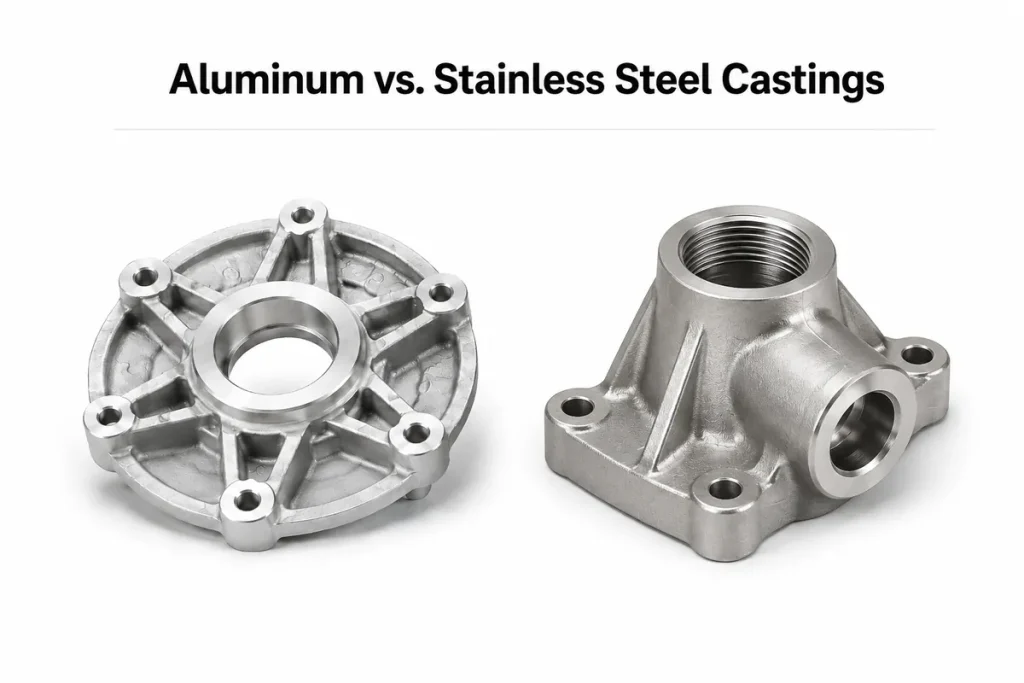
In modern industrial manufacturing, aluminum and stainless steel are both widely used metal materials, but they are suited to different part types, working environments, and manufacturing requirements. For engineers, designers, and purchasing managers, whether aluminum or stainless steel is better is not simply a matter of comparing strength or price. It depends on how each material performs under real production and service conditions.
This article compares the main differences between aluminum and stainless steel, including physical properties, manufacturing characteristics, environmental performance, and typical applications, to help you determine which material is more suitable for your specific project.
The Difference Between Aluminum and Stainless Steel
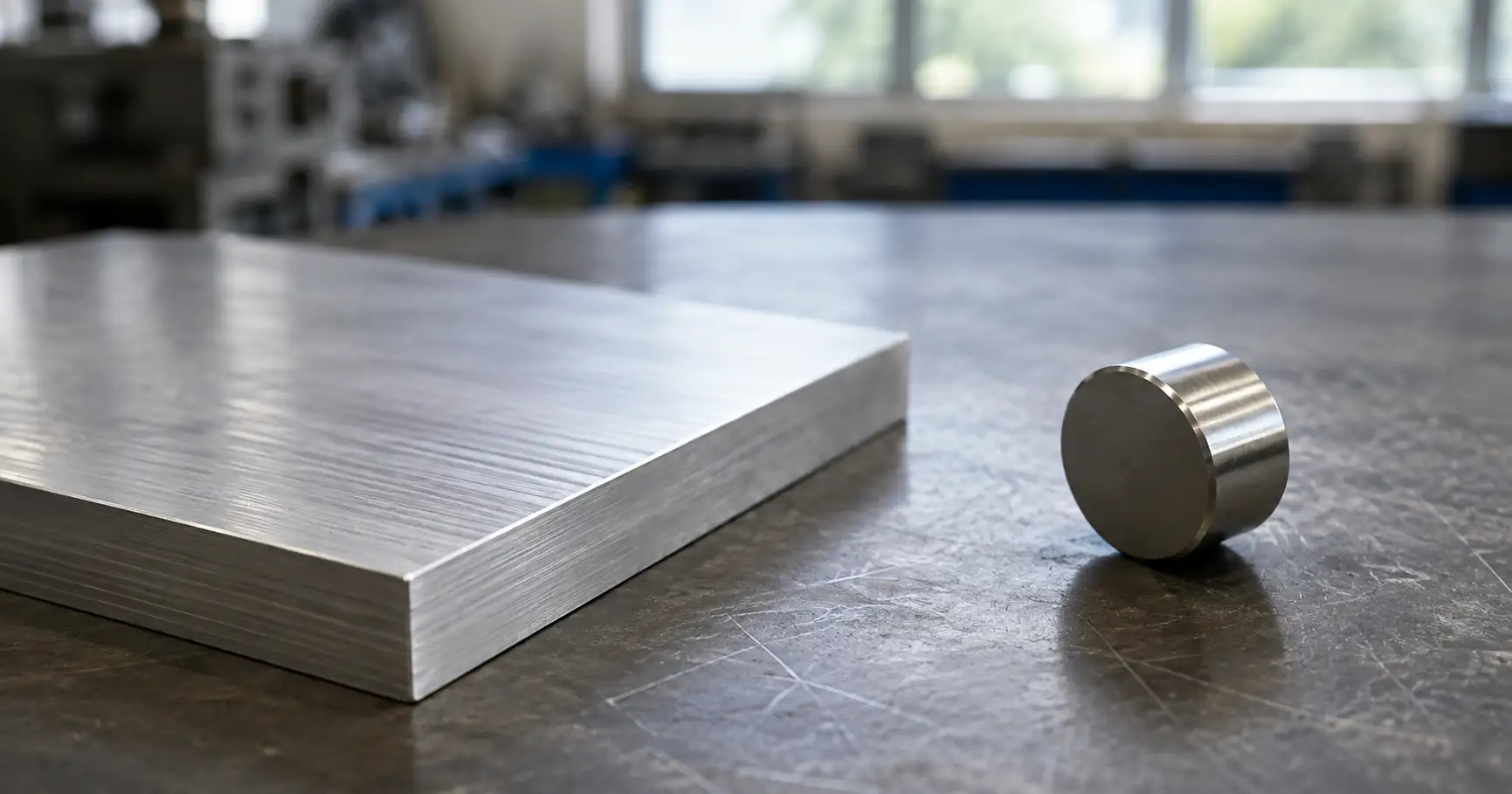
Understanding the difference between aluminum and stainless steel is the primary step in technical evaluation when selecting a manufacturing path. These differences extend beyond basic weight and strength to include electromagnetic response and energy efficiency during production.
Core Parameter Comparison
| Key Metrics | Aluminum Casting (Typical) | Stainless Steel Casting (Typical) |
| Magnetism | Non-magnetic | Dependent on grade (Austenitic is non-magnetic) |
| Tensile Strength | 170 – 350 MPa | 485 – 1200+ MPa |
| Density | ~2.7 g/cm³ | ~7.75 – 8.0 g/cm³ |
| Melting Point | ~610 – 660°C | ~1400 – 1530°C |
| Thermal Conductivity | ~150 – 230 W/m·K | ~15 – 30 W/m·K |
| Machinability | Excellent | Difficult |
| Corrosion Resistance | High (Natural oxide film) | Superior (Passive Chromium layer) |
| Recycling Efficiency | Extremely High | High |
| Cost | Lower | Higher |
Magnetism
In a workshop setting, a magnet test is the most practical way how to tell the difference between aluminum and stainless steel. Aluminum is inherently non-magnetic and unresponsive to magnetic fields, making it the top choice for interference-sensitive electronic enclosures.
Conversely, the magnetic profile of stainless steel varies by its specific grade. While austenitic grades are typically non-magnetic, martensitic or ferritic steels exhibit noticeable magnetic pull. A complete lack of attraction usually indicates aluminum, whereas any degree of suction suggests the component is likely stainless steel or carbon steel.
Tensile Strength
When comparing whether stainless steel is stronger than aluminum, the difference is significant. Stainless steel is the performance benchmark for durability, with a tensile strength (450-1200+ MPa) that far exceeds aluminum. It ensures structural integrity for high-pressure and heavy-duty components under extreme stress.
While aluminum castings offer lower absolute strength (170-350 MPa), their primary value lies in lightweight efficiency. Through optimized engineering, aluminum meets most standard functional needs, but stainless steel remains the superior choice for projects where maximum toughness and strength are non-negotiable.
Density
The most intuitive difference between aluminum and stainless steel is their mass. Aluminum has a density of 2.7 g/cm³, which is approximately one-third that of stainless steel (7.8 g/cm³). Consequently, for two components of identical volume, the stainless steel version will be nearly three times heavier.
To put this into perspective: how much does a 4×8 sheet of aluminum (1/8″ thick) weigh? It weighs approximately 25.5 kg, whereas an identical stainless steel sheet reaches a staggering 74 kg.
Melting Point
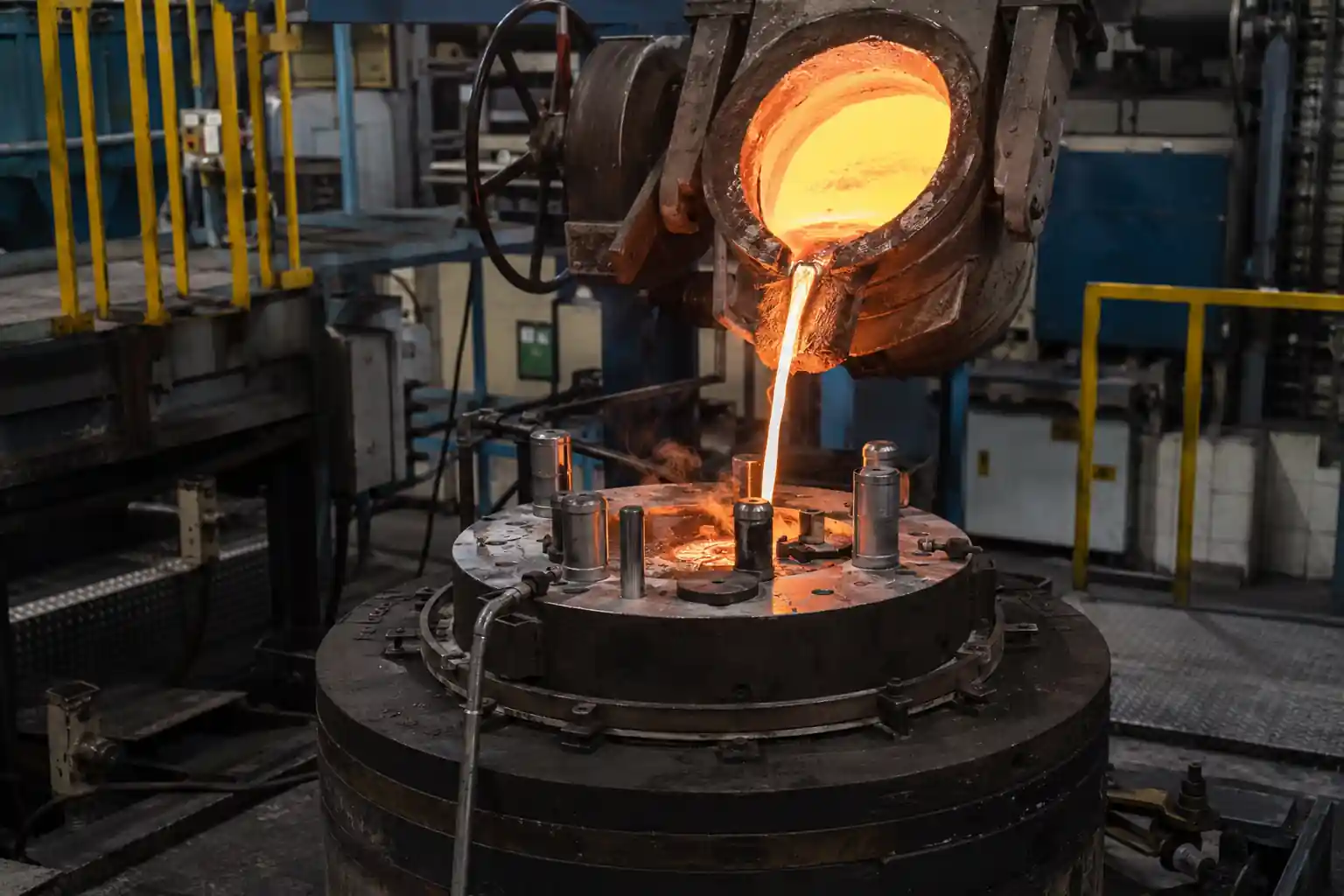
Stainless steel possesses a high melting point, typically ranging from 1400°C to 1530°C, allowing it to maintain structural stability in extreme heat applications such as exhaust systems or high-pressure boilers.
In contrast, aluminum has a much lower melting point of approximately 660°C. While stainless steel is required for heat-intensive environments, aluminum offers superior processing efficiency for components used at standard temperatures.
Thermal Conductivity
Aluminum holds a massive advantage in thermal efficiency, with a thermal conductivity of approximately 210 – 230 W/(m·K). This superior heat dissipation makes it the preferred material for heat sinks, heat exchangers, and any components requiring rapid temperature equalization.
In contrast, the thermal conductivity of stainless steel is much lower, ranging from 15 – 30 W/(m·K). This means that under the same heating conditions, aluminum conducts heat roughly 10 times faster than stainless steel. Consequently, aluminum is the standard for cooling applications, while stainless steel is better suited for thermal insulation or heat retention.
Machinability
Aluminum offers exceptional machinability due to its lower melting point and high ductility, allowing for significantly faster cutting speeds and reduced tool wear. It is easily shaped into complex geometries during both casting and CNC processes, making it the ideal choice for increasing production efficiency and lowering labor costs.
In contrast, stainless steel is notoriously difficult to machine. Its high hardness and work-hardening properties require greater machine power, specialized coolants, and more durable cutting tools. For parts of identical precision, the time and cost associated with machining stainless steel are typically much higher than those for aluminum.
Corrosion Resistance
In a direct comparison, stainless steel offers a much higher ceiling for corrosion resistance than aluminum. While aluminum performs well in standard atmospheric conditions, stainless steel provides superior chemical stability and more reliable protection when exposed to acids, alkalis, or high-salinity environments. If cost and weight are not the primary constraints, stainless steel is the more durable and high-level anti-corrosion solution, whereas aluminum remains the more cost-effective choice for standard protection.
Recycling Efficiency
Aluminum demonstrates a significant advantage in circularity, as its recycling process consumes only 5% of the energy required for primary production. Because aluminum can be recycled infinitely without losing its physical properties, approximately 75% of all aluminum ever produced remains in circulation today. This means that with a robust recycling infrastructure, industrial reliance on newly mined ore is steadily decreasing; consequently, aluminum is not at risk of running out in the foreseeable future.
In contrast, while stainless steel is also 100% recyclable, the process is inherently more complex due to its composition of iron, chromium, nickel, and other elements. This necessitates precise sorting and sophisticated secondary smelting. Although stainless steel maintains high salvage value, aluminum offers a more straightforward advantage in terms of energy conservation and overall recycling efficiency.
Cost
Aluminum castings offer a significant cost advantage in the initial procurement and production stages. The unit price of its raw material is much lower than that of stainless steel, and its lower melting point directly reduces casting expenses. During the machining phase, aluminum can be produced with lower labor costs, making it a budget-friendly choice for the short term.
In contrast, the upfront investment for stainless steel castings is extremely high. Due to the expensive alloying elements and high energy consumption during production, its base manufacturing cost far exceeds that of aluminum alloys. While initial acquisition and processing fees are costly, its core value lies in long-term maintenance costs; the exceptional service life of stainless steel reduces the frequency and expense of parts replacement.
Will Aluminum and Stainless Steel React?
When aluminum and stainless steel are in direct contact and exposed to an electrolyte (such as moisture or salt spray), galvanic corrosion occurs. In the electrochemical series, aluminum is more active (anodic) than stainless steel. Consequently, the aluminum acts as an anode and undergoes accelerated corrosion, while the stainless steel is protected as the cathode. To prevent this reaction, industrial assemblies typically utilize insulating gaskets, washers, or specialized coatings to break the direct metallic contact between the two materials.
Advantages of Aluminum Casting
Aluminum casting serves as a cornerstone of modern industry due to its exceptional physical efficiency and economic value. It significantly reduces product weight while leveraging superior thermal properties to meet cooling demands, making it an ideal choice for balancing performance and cost.
-
Lightweight Advantage: With a density only one-third that of steel, it drastically reduces energy consumption and transportation costs.
-
Excellent Thermal Conductivity: High heat dissipation efficiency makes it the preferred material for heat sinks and electronic housings.
-
Superior Machinability: Faster cutting speeds and minimal tool wear significantly shorten production cycles.
-
High Cost-Effectiveness: Low raw material costs and reduced casting energy consumption make initial procurement highly competitive.
Disadvantages of Aluminum Casting
While aluminum casting excels in general applications, its inherent physical limits can become constraints in extreme industrial environments, particularly regarding strength and heat resistance.
-
Lower Strength Ceiling: Tensile strength is far below that of stainless steel, making it unsuitable for ultra-heavy-duty or high-pressure components.
-
Limited Heat Resistance: A relatively low melting point causes strength to drop rapidly in environments exceeding 200°C.
-
Environmental Sensitivity: Despite natural oxidation resistance, it is susceptible to chemical attack in strong acidic or alkaline environments.
-
Insufficient Hardness: The surface is relatively soft and prone to wear under frequent friction or impact.
Advantages of Stainless Steel Casting
Stainless steel casting is the ultimate solution for those seeking maximum durability and safety. Its extremely stable chemical properties and high mechanical strength provide reliable performance under the harshest operating conditions.
-
Unrivaled Strength: Exceptional tensile strength and toughness ensure structural safety under heavy loads.
-
Superior Corrosion Resistance: Resistant to various chemical media, ideal for marine, chemical, and medical environments.
-
Excellent High-Temperature Performance: A very high melting point allows it to maintain mechanical stability under extreme heat.
-
Extended Service Life: Exceptional wear and fatigue resistance significantly reduce the frequency of part replacements.
Disadvantages of Stainless Steel Casting
The pursuit of high performance comes at a cost. The challenges in production expense and processing difficulty limit its large-scale application in standard consumer products.
-
Massive Upfront Investment: Expensive alloying elements and high energy consumption during casting result in a high unit price.
-
Extreme Machining Difficulty: High hardness and work-hardening characteristics lead to longer machining hours and high consumable costs.
-
Heavy Weight Burden: High density and mass make it unsuitable for designs requiring extreme lightweighting.
-
Longer Production Cycles: Complex processes and demanding post-treatment often result in longer lead times compared to aluminum parts.
Common Applications of Aluminum Casting
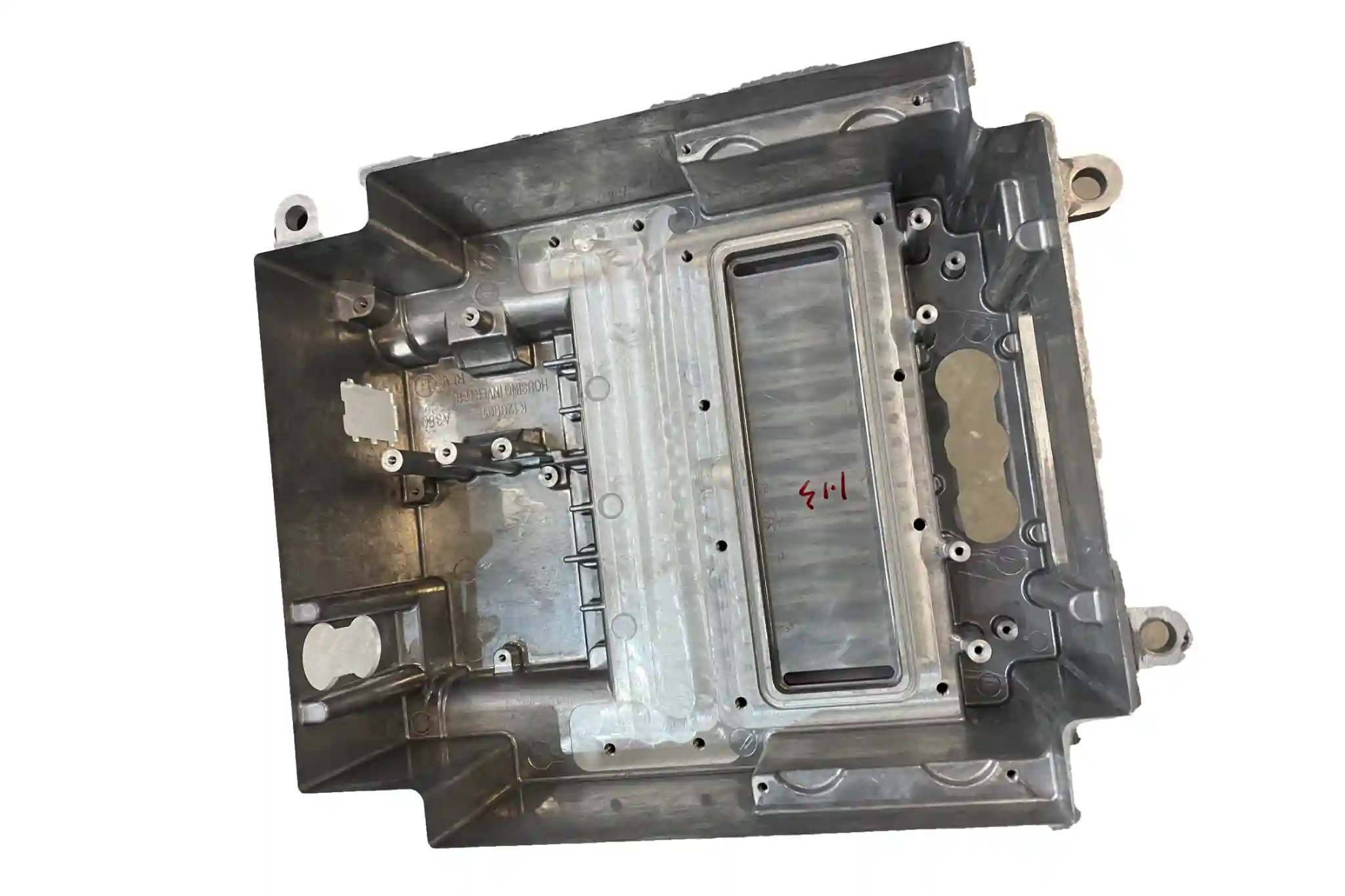
Aluminum castings are widely used in industries prioritizing lightweighting and thermal management. In many aluminum casting projects, excellent castability allows designers to integrate multiple components into a single complex part, reducing assembly steps..
- Automotive: A key factor in reducing fuel consumption and extending EV range. Common parts include: engine blocks, cylinder heads, transmission housings, EV battery pack frames, and steering knuckles.
- Industrial Machinery: Leverages aluminum’s low inertia and ease of machining for high-speed automation. Common parts include: robotic joints and arms, pneumatic tool housings, precision instrument frames, and cooling fins.
- Aerospace: Essential for high weight-to-performance ratios where every gram counts. Common parts include: dashboard brackets, door locking mechanisms, electronic enclosures, and seat frame components.
Common Applications of Stainless Steel Casting
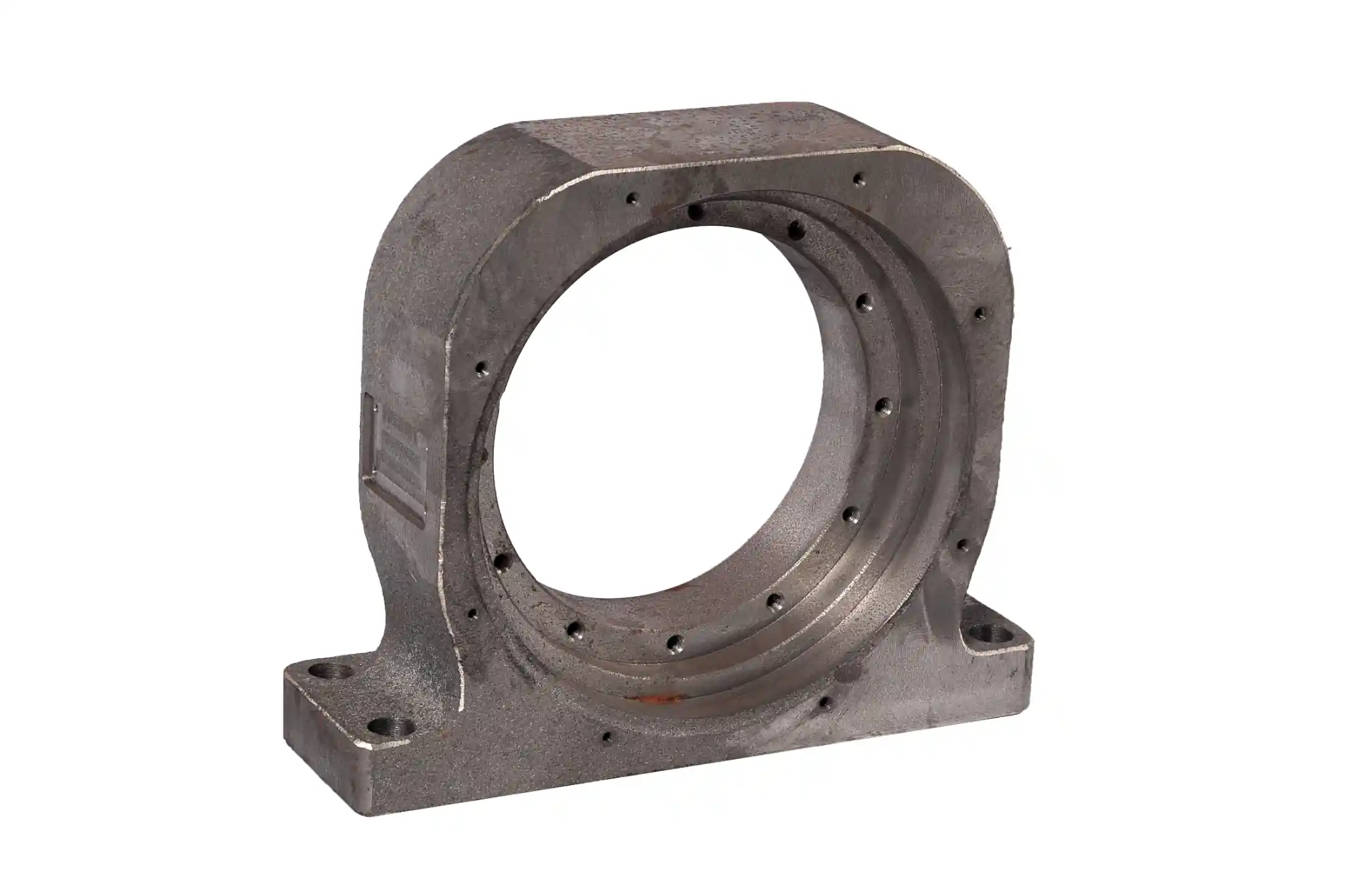
Stainless steel castings serve as the foundation of durability for extreme loads and highly corrosive environments. In heavy-duty steel casting projects, this material is often selected for high pressure, extreme temperatures, or intense impact where chemical stability is a priority. This material is irreplaceable in scenarios involving high pressure, extreme temperatures, or intense impact where chemical stability is a priority.
-
Automotive: Used for safety-critical and high-heat components that require superior oxidation resistance. Common parts include: heavy-duty truck steering housings, crankshaft brackets, differential cases, heat-resistant exhaust manifolds, and axle covers.
-
Industrial Machinery: Acts as the “backbone” in mining, construction, and precision fluid control. Common parts include: high-pressure hydraulic valve blocks, corrosion-resistant pump bodies, crusher jaws, grinding teeth, and heavy machine tool attachments.
-
Aerospace: Provides a final line of defense for components subject to massive impact loads and atmospheric extremes. Common parts include: landing gear structural components, engine turbine housings, extreme-environment seals, and wing actuator pivots.
Summary
Aluminum and stainless steel castings are not simply substitutes but complementary solutions based on specific engineering needs. Aluminum is the preferred choice for lightweighting, heat management, and processing economy, while stainless steel remains the essential guardian for heavy equipment where absolute strength, high-temperature stability, and superior corrosion resistance are paramount.
In the selection phase, engineers should evaluate load characteristics, weight sensitivity, and environmental exposure conditions. Procurement should focus on the Total Cost of Ownership (TCO), balancing initial material costs against machining efficiency, transport savings, and extended service life. By understanding the “physical logic” of these materials, projects can achieve the golden balance between high performance and cost-effectiveness.
Decision
| Metric | Aluminum Casting | Stainless Steel Casting | Key Takeaway |
| Lightweighting | Excellent | Average | Aluminum for weight reduction |
| Absolute Strength | Moderate | Excellent | Stainless Steel for heavy loads |
| Heat Resistance | Low | Excellent | Stainless Steel for high-temperature |
| Thermal Conductivity | Excellent | Average | Aluminum for heat management |
| Machinability | Excellent | Difficult | Aluminum for lower processing costs |
| Corrosion Ceiling | Good (Atmospheric) | Superior (Industrial/Chemical) | Stainless Steel for harsh environments |
| Recycling Efficiency | Excellent | Moderate to High | Aluminum for sustainable cycles |
| Total Cost | Low (Initial) | High (Life-cycle Value) | Aluminum for budget; Steel for durability |