Heat Treatment for Aluminum Castings: Tempers, Temperatures, and Process Fit
Heat treatment of aluminum castings improves strength, hardness, and dimensional stability through solution treatment, quenching, and aging. The appropriate T4,…


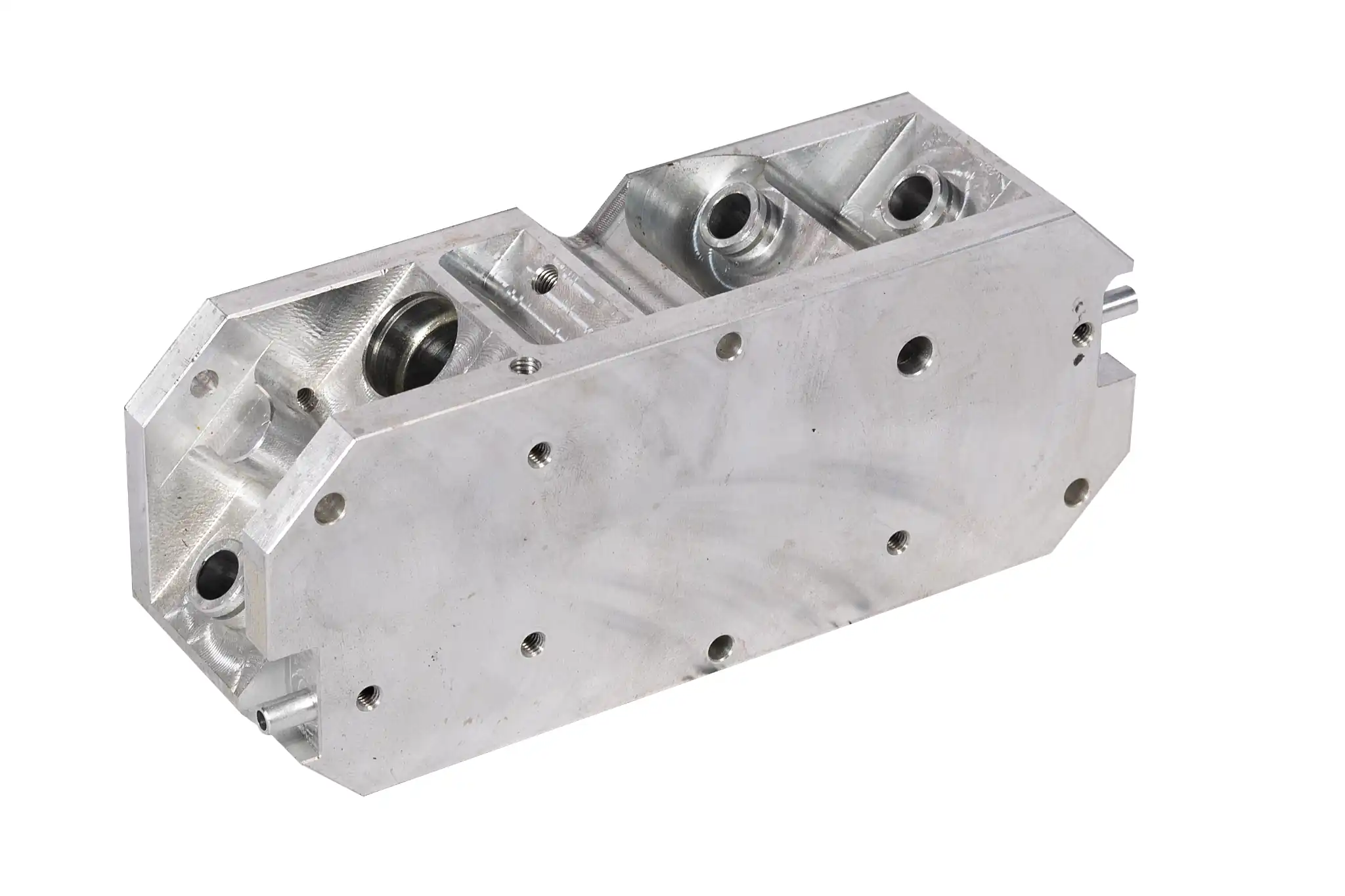
Heat treatment of aluminum castings improves strength, hardness, and dimensional stability through solution treatment, quenching, and aging. The appropriate T4,…
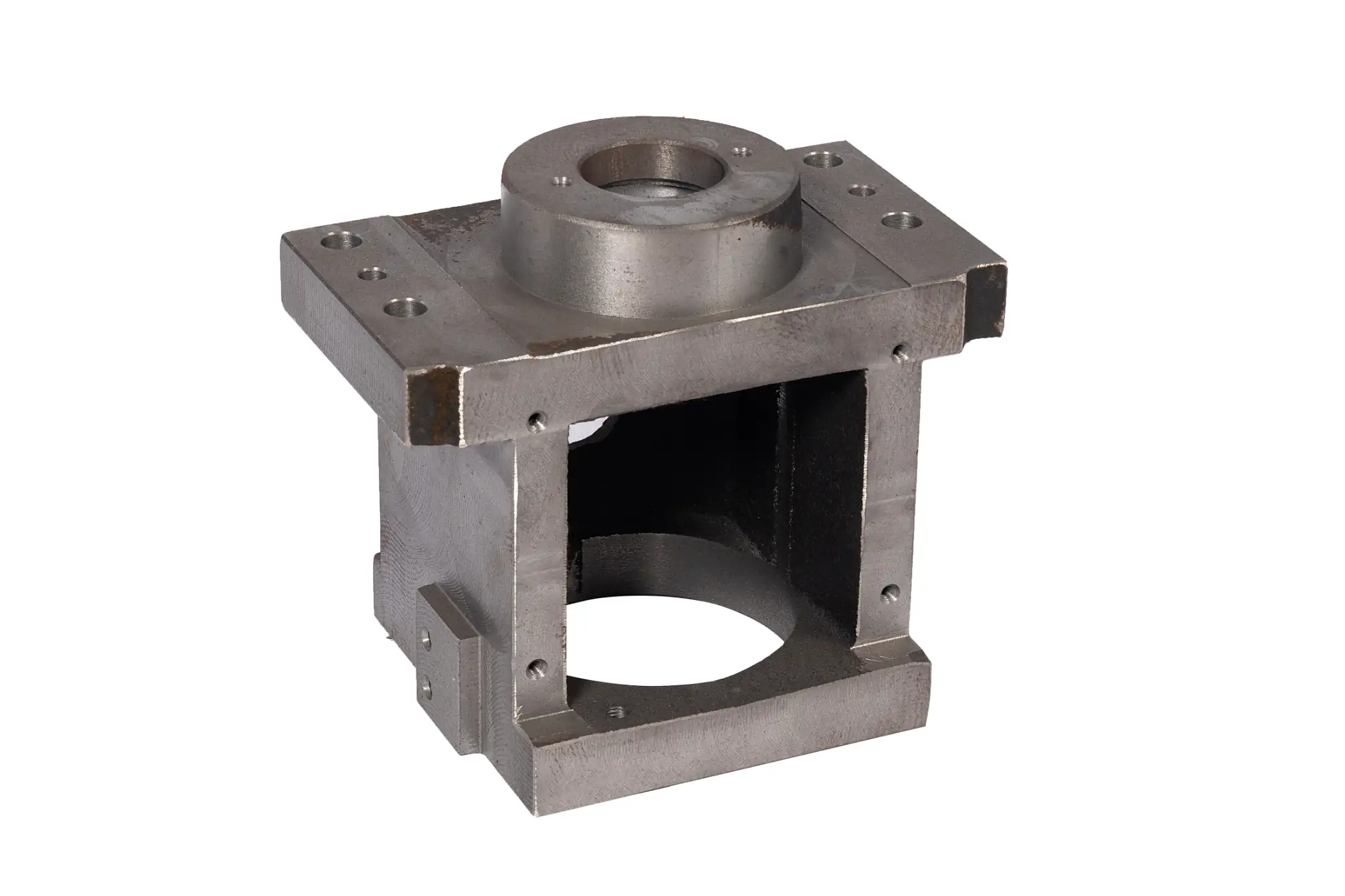
With the growing demand for lightweight and high-strength components in industrial manufacturing, low pressure casting is widely used to produce…
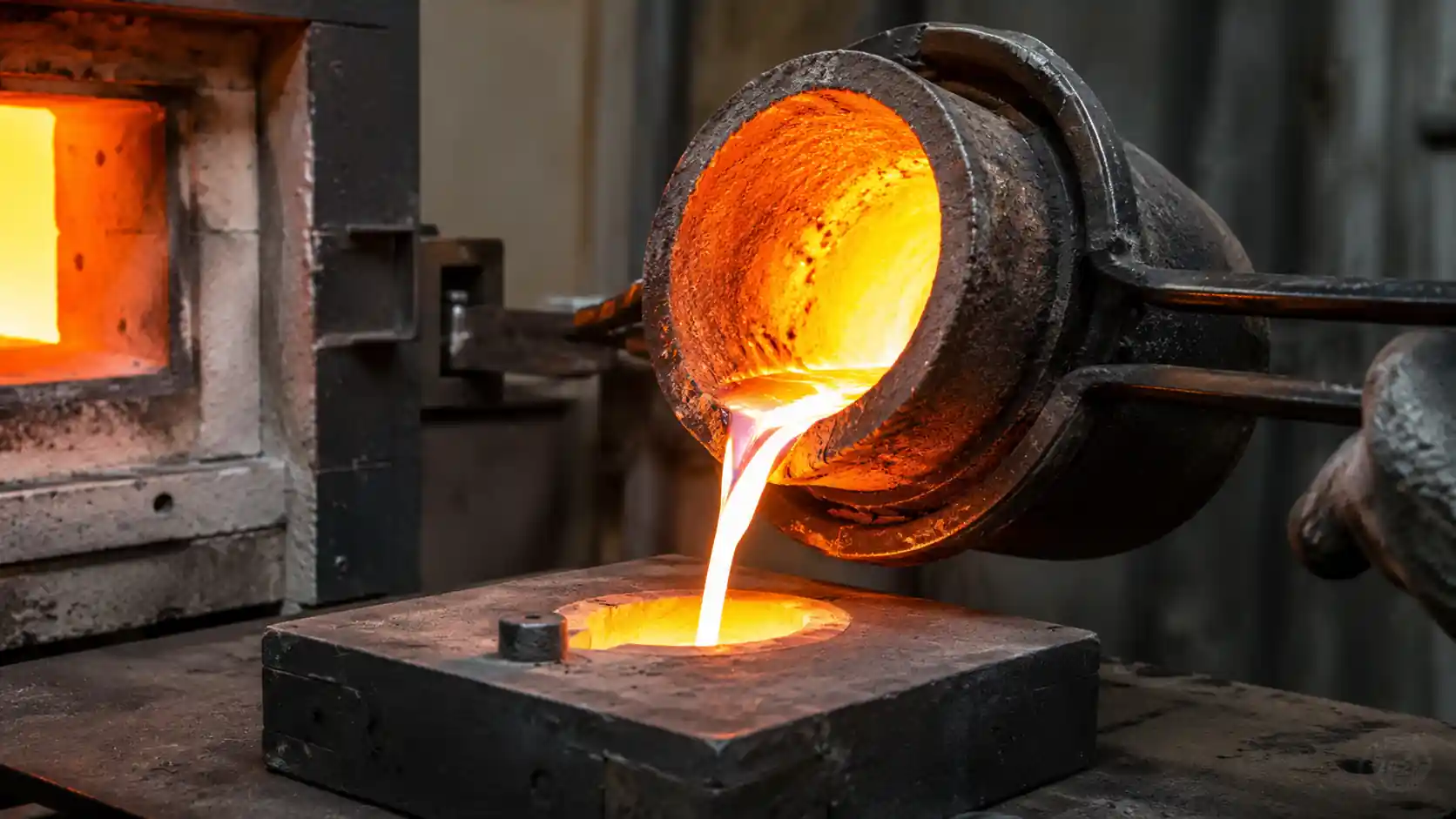
Before aluminum can be cast, it must go through charging, heating, temperature measurement, dross removal, and pouring. This article explains…
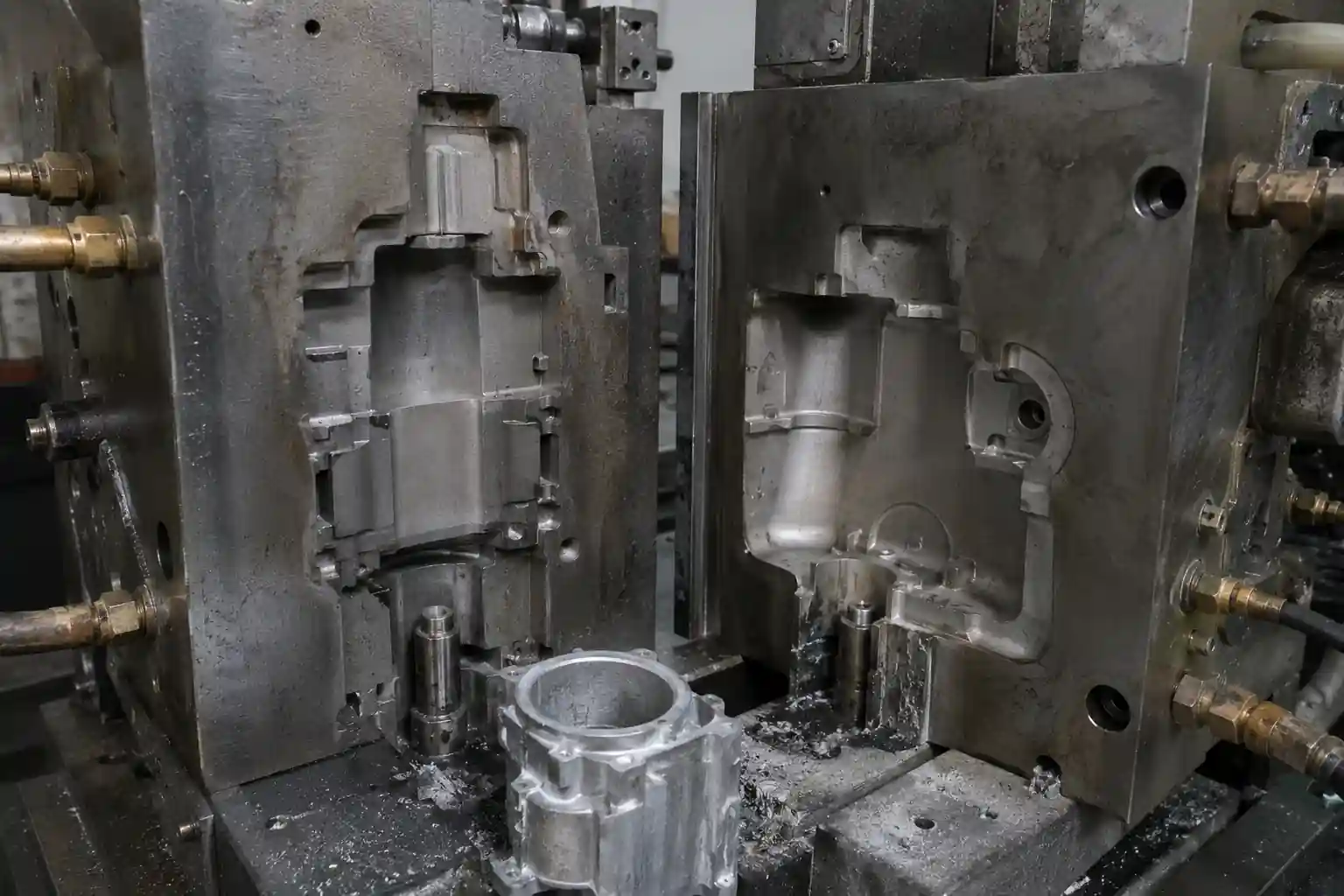
Casting molds are key tooling in the casting process, helping improve production efficiency, casting quality, and batch consistency.
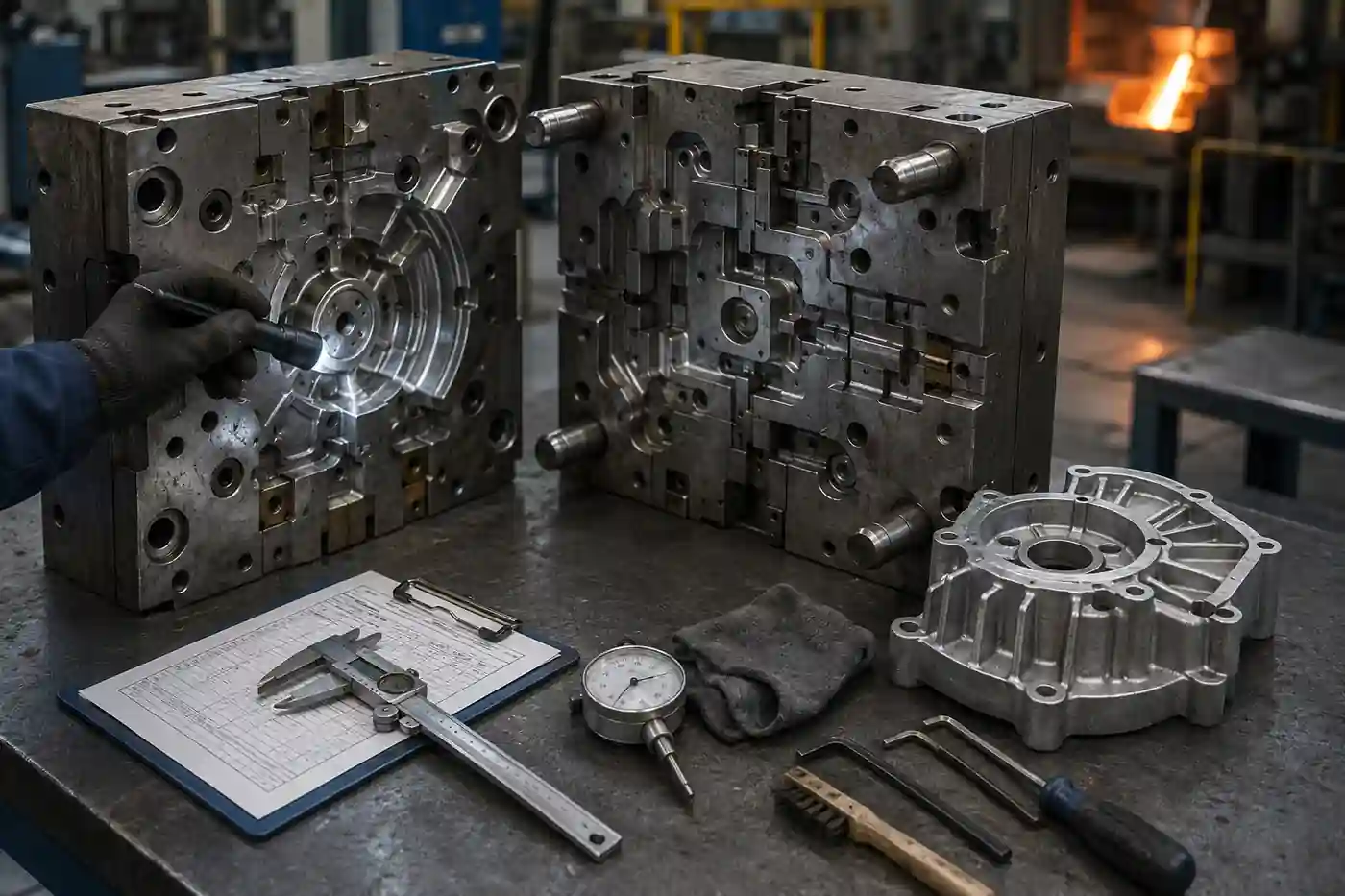
This article discusses the service life of low pressure aluminum casting molds, covering typical lifespan ranges, major failure factors, and…
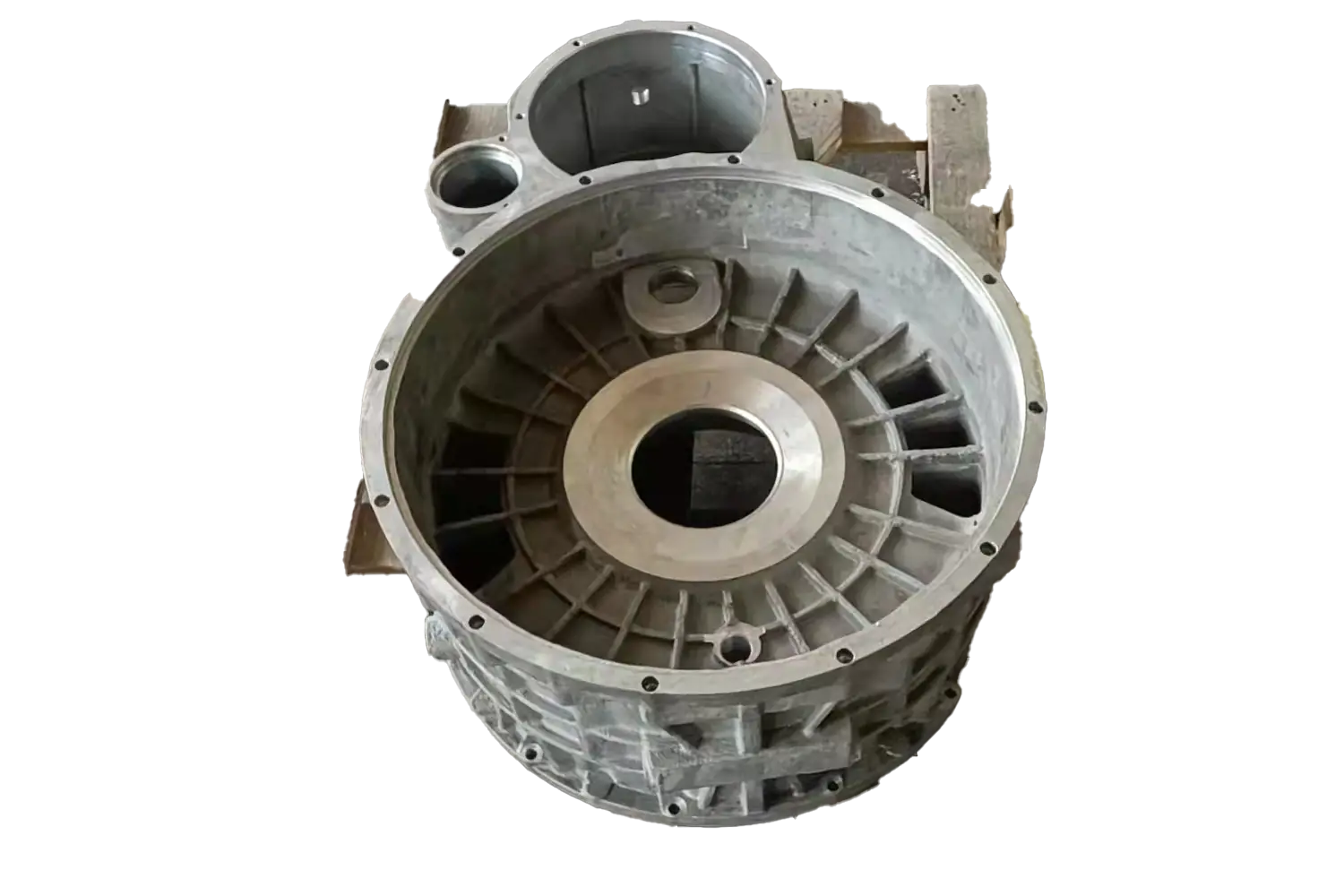
Why do many high-precision, small-batch parts use gravity casting? This article explains its suitability from the perspectives of forming method,…
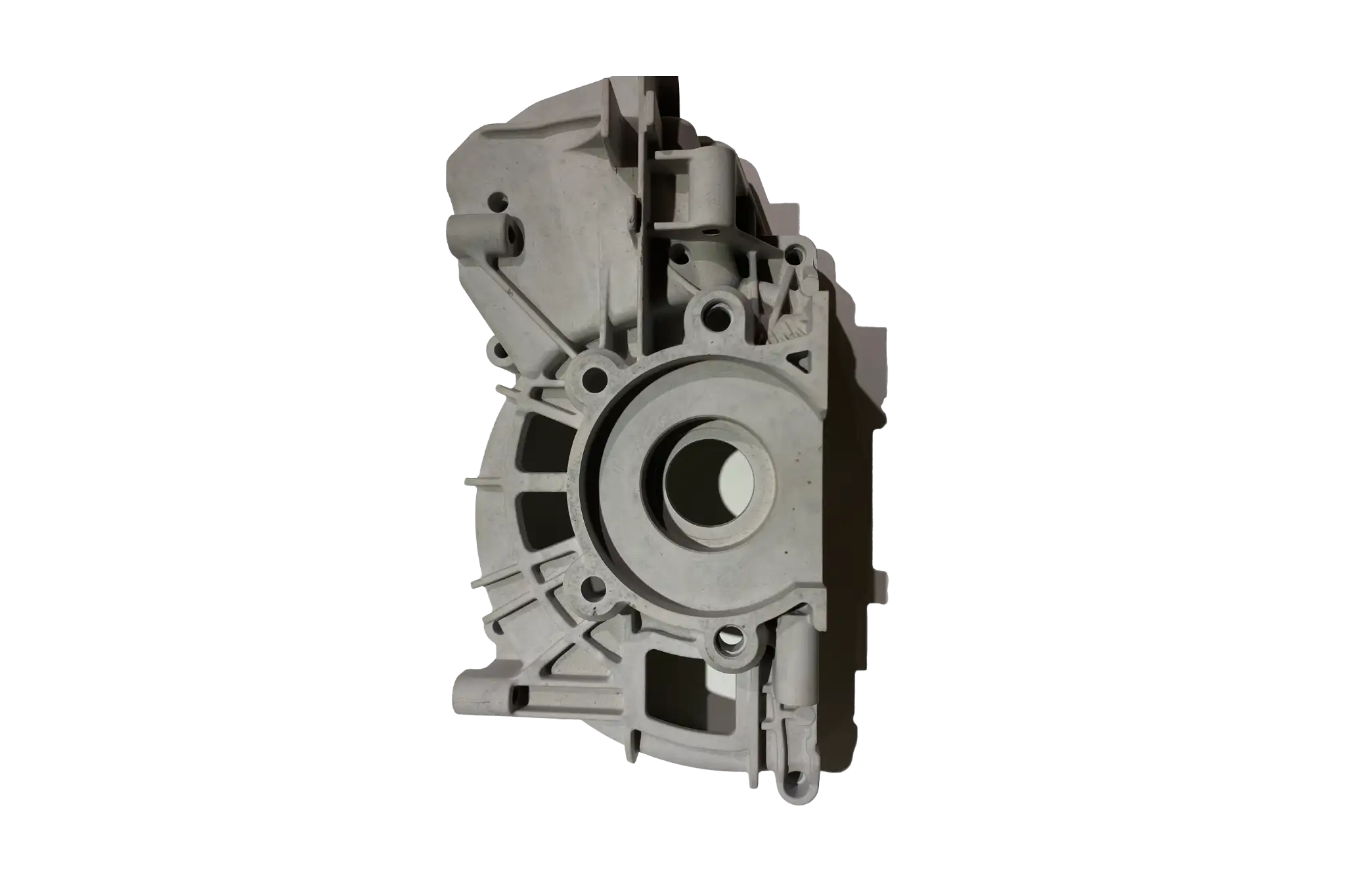
Low-pressure die casting is not the best choice for every thin-wall part. For ultra-thin, high-volume, appearance-focused components, high-pressure die casting…
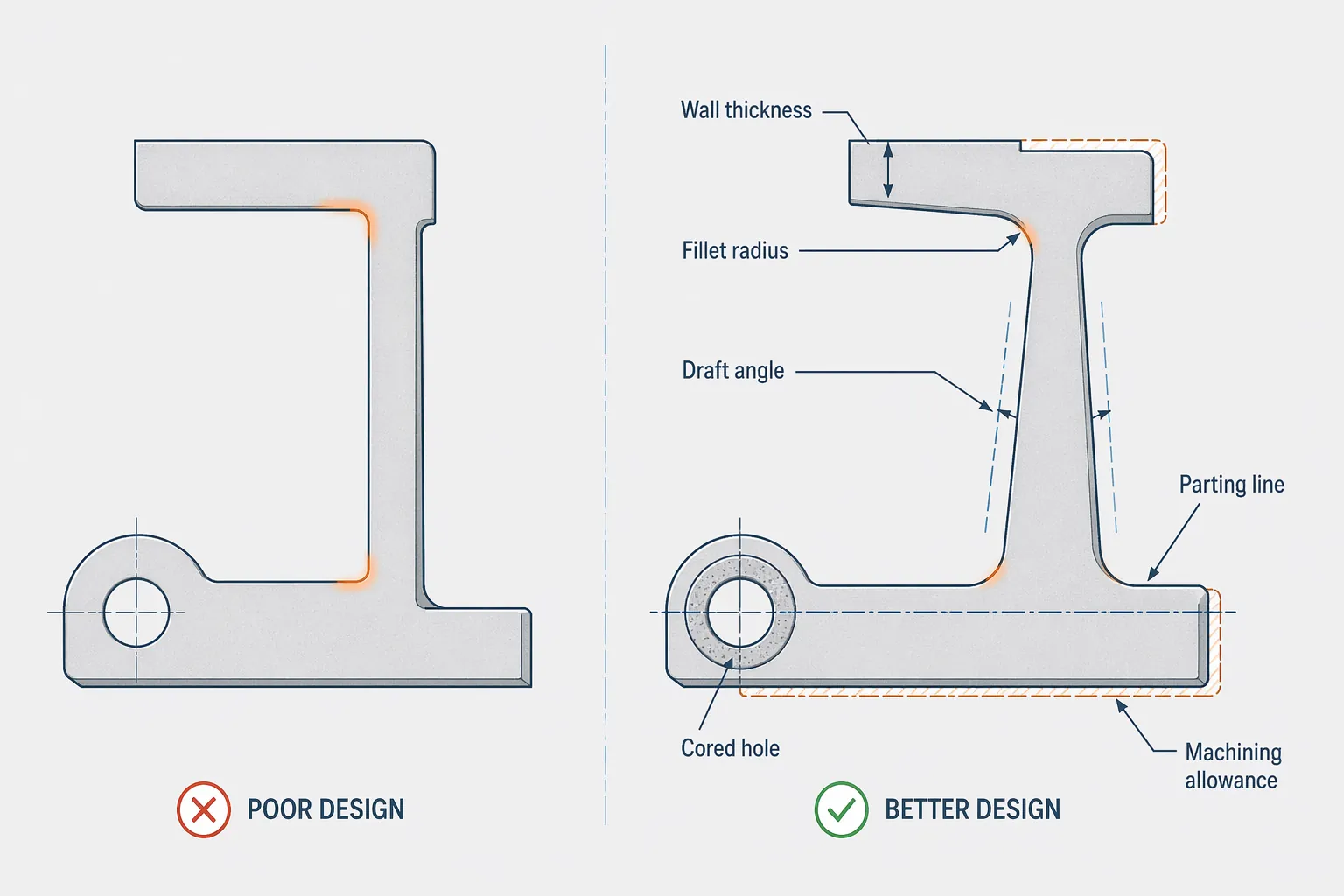
This article reviews key metal casting design considerations from a foundry drawing review perspective. It covers part shape and size,…
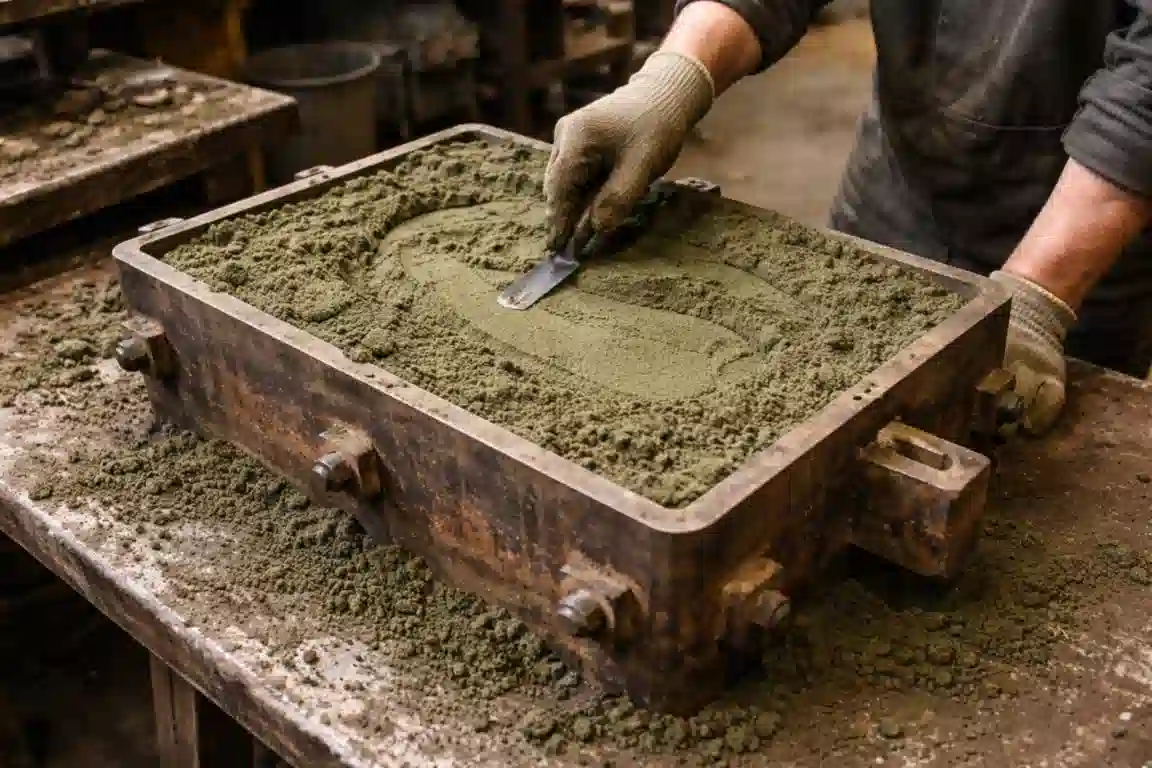
Green sand casting is one of the most widely used sand casting methods in industrial production. This article explains the…
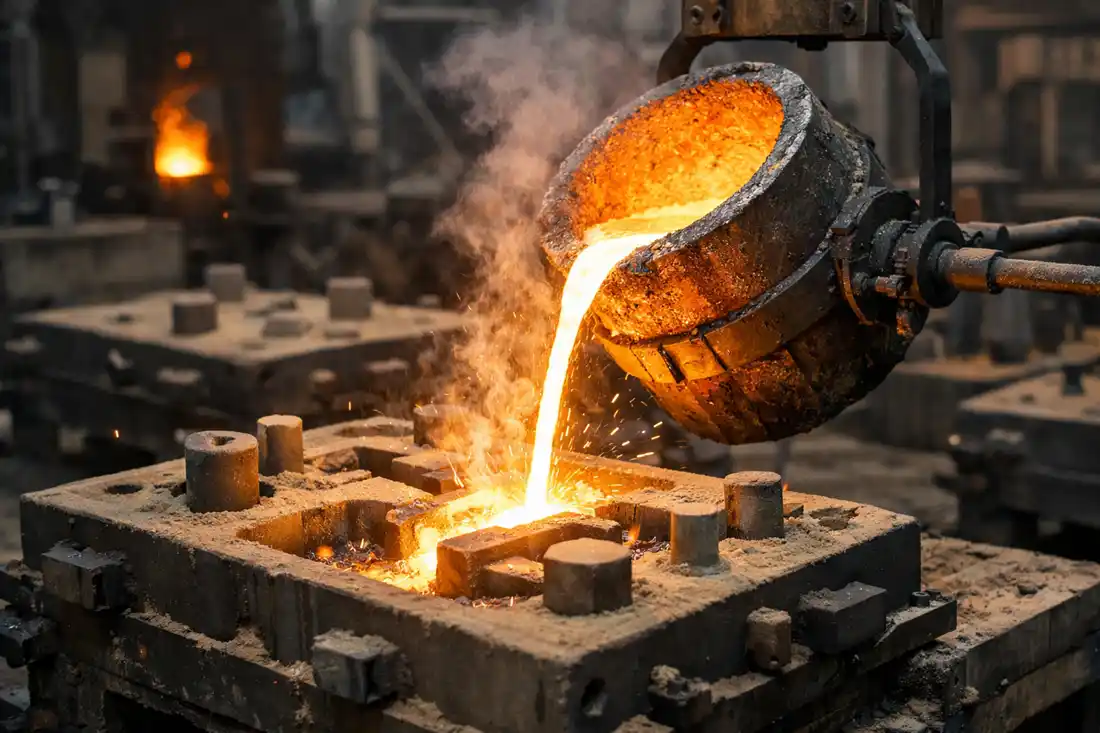
Summary (Meta Description): Sand casting offers more than just a single solution. This article provides a detailed comparison of Green…
Services
Get a Quote