Plaster Mold Casting Process, Advantages & Comparison
Plaster mold casting uses gypsum-based molds to produce non-ferrous components with high precision and fine surface finish (Ra 0.8–3.2 µm,…


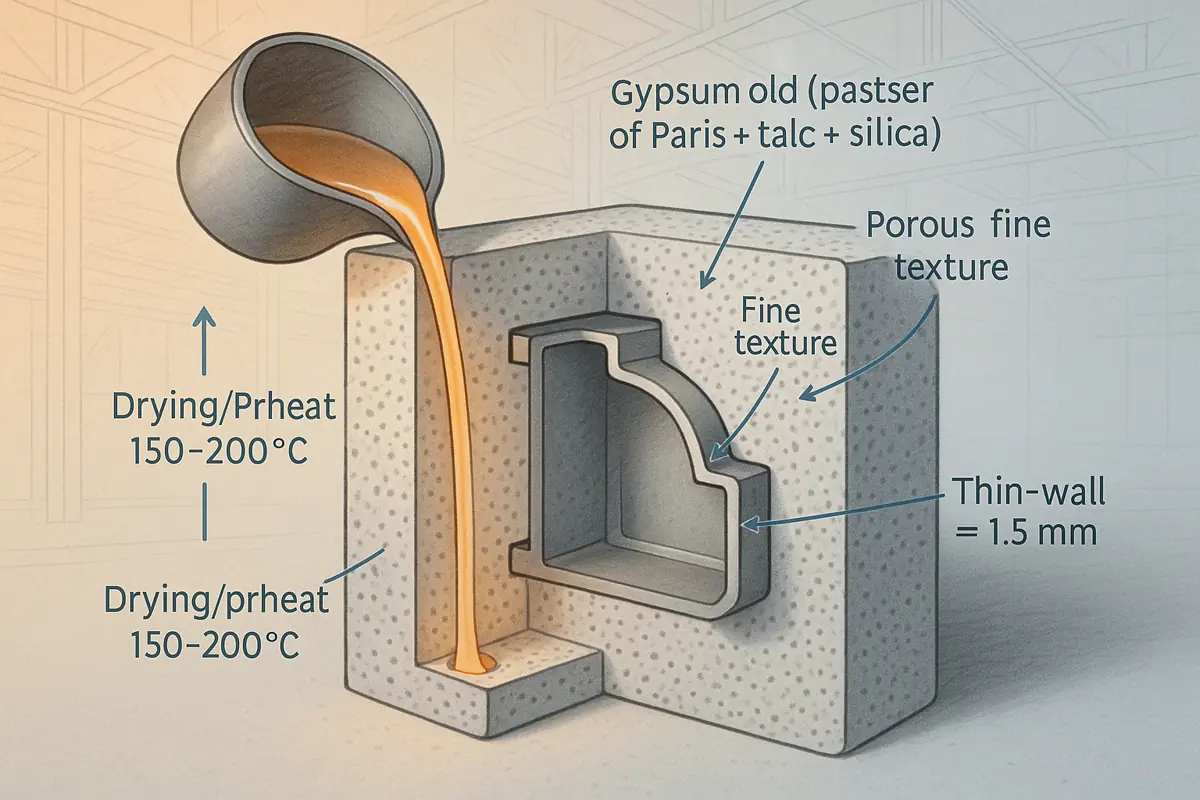
Plaster mold casting uses gypsum-based molds to produce non-ferrous components with high precision and fine surface finish (Ra 0.8–3.2 µm,…
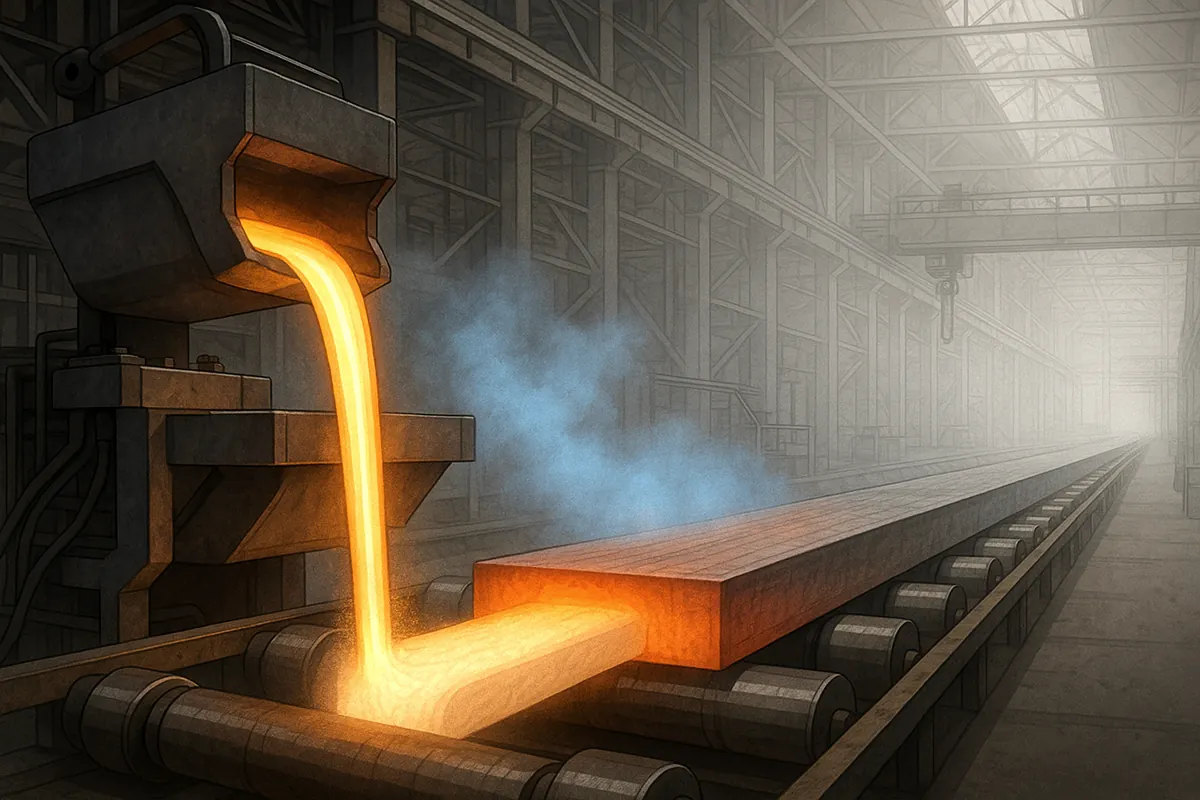
Continuous Casting (CC) is a modern metallurgical process that solidifies molten metal through a water-cooled mold to form billets, blooms,…
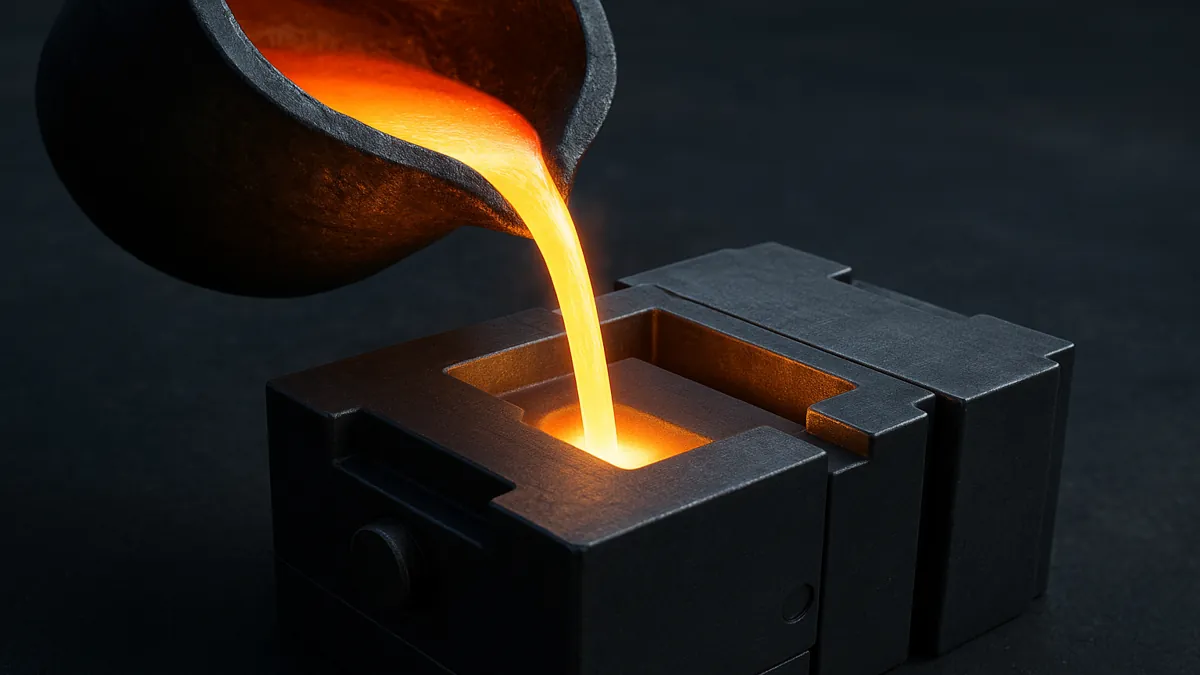
Permanent Mold Casting uses reusable metal molds and gravity pouring to create high-strength, dimensionally accurate non-ferrous parts. It bridges the…
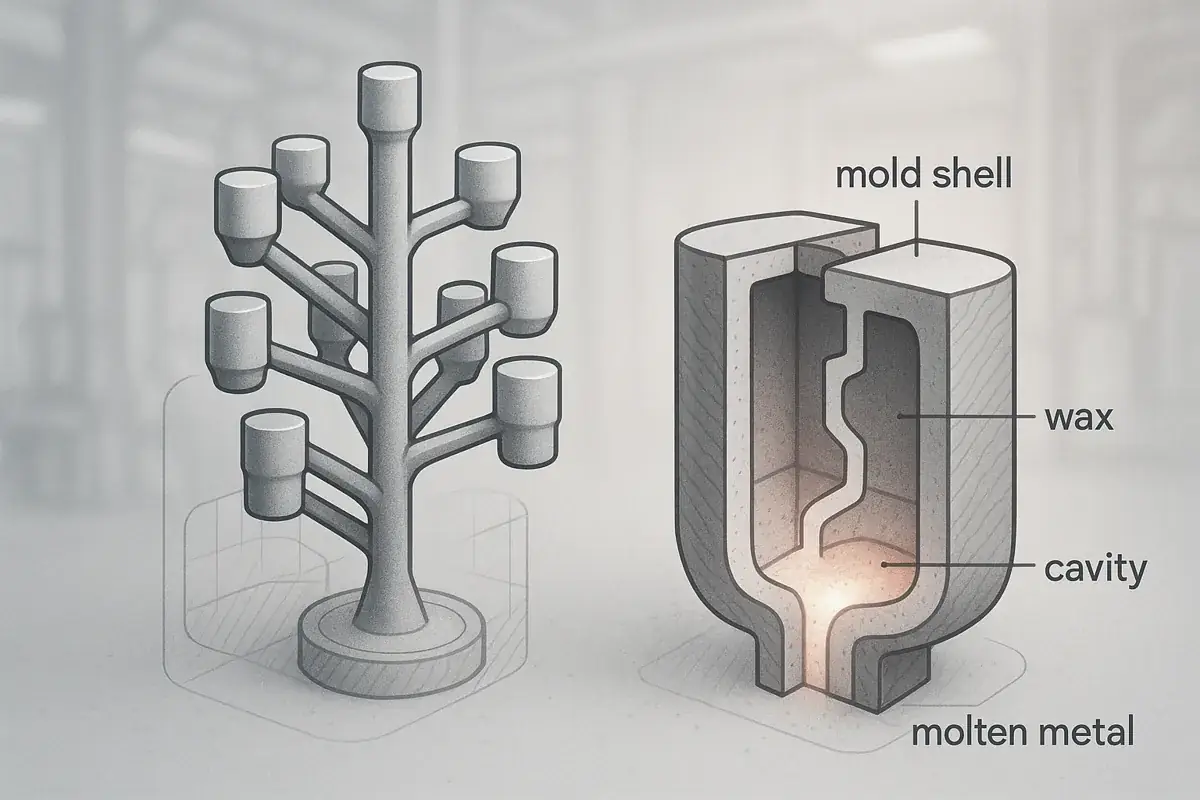
Investment casting, also known as the lost-wax process, is a precision casting method used to produce complex metal components with…
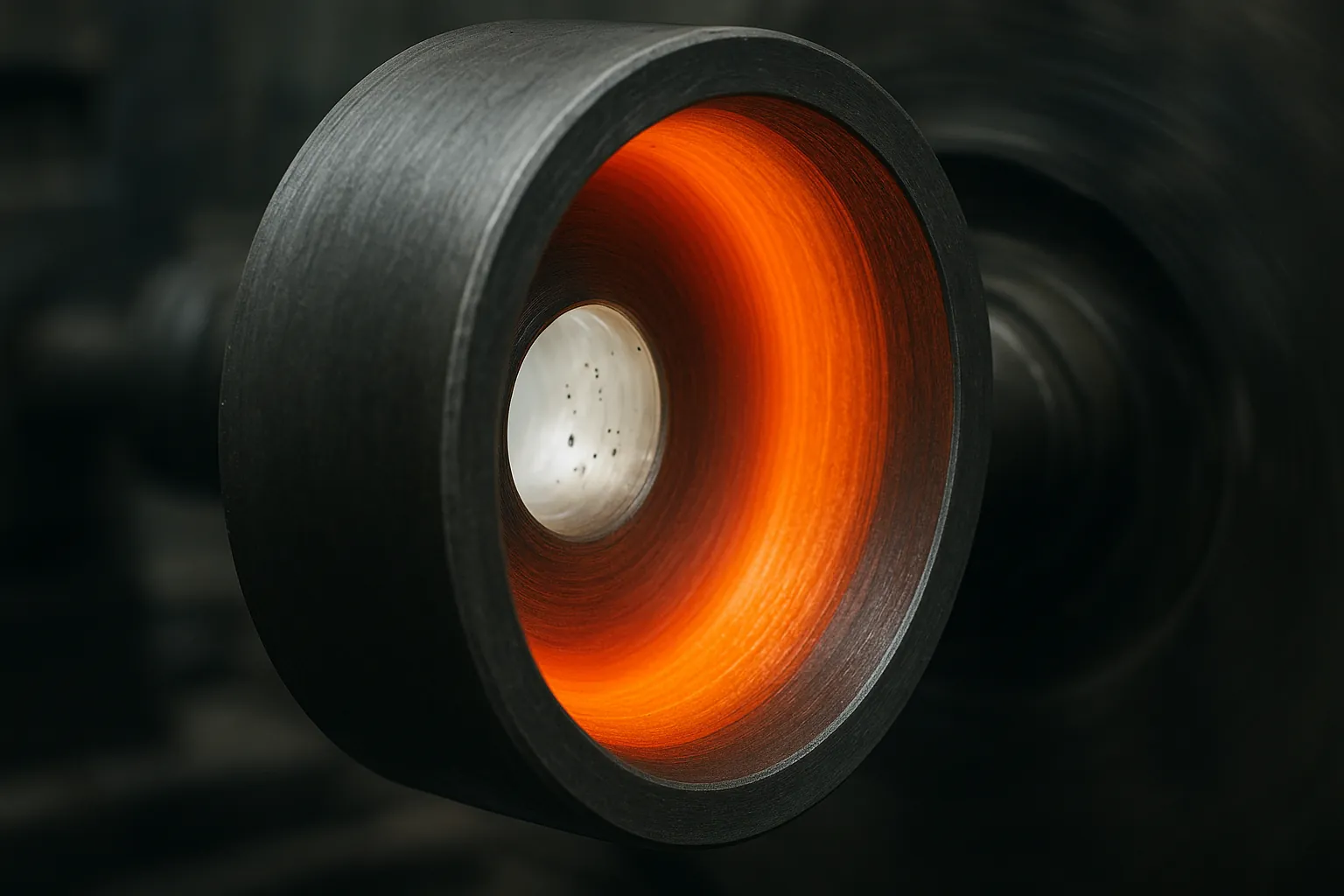
Learn how centrifugal casting works, including its process, materials, advantages, and applications. Discover why this technique produces high-density, defect-free metal…
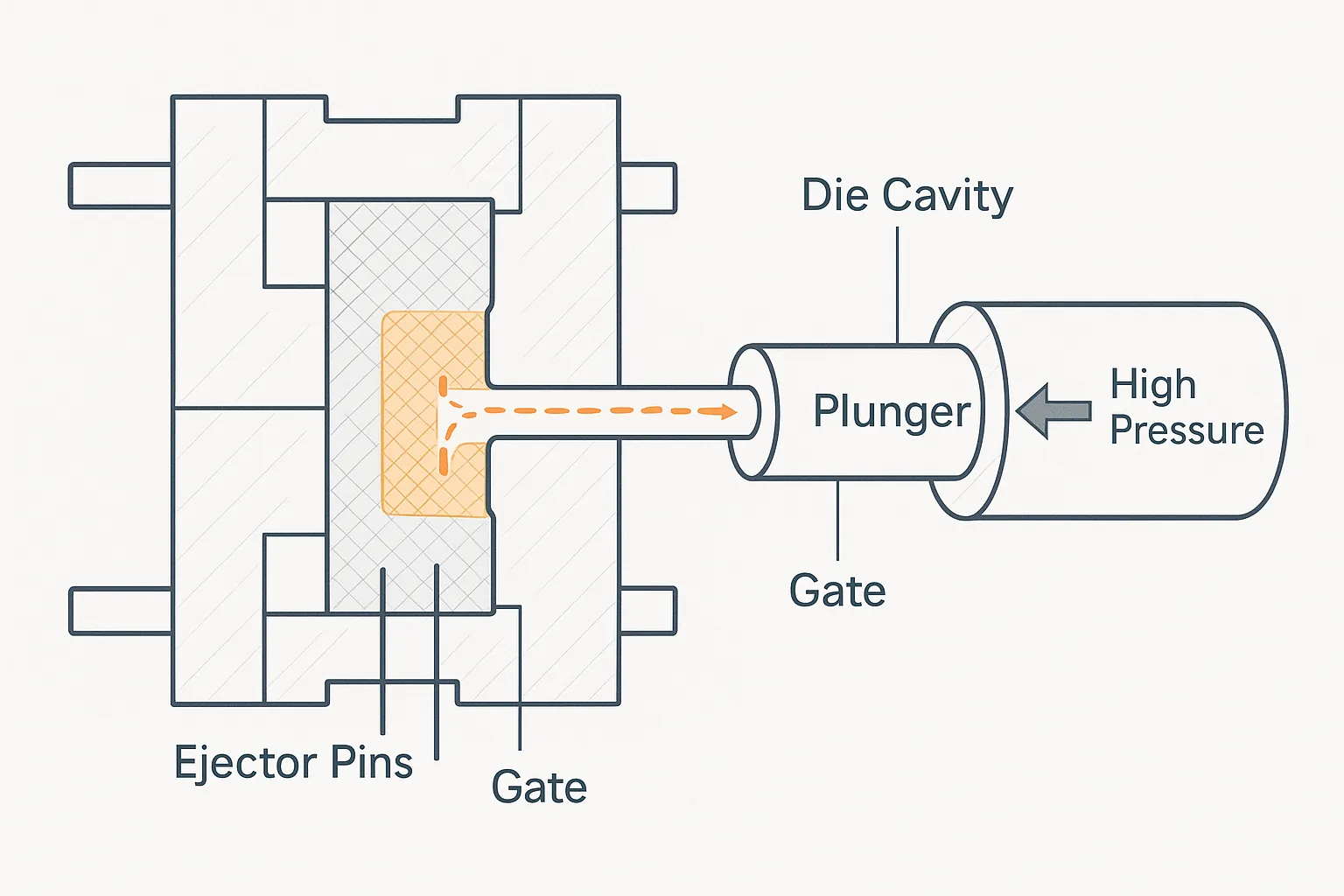
Die Casting Technology Process and Type Analysis. This article details the HPDC (Hot/Cold Chamber) classification and advanced Vacuum, Low-Pressure, and…
Services
Get a Quote