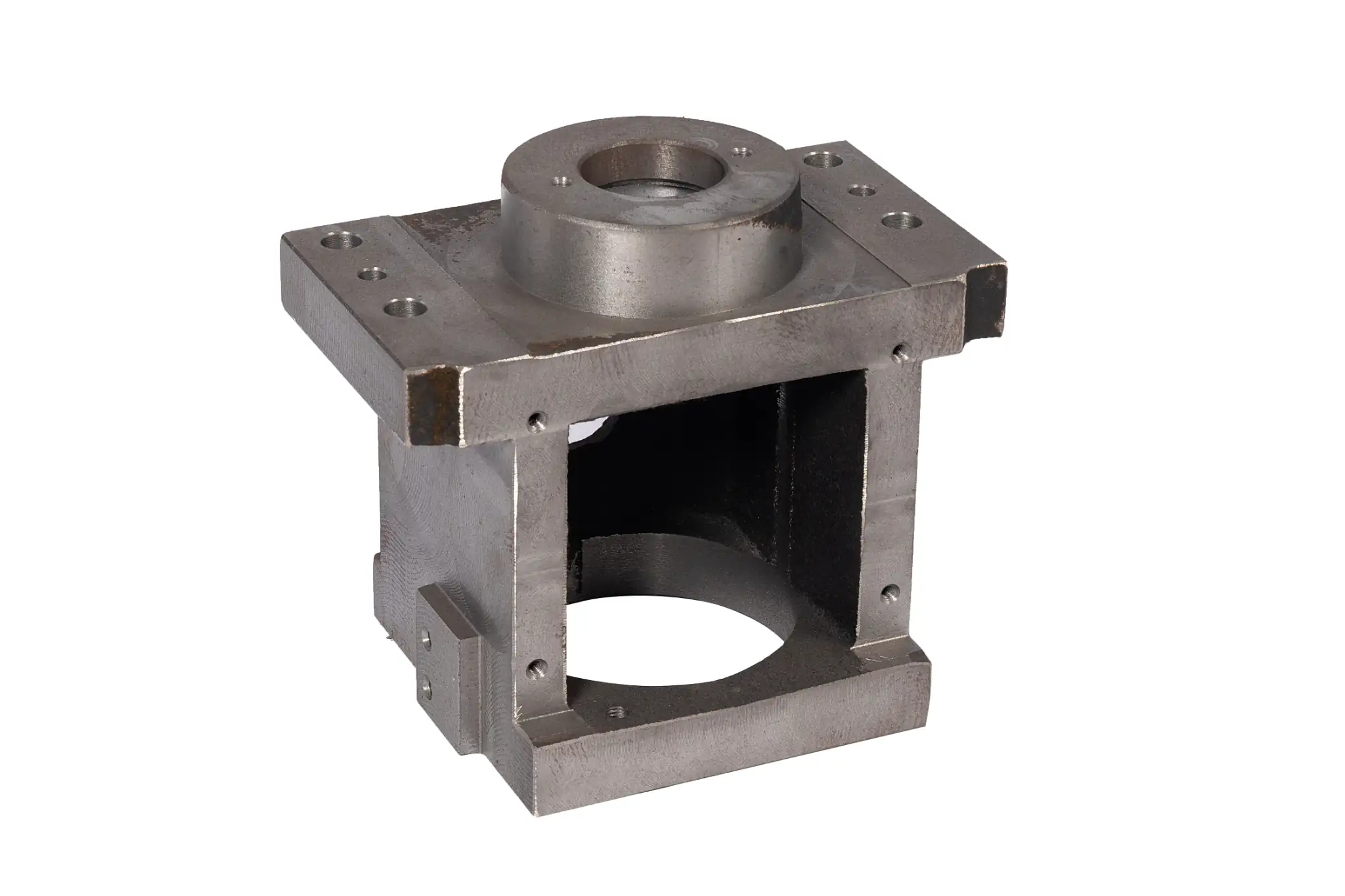



In machine manufacturing, shops often need to produce large, irregular parts in medium or low volumes. Traditional green sand molds are soft and tend to deform, which means removing lots of extra metal during machining. On the other hand, making permanent metal tooling takes weeks and costs too much to justify for small batches.
Resin sand casting fills this gap. It hardens sand molds at room temperature using a chemical reaction, giving you a balance between fast pattern turnaround and tight part tolerances.
Here is a full breakdown of the resin sand process, its pros and cons, common applications, and quick answers to frequent questions.
What Is Resin Sand Casting?
Resin sand is simply silica sand mixed with a small amount of liquid chemical resin and a catalyst. When you mix them together, the resin reacts and hardens the loose sand into a rigid, stone-like mold within minutes.
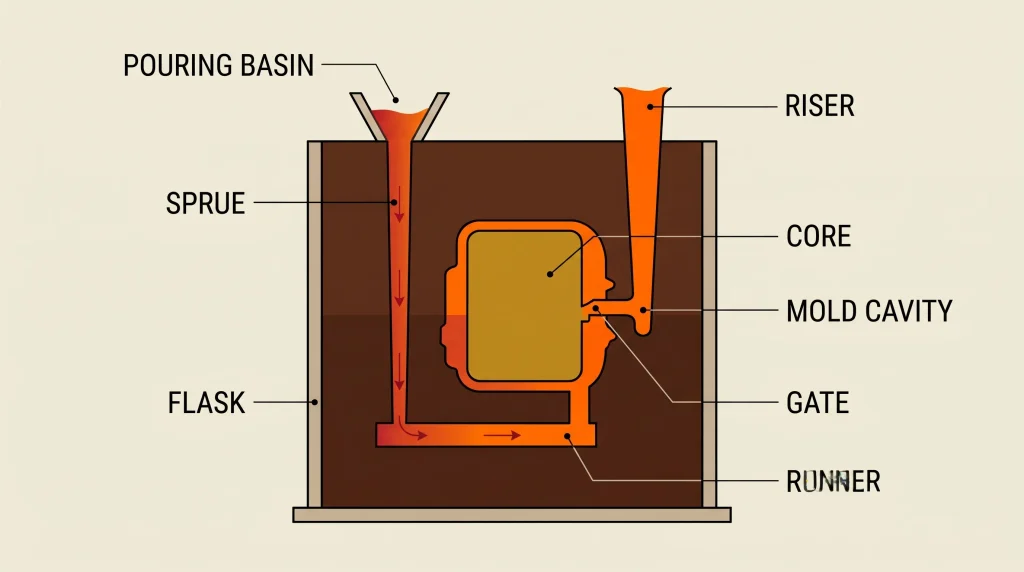
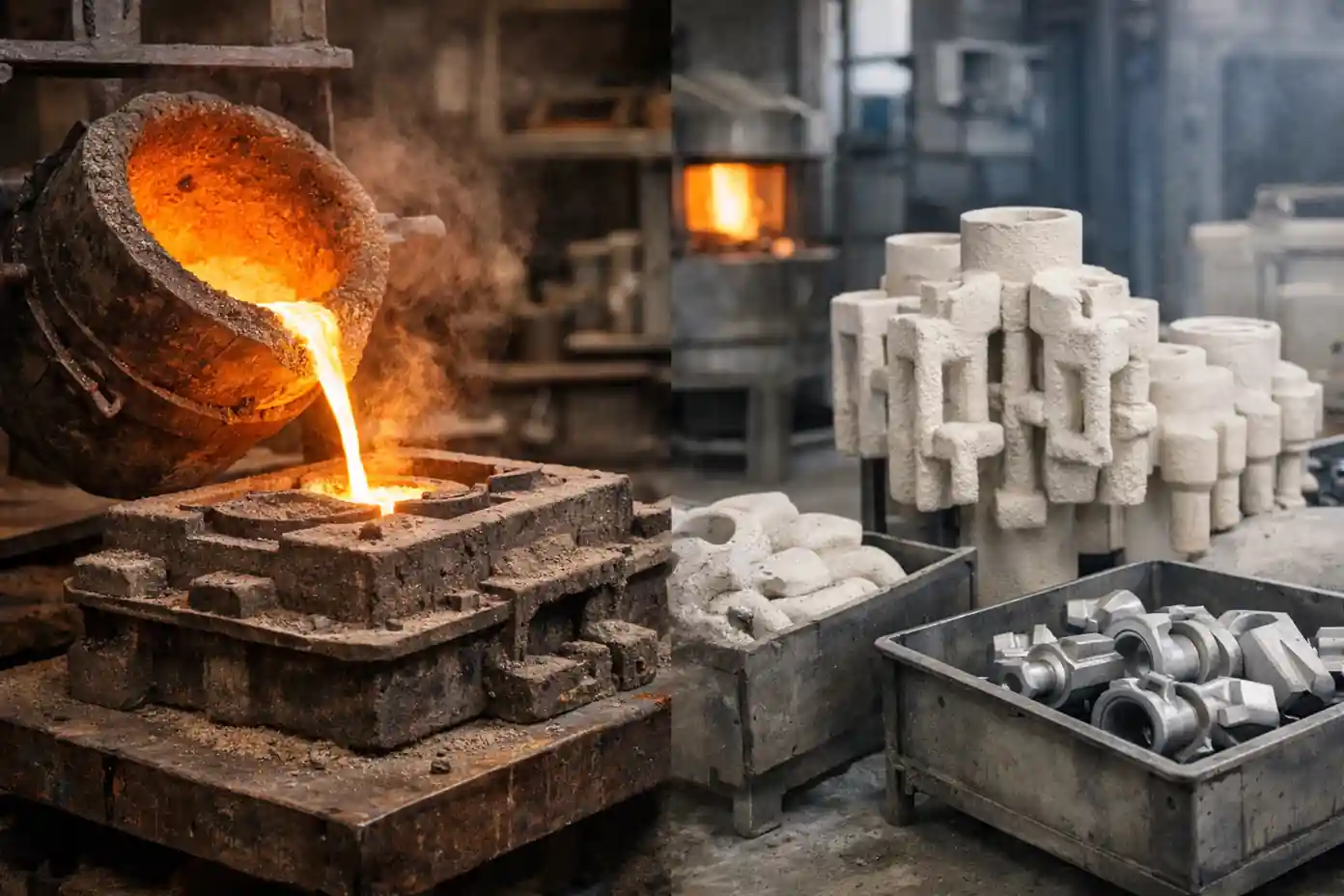
You can use resin sand to make the entire mold or just the internal sand cores. Because the mold is strong, it can handle molten iron or steel without shifting or breaking. Once the metal cools, the heat from the pour breaks down the resin binder. The sand softens back up, making it easy to shake the casting out, trim off the gates, and machine the part down to final specs.
Step-by-Step Resin Sand Casting Process
1. Mixing the Sand
Dry silica or ceramic sand enters a continuous mixer. Knowing the right types of sand used in sand casting is crucial here, as raw sand quality directly affects binder performance. The machine pumps in roughly 1% synthetic resin and a measured amount of catalyst, blending them in seconds so every sand grain gets an even, thin coat.
2. Packing the Mold and Cores
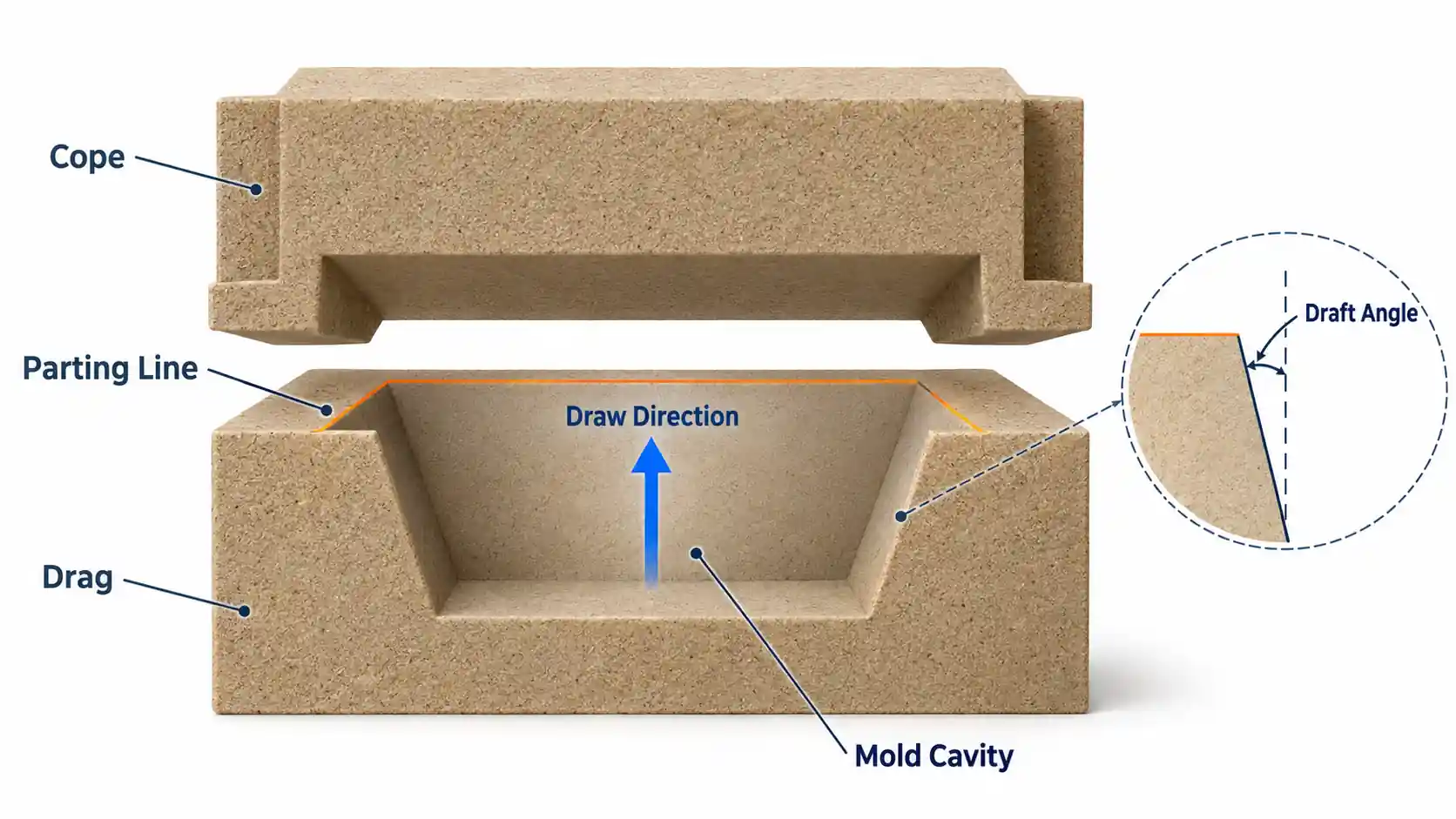
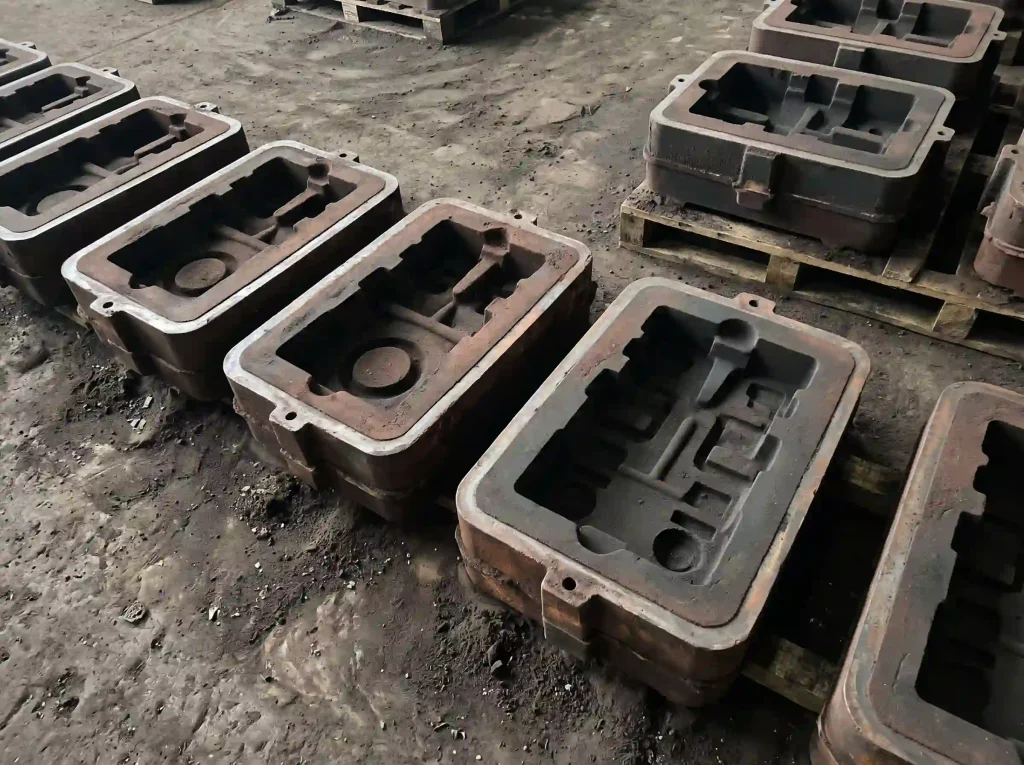
Workers fill the freshly mixed sand around a wood, metal, or resin pattern. Because the mixed sand flows easily, light vibration or hand ramming is enough to pack it into tight corners and deep pockets. This rigid sand bond also plays a vital role in core making in sand casting, ensuring intricate cores do not shift or break under high thermal loads.
3. Room-Temperature Curing and Stripping
The binder cures chemically at ambient temperature. After 15 to 30 minutes, the mold reaches enough hardness to safely strip the pattern out without chipping the edges. The mold then sits to reach full strength.
4. Applying Refractory Coating
Operators spray or brush an alcohol-based zircon coating onto the mold cavities and cores, then light it to burn off the carrier. This creates a hard, heat-resistant barrier that stops molten metal from burning into the sand.
5. Assembly and Pouring
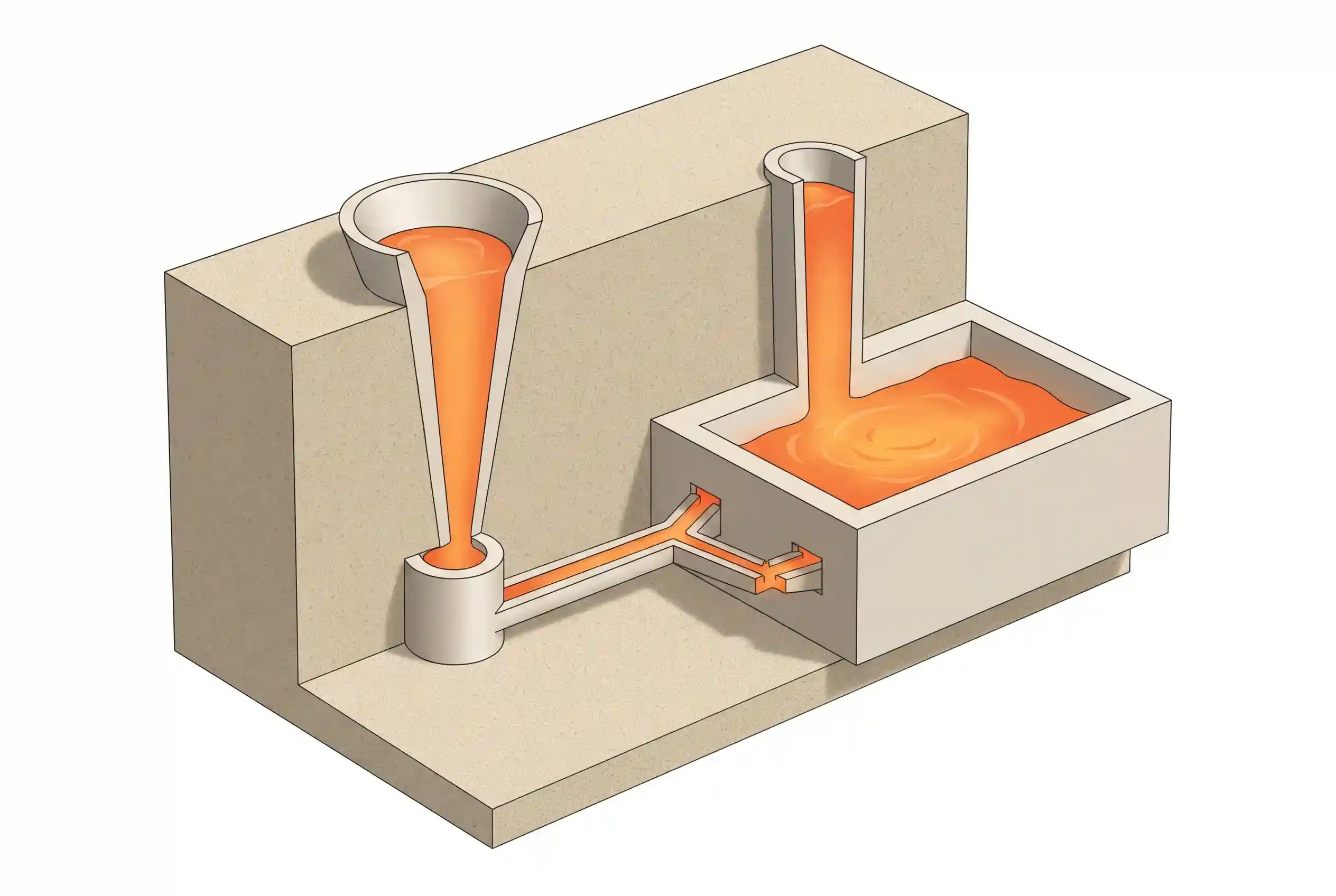
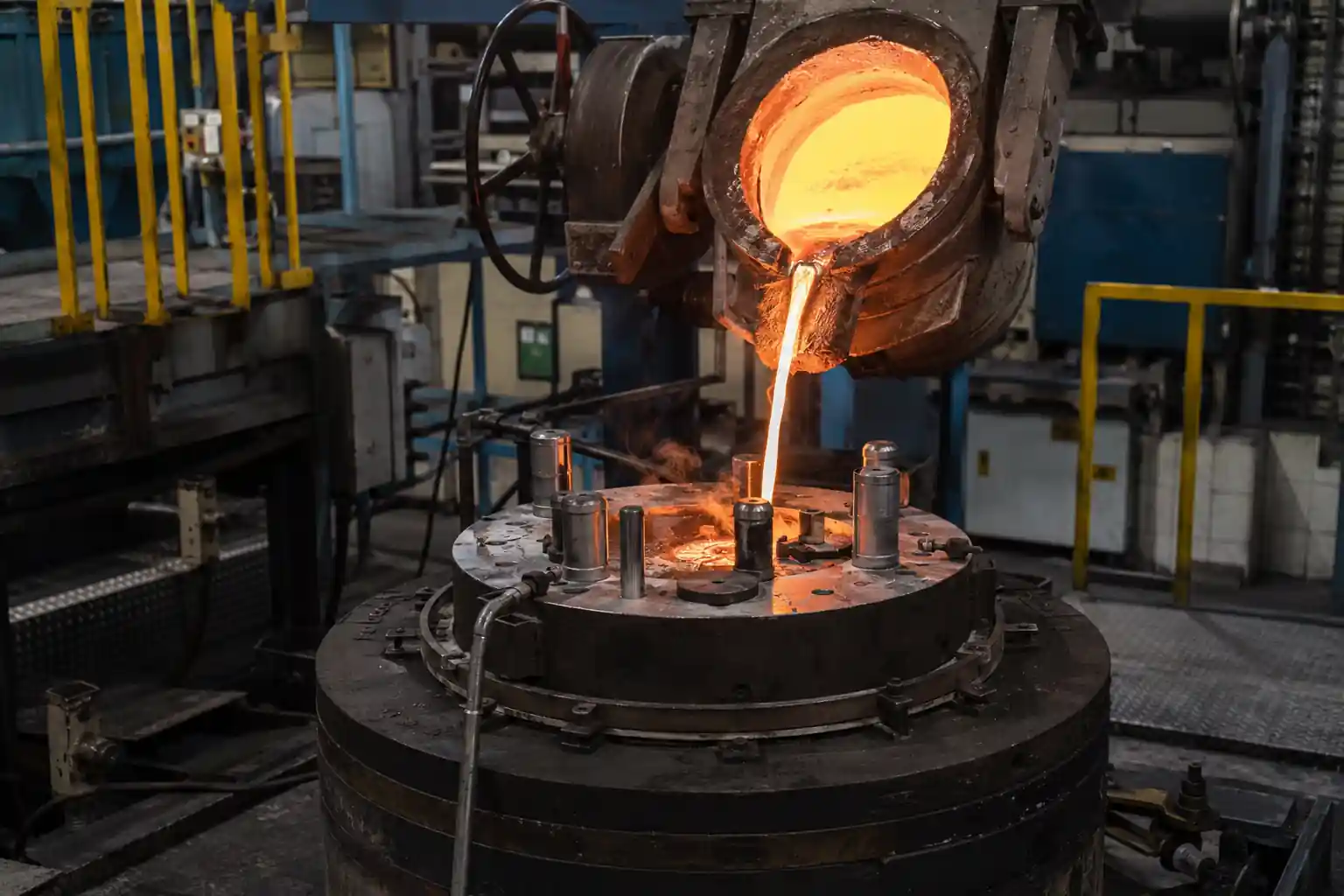
Workers blow out any loose sand, set internal cores, place ceramic filters, and clamp the mold halves together. Molten metal is then poured smoothly into the mold at a controlled temperature.
6. Shakeout, Cleaning, and Sand Reclamation
After the metal cools, a shakeout machine vibrates the mold to break away the sand. Operators cut off the gates, shot-blast the surface to remove scale, and send the used sand through a mechanical reclaimer to scrub off the old resin for reuse.
Advantages of Resin Sand Casting
- Tight Dimensions and Less Machining: The mold cures before stripping, preventing distortion. Parts routinely hit ISO 8062 CT8–CT10 tolerance levels.
- Smooth Surface Finish: With a fine sand base and zircon wash, surface roughness lands between Ra 12.5 and 25 μm—cleaner than standard green sand.
- Fewer Gas Pores: No water is added during mixing, cutting out the main source of steam and blowholes.
- High Detail for Complex Cores: High core strength lets you cast complex internal oil channels, deep holes, and thin ribs without sagging.
- Easy Shakeout: The resin binder burns out under the heat of molten metal, so the sand crumbles away easily during cleanup.
Limitations of Resin Sand Casting
- Higher Material Costs: Synthetic resins and acid catalysts cost noticeably more than bentonite clay and water.
- Odor and Emissions: Mixing and pouring release organic fumes (VOCs), requiring dedicated ventilation and scrubbers on the shop floor.
- Requires Sand Reclamation: Because new sand and resin are expensive, a foundry must run a mechanical or thermal reclamation line to stay competitive.
- Sensitive to Raw Sand Quality: High clay or dust levels soak up extra resin and weaken the bond.
- Rapid Gas Release: Resins break down quickly when hot metal hits them, so mold venting must be large enough to let gases escape fast.
Common Applications
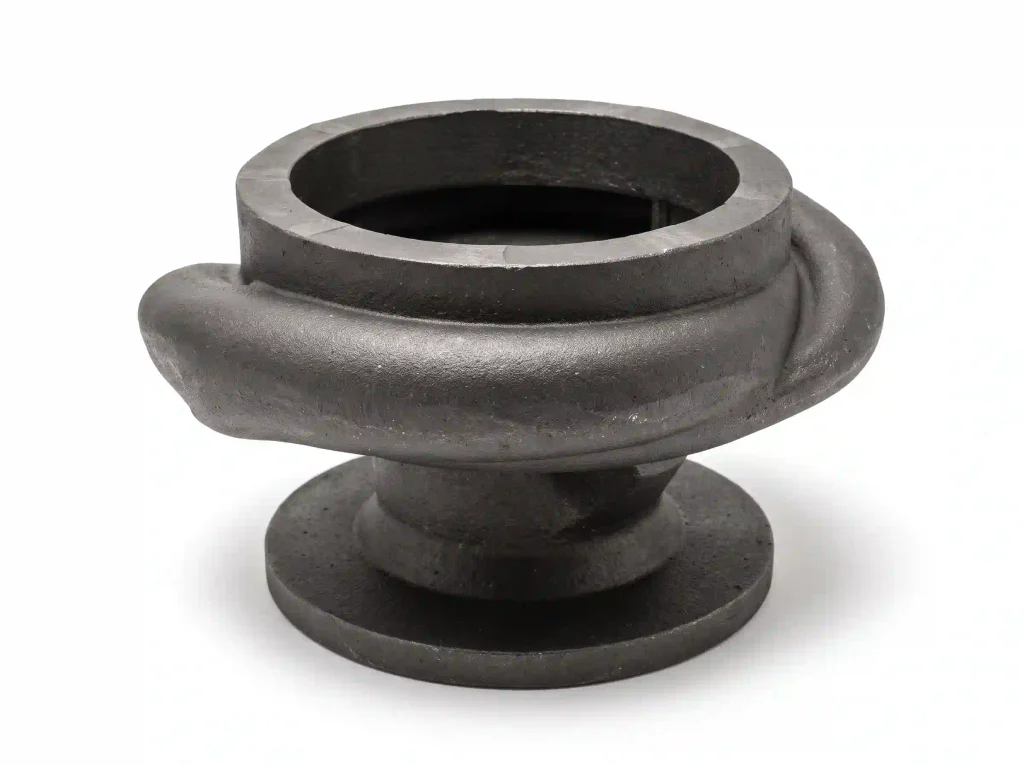
Resin sand casting is the go-to method for medium-to-large structural metal parts that need high rigidity and low scrap rates:
- Machine Tools: CNC machine beds, bridge columns, crossbeams, and worktables where dimensional stability and vibration damping are critical.
- Pumps and Valves: High-pressure valve bodies, slurry pump housings, water turbine impellers, and large pipe fittings made from ductile iron or cast steel.
- Heavy Engines: Diesel engine blocks, cylinder heads, marine crankcases, and wind turbine hubs.
- Mining & Heavy Equipment: Crusher frames, excavator gearboxes, and large counterweights.
Frequently Asked Questions
Q1: How do you properly sand resin?
Always wear a dust mask and goggles because resin dust is harmful to breathe. Make sure the resin is fully cured first, or it will gum up your sandpaper. Wet sanding works best—water traps airborne dust and keeps heat from softening the surface. Start with 120–400 grit for rough edges, step up to 600–1000 grit to smooth out scratches, and finish with 1500–3000 grit plus a buffing compound if you need a high-gloss surface.
Q2: Can I mix resin and sand together?
Yes. In foundries, mixing a small amount of resin with sand creates rigid metal casting molds. In construction, mixing epoxy with graded sand makes heavy-duty mortar for industrial floors and crack repairs. For crafts, artists mix clear epoxy with colored sand for beach scenes. The golden rule is that the sand must be bone dry, as any moisture can ruin the resin cure.
Q3: Is resin sand the same as polymeric sand?
No, they serve completely different purposes. Resin sand is an industrial foundry material made by mixing sand with liquid chemical resins to pour molten metal at 1400°C. Polymeric sand is a dry bagged product made for outdoor landscaping; you sweep it into joints between patio pavers and spray it with water to lock the pavers in place.
Conclusion
Resin sand casting bridges the gap between rough green sand and expensive metal tooling. By hardening sand at room temperature, it delivers clean surfaces, tight tolerances, and high structural freedom without locking you into long tooling lead times. If your project involves heavy or dimensionally demanding structural parts, evaluate our sand casting services to see how our engineering and foundry setup can meet your requirements.