Casting Machining Allowance: Definition, Influencing Factors, and Drawing Design Principles
Why are castings made with more material than the finished part requires? This article explains how machining allowance provides room…


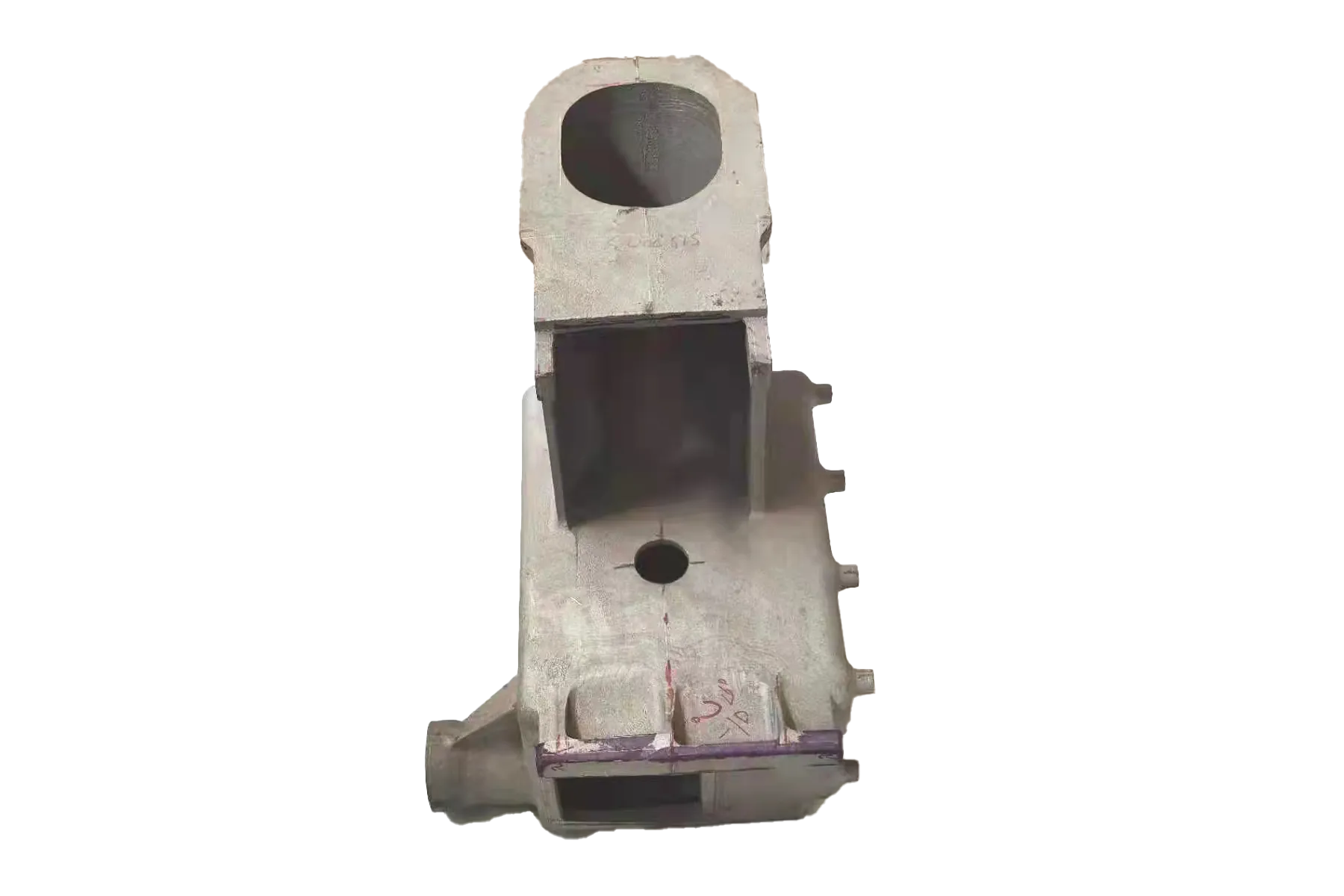
Why are castings made with more material than the finished part requires? This article explains how machining allowance provides room…
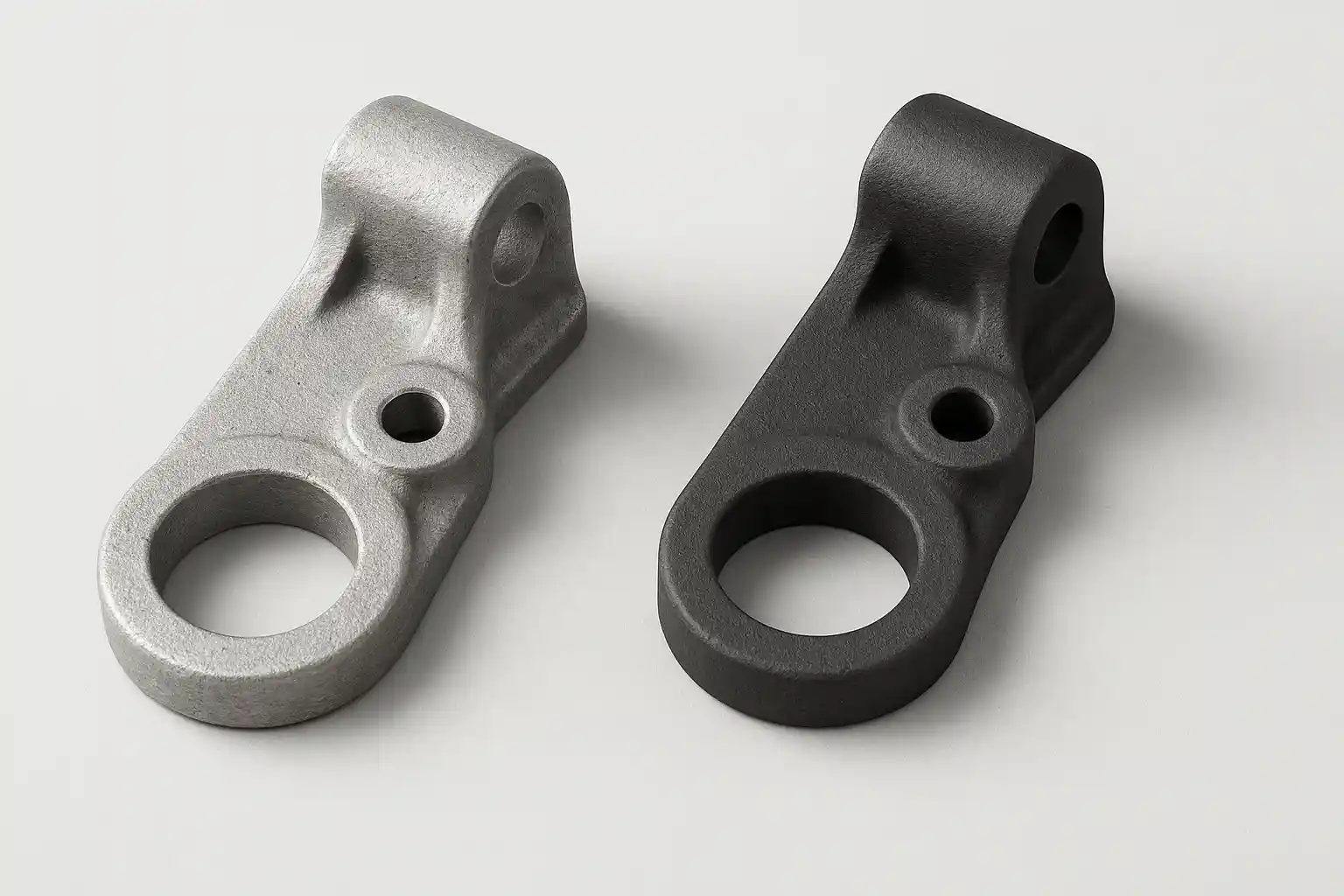
Cast aluminum can be anodized, but its results differ greatly from wrought aluminum. Due to higher silicon content, porosity, and…
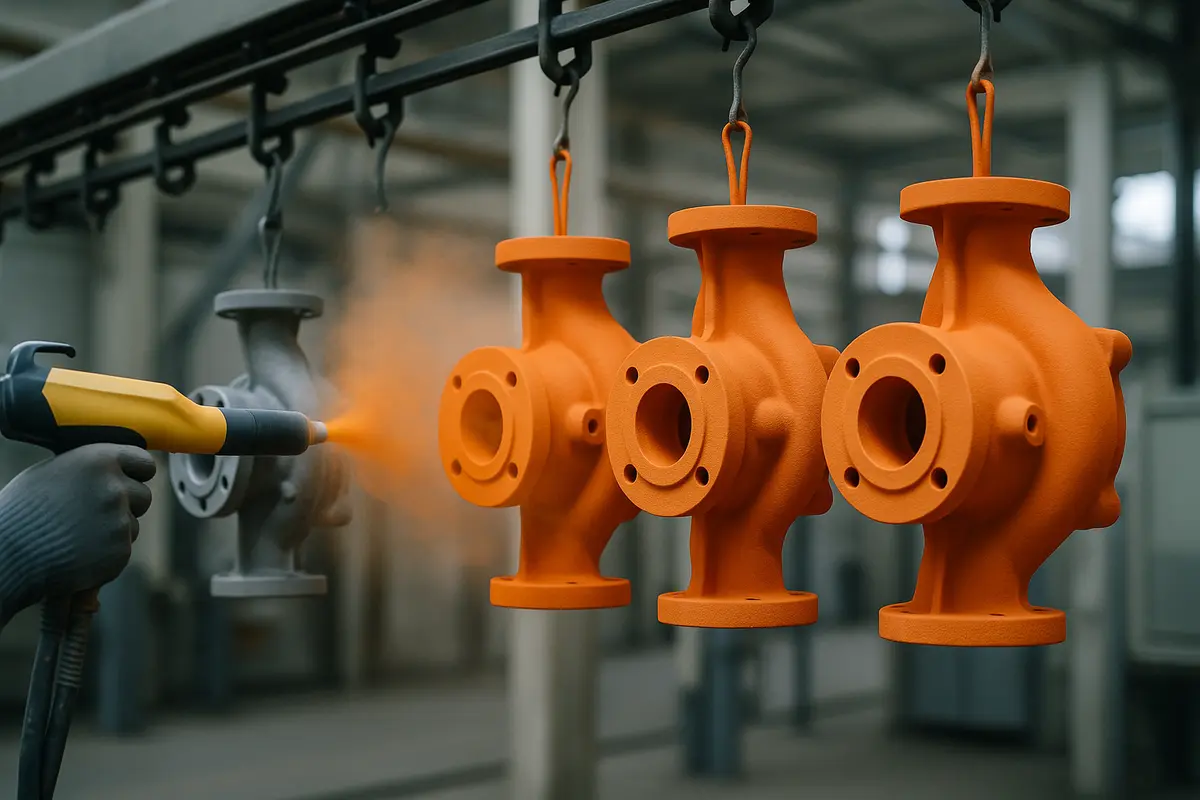
Powder coating is a solvent-free surface finishing method that electrostatically applies and cures dry powder on cast metal parts to…
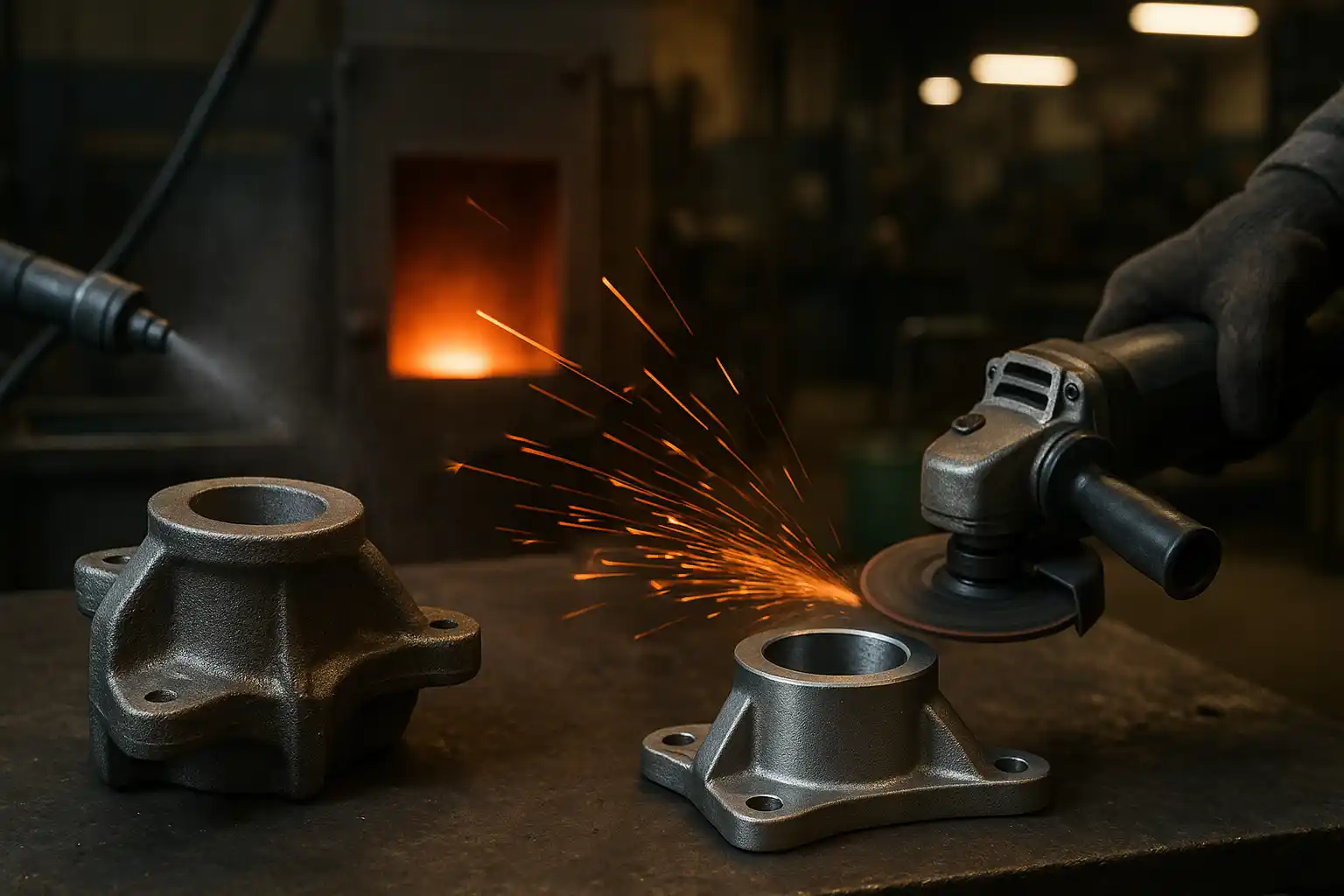
Casting post-processing is the critical, multi-stage workflow that transforms rough castings into functional, high-quality finished components. The systematic process, spanning…
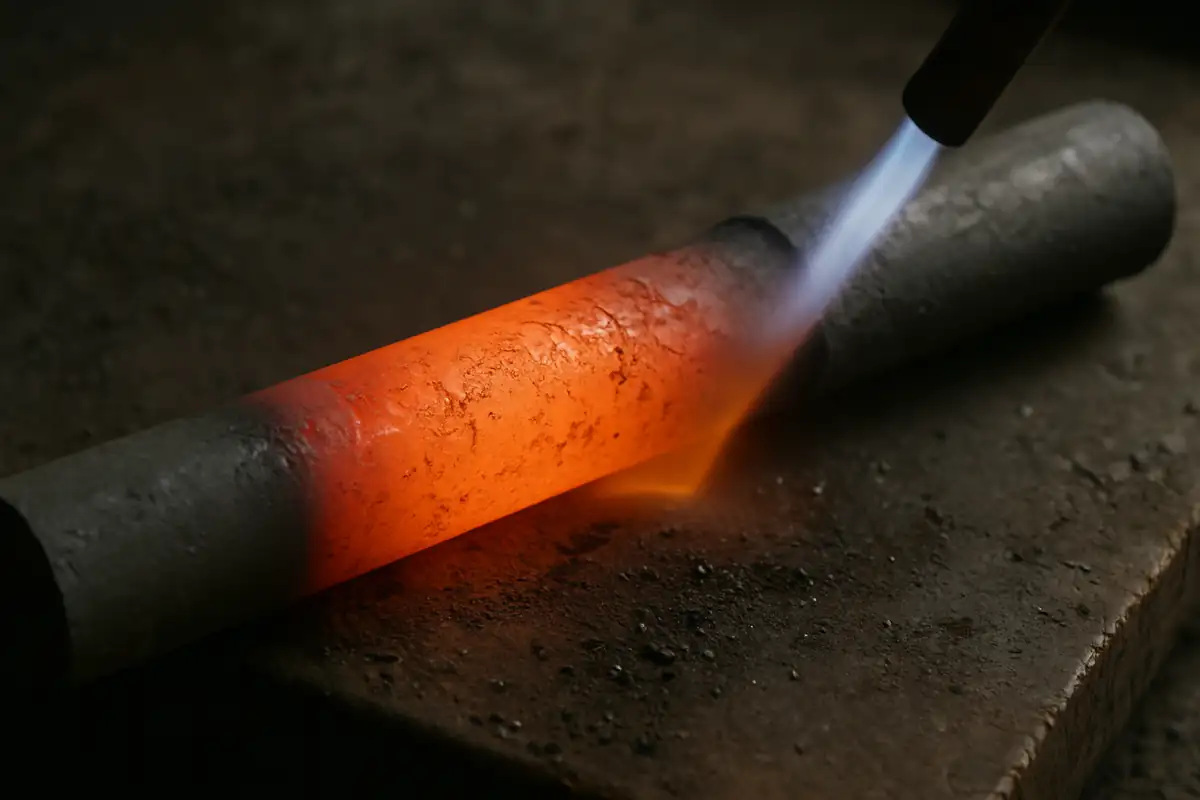
Annealing is a heat treatment that softens metal, relieves internal stress, and improves ductility by controlled heating and slow cooling—essential…
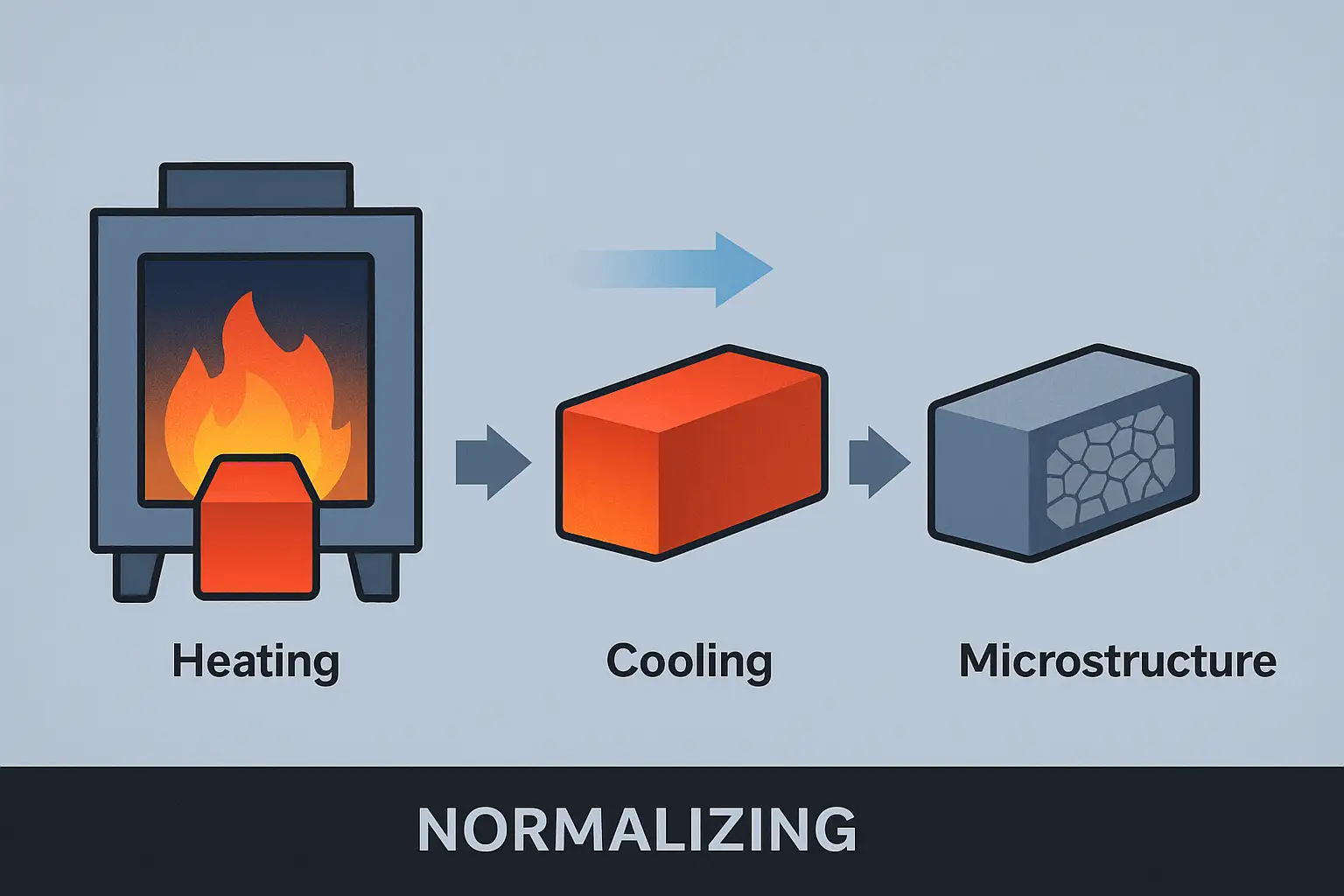
Heat treatment is an important process for improving metal properties. This article introduces four common methods—annealing, normalizing, quenching, and tempering—explaining…
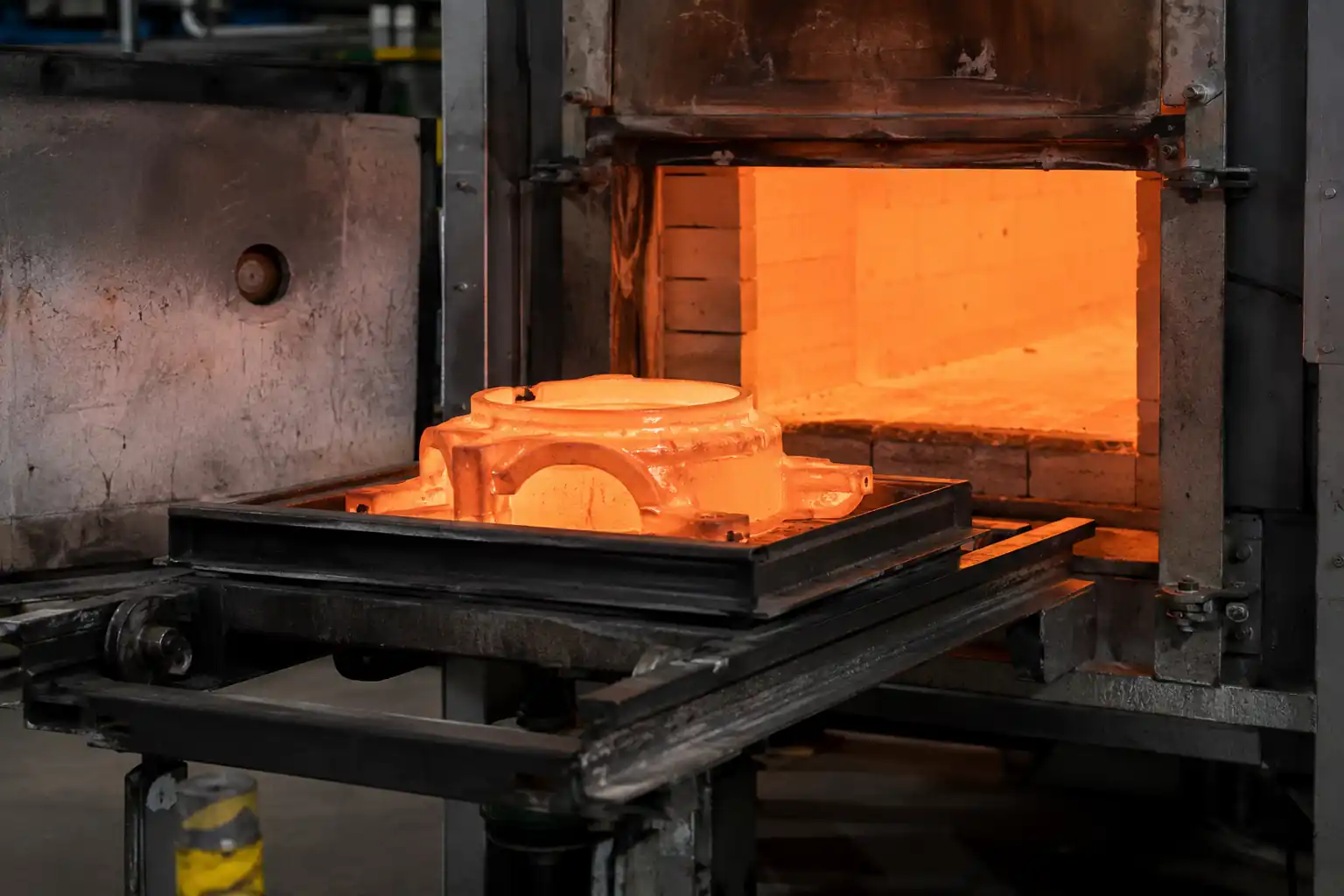
Discover why heat treatment after casting is critical for performance. This guide explains key methods and how they apply to…
Services
Get a Quote