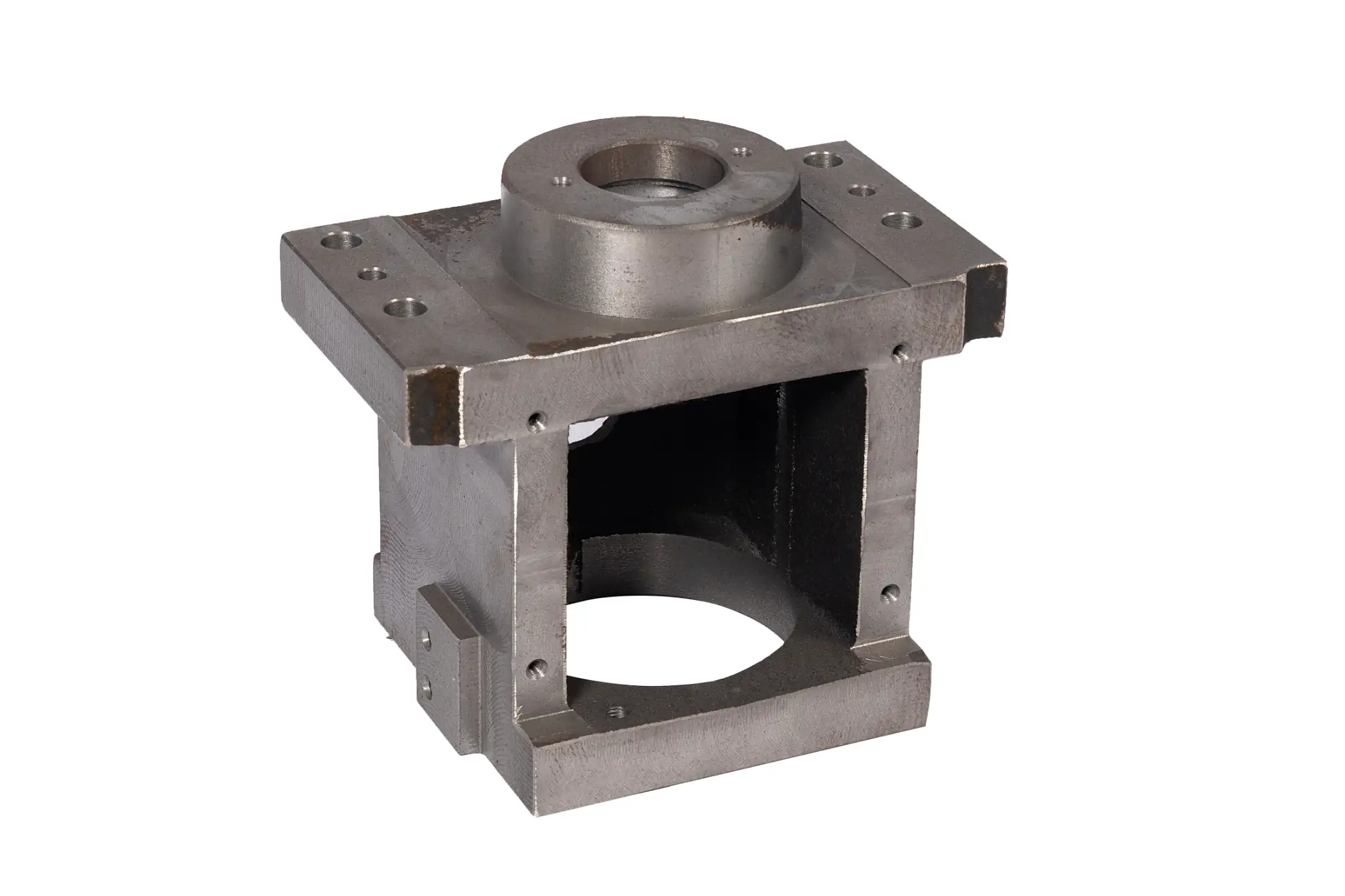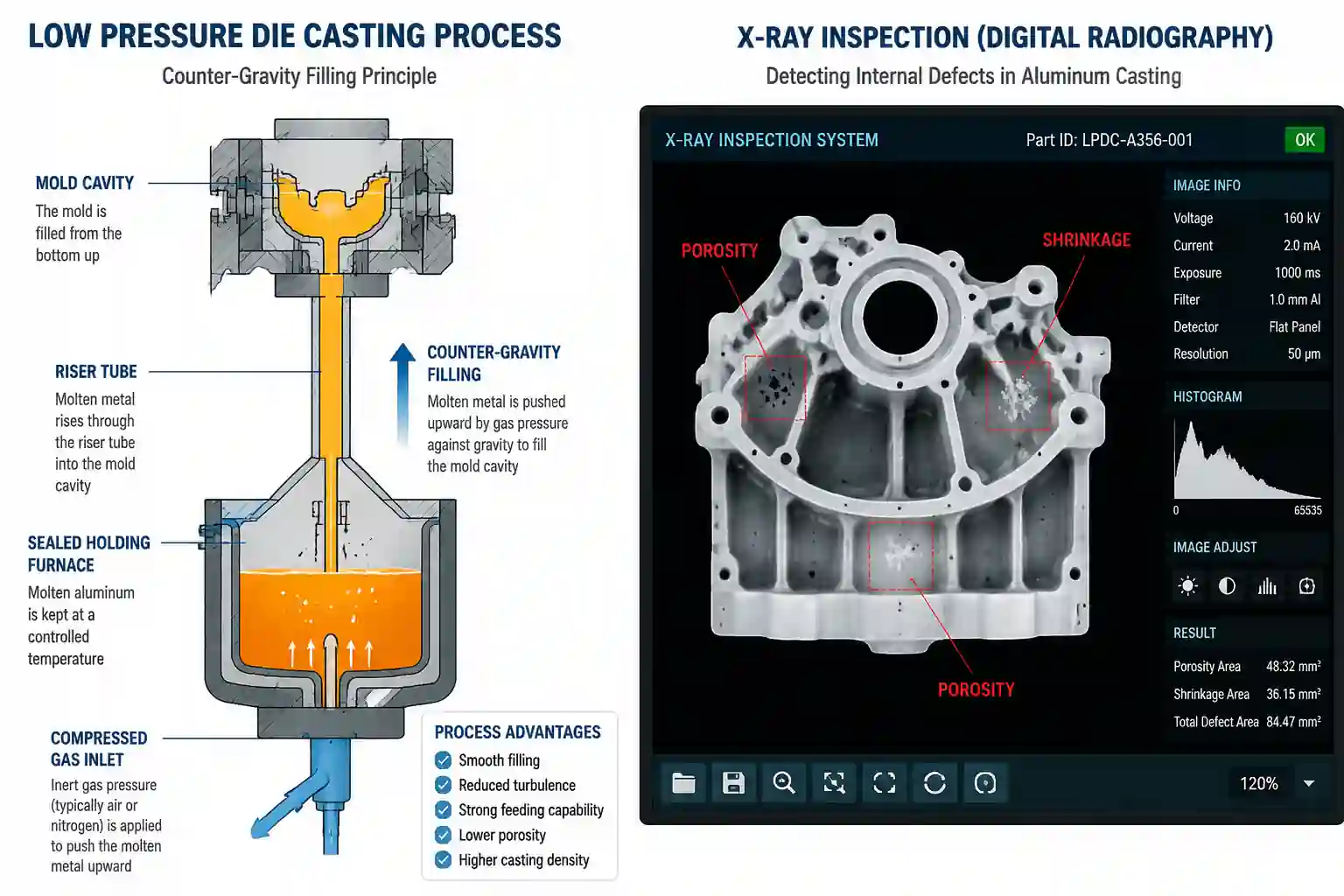



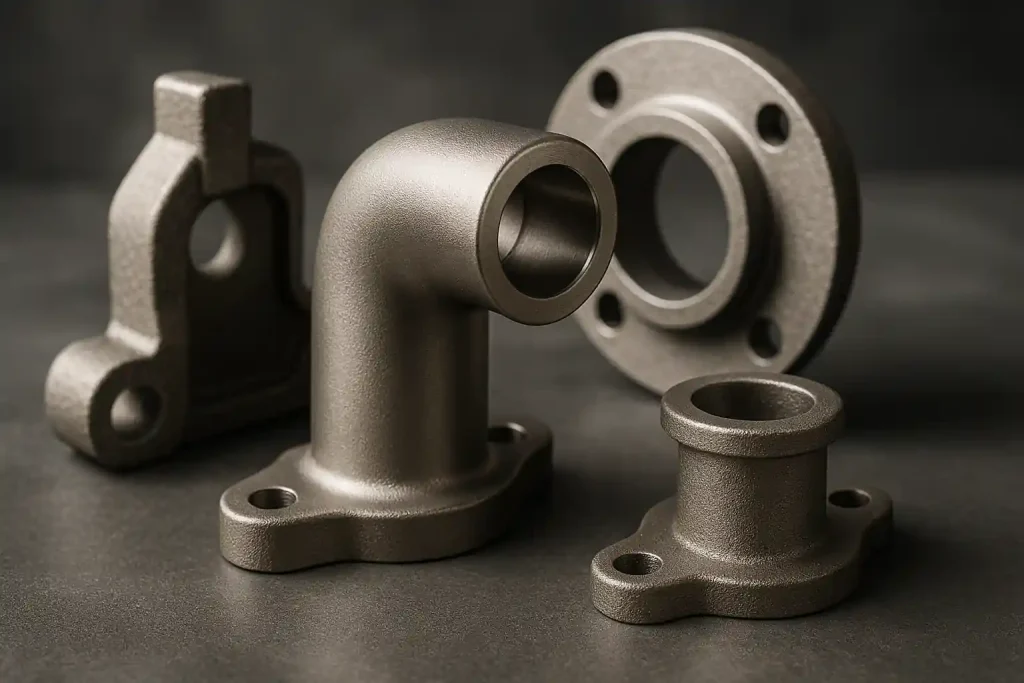
Casting stands as a fundamental pillar of modern manufacturing. This ancient yet versatile process, which involves shaping liquid material by pouring it into a mold, is responsible for creating everything from intricate engine components to durable machine parts. It offers unparalleled design freedom and production efficiency. Understanding the core principles of casting is a crucial skill for engineers and designers alike. This comprehensive guide will walk you through the key aspects of the casting process, from the materials and methods used to essential design considerations.
Main Types of Casting Methods
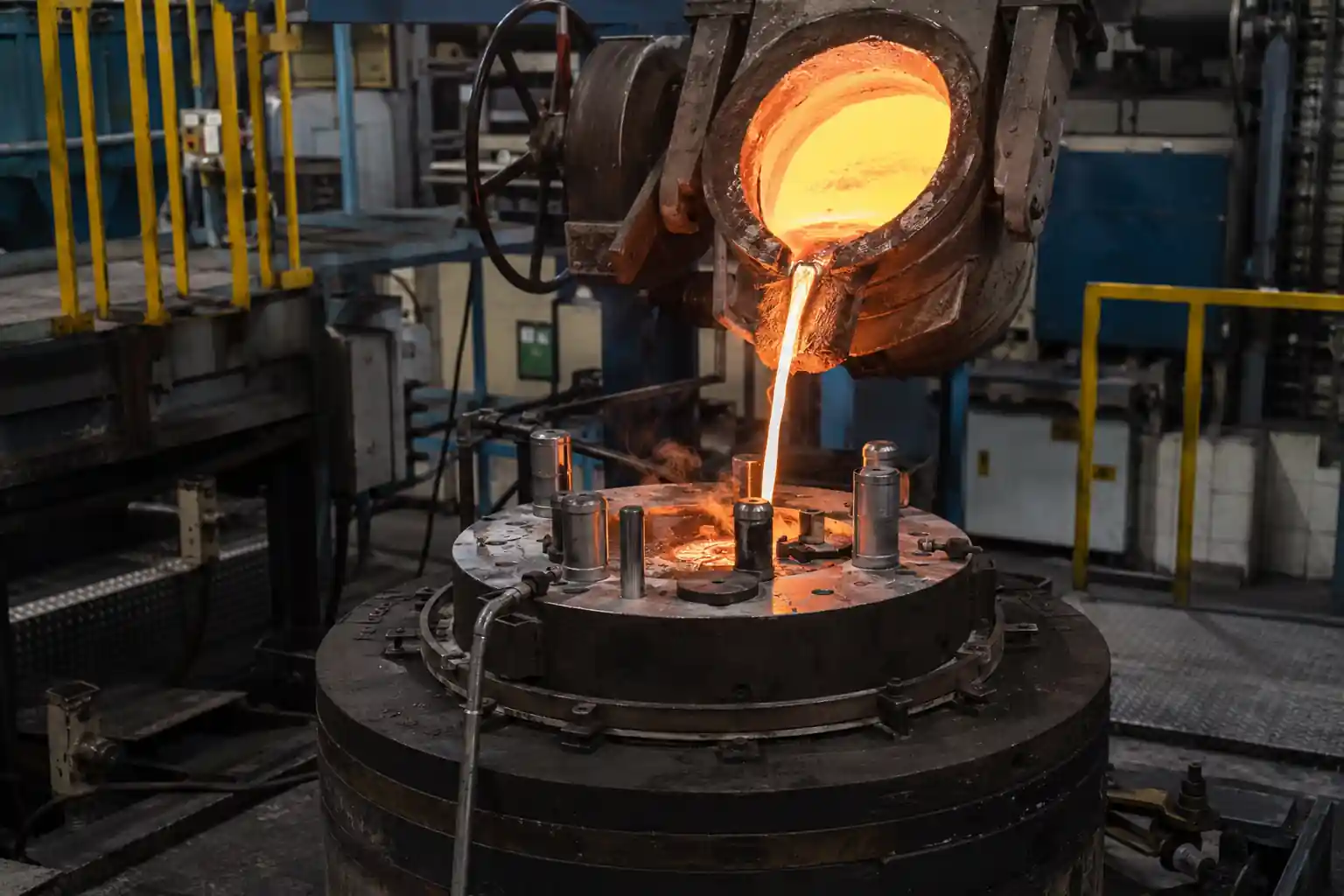
The choice of casting method has a direct impact on tooling cost, production volume, dimensional accuracy, surface finish, and final part quality. Although most casting processes share the same basic principle—pouring molten metal into a mold—the way the mold is made, filled, cooled, and removed can vary significantly.
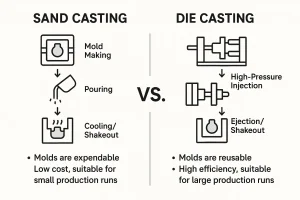
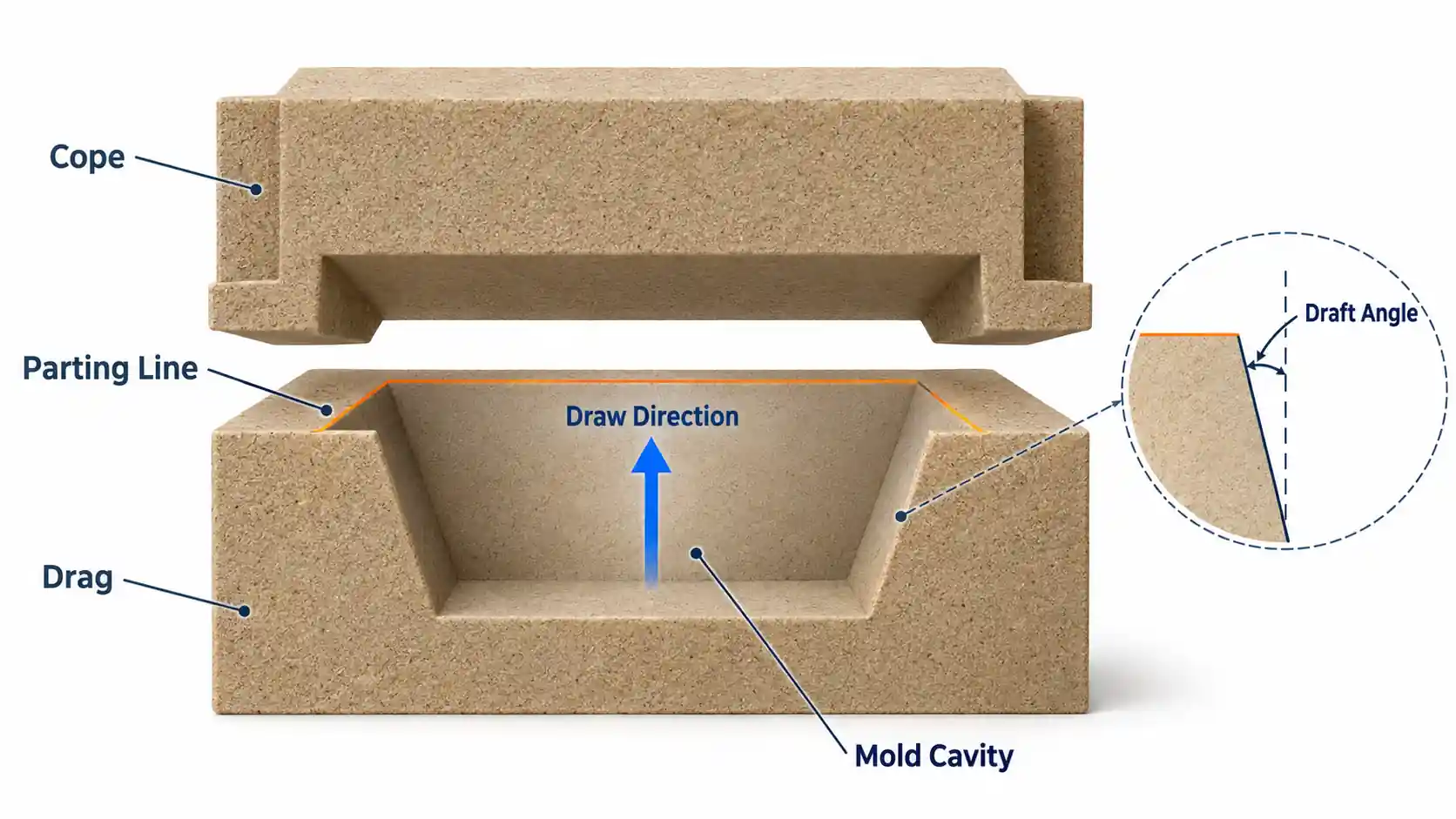
Sand casting is one of the most flexible and widely used methods. It uses a sand-based mold, making it suitable for large parts, complex geometries, lower-volume production, and castings that require relatively low tooling investment. This flexibility is one reason sand casting remains common for pump housings, valve bodies, machine bases, brackets, and other industrial components.
Die casting follows a different production logic. Instead of using a disposable sand mold, it forces molten metal into a reusable steel die under pressure. This makes it more suitable for high-volume production, consistent repeatability, thinner walls, and better surface finish. However, tooling costs are much higher, and the process is usually limited to alloys and part geometries that suit pressure die casting.
Other casting methods are used when a project has more specific requirements. Investment casting is often chosen for complex shapes and finer surface detail. Permanent mold casting can improve repeatability for certain non-ferrous parts. Centrifugal casting is useful for cylindrical components, while continuous casting is mainly used to produce billets, slabs, and other semi-finished metal forms.
In practice, the best casting method depends on part size, alloy selection, annual volume, required tolerance, surface finish, tooling budget, and whether the project prioritizes flexibility or production efficiency.
Common Casting Materials
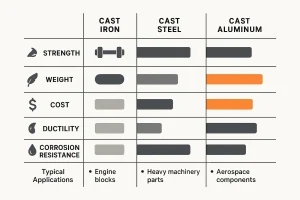
The material you choose has a significant impact on a part’s strength, weight, and overall performance. Each material category offers unique properties that make it suitable for different applications. A popular and durable choice is cast iron, known for its excellent castability and low cost. Within this family, you will find variations like gray iron and ductile iron, each with distinct properties. A common alternative is cast steel, which offers superior toughness and ductility. For a side-by-side comparison, explore our guide on cast iron vs. cast steel.
For lightweight applications where corrosion resistance is a priority, aluminum casting is an ideal solution. When working with this material, it is essential to understand dimensional tolerances and the specific tolerance guide.
Part III: Process and Design Considerations
Material selection affects casting strength, weight, machinability, corrosion resistance, heat resistance, and final part cost. In most industrial casting projects, the material is chosen together with the casting method, because not every alloy performs equally well in every process.
Cast iron is commonly used for parts that require good castability, vibration damping, wear resistance, and cost efficiency. Gray iron is often selected for machine bases, housings, brake components, and counterweights, while ductile iron provides better tensile strength and impact resistance.
Cast steel is used when higher toughness, ductility, or load-bearing performance is required. It is often considered for structural parts, heavy machinery components, and castings exposed to impact, pressure, or dynamic loading.
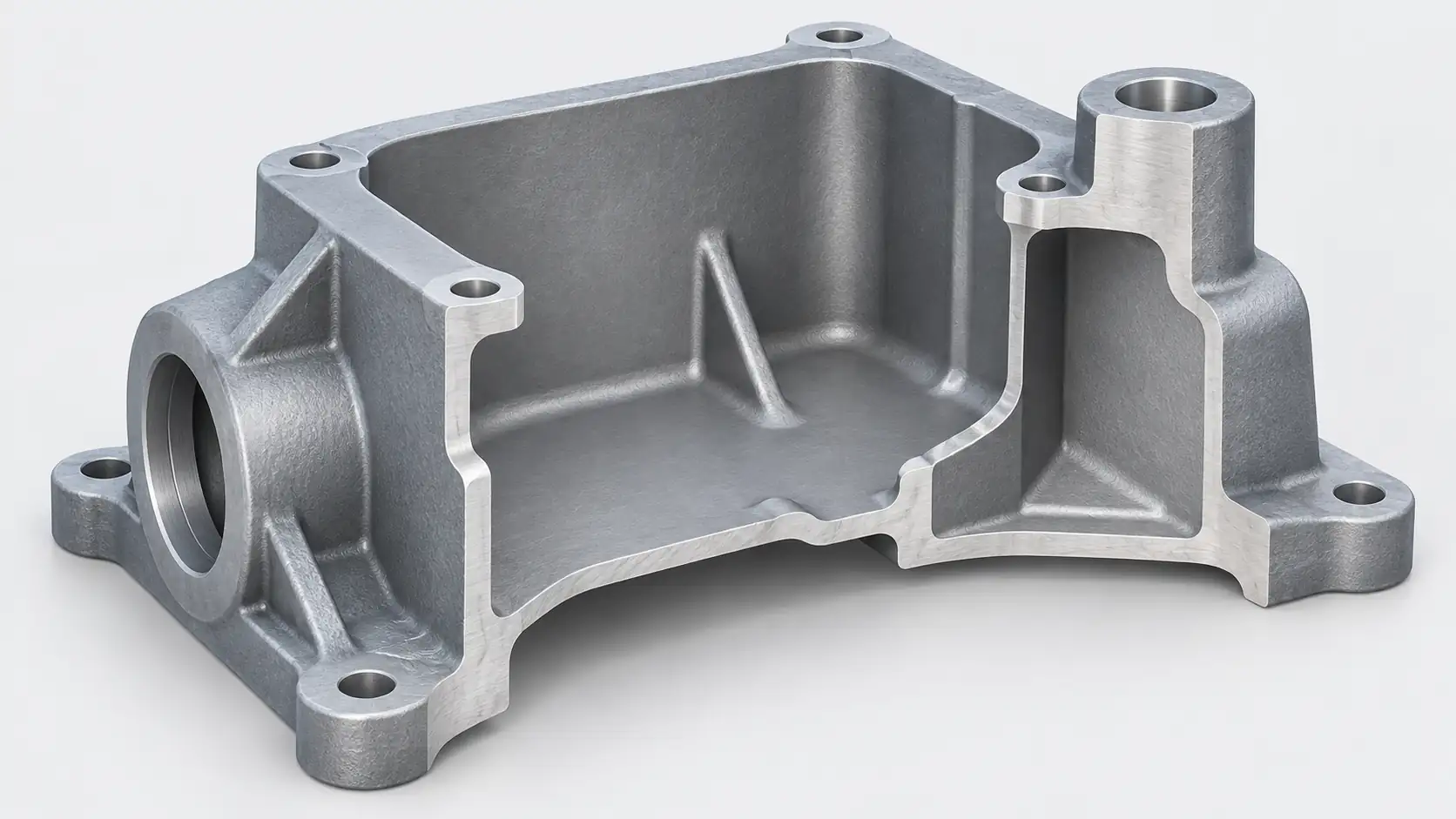
Aluminum casting is preferred when weight reduction and corrosion resistance are important. Aluminum alloys are widely used for housings, brackets, covers, and transportation-related parts where lower density helps reduce the final assembly weight.
In practice, material selection should consider mechanical performance, casting method, machining allowance, heat treatment needs, operating environment, and production cost.
Conclusion
Casting is a powerful manufacturing process that offers immense design freedom and production efficiency. By mastering the fundamentals and understanding the nuances of different methods, materials, and process details, you can successfully bring complex designs to life. Use this guide as your starting point to explore our full library of casting knowledge and find the information you need.