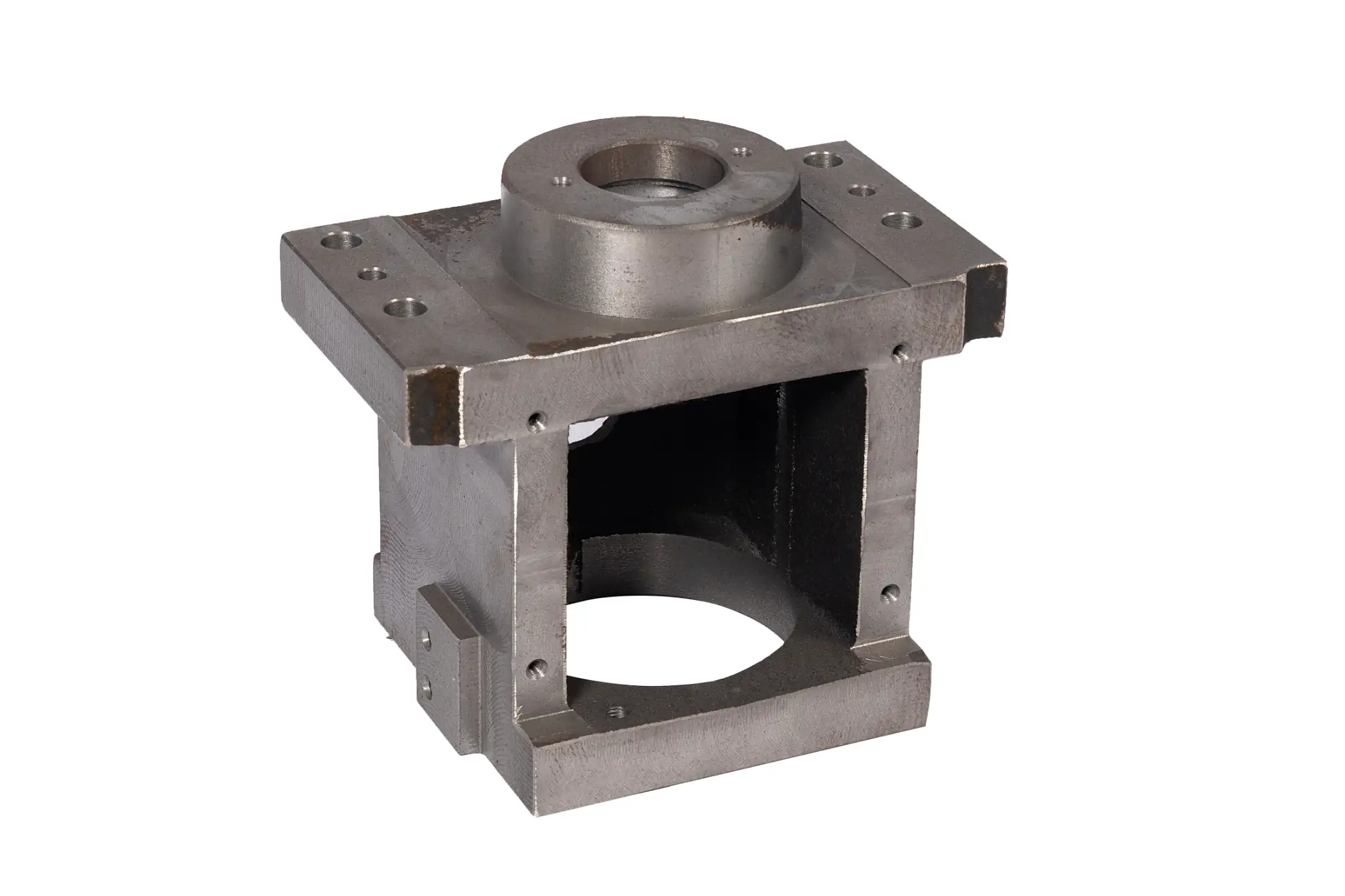



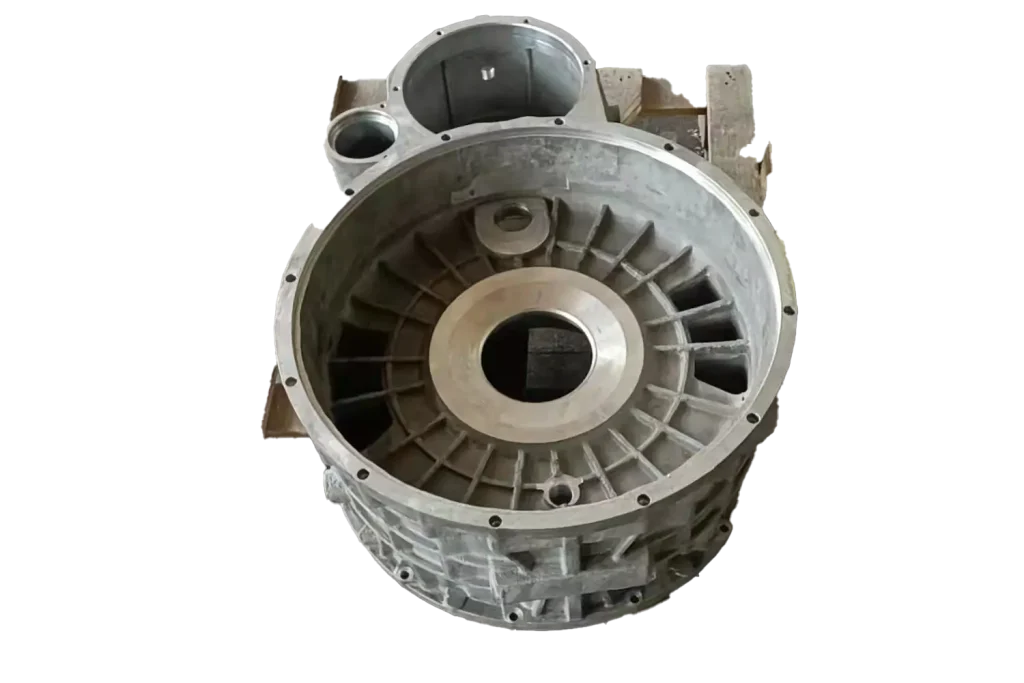
When searching for precision component manufacturing solutions, businesses often face a trade-off between cost and performance. Gravity Die Casting (GDC) has become the preferred process for small to medium-scale production due to its exceptional dimensional accuracy and outstanding physical properties. This article will delve into the principles of gravity die casting and its unique advantages in small-batch, high-precision production, helping you optimize your production strategy and enhance product competitiveness.
What is Gravity Die Casting?
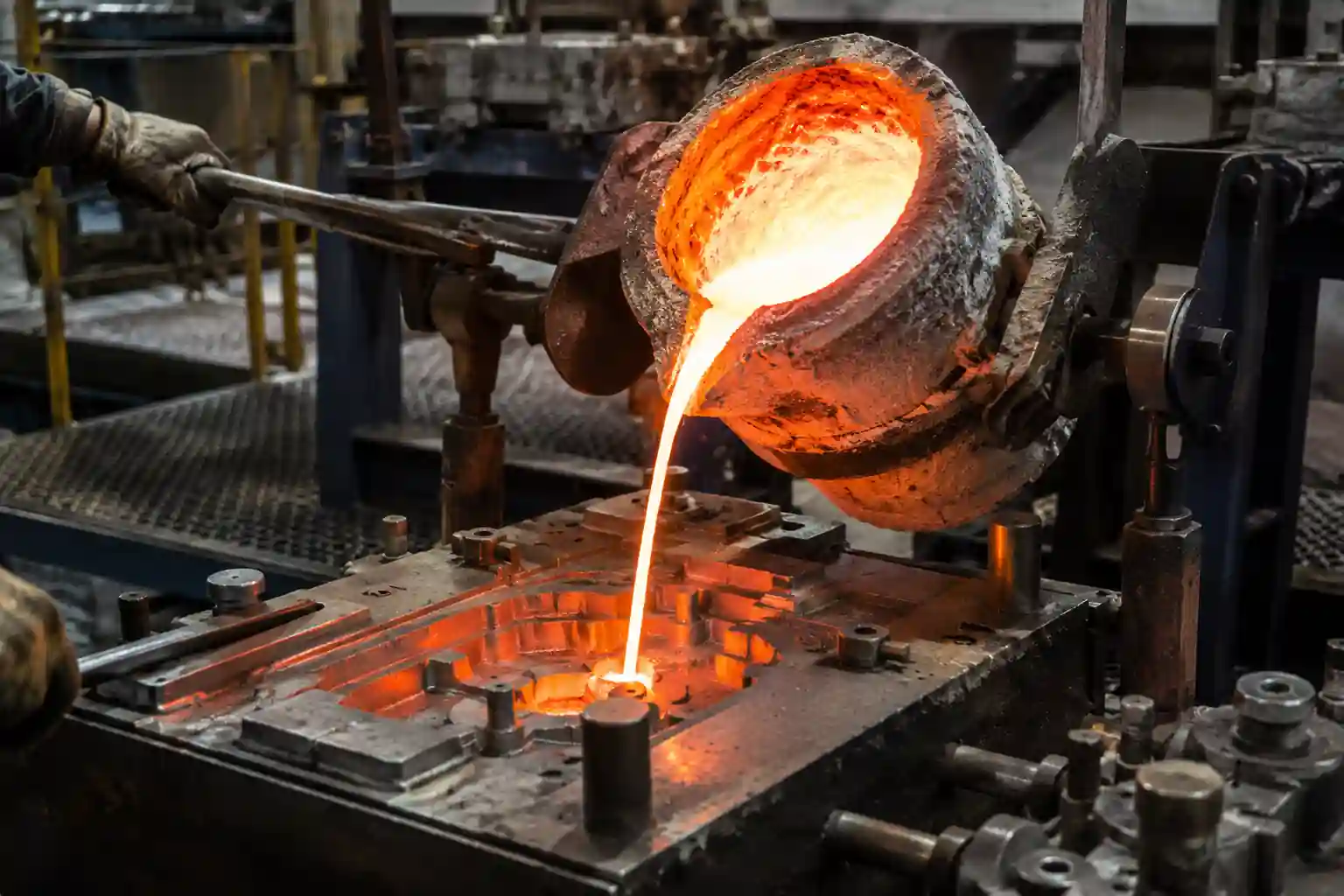
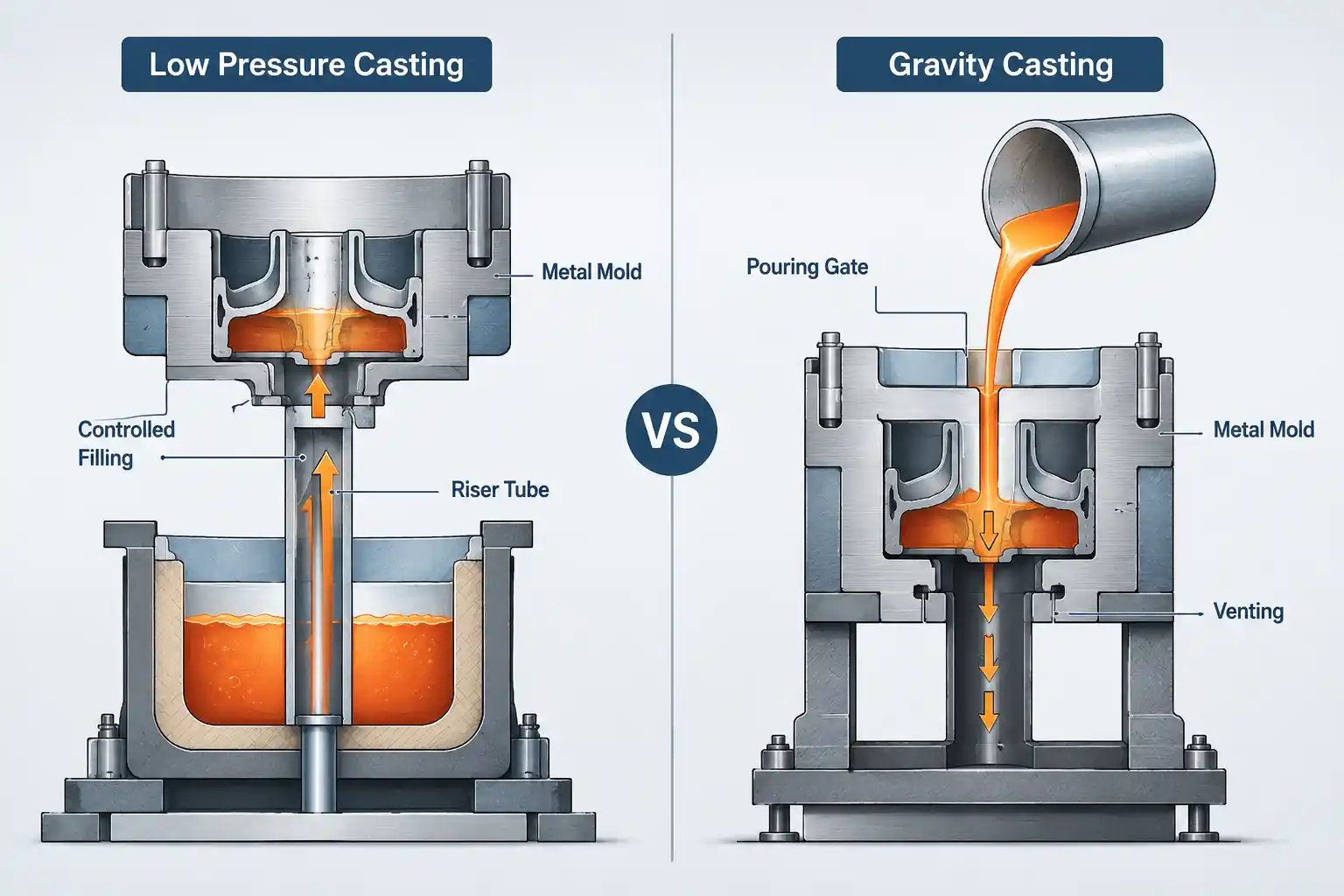
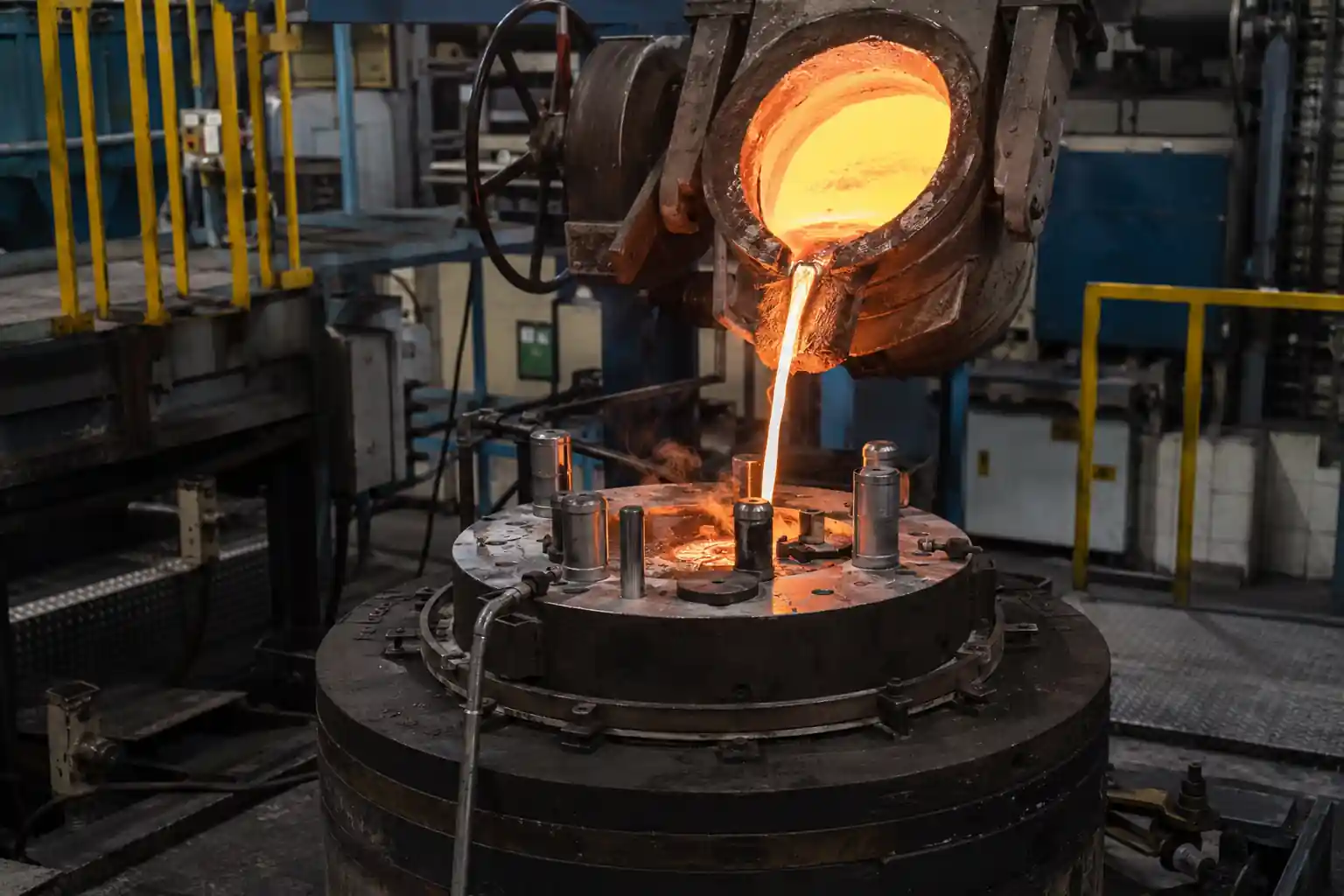
Gravity Die Casting (GDC), often referred to as permanent mold casting in industrial contexts, is a process where molten metal is poured into a mold—typically made of heat-resistant steel or cast iron—and allowed to solidify under the natural force of earth’s gravity.
Unlike high-pressure die casting (HPDC), gravity die casting does not rely on external pressure to fill the mold; instead, it utilizes the weight of the liquid metal itself. This process is highly common in the manufacturing of non-ferrous metal parts, such as those made of aluminum, magnesium, and copper alloys.
The Principle of Gravity Die Casting
The process of gravity die casting is essentially a physical journey of filling and phase transformation. By utilizing natural gravity, it ensures that the molten metal fills the mold cavity steadily and orderly, reducing instabilities caused by human or mechanical high-pressure intervention. The core steps are as follows:
Mold Preparation
The metal mold is preheated to a specific temperature and coated with a release agent (die spray). Preheating prevents the metal from cooling too quickly, which could lead to incomplete filling, while the coating protects the mold and facilitates part removal.
Pouring and Filling
A technician or a robotic arm pours the molten metal into the gating system. The metal fills the cavity relying entirely on its own static pressure. Due to the high thermal conductivity of the metal mold, the liquid metal cools rapidly from the outside in, forming a fine-grained crystalline structure.
Mold Opening and Ejection
Once the metal has fully solidified and reached sufficient strength, the mold is opened, and the casting is removed via an ejection system.
Challenges of Small-Batch, High-Precision Production
In the manufacturing of components, pursuing small quantities and high precision simultaneously often presents practical operational difficulties. Manufacturers usually encounter three levels of obstacles regarding cost control and quality stability:
Production Costs
For traditional pressure die casting, the investment in a single set of molds is immense. If the order volume is only a few hundred pieces, the mold cost amortized over each part becomes prohibitively high, causing the unit price to lose market competitiveness.
Dimensional Control
In non-continuous small-batch production, it is difficult for the mold’s temperature field to reach thermal equilibrium. Since metals expand and contract significantly with temperature, fluctuations in mold temperature can directly cause dimensional variances across different batches.
Internal Defects
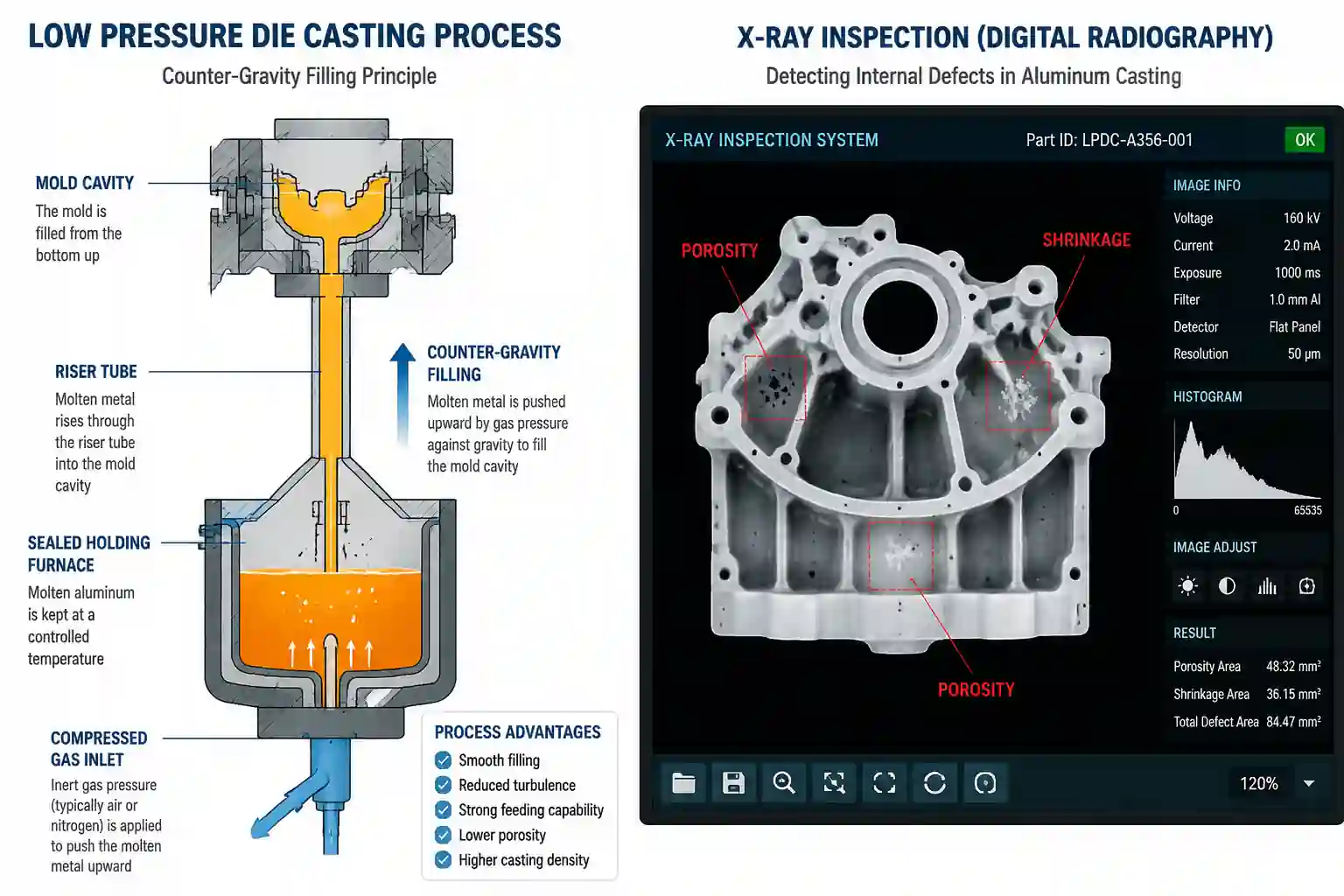
High precision refers not only to external dimensions but also to the density of the internal structure. Small-batch production often means there is insufficient opportunity to optimize the gating system through extensive trial and error, making parts prone to shrinkage or porosity.
Is Gravity Die Casting Suitable for Small-Batch and High-Precision Production?
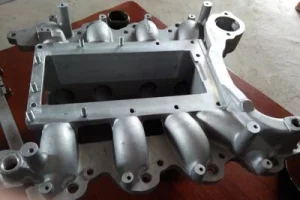
Gravity die casting is recognized as the ideal solution for small-batch, high-requirement production tasks. When facing orders of several thousand units or fewer, it provides highly competitive comprehensive benefits for high-precision parts through extremely low mold amortization costs, excellent internal structural density, and precise dimensional control.
Why Gravity Die Casting Fits Small-Batch High-Precision Production
This process excels in specific production environments because it finds an ideal balance between technical characteristics and investment costs. The following four dimensions clarify its advantages:
Investment Threshold
Compared to the expensive high-strength molds and massive machinery required for pressure die casting, gravity die casting molds have a simpler structure and lower equipment investment. This ensures that the comprehensive cost per unit remains within a reasonable range even for small-scale orders.
Heat Treatment Capability
Because the filling process is smooth and steady, very little gas is trapped. Consequently, gravity-cast parts can undergo T6 heat treatment (quenching and artificial aging). Heat treatment significantly improves the strength and dimensional stability of the part, ensuring that precision does not degrade over long-term use.
Structural Flexibility
Gravity die casting can be used with sand cores or ceramic cores, allowing for the creation of extremely complex internal cavities, such as engine cylinder heads or water-cooling housings. This flexibility enables it to handle high-tech, high-value-added custom small-batch orders.
Machining Allowance
The surface quality of gravity die casting is superior to sand casting, and its internal structure is dense. During secondary CNC precision machining, it is unlikely to encounter internal porosity that would result in a scrapped part. This high “yield rate” is a fundamental safeguard for high-precision production.
Conclusion
Gravity die casting is the ideal choice for small-batch, high-precision production. It successfully avoids the exorbitant tooling costs of pressure die casting while overcoming the weaknesses of low precision and loose structures found in sand casting. For precision parts that demand high-performance internal structures and complex geometries—with annual volumes ranging from hundreds to a few thousand units—gravity die casting is undoubtedly the most economical and technically sound process.
Minghe Casting provides comprehensive gravity casting services, from initial design evaluation to final casting delivery, helping customers obtain metal parts with stable dimensions and reliable performance. With an experienced engineering team and mature casting processes, Minghe Casting supports small-batch and high-precision production needs for aluminum alloys, copper alloys, and other non-ferrous metals. Our continued focus on process details, quality control, and project delivery makes us a reliable manufacturing partner for your gravity casting projects.