


When a casting project moves into the procurement phase, selecting the right supplier is critical to supply chain success. Casting typically involves multiple manufacturing steps—including process selection, tooling development, production validation, and secondary machining. Because of this complexity, choosing a supplier solely based on the lowest initial quote often overlooks hidden quality risks, process deviations, or delivery delays, ultimately driving up total project costs.
For procurement and engineering teams, evaluating a supplier requires looking beyond piece-part pricing and company scale. It requires verifying whether their technical capabilities, production infrastructure, and project management approach truly match the actual requirements of your project.
Industry Experience and Project Background
When evaluating a foundry, years in business provide very little insight into operational competence unless those years are directly tied to relevant application sectors. A supplier may have decades of experience producing simple parts, yet lack the metallurgical control required for complex or high-integrity components.
Enterprise operating history can serve as a baseline reference, but the most important indicator is whether the supplier has produced similar parts before. Procurement teams should verify if the foundry has experience manufacturing components with comparable geometries, materials, or application environments. Suppliers with relevant experience understand product requirements faster and proactively identify manufacturing challenges before they cause delays.
Casting Process Capability
A suitable casting solution depends heavily on product geometry, material specifications, and production volume.
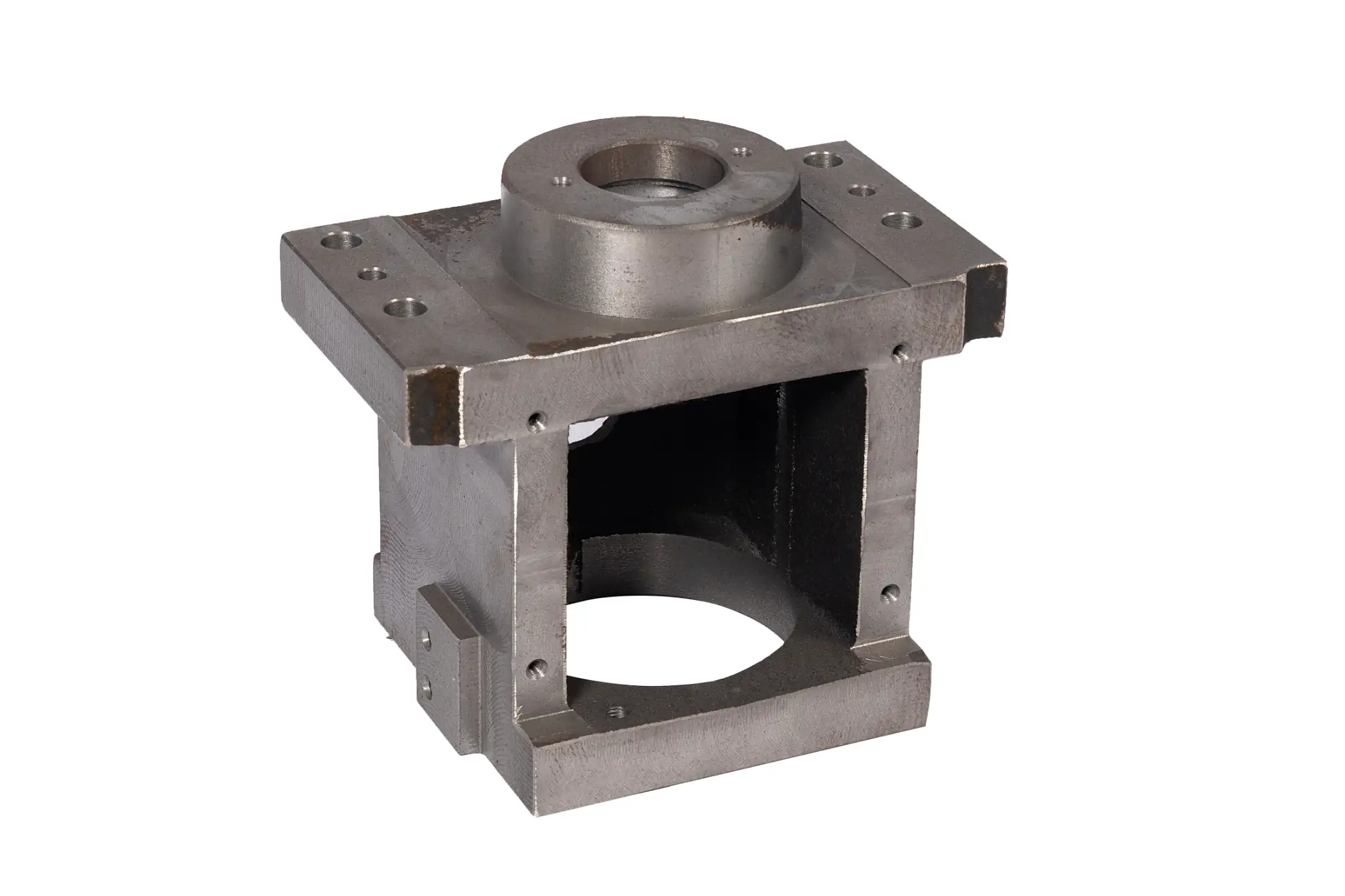
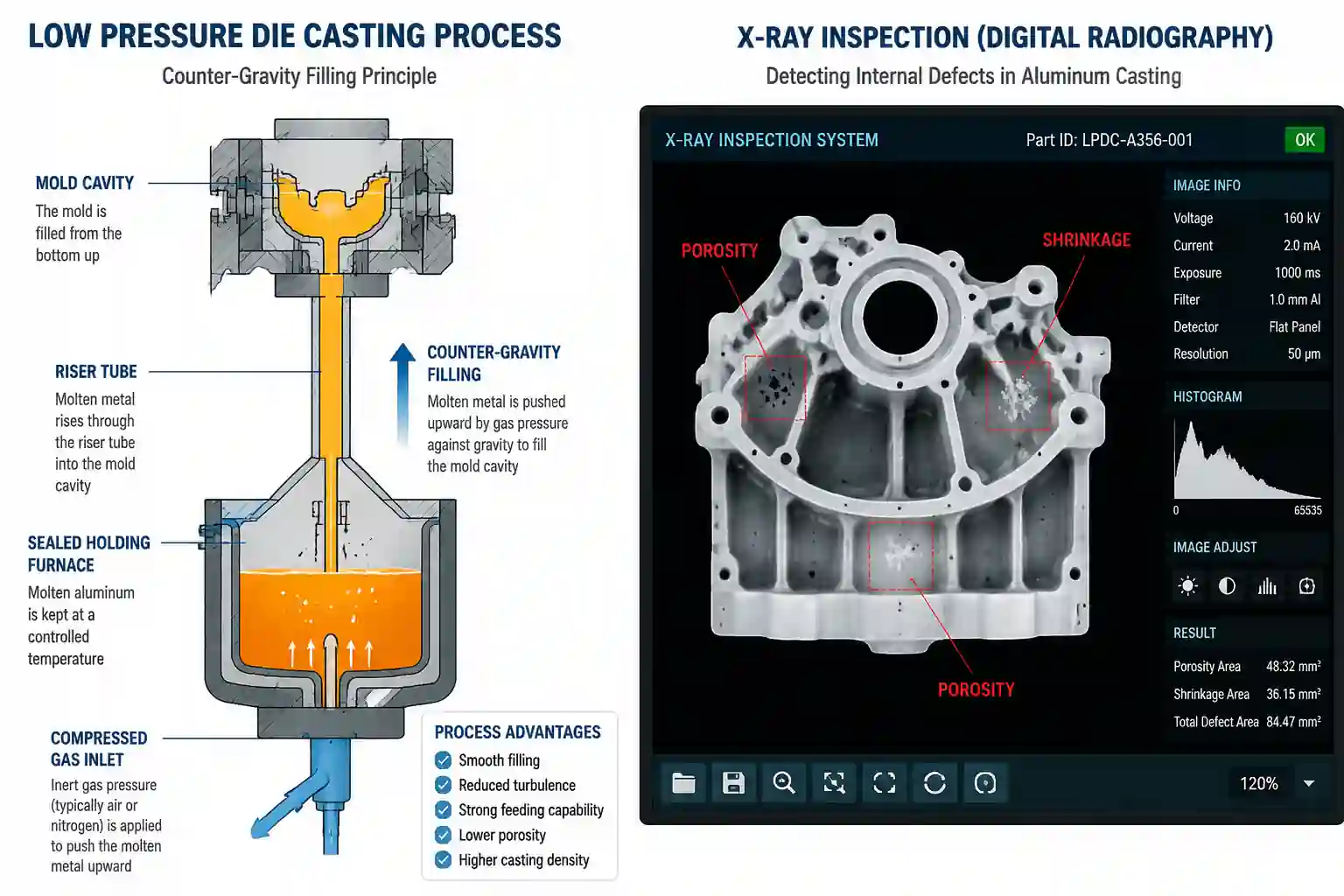
Different parts require different manufacturing routes. A reliable supplier will not simply push their preferred production method; instead, they will evaluate your drawings and recommend the most suitable casting process—whether that is sand casting for complex internal cavities or high-pressure die casting for high-volume, thin-walled components. Choosing the wrong process can lead to increased costs, inadequate mechanical performance, or difficult secondary machining.
Manufacturing Equipment and Production Capacity
Consistent production output and short lead times rely entirely on robust manufacturing infrastructure.
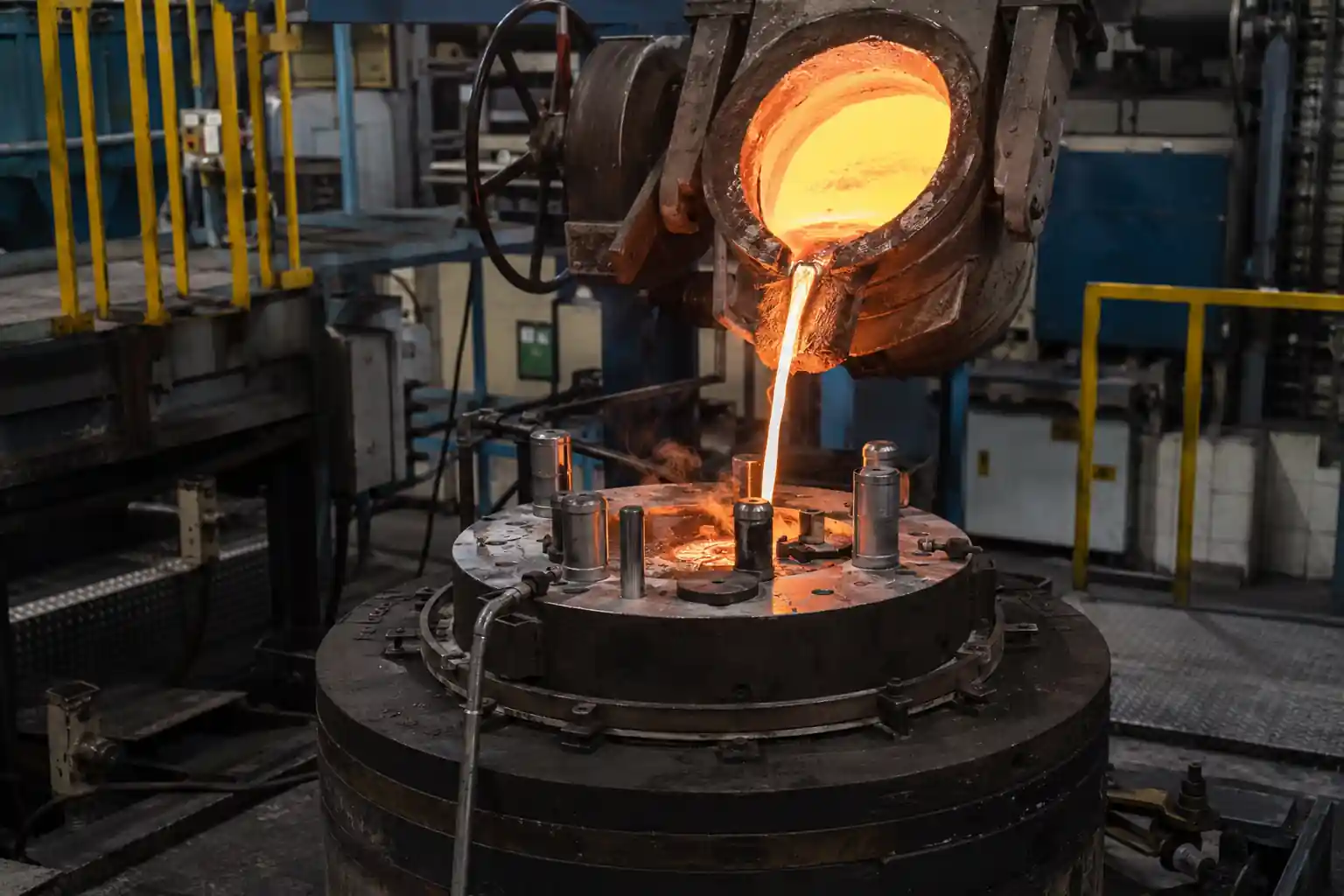
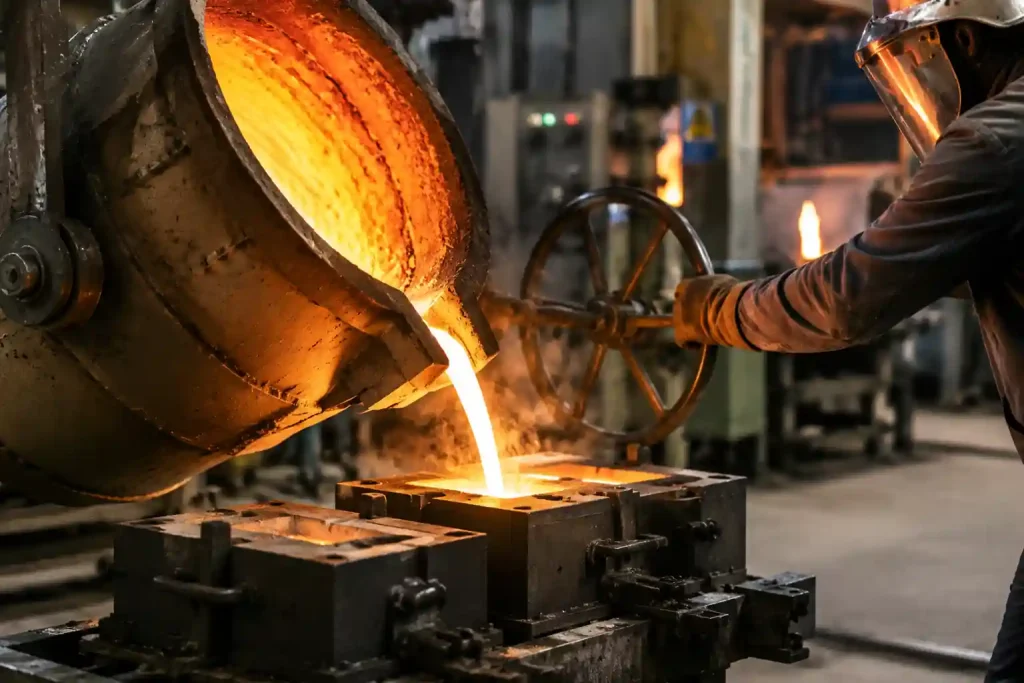
When evaluating a supplier, procurement teams need to check whether their core equipment matches project specifications and supports future volume production. From induction melting furnaces with precise digital temperature control to automated core-making systems, equipment stability directly determines product consistency across large production runs. Furthermore, in-house capabilities such as heat treatment or CNC machining reduce transit delays and minimize tolerance accumulation between production stages.
Quality Control Process and Inspection Capability
Metal casting quality cannot be guaranteed through final visual inspection alone. A mature supplier must maintain a systematic quality control process throughout production.
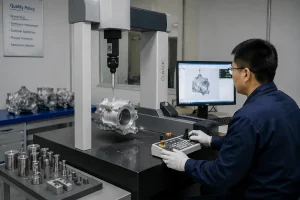
Buyers should examine how the supplier manages quality, from raw material spectrum analysis and melting temperature records to heat treatment hardness testing. For components with tight tolerances or strict structural requirements, verifying whether the supplier offers CMM dimensional inspection and non-destructive testing (NDT) is essential. A structured inspection process helps catch potential issues before parts move to the next manufacturing stage, protecting product consistency.
Certifications and Compliance Requirements
Industry quality certifications serve as a baseline to filter out suppliers whose management systems do not meet professional standards. Certifications like ISO 9001 or IATF 16949 help procurement teams quickly narrow down qualified factories and reduce screening time.
However, a certificate alone does not replace the verification of actual manufacturing capabilities. Buyers should verify the validity and scope of the certificate, and assess how those quality management principles are actually applied on the shop floor. Evaluating environmental compliance also helps mitigate regulatory or shutdown risks.
Communication Efficiency and Project Management
Custom casting projects often span several months and involve ongoing technical reviews and engineering changes. In daily collaboration, a supplier’s responsiveness and communication efficiency directly impact project progress.
If a supplier struggles to maintain clear communication during busy periods or fails to flag technical deviations early, project schedules and quality are put at risk. Smooth technical dialogue, transparent progress updates, and professional engineering support are vital indicators of a strong long-term manufacturing partner.
Price and Total Project Cost
Focusing solely on the lowest initial piece-part price is a common pitfall in industrial sourcing. Low quotes often mask compromises in raw material quality, process monitoring, or inspection protocols.
When comparing supplier quotations, procurement teams must evaluate total cost of ownership—factoring in tooling investments, secondary machining, inspection fees, and delivery reliability. Prioritizing suppliers with transparent pricing structures and predictable delivery performance ensures that components arrive on schedule, within tolerance, and ready for immediate integration.
Questions to Ask During the RFQ Stage
Before launching official technical discussions and quotation reviews, procurement teams should confirm the following key points:
- Does the supplier possess the relevant process capability? Confirm whether they truly master the target casting method and have experience with similar parts.
- Does your project prioritize lowest cost or long-term quality stability? Understand the supplier’s pricing logic and balance cost, quality, and delivery requirements.
- Is the supplier equipped for low-volume or high-volume production? Ensure their capacity, equipment, and production methods match your order scale.
- Does the supplier hold necessary certifications? Verify that their quality systems and industry accreditations align with project requirements.
- Do past project examples demonstrate reliable performance? Review historical case studies to check if the supplier has handled similar products and avoided chronic quality or delivery issues.
- Is communication and response prompt? Confirm their technical support and project follow-up capabilities.
Conclusion
Selecting a casting supplier is a strategic decision that directly influences product reliability and supply chain stability. By systematically assessing industry experience, process matching, production equipment, quality control procedures, compliance, communication, and total project cost, procurement and engineering teams can secure a reliable, long-term manufacturing partner.