What Is Low Carbon Steel? Properties, Grades, and Uses Explained
Low carbon steel is widely used in casting, structural fabrication, and general engineering thanks to its low cost, good ductility,…


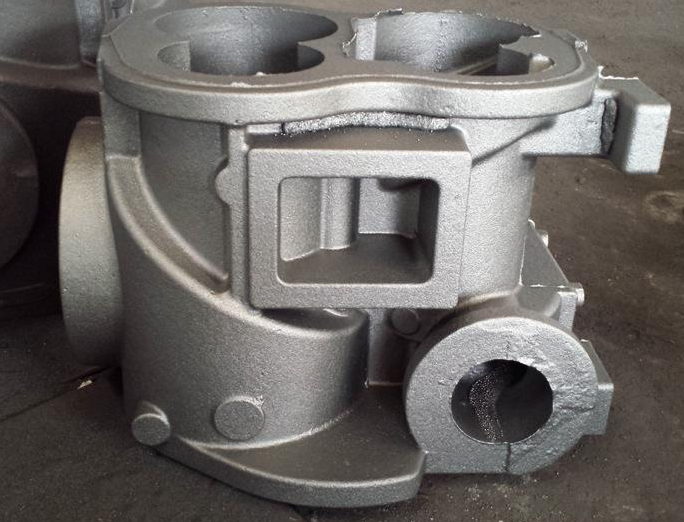
Low carbon steel is widely used in casting, structural fabrication, and general engineering thanks to its low cost, good ductility,…
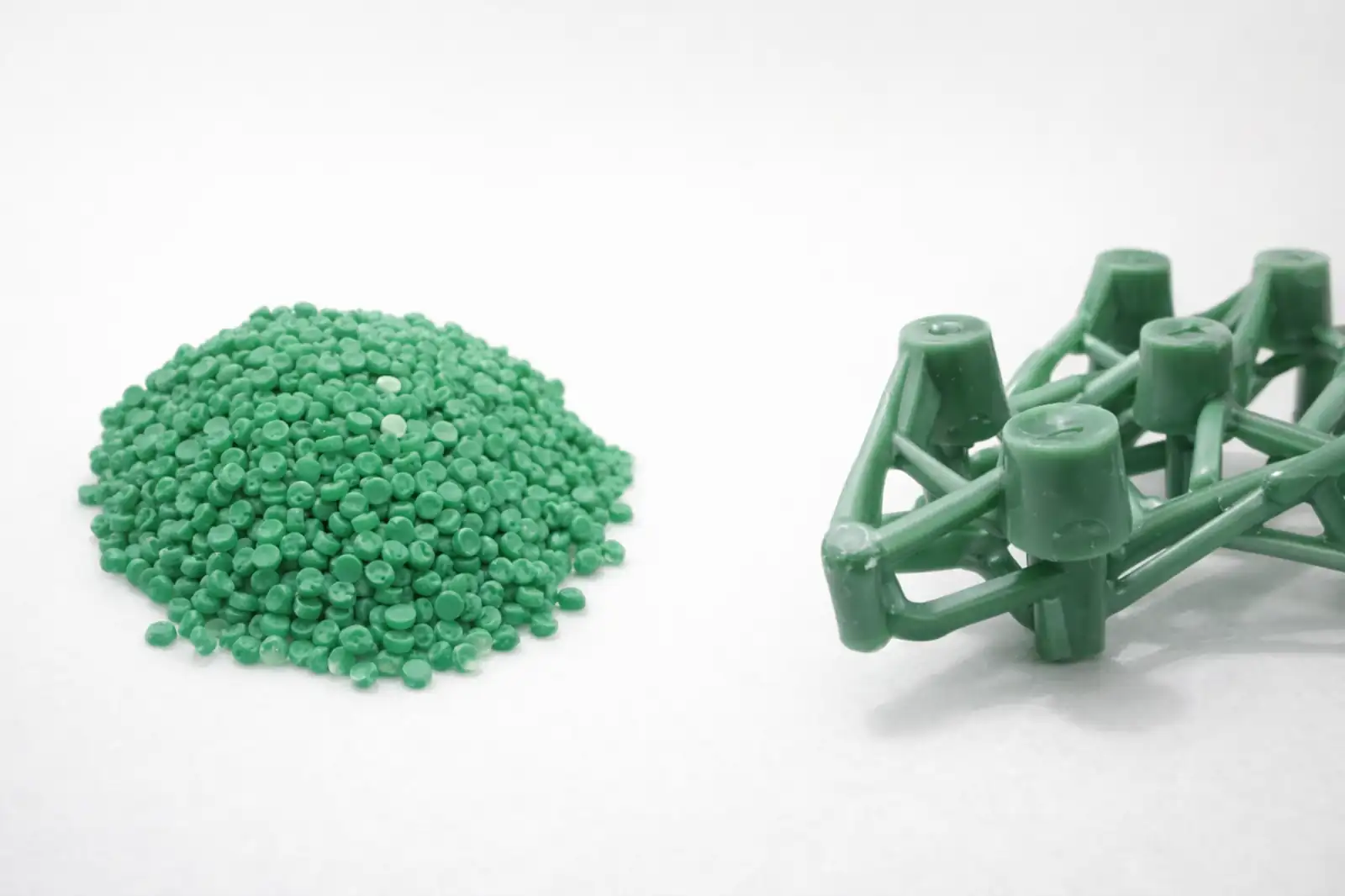
This article introduces the common wax types used in investment casting (lost-wax casting)—filled wax, unfilled wax, water-soluble wax, and auxiliary…
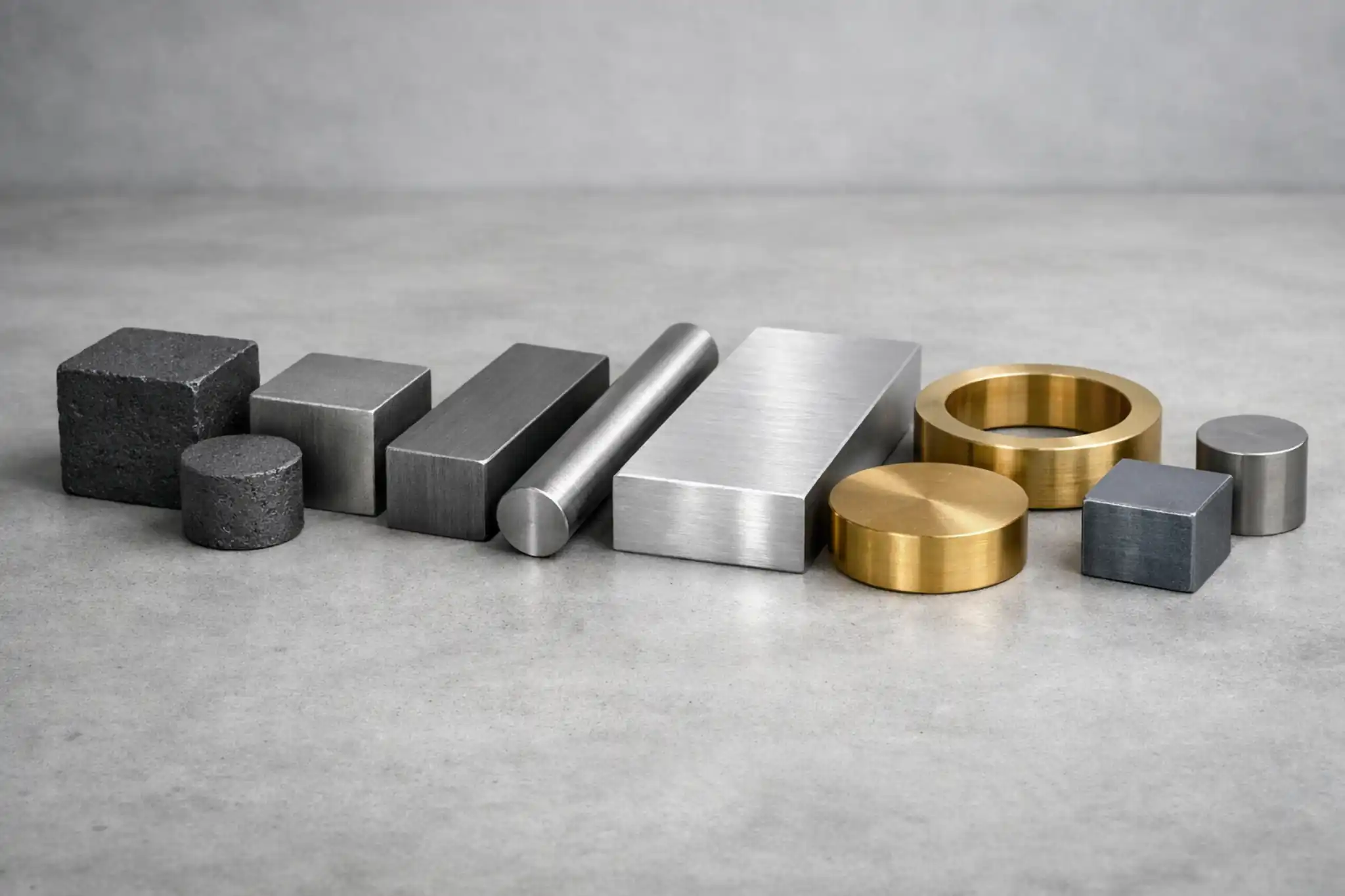
Metal strength describes how much load a material can withstand in tension, compression, or impact without permanent deformation or fracture.…
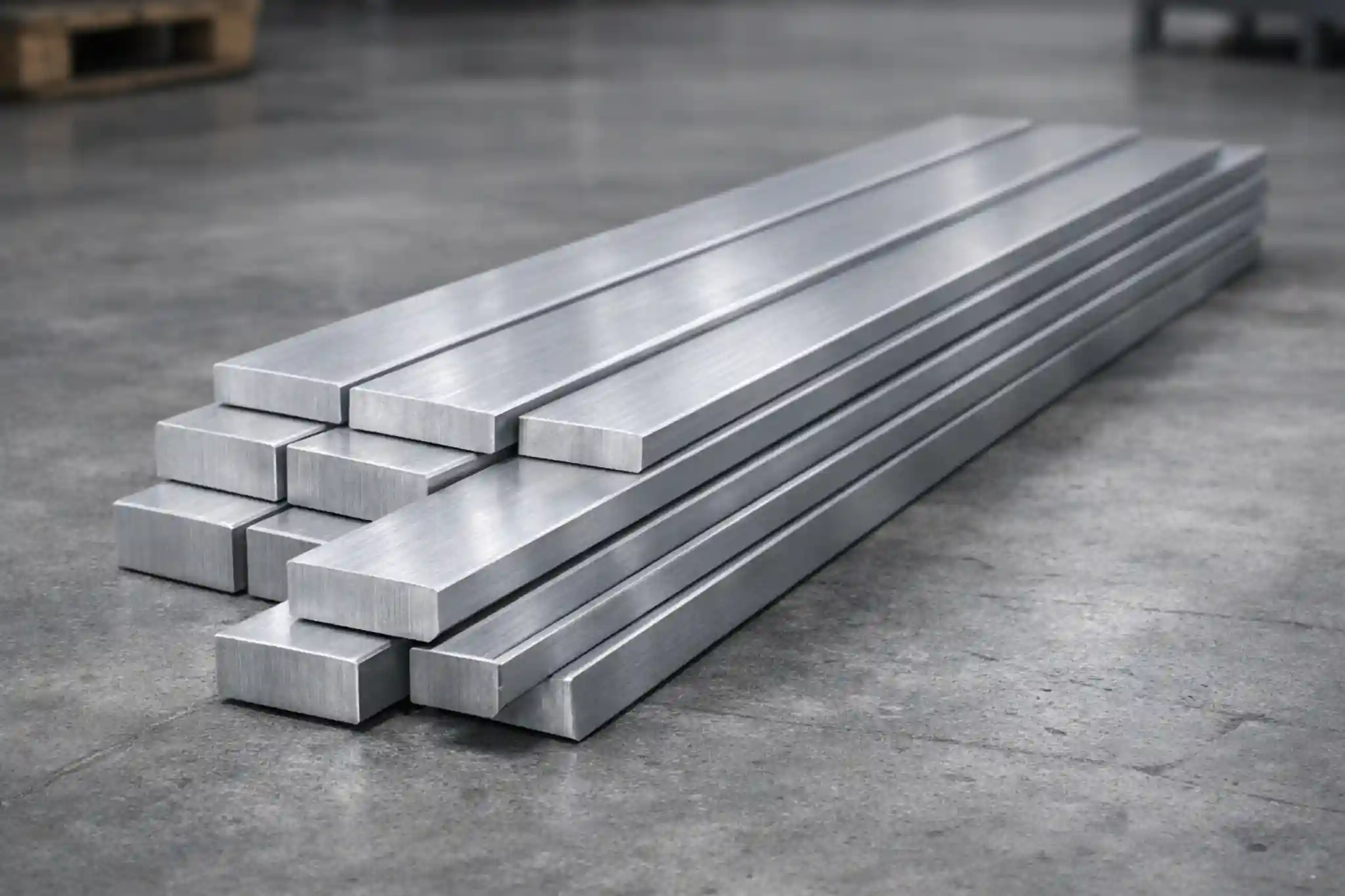
Light metals are characterized by low density and high specific strength, making them key materials for structural weight reduction and…
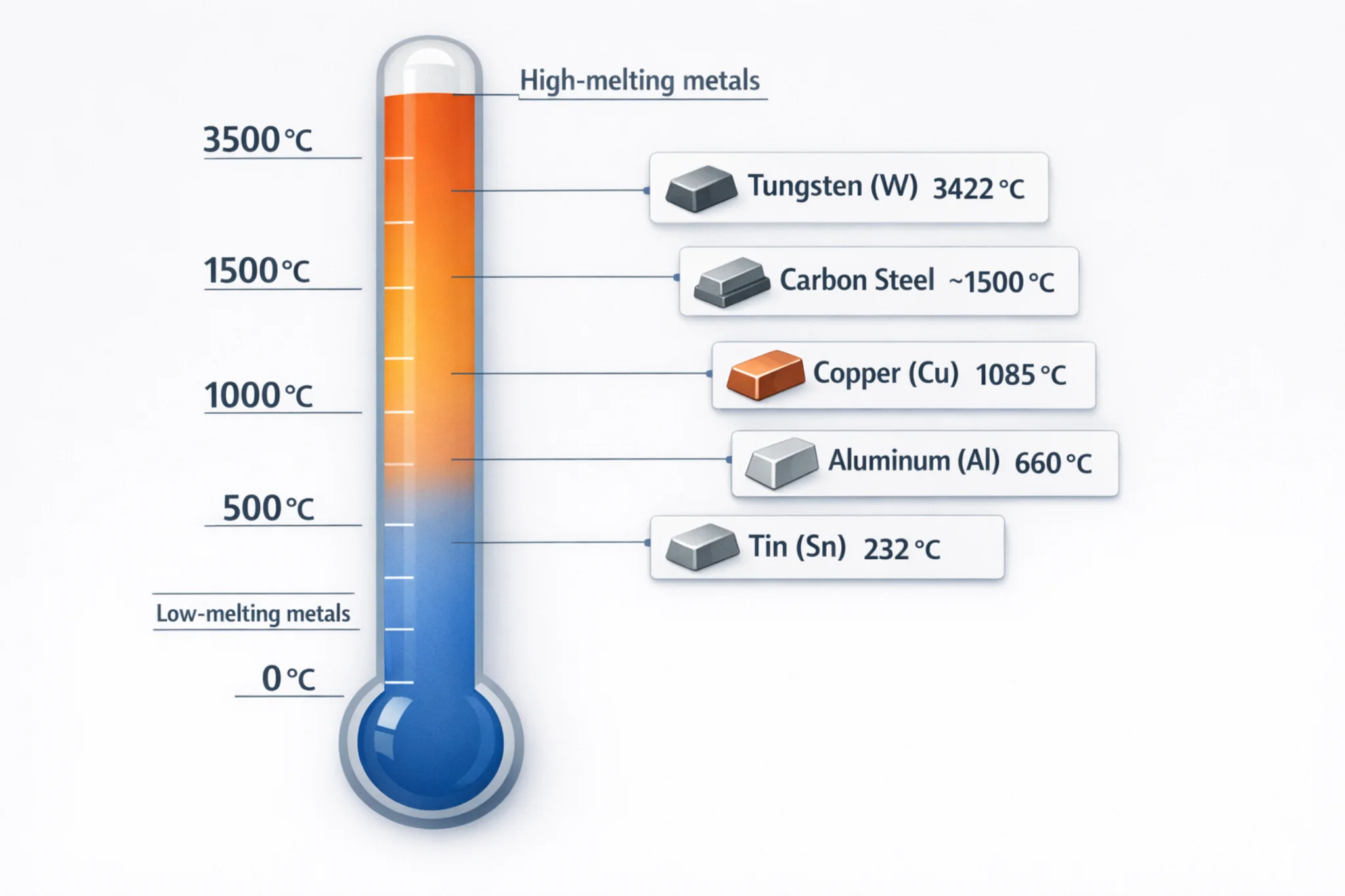
This guide summarizes critical melting point data for the most widely used metals and alloys in industrial manufacturing. The melting…
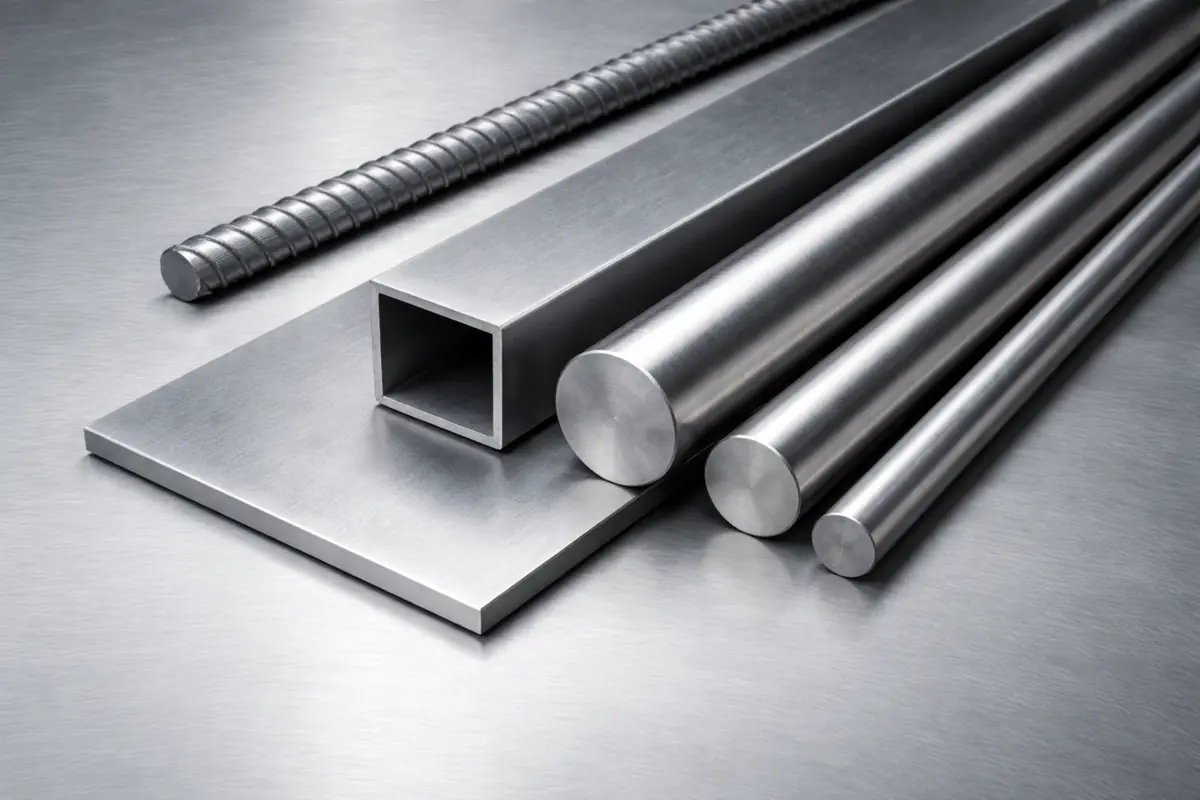
Ferrous metals are iron-based alloys that form the structural backbone of modern industry, from construction steel and automotive components to…
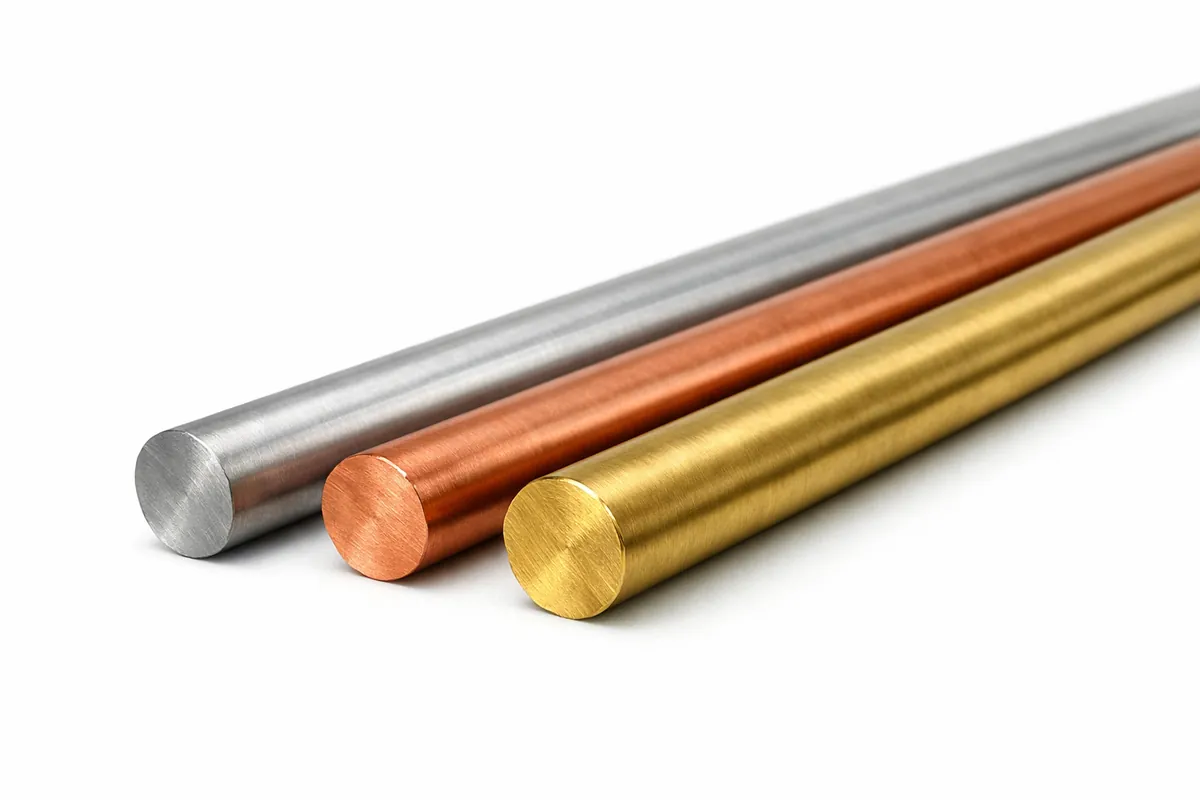
Non-ferrous metals are metals and alloys that are not primarily iron-based. This article explains the key properties of common non-ferrous…
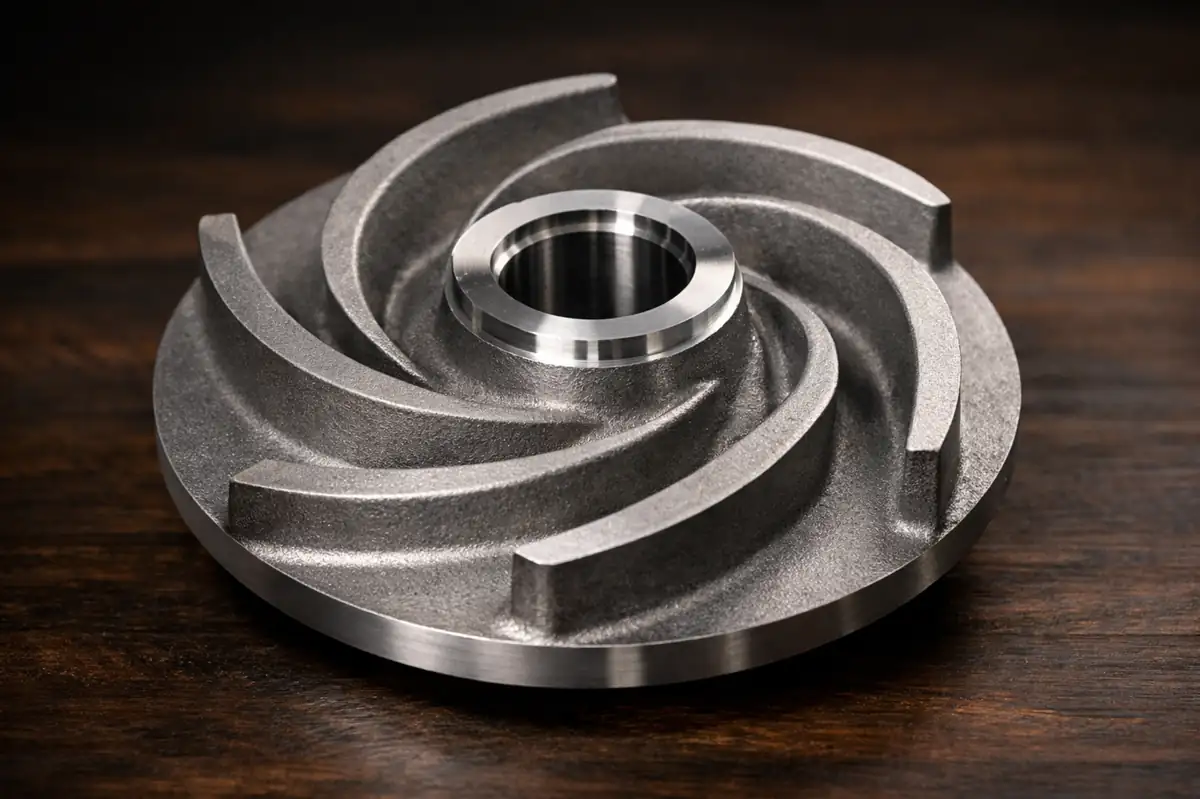
A concise guide to 410 Stainless Steel (CA15 Casting) properties, heat treatment, and applications. This article compares 410 with 304/316…
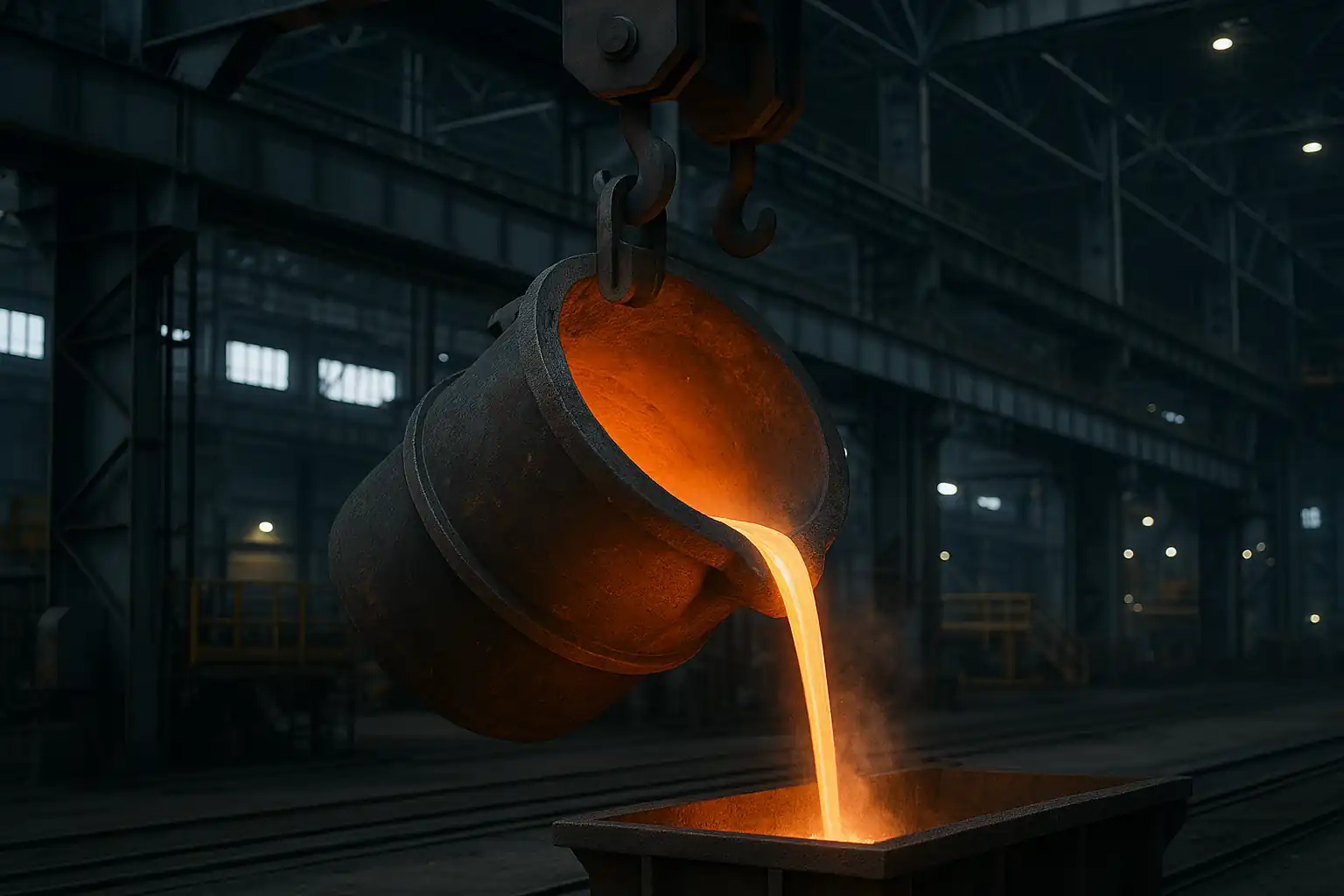
Steel is produced through primary steelmaking, secondary refining, and casting, which together determine its composition, cleanliness, and final properties. This…
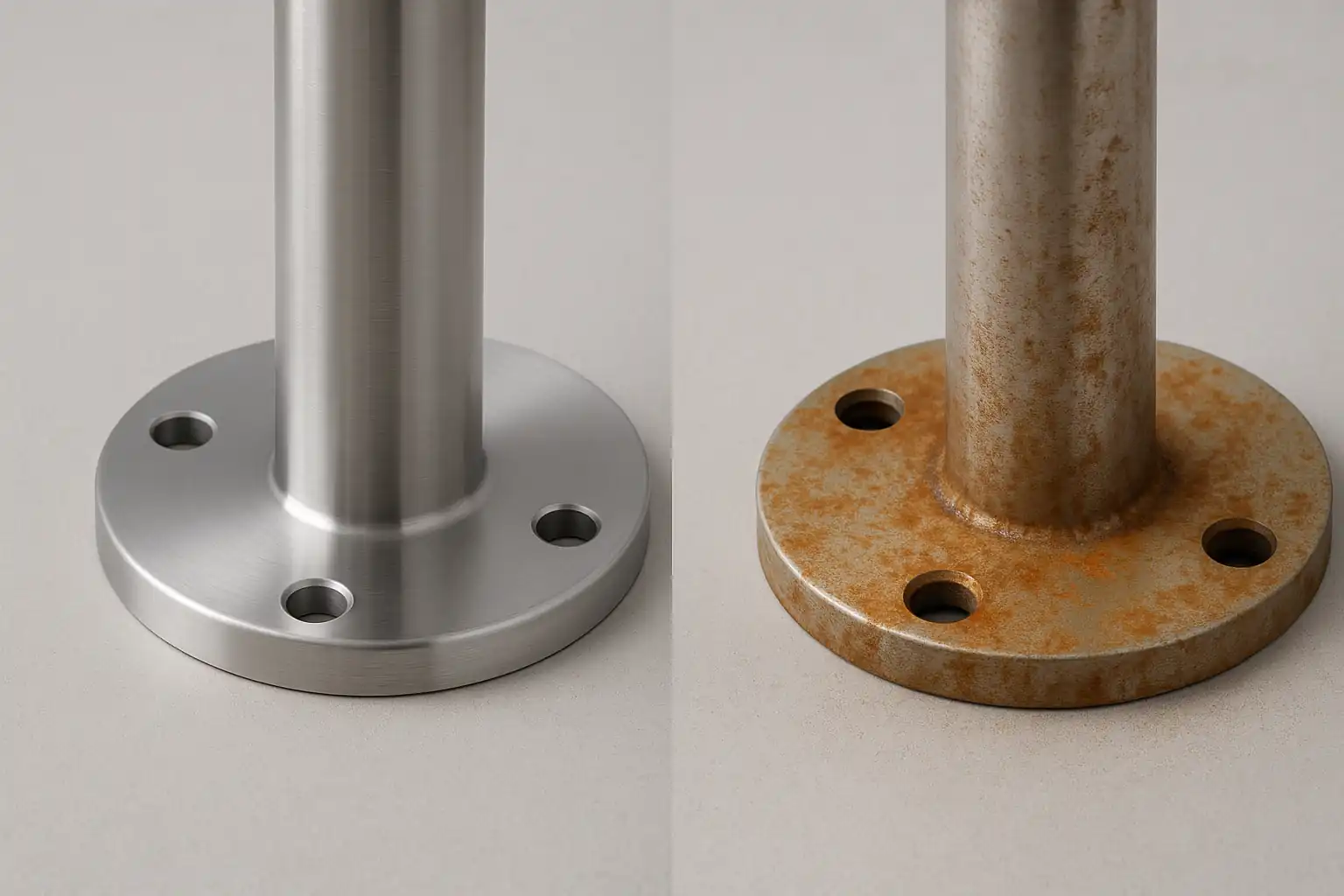
Stainless steel is corrosion-resistant but not corrosion-proof. Its passive chromium-oxide film can fail under chlorides, low-oxygen conditions, surface contamination, moisture…
Services
Get a Quote