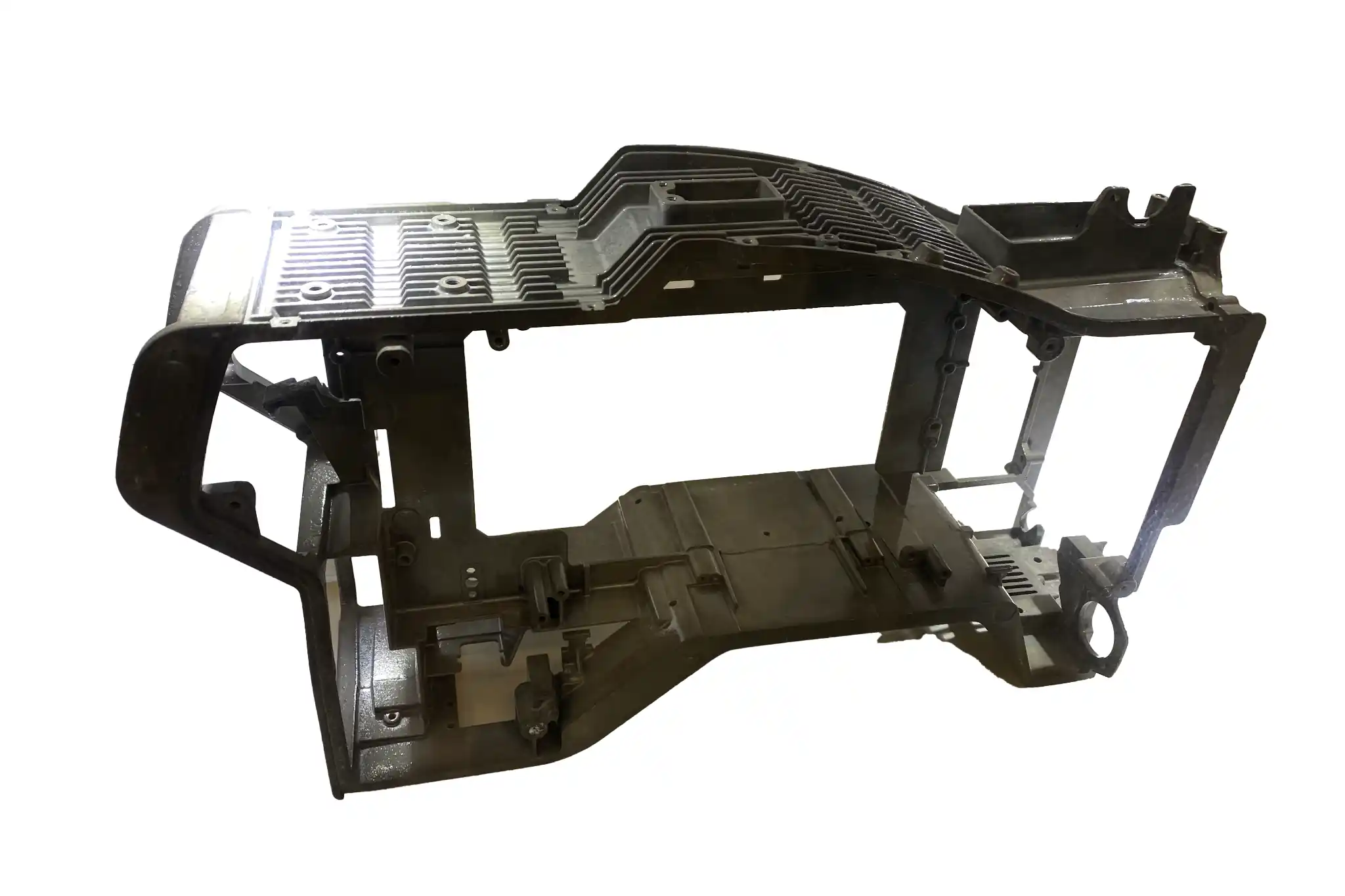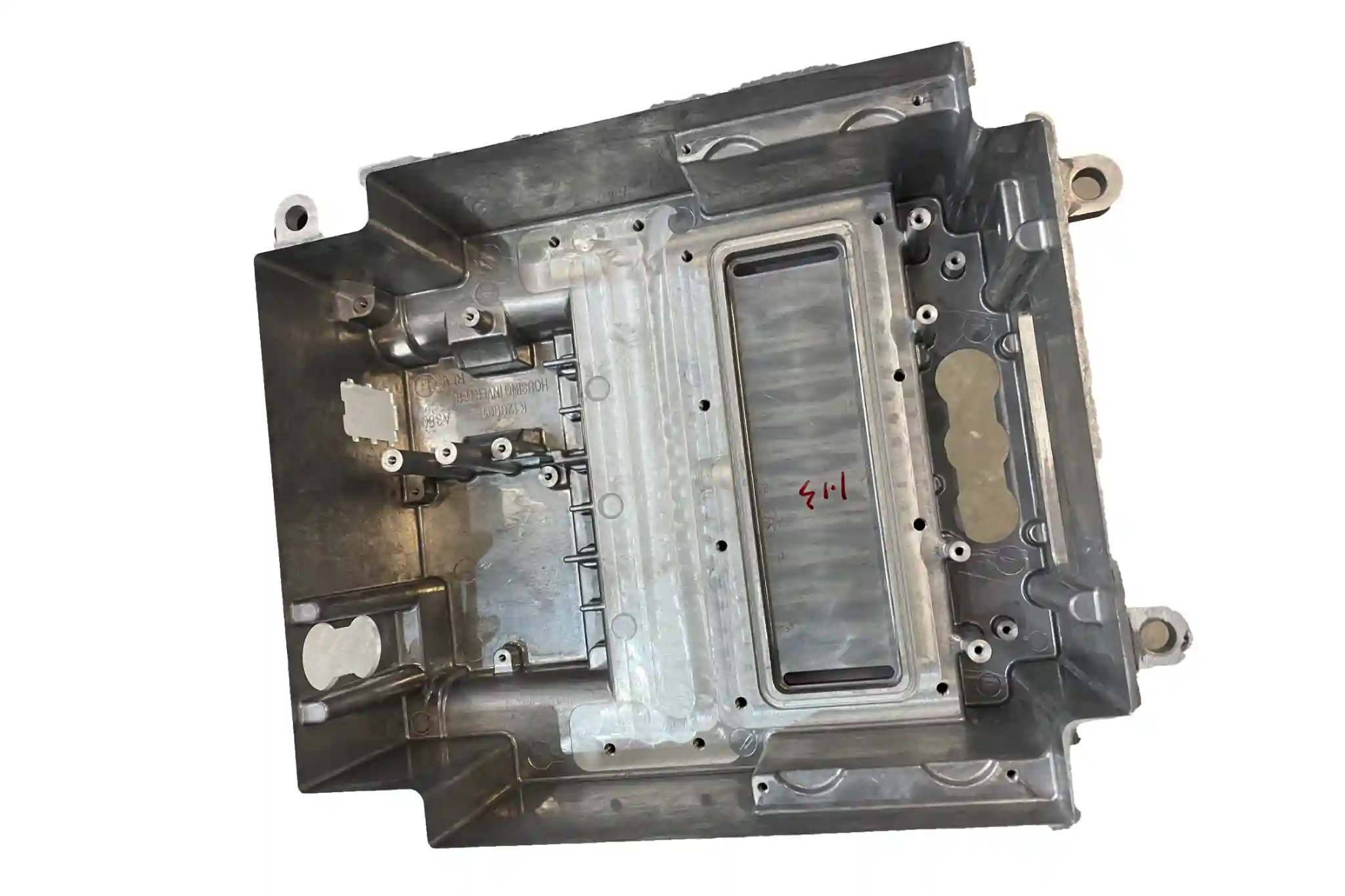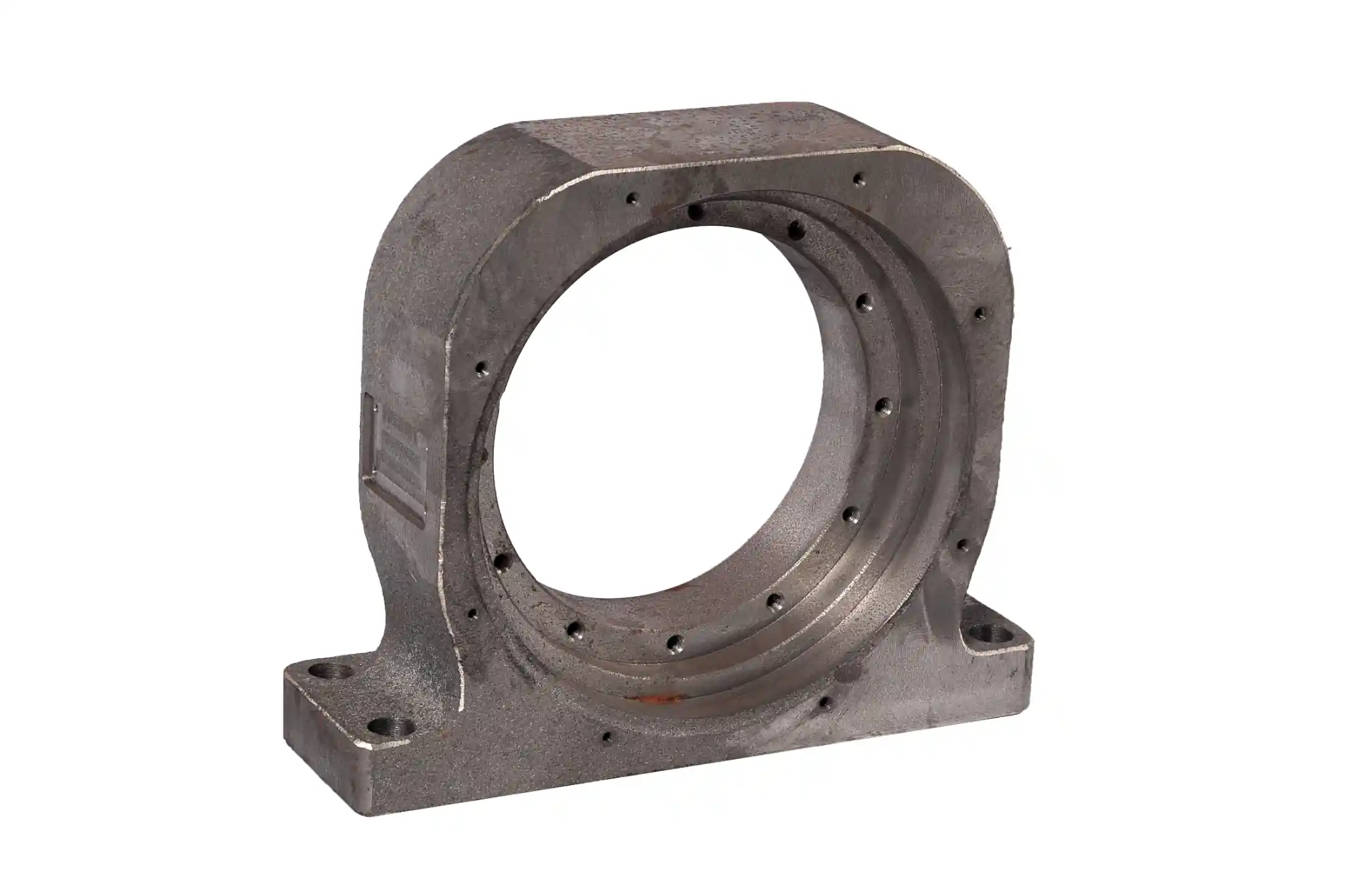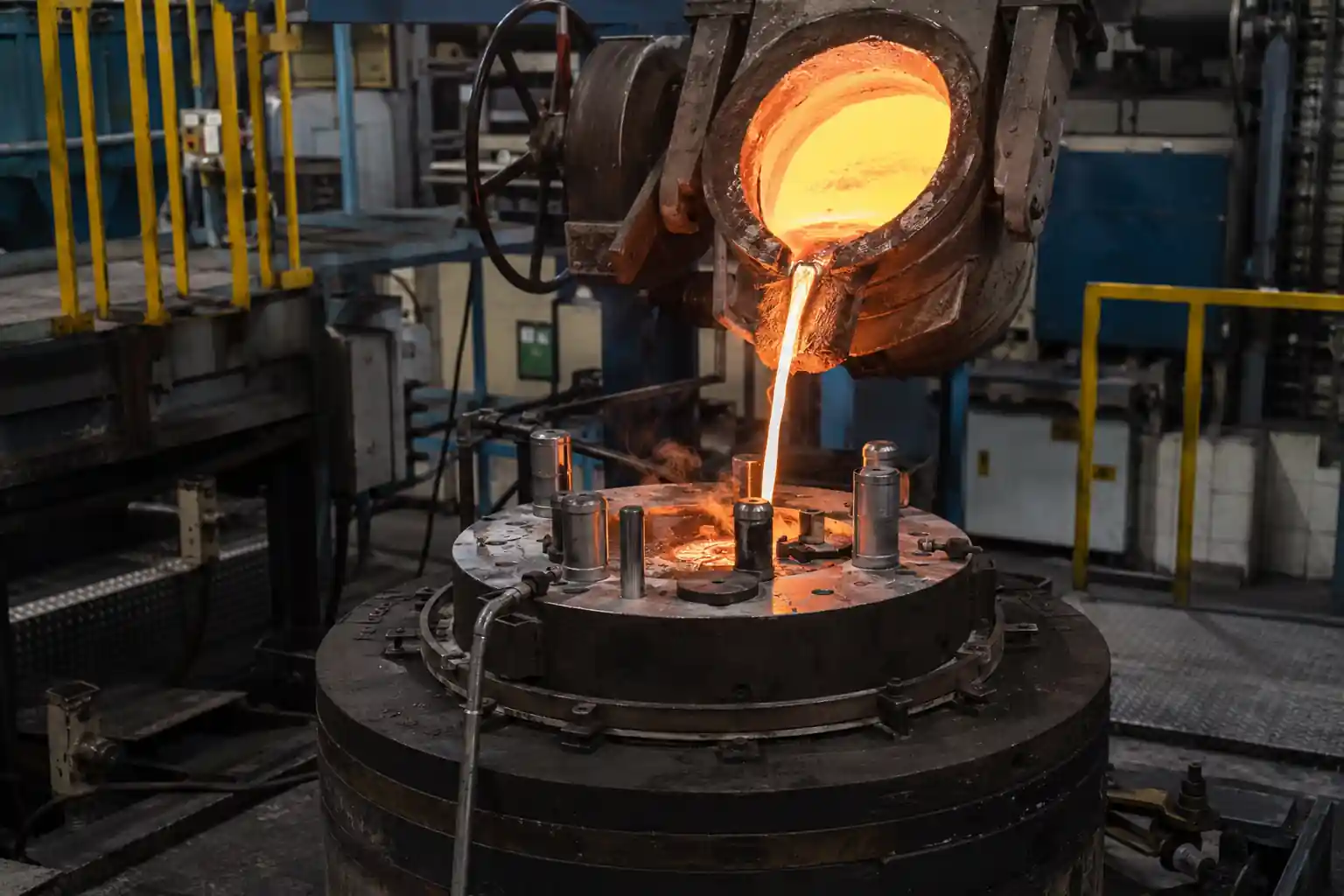



The cost of buying castings extends beyond the quoted price. Tooling, machining, inspection, and transportation can usually be identified during project planning. Rework, scrap, replacement parts, and inventory costs may arise later. Total cost of ownership (TCO) brings these expenses together to show what a project spends to obtain acceptable castings.
This guide covers the direct and indirect costs of casting procurement, then explains how design, process selection, machining, and quality control affect the total.
What Is Total Cost of Ownership in Casting Procurement?
Total cost of ownership is the full cost a project incurs to obtain castings that meet its requirements. A supplier may quote an as-cast part or a component that has already been machined and inspected. The quoted delivery condition determines which costs the buyer must still cover.
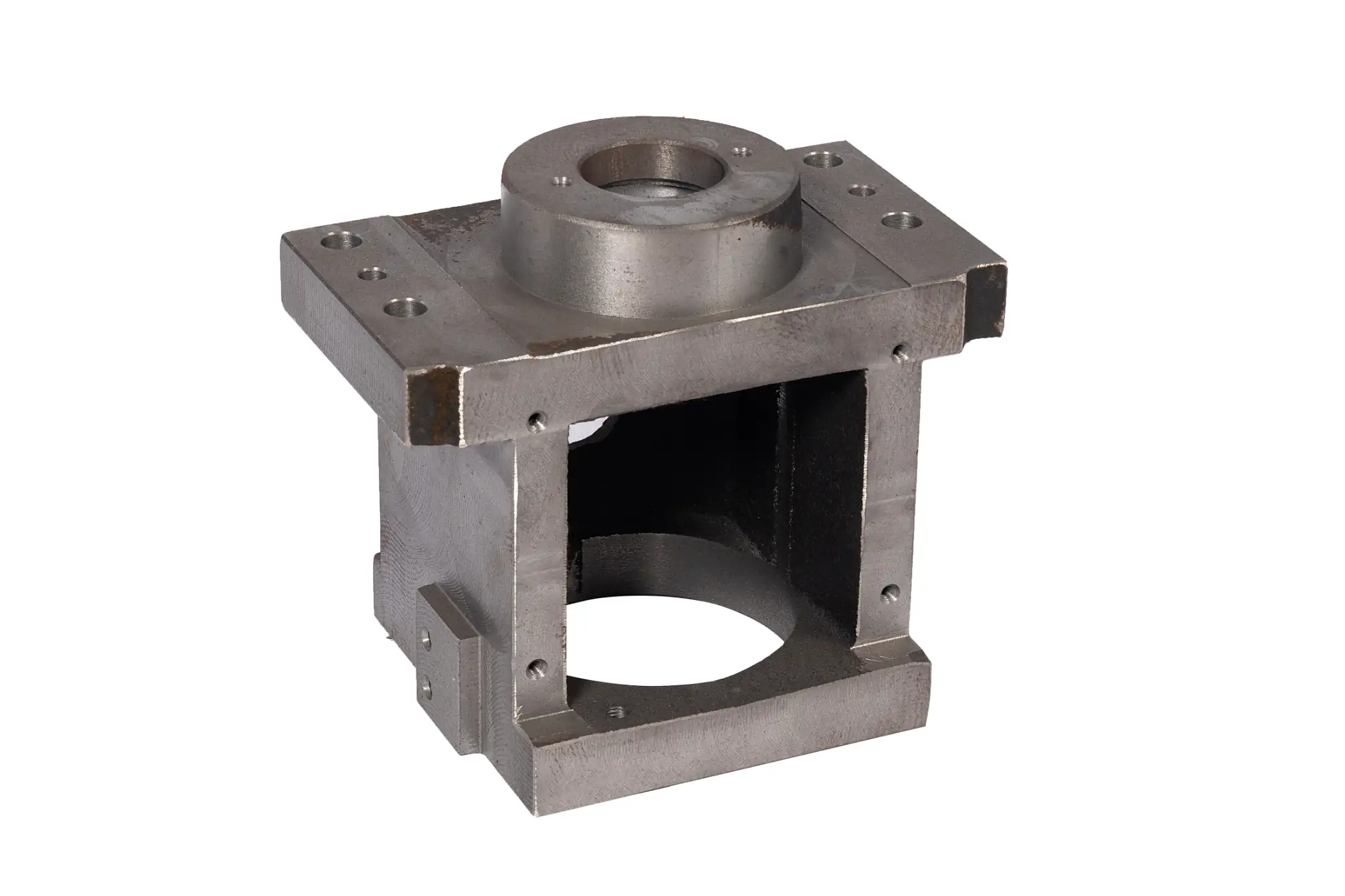
A common mistake is to treat the unit price of an as-cast part as the final cost of the component. If a housing still needs its bearing bore and sealing faces machined, followed by a leak test, those costs must be included. If the supplier’s quote already covers that work, it should not be counted again.
What Does the Total Cost of Ownership of Castings Include?
Casting TCO includes direct and indirect costs. Direct costs can usually be identified in quotations and production plans. Indirect costs often become apparent as quality, delivery, and inventory needs develop.
Direct Costs
- Tooling and fixtures. These include mold construction, necessary machining fixtures, and trial production. Tooling may be charged separately or built into the unit price.
- Casting purchase. Use the price for the agreed delivery condition. The supplied part may be an as-cast blank or a machined and inspected component.
- Machining and inspection. Heat treatment, machining, finishing, and testing required to meet the part specification must be included when they fall outside the supplier’s quote.
- Packaging and transportation. Include the packaging, freight, and applicable import charges paid by the project.
Casting price and machining cost do not always move in the same direction. Research on solution-strengthened ferritic ductile iron notes that certain grades may cost 1%–4% more as base castings, while earlier research cited by the authors suggests 10%–50% lower machining costs than for conventional grades. Those ranges concern specific ductile iron grades; they illustrate why material cost should be assessed alongside the cost of producing the finished component. Read the research abstract.
Indirect Costs
- Rework and scrap. If a defect is found after machining, the project loses both the casting and the work already performed, and may need a replacement. In a 2019 research summary, the American Foundry Society estimated that scrap and rework caused by inclusion defects could account for as much as 16% of steel casting manufacturing costs. This estimate concerns steel casting production, not all casting purchases. Read the AFS summary.
- Inventory carrying costs. Extra stock held to prevent shortages ties up cash and warehouse space. A design change can also leave castings that can no longer be used.
- Delivery delays. Replacement parts, expedited freight, and changes to production schedules add expense and consume time from purchasing, quality, and engineering teams.
- Assembly and warranty issues. Dimensional or sealing defects discovered after delivery may require removal, replacement, repeat testing, or customer claims.
- Opportunity cost. A shortage of a critical casting may delay shipment of a finished machine or leave production capacity idle. This cost should reflect the business actually affected, not the full sales price of a machine.
How Can Buyers Reduce the Total Cost of Ownership of Castings?
Reducing TCO means limiting mold revisions, unnecessary machining, scrap, and urgent shipments. Each creates costs beyond the initial casting price.
Limit Changes After Tooling Is Made
A wall-thickness or internal-feature problem discovered after the mold is built may require tool modifications and another trial run. Confirming these features and the required machined surfaces before tooling begins reduces the likelihood of paying for those changes later.
Match the Casting Process to Purchase Volume
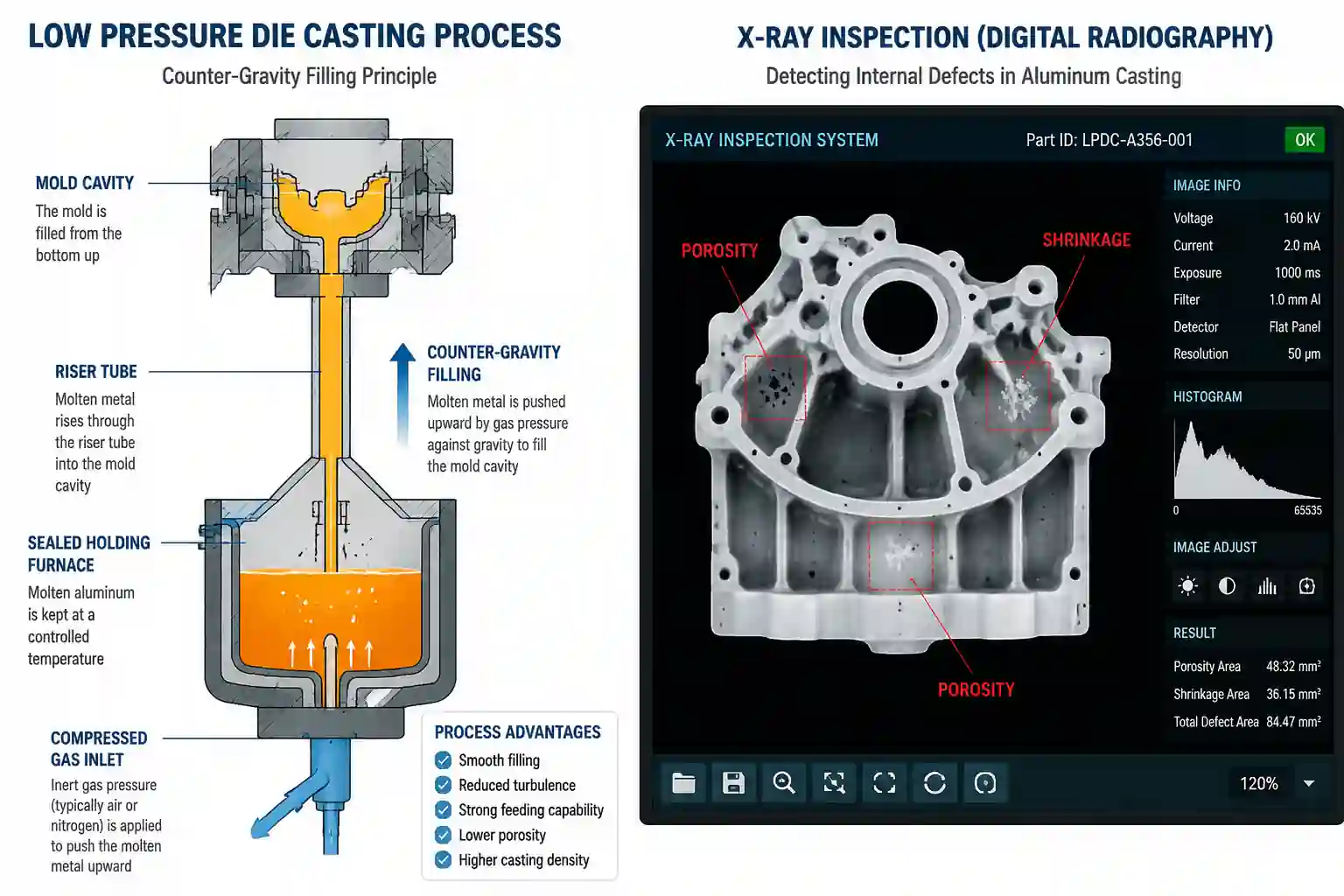
For a small order or a design likely to change, upfront tooling cost carries more weight. For a part produced regularly, that cost can be spread across more units. Process selection should consider both the initial tooling expense and the cost of producing each acceptable part.
Before tooling begins, the Minhe engineering team can review the part drawing, expected order volume, machining scope, and inspection requirements. The team can then compare sand casting, gravity die casting, and low-pressure die casting options and identify the tooling and downstream work each would require.
Avoid Unnecessary Machining
Bearing bores and sealing faces usually need machining, but not every exterior surface needs the same dimensional tolerance or finish. Limiting machining to surfaces that affect assembly or function can reduce cutting time and setups.
Find Defective Castings Earlier
If porosity is discovered only after a sealing face has been machined, the machining cost is lost along with the casting. Checking areas at risk before substantial downstream work helps prevent further processing of unsuitable parts.
Control Expedited Shipping and Inventory
Repeated last-minute replacement orders can increase freight costs. Ordering too far ahead ties up cash in inventory. Delivery schedules should reflect actual production demand and the time needed to replace rejected parts.
Conclusion
A casting’s unit price is only part of its total cost of ownership. Tooling, machining, inspection, and transportation are foreseeable expenses; scrap, inventory, delays, and quality problems discovered after assembly can increase the final cost. Confirming the quoted delivery condition and accounting for work the project must still complete gives buyers a clearer view of the cost of an acceptable part.
If you are evaluating a casting project, send your drawings, expected volume, machining scope, and inspection requirements to the Minhe engineering team. These details provide a basis for reviewing the process and the work required before delivery.