


O alumínio puro funde-se aos 660,32 °C (1220,58 °F), valor frequentemente arredondado para 660 °C na oficina. Esse valor aplica-se apenas ao alumínio puro. Ao adicionar elementos de liga, o alumínio deixa de ter um único ponto de fusão — funde-se num intervalo de temperaturas. Quando adquirir material ou planear um ciclo de fundição, o valor que importa é o intervalo específico do seu tipo de alumínio, e não o valor arredondado de 660 °C. Se determinar corretamente o intervalo, definirá de forma adequada a temperatura de fusão, o comportamento de enchimento e a qualidade da peça.
A que temperatura derrete o alumínio?
O alumínio puro funde-se a 660,32 °C, o que corresponde a 1220,58 °F. Na linguagem comum, a maioria das lojas refere 660 °C ou 1220 °F. Este valor deve-se à estrutura cristalina do alumínio puro: a esta temperatura, os átomos adquirem energia suficiente para quebrar as ligações metálicas, e o sólido transforma-se em líquido.
Seguem-se dois aspetos práticos. Em primeiro lugar, 660,32 °C é um valor de referência, não uma configuração do processo — a menos que se esteja a fundir metal quase puro (a série 1xxx), a temperatura de fusão é determinada pela faixa da liga. Em segundo lugar, a pureza reflete-se no comportamento de fusão: o alumínio de alta pureza funde-se num intervalo de apenas 1–2 °C e, quando esse intervalo ultrapassa cerca de 5 °C, é quase certo que o material contenha impurezas percetíveis. Isso torna o intervalo de fusão um indicador útil na inspeção de entrada. O alumínio reciclado é um bom exemplo — a sucata mista alarga a faixa, razão pela qual tem de ser separada por grau antes da refundição.
Por que razão as ligas de alumínio fundem-se num determinado intervalo de temperaturas?
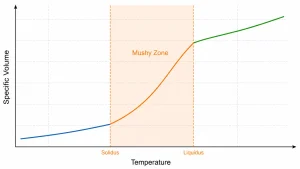
As ligas de alumínio não têm um único ponto de fusão. Possuem um solidus e um liquidus. O solidus é o ponto onde a fusão começa; o liquidus é o ponto onde a fusão se completa. A faixa entre ambos constitui a zona pastosa, que é importante na fundição: o metal nesta faixa flui, mas não se distribui bem, pelo que as transições de espessura podem dar origem a porosidade por contração se a peça fundida não for manuseada corretamente.
Solidus e Liquidus
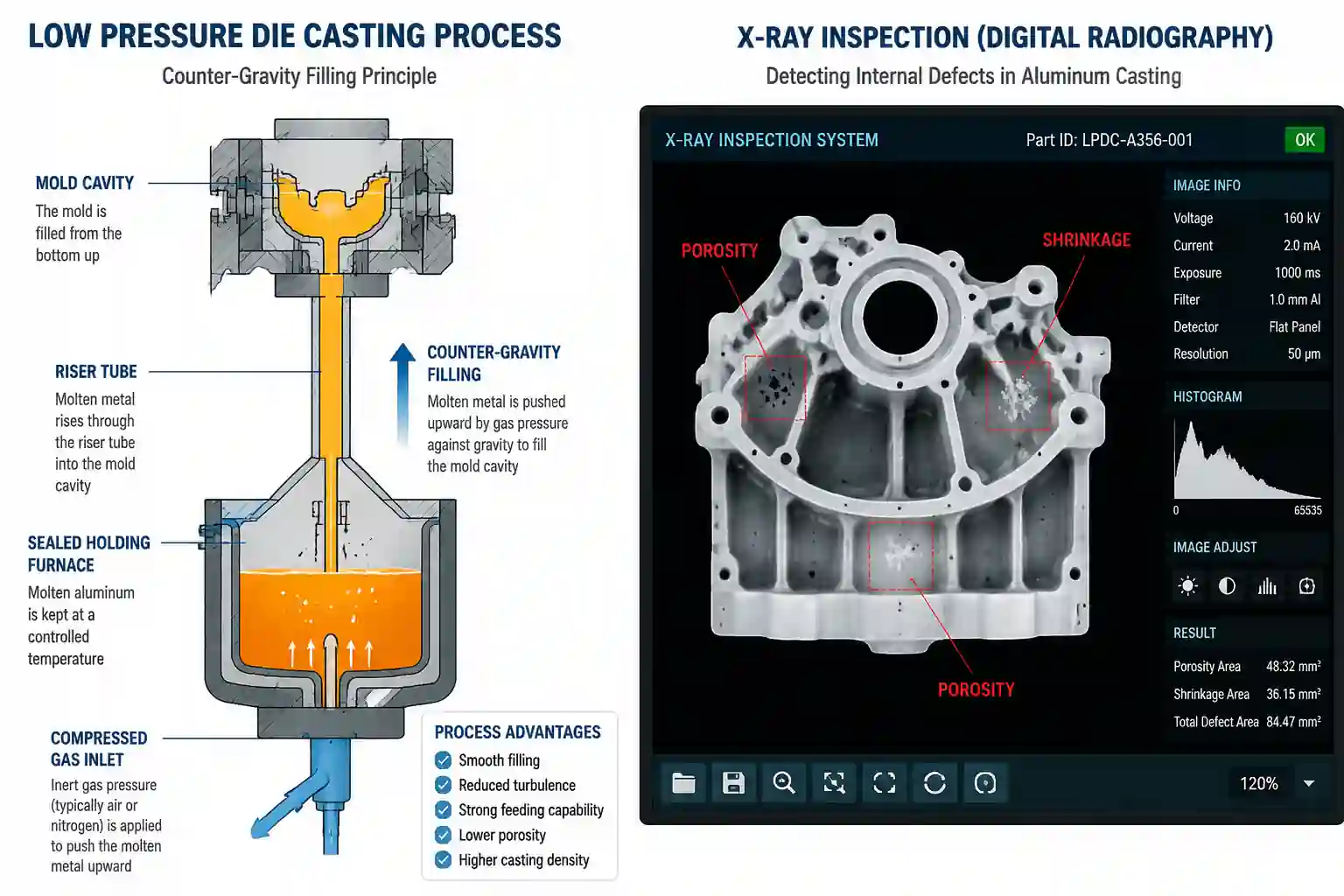
Abaixo da linha de solidificação, a liga está totalmente sólida; acima da linha de liquidação, está totalmente líquida. Quanto mais ampla for essa faixa, mais cuidadosamente é necessário controlar o arrefecimento e a alimentação durante a fundição; caso contrário, a contração por solidificação não será compensada e a peça fundida ficará com porosidade interna.
Por que razão as ligas de Al-Si dominam a fundição
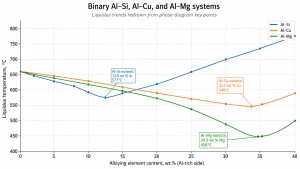
A temperatura eutética das ligas de alumínio-silício desce para cerca de 577 °C, estando entre as mais baixas dos sistemas comuns de alumínio. Um ponto de fusão mais baixo implica uma menor energia de fusão, uma maior vida útil das ferramentas e um melhor enchimento do molde, razão pela qual tanto a fundição por gravidade como a fundição de baixa pressão privilegiam as ligas de Al-Si.
A liga altera o ponto de fusão de três formas principais:
- A formação eutética reduz a temperatura de fusão até ao ponto eutético da composição, tal como acontece com o Al-Si, a cerca de 577 °C
- A formação de soluções sólidas transforma o ponto de fusão num intervalo, em vez de um ponto
- As fases precipitadas alteram a posição do sólido, razão pela qual as ligas tratáveis termicamente, como a 6061 e a 7075, apresentam um comportamento diferente das ligas de fundição
| Sistema | Temperatura característica | Nota |
|---|---|---|
| Eutético Al-Si | ~577 °C | Material de fundição versátil, com baixo ponto de fusão e boa fluidez |
| Alumínio puro | 660,32 °C | Ponto único, intervalo de apenas 1–2 °C |
| Ligas comuns de Al-Si para fundição | 538–613 °C | Depende do ano de escolaridade; consulte a secção seguinte |
Fatores que afetam o ponto de fusão do alumínio
A composição da liga é o fator principal: os diferentes tipos de liga fundem-se em intervalos de temperatura distintos. A pureza, as impurezas e o método de medição também afetam a leitura, mas em muito menor grau do que os elementos de liga.
Composição da liga
O Si, o Cu, o Mg e o Zn reduzem ou alteram a temperatura de fusão. A composição determina a posição do solidus e do liquidus; por isso, uma vez fixada a qualidade, o intervalo também fica, em grande parte, fixado. É por isso que duas ligas de aspeto semelhante, como a 6061 e a 6063, continuam a exigir temperaturas de fusão e de vazamento diferentes na fundição.
Pureza e impurezas
O metal mais puro apresenta um intervalo de fusão mais estreito, enquanto as impurezas alargam esse intervalo — um padrão que pode servir de indicador na inspeção à entrada, especialmente quando há mistura de alumínio reciclado.
Há ainda dois aspetos menos importantes que vale a pena ter em conta ao ler um valor:
- Método de medição: a DSC, a dilatometria e os métodos visuais dependem todos da taxa de aquecimento e do tamanho da amostra; por isso, o método deve ser indicado juntamente com a leitura
- Pressão e estrutura granular: a pressão altera o comportamento de fusão e a estrutura granular influencia a uniformidade com que a mudança de fase ocorre
Intervalos de fusão das ligas de alumínio mais comuns
Os graus variam bastante, por isso verifique o intervalo antes de escolher. Abaixo encontram-se os intervalos de fusão típicos para ligas de alumínio comuns de fundição e forjadas; consulte a ficha técnica do fornecedor para obter a informação definitiva.
| Grau | Intervalo de fusão (°C) | Utilização típica |
|---|---|---|
| A356 | 557–613 | Peças moldadas por gravidade e por baixa pressão |
| 356 | 550–620 | Peças fundidas de uso geral |
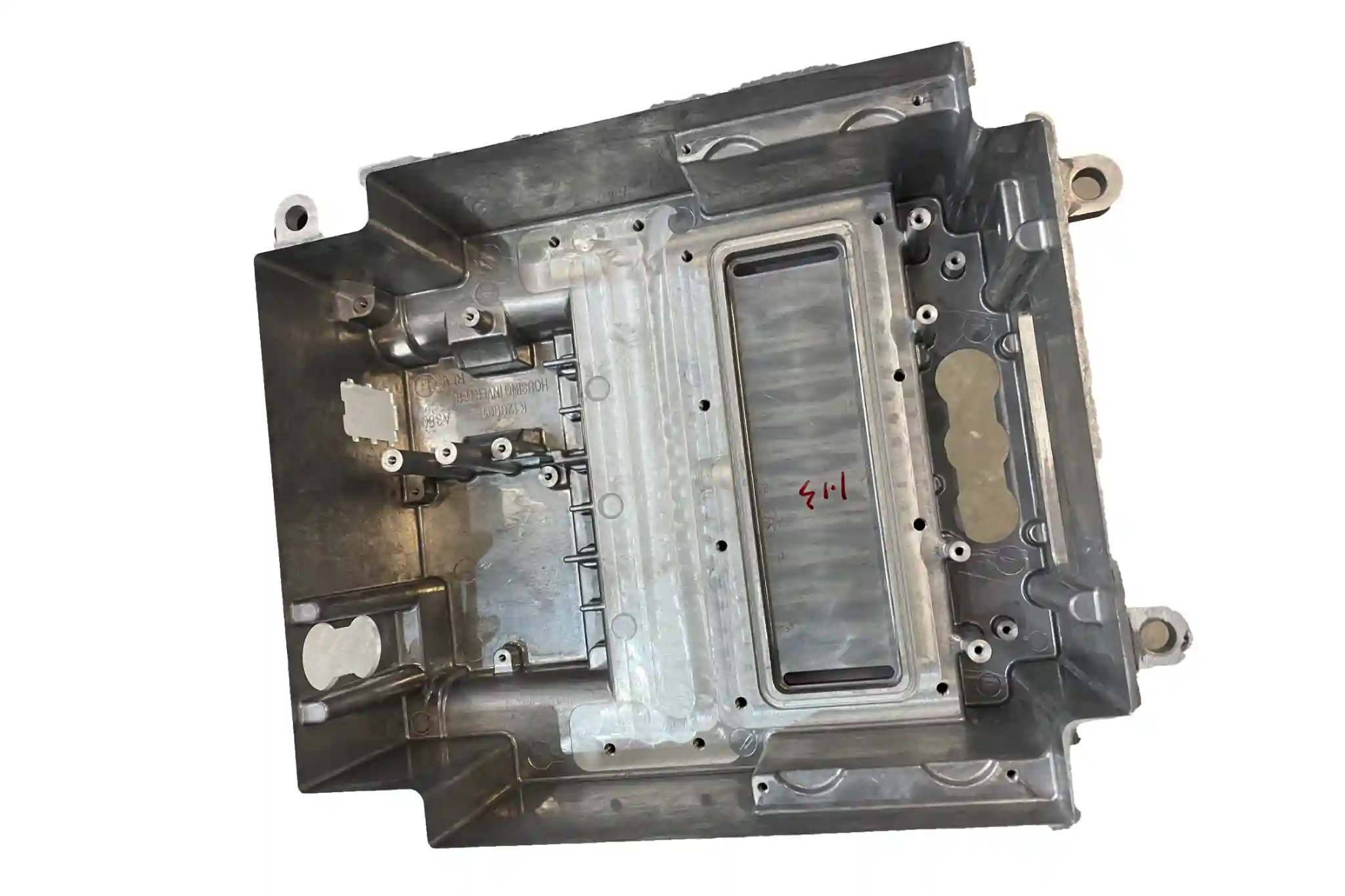
| A380 | 538–593 | Caixas fundidas sob pressão |
| 383 | 538–593 | Peças fundidas por injeção |
| 319 | 482–638 | Peças automóveis, corpos de bombas |
| 6061 | 582–652 | Extrusões, peças maquinadas |
| 2024 | 502–638 | Estruturas aeroespaciais |
| 5052 | 607–650 | Chapa metálica, reservatórios |
| 7075 | 477–635 | Estruturas de alta resistência |
Destacam-se dois padrões. As ligas de fundição, tais como A356 e o A380 tem uma base mais baixa e mais estreita, o que se adequa a secções finas e moldes complexos. As ligas forjadas, como a 6061 e a 7075, têm uma base mais larga e exigem mais cuidado na fundição. Mesmo dentro da mesma classe, podem ocorrer ligeiras variações entre lotes, pelo que deve basear-se na ficha técnica do fornecedor para definir as temperaturas de fusão e de vazamento.
Alumínio vs. aço, cobre e titânio
O alumínio situa-se na extremidade inferior da gama dos metais comuns, com um ponto de fusão que corresponde a cerca de metade do do aço. Isso constitui simultaneamente uma vantagem e uma limitação.
| Metal | Ponto de fusão (°C) |
|---|---|
| Alumínio (puro e ligas) | 477–660 |
| Ferro fundido | 1127–1204 |
| Aço carbono | 1371–1593 |
| Titânio | 1668 |
Um ponto de fusão mais baixo significa um tempo de aquecimento mais curto, contas de energia mais baixas por fusão e maior vida útil das ferramentas, uma vez que o molde sofre menos tensão térmica por ciclo. A mesma propriedade limita a temperatura de serviço — as peças que ficam quentes durante longos períodos perdem resistência muito antes de o metal derreter, razão pela qual o alumínio é evitado em aplicações que envolvem temperaturas elevadas prolongadas.
Como o ponto de fusão influencia as aplicações do alumínio
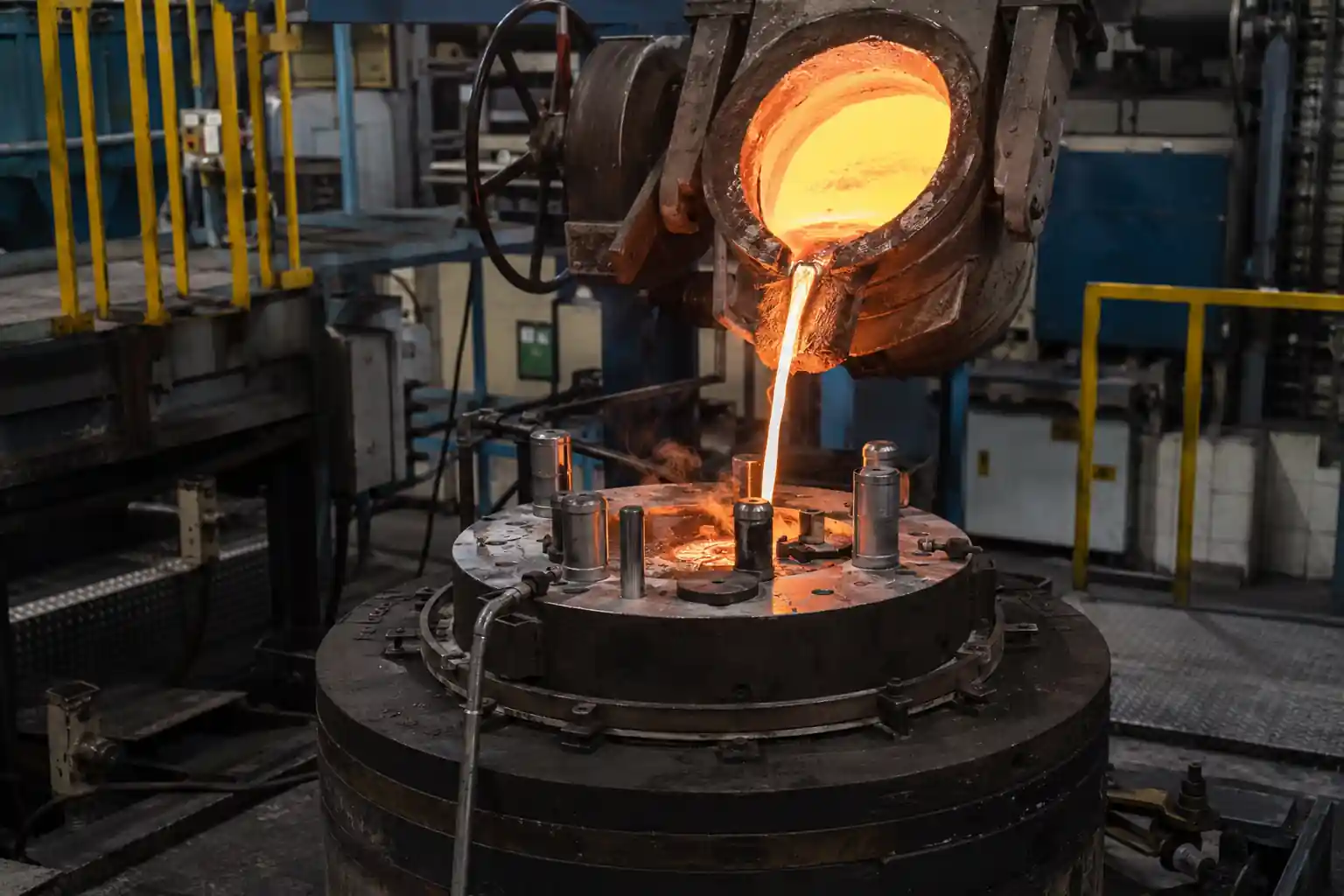
O baixo ponto de fusão traz vantagens na fundição, na extrusão e na soldadura: menor energia de fusão, maior vida útil das ferramentas, melhor preenchimento do molde e custos controlados na reciclagem de sucata. Na fundição por gravidade e de baixa pressão, a baixa temperatura de vazamento traduz-se em tempos de ciclo mais curtos e menor choque térmico nos moldes permanentes. Na soldadura, a entrada de calor tem de ser rigorosamente controlada e a seleção do material de adição deve seguir a gama da liga de base.
Vale a pena ter em conta alguns limites operacionais:
- O alumínio exposto a temperaturas de cerca de 150–200 °C durante longos períodos perde visivelmente resistência; verifique se as peças estruturais estão em conformidade com a sua temperatura de funcionamento
- Temperaturas de fusão demasiado elevadas aceleram a oxidação e a absorção de gases; controlar o superaquecimento consoante o tipo de aço
- A sucata tem de ser separada — os materiais misturados alargam o intervalo de fusão e alteram a composição
Perguntas mais frequentes
Qual é o ponto de fusão do alumínio?
O alumínio puro funde-se a 660,32 °C (1220,58 °F); as ligas fundem-se num intervalo entre o solidus e o liquidus.
Porque é que o alumínio não tem um único ponto de fusão?
Os elementos de liga permitem que a fusão ocorra entre o solidus e o liquidus, e a composição determina onde se situa esse intervalo.
Qual é a liga de alumínio que tem o ponto de fusão mais baixo?
Das ligas mais comuns, a 7075 apresenta o solidus mais baixo (cerca de 477 °C); entre as ligas de fundição, as ligas A380 e 383 apresentam, em geral, valores baixos, situando-se entre 538 e 593 °C.
Em que medida o alumínio se compara com o aço?
O alumínio funde-se a cerca de 660 °C, enquanto o aço ao carbono funde-se entre 1371 e 1593 °C — aproximadamente o dobro —, razão pela qual o alumínio não é adequado para aplicações a altas temperaturas.
Conclusão
Tenha em mente três valores: 660,32 °C para o alumínio puro, cerca de 577 °C para o ponto inferior do eutético Al-Si e 477–660 °C para as ligas de alumínio mais comuns. Decida primeiro a aplicação, verifique em seguida a gama de classes e defina os parâmetros do processo a partir dessa gama. É a gama, e não o número arredondado, que deve servir de base para o seu planeamento.
Se tiver desenhos ou condições de funcionamento a avaliar para um tipo de alumínio, envie-nos a temperatura de funcionamento e a carga — recomendaremos um tipo adequado ao seu caso específico. Precisa de fundição por gravidade ou fundição a baixa pressão precisa de ajuda ou quer conversar sobre seleção de ligas de alumínio? A partir daí, tratamos nós.