


A request for quotation (RFQ) is a document a buyer sends to suppliers to describe a part’s specifications, order quantity, delivery conditions, and acceptance requirements. The foundry uses it to assess the work and quote a price and lead time. Clear requirements reduce follow-up questions and make it easier to compare what each supplier includes in its quote.
What Information Should a Casting RFQ Include?
A foundry reviews the drawings, material, and critical dimensions to assess how the part will be made. It then considers the order quantity and inspection requirements when preparing its quote. The following information gives it a basis for doing so.
Drawings, 3D Models, and Revisions
Part documentation typically includes a 2D engineering drawing and a 3D model. The drawing specifies the material, dimensions, tolerances, and acceptance requirements; the model shows the part’s overall geometry and helps the foundry assess the tooling and casting process.
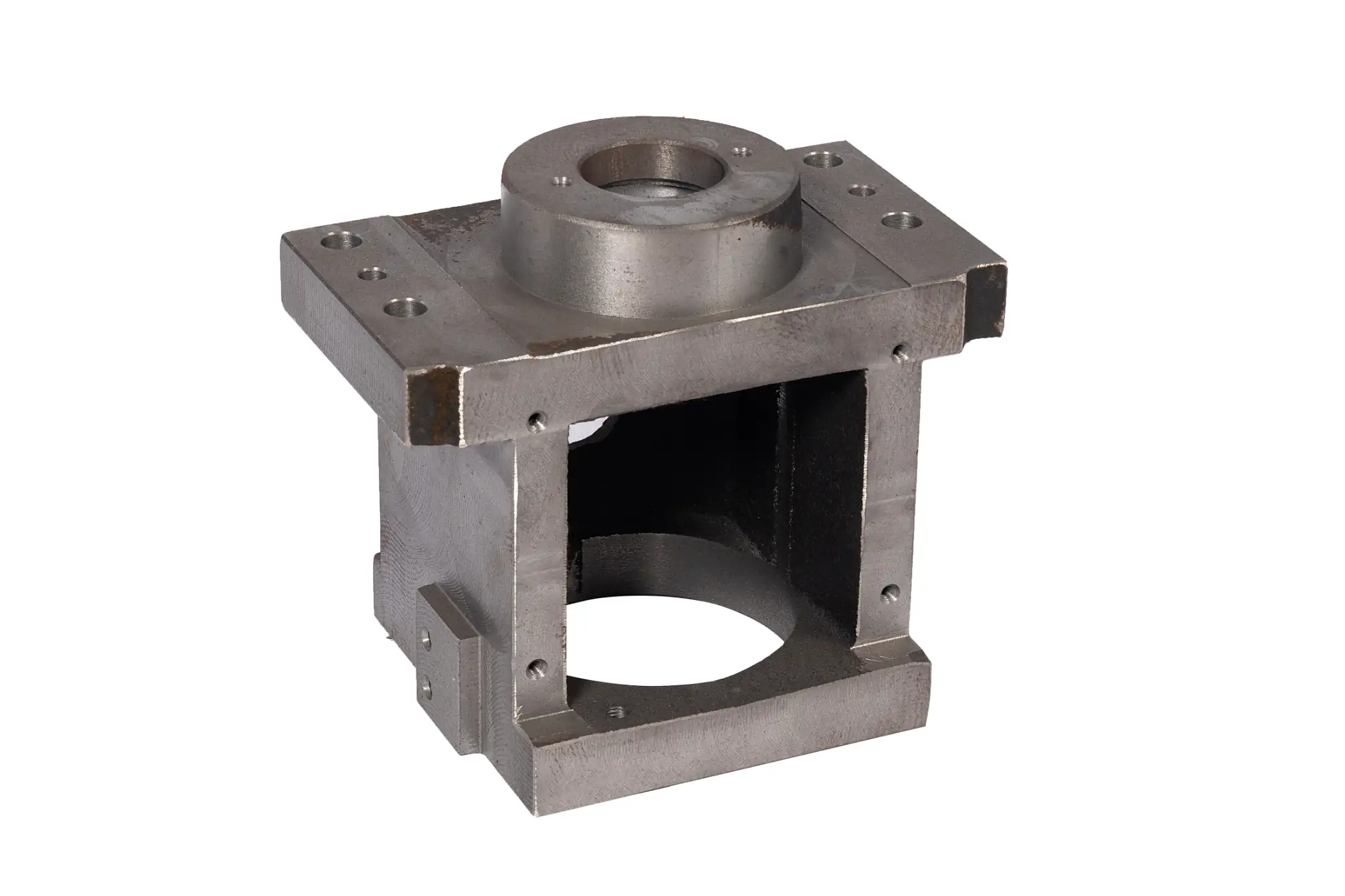
The foundry will pay particular attention to wall thickness, internal passages, and holes or surfaces that require machining. These features affect tooling design and the amount of machining needed. Before sending the RFQ, confirm that the drawing and model show the same revision so the foundry does not quote or make tooling for an outdated design.
Material and Service Requirements
If the material has been selected, specify the casting alloy grade, applicable standard, and heat treatment requirements. If you want the foundry to recommend a material, describe the part’s purpose, loads, contact media, and operating temperature. For example, a pump housing RFQ should identify the fluid it will carry, while a bracket RFQ should state its load requirements. The foundry can then assess suitable alloys.
Critical Dimensions and Machined Features
Critical dimensions are usually found on features that affect assembly or function, such as bearing bores, mounting holes, and sealing surfaces. Identify their dimensions, tolerances, and surface requirements, and state whether the foundry must machine them to finished size. This helps the foundry determine machining allowances, operations, and inspection scope.
Quantities and Delivery Batches
List prototype quantities, estimated annual demand, quantity per order, and the expected delivery schedule separately. Annual demand affects how tooling costs are spread across parts, while batch size affects production planning and deliveries. If demand for a new project is uncertain, provide an estimated range.
Inspection and Documentation Requirements
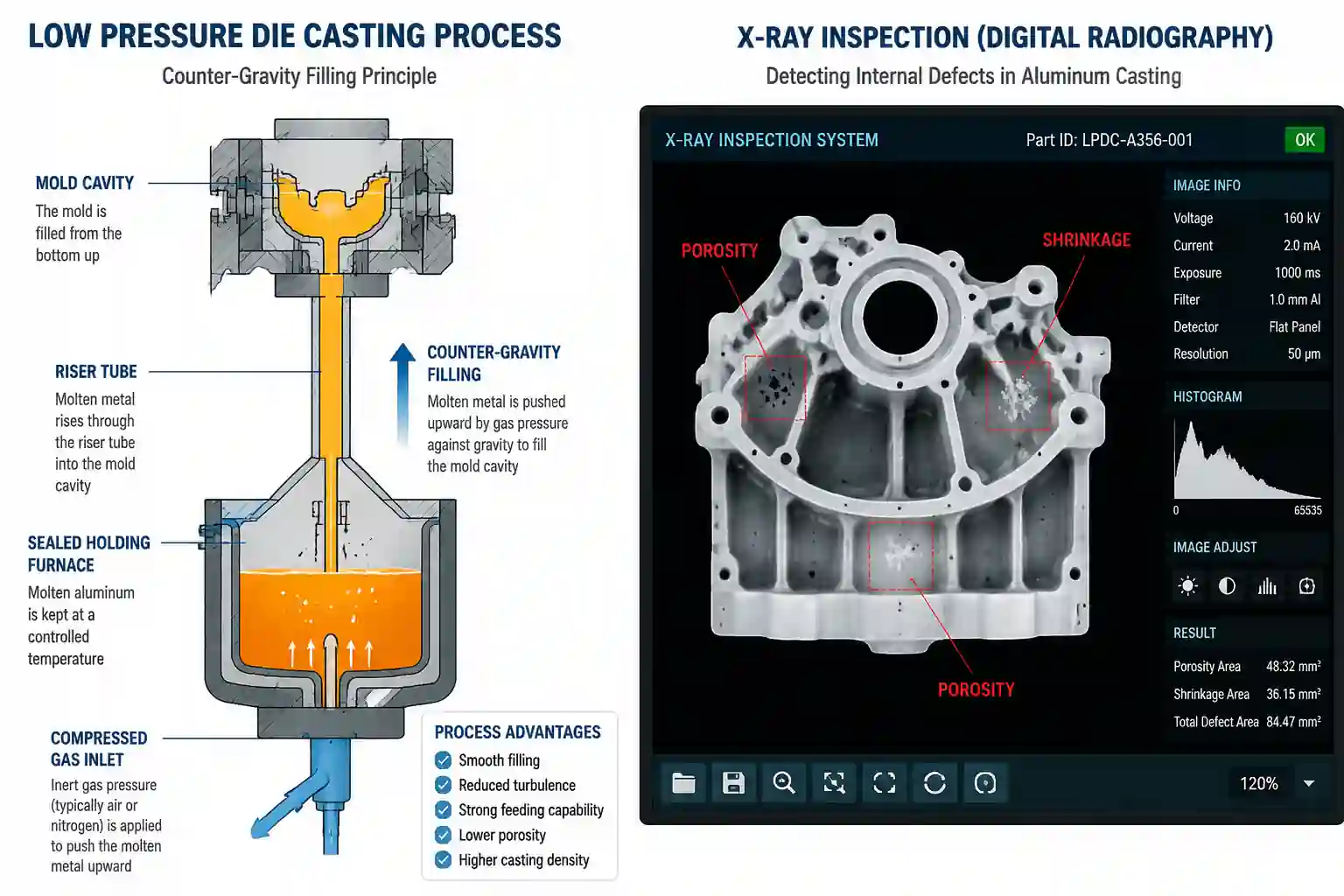
Inspection requirements should be specific enough for the foundry to plan the work. In addition to dimensional and material checks, state whether the part requires nondestructive testing, pressure testing, or leak testing. Specify the locations to be tested, the inspection scope, and the acceptance criteria. List any reports or certificates that must accompany the shipment.
Inspection depends on the part’s function. A mounting bracket and a pressure-containing housing do not have the same critical features or defect concerns simply because both are castings. Defining the requirements at the RFQ stage allows the foundry to include the necessary work, time, and cost in its quote.
Must You Select a Casting Process Before Requesting a Quote?
If the drawing specifies a process such as sand casting or gravity die casting, or if tooling already exists, state this in the RFQ. If the process has not been selected, send the drawings, material requirements, estimated volume, and finished-part requirements so the foundry can assess the options. Ask each foundry to identify its proposed process, tooling cost, and lead time in the quote. This makes the proposed scope easier to compare.
Casting RFQ Checklist
Use this checklist before sending an RFQ to catch missing information, reduce follow-up questions, and give foundries the same basis for quoting.
- Quotation requirements: Ask suppliers to list tooling costs, prototype costs, unit prices, and any exceptions to the drawing or inspection requirements.
- Part information: Provide the part name, drawing number, 2D drawing, and 3D model. Check that file revisions match. If only a sample or an older drawing is available, say so.
- Material requirements: Specify the casting alloy grade, applicable standard, and heat treatment requirements. If the material is undecided, describe the application and service conditions.
- Critical dimensions: Identify tolerances, machined surfaces, and dimensions required on the finished part.
- Order quantities: State prototype quantity, estimated annual demand, and quantity per order.
- Delivery condition: Specify whether you need an as-cast part, a partially machined part, or a finished part. Define the scope of heat treatment, machining, surface finishing, and packaging.
- Inspection requirements: List the tests, locations, inspection scope, acceptance criteria, and required reports.
- Tooling and process: State whether tooling already exists and whether a casting process has been specified.
- Delivery schedule: Give the target prototype date, production lead-time requirements, and delivery location.
Conclusión
After receiving an RFQ, a foundry reviews the drawings, material, quantities, and delivery requirements. It assesses the casting process, tooling, and any subsequent machining. If dimensions or inspection conditions remain unclear, the foundry will confirm them with the buyer before finalizing the price and lead time.
If you are preparing a casting project, send your available drawings, estimated quantities, and delivery requirements to the Minhe engineering team. Even if some details are still undecided, a drawing review can identify what needs to be resolved before quoting.