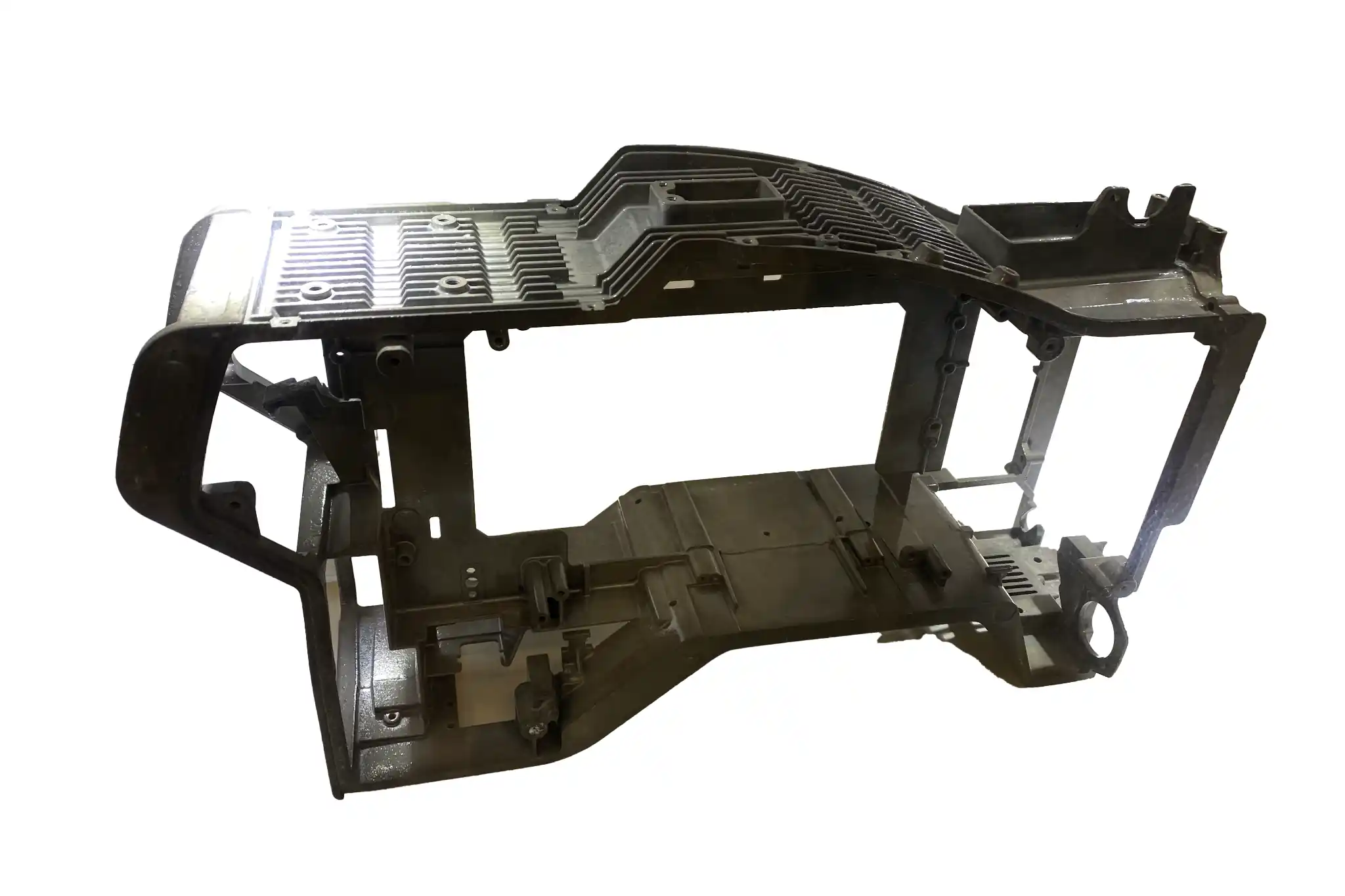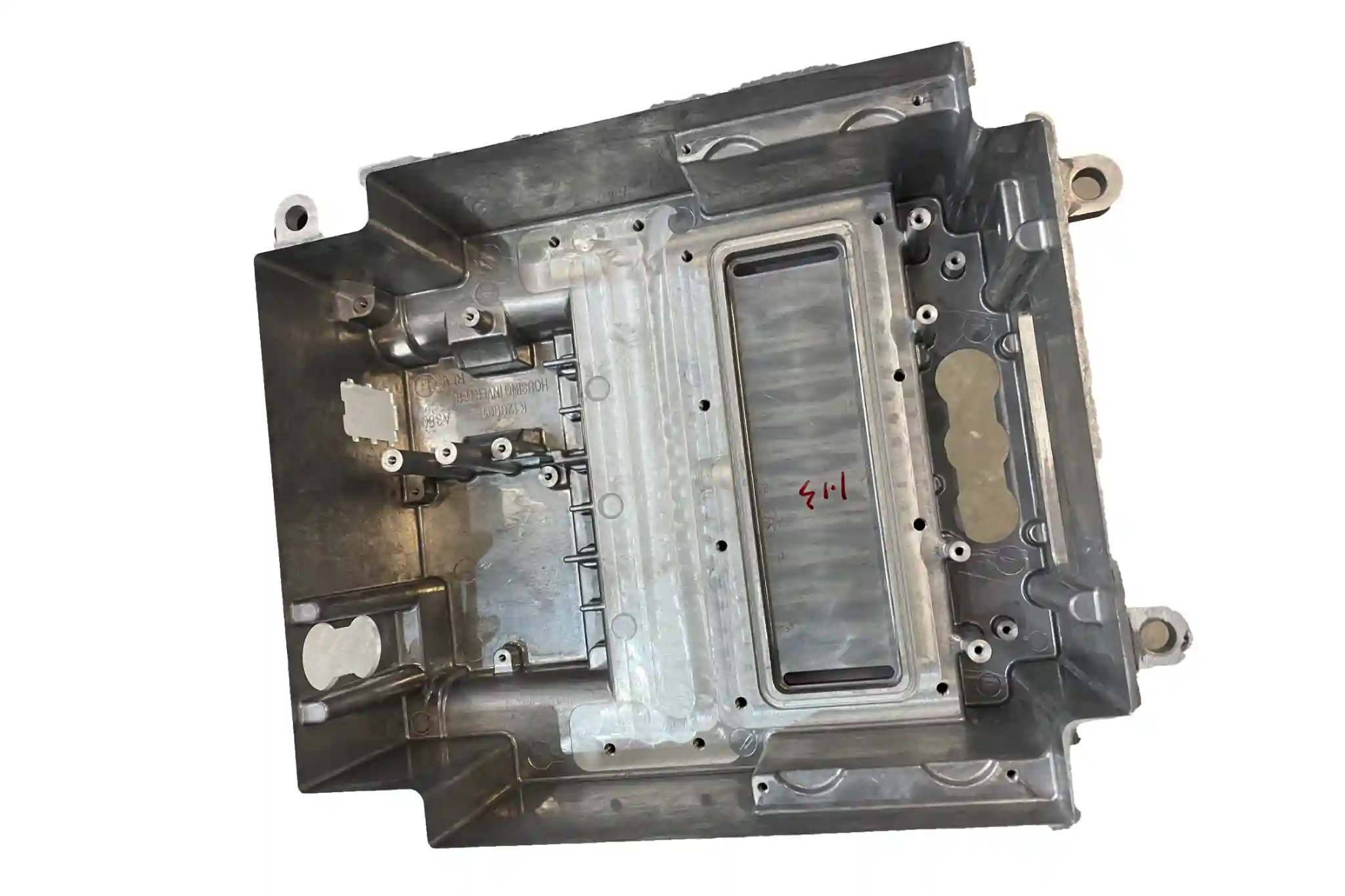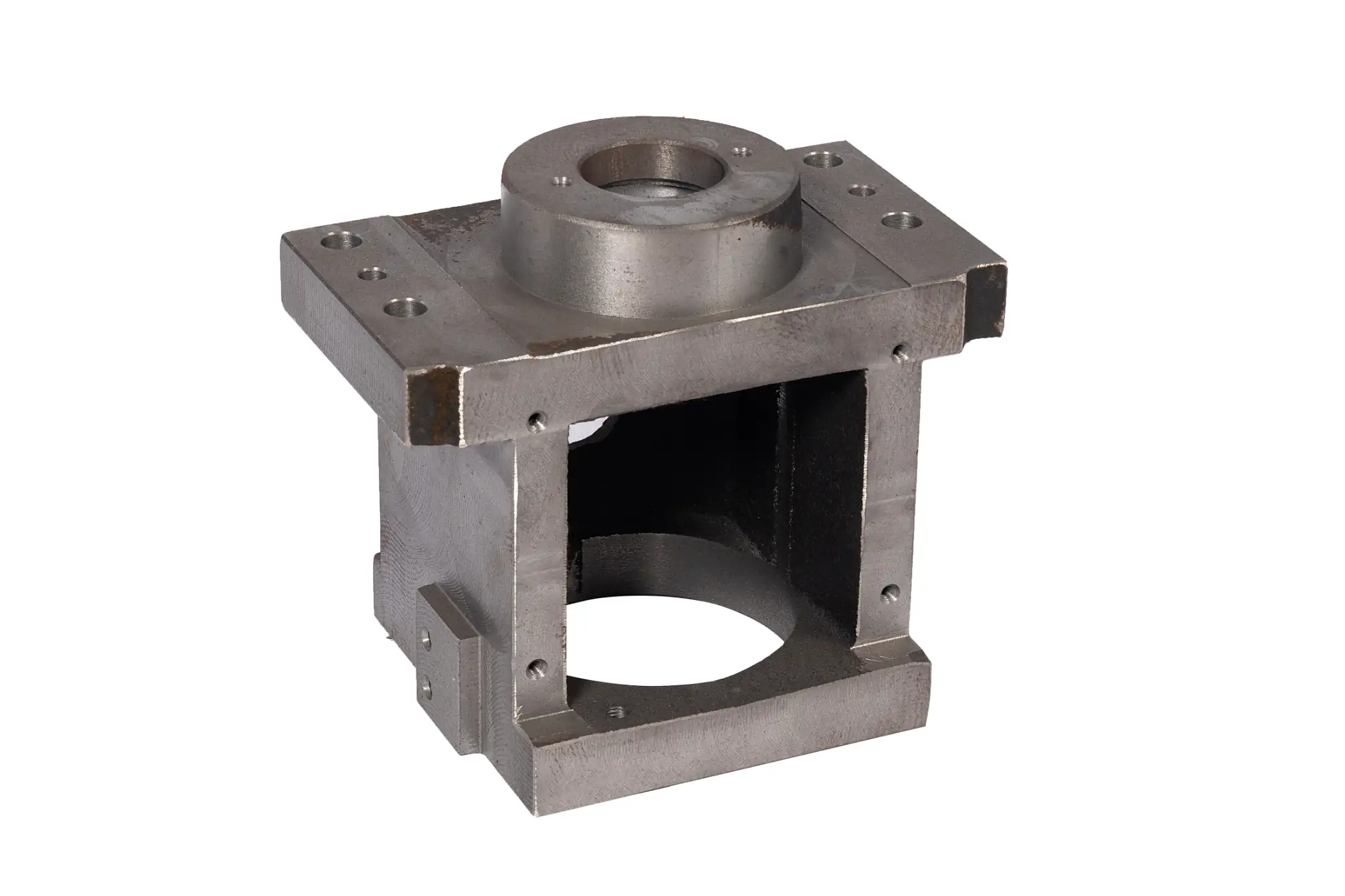



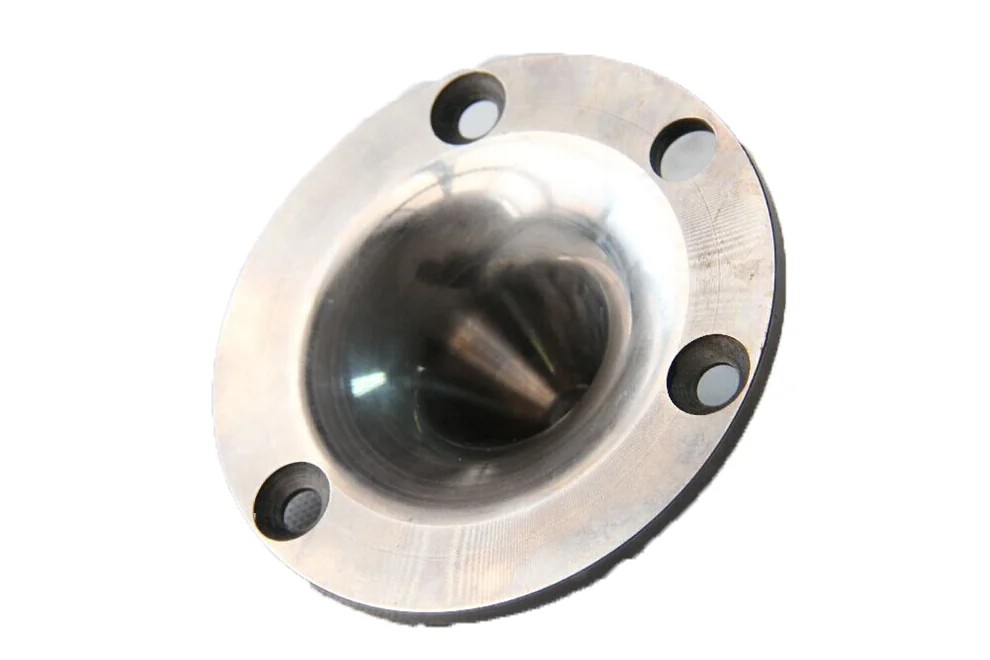
Dimensional accuracy in castings directly affects CNC machining, assembly fit, and batch production cost. For housings, end covers, brackets, pump bodies, valve bodies, and flanges, unstable as-cast dimensions can lead to insufficient machining allowance, hole position deviation, uneven wall thickness, or incomplete machining of sealing surfaces.
Dimensional stability is not achieved by final inspection alone. Many problems are formed during drawing review, process selection, mold design, shrinkage compensation, pouring control, and first article confirmation. To keep casting blanks stable for machining and assembly, casting tolerance, machining allowance, inspection datum, and batch repeatability need to be considered together.
What Is Casting Dimensional Accuracy?
Casting dimensional accuracy refers to how closely the actual casting dimensions match the drawing, 3D model, or technical requirements. It includes overall size, wall thickness, hole position, flatness, concentricity, machining allowance, and assembly datum position.
In actual projects, as-cast dimensions and final machined dimensions must be separated clearly. Casting forms the basic shape of the part, while sealing surfaces, mounting faces, bearing holes, locating holes, and threaded holes are usually finished by CNC machining. The main goal is to keep stable allowance on critical machining areas, instead of applying very tight tolerances to every as-cast feature.
1. Process Selection
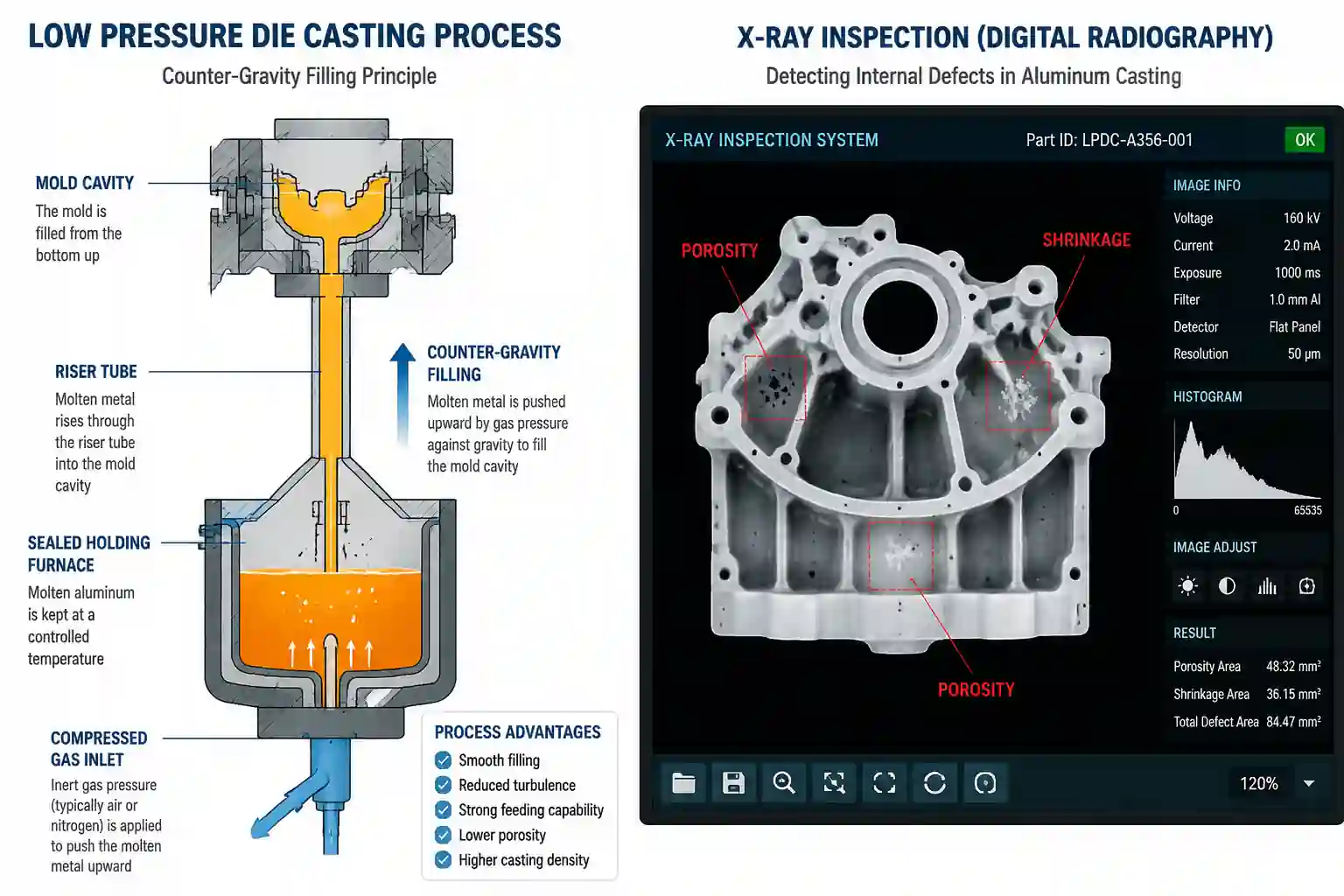
Different casting processes create different levels of dimensional variation. Sand casting is suitable for large parts, complex internal cavities, and small to medium production volumes, but dimensions can be affected by sand mold strength, core positioning, and mold closing accuracy. Gravity casting and low pressure casting use metal molds with better cavity repeatability, making them suitable for medium and small aluminum housings, end covers, and brackets. During drawing review, the question is not only whether the part can be cast, but also whether the blank can keep stable allowance for later machining.
2. Shrinkage Compensation
Molten metal shrinks after cooling and solidification, so mold design needs shrinkage compensation. If compensation is insufficient, the casting may become undersized and machining allowance may be lost. If compensation is excessive, machining time and mold correction difficulty increase. Thick bosses, rib intersections, large flat areas, and deep cavities are more likely to show local dimensional deviation, so trial casting reports are often used for mold correction or cavity adjustment.
3. Mold Accuracy
Mold condition directly affects dimensional repeatability. Cavity dimensions, parting surface fit, insert positioning, core pulling mechanisms, and mold wear can cause hole position deviation, mismatch, flash, or unstable edge allowance. In sand casting, core strength, core print positioning, and mold closing accuracy also matter, especially for pump bodies, valve bodies, and housings with complex internal cavities.
4. Temperature Control
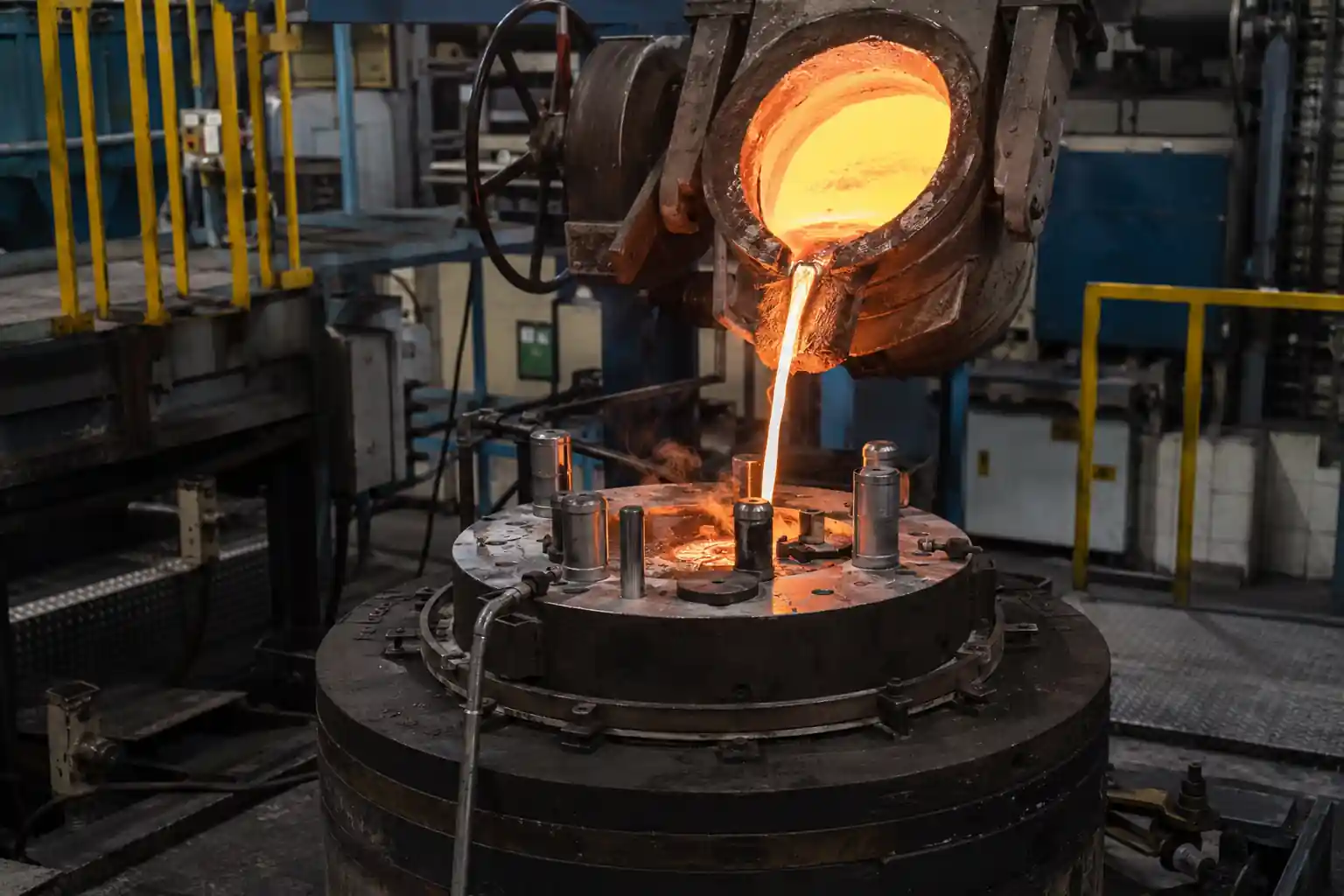
Pouring temperature, mold temperature, and cooling rate affect filling, solidification, and shrinkage. High temperature may increase the risk of shrinkage porosity, deformation, and hot tearing. Low temperature may cause incomplete filling, cold shuts, or incomplete edge formation in thin-wall areas. In production, mold preheating, stable pouring rhythm, controlled mold opening time, and cooling adjustment are commonly used to reduce dimensional variation.
5. Feeding Design
Feeding design affects not only shrinkage cavities and porosity, but also machining allowance. Flange edges, thick bosses, rib intersections, and large machining surfaces may repeatedly show local depression, black skin exposure, or insufficient allowance if the feeding path is not smooth. When dimensional problems keep appearing in the same area, increasing inspection frequency is not enough. The gating system and solidification plan usually need to be reviewed.
6. Machining Allowance
Machining allowance connects the casting blank with the final part dimensions. If the allowance is too small, machining may be incomplete, black skin may remain, or holes may become eccentric. If the allowance is too large, CNC machining time increases, and thin-wall parts may deform more easily during clamping and cutting. Before mold making, machining surfaces, cast holes, machined holes, casting datums, and machining datums should be confirmed.
7. Dimensional Inspection
Dimensional inspection is not only for final shipment. After trial production with a new mold, inspection usually covers overall profile, allowance on critical machining surfaces, hole positions, wall thickness, parting line mismatch, and deformation of large flat areas. In batch production, critical dimensions are checked by batch. If a dimension keeps drifting, the result should be fed back to mold correction, cooling adjustment, feeding optimization, or machining process planning.
8. Technical Confirmation
Many dimensional problems come from different interpretations of the drawing. Customers usually focus on final assembly dimensions, while the casting supplier also needs to evaluate as-cast dimensions, casting tolerance, machining allowance, inspection datum, and post-machining requirements. Confirming critical functional dimensions, machining surfaces, cast holes, machined holes, assembly datums, and inspection methods before mold making helps reduce later rework.
Conclusion
Stable casting dimensional accuracy depends on process selection, shrinkage compensation, mold accuracy, temperature control, feeding design, machining allowance, dimensional inspection, and technical confirmation. For castings that require machining and assembly, confirming drawing requirements, critical datums, machining allowance, and inspection methods as early as possible helps keep casting blanks more stable and reduces machining and assembly risks.