


Dans la production de pièces moulées sous pression, une fermeture à froid est un défaut de surface courant qui compromet gravement l'intégrité structurelle d'un composant. Il est essentiel de planifier correctement les paramètres de remplissage et les structures des moules pour éviter de tels défauts. Cet article analyse la définition et les causes des fermetures à froid et propose des mesures correctives pratiques pour l'atelier.
Qu'est-ce qu'un arrêt à froid pour la coulée sous pression ?
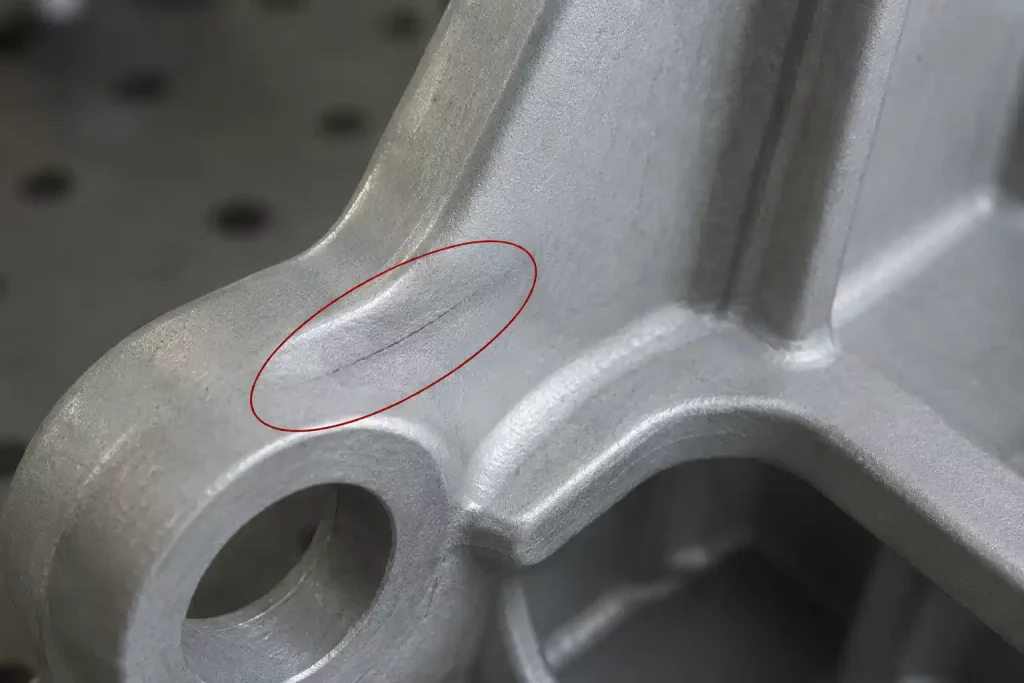
Une fermeture à froid est un défaut de surface ou progressif commun rencontré dans le processus de moulage sous pression. Elle se produit lorsque deux ou plusieurs flux de métal en fusion se rencontrent dans des directions différentes à l'intérieur de la cavité du moule, mais ne parviennent pas à fusionner complètement parce que leurs bords d'attaque se sont refroidis en dessous de la température du solidus. Il en résulte un joint ou une interface distincte, caractéristiquement émoussé et arrondi sur les bords, ce qui le distingue des fissures nettes induites par la contrainte.
Causes des shunts à froid de la coulée sous pression
La formation d'un joint froid est intrinsèquement due à une énergie thermique insuffisante et à une perte subséquente de fluidité dans le métal en fusion. Les facteurs spécifiques de l'atelier sont les suivants
Faible température de coulée
Si la température de fusion ou de coulée est inférieure aux spécifications, le métal en fusion subit une solidification localisée prématurée avant de remplir le moule.
Vitesse de remplissage lente
Une injection discontinue ou une vitesse d'écoulement insuffisante prolonge le temps d'exposition et de dissipation thermique du métal liquide dans la cavité.
Conception inadéquate du système de portillon
Un placement inapproprié des portes d'entrée, des voies d'écoulement trop longues ou des sections transversales restreintes entraînent une perte d'énergie des flux de métal avant leur rencontre.
Mauvaise ventilation de la cavité
Des évents/débordements insuffisants ou obstrués provoquent une contre-pression due à l'air emprisonné, ce qui ralentit la progression du métal et accélère le refroidissement au point de confluence.
Préchauffage inadéquat du moule
Des températures de filière excessivement basses, en particulier le long de grandes surfaces ou de sections à parois minces, exercent un effet de refroidissement important sur le métal qui progresse.
Effets des fermetures à froid sur les pièces moulées sous pression
Les fermetures à froid ne se contentent pas de ruiner l'uniformité cosmétique d'une pièce ; elles ont également de graves répercussions sur les performances fonctionnelles du composant et sur son traitement ultérieur :
Propriétés mécaniques dégradées
Comme les flux métalliques ne fusionnent pas au niveau atomique, la coupure froide agit comme une discontinuité dans la matrice. Sous l'effet de charges cycliques ou d'un impact, ce point de concentration de contraintes se propage facilement en une fissure, ce qui réduit considérablement la résistance à la traction et la durée de vie en fatigue.
Etanchéité à la pression compromise
Pour les pièces moulées sous pression nécessitant une étanchéité fiable (telles que les blocs moteurs ou les corps de vannes), les joints de fermeture à froid progressifs établissent des voies de fuite directes lors des essais de pression, ce qui entraîne des rejets de lots.
Impacts négatifs sur le traitement de surface
Au cours des processus ultérieurs de placage, de peinture ou d'anodisation, les interstices microscopiques d'une fermeture à froid peuvent piéger des résidus d'acide ou de l'humidité, ce qui entraîne des cloques localisées, un écaillage ou une accélération de la corrosion interne.
Comment éviter les chocs à froid lors de la coulée sous pression ?
La prévention des fermetures à froid repose sur la maximisation de la rétention thermique avant la confluence et l'optimisation du chemin de remplissage. Les solutions pratiques sont les suivantes :
Contrôle strict des températures de coulée
Maintenir le métal en fusion à des températures optimales dans les limites du processus afin de garantir une surchauffe adéquate.
Optimisation des systèmes d'ouverture et d'aération
Positionnez les portes d'entrée de manière stratégique pour réduire les distances d'écoulement et élargissez les canaux de ventilation le long des puits de débordement pour garantir l'évacuation instantanée de l'air.
Élever les températures de préchauffage des moules
Préchauffer complètement et uniformément les moules de coulée sous pression avant la production et les stabiliser au moyen de systèmes de gestion thermique afin de minimiser les chutes de température le long des sections à parois minces.
Réglage de la vitesse et de la pression d'injection
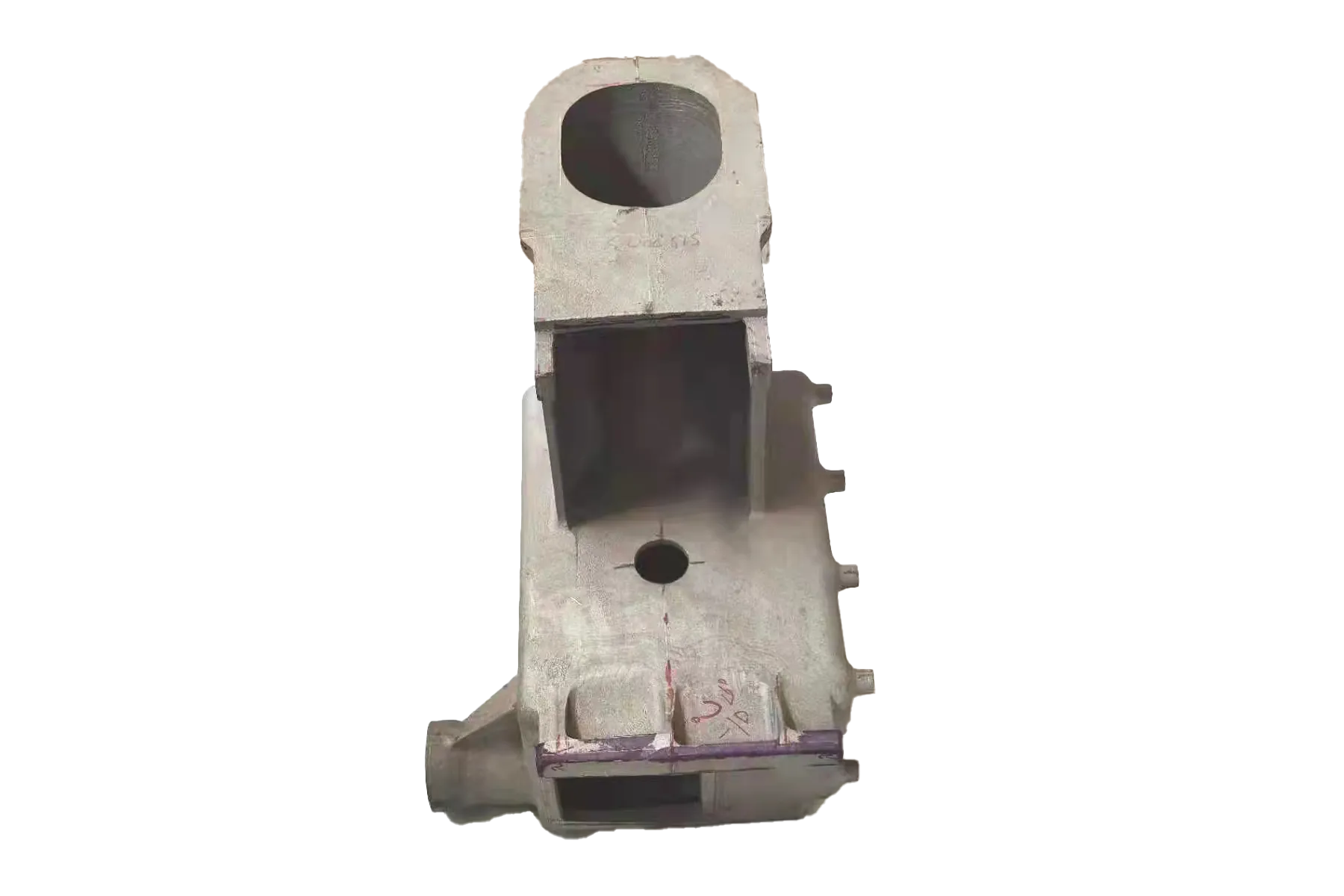
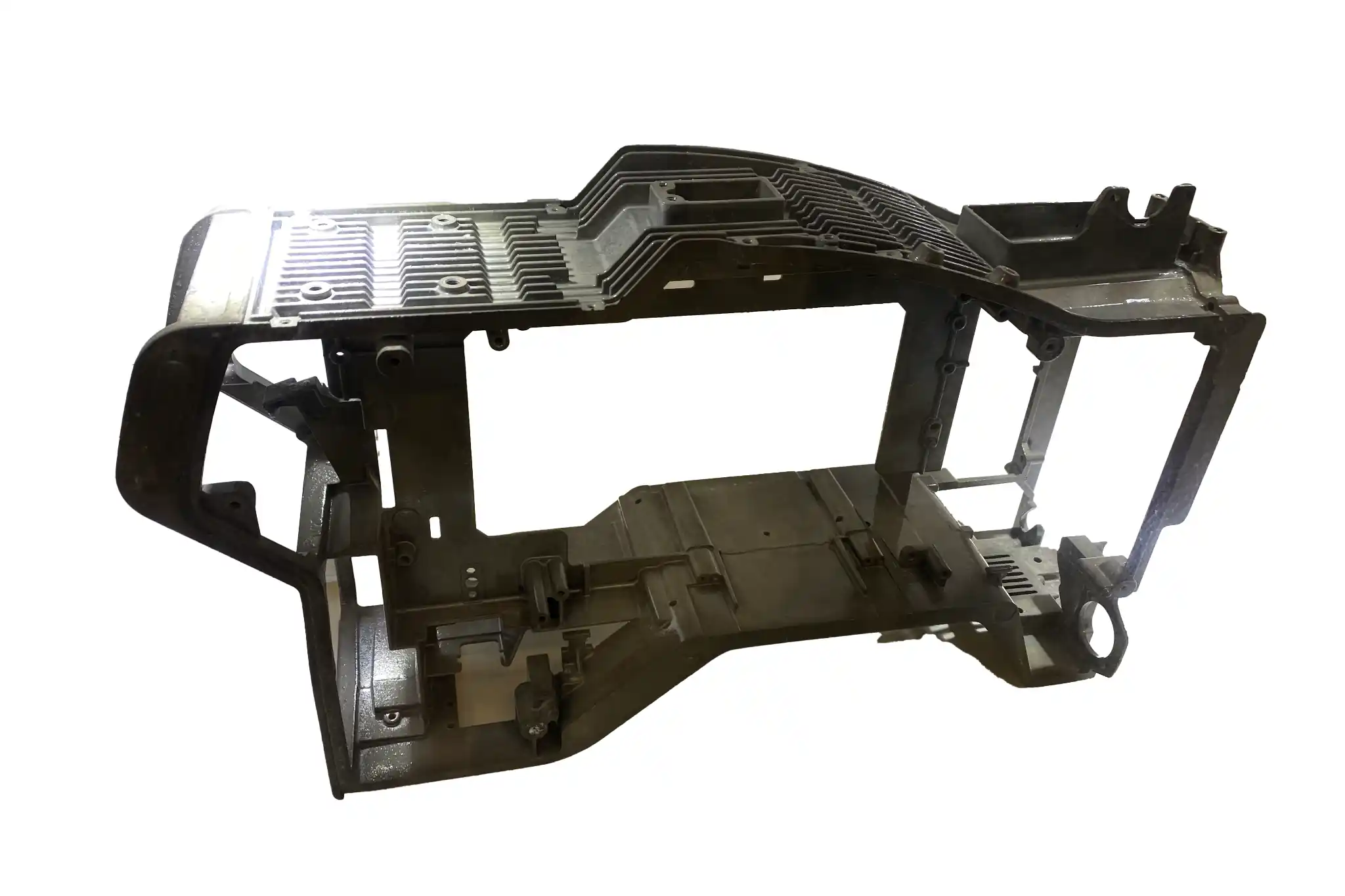
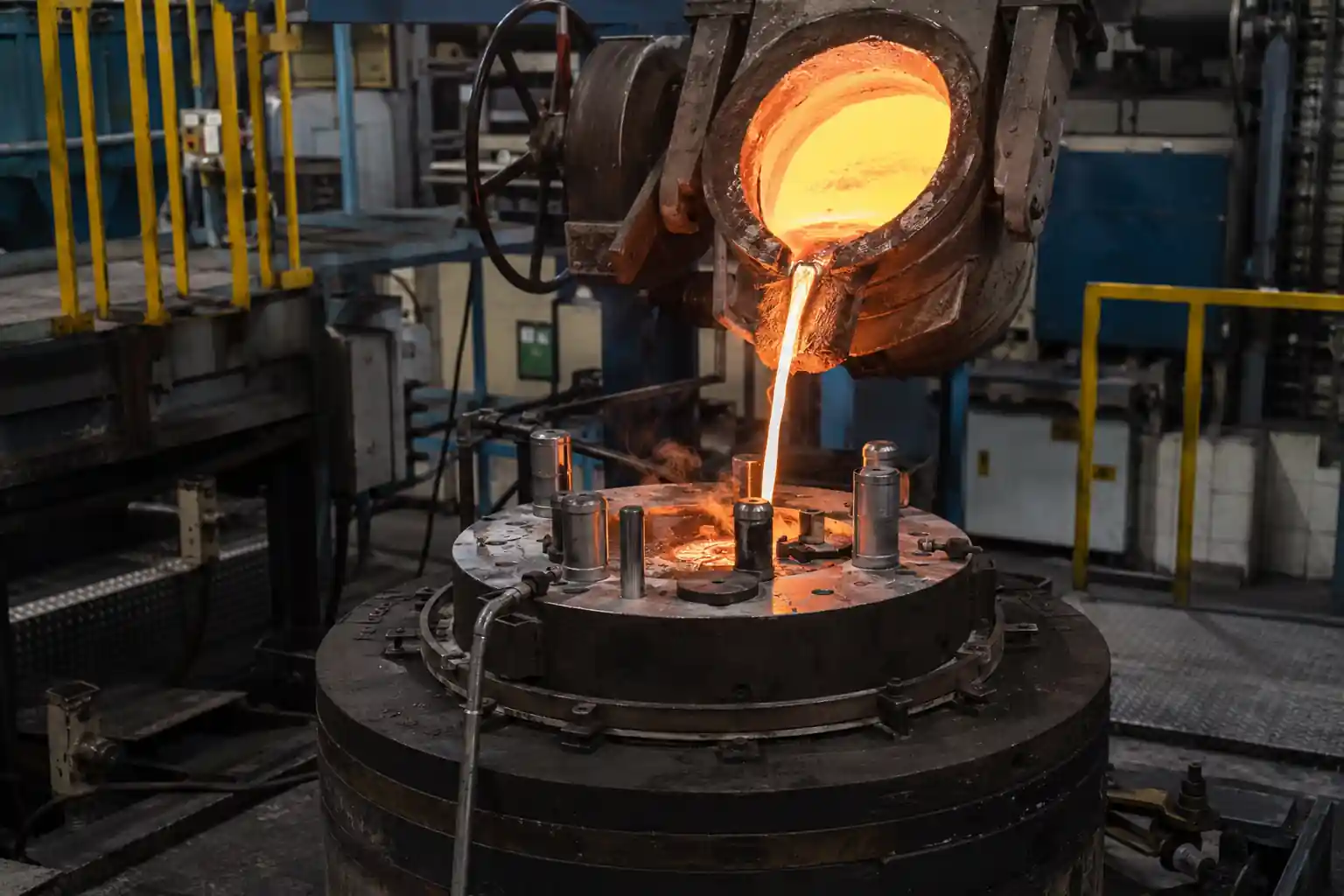
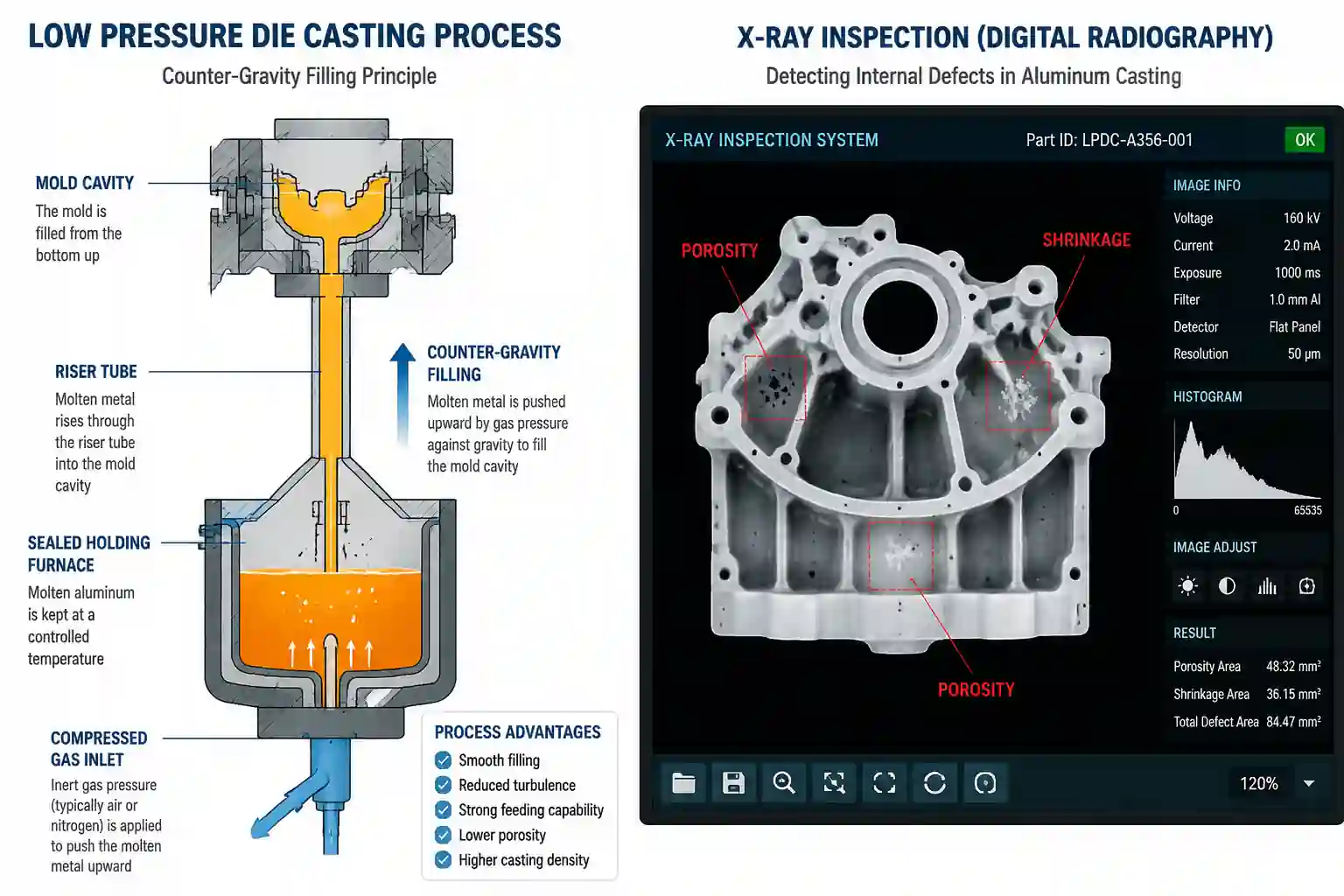
Des principes similaires de contrôle de la vitesse de remplissage et de la pression s'appliquent également aux moulage sous pression à basse pressionLa gamme de produits de l'entreprise est particulièrement adaptée aux boîtiers en aluminium, aux corps de pompe et aux pièces structurelles à parois minces pour lesquelles un remplissage stable du moule est nécessaire.
Assurer une injection régulière et continue tout en augmentant de manière appropriée la pression de remplissage, en accélérant la vitesse des tirs rapides ou en optimisant le temps de montée en pression.
Conclusion
L'apparition de fermetures à froid est le résultat combiné de la température du métal, de la vitesse et des facteurs environnementaux du moule. Pour relever ce défi, il faut moins d'ajustements isolés de la température que la conception optimisée du système de fermeture et l'exécution cohérente de l'acheminement du processus. La gestion systématique des températures de fusion, l'optimisation des voies de remplissage et la garantie d'une bonne ventilation de la cavité restent essentielles pour minimiser les défauts tout en assurant une production de masse efficace et à haut rendement.
Si votre projet de moulage doit réduire le risque de fermeture à froid, de porosité, de rétrécissement ou d'autres problèmes liés à l'utilisation de l'eau, il est possible de mettre en place un système de gestion de l'eau. défauts de couléeMinHe peut fournir une aide à l'évaluation de la fabrication en fonction des exigences relatives aux matériaux, à la structure des pièces, au processus de moulage et à l'inspection.