


Nos desenhos de engenharia ou nos pedidos de cotação (RFQ), o termo Alumínio muitas vezes gera confusão, uma vez que pode referir-se a matérias-primas comuns ou a componentes fundidos já moldados. O alumínio fundido não é um metal diferente, mas sim uma liga de alumínio moldada através do processo de fundição. Este artigo explica sucintamente as diferenças, as vantagens, as desvantagens e as aplicações industriais típicas do alumínio comum em comparação com o alumínio fundido.
O que é o alumínio?
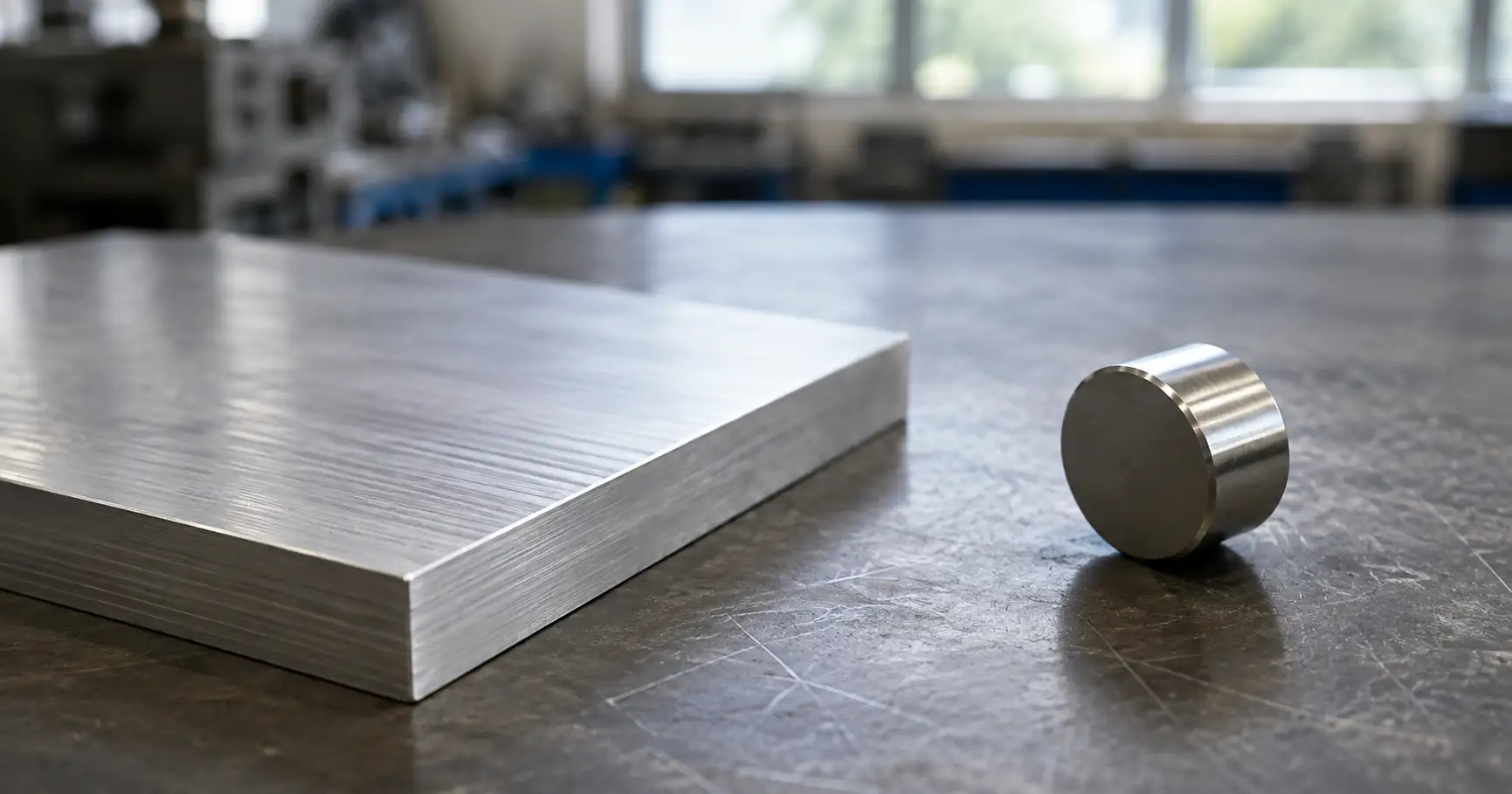
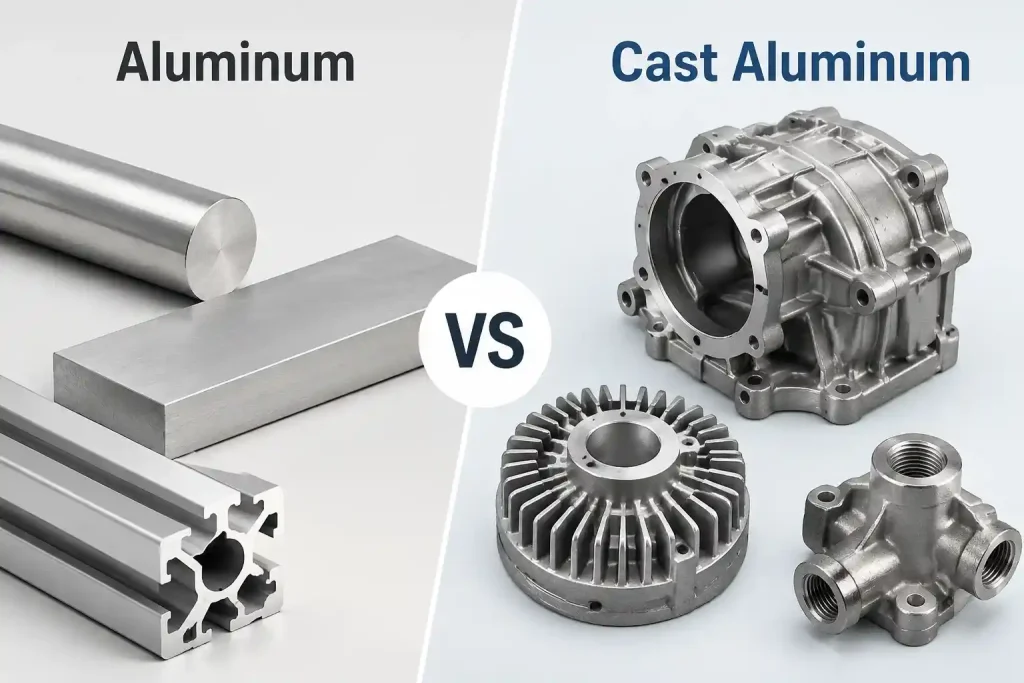
Na indústria transformadora, o termo «alumínio comum» refere-se normalmente a Alumínio forjado. Trata-se de uma categoria ampla de materiais que abrange diversas formas industriais, incluindo chapas, barras, tubos, extrusões, peças forjadas e tarugos.
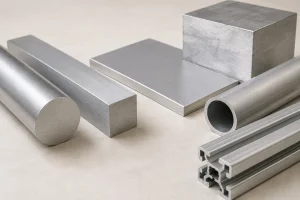
Estes materiais são produzidos através de processos de deformação plástica mecânica, tais como laminação, extrusão ou forjamento, que alteram fisicamente a estrutura granular interna. O alumínio comum é normalmente fornecido em formas geométricas padronizadas e, posteriormente, transformado em peças finais através de maquinagem CNC, sendo que as suas propriedades físicas dependem da matéria-prima sólida pré-formada.
Vantagens do alumínio
O alumínio comum apresenta várias características técnicas:
- Leve: Baixa densidade, adequado para estruturas em que o peso é um fator determinante.
- Resistência à corrosão: A camada de óxido que se forma naturalmente proporciona uma proteção básica.
- Usinabilidade: Excelentes características de corte, permitindo um controlo de tolerâncias de alta precisão.
- Estabilidade: O processamento mecânico garante propriedades mecânicas uniformes em todas as direções.
- Acabamento de superfícies: É facilmente submetido a tratamentos de proteção e embelezamento, como a anodização.
Desvantagens do alumínio
Na fabricação de peças industriais complexas, o alumínio comum apresenta limitações específicas:
- Tempo de usinagem: As formas 3D complexas exigem tempos de fresagem prolongados, o que se traduz em custos de mão de obra mais elevados.
- Desperdício de material: O corte de peças a partir de blocos sólidos gera uma quantidade significativa de resíduos, aumentando os custos de utilização do material.
- Limites geométricos: Cavidades internas profundas, nervuras complexas ou pontos de fixação integrados são difíceis de produzir diretamente a partir de material sólido.
- Complexidade da montagem: Se a geometria for muito complexa, poderá ser necessário dividir e montar as peças, o que aumenta a complexidade da gestão da lista de materiais.
O que é o alumínio fundido?
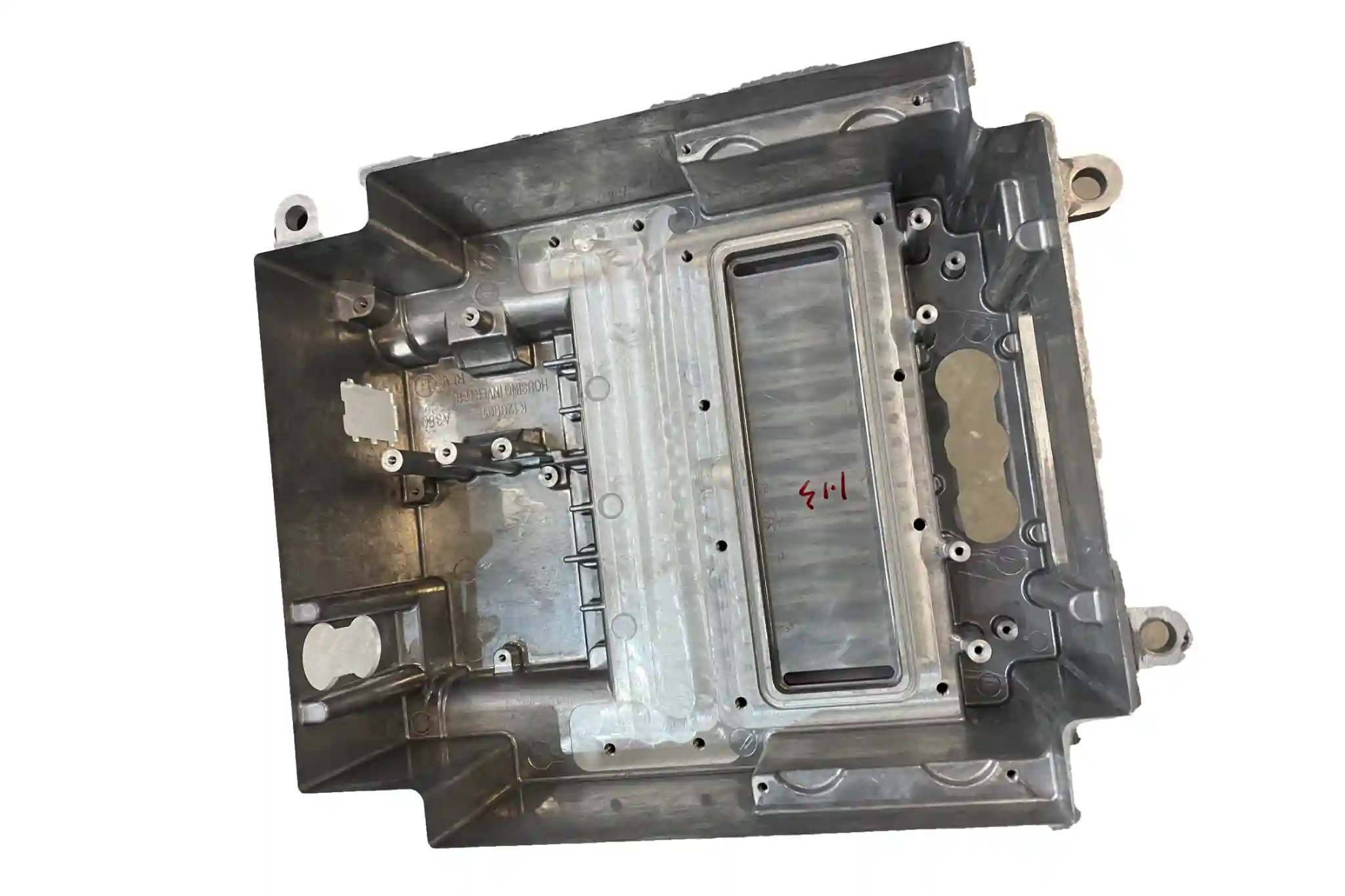
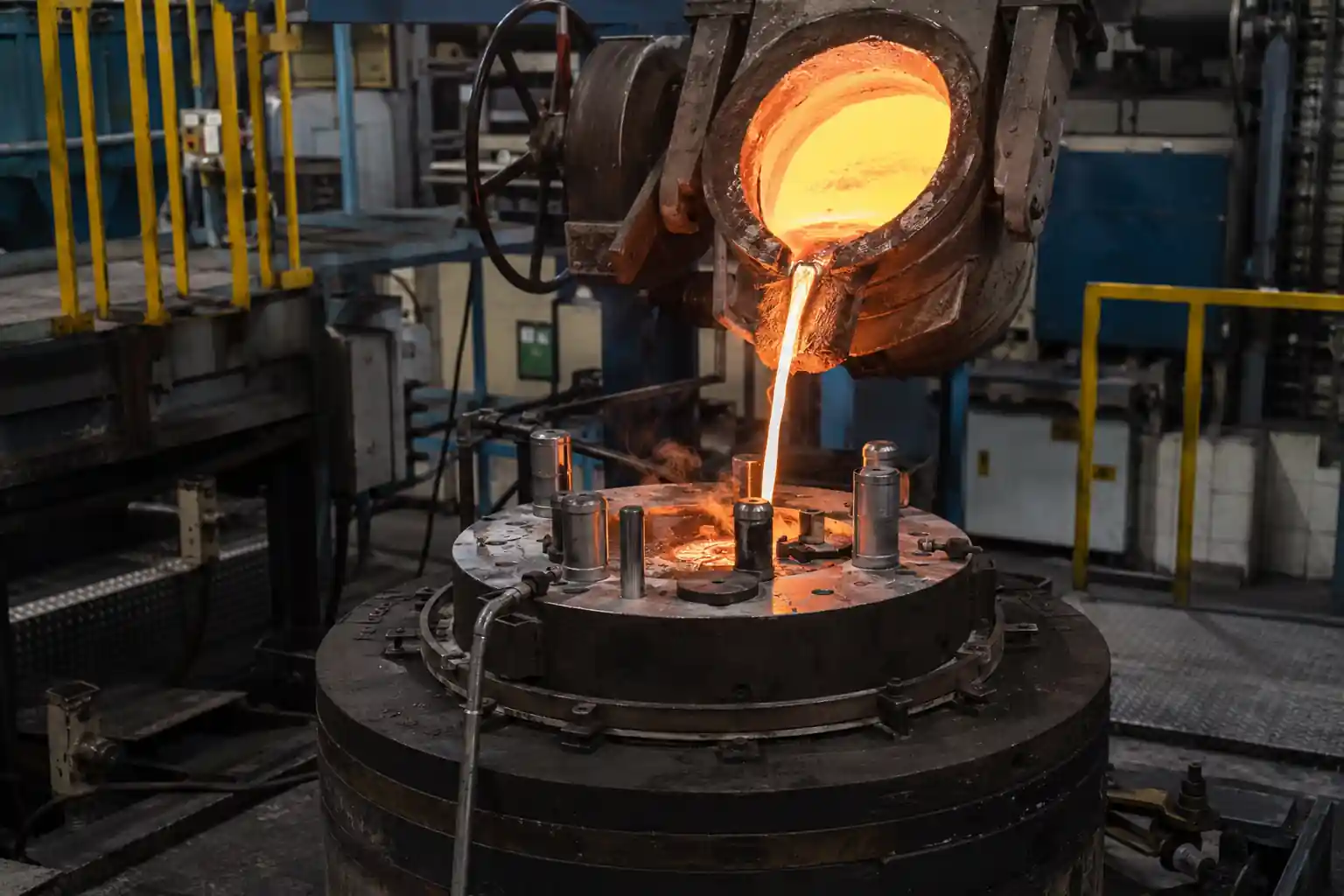
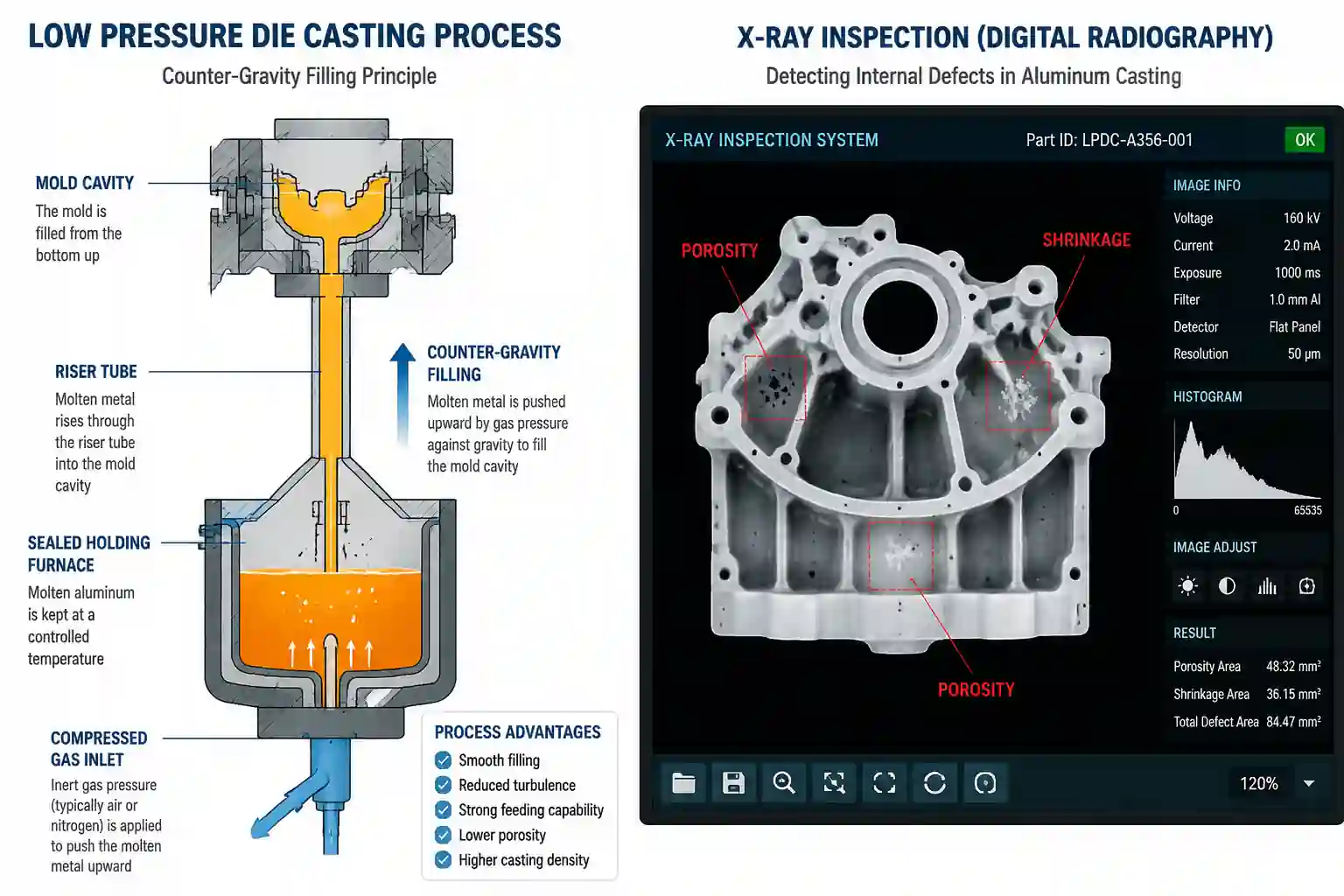
Fundido de alumínio refere-se a peças moldadas através da injeção de liga de alumínio fundida na cavidade de um molde e da sua solidificação a partir do estado líquido. Ao contrário da remoção de material a partir de uma peça sólida, a fundição molda o metal diretamente na sua forma final.
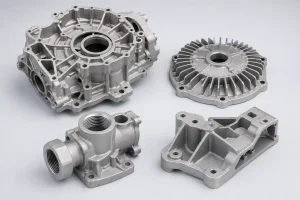
Este processo permite a criação de geometrias complexas, possibilitando a integração de passagens internas, nervuras e estruturas de montagem numa única peça, o que reduz a necessidade de operações de acabamento secundárias.
Ligas de alumínio comuns para fundição
ADC12
Frequentemente utilizada na fundição sob pressão, esta liga oferece uma excelente fluidez e é adequada para caixas de paredes finas, caixas de equipamentos eletrónicos e peças automóveis pequenas e complexas.
A356
Comumente utilizado em fundição por gravidade ou fundição em areia, oferece um bom equilíbrio entre resistência e ductilidade e é adequado para peças estruturais, suportes, rodas ou componentes de carcaças.
A380
Frequentemente utilizado em peças fundidas por injeção de alto volume, oferece um equilíbrio entre resistência, estabilidade dimensional e custo de produção, tornando-o adequado para caixas, suportes, válvulas e conjuntos mecânicos.
Vantagens do alumínio fundido
- Complexidade geométrica: Adequado para peças com cavidades internas complexas, formas irregulares ou espessura de parede variável.
- Forma quase final: As dimensões das peças fundidas são semelhantes às do produto final, reduzindo o volume de usinagem CNC secundária.
- Integração de funções: Os projetos podem integrar várias características estruturais numa única peça, simplificando a montagem.
- Eficiência do lote: Após o desenvolvimento do molde, o processo é adequado para a produção de volumes médios a elevados, com custos unitários mais baixos.
- Utilizações típicas: Caixas de bombas, caixas de proteção, corpos de válvulas, coletores e suportes estruturais.
Desvantagens do alumínio fundido
- Investimento inicial: Exige o desenvolvimento de moldes personalizados, o que implica custos fixos elevados.
- Economia de baixo volume: Os elevados custos fixos com os moldes tornam esta opção menos económica para protótipos ou lotes muito pequenos.
- Variabilidade no desempenho: A consistência estrutural depende de parâmetros do processo, como a composição da liga, a temperatura do molde e as taxas de arrefecimento.
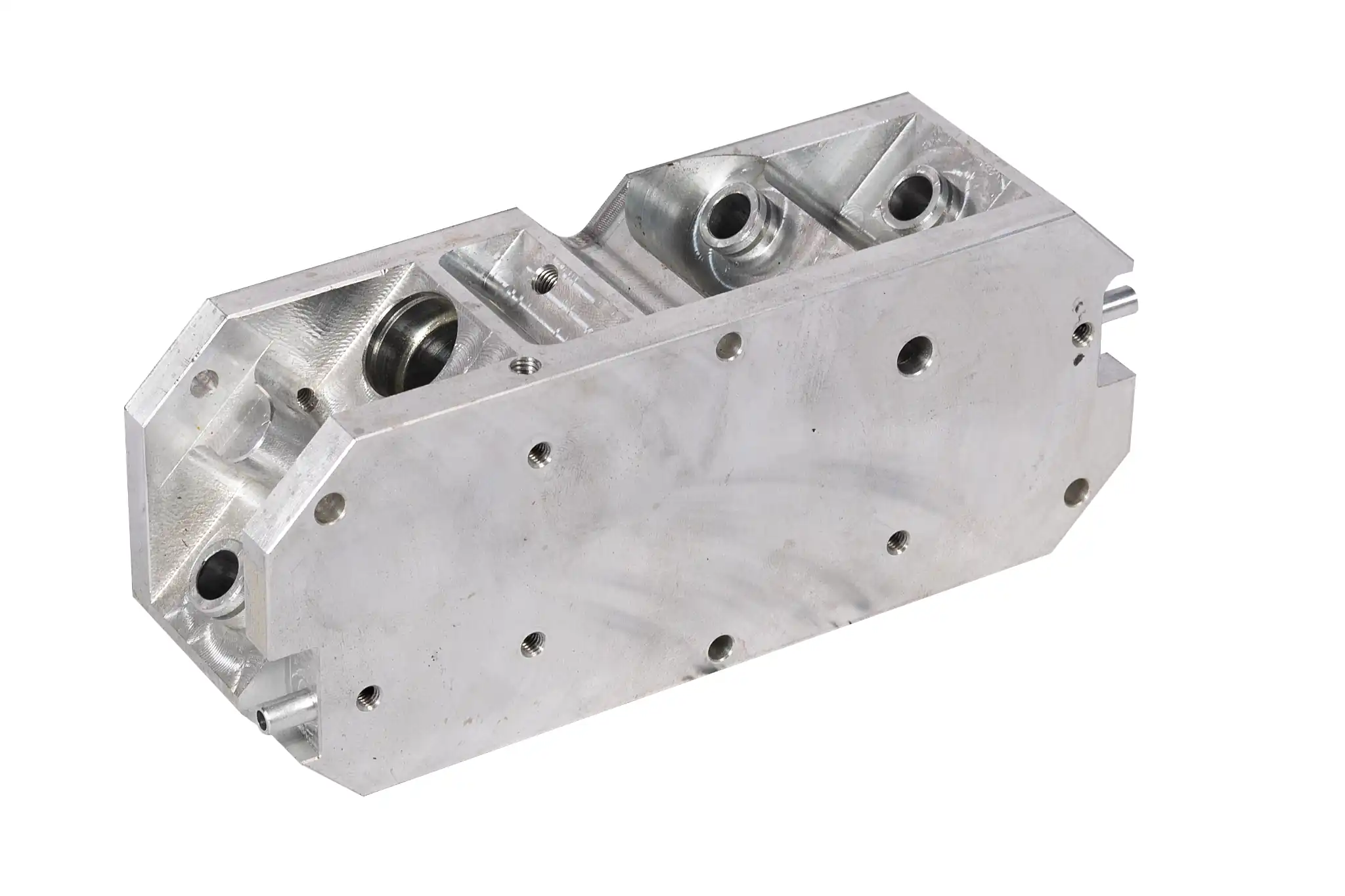
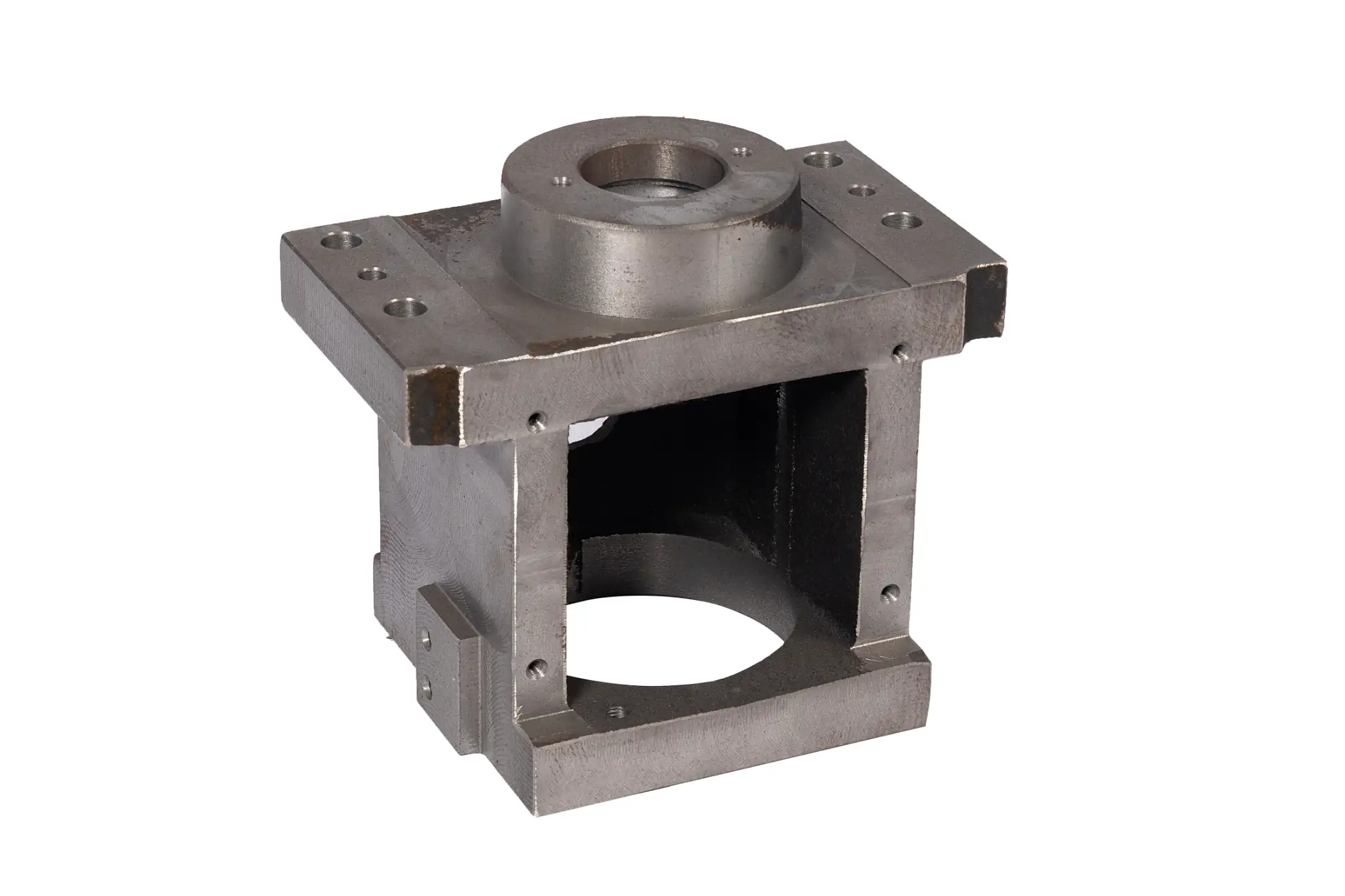
- Maquinagem secundária: As superfícies de encaixe críticas continuam, normalmente, a exigir um processamento CNC para cumprir os requisitos de precisão.
- Limites de superfície e de carga: Algumas ligas fundidas podem apresentar resultados de anodização menos uniformes ou uma resistência à fadiga inferior em comparação com o alumínio forjado.
Qual é a diferença entre alumínio e alumínio fundido?
As principais diferenças prendem-se com o método de conformação, a complexidade da forma, a consistência estrutural, os requisitos de maquinagem e os custos de produção.
| Caraterística | Cofragens de alumínio padrão | Peças de alumínio fundido |
| Definição básica | Categoria geral de materiais | Resultado da produção |
| Método de fabrico | Laminagem, extrusão, forjamento, usinagem | Fundição em areia, por gravidade ou sob pressão |
| Formulário típico | Chapa, barra, tubo, tarugo | Fundição de forma quase final |
| Complexidade da forma | Adequado para perfis simples | Adequado para formas 3D complexas/nervuras |
| Coerência estrutural | Uniforme e previsível | Depende da qualidade da solidificação |
| Maquinação/Tolerância | Alta precisão em várias superfícies | Apenas superfícies de contacto críticas |
| Acabamento da superfície | Excelente desempenho na anodização | Depende da qualidade da fundição |
| Custo das ferramentas | Não é necessário molde para o stock padrão | São necessários moldes personalizados |
| Escala de produção | Adequado para protótipos/pequenas séries | Adequado para peças complexas produzidas em grandes quantidades |
| Utilizações típicas | Molduras, painéis, acessórios, amostras | Caixas, coletores, corpos de válvulas |
Percurso do processo
O alumínio forjado parte de uma peça sólida, removendo o excesso de material por meios mecânicos; o alumínio fundido começa com a injeção de liga líquida num molde, solidificando-se na forma desejada através do calor, o que caracteriza um processo de conformação de metal líquido.
Desempenho
O alumínio forjado sofre deformação plástica, resultando em estruturas de grão uniformes e refinadas com um comportamento à fadiga estável; o desempenho do alumínio fundido é influenciado pelos parâmetros do processo, exigindo considerações de projeto para variações localizadas de densidade.
Características geométricas
O alumínio fundido é adequado para estruturas 3D complexas com características internas integradas; o alumínio comum é mais adequado para painéis planos ou perfis simples, uma vez que a usinagem forçada de formas complexas resulta em tempos de ciclo excessivos e perda de material.
Estrutura de custos
A fundição de alumínio requer um investimento inicial significativo em moldes, que é amortizado em produções de volume médio a elevado; o alumínio comum evita os custos com moldes, tornando-se mais económico para protótipos ou para a produção em série de peças com geometria simples.
Aplicações do alumínio
O alumínio comum é amplamente utilizado em aplicações estruturais e de alta precisão:
- Estruturas, suportes e painéis industriais.
- Dissipadores de calor e calhas de guia.
- Moldes, protótipos e componentes usinados com precisão.
Aplicações do alumínio fundido
O alumínio fundido é comum em componentes com cavidades internas complexas ou que funcionam como invólucros mecânicos:
- Caixas de bombas e caixas de motor.
- Tampas de caixas de velocidades, corpos de válvulas e coletores.
- Suportes estruturais com pontos de fixação integrados e geometria interna complexa.
Como escolher entre alumínio e alumínio fundido
A escolha entre alumínio comum e alumínio fundido depende da geometria da peça, do volume de produção, dos requisitos de tolerância, da carga de fadiga, do acabamento da superfície e do orçamento para ferramentas. As peças de alumínio comum são geralmente mais adequadas para protótipos, peças de baixo volume, formas simples, blocos de precisão, estruturas, painéis e componentes que exigem um controlo rigoroso da tolerância em várias superfícies. São também uma opção prática quando é importante um desempenho consistente em termos de fadiga ou uma aparência anodizada limpa.
O alumínio fundido é mais adequado quando a peça apresenta uma geometria complexa, cuja usinagem a partir de material maciço seria ineficiente. Isto inclui caixas, coletores, corpos de válvulas, tampas e suportes com cavidades internas, nervuras, saliências ou elementos de montagem integrados. Para volumes de produção médios a elevados, a fundição pode reduzir o tempo de usinagem e o desperdício de material. Em muitos projetos, uma peça fundida em bruto também pode ser usinada por CNC apenas nas superfícies de contato críticas, equilibrando a liberdade geométrica com a precisão dimensional.
Conclusão
O alumínio comum é normalmente fornecido em chapas, barras, perfis extrudidos, tarugos ou peças usinadas, tornando-o adequado para protótipos, estruturas simples, requisitos de alta precisão, aplicações sujeitas a elevada fadiga e acabamentos superficiais estéticos. O alumínio fundido é uma liga de alumínio moldada por fundição, tornando-o mais adequado para geometrias complexas, características integradas e produção em série.
Se estiver a avaliar uma peça de alumínio para fundição ou usinagem, a nossa equipa de engenharia pode analisar os seus desenhos, comparar as opções de fabrico viáveis e sugerir uma solução prática em termos de custo, desempenho e volume de produção.