
How to Choose the Right Aluminum Alloy for Gravity Die Casting?

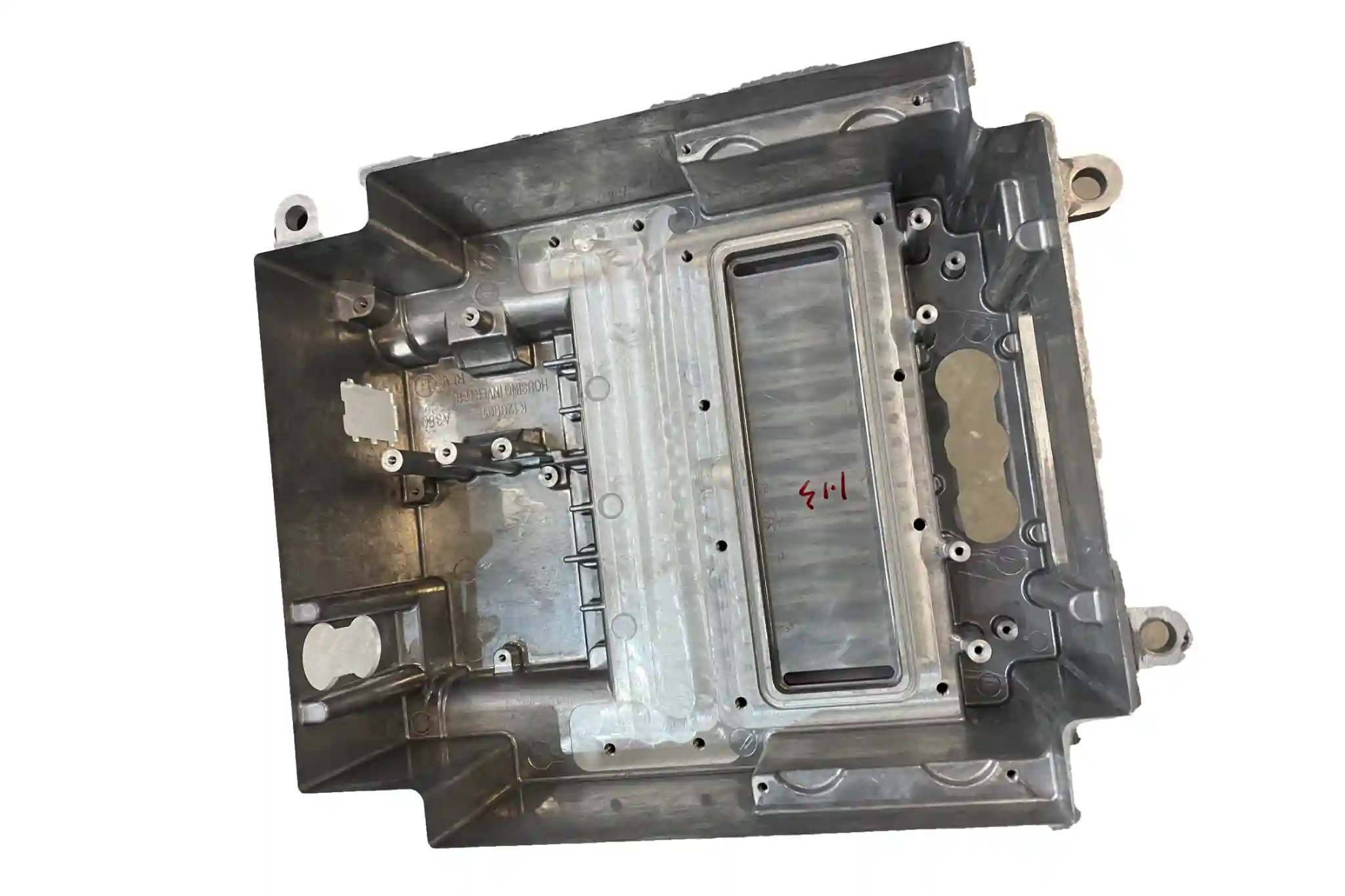
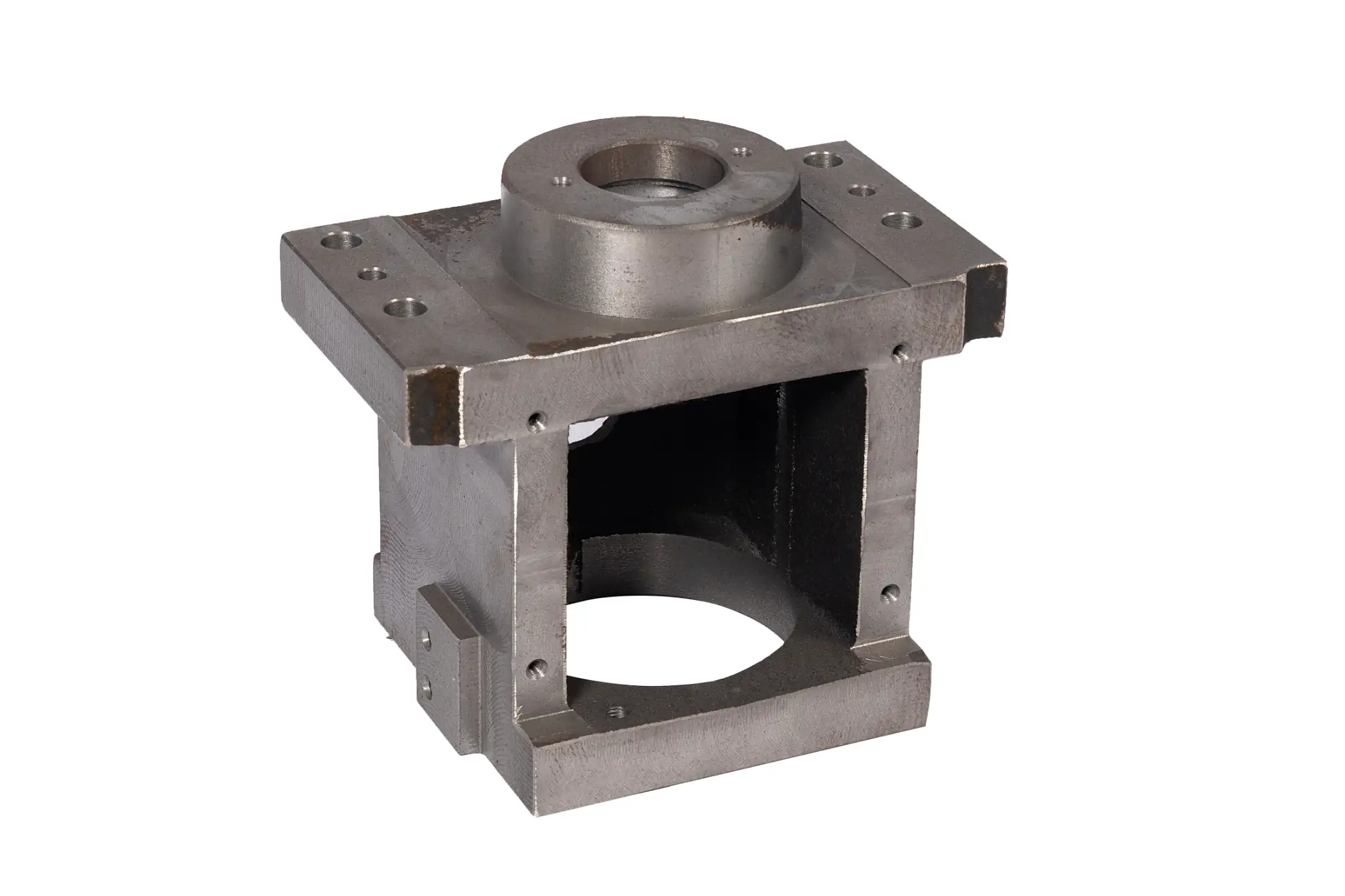
A356アルミニウム鋳造製エンドカバー(内径加工済み、取付穴付き)

Gravity die casting is a commonly used process in casting. Before a casting project begins, material selection is often one of the first challenges. Which materials are suitable for gravity die casting?

Today, we will look at the material properties and applications of various aluminum alloys suitable for gravity die casting.

Aluminum-Silicon Alloys for Gravity Die Casting

Most aluminum alloys commonly used in gravity die casting belong to the aluminum-silicon cast aluminum alloy family. The reason these materials are suitable for gravity die casting lies mainly in the casting performance brought by silicon.

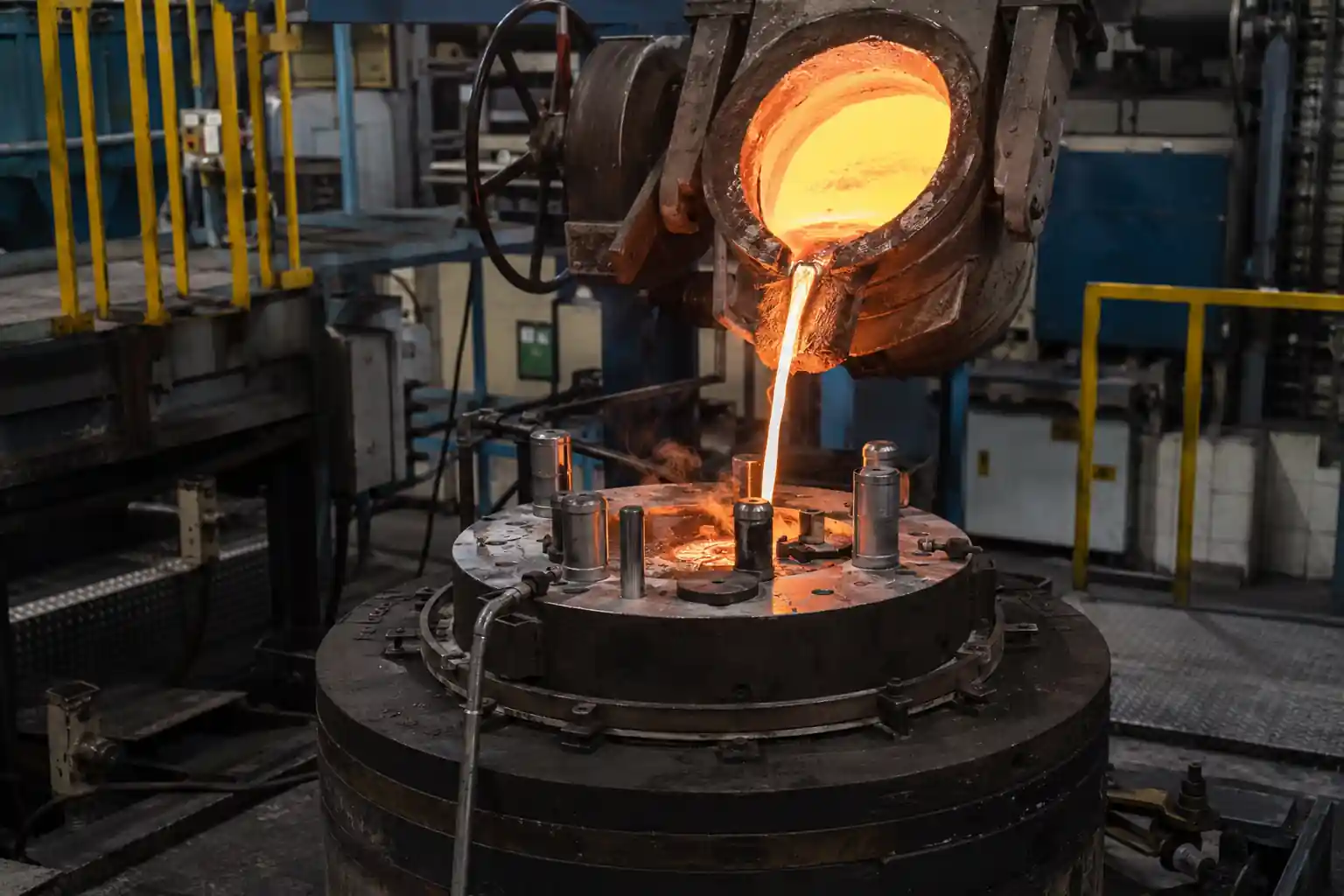
Silicon can improve the fluidity of molten aluminum, allowing the liquid metal to fill the metal mold more easily. For gravity die casting, which relies on the weight of the molten metal itself to complete mold filling, fluidity is very important. If the material does not have sufficient fluidity, thin-wall areas, ribs, corners, or far-end sections are more likely to have misruns, cold shuts, or incomplete profiles.

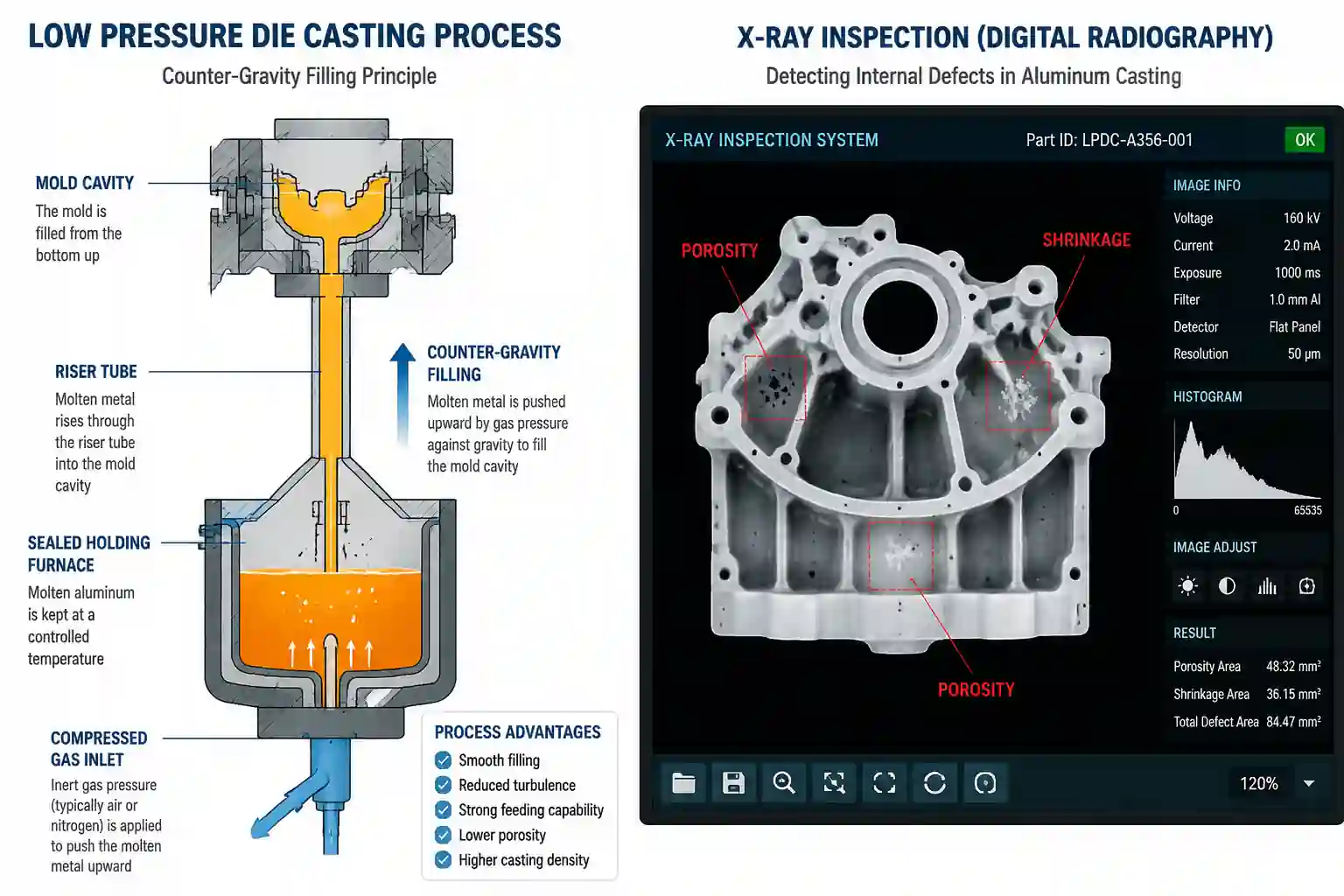
Although aluminum-silicon alloys have good fluidity and casting formability, parts with obvious wall thickness changes or higher subsequent machining requirements may still experience insufficient feeding during solidification, internal shrinkage porosity, or defects exposed after machining.

Among aluminum-silicon alloys, some grades also contain magnesium, forming aluminum-silicon-magnesium cast aluminum alloys, such as A356, A357, LM25, ZL101A, and ZL104. The role of magnesium is not to improve fluidity, but to improve the heat treatment response of the material. After proper heat treatment, these aluminum alloys can obtain better strength, hardness, and dimensional stability.

Grade Properties and Applications

The selection of aluminum alloys for gravity die casting usually depends on the strength, toughness, pressure tightness, dimensional stability, machining requirements, and cost target of the part. Different grades are suitable for different working conditions, and there is no absolutely universal material.

According to the performance requirements and application scenarios of common industrial parts, commonly used aluminum alloys for gravity die casting can be divided into the following categories.

A356 / A357: Common Aluminum Alloys for High-Performance Gravity Die Cast Parts

For gravity die cast parts that require relatively high strength, toughness, and stability, A356 and A357 are representative choices among aluminum-silicon-magnesium alloys.

A356 has good casting performance, corrosion resistance, and heat treatment response. After T6 heat treatment, its tensile strength can usually reach more than 240 MPa, yield strength can reach more than 180 MPa, and elongation can reach 8%–9%. It is suitable for automotive wheels, suspension system parts, electric vehicle motor housings, robotic arm structural parts, high-pressure valve bodies, and other products.

A357 can be regarded as a high-performance version of A356. It has higher material purity, and its tensile strength in the T6 condition can reach more than 350 MPa. It is more suitable for aerospace structural parts and other industrial parts with higher requirements for strength, toughness, and reliability.

It should be noted that A356 and A357 have higher requirements for the heat treatment process. Solution treatment, quenching, and aging parameters need to be strictly controlled. For wheels, thick-wall parts, or structures with obvious local hot spots, shrinkage cavities, shrinkage porosity, and other internal defects also need to be controlled during the gravity die casting process.

ZL104: An Aluminum Alloy That Balances Dimensional Stability and Structural Strength

For gravity die cast parts with complex shapes and requirements for dimensional accuracy and pressure tightness, ZL104 is a material choice worth considering.

ZL104, also known as ZAlSi9Mg, is an aluminum-silicon-magnesium-manganese cast aluminum alloy in the Chinese national standard. It has good casting performance, low linear shrinkage, low hot cracking tendency, and good pressure tightness. It is suitable for thin-wall parts, complex structural parts, and medium to large aluminum alloy castings.

In terms of performance, ZL104 can be strengthened by heat treatment, and its strength is usually higher than that of common aluminum-silicon alloys such as ZL101 and ZL102. After T6 heat treatment, its tensile strength can usually reach more than 230–240 MPa, and its hardness can reach more than 70 HB.

The advantage of ZL104 lies in its good dimensional stability. Parts are less likely to show obvious deformation during long-term use or under temperature changes. Therefore, it is commonly used in hydraulic pump housings, engine intake pipes, crankcases, cylinder heads, cylinder blocks, large box-type castings, marine parts, construction machinery components, and other products.

It should be noted that ZL104 is not suitable for long-term use in working conditions above 200°C. At the same time, this alloy has an obvious tendency to absorb gas and is prone to pinhole defects. During melting and pouring, refining and degassing should be properly carried out, and smooth molten metal flow should be controlled.

LM25 / ZL101A: Stable Choices for Conventional Industrial Gravity Castings

For industrial gravity castings that do not require extreme performance but need mature, reliable materials and controllable cost, LM25 and ZL101A are relatively safe choices.

LM25 is a common cast aluminum alloy grade in the British Standard BS 1490, while ZL101A is an improved aluminum-silicon-magnesium alloy widely used in the Chinese national standard. Both belong to heat-treatable Al-Si-Mg alloys and combine good casting performance, corrosion resistance, and engineering applicability.

The advantages of LM25 lie in its mature process, good corrosion resistance, and stable application. It is commonly used for automotive housings, pump housings, marine castings, food equipment parts, and general structural parts. ZL101A can be regarded as a high-quality improved version of ZL101. Its composition and performance are close to A356, and it has good casting process performance, machinability, and pressure tightness. It is suitable for automotive wheels, pump bodies, housings, marine castings, and new energy vehicle structural parts.

In material selection, LM25 is more suitable for conventional industrial parts that require corrosion resistance, process stability, and cost control. ZL101A is more suitable for aluminum alloy castings with higher requirements for strength, pressure tightness, microstructure quality, and subsequent machining stability.

It should be noted that the pouring temperature of LM25 should be controlled during gravity die casting to avoid increased porosity and reduced mechanical properties. For ZL101A, shrinkage porosity, pinholes, and oxide inclusions need to be controlled. During melting, refining and degassing should be properly carried out, and smooth molten metal flow should be maintained.

ADC12 / A380: Alternative Aluminum Alloys That Balance Cost and Castability

For aluminum alloy parts that place more emphasis on cost control, complex shapes, and forming efficiency, ADC12 and A380 can be included as alternative materials for evaluation. However, they are more commonly used in high-pressure die casting. When used in gravity die casting projects, their suitability needs to be evaluated based on performance requirements and defect risks.

ADC12 and A380 both belong to the Al-Si-Cu cast aluminum alloy family. They have good fluidity and casting formability and are suitable for aluminum alloy parts with complex structures and large wall thickness variations. They are commonly used in automotive, motorcycle, electronic and electrical, communication equipment, lighting accessory, and general mechanical housing products.

It should be noted that ADC12 and A380 have relatively high copper content and relatively low elongation. Their plasticity, pressure tightness, and corrosion resistance in some environments are not as good as those of Al-Si-Mg alloys such as A356, ZL101A, and ZL104. For pressure-bearing parts, safety-critical structural parts, or gravity die cast parts used in complex long-term service environments, materials more suitable for gravity die casting should be evaluated first.

MinHe Casting Helps You Find a More Suitable Material

From high-performance choices such as A356 / A357, to the stable applications of ZL104 and ZL101A, and then to cost-effective options such as ADC12 / A380, different aluminum alloys have their own suitable part structures and application scenarios.

MinHe Casting provides aluminum alloy gravity die casting services. We can also analyze part loading, working temperature, pressure tightness, dimensional accuracy, heat treatment, subsequent CNC machining, and other factors according to customer drawings, working conditions, and cost targets. This helps you select a more suitable aluminum alloy material and reduce defect and performance risks caused by improper material selection.

関連タグが付いた記事

お問い合わせ

この記事を共有する
フェイスブック
ツイッター
テレグラム
WhatsApp
ピンタレスト
このカテゴリのその他の記事