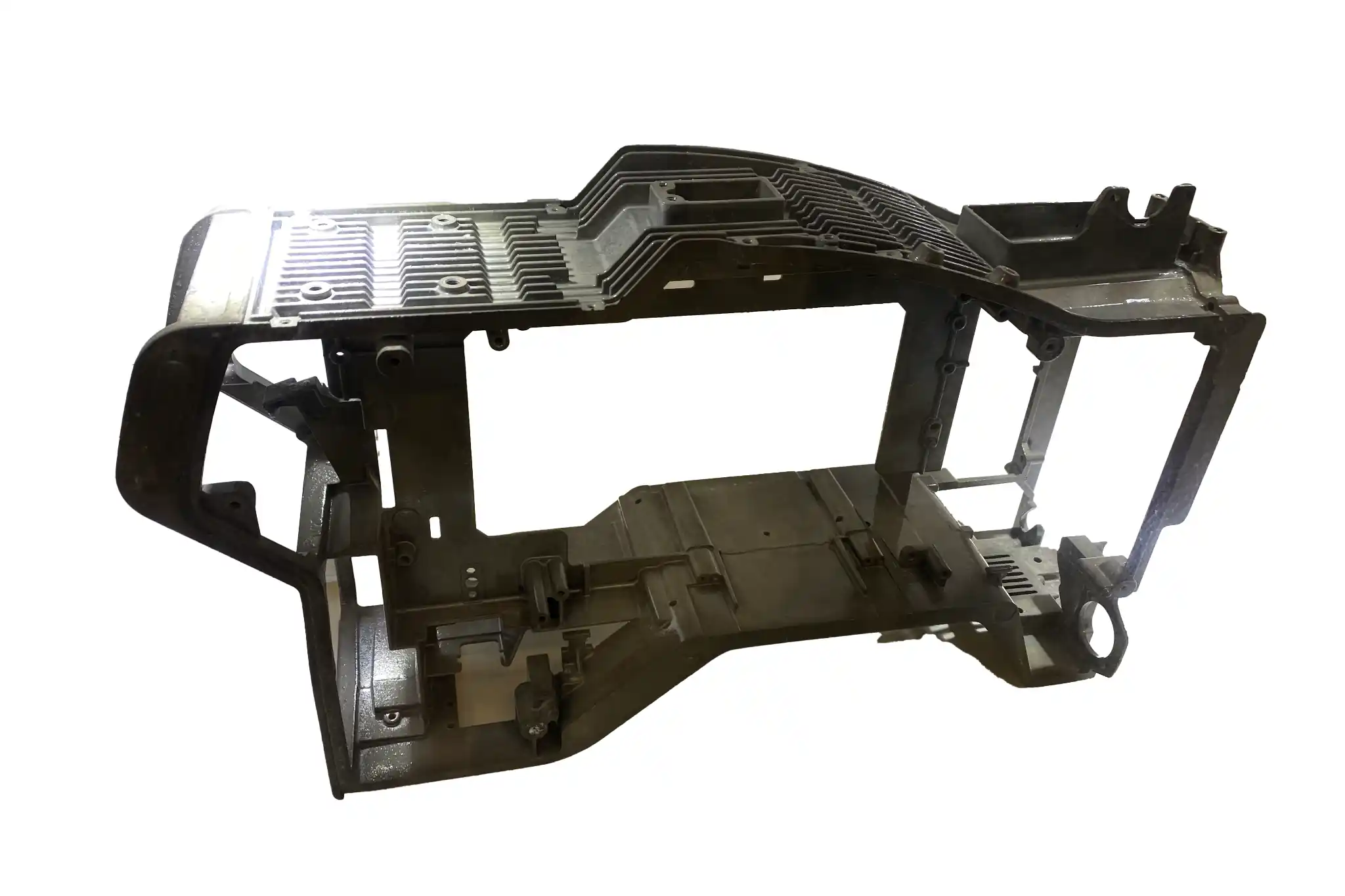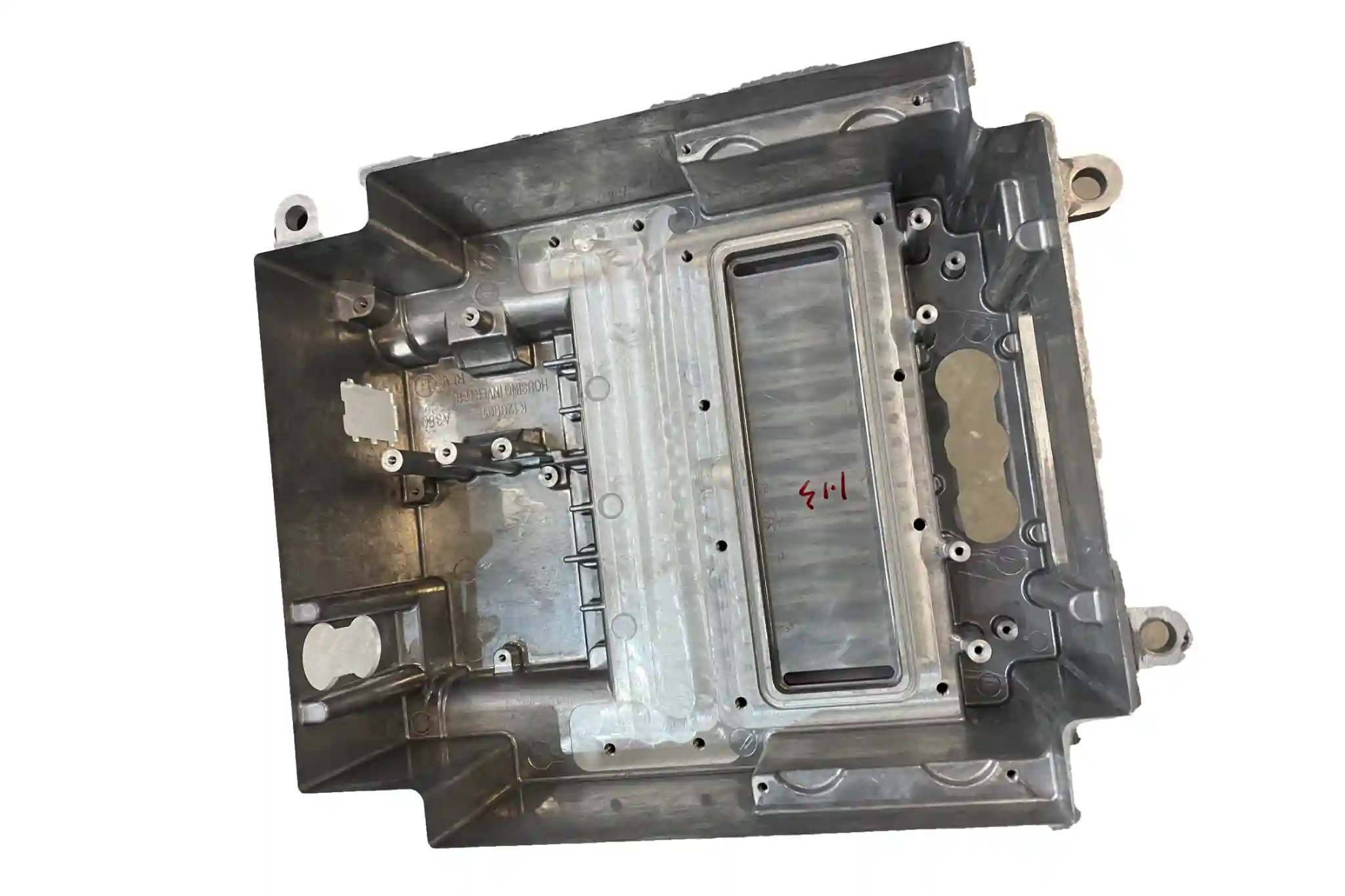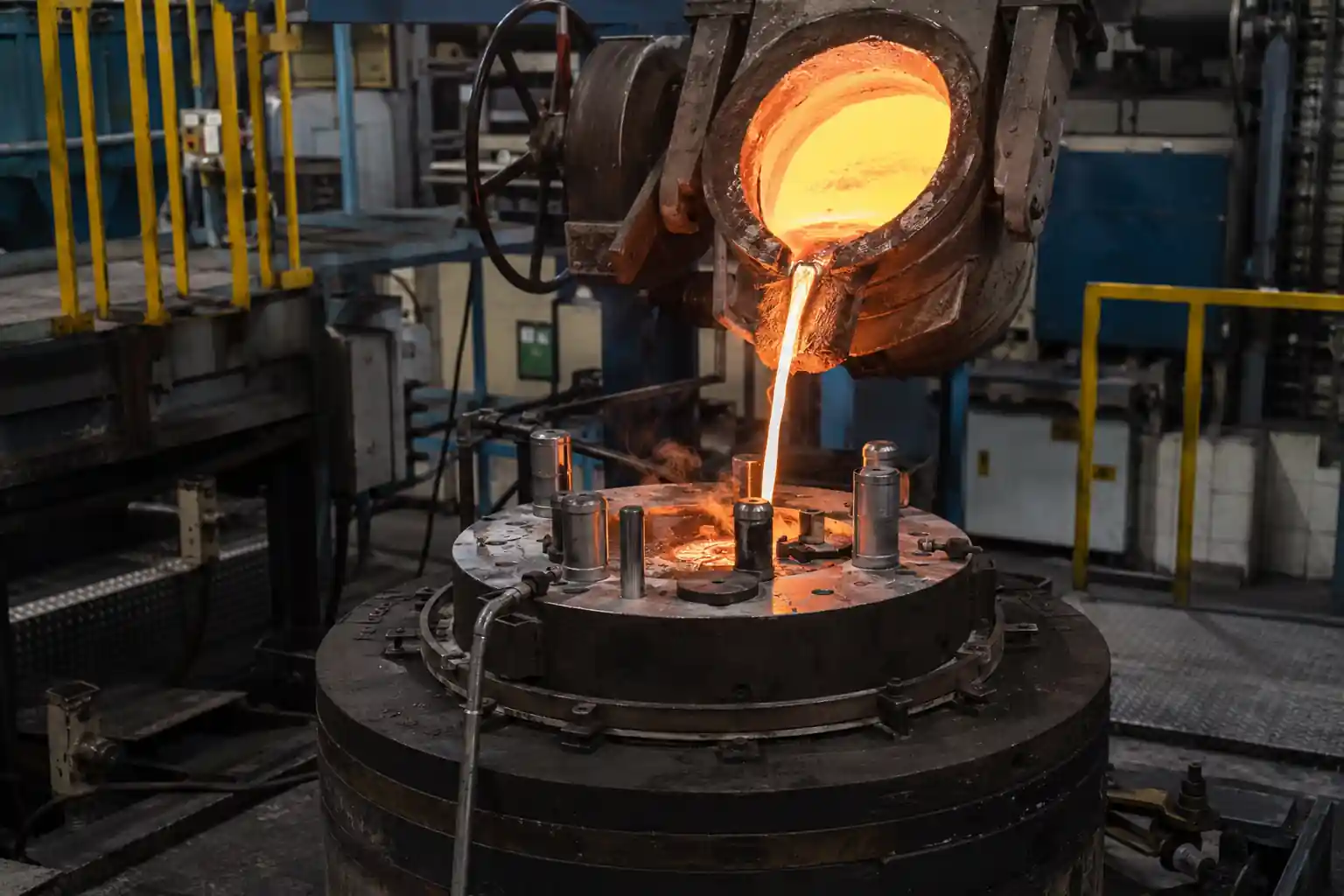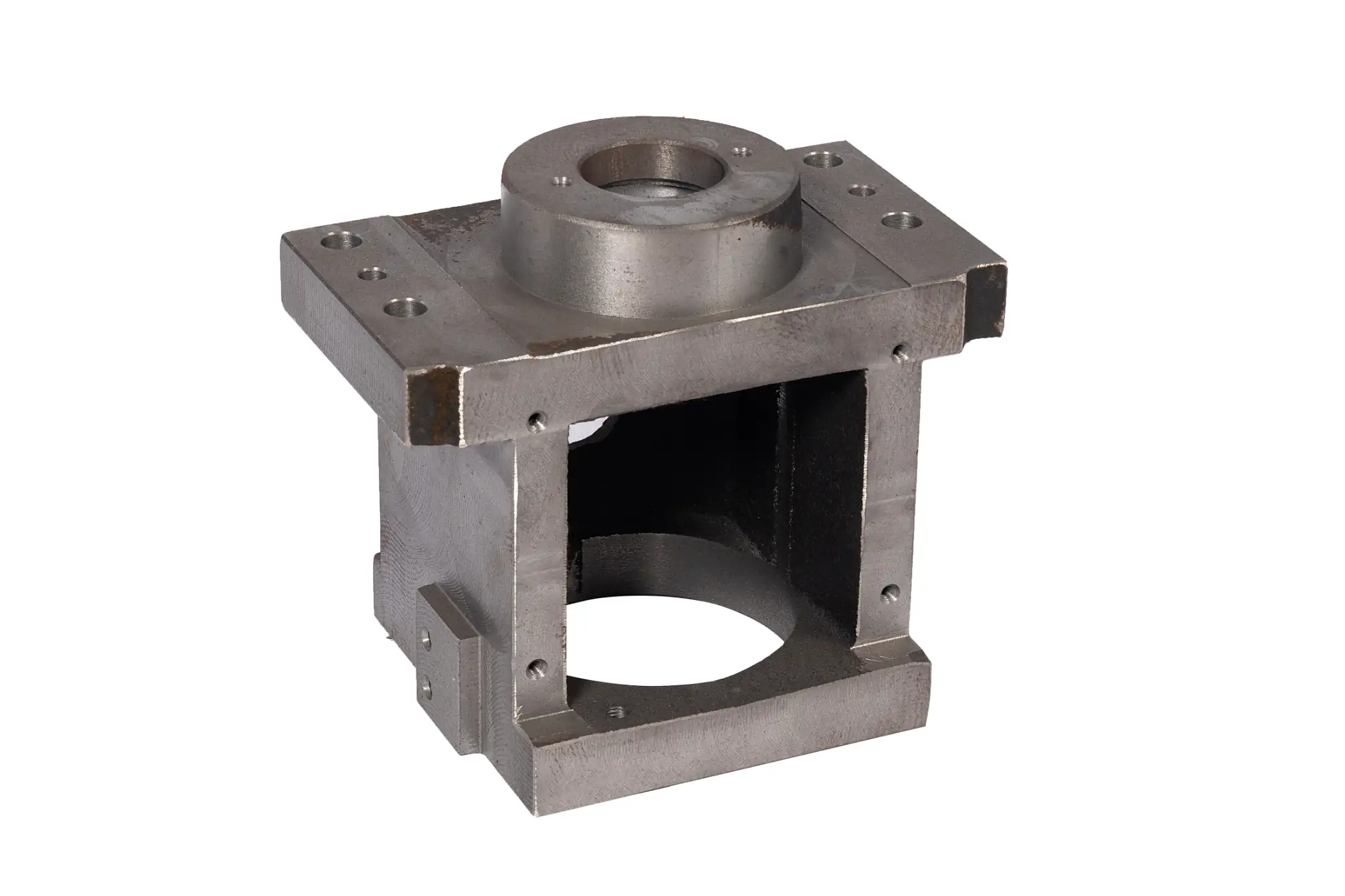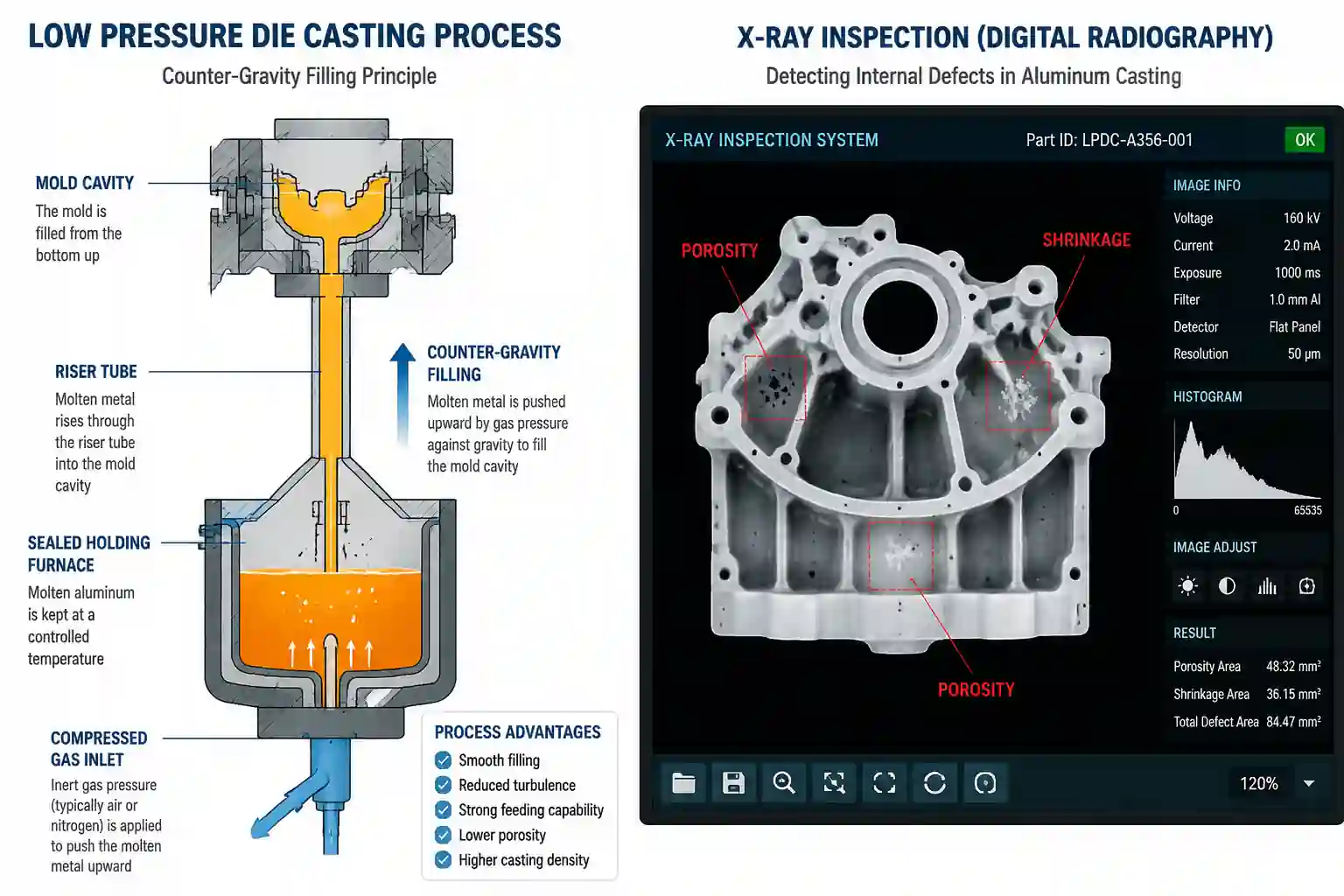



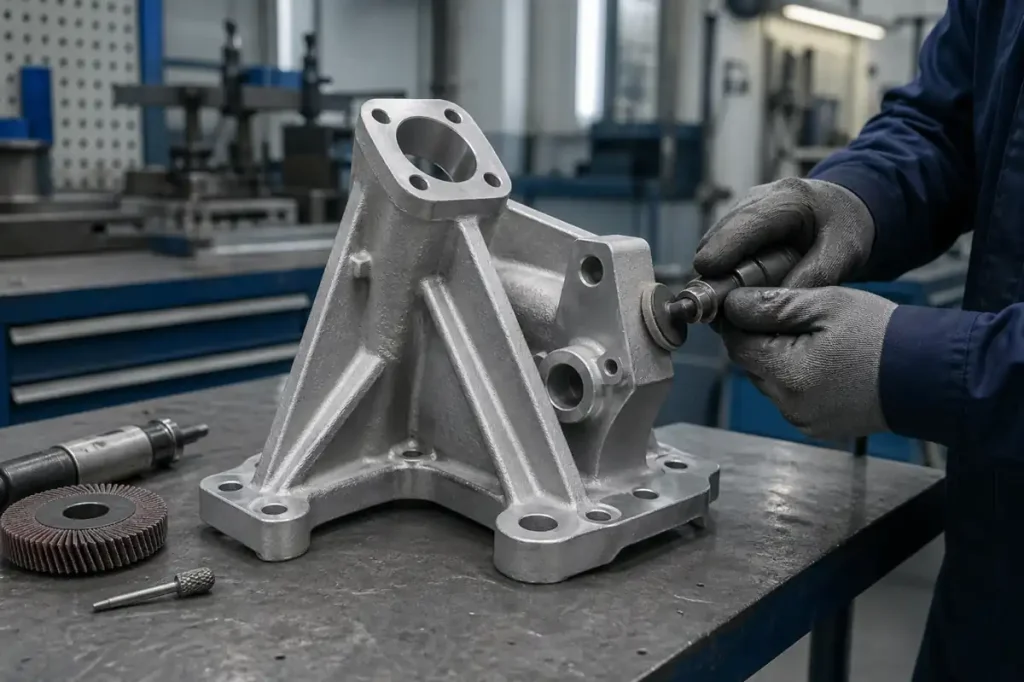
Die cast parts usually offer good dimensional consistency and relatively fine surface texture, but this does not mean every die casting can directly meet the required appearance or assembly standard. In actual production, surface roughness, flow marks, cold shuts, porosity, flash, burrs, ejector marks, and the surface condition before coating can all affect the final quality of the part.
Improving die casting surface quality is not only a matter of polishing or coating after production. It is also related to mold condition, casting parameters, alloy fluidity, venting design, part geometry, and the selected finishing process. This article explains the main factors that affect die casting surface quality and the common ways to improve it.
What Is Die Casting Surface Quality?
Die casting surface quality usually includes two aspects. The first is measurable surface roughness, such as the Ra value. The second is the visible surface condition, including flow marks, cold shuts, porosity, shrinkage marks, flash, burrs, scratches, oxidation marks, or other surface defects.
In engineering drawings and quality inspection, the more accurate term is usually surface roughness or Ra value, rather than a vague description such as “surface smoothness.” However, in purchasing and appearance-related discussions, customers often also care about whether the surface is even, whether it is suitable for powder coating, painting, plating, or assembly, and whether visible defects are acceptable.
Why Is Die Casting Surface Quality Important?
Appearance and Customer Acceptance
For housings, brackets, lighting components, electronic enclosures, and visible parts, surface defects directly affect the customer’s perception of product quality. Even if the dimensions are acceptable, obvious flow marks, burrs, or surface pores may cause the part to fail visual inspection.
Coating and Plating Performance
Before powder coating, painting, electrophoresis, plating, or anodizing, the die casting surface must have suitable cleanliness and roughness. If the surface contains oil, oxide layers, porosity, shrinkage marks, or release agent residue, the coating may suffer from poor adhesion, blistering, exposed base metal, or local peeling.
Assembly and Sealing Function
Some die cast parts include sealing faces, mounting surfaces, holes, or mating features. If these areas have unsuitable roughness, burrs, flash, deformation, or local defects, they may affect assembly, sealing performance, and functional stability.
Secondary Processing Cost
Die cast parts with poor surface quality often require more grinding, polishing, deburring, machining, or rework. In mass production, this directly increases unit cost and lead time risk.
Main Factors Affecting Die Casting Surface Quality
Alloy Material and Fluidity
Different die casting alloys have different fluidity, solidification behavior, and surface forming ability. Aluminum, zinc, and magnesium alloys differ in filling speed, surface detail reproduction, oxidation tendency, and finishing compatibility. If the alloy is not suitable for the part geometry or surface requirement, defects such as cold shuts, flow marks, incomplete filling, or unstable surface texture may occur.
Mold Surface Condition
The mold surface directly affects the surface copied onto the die cast part. If the mold surface has wear, scratches, carbon buildup, corrosion, release agent residue, or blocked vents, similar marks may appear on the casting surface. For appearance parts, mold maintenance and mold surface polishing are especially important.
Gate and Venting Design
Gate position, metal flow path, and venting system affect how the molten metal fills the cavity. If the metal flow is unstable or trapped gas cannot escape properly, the surface may show flow marks, cold shuts, porosity, blisters, or local defects. Proper gate and vent design helps reduce these surface problems.
Injection Parameters and Mold Temperature Control
Injection speed, pressure, molten metal temperature, and mold temperature all influence surface formation. A mold temperature that is too low may cause cold shuts and flow marks, while excessive temperature may increase sticking, oxidation, or other surface defects. Unstable process parameters can also create surface quality differences between batches.
Release Agent and Lubrication Control
Too much release agent, uneven spraying, or excessive residue may affect surface appearance and coating adhesion. Too little release agent may cause sticking, tearing, or surface pulling during ejection. For this reason, release agent control affects both production stability and final surface condition.
Part Design and Geometry
Wall thickness variation, sharp corners, deep cavities, thin-wall areas, long flow paths, and complex ribs can all affect metal filling and gas evacuation. When part design is not suitable for die casting, many surface defects cannot be fully solved by finishing alone.
Common Surface Problems in Die Cast Parts
High Surface Roughness
High surface roughness may be related to mold surface condition, alloy fluidity, mold temperature, release agent residue, or the finishing method used after casting. For parts that require coating, plating, sealing, or visible appearance, the required Ra value should be controlled according to the drawing or application requirement.
Flow Marks and Cold Shuts
Flow marks usually appear as lines, streaks, or flow patterns on the surface. Cold shuts are line-shaped defects caused when two metal flow fronts do not fully fuse. These problems are often related to low mold temperature, insufficient filling speed, poor flow path design, or inadequate venting.
Porosity and Shrinkage Marks
Porosity may be caused by trapped air, poor venting, or gas generated from release agent. Shrinkage marks often appear in thick-wall areas or hot spots. Surface pores and shrinkage marks not only affect appearance, but can also affect coating, plating, and secondary machining.
Flash and Burrs
Flash often appears at parting lines, slide areas, or insert joints. It may be related to mold wear, insufficient clamping force, excessive pressure, or poor parting surface fit. Burrs that are not removed properly can affect assembly, safety, and appearance.
Surface Pulling and Sticking Marks
During ejection, die cast parts may show pulling marks, scratches, or sticking defects if mold surface condition, draft angle, or release agent control is poor. These problems are common in deep cavities, rib areas, and side walls.
How to Improve Die Casting Surface Quality
Optimize Part Design
Surface quality improvement should begin at the design stage. Reasonable casting design considerations, including wall thickness, fillets, draft angles, rib layout, and visible surface planning, can reduce filling problems, pulling marks, flash, and deformation. For appearance surfaces, gates, parting lines, ejector marks, and forced ejection areas should be kept away from highly visible locations whenever possible.
Improve Mold Surface and Maintenance
Mold surface condition has a direct influence on die casting surface quality. Regularly cleaning carbon buildup, checking vents, maintaining parting surfaces, repairing worn areas, and controlling mold polishing according to appearance requirements can reduce repeated surface defects.
Optimize Gate and Venting Systems
Proper gate design allows molten metal to fill the cavity more smoothly and reduces trapped air, cold shuts, and flow marks. Vents, overflow areas, and vacuum-assisted systems can help remove gas from the cavity and reduce porosity and surface defects.
Control Die Casting Process Parameters
Stable injection speed, pressure, molten metal temperature, and mold temperature are the foundation of consistent surface quality. For parts with higher surface requirements, large mold temperature fluctuations should be avoided, and the correct process window should be confirmed through trial runs and production records.
Use Release Agent Properly
Release agent should support stable ejection while avoiding excessive residue. Spray position, spray volume, dilution ratio, and drying time can all affect surface condition. For die cast parts that require coating or plating, release agent residue control is especially important.
Choose the Right Finishing Method
Common die casting finishing methods include deburring, vibratory finishing, sandblasting, shot blasting, grinding, polishing, machining, powder coating, painting, electrophoresis, plating, and corrosion protection. Different methods solve different surface problems, so the choice should depend on part function, appearance requirements, cost, and production volume.
How Finishing Methods Affect Surface Quality
Deburring and Vibratory Finishing
Deburring and vibratory finishing are suitable for removing edge burrs, light flash, and sharp edges. They can improve touch safety and assembly quality, but they may be less effective for deep holes, internal cavities, and complex features.
Sandblasting and Shot Blasting
Sandblasting and shot blasting can improve surface consistency, remove oxide layers, light defects, and surface contamination. They are also often used as surface preparation before coating. However, they change surface roughness, so process parameters should be controlled according to the coating requirement.
Grinding and Polishing
Grinding and polishing are suitable for visible surfaces or local areas with higher appearance requirements. They can reduce surface roughness and improve appearance, but they usually increase labor cost and are not suitable for every mass-production part or complex internal surface.
Machining Functional Surfaces
For sealing surfaces, mounting faces, holes, threads, and mating features, machining is often more reliable than surface finishing alone. Machining can achieve tighter dimensional accuracy and controlled surface roughness, but proper machining allowance must be considered during die casting design.
Coating, Plating, and Surface Protection
Powder coating, painting, electrophoresis, plating, and other surface coatings can improve appearance, corrosion resistance, and wear resistance. However, these processes require proper pretreatment. The surface should be clean, free from oil contamination, free from obvious pores, and suitable in roughness for coating adhesion.
Balance Between Surface Quality, Cost, and Function
Higher surface quality is not always necessary for every area of a die cast part. Visible surfaces, sealing surfaces, assembly surfaces, and non-functional surfaces usually do not need the same surface standard.
If every area requires very low roughness or a high appearance grade, mold cost, finishing cost, and inspection cost will increase. A more practical approach is to clearly define critical areas, visible surfaces, acceptable defect limits, specific Ra requirements, and suitable metal casting inspection methods on the drawing.
Conclusion
Improving die casting surface quality requires attention to material selection, mold condition, gate and vent design, casting parameters, release agent control, part design, and finishing methods. Surface roughness, flow marks, porosity, flash, burrs, and coating defects are often caused by a combination of design and manufacturing factors rather than a single issue.
For aluminum casting projects that require stable appearance or coating performance, surface roughness, visible surfaces, and finishing methods should be confirmed before mold design and production.