


What Is Ductile Iron? Understand Its Properties, Composition, and Uses in One Article
Explore the world of ductile iron. This article provides a comprehensive analysis of its unique…


We provide custom cast iron casting services for industrial and commercial projects, supporting sand casting and subsequent machining and surface finishing requirements.
• Maximum part size: according to drawing and casting process requirements
• Part weight range: suitable for small to heavy-duty cast iron components
• Secondary machining: CNC machining for holes, threads, sealing surfaces, and critical features
• Surface finishing: shot blasting, coating, painting, and other required treatments
• Tolerance: according to drawing and application requirements
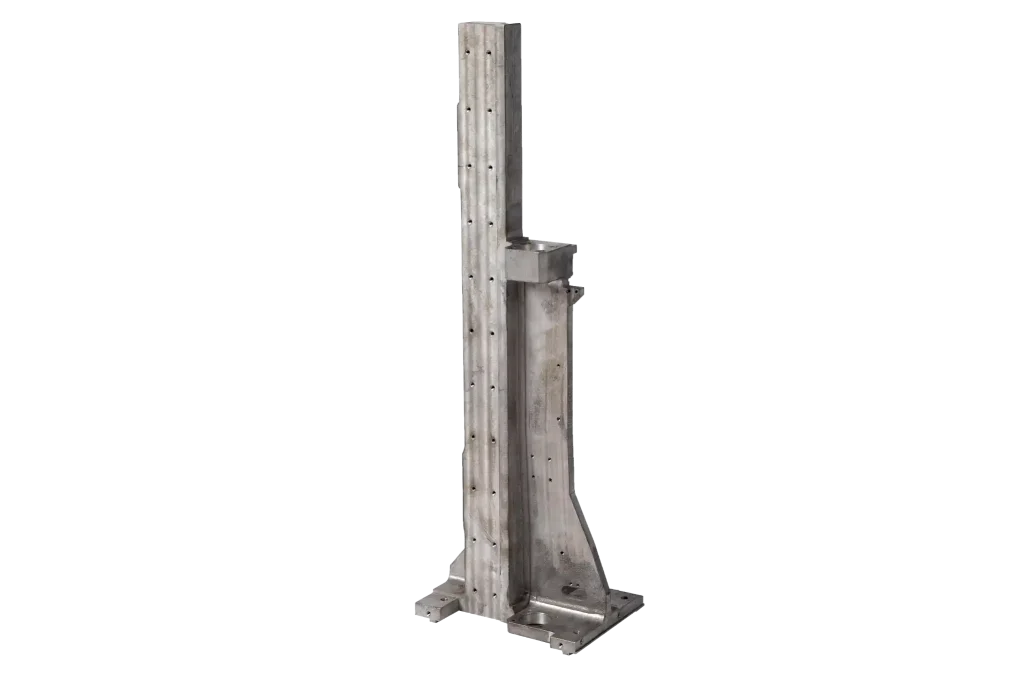
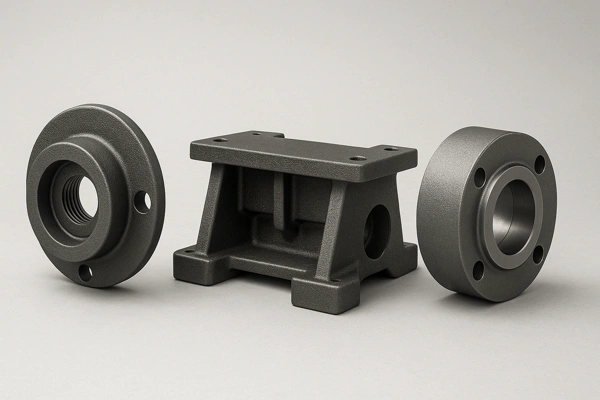
Minhe provides manufacturing support for cast iron casting projects from early evaluation to final production delivery. Backed by an ISO 9001 quality management system, we maintain stable project execution across process coordination, casting production, subsequent machining, and surface finishing. For common cast iron components such as housings, covers, bases, brackets, and other structural cast parts, we place greater emphasis on dimensional consistency, surface quality, vibration-damping performance, and batch production stability to meet different structural and application requirements.
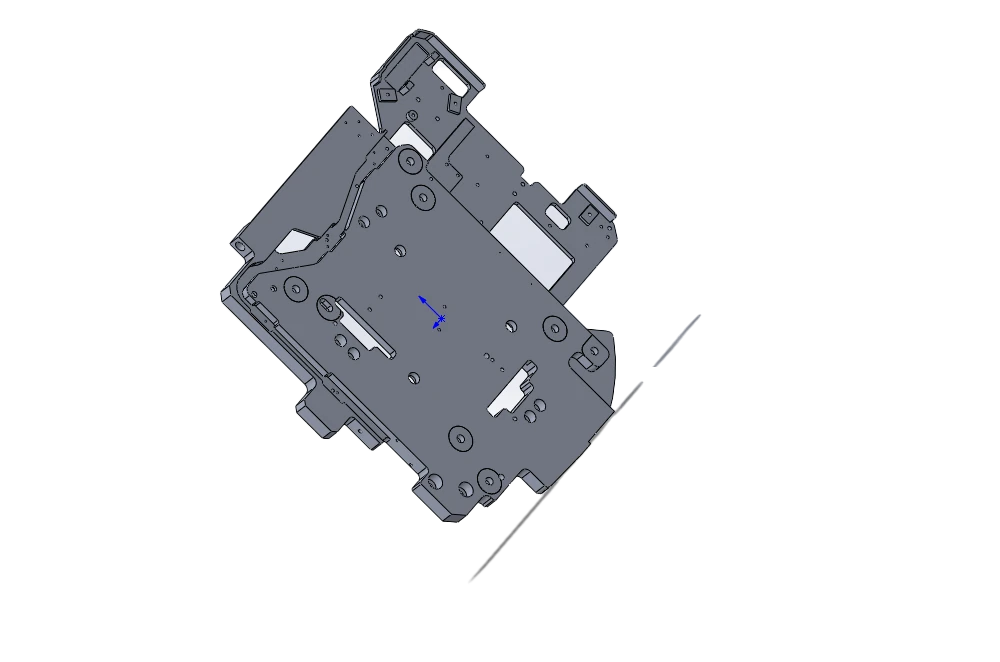
We supply gray and ductile iron grades engineered for structural strength, vibration resistance, and wear performance in industrial machinery, pumps, hydraulics, and automotive applications.
The following grades are common choices offering reliable strength, impact toughness, and machinability for cost-effective, long-service components.
| Iron Grade | Key Properties | Typical Applications | Example Parts |
|---|---|---|---|
| ASTM A48 Class 30 | Gray cast iron with good damping capacity and machinability. Offers sufficient strength for lightly-loaded structural components. | Machine bases, housings, compressor covers, and general industrial components. | Lathe Bed, Compressor Housing, Pump Cover |
| ASTM A48 Class 40 | Higher-strength gray iron with better wear resistance and hardness. Suitable for components requiring dimensional stability and vibration control. | Gear housings, brake components, engine blocks, and friction parts. | Gearbox Housing, Brake Drum, Machine Frame |
| ASTM A536 65-45-12 | Ductile (nodular) cast iron offering good ductility, moderate strength, impact resistance and weldability. Excellent fatigue performance. | Automotive suspension, pressure-bearing parts, and industrial machinery components. | Suspension Arm, Flange, Pressure Housing |
| ASTM A536 80-55-06 | Higher-strength ductile iron with improved hardness and wear resistance, suitable for medium-stress mechanical components. | Hydraulic parts, gears, hubs, and rotating machinery elements. | Gear Hub, Hydraulic Body, Pump Impeller |
| ASTM A536 100-70-03 | High-strength ductile iron with excellent tensile strength and fatigue resistance, suitable for high-load structural and safety-critical applications. | Heavy-duty shafts, crank components, lifting equipment, and pressure systems. | Crankshaft, Shaft Sleeve, Structural Bracket |
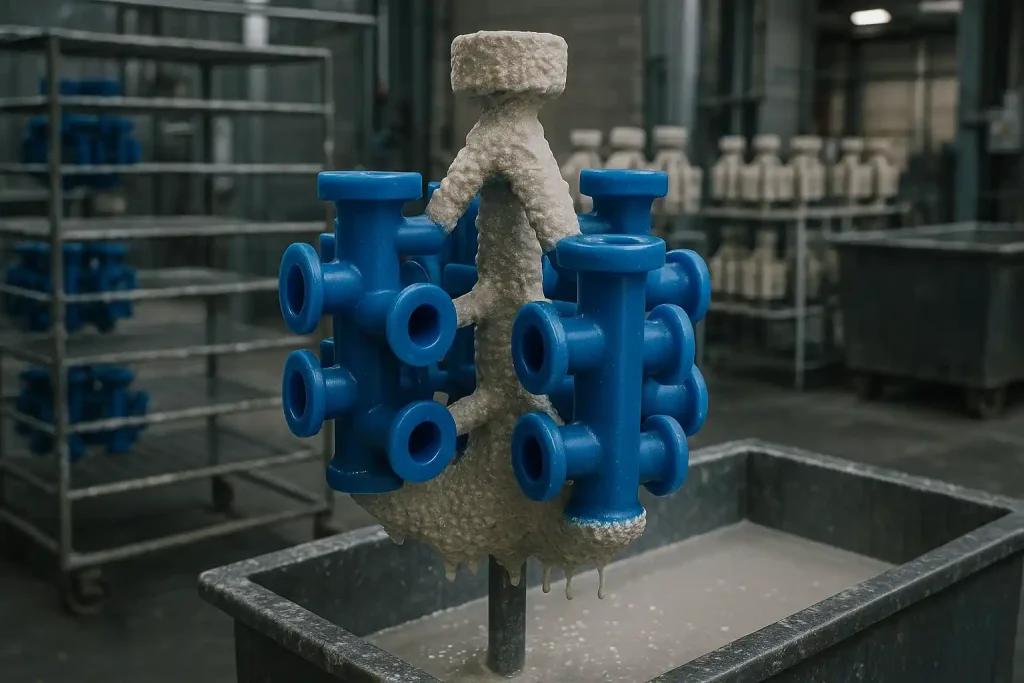
Sand casting is the most common production route for gray and ductile iron parts, allowing large, complex, and heavy components at low cost.
It is ideal for machine bases, pump bodies, housings, automotive components, and general engineering parts.
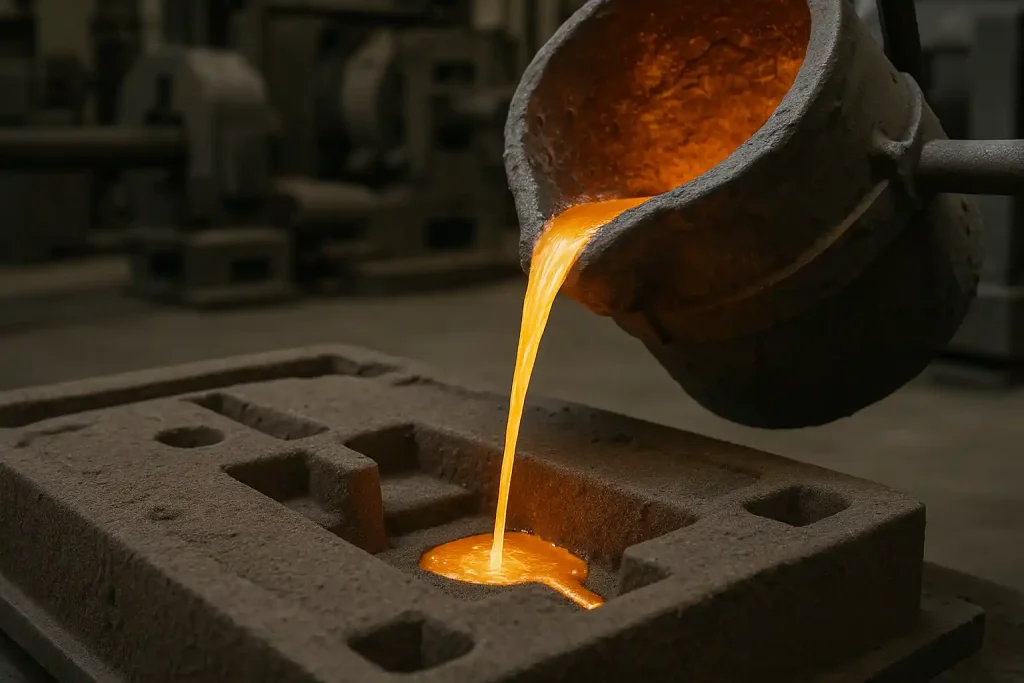
Shell molding provides superior dimensional accuracy and surface quality for iron castings, especially thin-walled or intricate shapes.
It is widely used for precision gears, automotive castings, valve bodies, and high-volume industrial components.
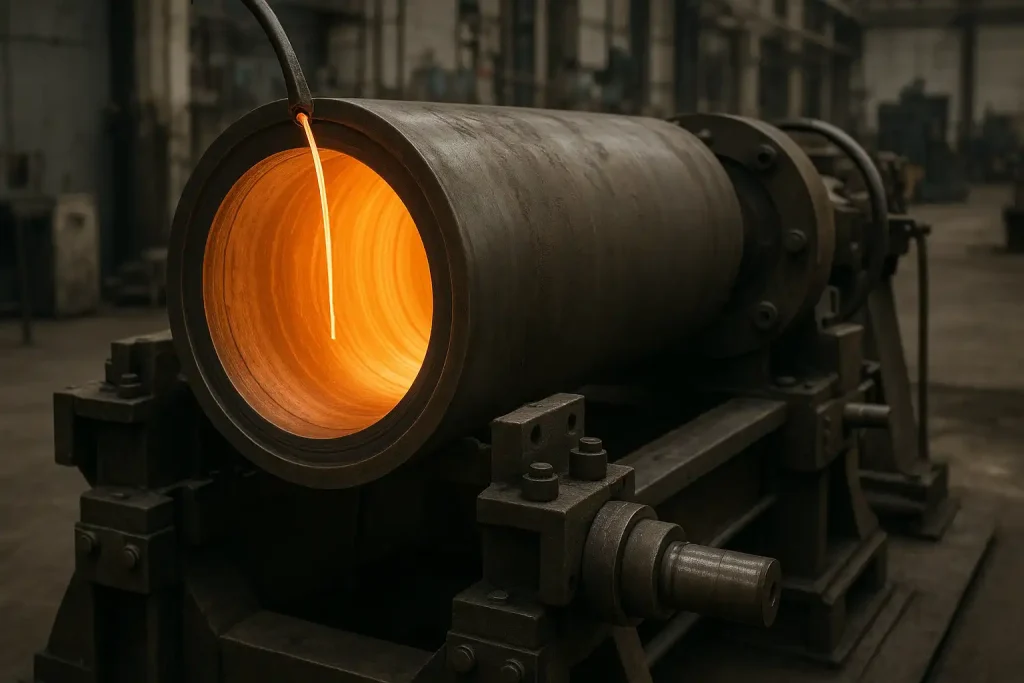
Lost foam casting is suitable for cast iron parts with complex shapes and fewer parting line limitations. It is often used when design flexibility, integrated geometry, and reduced machining requirements are important.
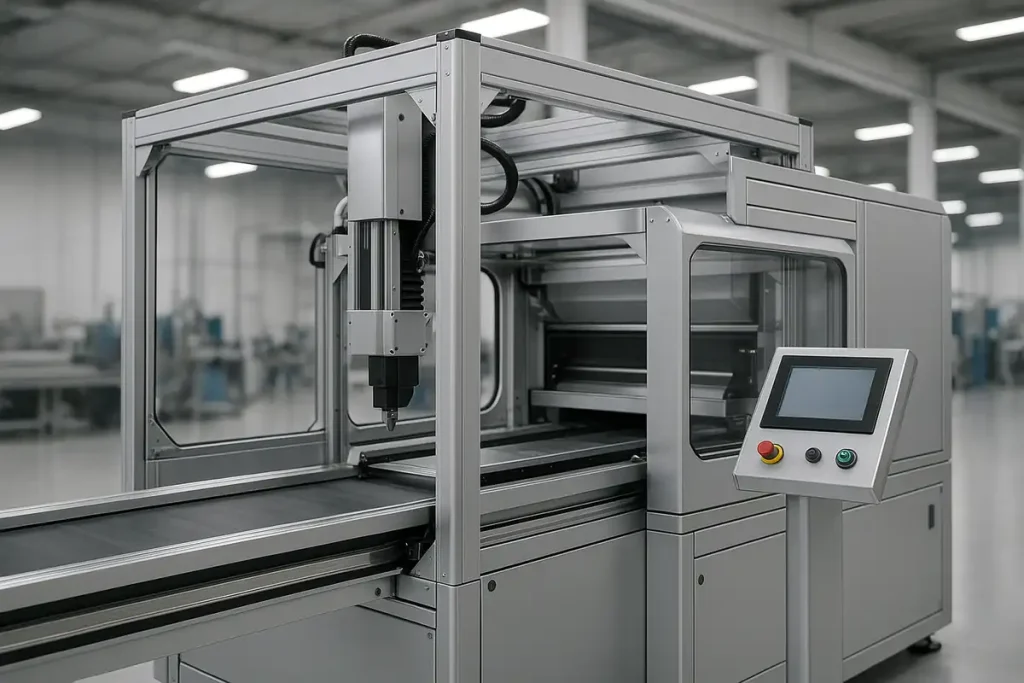
Cast iron castings are widely used in industrial machinery where rigidity, vibration damping, and practical machining are important. Common applications include housings, machine bases, covers, and other structural components used in general equipment.
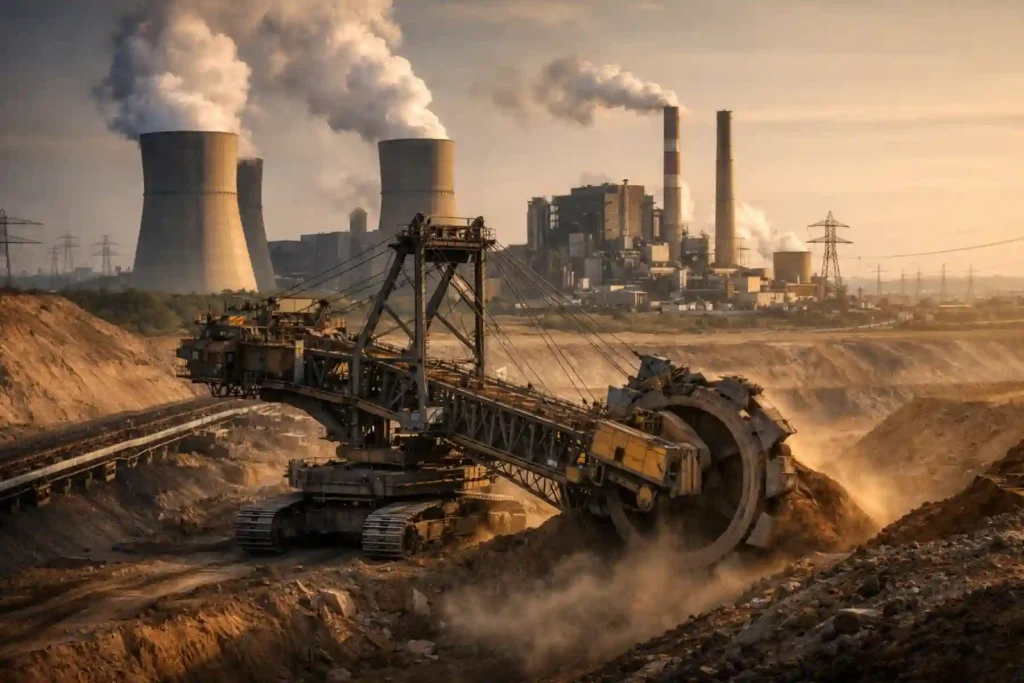
Cast iron parts are commonly used in power, utility, and other heavy-duty equipment applications where structural stability, durability, and cost-effective production are required.
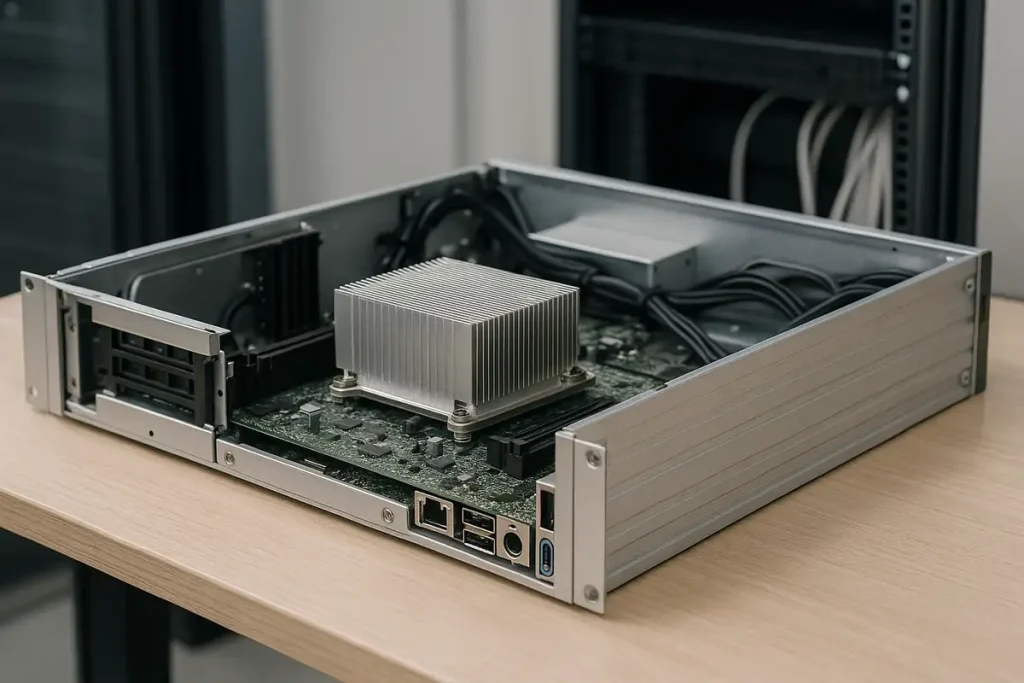
Cast iron castings are suitable for pump bodies, valve housings, impeller casings, and other fluid-handling parts widely used in pump and valve applications.
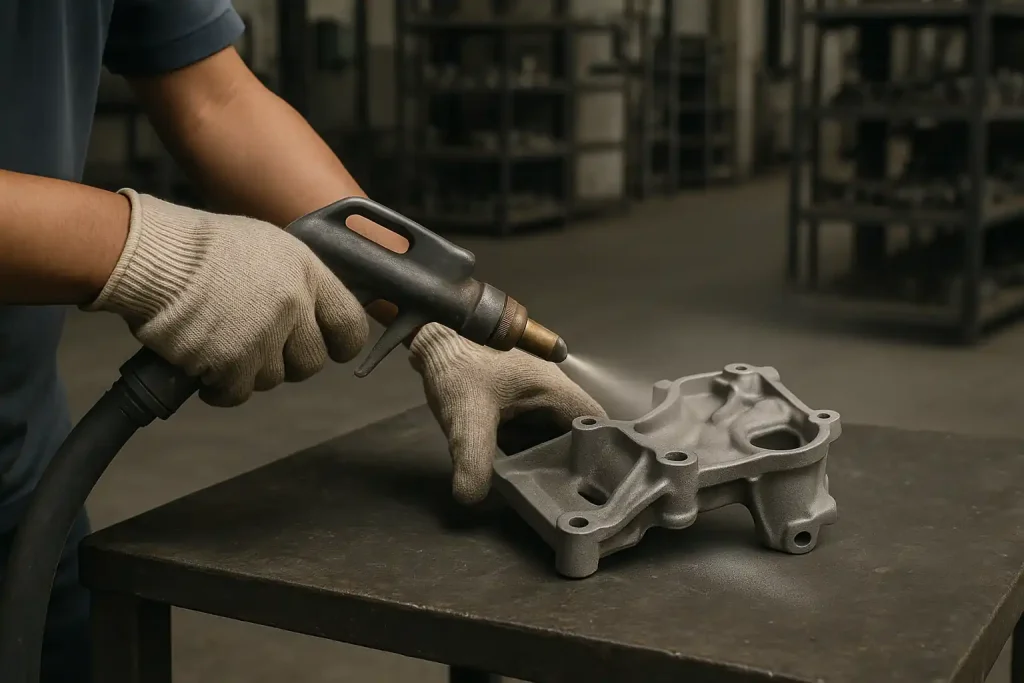
Removes casting flash, sand residue, burrs, and surface scale through trimming, grinding, shot blasting, or cleaning, creating a clean and uniform base for machining or finishing.
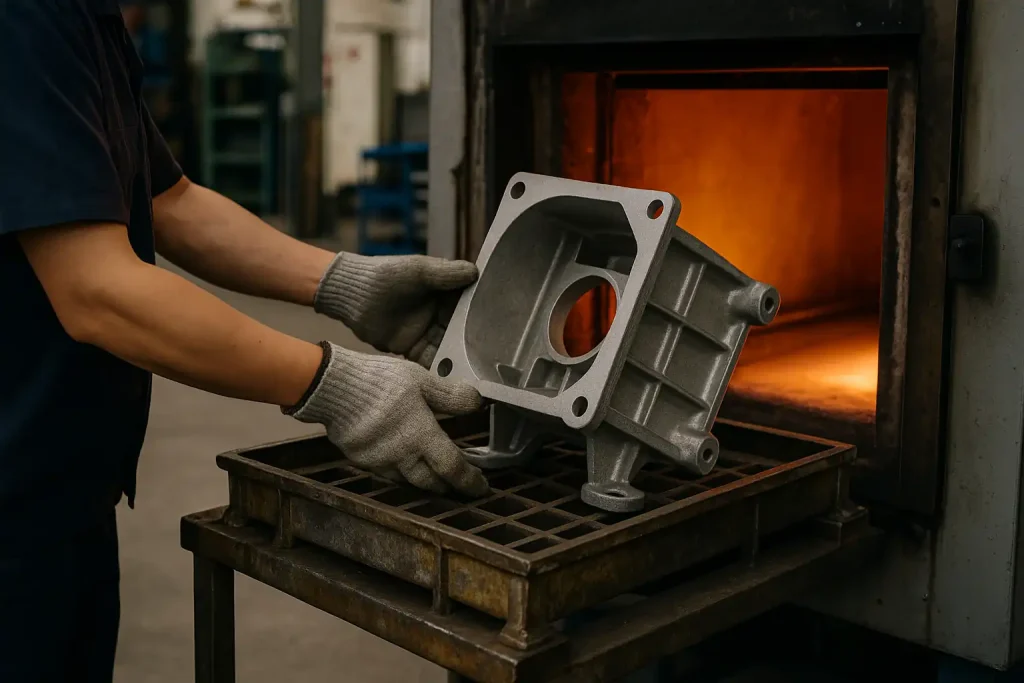
Cast iron parts can achieve improved hardness, wear resistance, and dimensional stability through appropriate heat treatment methods, depending on material grade and application requirements.
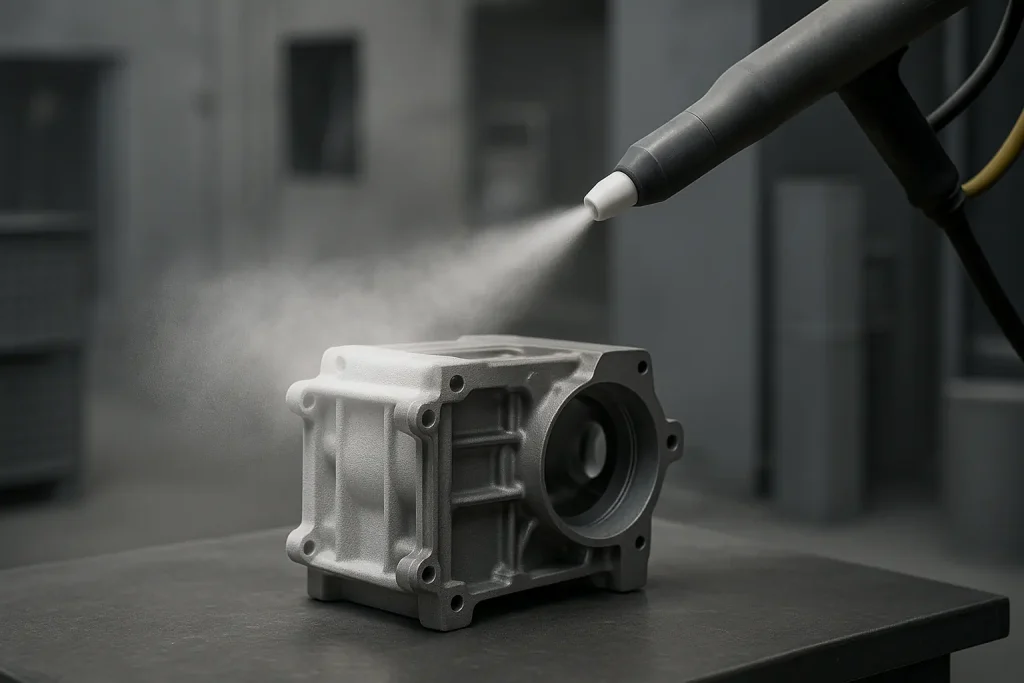
Surface finishing can improve corrosion resistance, appearance, and application-specific performance. Common options may include painting, powder coating, plating, or other protective treatments depending on project requirements.
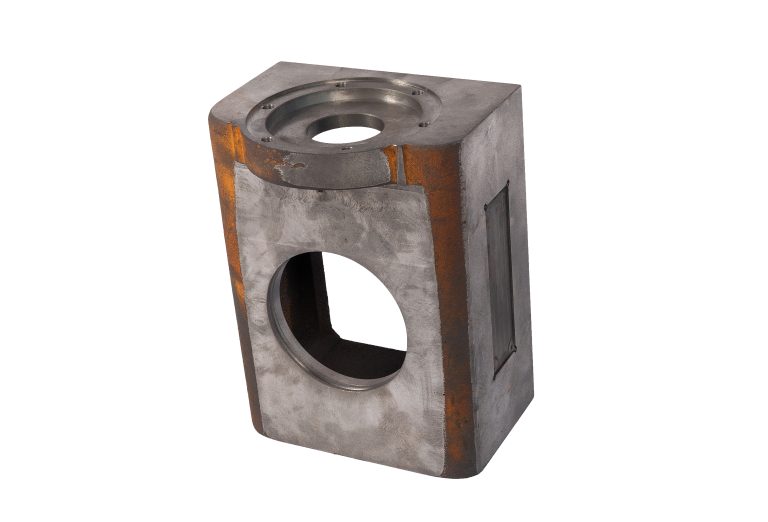
Cast iron casting is a manufacturing process in which molten iron is poured into a mold to form parts with the required shape. It is suitable for producing a wide range of custom cast iron components and is commonly used for housings, machine bases, covers, brackets, and other parts that require good castability, rigidity, vibration damping, and cost-effective production.
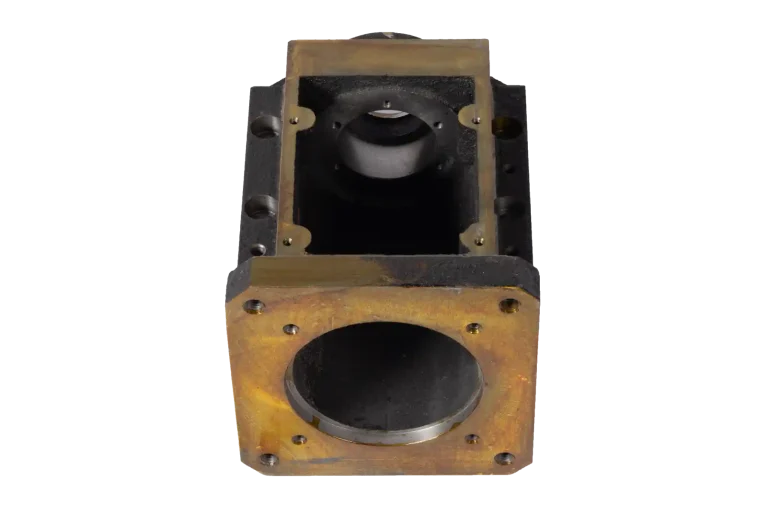
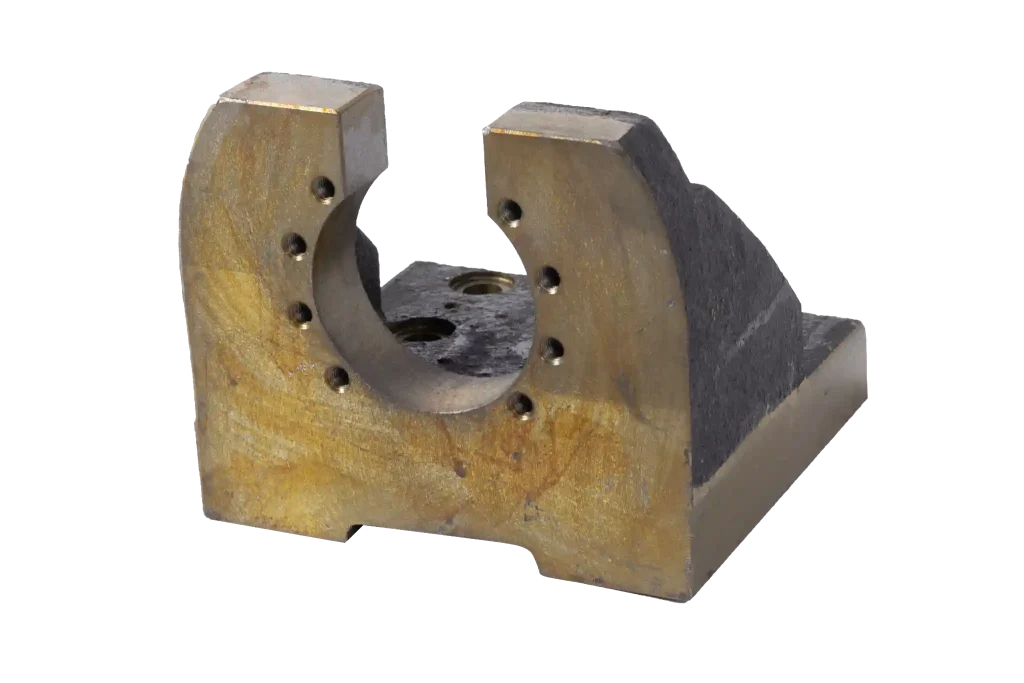
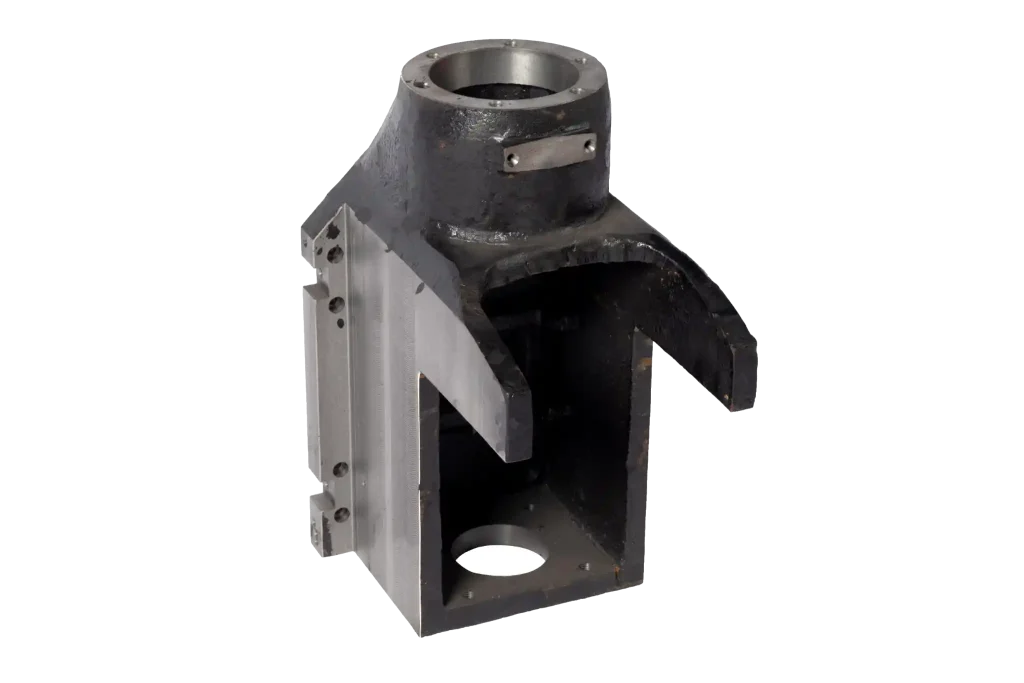
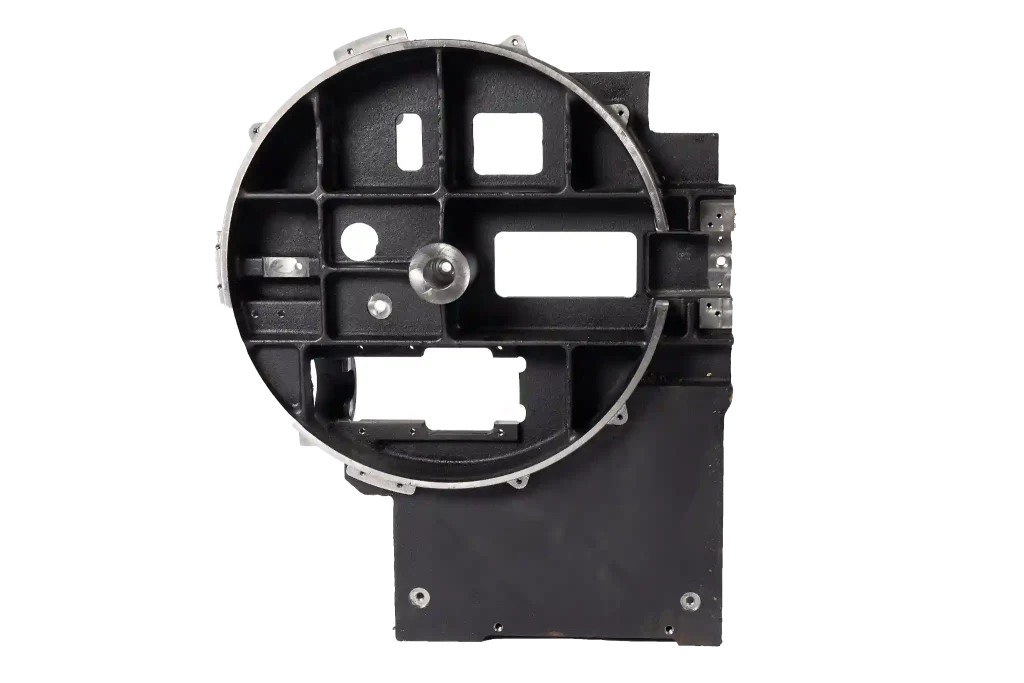
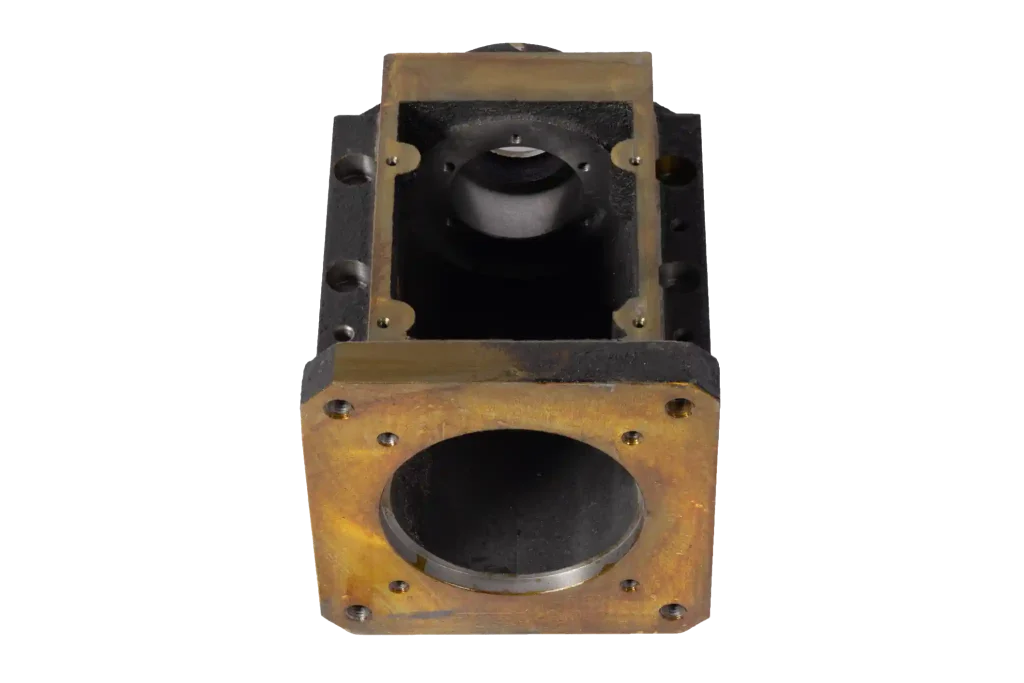
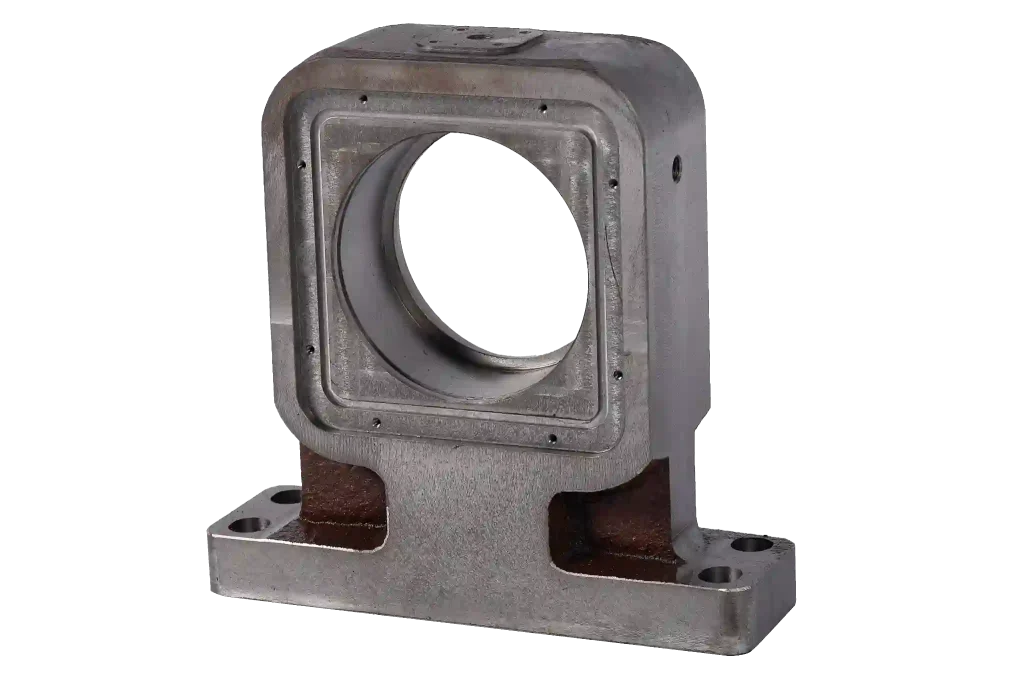
Quality control covers multiple key stages, from material verification and drawing review to final inspection before shipment, helping improve dimensional consistency, surface quality, and production stability for cast iron parts.
Explore the world of ductile iron. This article provides a comprehensive analysis of its unique…
Compare gray and ductile iron in terms of microstructure, strength, vibration damping, and cost to…
Discover the five main types of cast iron and their unique properties, from gray to…