


В производстве, Литье под давлением широко используется для изготовления крупносерийных деталей из цветных металлов благодаря своей высокой эффективности и точности. Понимание структуры общих расходов помогает компаниям уже на ранних этапах составлять точные бюджеты и балансировать соотношение вводимых и выводимых ресурсов.
Это руководство поможет инженерам по производству и закупкам понять структуру затрат на литье под давлением. Мы разбиваем производственные процессы и накладные расходы оборудования на четкие контрольные показатели, чтобы помочь вам сбалансировать производительность деталей и бюджеты на начальном этапе проекта.
Что такое литье под давлением?
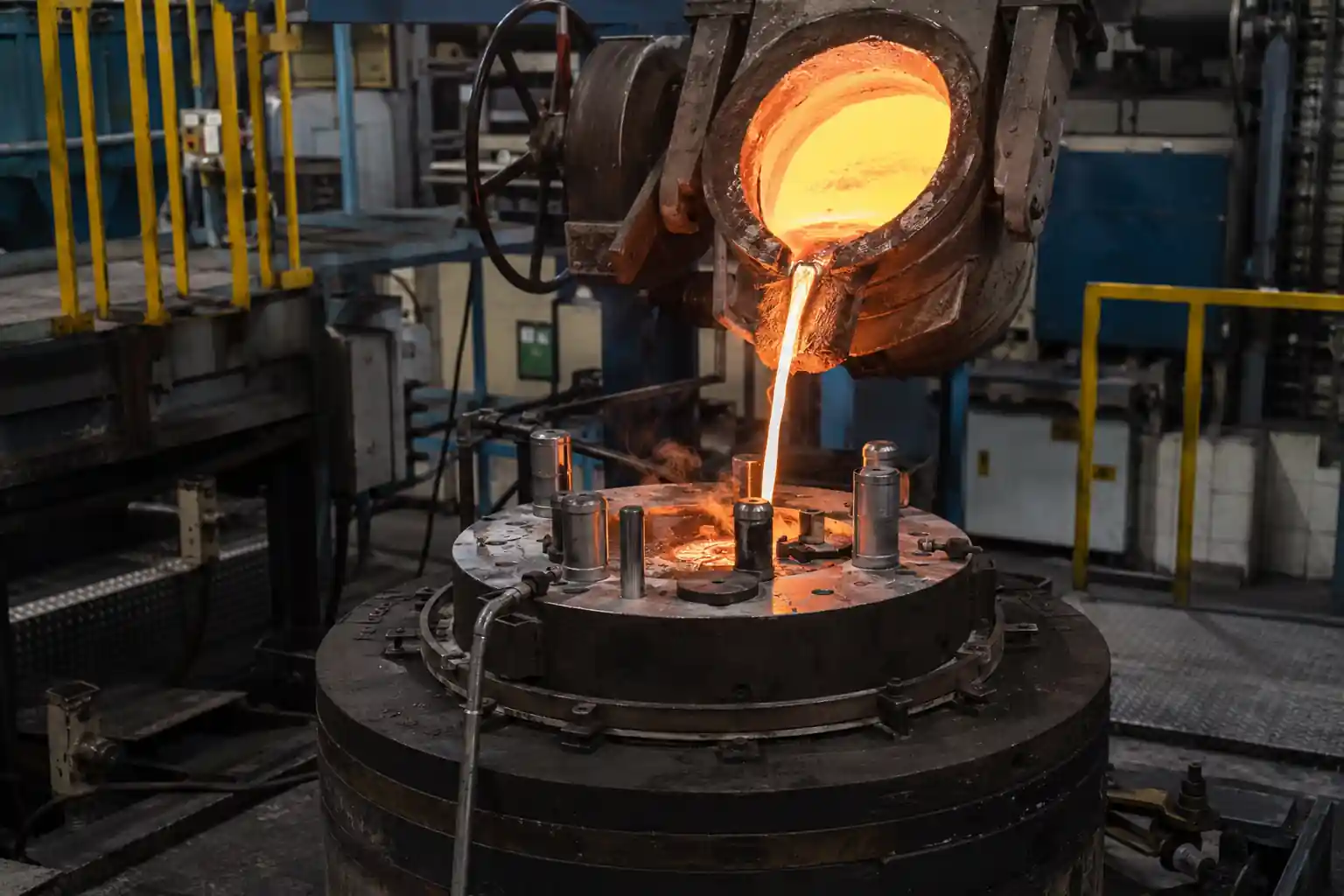
Литье под давлением - это производственный процесс, при котором расплавленный металл впрыскивается в прецизионную стальную форму (матрицу) под высокой скоростью и давлением, позволяя ему застыть в форме.
Процесс происходит на специализированных машинах для литья под давлением. Расплавленные металлы - например, алюминий, цинк, или магниевые сплавы - впрыскиваются в полость за миллисекунды под давлением от десятков до более сотни мегапаскалей (МПа). Благодаря высокому давлению металл может заполнять очень тонкостенные структуры и сложные геометрические формы. Благодаря быстрому времени цикла, Этот процесс широко используется для крупносерийного производства. В зависимости от требований к дизайну, распространенные методы и связанные с ними типы литья включают холодную камеру, горячая камера, вакуумное литье под давлением, гравитационное литьё, и литье под низким давлением.
Ключевые факторы, влияющие на стоимость литья под давлением
В производстве, Окончательная цена литой детали определяется несколькими физическими и техническими параметрами.
Машинные тарифы
Оборудование для литья под давлением требует значительных капиталовложений. В моделях ценообразования, Затраты на оборудование выражаются в почасовых ставках на станок и распределяются на каждую деталь в зависимости от времени цикла. Машины большей грузоподъемности потребляют больше энергии и требуют более высокой почасовой оплаты за работу.
Затраты на плесень
Формы для литья под давлением выдерживают экстремальные термические циклы и эрозию под высоким давлением. Они изготавливаются из высококачественных инструментальных сталей для горячей обработки (таких как H13 или DIEVAR). Сложность изготовления инструментов, Количество полостей, и общий срок службы определяют стоимость амортизации каждой детали. Если общий объем заказов не достигает предельного срока службы инструмента, стоимость каждой детали значительно возрастает.
Сырьевые материалы
Цены на сырье представляют собой основной компонент прямых затрат. За пределами веса нетто детали, литники и бегунки (переплавленный материал) также поглощают бюджет. Бегунки можно использовать повторно, Потери при сжигании материала и дополнительное потребление энергии все равно увеличивают общую стоимость.
Расходы на оплату труда
Затраты на оплату труда включают в себя расходы на операторов станков, специалисты по настройке, бригады триммеров, и инспекторы контроля качества. В то время как автоматизированные роботизированные манипуляторы и автоматизированное распыление сокращают трудозатраты на непосредственное литье, они увеличивают расходы на обслуживание автоматизированного оборудования и первоначальную настройку.
Анализ затрат на литье под давлением
Ниже приведена подробная разбивка отдельных элементов затрат (зависит от региона и проекта):
Машинные тарифы
Расходы на оборудование рассчитываются по почасовой ставке. Скорость обработки варьируется в зависимости от тоннажа зажимного усилия машины:
-
Малые машины (160T - 400T): Обычно используется для изготовления небольших цинковых деталей, электронные разъемы, и компактных осветительных корпусов.
-
Средние машины (500T - 1200T): Стандартная рабочая лошадка для промышленных корпусов, автомобильные компоненты, и телекоммуникационные радиаторы.
-
Крупногабаритные машины (1600T и выше): В основном используется для изготовления крупных конструктивных элементов или гигалитейных конструкций, Там, где непрерывная работа критически важна из-за высоких затрат на простои.
Затраты на плесень
Разработка оснастки относится к непериодическим инженерным расходам (NRE). При небольших и средних объемах работы, Затраты на пресс-формы составляют заметную долю от общей стоимости деталей, при крупносерийном производстве, эти расходы значительно снижаются.
-
Дизайн полости: Многогнездные конфигурации увеличивают первоначальные затраты на оснастку, но позволяют производить больше деталей за цикл, Значительное снижение стоимости обработки каждой детали при длительном производстве.
-
Срок службы инструмента: Формы для литья алюминия под давлением обычно дают От 80 000 до 120 000 выстрелов прежде чем потребует капитального ремонта. Благодаря более низкой температуре плавления цинковые формы могут прослужить до нескольких сотен тысяч выстрелов.
Сырьевые материалы
Цены на сырье представляют собой основной компонент прямых затрат.
-
Расчет материалов: Оценки должны учитывать как чистый вес детали, так и вес литниковой и бегунковой технологических систем.
-
Контроль урожайности: Хотя технологический лом может быть переплавлен на месте, происходит потеря материала из-за шлакообразования и окисления. Затраты на электроэнергию для плавки металла также должны быть учтены при подсчете материалов.
Постобработка и труд
По мере того как автоматизация охватывает все больше литейных цехов, прямые трудозатраты на литье снизились. Однако, после отливки - например, обрезка, Прецизионное фрезерование с ЧПУ, проверка герметичности, и ручное удаление заусенцев - остаются трудоемкими и учитываются в стоимости единицы продукции на основе сдельной расценки.
Как рассчитать цену за единицу литья под давлением
При оценке поставщиков, Конечная цена литой детали формируется путем укладки этих элементов:
Стоимость единицы литья под давлением = стоимость материала + плата за обработку + плата за пост-обработку + амортизация инструмента + наценка и прибыль
Стоимость материала
Этот расход рассчитывается исходя из веса детали нетто плюс предполагаемый вес литниковой и бегунковой технологических систем, умноженное на текущую рыночную цену сырья. В целом, Более сложные конструкции приводят к большим потерям материала в процессе производства.
Плата за обработку
На основе времени производственного цикла детали (Cycle Time) определяется фактическая часовая производительность, Эта плата рассчитывается путем деления часовой ставки машины соответствующего тоннажа на объем производства. Большая производительность станка и длительное время цикла приводят к увеличению стоимости обработки одной детали.
Плата за постобработку
Эта плата складывается из отдельных тарифов, основанных на фактических требованиях к вторичным операциям. Она охватывает такие основные этапы, как удаление заусенцев, обрезка и дробеструйная обработка, а также необходимые операции после литья, такие как прецизионное фрезерование с ЧПУ и окончательная отделка поверхности (например, анодирование, порошковое покрытие или электрофорез).
Амортизация инструментального оборудования
Если стоимость разработки оснастки (NRE) не оплачивается заранее в качестве единовременного взноса, общая стоимость пресс-формы делится на договорной или обязательный общий объем заказа. Затем эта амортизированная постоянная стоимость добавляется непосредственно в цену единицы продукции.
Стратегии оптимизации затрат
Определив, откуда берутся расходы, вы сможете скорректировать дизайн продукции и технологические параметры, чтобы найти возможности для экономии.
Оптимизация геометрии деталей
На этапе проектирования для производства (DFM) минимизируйте толщину стенок, если это позволяет структурная целостность, и используйте ребра жесткости для повышения прочности. Это позволяет сэкономить сырье и значительно сократить время охлаждения пресс-формы, что ускоряет скорость цикла.
Максимальное увеличение производительности процесса
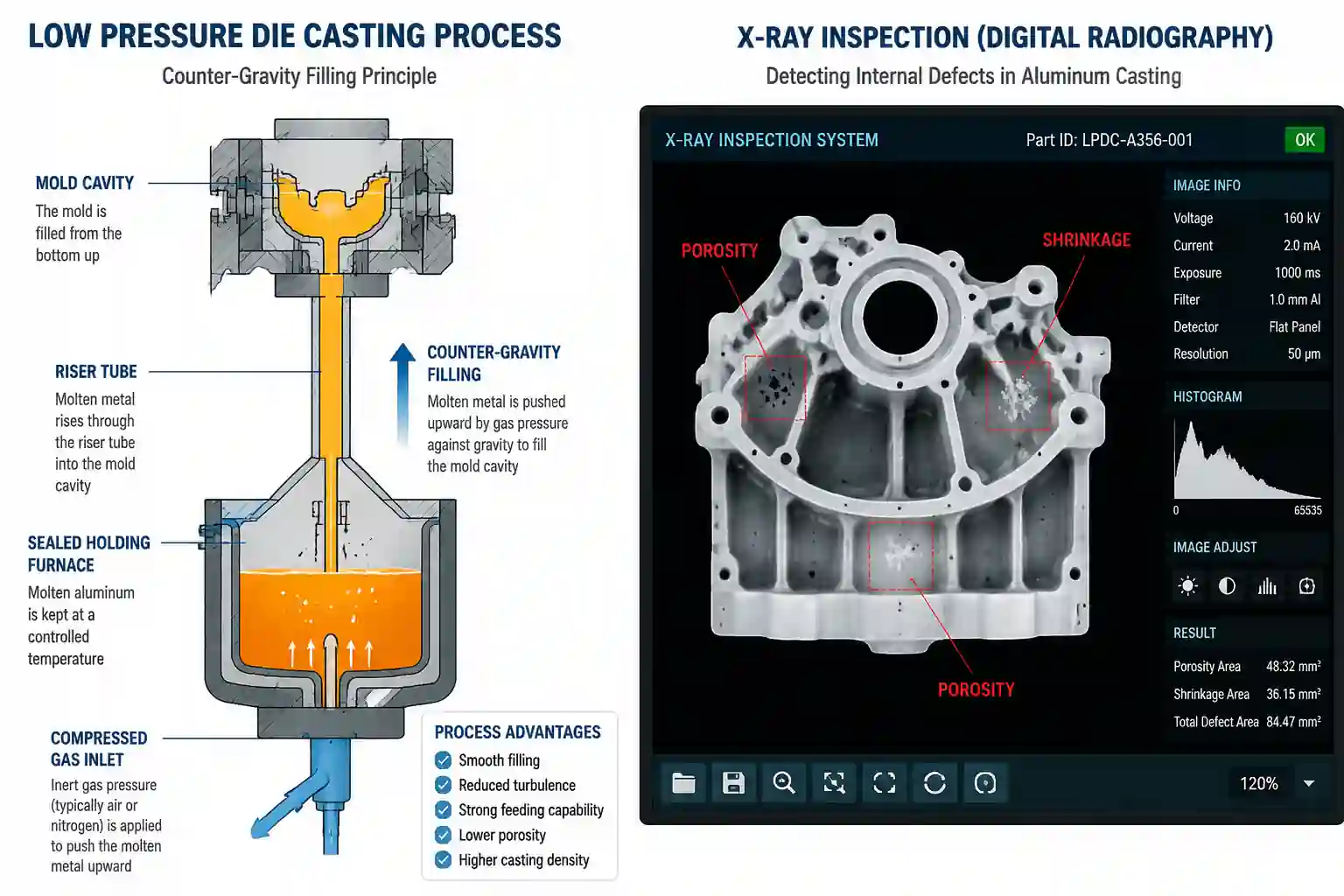
Используйте программное обеспечение для моделирования потока в пресс-форме, чтобы оптимизировать расположение затворов и схему вентиляционных отверстий. Это позволяет минимизировать внутренние дефекты например, пористость или холодные отключения, стабилизируя производство и снижая количество брака.
Увеличение срока службы инструмента
Используйте высококачественные инструментальные стали, современные методы обработки поверхности (например, азотирование или PVD-покрытия) и строго соблюдайте правила предварительного нагрева пресс-формы. Каждое увеличение срока службы инструмента снижает стоимость пресс-формы в расчете на одну деталь.
Заключение
Контроль затрат на литье под давлением требует системного подхода, охватывающего проектирование деталей, разработку инструмента, выход материала и вторичную обработку. Оценивая проект, не рассматривайте затраты по отдельности. Вместо этого оцените общий объем производства, чтобы найти оптимальное соотношение между первоначальными инвестициями в оснастку и долгосрочной эффективностью производства.
Компания Minghe Casting обладает 20-летним опытом производства, специализируясь на гравитационном литье, литье под низким давлением и литье под высоким давлением. Мы предоставляем комплексную поддержку, начиная с первоначальной оценки DFM и проектирования оснастки и заканчивая окончательной обработкой поверхности. Используя наш опыт работы с алюминием и цветными металлами, мы помогаем клиентам решать сложные задачи формовки, обеспечивая соответствие деталей строгим техническим требованиям при соблюдении баланса между техническими показателями и производственным бюджетом.
ЧАСТО ЗАДАВАЕМЫЕ ВОПРОСЫ
Сколько стоит литье алюминия под давлением?
Стоимость литья алюминия под давлением в значительной степени зависит от веса и объема. В крупных конструкционных деталях сырье составляет от 50% до 70% от общей стоимости. Для мелких или сложных деталей цена зависит от машинных расценок и вторичной обработки на станках с ЧПУ. Превышение стоимости обработки над стоимостью сырья соответствует региональным эталонным диапазонам в зависимости от сложности геометрии.
Сколько стоит форма для литья под давлением?
Цены на оснастку варьируются в широком диапазоне в зависимости от размеров детали, подвижных механизмов скольжения и марки основной стали.
-
Простые маленькие формочки (например, мелкие цинковые детали, основные разъемы): Обычно падают в районе $2,200 - $4,500.
-
Стандартные промышленные пресс-формы (например, алюминиевые корпуса двигателей, корпуса насосов): Обычно падают в районе $12,000 - $45,000.
-
Большие сложные формы (например, многодвигательные компоненты автомобильных или новых энергетических силовых агрегатов): Часто варьируются от $75,000 - $150,000 и выше.