


Investment Casting vs Die Casting: Key Differences and Selection Guide
In precision manufacturing, die casting and investment casting are both widely used to produce complex…


Low pressure die casting services for custom metal parts, with support for machining, finishing, and stable repeat production for non-ferrous alloy components.
Minhe supports low pressure die casting projects from drawing review and process evaluation to casting production, subsequent machining, and final delivery. Backed by an ISO 9001 quality management system, we focus on stable execution across key production stages and practical support for custom non-ferrous metal parts with different structures, sizes, and application requirements.
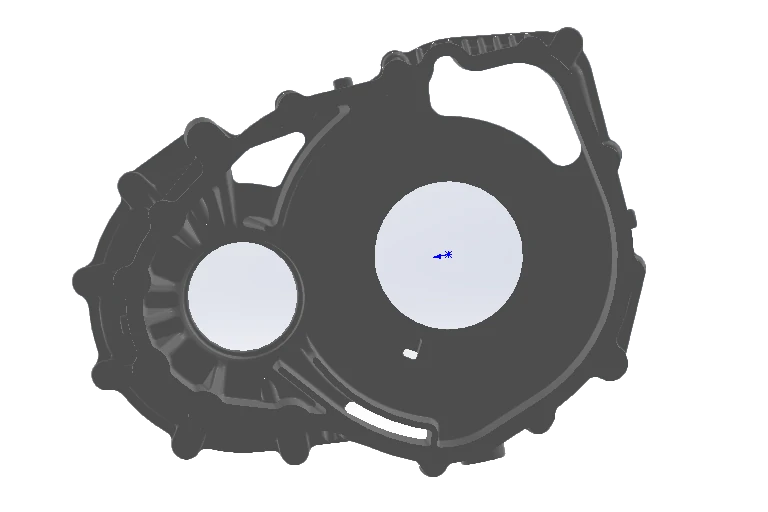
| Material | Typical Characteristics | Common Applications |
|---|---|---|
| Aluminum Alloys | The most common materials for low pressure die casting, offering a good balance of weight reduction, dimensional consistency, and mechanical performance for repeat production parts. | Automotive housings, covers, pump components, brackets, and industrial structural parts. |
| A356 Aluminum Alloy | Widely used where good castability, stable mechanical properties, and practical machining support are required for custom industrial components. | Wheel components, housings, machine parts, and other repeat-production aluminum castings. |
| ZL101 Aluminum Alloy | Suitable for low pressure die casting applications that require lighter structure, stable production quality, and good post-casting machining potential. | Equipment covers, support parts, pump housings, and general industrial aluminum components. |
| Magnesium Alloys | Lower density than aluminum and useful for cast parts where weight reduction is important, while still supporting stable mold-based production. | Lightweight housings, transport components, enclosures, and selected structural parts. |
| Copper-Based Alloys | Used in selected low pressure die casting applications requiring good corrosion resistance, durability, and stable service performance. | Fittings, pump parts, valve-related components, and specialty industrial cast parts. |
Low pressure die casting is widely used for non-ferrous metal parts that require stable filling, better internal soundness, and repeatable production quality. It is a practical process for custom components that benefit from controlled metal flow, improved consistency, and reliable support for subsequent machining or finishing.
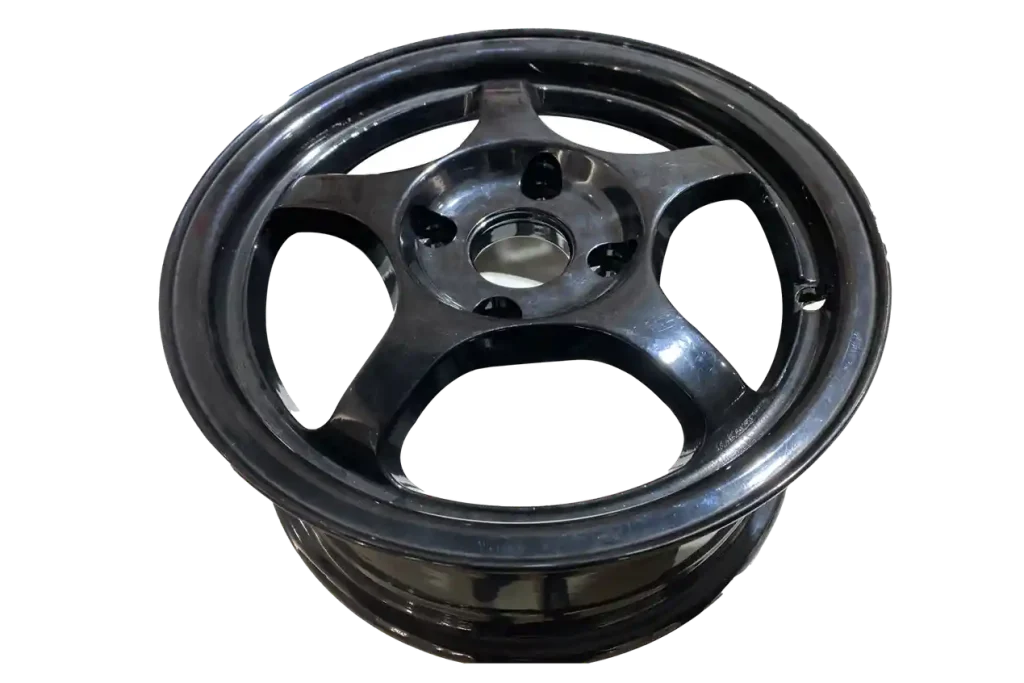
We provide low pressure die casting services for custom metal components, supporting stable production for repeat orders and practical requirements for machining, trimming, and finishing.
| Specification | Details |
|---|---|
| Casting Weight Range | 0.5 kg – 50 kg |
| Typical Alloys | ZL101, A356, ADC12 |
| Annual Output | 500,000+ castings |
| Dimensional Tolerance | ± 0.3 mm – ± 0.5 mm |
| Tooling Lead Time | 15–25 days |
| Process Type | Low Pressure Die Casting |
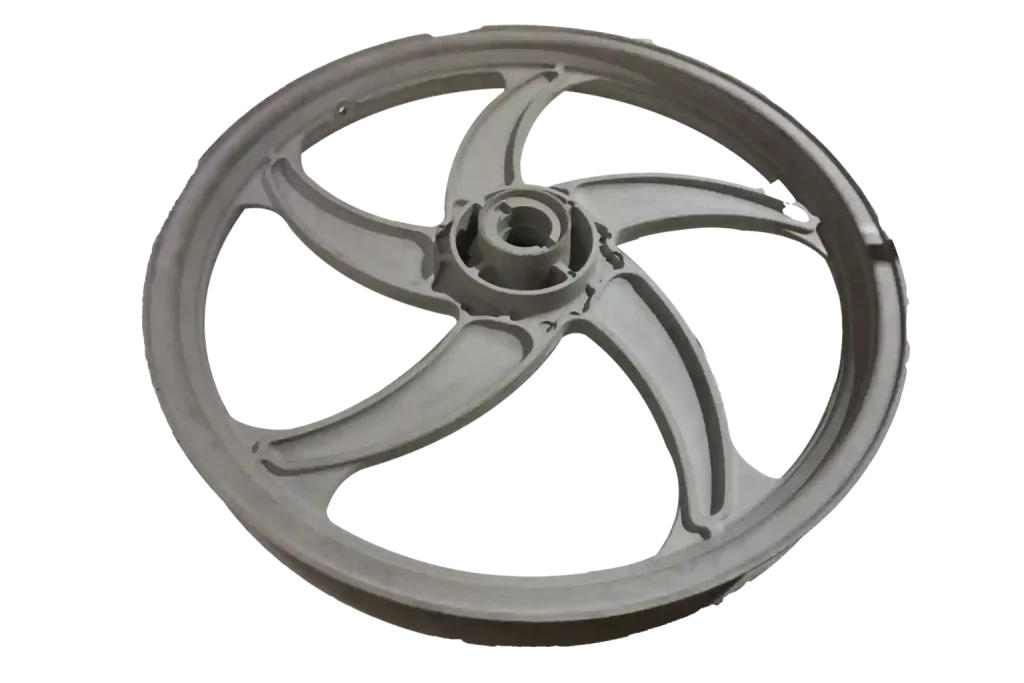
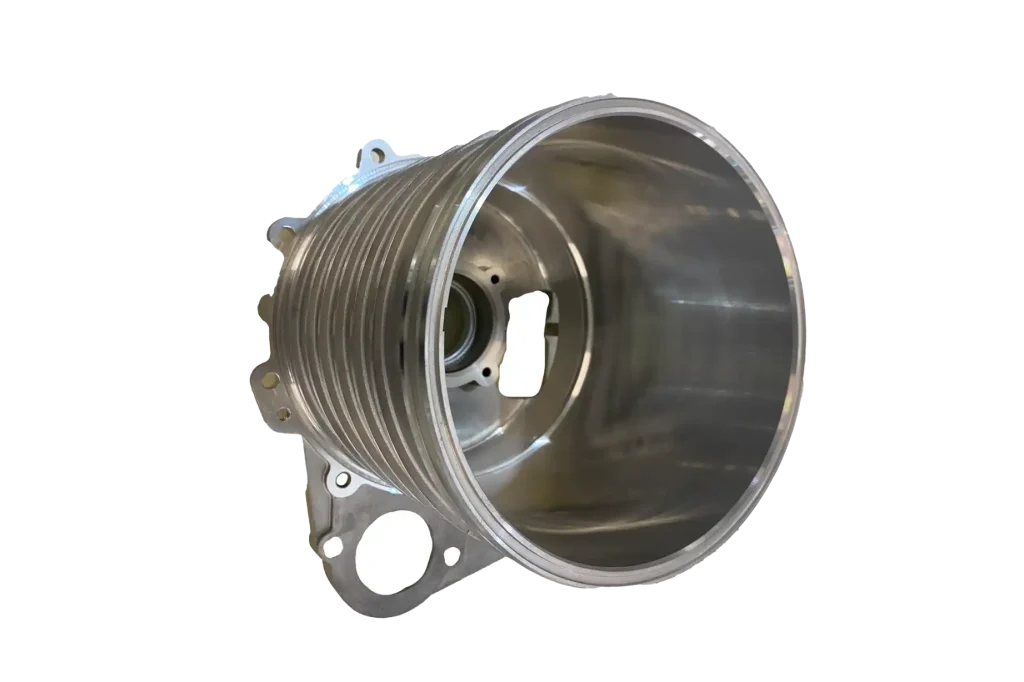
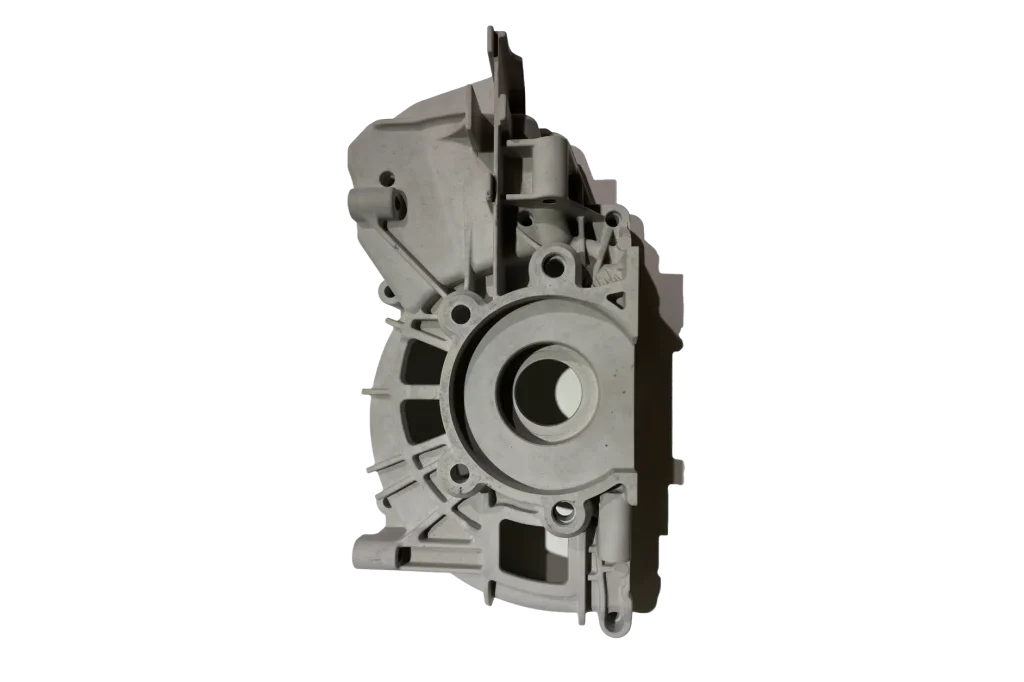
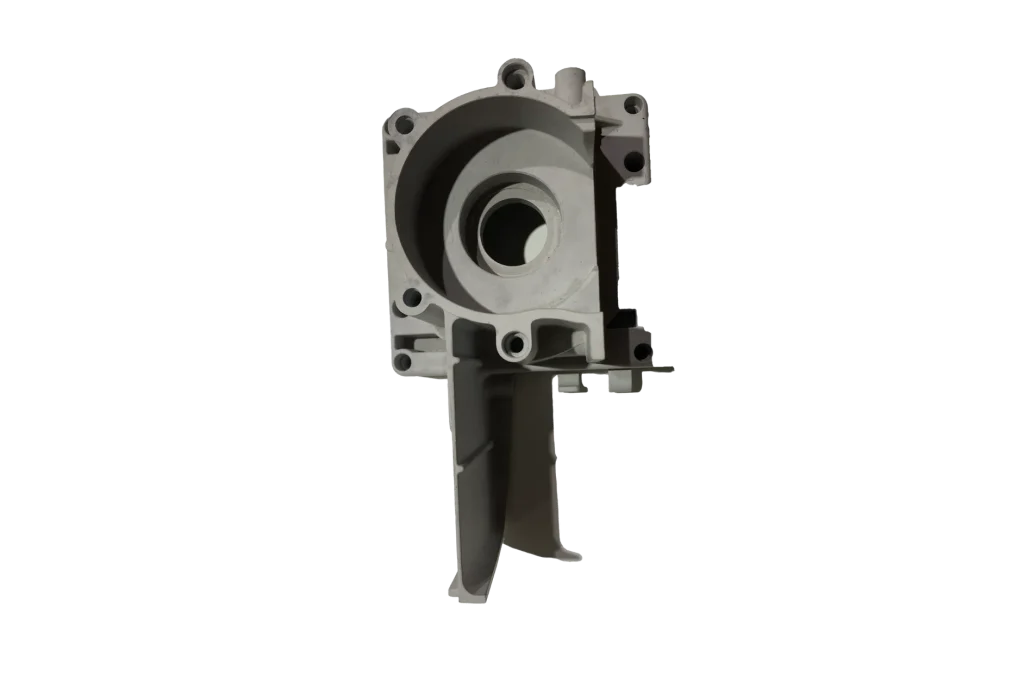
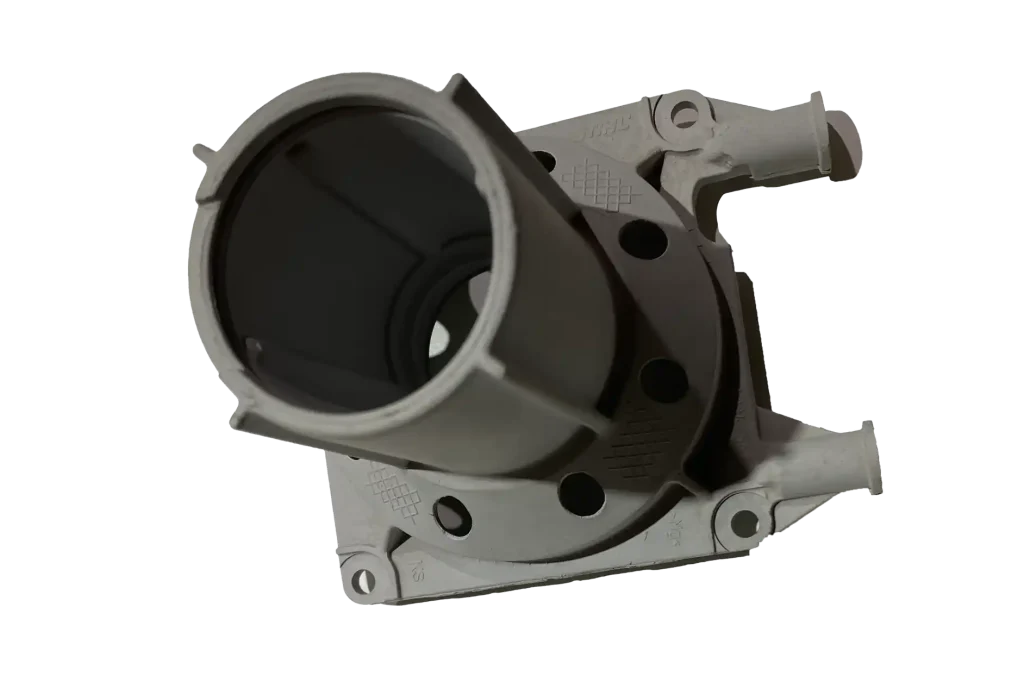
Low pressure die casting is widely used for custom non-ferrous metal parts across a range of industrial sectors. It is especially suitable for repeat production of aluminum and other alloy components that require stable filling, better consistency, and practical support for machining or finishing.
Low pressure die casting is a metal casting process in which molten metal is introduced into a metal mold under controlled low pressure to form the required part shape. It is widely used for producing repeat-order non-ferrous metal components with stable filling, improved consistency, and reliable support for subsequent machining or finishing. The process is commonly applied to housings, covers, pump parts, brackets, and other industrial metal components.
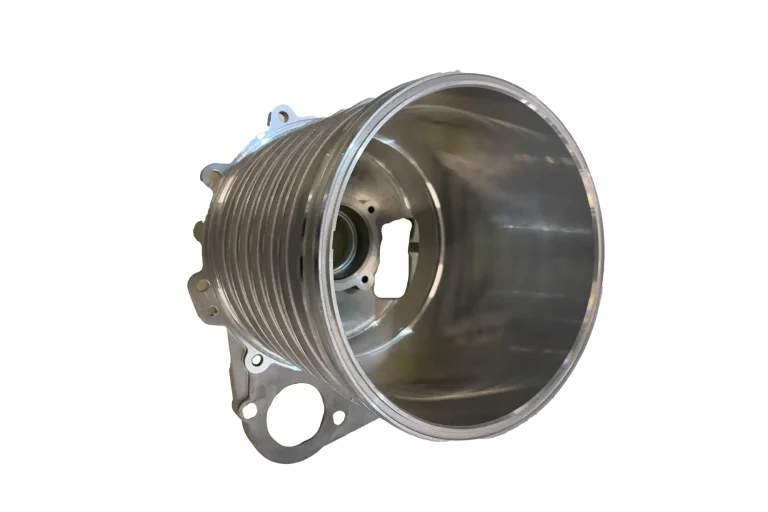
Manufacturers choose us for stable production support, controlled casting performance, and practical machining coordination for custom non-ferrous metal parts.
We focus on stable casting quality for repeat-order metal parts, with improved consistency, practical dimensional control, and support for subsequent machining of critical features and surfaces. .
We support commonly used low pressure die casting alloys such as aluminum-based materials and other selected non-ferrous alloys for industrial component production. .
Low pressure die casting is suitable for projects that require repeat production, stable part quality, and reliable support from tooling preparation to ongoing manufacturing. .
We support tooling preparation, machining, dimensional inspection, and other follow-up processes required for custom low pressure die cast parts, helping improve delivery consistency and part readiness for use. .
From mold preparation to controlled filling, cooling, and final inspection, our low pressure die casting workflow supports reliable production for custom non-ferrous metal parts with repeat-order requirements and practical machining needs.
When required, the casting goes through secondary machining and final inspection to support dimensional consistency, functional requirements, and delivery quality .

In precision manufacturing, die casting and investment casting are both widely used to produce complex…
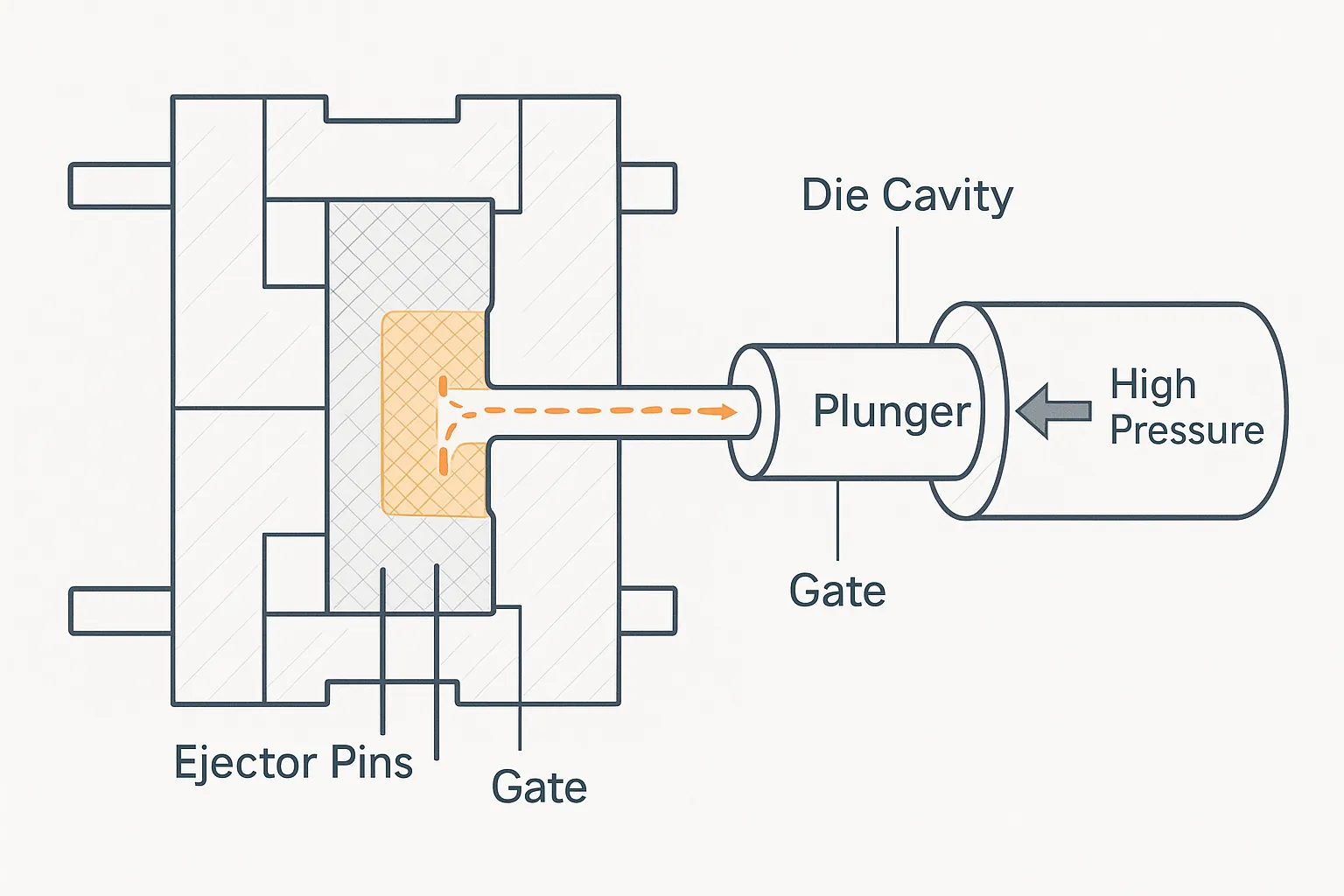
Die Casting Technology Process and Type Analysis. This article details the HPDC (Hot/Cold Chamber) classification…
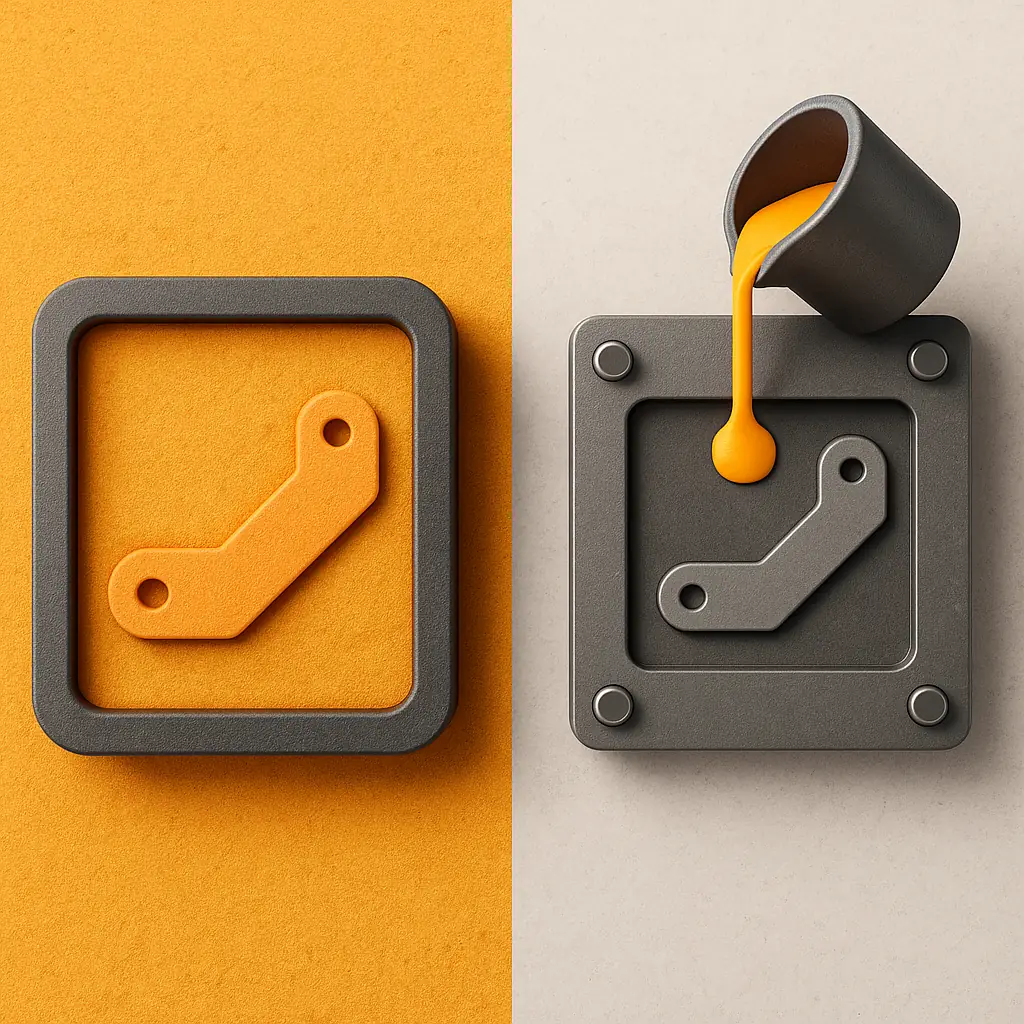
Compare sand casting and die casting to find the best fit for your project. Explore…