


What is Bronze: Definition, Types, Applications
Bronze is a copper-based alloy, primarily with tin as its core element. This precise ratio…


We provide custom brass casting services for industrial and commercial projects, supporting sand casting, gravity casting, and subsequent machining and surface finishing requirements.
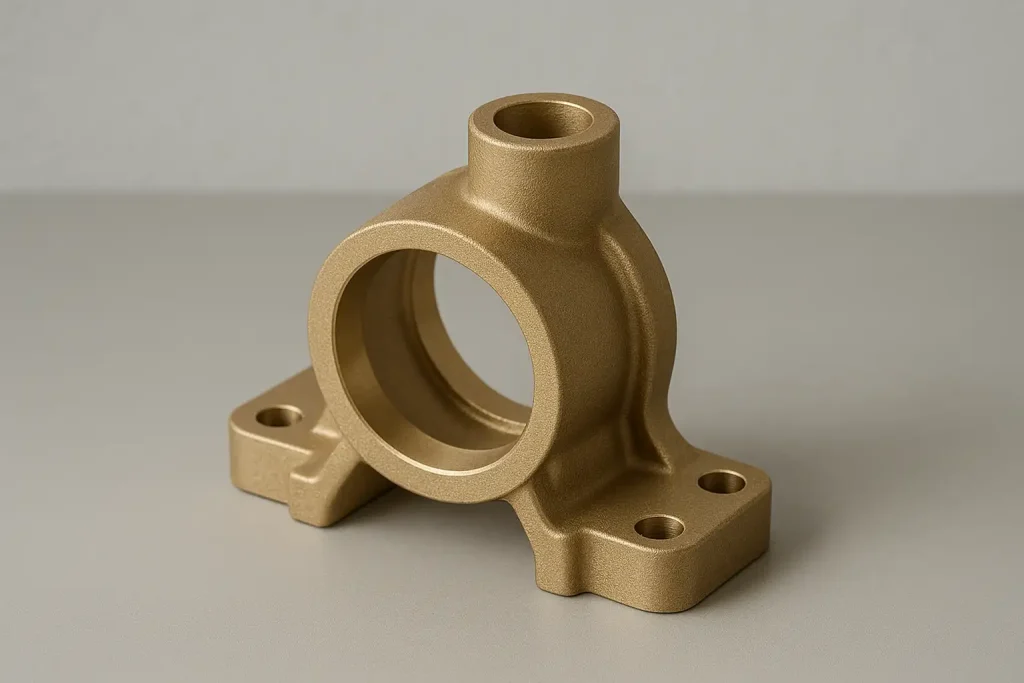
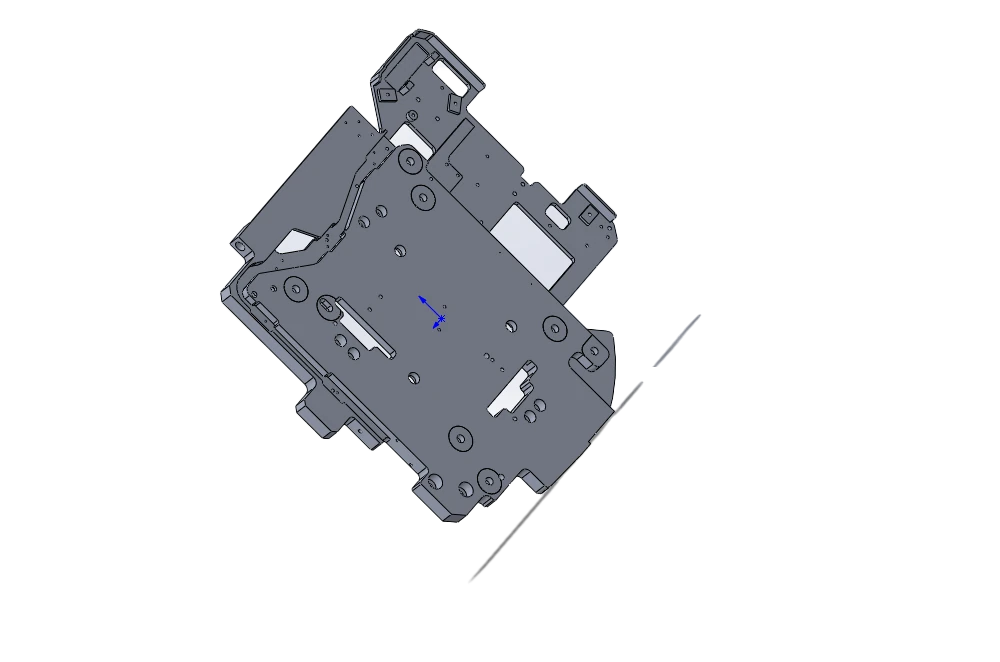
Minhe provides manufacturing support for brass casting projects from early evaluation to final production delivery. Backed by an ISO 9001 quality management system, we maintain more stable project execution across process coordination, casting production, subsequent machining, and surface finishing. For common brass components such as valve bodies, fittings, and housings, we place greater emphasis on dimensional consistency, surface quality, and batch production performance to meet different structural and application requirements.
| Alloy Grade | Key Properties | Typical Applications | Example Parts |
|---|---|---|---|
| C83600 | Widely used cast brass alloy with good machinability, pressure tightness, and corrosion resistance. Suitable for general-purpose cast components that require stable casting performance and reliable machining behavior. | Valve and pump components, pipe fittings, plumbing hardware, and general industrial cast parts. | Valve Body, Pump Housing, Pipe Fitting, Connector Body |
| C85700 | High-strength yellow brass casting alloy offering good corrosion resistance, machinability, and a stable surface finish. Suitable for parts that require both structural integrity and decorative appearance. | Industrial fittings, architectural hardware, mechanical housings, and brass cast parts used in general engineering applications. | Housing, Mounting Bracket, Decorative Fitting, Structural Part |
| C85800 | Manganese brass casting alloy with higher strength and good wear resistance compared with standard cast brass grades. Suitable for more demanding service environments requiring improved durability. | Heavy-duty valve components, marine fittings, industrial machinery parts, and castings exposed to repeated loading or wear. | Valve Seat, Heavy-duty Fitting, Wear-resistant Housing, Machine Part |
| C86200 | High-strength manganese bronze alloy with excellent mechanical strength, good corrosion resistance, and very good machinability. Often selected for demanding structural and bearing-related components. | Bearings, bushings, worm gears, wear plates, and industrial cast components operating under load. | Bushing, Bearing Housing, Worm Gear Blank, Wear Plate |
| C86300 | High-strength bronze alloy with excellent wear resistance and good load-carrying capacity. Suitable for cast parts requiring strength, abrasion resistance, and stable service performance. | Bushings, heavy-duty bearings, support blocks, and industrial machinery parts subject to sliding or contact wear. | Heavy-duty Bushing, Slide Block, Bearing Sleeve, Support Plate |
| C87500 | Lead-free cast brass alloy with good corrosion resistance, pressure tightness, and machinability. Well suited to potable water and environmentally regulated applications. | Plumbing valves, drinking water system components, sanitary fittings, and lead-free industrial cast parts. | Lead-free Valve Body, Water Fitting, Pump Component, Connector Housing |
| C87600 | Lead-free silicon brass alloy with good casting performance, corrosion resistance, and suitability for pressure-containing parts. Commonly used where compliance and clean-service compatibility matter. | Water system fittings, plumbing hardware, and brass cast parts for regulated commercial and industrial applications. | Plumbing Connector, Valve Housing, Water Pump Part, Fitting Body |
| Custom Brass Alloy | Brass alloy selection can be adjusted based on strength, corrosion resistance, machinability, appearance, and end-use environment. Suitable for custom casting projects with specific functional or regulatory requirements. | Custom industrial castings, special fluid-handling components, architectural hardware, and project-specific brass parts. | Custom Housing, Special Valve Body, Decorative Casting, Precision Fitting |
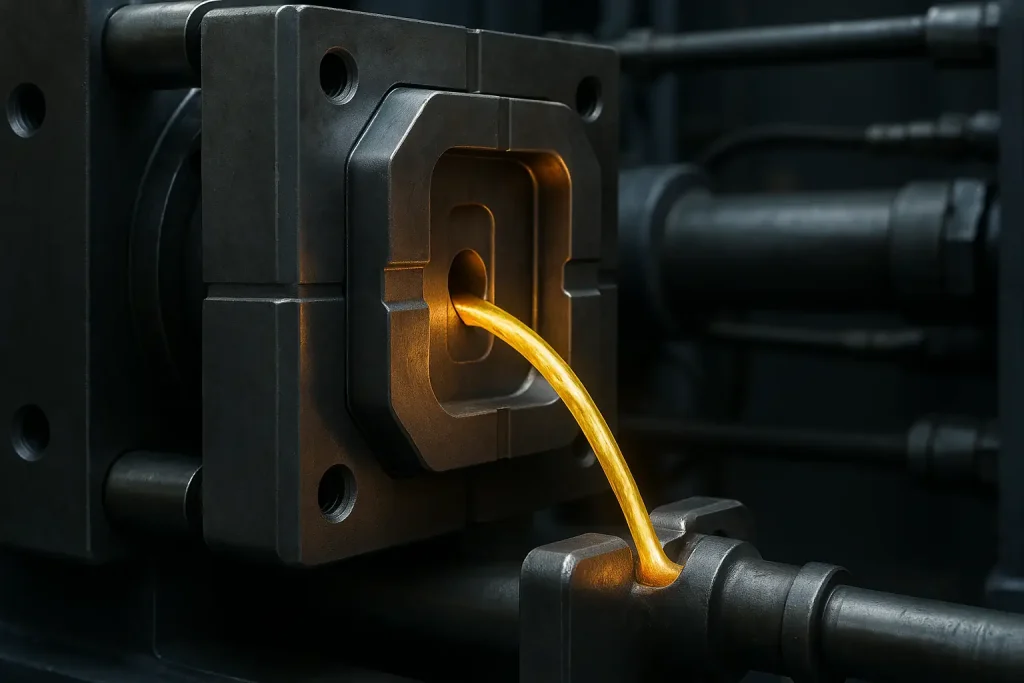
Die casting enables the production of thin-wall and complex geometries under high pressure, delivering exceptional dimensional accuracy and consistency.
It is ideal for high-volume manufacturing of precision metal components with strict tolerance requirements.
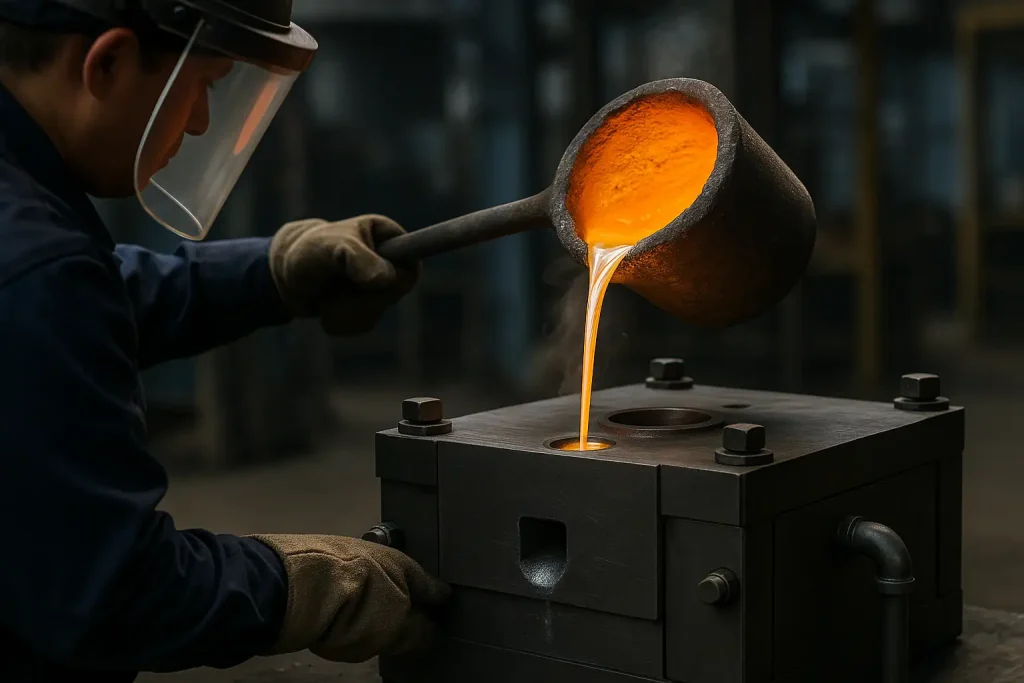
Gravity casting uses reusable metal molds and gravity-fed pouring to achieve improved density and stable dimensions.
This process suits medium- to large-sized structural parts, offering reduced internal defects and lower tooling costs than high-pressure die casting.
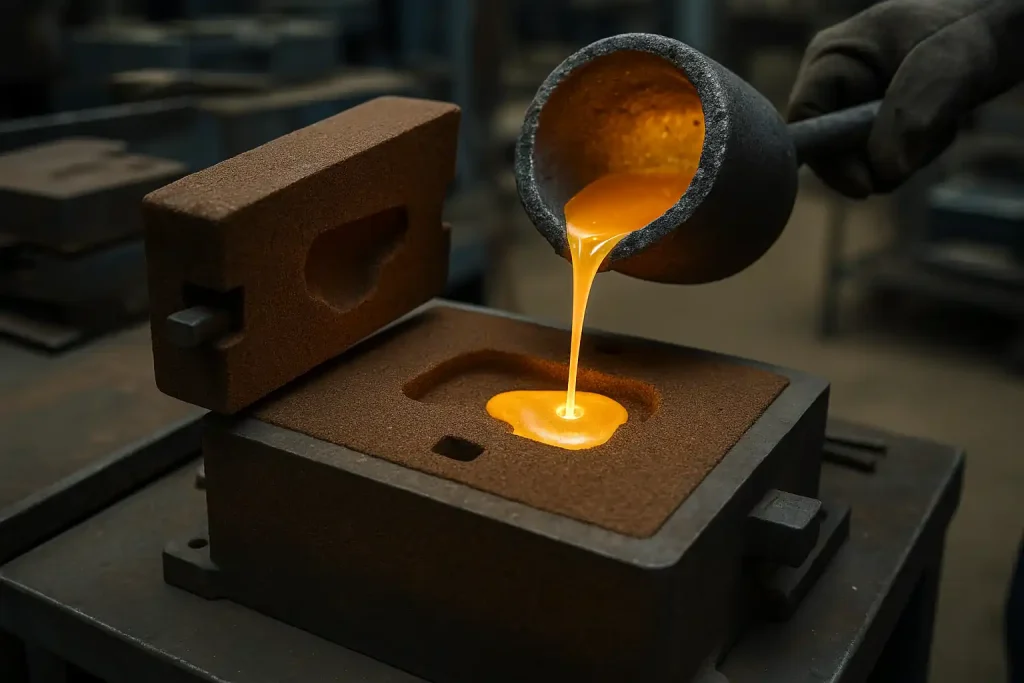
Sand casting forms parts by pouring molten metal into expendable sand molds, allowing greater freedom in shape and section thickness.
It is suitable for prototypes, low-volume production, and large structural components where cost efficiency and flexible design are priorities.

Brass castings are widely used in building hardware where corrosion resistance, machinability, and visual appearance all matter. Common applications include door handles, hinges, locks, railing fittings, decorative trims, and window or door hardware. For both decorative and functional components, brass offers a stable finish and good long-term performance in indoor and semi-exposed environments.

Brass offers excellent electrical conductivity, dimensional stability, and anti-sparking performance, making it ideal for bus bars, grounding terminals, connectors, and switchgear parts.
It ensures reliable power transfer in consumer electronics, industrial control systems, and high-voltage equipment.
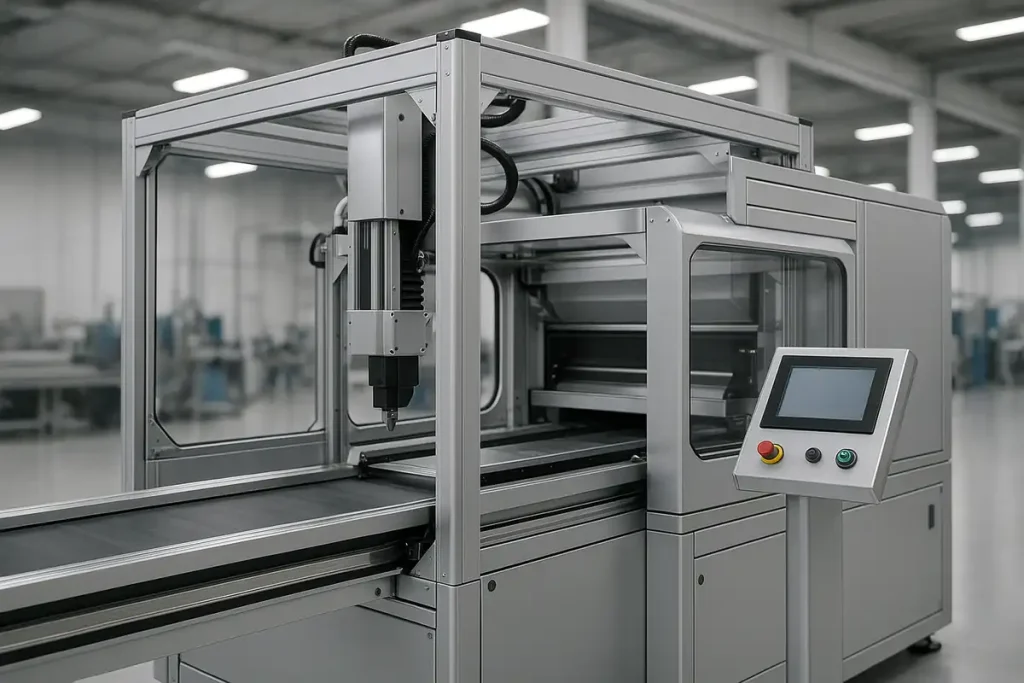
Brass is preferred for pump bodies, valve seats, precision fittings, and threaded connectors, due to its stable machinability and resistance to corrosion in water, oils, and non-aggressive chemicals.
Common applications include hydraulic valve assemblies, plumbing fittings, compressor components, and gas or water control systems.

Brass is commonly used for electrical lugs, connector blocks, terminal components, and grounding hardware because it combines good conductivity, corrosion resistance, and reliable machinability. These properties make it suitable for power distribution equipment, switchgear accessories, and industrial connection systems.

Due to its premium finish, durability, and friction resistance, brass is commonly used in faucets, sanitary fittings, luxury hardware, musical instruments, zippers, and precision hand tools.
It combines aesthetics with reliable wear performance.
Brass casting is a manufacturing method in which molten brass is poured into a mold to form parts with the required shape. It is suitable for producing a wide range of custom brass components and is commonly used for valves, fittings, housings, and other parts that require good corrosion resistance, machinability, and surface quality.
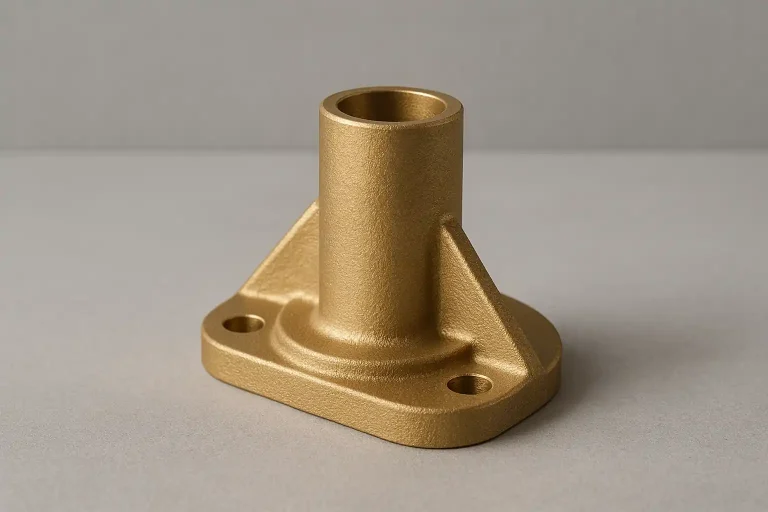
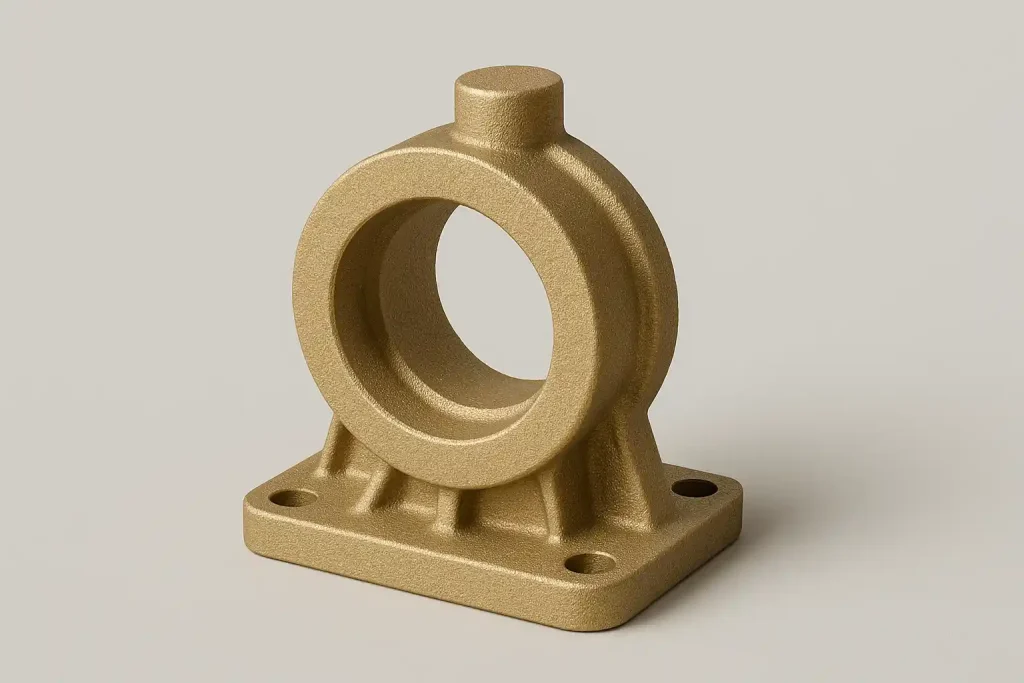
Brass Housing
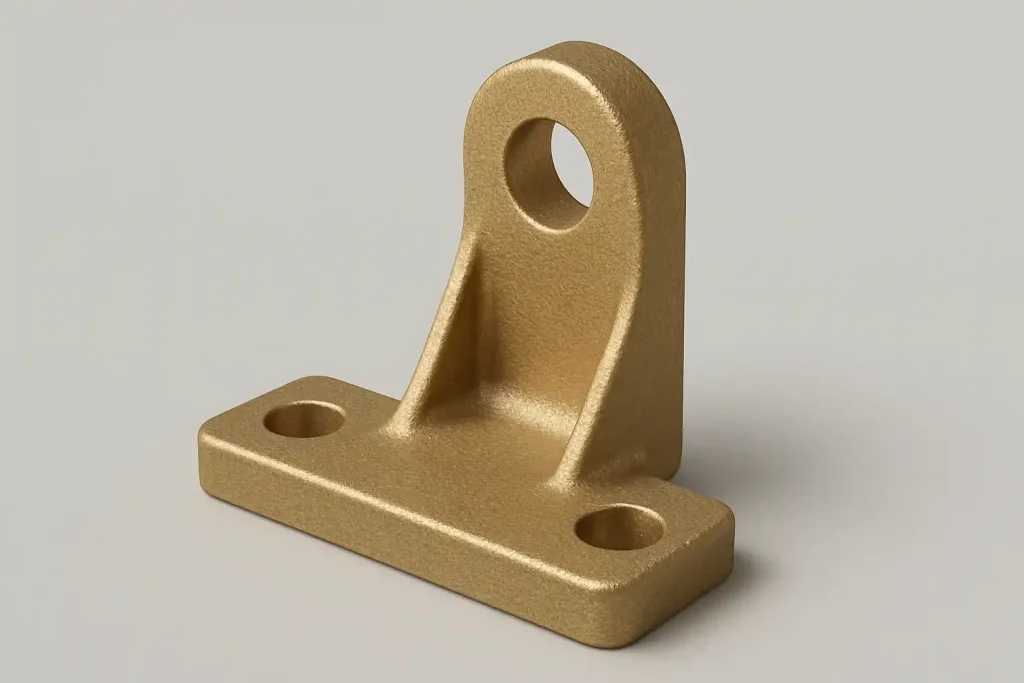
Brass Bracket
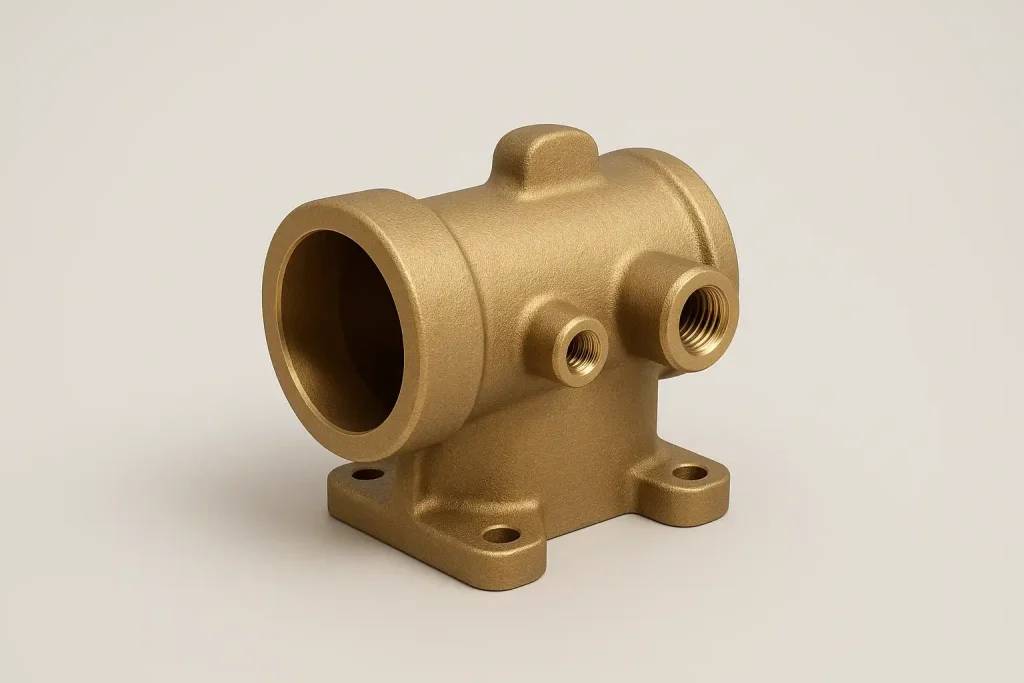
Brass Pump Body
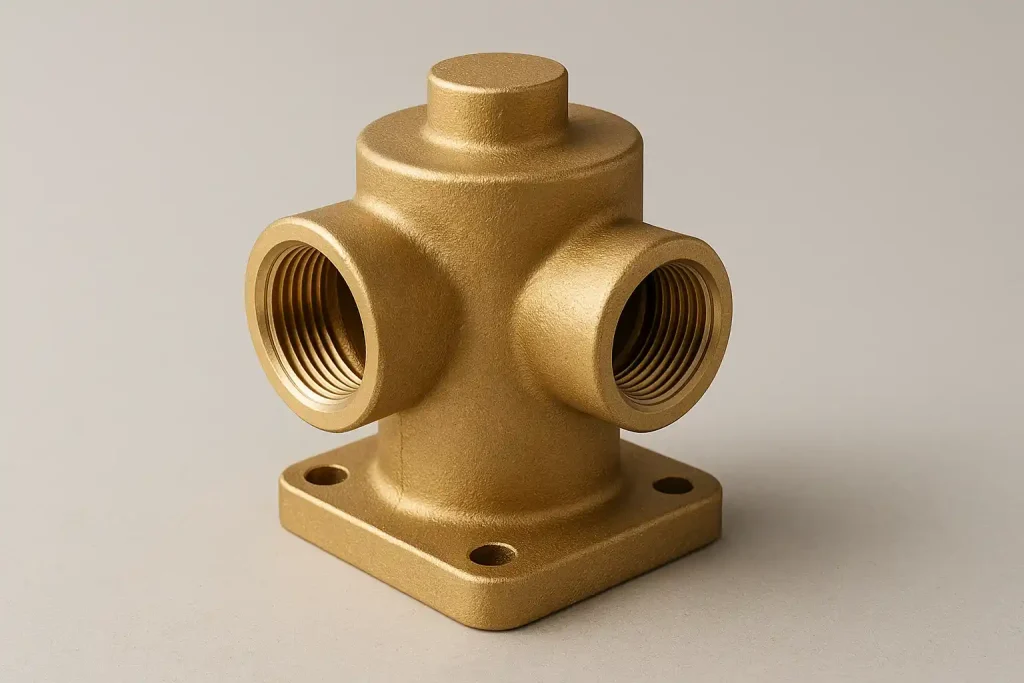
Brass Valve Body
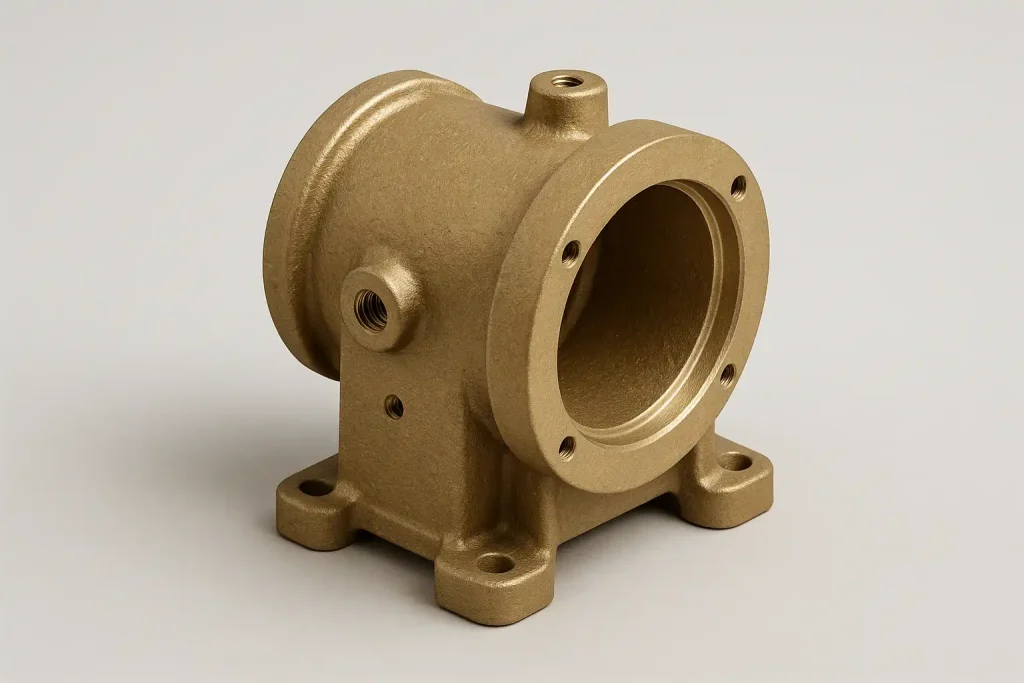
Brass Gearbox Case
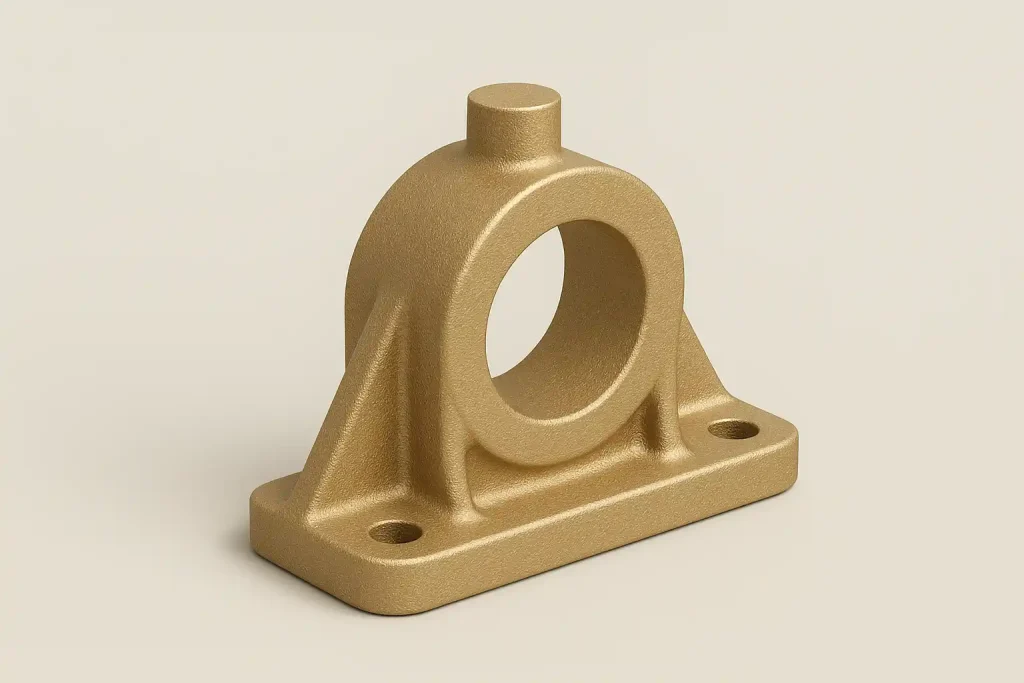
Brass Structural Part
Quality control covers multiple key stages, from material verification and drawing review to final inspection before shipment, helping improve dimensional consistency, surface quality, and production stability.

Bronze is a copper-based alloy, primarily with tin as its core element. This precise ratio…
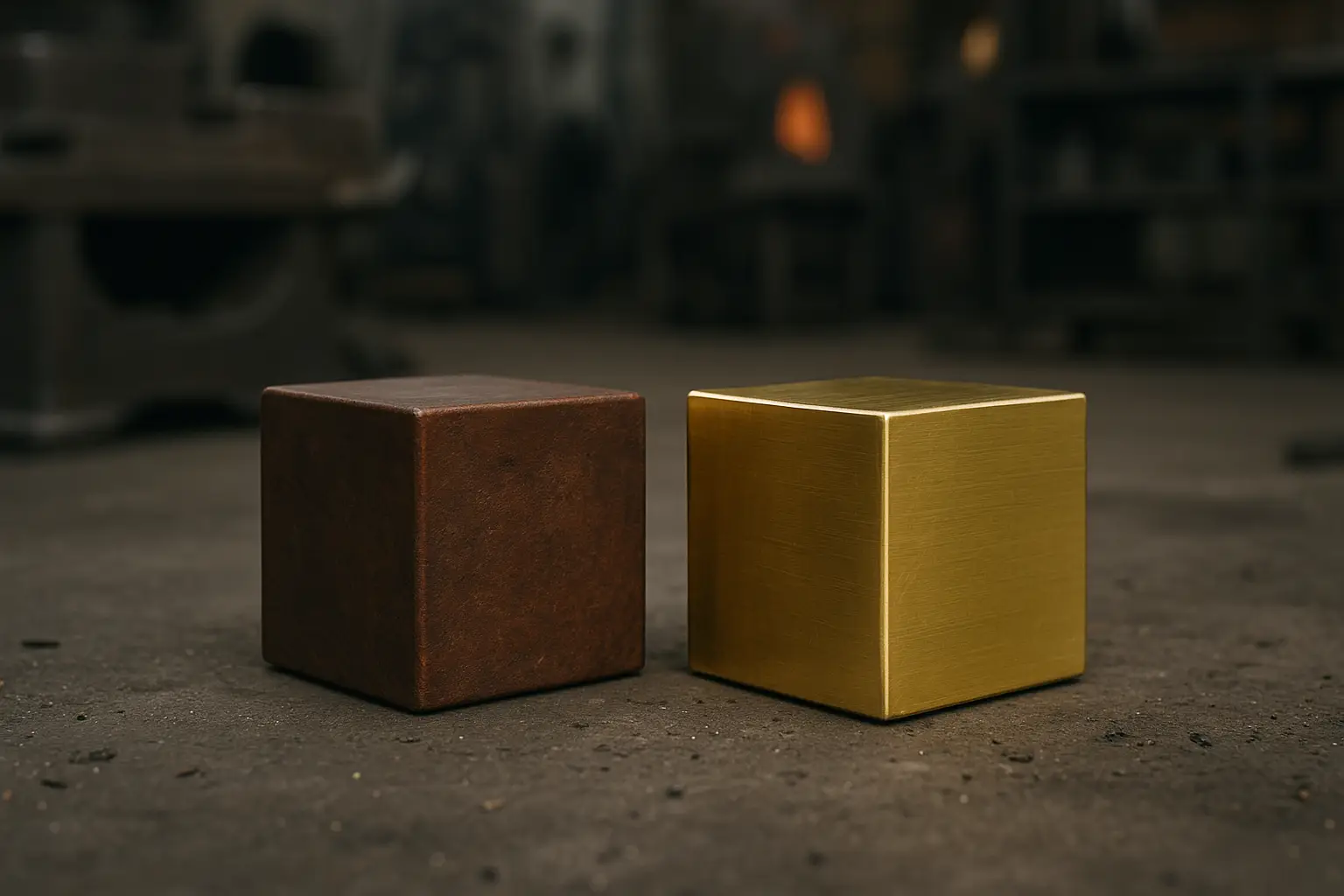
Bronze and brass are two common copper alloys, but they have significant differences in composition,…
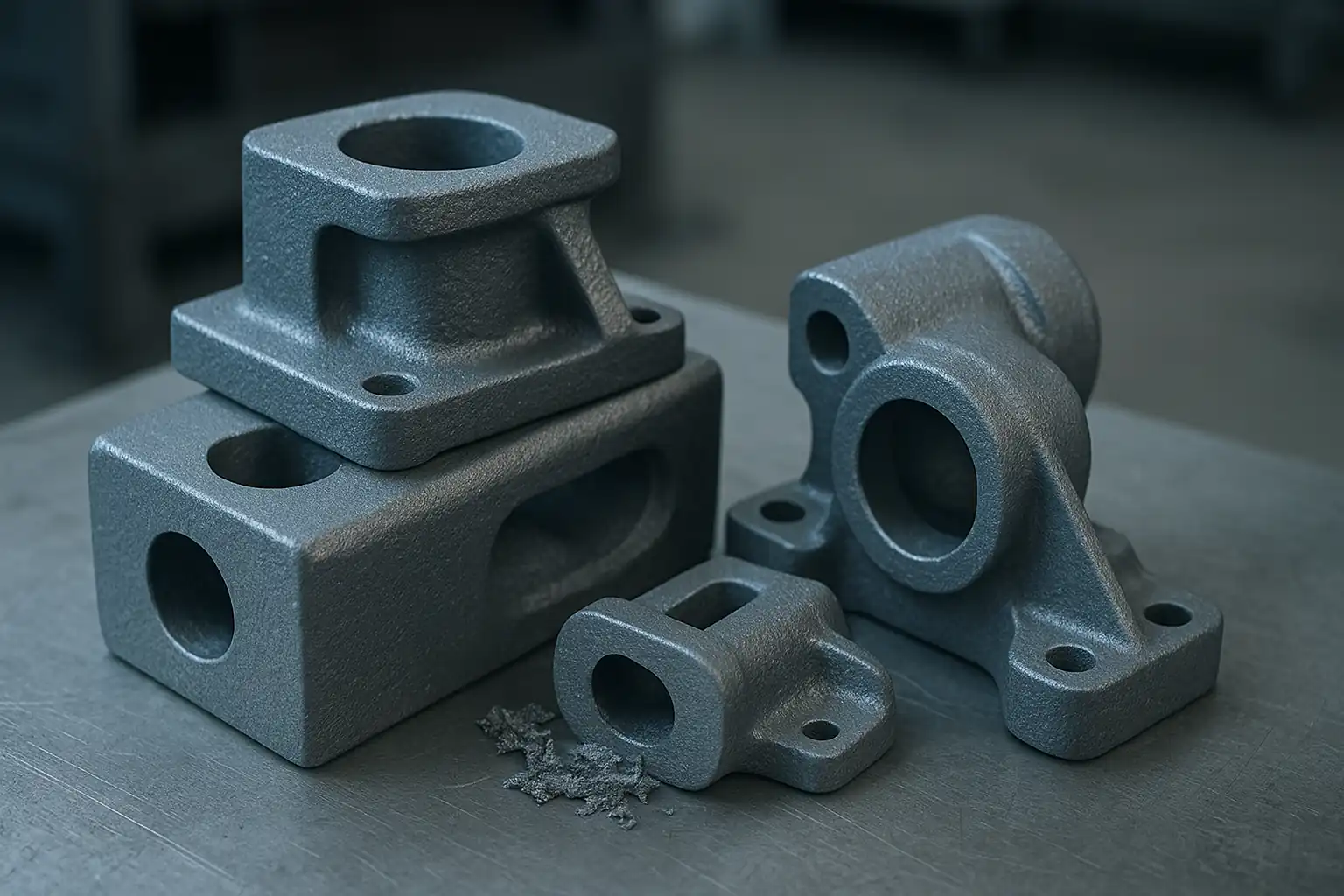
Gray cast iron is an iron-carbon alloy named for its gray fracture surface. The article…