


Medium carbon steel is an engineering material widely used in casting and machining. Compared with low carbon steel, it generally offers higher strength and hardness; compared with high carbon steel, it retains a certain degree of toughness and machinability. Because of this relatively balanced performance, medium carbon steel is commonly used in many industrial applications.
What is Medium Carbon Steel?
Medium carbon steel generally refers to carbon structural steel with a carbon content within a certain range, typically about 0.25%–0.60%. It is not a single specific grade, but a category of steel classified by carbon content. In industrial applications, this classification matters because different carbon levels directly affect a material’s strength, hardness, toughness, and response to heat treatment.
In the equilibrium state, the microstructure of medium carbon steel is usually composed mainly of ferrite and pearlite. As the carbon content increases, the proportion of pearlite also rises, which generally leads to higher strength and hardness. In addition to iron and carbon, medium carbon steel usually contains small amounts of elements such as manganese to improve hardenability and deoxidation.
Medium Carbon Steel Properties
One of the more notable characteristics of medium carbon steel is its clear response to heat treatment. Through different heat treatment methods, its strength, hardness, and toughness can be adjusted over a relatively wide range, allowing medium carbon steel to meet the requirements of many industrial parts.
Strength and Hardness
After quenching and high-temperature tempering, the yield strength and tensile strength of medium carbon steel are usually significantly higher than those of low carbon steel. This allows it to withstand greater mechanical loads, which is why it is often used for shafts, gears, and structural parts that require reliable load-bearing performance.
タフネス
Under appropriate heat treatment conditions, medium carbon steel can still retain a certain degree of toughness while achieving higher hardness. In other words, when a part is subjected to sudden impact, it is less likely to fail through brittle fracture like high carbon steel and can instead absorb energy through a certain amount of plastic deformation.
加工性
In the annealed or normalized condition, medium carbon steel usually offers good cutting performance. Its hardness remains in a relatively moderate range, which helps avoid the level of tool wear often seen with harder materials and also makes it easier to achieve a better surface finish. For this reason, medium carbon steel is widely used in the machining of many mechanical and precision components.
Common Medium Carbon Steel Grades
In practical production, selecting a specific grade depends on the influence of carbon content on performance:
| グレード | Carbon Content (C %) | Performance Characteristics | 代表的なアプリケーション |
|---|---|---|---|
| 35# / 1035 | 0.32–0.38 | Moderate strength with relatively good plasticity and toughness among medium carbon steels. | Connecting rods, fasteners, tie rods, and light-duty shafts |
| 45# / 1045 | 0.42–0.50 | A widely used general-purpose grade. After quenching and tempering, it offers a well-balanced combination of mechanical properties. | Gears, spindles, crankshafts, and drive shafts |
| 50# / 1050 | 0.47–0.55 | Higher hardness and better wear resistance after quenching, though ductility is somewhat reduced. | Shock-absorbing springs, wear-resistant washers, and rolls |
| 60# / 1060 | 0.57–0.65 | High hardness and elastic limit with strong wear resistance, approaching the performance of high carbon steel. | Leaf springs, wear liners, and cutting tools |
Medium Carbon Steel Advantages
The wide application of medium carbon steel in industry is due to its comprehensive performance. It provides necessary mechanical support without excessive costs.
費用対効果
Material costs are moderate, and performance after heat treatment is sufficient to replace some expensive alloy steels in specific conditions, offering an optimal balance between project budget and performance requirements.
Heat Treatment Potential
Engineers can precisely adjust physical properties through various heat treatment processes, allowing the same grade to adapt to multiple working conditions ranging from toughness to hardness requirements.
耐摩耗性
After surface hardening, medium carbon steel grades possess high surface hardness, effectively resisting high-frequency mechanical friction and physical wear.
Medium Carbon Steel Disadvantages
Despite its comprehensive performance, medium carbon steel has limitations in certain processes and environments that must be considered during the design phase.
溶接性
Increased carbon content makes the heat-affected zone prone to cold cracking. Welding these steels usually requires pre-heating and slow post-weld cooling to release internal stresses.
Hardenability Limits
For large cross-section parts (such as large diameter heavy shafts), pure carbon steel may not harden completely at the core, affecting the overall mechanical performance of the component.
耐食性
Compared to stainless steel, medium carbon steel is prone to oxidation and rust in humid environments. Surfaces must be protected by electroplating, black oxide, or oil coating.
Comparison with Stainless Steel
Engineers frequently decide between medium carbon steel (e.g., 45#) and stainless steel (e.g., 304).
From a mechanical performance perspective, properly heat-treated medium carbon steel often easily exceeds common 304 stainless steel in yield strength and surface hardness. If you prioritize surface hardness and structural load-bearing capacity, medium carbon steel is the more robust choice.
In terms of durability, both have strengths. Medium carbon steel shows excellent fatigue resistance and strength in dry environments, while stainless steel wins in oxidation and corrosion resistance due to its chromium content.
- Selection Advice: Choose medium carbon steel for mechanical strength and high cost-effectiveness; choose stainless steel for environmental adaptability, aesthetics, and long-term corrosion protection.
Applications of Medium Carbon Steel
Because of its balanced mechanical properties, medium carbon steel is used in many industrial fields. It is generally suitable for parts that require a certain level of strength, toughness, and wear resistance, while also needing to balance machinability and cost.
Automotive Manufacturing
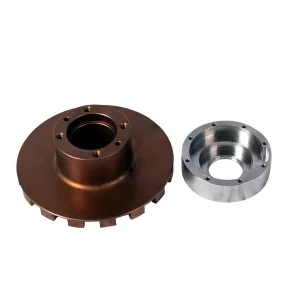
In automotive manufacturing, medium carbon steel is commonly used for crankshafts, connecting rods, drive shafts, and other key transmission components. These parts are often subjected to repeated loads, so they usually require both strength and toughness.
重機
In heavy machinery, medium carbon steel is often used for gears, worm gears, bearing housings, and some high-strength fasteners. These components usually require good load-bearing capacity and wear resistance, which makes medium carbon steel a common material choice.
Industrial Castings
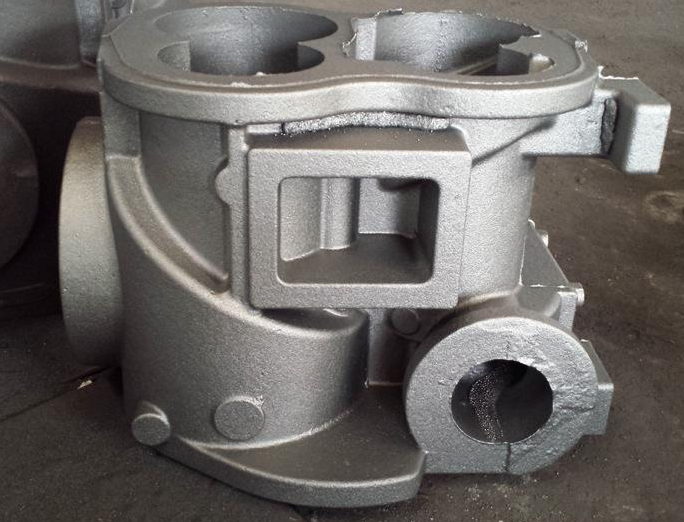
In industrial casting, medium carbon steel can be used for machine bases, frames, and support structures that need to withstand relatively heavy loads. In these applications, the material’s overall mechanical properties and its potential for further heat treatment are often important.
General Machinery
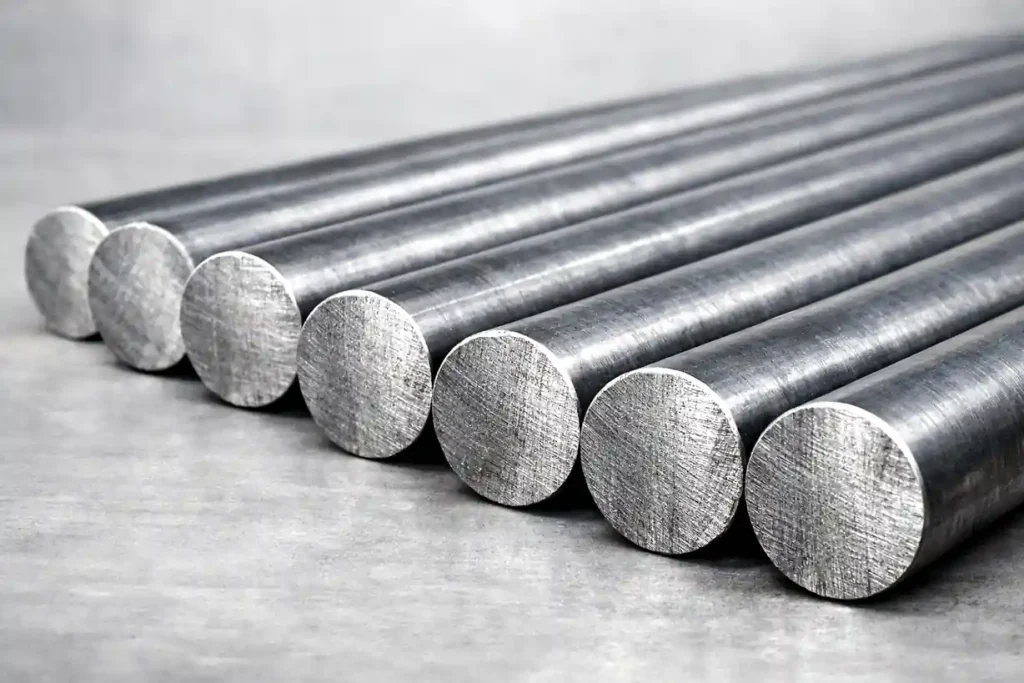
Medium carbon steel is also widely used in general machinery parts such as shafts, couplings, pins, rollers, and support components. These parts often require a practical balance of strength, wear resistance, and machinability, which makes medium carbon steel a suitable option.
結論
With its outstanding comprehensive performance and high cost-effectiveness, medium carbon steel has become an irreplaceable material in machining and casting. By properly selecting the specific grade (such as the common 45# or 1045) and heat treatment process, it can meet diverse requirements ranging from ordinary fasteners to high-load transmission shafts.
If you are looking for high-quality medium carbon steel machining or casting services, please エンジニアリングチームへのお問い合わせ for a technical assessment.